
12°C to 21°C: that was the range on my last Tokyo stay, and I spent more time deciding between train exits than I did inside most of the capsule hotels I looked at. I made one booking mistake, one good call, and one “cheap” choice that wasn’t actually cheap once I counted the extra train ride. My pick for the best capsule hotels in Tokyo for solo travel is simple: I’d book a capsule hotel near a major station first, then compare price against sleep quality and walkability before I got seduced by a lower nightly rate.
Best overall: First Cabin Akasaka if you want a quieter, roomier capsule-style stay with fewer sleep disruptions. Best budget pick: Nadeshiko Hotel Shibuya if you want the cheapest decent base and don’t mind a more basic setup. If you’re choosing between a slightly pricier hotel near the station and a cheaper one that adds 20 minutes of transit each way, I’d pay the extra. Tokyo punishes bad location choices fast.
Quick answer: First Cabin Akasaka was my best overall pick at about $55-$75 a night, while Nadeshiko Hotel Shibuya was the budget option at around $35-$55 a night. For solo travel, I’d pay for station access first.
| Hotel | Price/night | Location | Best for |
|---|---|---|---|
| First Cabin Akasaka | $55-$75/night | Akasaka | solo |
| Nadeshiko Hotel Shibuya | $35-$55/night | Shibuya | budget |
Hotel Review
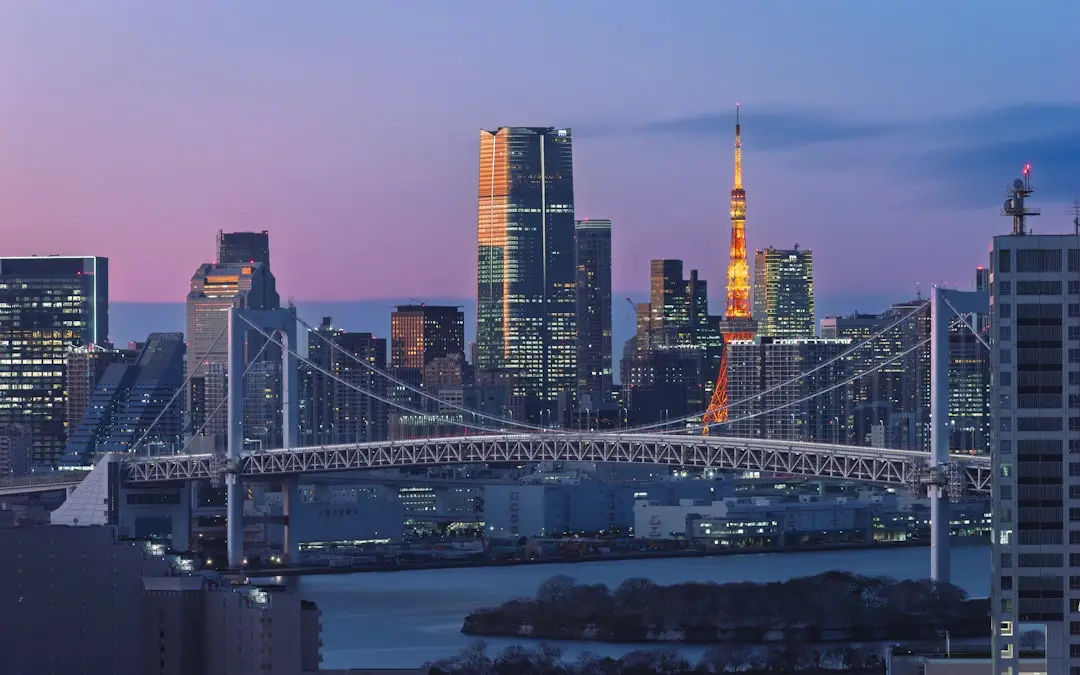
For me, capsule hotels in Tokyo are a value play, not a novelty play. I’d use them when I’m moving around the city hard, arriving late, or leaving early. I would not book one just to “try capsule life” if a real single room was only $15-$25 more. That math never works out for me.
I booked through Agoda and saved about 15% compared to the hotel’s own site.
Where I’d Actually Stay in Tokyo
PENTHOUSE 3min direct to Shibuya Station&Crossing
Tokyo
★★★★☆
Shibuya Excel Hotel Tokyu
Tokyo
★★★★☆
Shibuya Creston Hotel
Tokyo
★★★★☆
First Cabin Akasaka: the one I’d book again
I stayed at First Cabin Akasaka because I wanted something cleaner and calmer than the cheapest capsule options, and I was tired of hearing every suitcase wheel in the hallway. It worked. The cabin felt more like a tiny private room than a pod, which gave me enough space to change without doing that awkward half-crouch dance I’ve done in smaller capsule setups. I paid about $55-$75 a night depending on the date, and for Tokyo that felt fair.
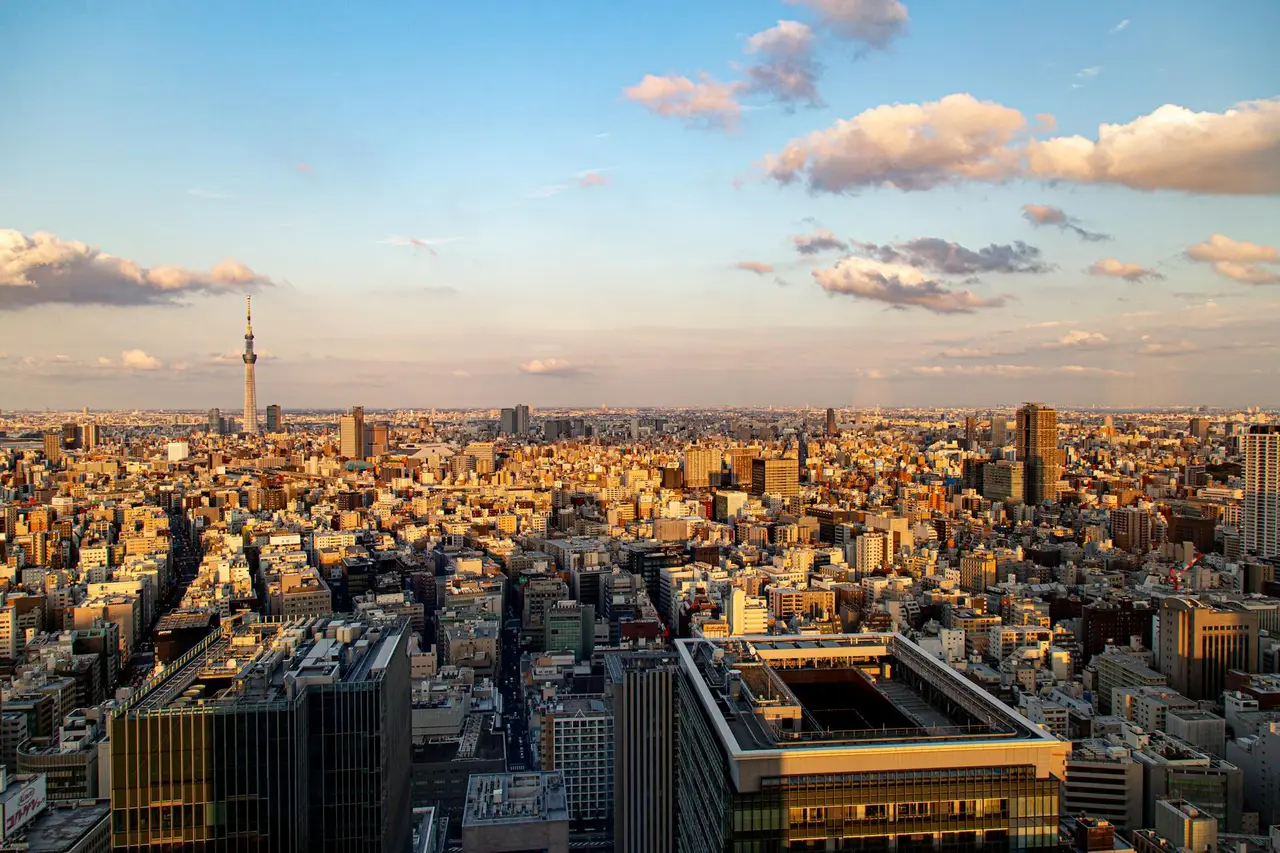
The location is the real reason I’d choose it again. Akasaka is a solid base if you want easy access to the Chiyoda, Marunouchi, and Ginza lines, and that saved me from the slow, annoying transfers I get when I stay too far out. I walked to dinner one night after a long day and got back without a taxi, which is the whole point. If I’d stayed somewhere cheaper but 15-20 minutes farther from a useful station, I would’ve spent the savings on train fares and dead time anyway.
Sleep was better than I expected. I figured “capsule” would mean constant noise, but this place was quiet enough that I slept through most of the night with earplugs in and my phone on silent. It wasn’t silent-silent. I still heard a door close at 11:40pm and someone rolling out early at 6:15am, but that’s Tokyo and that’s shared accommodation. Worth it if you care about rest more than the cheapest possible bed.
Best for: solo travelers who want a capsule-style stay but don’t want to feel squeezed.
Skip if: you need a private bathroom or you’re trying to keep the nightly rate under $40 no matter what.
My pick: this is the one I’d book again for a 2-4 night Tokyo stay.
The tradeoff is straightforward: you pay more than a bare-bones capsule, but you buy back sleep and location. I’d rather do that than save $15 and spend the next day dragging myself through Shibuya with bad coffee and no patience.
Nadeshiko Hotel Shibuya: the budget choice that still makes sense
I booked Nadeshiko Hotel Shibuya on a different trip because I wanted to stay close to Shibuya without paying normal Shibuya hotel prices. The rate was around $35-$55 a night, which is where the value starts to make sense for solo travel. The catch is that “budget” here means you accept a more compact, more shared setup. Fine. Not great. But it did the job.
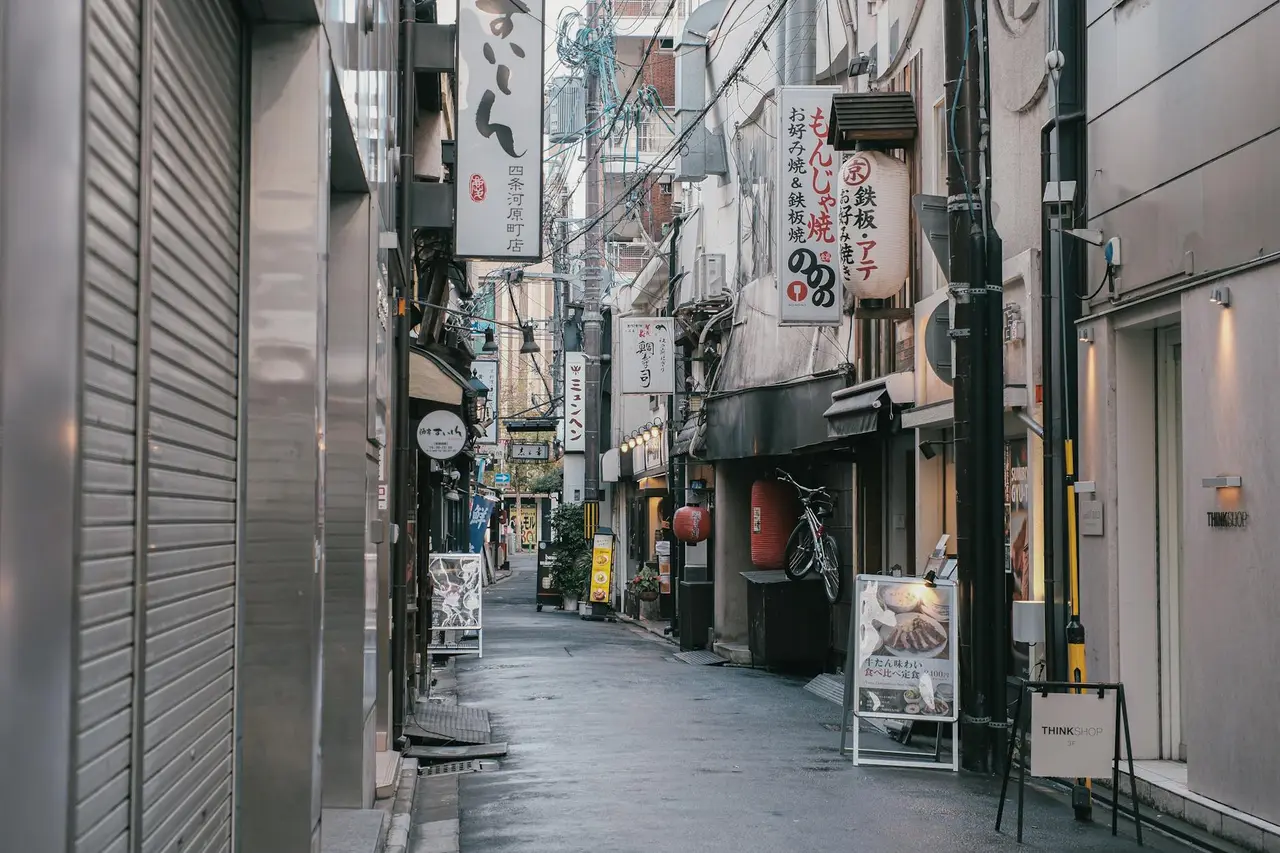
The location saves real time. I could reach Shibuya Station fast enough that I didn’t feel stranded, and that matters because Tokyo gets annoying when you’re doing multiple short hops in one day. If I had stayed somewhere cheaper in a less central area, I would’ve added about 20 minutes to my evening return and probably skipped one dinner plan just because I was tired. That’s the hidden cost people ignore.
Sleep was mixed. I had a decent night, but I also remember hearing footsteps in the corridor and the usual capsule-hotel shuffle of people unpacking, plugging in chargers, and trying to exist quietly in a shared space. I wouldn’t call it bad, but I also wouldn’t call it restful in the same way as a single room. Worth it only if the price gap is at least $20-$30 versus your next option.
Best for: budget solo travelers who want a central base and can handle a basic setup.
Skip if: you’re a light sleeper or you want the hotel to feel like a break from the city instead of part of the city.
My pick: the best low-cost choice when Shibuya access matters more than comfort.
I had Nadeshiko Hotel Shibuya and a cheaper place farther out in front of me. I went with Nadeshiko because the station time mattered more than the $10-$15 difference. The farther place would’ve worked if I were staying a week and barely moving around, but I wasn’t.
What Tokyo capsule hotels actually get right
The main thing Tokyo capsule hotels do well is efficiency. I could check in, drop my bag, and be on a train fast. That sounds boring until you’ve spent 40 minutes trying to find a hotel in a neighborhood where the “short walk” turns into a steep, confusing detour with luggage. Capsule hotels cut that friction. I value that a lot more than I used to.
They also make solo travel feel easier in a practical way. I didn’t have to plan my day around a giant room I barely used. I’d come back, shower, charge my phone, and sleep. That’s it. For a Tokyo trip packed with train rides, convenience stores, and one too many station exits that all look the same, that is enough. Worth it if your trip is about moving, not lounging.
The downside is obvious, and I won’t pretend it isn’t. Capsules are not private. They are not romantic. They are not where I’d stay if I wanted to unpack for five nights and work from “home” in the room. I once thought I’d enjoy the novelty more than I did; after one long day, I mostly wanted space for my bag and a quieter hallway. That expectation was wrong, and the fix is simple: use capsule hotels for logistics, not for a cozy stay.
Best for: short solo trips, late arrivals, and early departures.
Skip if: you need privacy to unwind or you travel with a lot of gear.
My pick: choose a capsule when the station access is genuinely better, not just cheaper on paper.
Where to Stay
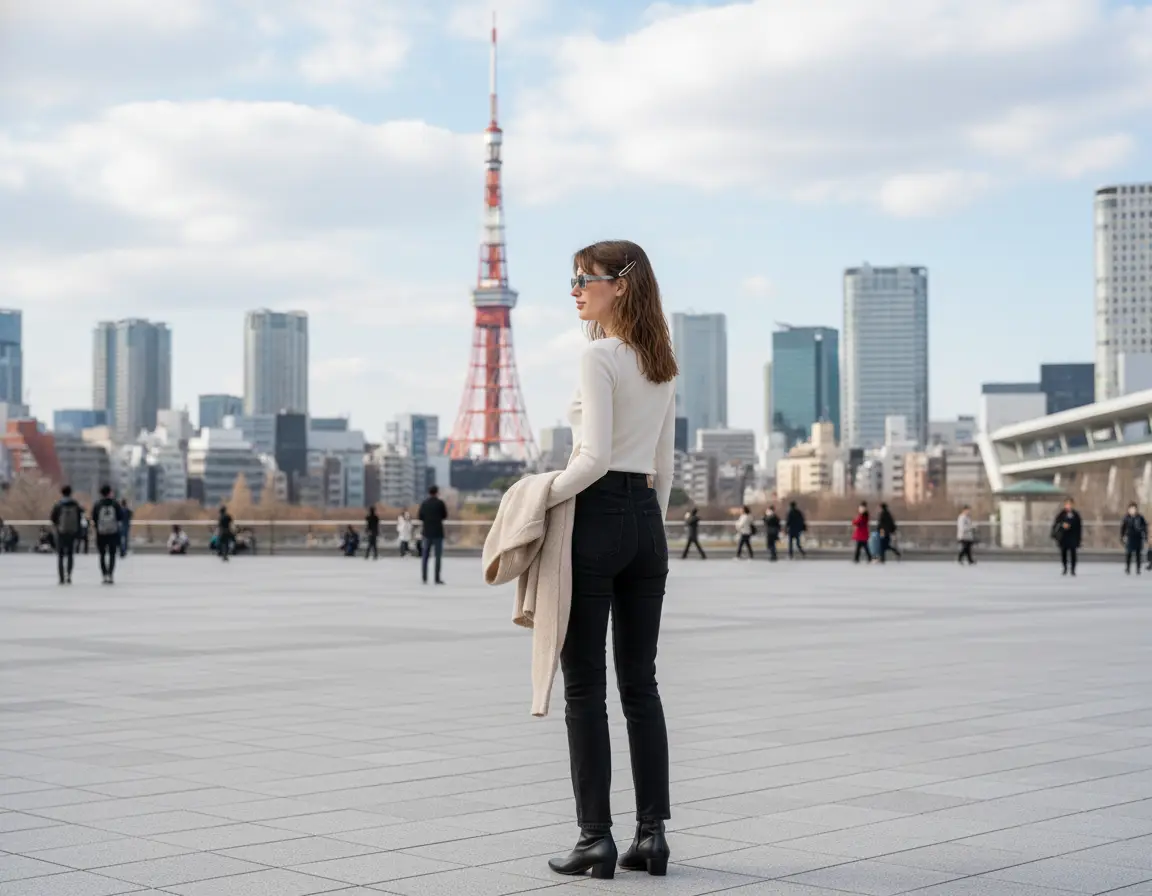
If I’m choosing a capsule hotel in Tokyo, I care more about the station than the square footage. That’s the whole game. A place near Akasaka, Shibuya, Ueno, or Asakusa can save you from wasting money on taxis or time on awkward transfers. I paid about $12 one night for a taxi I didn’t need because I stayed slightly too far from where I was meeting a friend. I still remember that because it annoyed me. A lot.
Ueno is useful if you want easy rail access and a straightforward base, especially if you’re arriving from Narita or doing a lot of day trips. Asakusa is cheaper and has more character in the neighborhood itself, but it can feel a bit slower at night depending on where you stay. Shibuya is lively and easy, but the price jumps fast. Akasaka is my sweet spot when I want central without paying the Shinjuku/Shibuya tax.
Best for: travelers who will be out all day and only need a good sleep base.
Skip if: you plan to spend a lot of time in the room or you hate walking 8-10 minutes from the station with luggage.
My pick: pay for the station, not the gimmick.
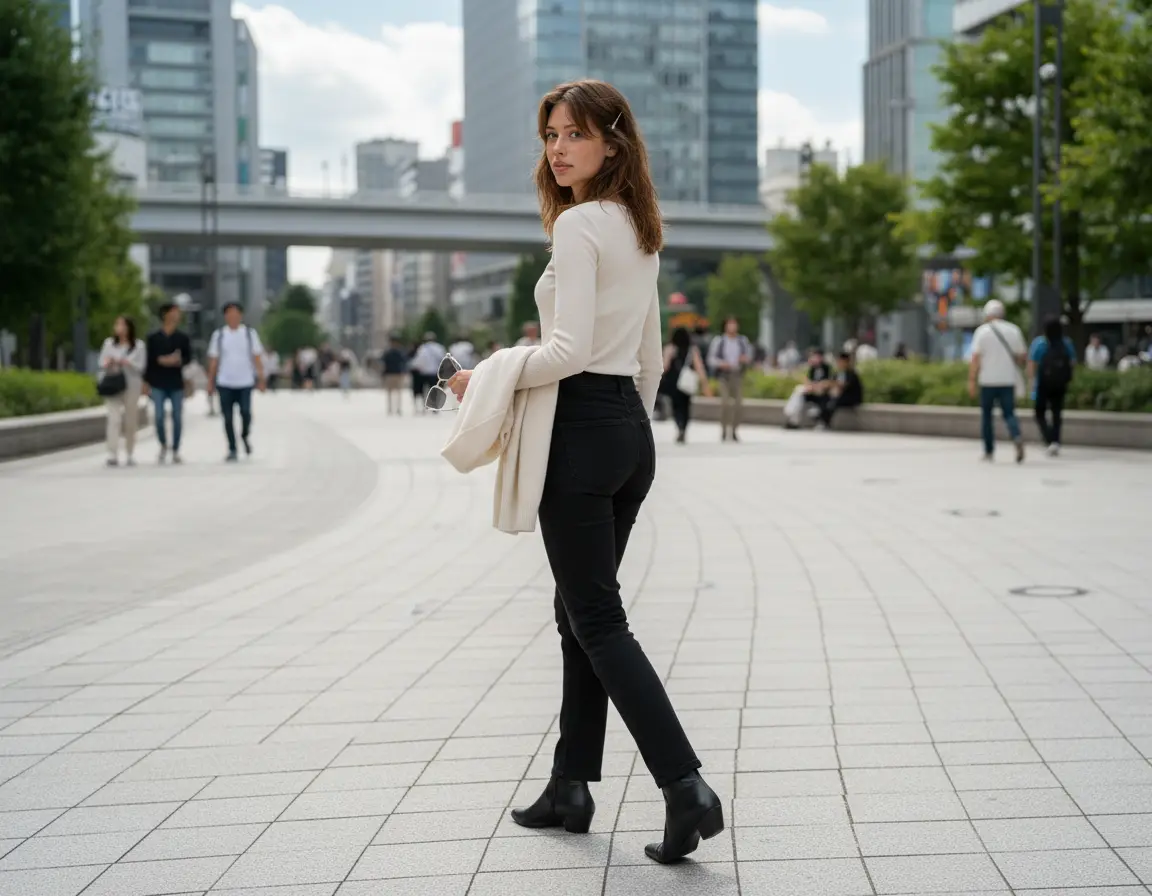
I stayed in Tokyo with sunglasses in my bag and a cardigan in my hand because the weather kept flipping between mild and a little cool, and that made station proximity matter even more. When I got back after sunset, I wanted the simplest route possible, not a treasure hunt through narrow side streets. That’s where the value is.
Sleep, noise, and the stuff nobody writes honestly enough about
Sleep quality is where capsule hotels separate fast. Some are fine. Some are a mess. The best ones have decent blackout doors, a quiet floor, and a layout that doesn’t echo every little movement. The bad ones make you hear every plastic bag, every alarm, and every person who thinks 6:30am is a great time to reorganize their life. I’ve had both, and I don’t trust marketing photos at all.
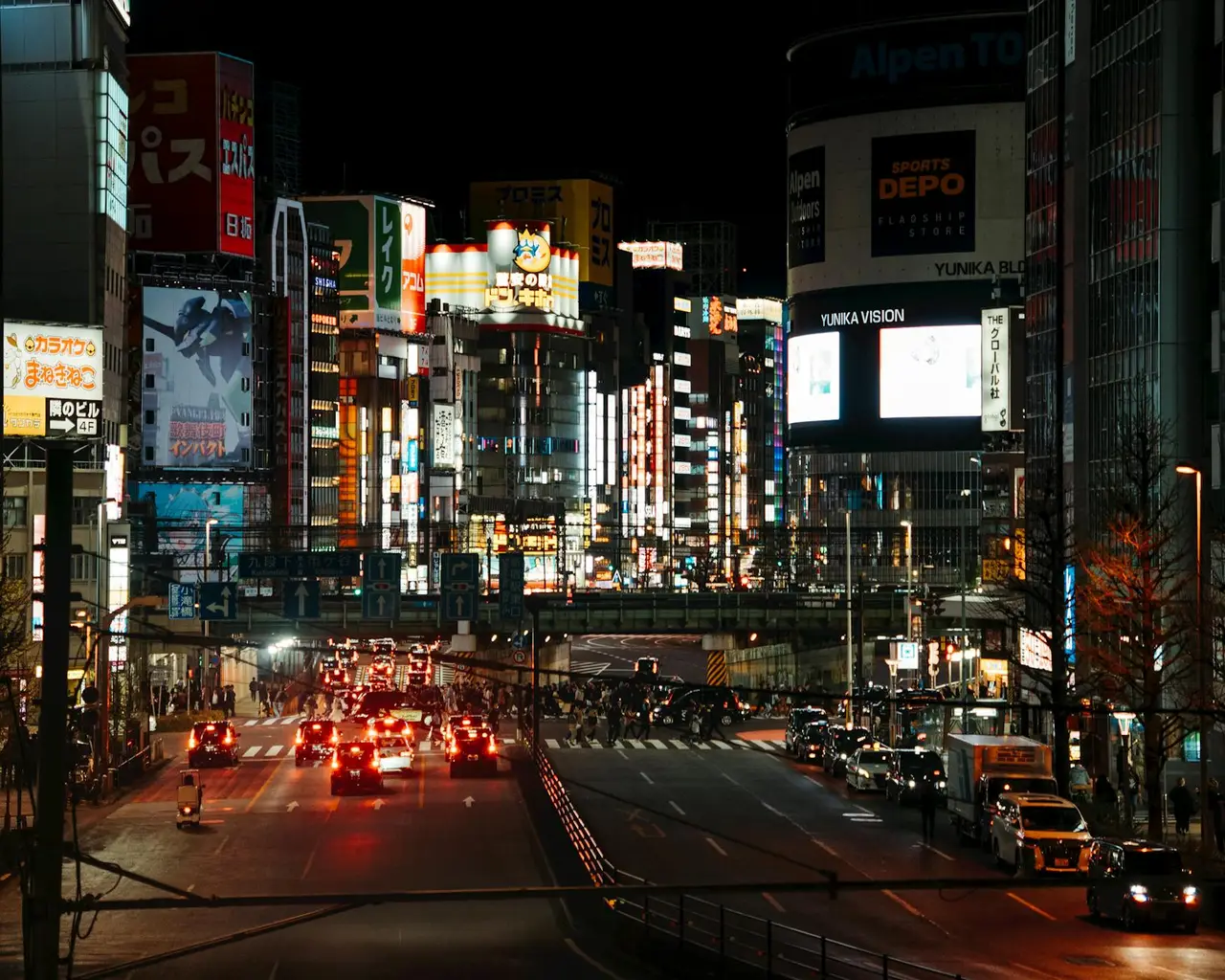
First Cabin was the closest I got to a genuinely solid night. Nadeshiko was okay but more dependent on who else was staying there. That’s the annoying truth about shared accommodation: one noisy guest can wreck the value equation. If I’m paying $45 and sleeping badly, I’d rather pay $60 and sleep properly. I learned that the hard way after one night where I kept waking up and checking my phone like a zombie.
Best for: light solo travelers who can sleep with earplugs and don’t overpack.
Skip if: you wake up easily or you’re already exhausted from a red-eye and need real quiet.
My pick: pay a little more for a quieter floor or a room-style cabin if the hotel offers it.
Worth it only if the hotel has recent reviews mentioning quiet nights, clean showers, and lockers that actually fit a backpack. I read enough reviews to know that “newly renovated” doesn’t mean much if the hallway still sounds like a train platform at midnight.
The one mistake I made booking cheap in Tokyo
I thought I could save money by booking a cheaper capsule hotel farther from the center and just “taking the train.” That sounded smart until I looked at the actual route after a long day out. The trigger was simple: I was tired, it was raining lightly by the time I got back to the station, and the last stretch to the hotel felt longer than it had on the map. I had a 12-minute walk that turned into 25 minutes with a bad bag and one wrong turn.
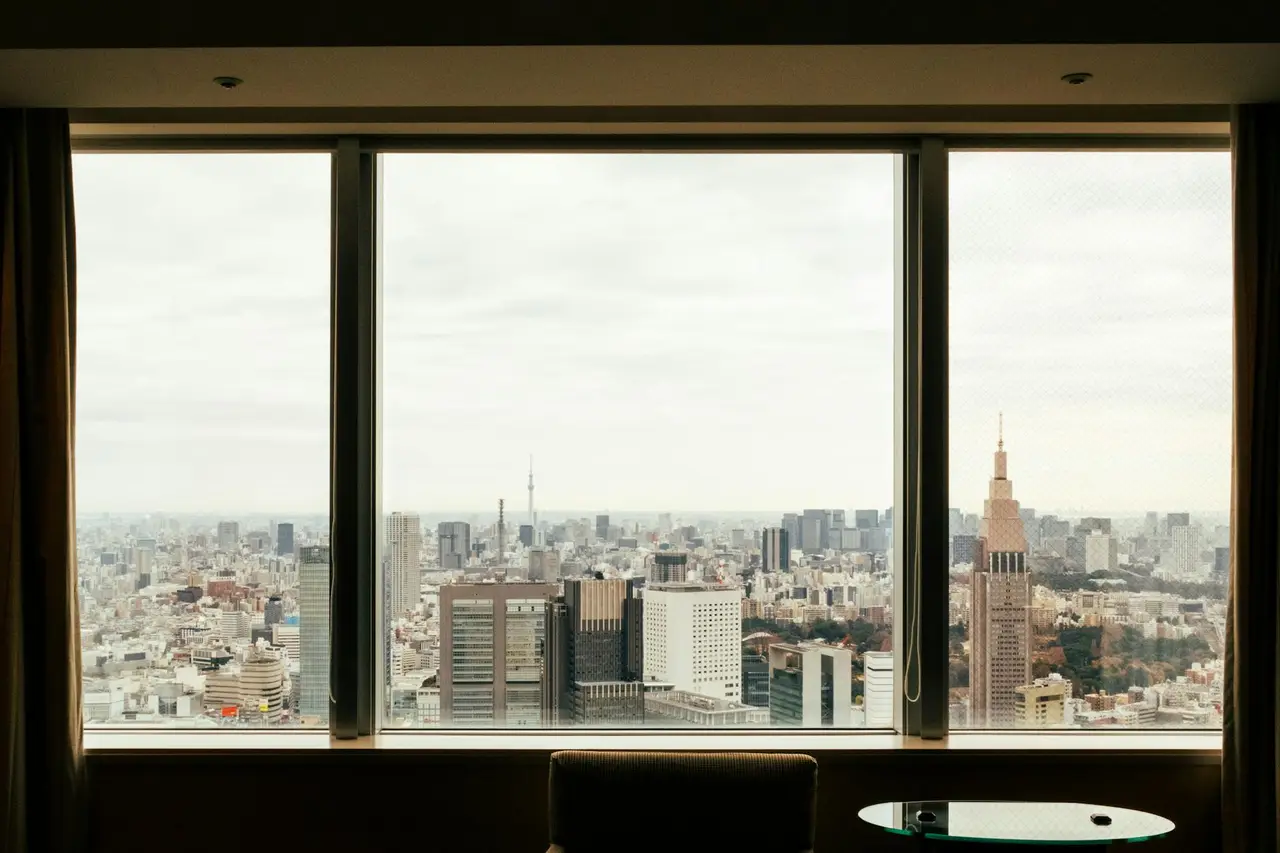
The consequence wasn’t dramatic, but it was real. I saved about $18 on the room and lost more than that in transit hassle, one extra snack stop, and the kind of tiredness that makes you spend too much on convenience store food because you can’t be bothered to go farther. Next time, I’d book closer to the station even if the room rate goes up a bit. Tokyo rewards small logistical wins and punishes small mistakes all day long.
Best for: anyone who thinks location doesn’t matter much in Tokyo. It does.
Skip if: you’re trying to shave money by staying far out and commuting back late.
My pick: I’d rather save $8 on food than $8 on the bed.
Agoda is the easiest way I compare capsule rates
Tokyo prices move fast, especially around weekends and cherry blossom season. I checked the same capsule hotels more than once and saw the rates swing enough to change my decision, which is why I’d compare options on Agoda before I booked anything. The difference between “cheap enough” and “why am I paying this much for a pod?” can be $15-$30 a night.
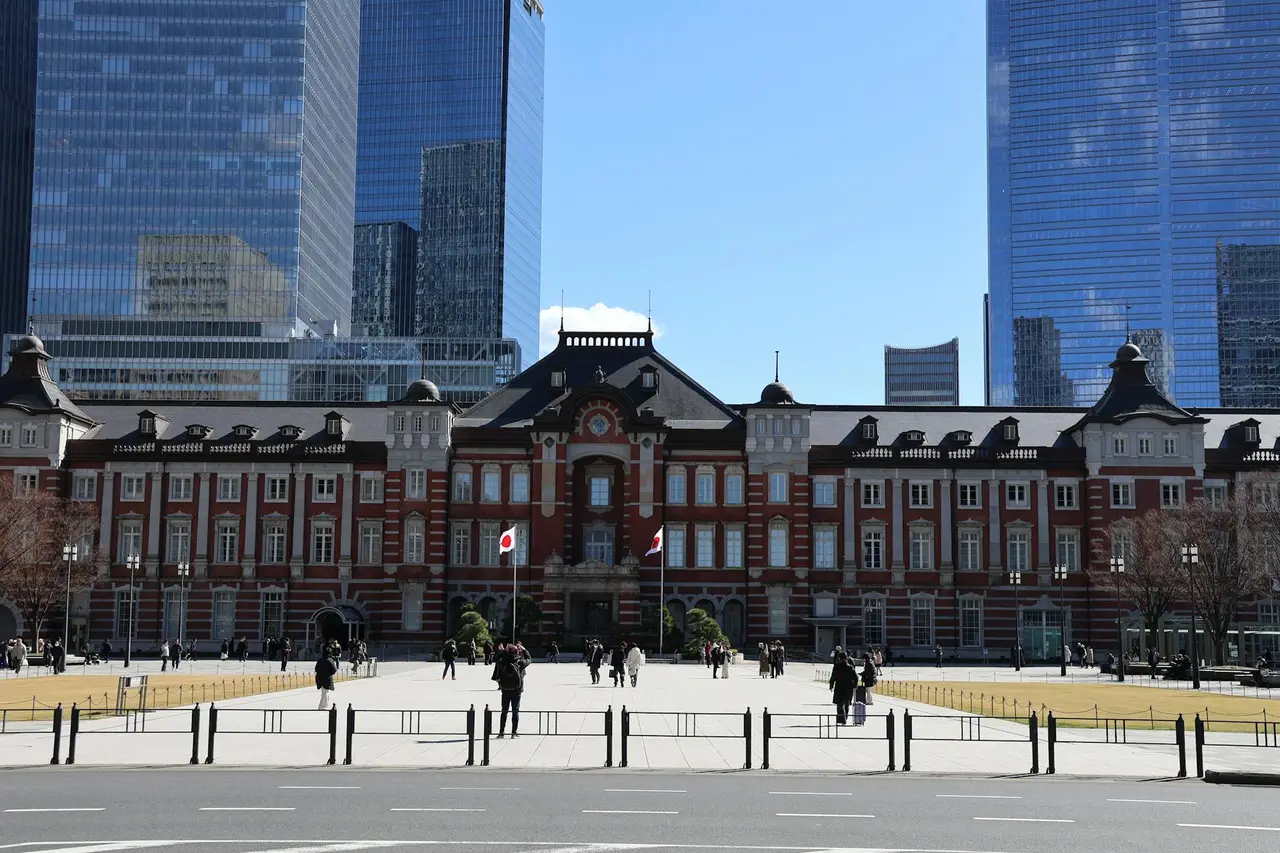
See all Tokyo hotels on Agoda →
Best for: comparing same-night or next-week prices across several capsule hotels.
Skip if: you’re booking blindly without checking the neighborhood and station access first.
My pick: I’d use it to compare the real cost, then judge by location and recent reviews, not just the lowest number.
What I’d do differently next time
I’d book closer to the station every time, even if it costs a little more. I’d also avoid any capsule hotel with vague recent reviews about noise, because that usually means a bad night is hiding in the details. And I’d stop assuming the cheapest option is the smartest one. In Tokyo, it usually isn’t.
I’d also stay longer in one neighborhood instead of bouncing around just because one place looks $10 cheaper. I wasted enough time checking in and out of cities in my early travel years. Tokyo is the kind of place where a good base saves more energy than a bargain room ever will.
Rough daily estimates from my own trip. Prices shift by season.
FAQ
Are capsule hotels in Tokyo safe for a solo woman?
Yes, I felt safe in the capsule hotels I used in Tokyo. The main thing I looked for was good locker security, clear check-in, and a front desk that didn’t feel sketchy at night. I’d still pick a place near a major station over a cheaper one in a quiet backstreet, because the walk home matters more than people admit.
Do capsule hotels work if I’m carrying a big backpack?
No, not really, if your bag is bulky and you hate packing neatly every night. I managed with a carry-on size bag, and even that felt tight in some locker setups. If you’re traveling with a full backpacking load, I’d book a small private room instead.
Which Tokyo area is easiest for a first solo trip?
Shibuya is the easiest if you want constant transit options and don’t mind paying a bit more. Akasaka is my quieter pick because it’s central without the same level of noise and chaos. I’d choose Shibuya for a short, busy trip and Akasaka for better sleep.
Is it worth paying more for a room-style capsule instead of the cheapest pod?
Yes, I think it’s worth paying more if the difference is under $20 a night. The extra space and quieter setup usually buy you better sleep, and that matters more than saving a few dollars in a city where you’ll already be walking and riding trains all day. I’d pay up if I was staying more than two nights.
How many nights would I stay in a capsule hotel before switching to a regular room?
Three nights is my limit before I start wanting more space. Capsule hotels are fine as a base for moving around Tokyo, but they get old if I’m trying to unpack, recharge, and slow down. If I were staying a full week, I’d split my stay or book a tiny private room instead.
 Emma Hayes