
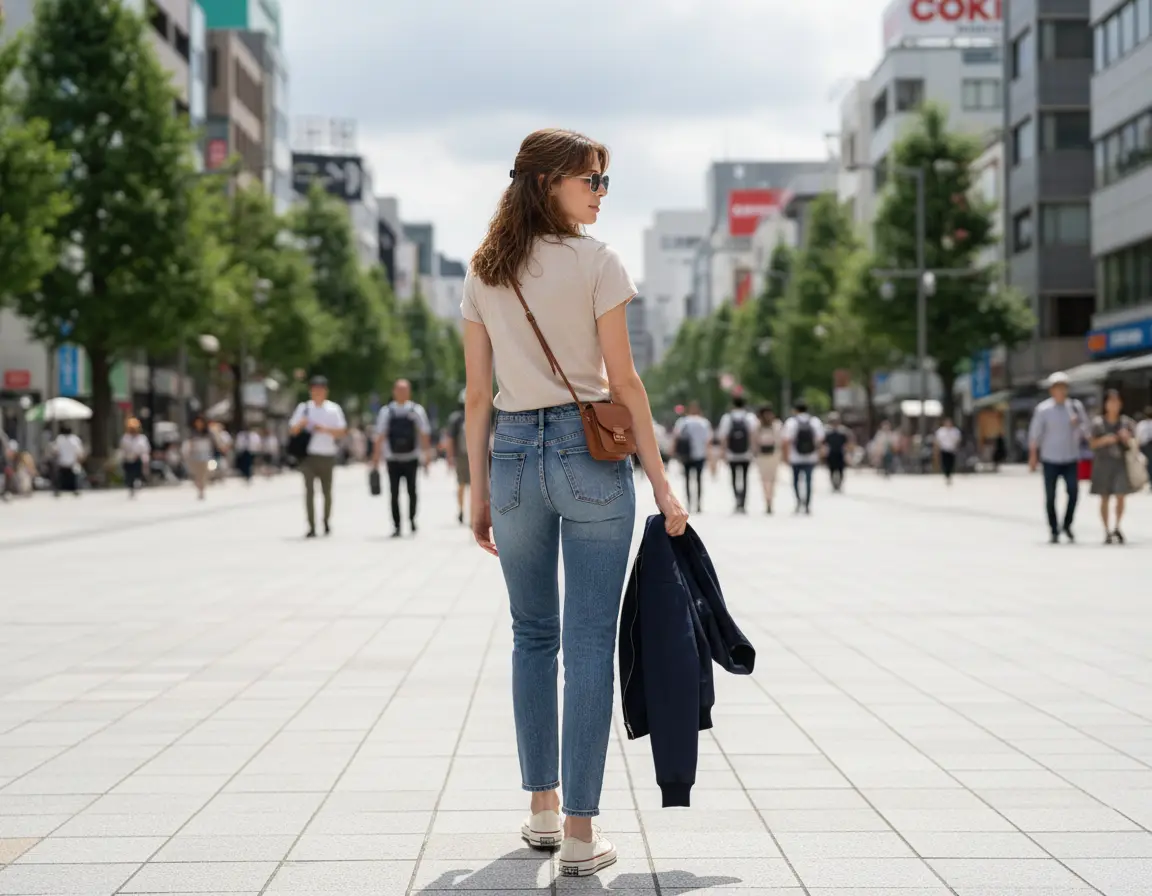
Is Osaka worth chasing for photos? I spent ¥9,200 finding out. My answer is yes, but only if I’m picky about where I shoot and I’m not expecting every famous spot to look good in real life. Osaka photo spots best views for instagram work best for travelers who want easy city views, good night shots, and a few places that actually photograph well without turning the whole day into a line-up-and-wait exercise.
Best for: travelers who want quick, recognizable city shots without spending half the day in transit.
Skip if: you only care about quiet streets and soft, old-world scenery.
My pick: I’d build the day around Dotonbori, Umeda Sky Building, and one rooftop or river walk, then stop there.
Quick Answer: For the best Osaka photo spots and best views for Instagram, I’d start with Nakanoshima in daylight, pay about ¥1,500 for Umeda Sky Building, then finish in Dotonbori after dark. Tempozan is a strong add-on if you want wider bay shots.
- Osaka is better for neon, reflections, and skyline shots than for dreamy, empty streets.
- The best views are often practical, not romantic. That’s fine. I’d rather get a clean frame than a fake “local” experience with a ticket price attached.
- If I only had one day, I’d skip the overhyped stops that look better on TikTok than in person.
Dotonbori: Worth It Early, Annoying Later
I’d go to Dotonbori for photos, but I’d go early. Before dinner, it’s manageable. After dark, it turns into shoulder-to-shoulder chaos and half your shots become other people’s elbows. I got there around sunset once, and I spent 25 minutes just trying to stand in one place near the Glico sign without getting nudged.
Worth it if: you want the classic Osaka neon look and don’t mind working for it.
Skip it if: you want clean, empty frames or a peaceful walk.
The actual draw here is the canal, the reflections, and the overload of signs. It’s not subtle, and that’s the point. I bought a takoyaki snack from a stall for about ¥700, ate it while waiting for the crowd to thin by a few minutes, and got better photos near the water than right in front of the famous sign. That part surprised me a little. I expected the sign to be the shot; it wasn’t. The canal side was better because it gave me space, and that’s what matters if I’m trying to get a decent frame instead of a tourist scrapbook picture.
Dotonbori is useful but not relaxing. If I had to choose between a daytime visit and a night visit, I’d pick night once and then never plan my whole Osaka trip around it again. It’s a strong photo stop, not a place I’d linger for hours.
Umeda Sky Building: The Cleanest Skyline View I Paid For
Umeda Sky Building was the one place that felt worth the entry fee. I paid about ¥1,500 for the observatory, and I’d do it again before I’d spend more time hunting random free viewpoints that are mostly blocked by railings or glass. The frame from the top is clean, the city feels wide, and the whole thing is much easier than trying to photograph Osaka from street level and hoping traffic doesn’t ruin everything.
Best for: skyline shots, sunset, and a view that actually looks like a city view instead of a compressed mess.
Skip if: you hate observation decks or you’re trying to keep spending under control.
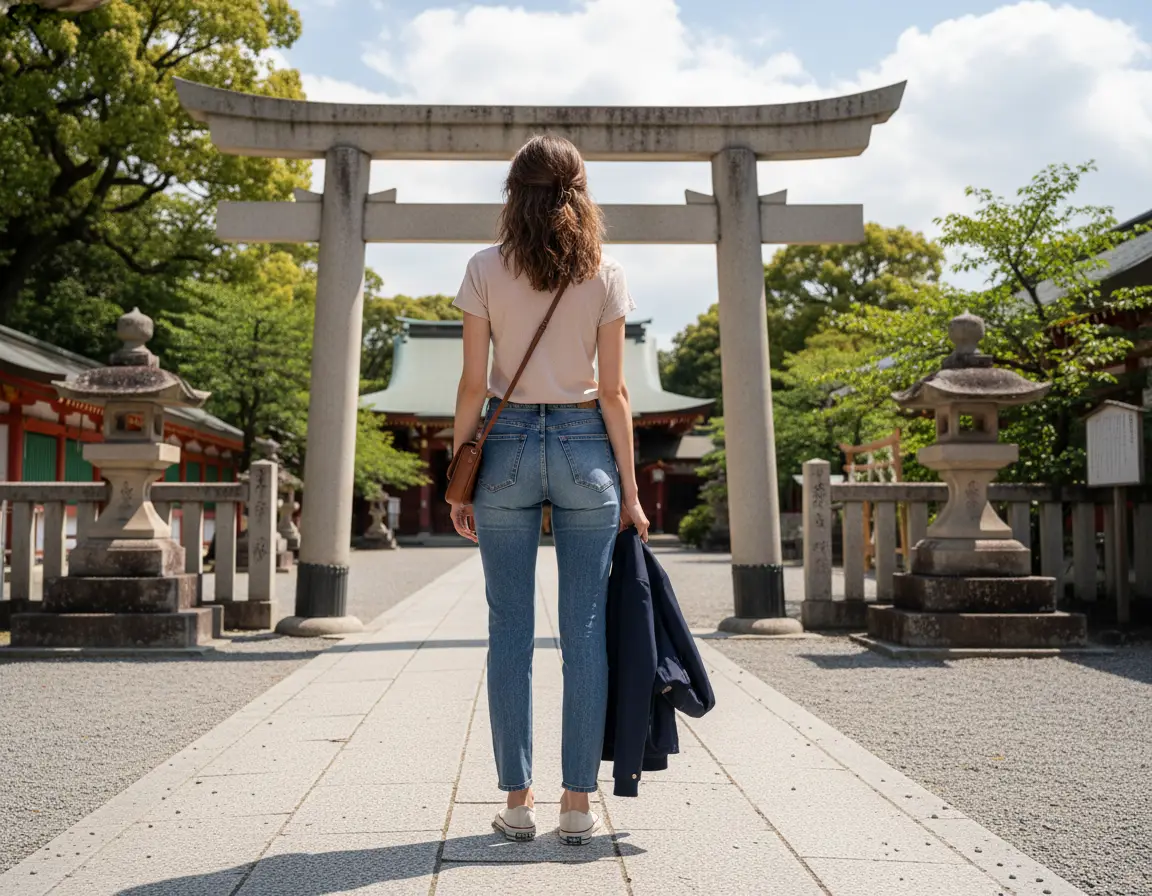
I went up with sunglasses in my bag and a jacket in my hand because the afternoon was mild, around 13–21°C, but the wind at the top made me glad I’d layered. That kind of small detail matters more than people admit. I waited maybe 10 minutes for the elevator and another few minutes for a decent open spot near the edge. Not bad. Better than bad. The deck isn’t cheap-cheap, but the value was there because I got one clean hour of usable shots, not a vague “experience.”
I’d choose Umeda Sky over random rooftop bars if the goal is photos first. Rooftop bars can be fun, but they usually come with a drink minimum, awkward glass glare, and a view that’s half blocked by your own table. Umeda is simpler. That simplicity wins.
Nakanoshima: Better Than It Sounds, Especially in Daylight
I thought Nakanoshima would be a filler stop. It wasn’t. It turned out to be one of the easiest places in Osaka for calm, balanced photos because the river, bridges, and older buildings give you space without the neon overload. If Dotonbori is all noise, Nakanoshima is the reset button.
Worth it if: you want photos that feel a little less touristy and a little more composed.
Only if: you have daylight to spare and don’t mind walking a bit between spots.
I walked the area with a coffee I paid ¥430 for and kept stopping at small angles along the river. The Osaka City Central Public Hall looks especially good from a distance, and the bridge views are easier to photograph than the more famous, more crowded corners of the city. I liked it more than I expected, which doesn’t happen often. I assumed this district would be polite but dull. It was actually the most useful part of the day because I could breathe, frame a shot, and not fight a crowd for it.
This is not the place for neon Osaka. It’s the place for cleaner daylight shots, reflections, and a slower pace. I’d send someone here if they want photos that look thoughtful instead of loud.
Shinsaibashi and Amerikamura: Good for Street Shots, Not for Peace
I’d use Shinsaibashi and Amerikamura for street-style photos, but I wouldn’t build a whole day around them. They’re busy, loud, and full of visual clutter, which can be useful if that’s the look you want. If you want a more polished city vibe, this is where Osaka can give it to you. If you want breathing room, forget it.
Best for: fashion shots, signs, storefronts, and quick handheld photos between errands.
Skip if: you need quiet corners or easy tripod work.
I ducked into a convenience store near Shinsaibashi for a 160-yen drink just to cool off and check my camera roll. That’s the rhythm here: shoot, move, shoot again, get out. The upside is that there’s always something happening in the frame. The downside is that nothing stays still long enough to feel calm. That’s the tradeoff, and I don’t pretend otherwise.
I’d pick this area over random shopping streets in other cities because Osaka has a sharper, more chaotic energy that reads well in photos. But I’d still call it a supporting stop, not the main event. It’s good material, not a destination I’d sit in for two hours.
Osaka Castle: Fine From Far Away, Skip the Interior
Osaka Castle is one of those places I wanted to love more than I did. The outside view from the park is worth it. The inside museum, for me, was not. I paid for the entry once, spent maybe 20 minutes inside, and left feeling like the exterior had done all the actual work.
Worth it if: you want the classic castle photo and a big open park around it.
Skip it if: you’re expecting a quiet, old-feeling castle experience.
I’d go back for the moat, the approach, and the wide framing from the grounds. I would not pay again just to climb through the interior unless I had a very specific reason. The castle itself is photogenic from a distance, but the inside is more museum than atmosphere. I figured the interior would be the highlight. It wasn’t. The park was. That’s the part I’d tell another traveler not to miss, and it’s also the part that costs nothing if you’re just after images.
For photos, the best move is simple: get the exterior, walk the grounds, and leave before the whole thing starts feeling like a school trip. It’s useful, but not magical.
Tempozan and the Bay Area: Better Than I Thought
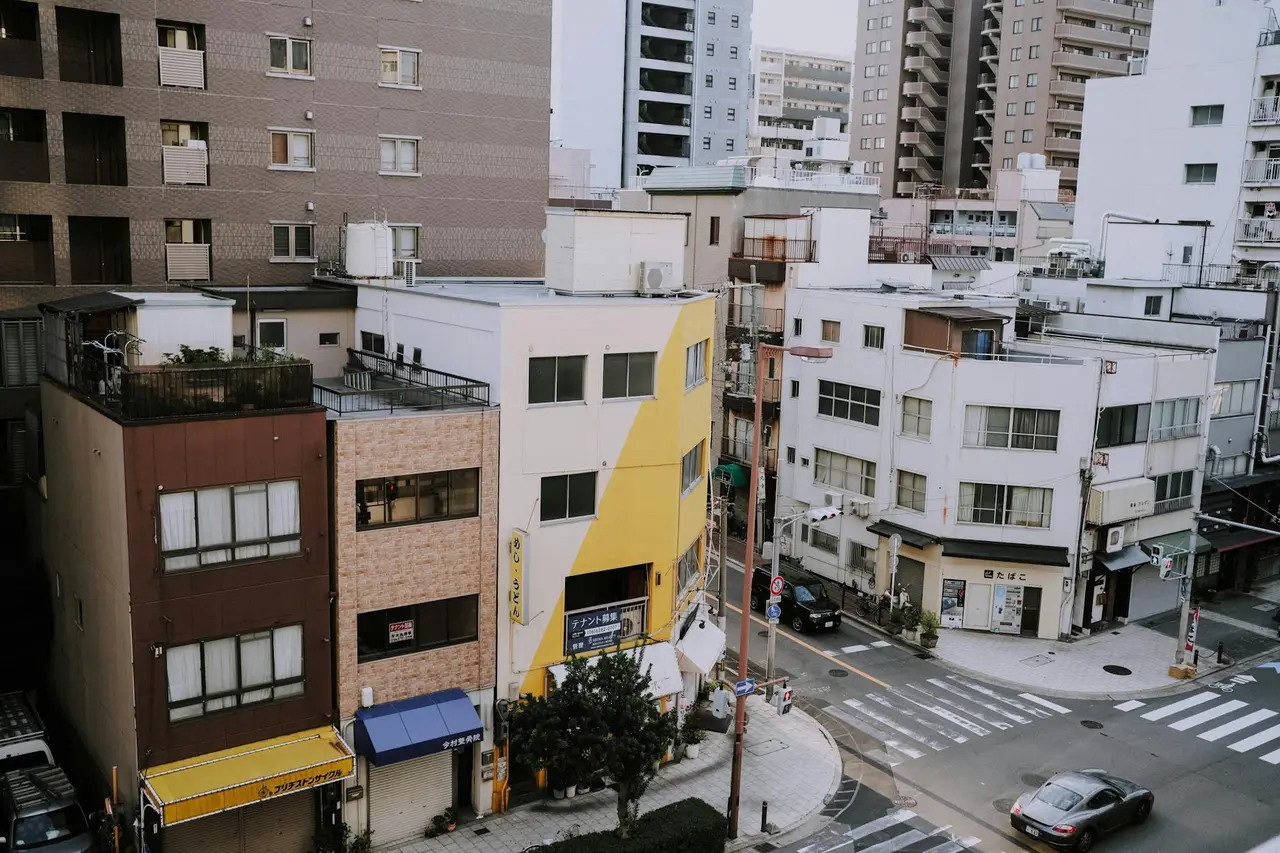
I almost skipped Tempozan because I assumed it would be one of those places that looks better on a brochure than in person. I was wrong. The bay area gave me some of the best wide shots in Osaka, especially when the sky was partly cloudy and the light stayed soft instead of harsh. I liked the open water and the less crowded feel, even if the area itself isn’t the most exciting place to spend a whole afternoon.
Best for: wide shots, ferris wheel photos, and a break from the dense city center.
Skip if: you want dense neighborhoods and fast-moving street energy.
I didn’t ride the ferris wheel this time, but I did walk the area and photograph the waterfront. That alone was enough. The open space makes a big difference after a day of tight streets and neon. If I had more time, I’d probably add the bay at sunset and then leave before dinner. It’s not the most famous view in Osaka, and that’s part of why it works. I don’t need every photo stop to be the same.
My verdict: Tempozan is worth it if you want variety. It’s not the first place I’d send someone for a one-stop Osaka photo day, but it’s a strong add-on if you’re already in the west side of the city.
How I’d Actually Plan an Osaka Photo Day
If I were doing this again, I’d keep the plan tight. Osaka rewards people who move efficiently. It does not reward wandering around hoping every corner is going to be a masterpiece. I’d start with Nakanoshima in daylight, head to Umeda Sky Building for the skyline, then finish in Dotonbori after dark. That order gives me the best mix of calm frames and the classic neon chaos everyone comes for.
My pick: one daylight district, one paid view, one night stop. That’s enough.
Skip if: you only have patience for one photo spot and want something quiet.
I made one mistake the first time I tried to “see everything” in a day. I thought I could do Osaka Castle, Dotonbori, Shinsaibashi, and Umeda without losing time. The trigger was simple: I kept stopping for photos, then I kept waiting for crowds to move, then I missed the clean light at Umeda by the time I got there. It cost me about two hours and a rushed dinner near the station. Next time, I’d cut Osaka Castle interior entirely and save my energy for two or three places that actually photograph well.
That’s the bigger lesson here. Osaka is a good city for photos, but it’s even better when I stop trying to make every famous stop into a hero shot. Some places are just background. That’s fine.
Rough daily estimates from my own trip. Prices shift by season.
What I’d Do Differently Next Time
I’d skip the castle interior sooner and spend that time in Nakanoshima or around the river near Dotonbori. I’d also go to Dotonbori earlier in the evening so I could get the neon without fighting the worst of the crowd. And I’d probably keep a little more cash on me for random snacks and transit, because Osaka makes it easy to spend small amounts without noticing.
One more thing: I’d bring a lighter lens setup if I were shooting seriously. Carrying too much around Osaka gets old fast, especially when you’re moving between stations and crossing busy streets.
See current Osaka hotel prices on Agoda →
I usually book Osaka tours on Klook — the best time slots go fast, especially in peak season.
FAQ
Is Osaka good for solo photo walks?
Yes, Osaka is good for solo photo walks because the city is easy to navigate and most of the best spots are close to train lines. I felt fine moving around alone, even in busier areas, as long as I wasn’t trying to shoot in the middle of peak dinner crowds. If I were doing it again, I’d keep my route short and avoid overplanning.
What time of day gives the best photos in Osaka?
Early morning and blue hour are the best bets. I got my cleanest shots before the crowds built up, and nighttime neon worked better than harsh midday light in the busier districts. If I only had one window, I’d pick sunset into evening.
Is it worth paying for an observation deck in Osaka?
Yes, and Umeda Sky Building was the one I’d pay for again. The view is cleaner than trying to hunt free viewpoints with bad angles or glass in the way, and I paid about ¥1,500 for something I actually used. If your goal is one strong skyline shot, the ticket is easier to justify than wasting time wandering.
Can I get good Osaka photos without dealing with huge crowds?
Yes, but I’d focus on Nakanoshima, the river areas, and early visits to major spots. Dotonbori and Shinsaibashi get crowded fast, so I’d treat them as quick stops instead of all-day plans. The trick is to arrive early, shoot fast, and leave before the whole area turns into a moving wall of people.
Which Osaka area would I skip if I only had one day for photos?
I’d skip the Osaka Castle interior first. The exterior and grounds are enough for photos, and the museum part didn’t justify the time I spent inside. If your day is short, I’d put that energy into Umeda, Nakanoshima, or Dotonbori instead.
 Emma Hayes