
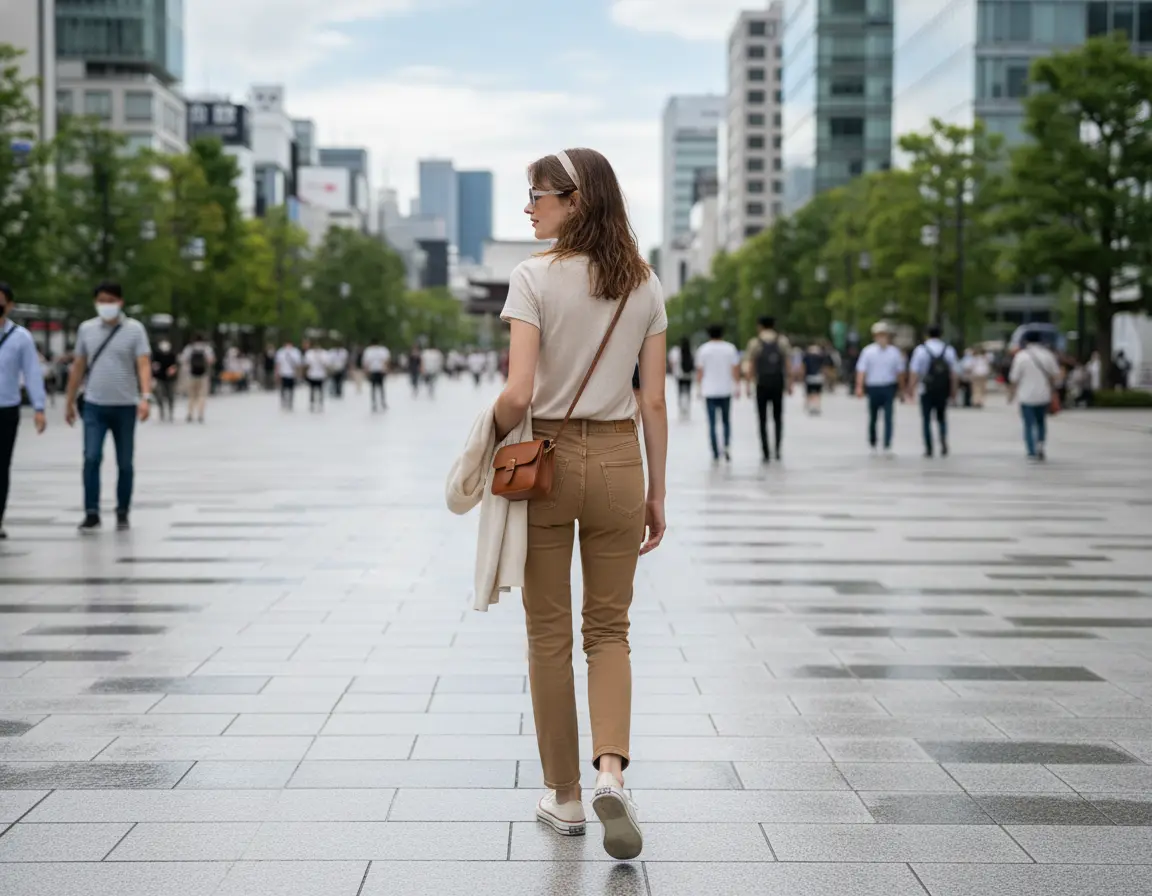
I almost tried to “see” Tokyo by bouncing across the city all day with no real plan. On day one, I bought the wrong train ticket, got off two stops too early, and spent 25 minutes dragging my bag through a station I still don’t fully understand. After that, I built a slower route that made sense. This five-day Tokyo itinerary is worth doing if you want a real trip, not a checklist.
My verdict: I’d do this in Tokyo if it’s your first visit, or if you’ve got five full days and want a mix of neighborhoods, food, and one or two big sights without spending the whole trip underground.
Who it fits: First-timers, solo travelers, and anyone who cares more about good transit and good meals than ticking off every famous street.
Who should skip it: People who want only museums, only nightlife, or a packed, tour-heavy schedule. Tokyo works better when you leave some slack in the day.
Main tradeoff: You’ll spend money on transport and a few timed entries, but you save your energy. That matters in Tokyo more than people admit.
Quick Answer: My five-day Tokyo plan starts in Asakusa and Ueno, moves through Shibuya, Harajuku, Tsukiji, Ginza, and the Imperial Palace area, then finishes with Skytree, Sumida, and either Odaiba or a slower neighborhood day. I spent about ¥700-¥1,200 a day on transport and roughly ¥2,500-¥5,500 a day overall depending on meals and entry fees.
Day by Day
Day 1: Asakusa, Ueno, and Getting Your Bearings
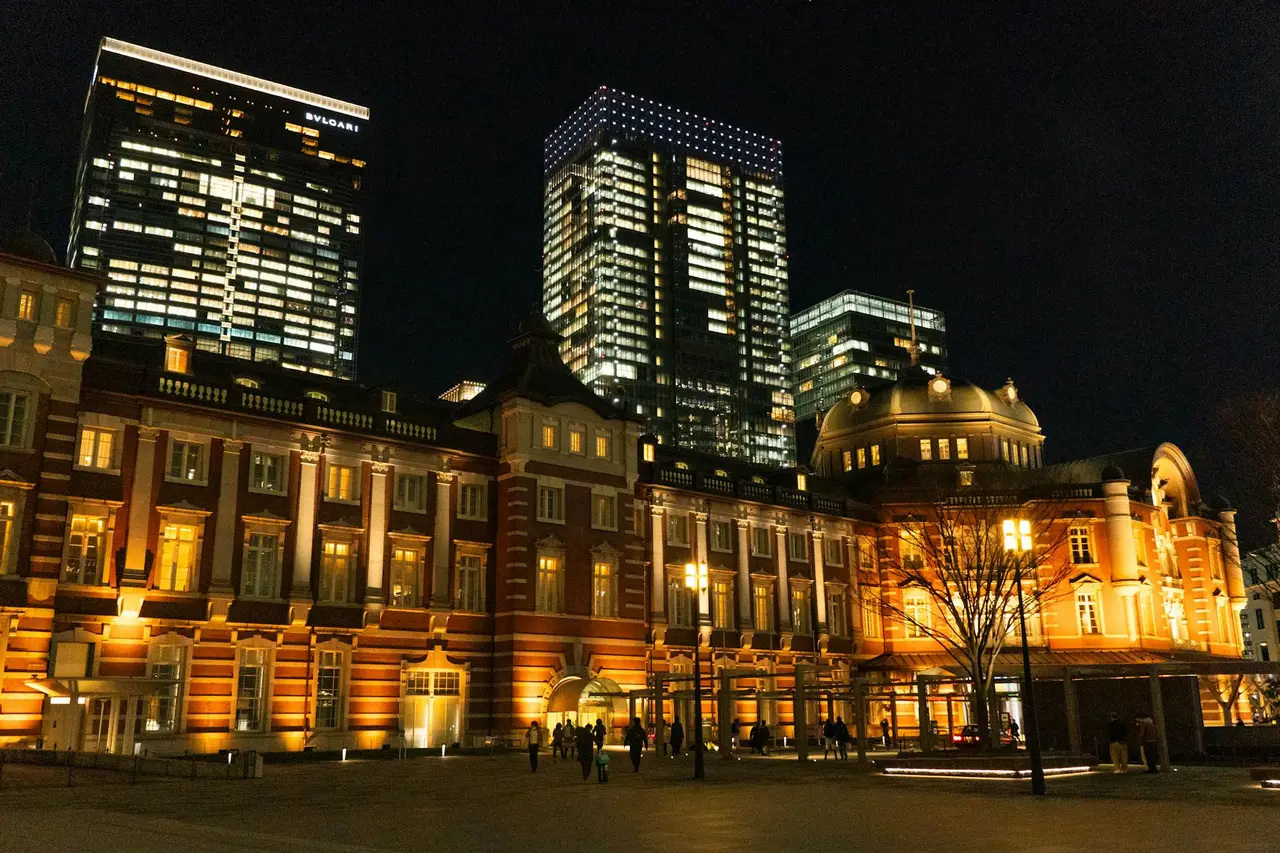
I’d start in Asakusa because it gives Tokyo an entry point that doesn’t feel like a punch in the face. It’s busy, yes, but not in the same frantic way as Shibuya. I got there around 9:00 a.m., and even with the morning crowd, I could still move without doing that awkward side-step dance every three seconds.
From wherever you’re staying, take the Tokyo Metro or Toei line to Asakusa Station. From central Tokyo, it usually takes 15-25 minutes and costs around ¥180-¥250. If you’re carrying a normal day bag, this is easy. If you’ve got luggage, don’t do this at rush hour. I made that mistake once and regretted every stair.
Start at Senso-ji. Walk Nakamise Shopping Street, but don’t treat it like a shopping mission. Most of it is souvenir junk and packaged sweets. I bought a small box of ningyo-yaki for about ¥500 because I wanted a snack, not because I believed it would change my life. It didn’t. It was fine.
Best for: A first Tokyo morning when you want a classic start without chaos.
Skip if: You hate crowds and don’t care about temples at all. Then go straight to Ueno instead.
My pick: Senso-ji is worth the stop, but not worth lingering for hours.
From Senso-ji, walk 15 minutes to Kappabashi if you like kitchen goods. I spent about 40 minutes there, mostly staring at realistic food models and restaurant knives I did not need. It’s useful if you cook, but not worth a special trip on its own. Still, I liked it more than I expected. I figured it would be pure souvenir bait. Some of it was, but the knife shops and dishware stores felt practical in a way Tokyo tourist areas usually don’t.
After that, take the Tokyo Metro Ginza Line from Asakusa to Ueno. It’s about 5 minutes on the train and around ¥180, plus maybe 10 minutes walking between platforms depending on which exit you choose. Ueno Park is good for slowing down. I walked through with sunglasses on and my cardigan in hand because the morning was warm enough by then, around 11-21°C overall that day, but still cool in the shade.
Lunch in Ueno is easy. I’d eat at one of the soba or tonkatsu places near Ueno Station rather than hunting for something fancy. I paid about ¥1,100 for a decent set meal and didn’t feel ripped off. That’s the point. Ueno is useful, not flashy. I’d rather eat there than sit in a tourist café paying double for worse food.
If you’ve got energy left, end at Ameyoko Market. It’s loud and a little messy, which I mean as a compliment. I bought a 700-yen fruit sandwich once because I wanted to know what the fuss was about. It was sweeter than I wanted, but the market itself was worth the walk. If you only have one day in this part of Tokyo, I’d keep Ueno and cut the deeper shopping detours.
Day 1 rough cost: around ¥2,500-¥4,000 including transport, snacks, and lunch.
Day 2: Shibuya and Harajuku Without the Burnout
I’d do Shibuya early, before the area turns into a slow-moving photo set. The crossing is famous because it’s busy, not because it’s deep. I stood there for one cycle, took my picture, and moved on. That was enough. I don’t need to spend 45 minutes proving I’ve seen a crosswalk.
Get to Shibuya Station by JR Yamanote Line, Ginza Line, or Hanzomon Line. From central Tokyo, it’s usually 10-20 minutes and around ¥180-¥210. Start at Shibuya Scramble around 8:30 or 9:00 a.m. if you want it before the crowd thickens. I expected the area to feel more exciting than it did. It felt efficient and slightly commercial, which is fine, but not magical. That’s the honest read.
Walk to Hachiko, then head into Shibuya PARCO or Magnet if you want a quick indoor break. I wouldn’t build the whole day around shopping here. The better move is to use Shibuya as a transit base and keep moving. I grabbed a coffee for about ¥450 and sat for 20 minutes just to reset before the next part.
From Shibuya, walk to Harajuku in about 25-30 minutes if you don’t mind a city walk, or take the JR Yamanote Line to Harajuku Station for about 3 minutes and around ¥180. I usually choose the train because I save my legs for the actual neighborhood. Harajuku is worth a pass through, but I’d be selective. Takeshita Street is packed, sugary, and mostly not my thing. I bought a crepe there once for about ¥700
Best for: Travelers who want the famous Tokyo contrast between polished and chaotic in one day.
Skip if: You hate crowds, trend-driven shopping, and waiting for space to open up. Then cut Harajuku entirely.
My pick: Meiji Jingu is the part I’d keep; Takeshita Street is optional at best.
From Harajuku Station, walk 10 minutes to Meiji Jingu. This is where the day slows down in a way I appreciated. The entrance is free, and the grounds give your brain a break from all the retail noise. I went in expecting a famous site that would feel overdone. It didn’t. It felt calm and useful, especially after the Shibuya mess. That surprise made it one of the few places I’d keep on a first Tokyo itinerary without hesitation.
If you want a meal nearby, I’d eat in the Omotesando side streets rather than on the main drag. I paid about ¥1,500 for lunch there, and it beat the obvious chain places near the station. Not cheap, but fair for the area. If you’re tired, go back to your hotel after this. I’m serious. Day 2 can get stupid if you keep stacking stops.
Day 2 rough cost: around ¥2,500-¥5,000 depending on lunch and any shopping impulse.
Day 3: Tsukiji, Ginza, and a More Civilized Side of Tokyo
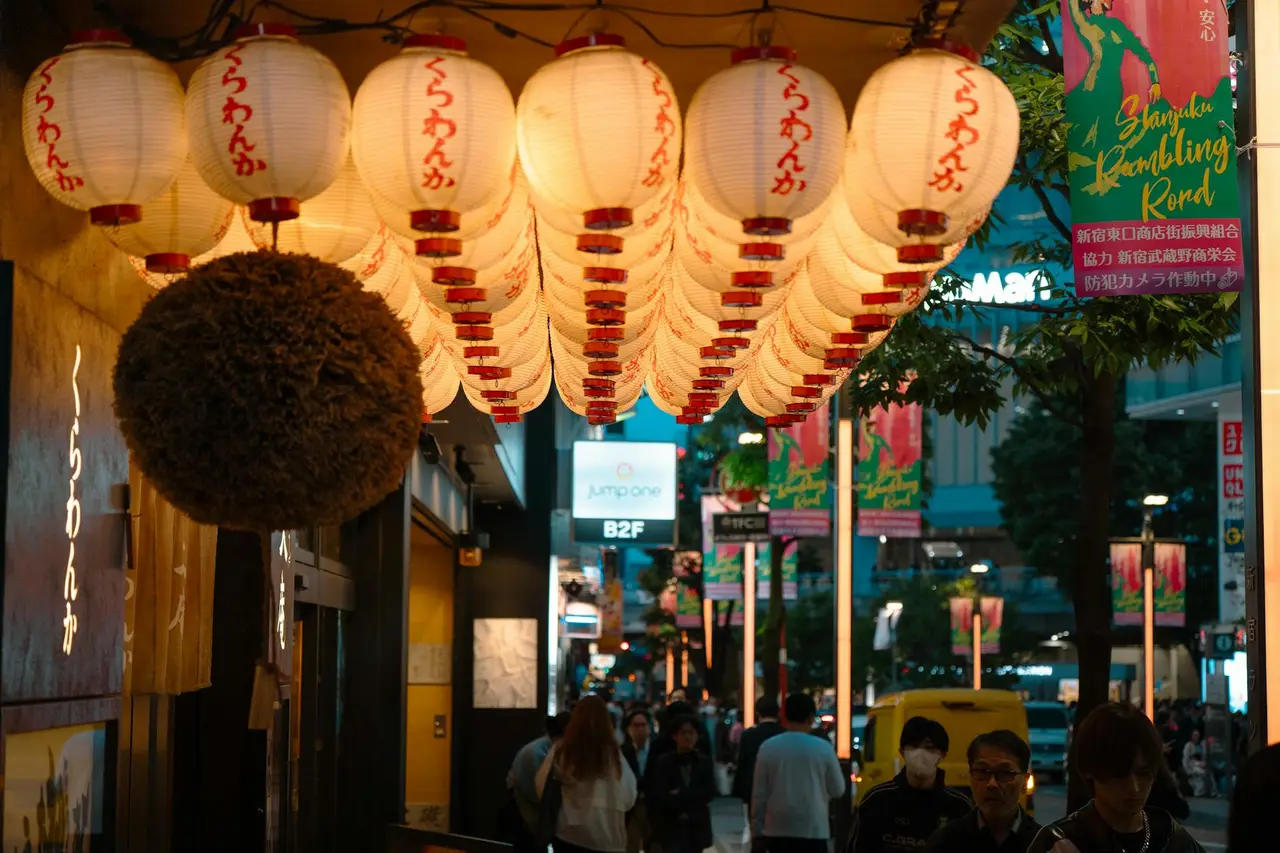
I’d start this day at Tsukiji Outer Market, but I’d go early. Not dawn-early unless you’re obsessed. Around 8:00 to 9:00 a.m. is enough. Get there by Tokyo Metro Hibiya Line to Tsukiji Station, about 5 minutes from Ginza or 15 minutes from Tokyo Station, usually around ¥180-¥210. The market is still worth doing, but only if you go with a food-first mindset. It’s not a deep cultural experience. It’s breakfast with crowds.
I had tamagoyaki for about ¥100 and a tuna skewer that cost me ¥600
Best for: People who want a market breakfast and don’t mind paying a little more for convenience.
Skip if: You don’t like standing around in narrow lanes with a lot of other travelers. It’s tight and busy.
My pick: Go for a snack crawl, not a sit-down feast.
From Tsukiji, walk or take the subway to Ginza. Walking takes about 15-20 minutes, and I actually think that’s the better move if the weather’s decent. Ginza is not where I’d spend my whole afternoon. It’s polished, expensive, and a little too proud of itself. Still, I like it for one reason: it’s easy to have a nice lunch without getting trapped in a terrible tourist restaurant.
I ate a set lunch in Ginza for about ¥1,900, and that was my ceiling for the area. If you want a cheaper version, head one or two blocks away from the main shopping streets. The price drops fast. That’s the trick here. A lot of Tokyo is like this, honestly. Move one block and the bill changes.
After lunch, walk toward the Imperial Palace Outer Gardens. It’s free, and the open space is a relief after Ginza’s hard edges. I spent about 45 minutes there, mostly because I needed somewhere to sit and not spend money. If you want a museum, the nearby Tokyo Station area has a few options, but I’d only add one if it fits your pace. Otherwise, leave the day lighter.
From Ginza to the Imperial Palace area, the subway or a walk both work. If I’m honest, I prefer walking here because the city feels less compressed once you get away from the shopping blocks. But if your feet are already complaining, take the Tokyo Metro Marunouchi Line one stop and save yourself the drama. That’s the kind of small decision that keeps a five-day Tokyo trip from feeling like a punishment.
Day 3 rough cost: around ¥2,000-¥4,500, depending on how much you eat in Ginza.
Day 4: Tokyo Skytree, Sumida, and the East Side
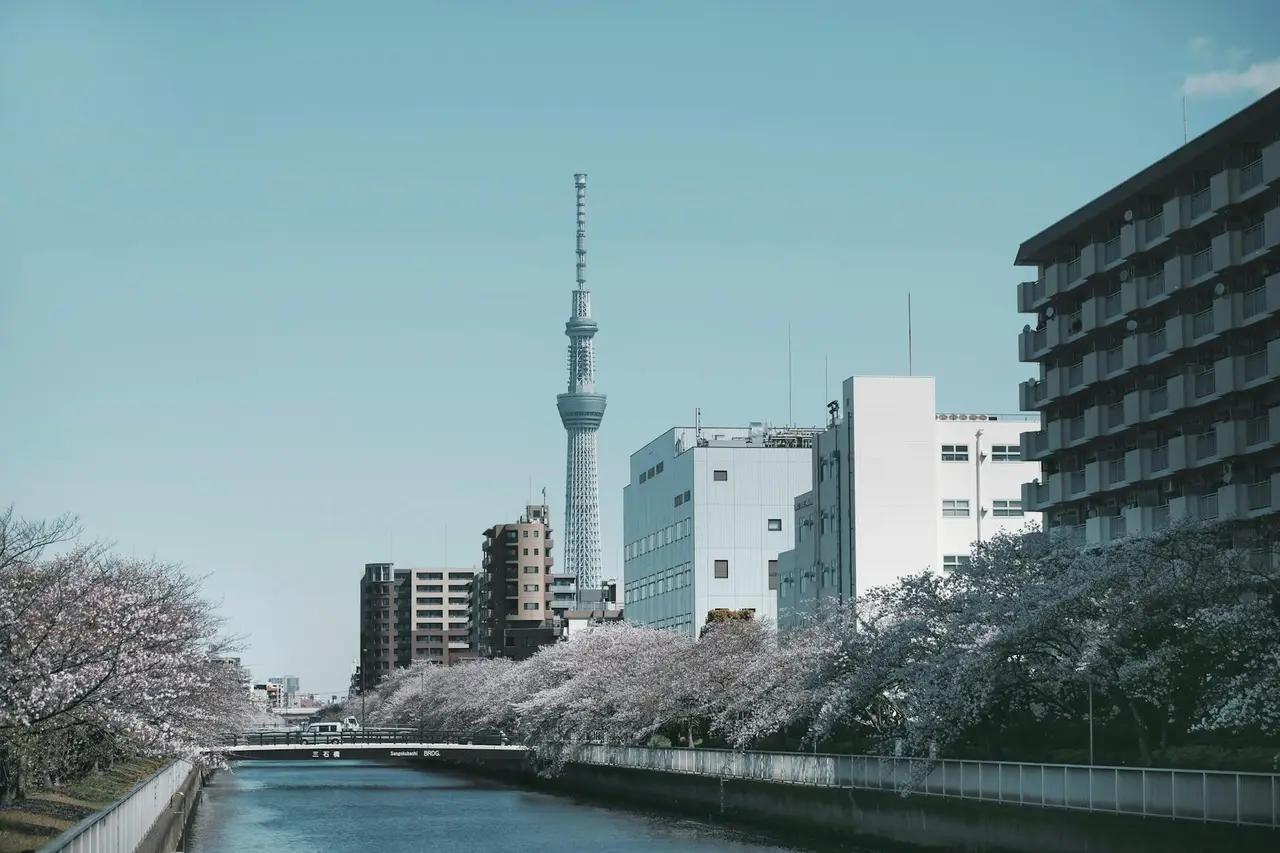
I’d use this day for the east side because it balances the trip. Tokyo Skytree is not the most interesting thing in the city, but it gives you a clean skyline view and a reason to cross into a part of Tokyo that feels less polished and more lived-in. That matters. Not every day needs to be a headline.
Take the Tobu Skytree Line or Tokyo Metro Hanzomon Line to Oshiage Station. From Asakusa, it’s only about 5 minutes and around ¥180-¥210. I went in around 10:00 a.m. and the line was manageable, though not empty. If you hate waiting, book a timed ticket. I paid around ¥2,100 for the observation deck, and I’d call it worth it once, not twice.
Best for: First-timers who want a broad city view and don’t mind paying for it.
Skip if: You already did a tall-view tower in another city and don’t care about repeating the experience.
My pick: Skytree is fine, but I liked the area around it more than the tower itself.
What I didn’t expect was how much I’d enjoy the walk around Sumida afterward. I figured it would be dead space between attractions. It wasn’t. There are local cafés, small shops, and a slower rhythm that I found more useful than the tower. I stopped for a matcha drink and a sandwich at a little café near the station and spent about ¥1,200. That pause made the day feel less manufactured.
If you want a second stop, walk or take a short train ride to Kiyosumi Shirakawa for coffee. It’s about 20-25 minutes by train from Oshiage, depending on the connection, and usually around ¥180-¥220
For dinner, I’d stay on the east side and eat near Asakusa or Kameido rather than going all the way back across town just because a guidebook says you should. I had a bowl of ramen for about ¥950 near the station and got back to my hotel without hating my life. That’s a win.
Day 4 rough cost: around ¥3,000-¥5,500 including Skytree and meals.
Day 5: Odaiba or a Clean Exit, Depending on Your Energy
Day 5 is where I’d stop pretending every trip needs to be full throttle. If you’re tired, make this a lighter neighborhood day. If you still have energy, Odaiba works. I’m not passionate about it, which is partly why I like it as an ending. It’s easy to navigate and doesn’t demand much from you.
Take the Yurikamome Line from Shimbashi to Odaiba. The ride itself is part of the appeal, and it takes around 15-20 minutes with a fare around ¥320-¥390 depending on where you start. I sat near the front and watched the city open up a bit. That part was nicer than I expected. I thought Odaiba would feel fake and overbuilt. It does, in places. But the waterfront walk and the train ride gave it enough value for one half-day.
Worth it if: You want a low-effort final day with a view, a mall, and space to walk.
Skip if: You only have five days total and still haven’t seen the Tokyo neighborhoods you actually care about. Then use this day for a better return visit somewhere else.
My pick: Odaiba is a decent last-day option, not a highlight.
If you’d rather stay central, I’d spend the day in Nakameguro, Ebisu, or Shimokitazawa instead. These areas give you better food, easier wandering, and less of that artificial “we built a district for visitors” feeling. I had lunch in Ebisu once for about ¥1,400 and a coffee in Nakameguro for ¥500, and that kind of day felt more Tokyo to me than another big-ticket attraction.
If you do Odaiba, keep it simple: lunch in the area, a walk by the water, maybe DiverCity if you want to see the giant Gundam, and then leave. I wouldn’t spend the whole afternoon in the malls unless you’re specifically there for shopping. They’re fine. Fine is the word.
Day 5 rough cost: around ¥2,500-¥4,500 depending on whether you choose Odaiba or a neighborhood day.
See all Tokyo hotels on Agoda if you want to compare rates near a station before the prices creep up. I checked Tokyo stays twice on one trip and the difference between “fine” and “annoying” was often just a 7-minute walk.
Where to Stay
I’d stay near Asakusa, Ueno, or Shibuya, and I’d pick based on what kind of trip I wanted. Asakusa is the easiest for a calmer first-time base. Ueno is cheaper and practical. Shibuya is better if you want nightlife and don’t mind noise. I stayed near Ueno once because I wanted to save money, and it worked, but I also spent more time switching lines than I wanted. That extra friction adds up.
For Tokyo I used Agoda — they had the best rate for my dates.
Where I’d Actually Stay in Tokyo

MY HOME@KABUCHICHO-KL06 2 minutes walk from Higashi-Shinjuku Station, very convenient for telework
Tokyo
★★★★☆
PENTHOUSE 3min direct to Shibuya Station&Crossing
Tokyo
★★★★☆
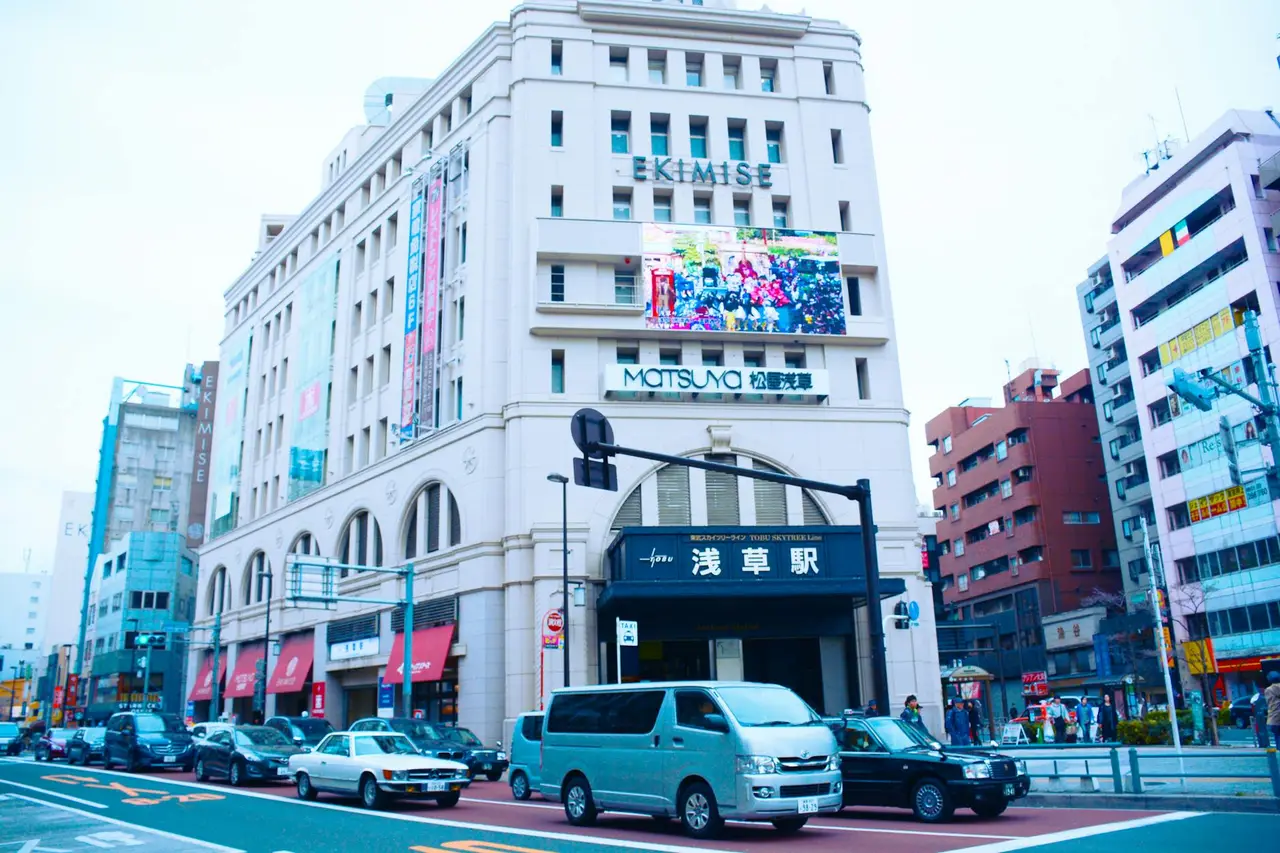
SAKURA INN Asakusa station walking 4 Min Shinjuku Shibuya Ginza Oshiage
Tokyo
★★★★☆
If I were booking again, I’d probably choose Asakusa for this exact five-day plan. It’s close to Day 1, easy to reach from the airport by train, and not as expensive as the slicker central areas. The alternative would be Shinjuku, which works if you want late-night food and a bigger hotel market, but it’s busier and less restful. I’d only take Shinjuku if I knew I’d be out late most nights.
Best for: Asakusa if you want easy mornings and a more relaxed base.
Skip if: You want to stumble back from bars at midnight and don’t care about a little noise.
My pick: Asakusa is the best fit for this itinerary, especially for a first trip.
For a deeper look at tokyo cherry blossom 2026 dates and best spots, I covered this in my Tokyo Cherry Blossom 2026 Dates And Best Spots.
I wrote a more detailed breakdown in Vegetarian Restaurants In Tokyo A Real Guide — worth reading if you’re still deciding.
If tokyo capsule hotels solo female 2026 matters to your trip, my Tokyo Capsule Hotels Solo Female 2026 has the specifics.
I wrote a more detailed breakdown in Tokyo Street Food Guide Budget Traveler — worth reading if you’re still deciding.
For a deeper look at tokyo solo female travel guide 2026, I covered this in my Tokyo Solo Female Travel Guide 2026.
Cost Breakdown
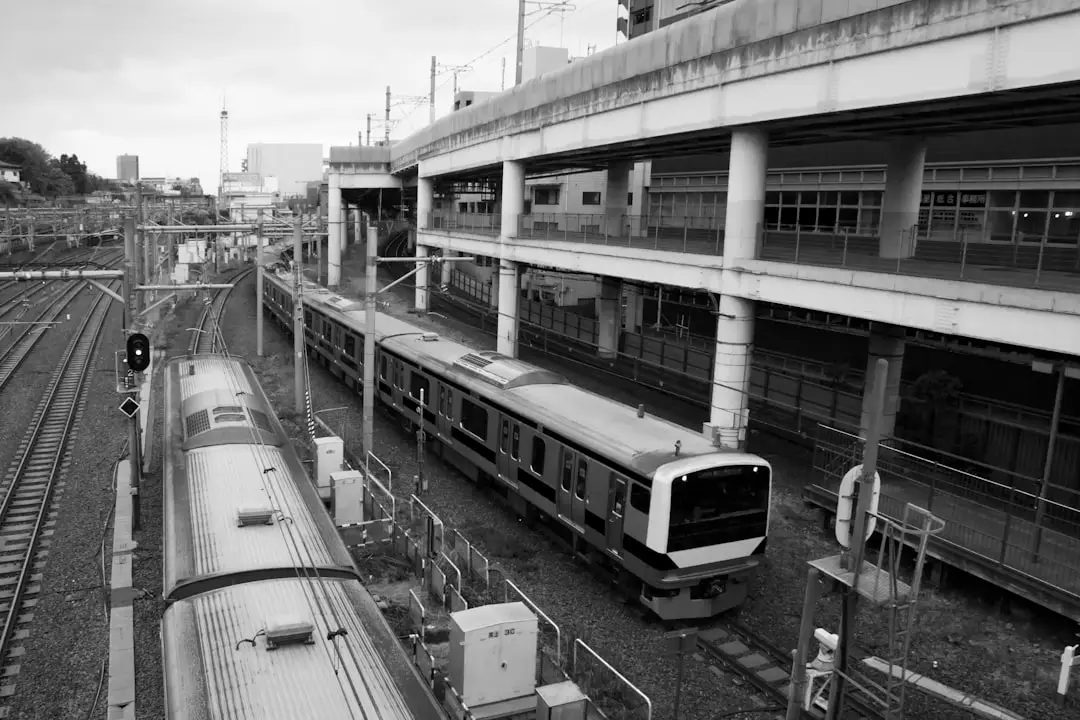
Rough daily estimates from my own trip. Prices shift by season.
Transport Tips
I’d also keep one afternoon completely open. I didn’t do that on my first run through Tokyo, and it made the whole trip feel tighter than it needed to be. The city is better when you leave room for a random coffee, a wrong turn, or a neighborhood you didn’t plan for.
I’d also book my hotel closer to a station exit with an elevator. I carried my bag up too many stairs once, and I’m not doing that again for a city that already asks a lot from your legs.
I almost stayed out too late in Shibuya because I thought I could squeeze one more neighborhood in before heading back. Big mistake. I left a café near Miyashita Park at 10:40 p.m., checked the train app too late, and realized I had maybe one clean connection left before the last train window got uncomfortably tight. I made it, but only because I stopped trying to be clever and took the fastest route back to the station.
The consequence was minor in money, maybe an extra ¥220 for the right line, but the stress was the real cost. I spent 15 minutes walking faster than I wanted to while trying not to look like the person who had just misread the clock. Hindsight: I’d head back by 10:00 p.m. on a full day in Tokyo, especially if I’m staying farther out. Tokyo is very safe, but last-train logistics are not the moment to wing it.
Lesson: Keep one eye on the train clock. The city won’t punish you, but your feet will.
I pre-booked on Klook the night before — skipped the entire ticket line.
FAQ
Is five days enough for Tokyo on a first trip?
Yes, five days is enough for a first Tokyo trip if you keep the plan focused. I’d rather do five days with good pacing than cram seven neighborhoods into three exhausted days. You’ll still leave with a real feel for the city, especially if you mix east side, west side, and one slower day.
Where should I stay to make this itinerary easier?
Asakusa is my pick because it keeps the mornings simple and the hotel rates more manageable. I stayed in Ueno once to save money, and it was fine, but the extra line changes added friction I didn’t love. If you want nightlife instead, Shibuya or Shinjuku works better, but you’ll pay for the convenience in noise and price.
Do I need to buy a rail pass for Tokyo?
No, I wouldn’t buy a rail pass just for five days in Tokyo. I paid around ¥180-¥390 for most rides, and individual tickets made more sense than any pass I checked. A rechargeable transit card is the cleaner move unless you’re doing long day trips outside the city.
What should I cut if I only have four days?
I’d cut Odaiba first. It’s the easiest day to replace with a neighborhood walk, a better meal, or extra time in Ueno or Nakameguro. The rest of the plan gives you more of what actually makes Tokyo worth the trip.
Is Tokyo expensive if I follow this plan?
It’s not cheap, but it doesn’t have to be painful. I spent about $121-$227 a day depending on where I ate and whether I paid for Skytree, and that felt fair for a major city. The easiest way to keep costs down is to eat away from the biggest shopping streets and stay near a station so you don’t waste money on taxis.
 Emma Hayes