

Tokyo’s cherry blossom season is overrated if you expect empty parks and dreamy solo wandering. Do this instead: treat it like a short, crowded, very good window and pick one or two spots that fit your route. I’d plan a Tokyo trip around it, but only if I was okay with early mornings, booked beds, and a little chaos. If you’re looking for tokyo cherry blossom 2026 dates and best spots, this is the version I’d actually use.
The short answer: yes, Tokyo cherry blossom 2026 is worth building a trip around if you care about timing and you’re willing to move fast. It’s best for first-time visitors, photographers who can go out early, and anyone who likes city walks more than festival theatrics. If you hate crowds, hate planning, or want a slow Japan trip, I’d choose another month.
Quick answer: I’d aim for late March to the first week of April, stay near Shinjuku or Ueno, and go before 8am for the best light and the least annoying crowd level.
Best spots: Shinjuku Gyoen, Ueno Park, Meguro River, Chidorigafuchi, and Asukayama Park.
My pick: One big park morning, one riverside walk, then stop chasing blossoms.
When Tokyo cherry blossoms usually peak
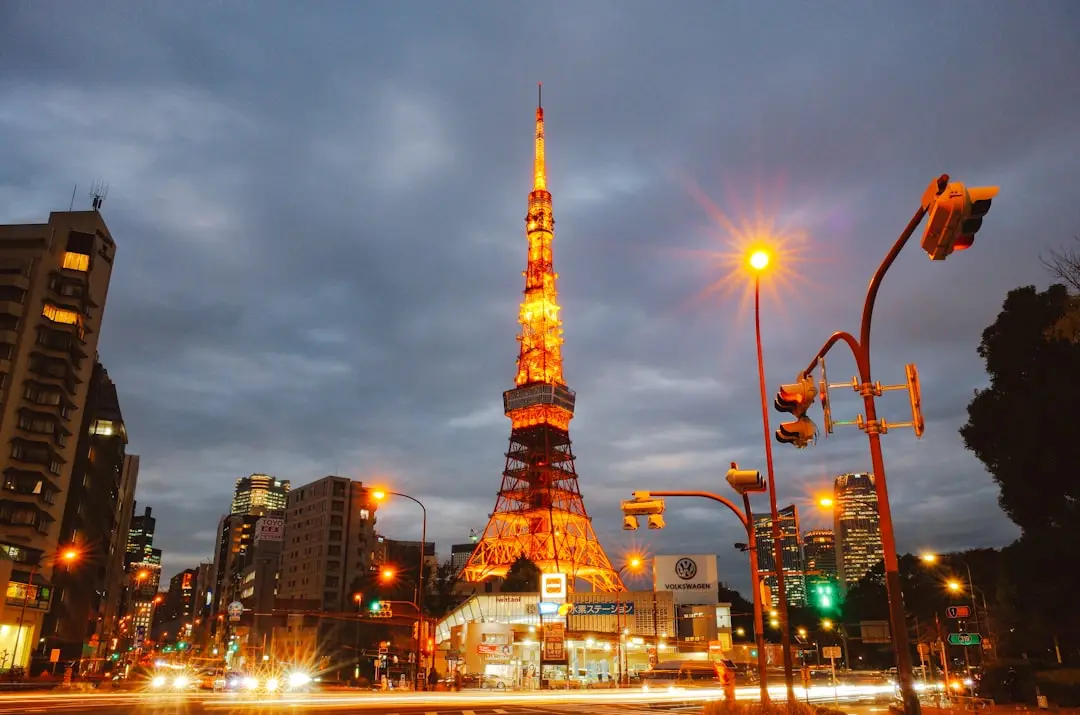
I’d plan around Tokyo’s cherry blossom season as a moving target, not a date on a calendar. In a typical year, the first blooms show up in late March, and full bloom usually lands around the last week of March into early April. For 2026, I’d expect the useful window to be somewhere in that same range, give or take a week depending on the weather.
I’m being careful here because blossom timing changes. A warm spell can push everything earlier. A cold stretch can buy you a few extra days. That’s why I wouldn’t book a Tokyo trip around a single day like March 28 and call it done.
I checked forecast chatter on a past trip while standing outside Shinjuku Gyoen with a jacket in hand and sunglasses on, because the morning was only about 11°C and then warmed up later. That kind of day is normal in Tokyo during blossom season. The weather feels manageable, but you still need a layer.
Worth it if: You can arrive with a 3- to 5-day window and adjust once the forecast firms up.
Skip if: Your dates are locked and you get upset when nature ignores your itinerary.
The spots in Tokyo I’d actually put on my list
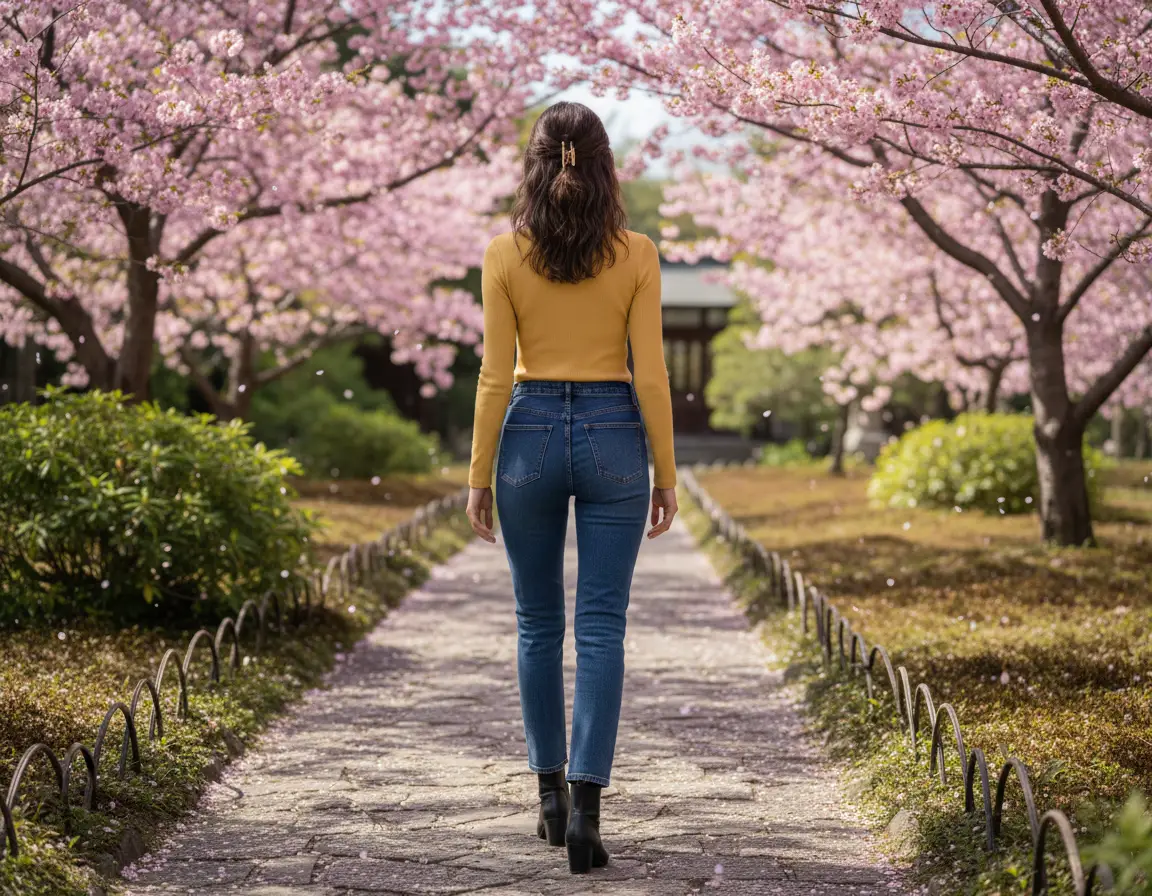
I’m not interested in blossom spots that turn into a photo line. If I’m spending a morning in Tokyo, I want a place where the walk itself is the point. For me, the best cherry blossom spots are the ones that still work as normal city places after the petals fall.
Shinjuku Gyoen
This is the safest choice if you want a calm, organized blossom day. It costs ¥500 for adults, which I think is fair because the space is big enough that it doesn’t feel like you paid to stand in a crowd. I went there expecting a lot of hype and a little too much polish, and I was wrong in a good way — it’s controlled, yes, but it’s also one of the few places where I could actually breathe.
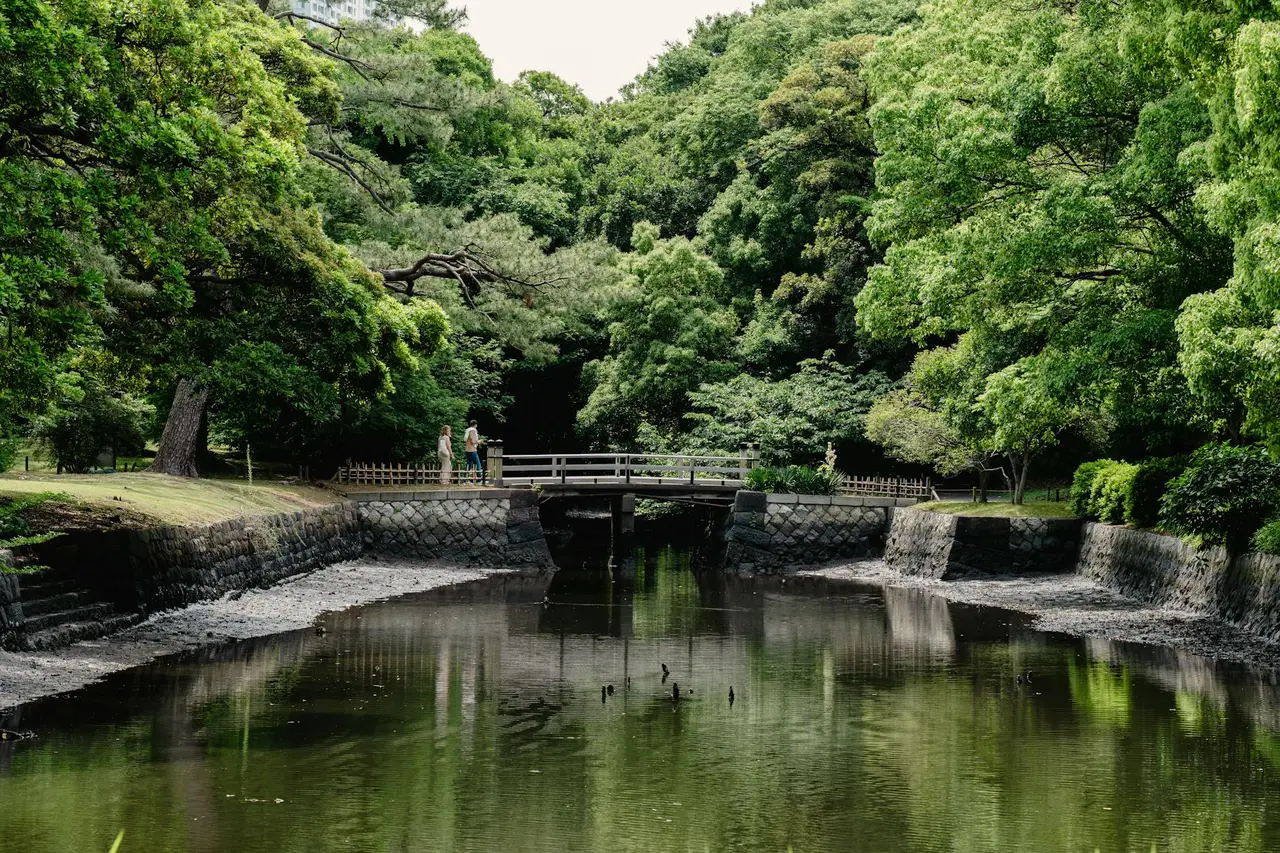
I’d choose Shinjuku Gyoen over chasing the most famous free spots if I had one morning and wanted less stress. The tradeoff is that it closes around 4pm, and it can still get busy by late morning, so I’d go early and be out before lunch. Fine, not romantic in the dramatic sense, but practical and worth it.
Best for: First-time visitors who want a reliable blossom stop without a lot of friction.
Skip if: You want nightlife energy or a free all-day hangout.
Ueno Park
Ueno is the noisy one. It’s popular for a reason, but I don’t pretend it’s peaceful. I grabbed a 200-yen onigiri from a convenience store near the station and ate it while weaving through people, which is basically the Ueno experience in one sentence.
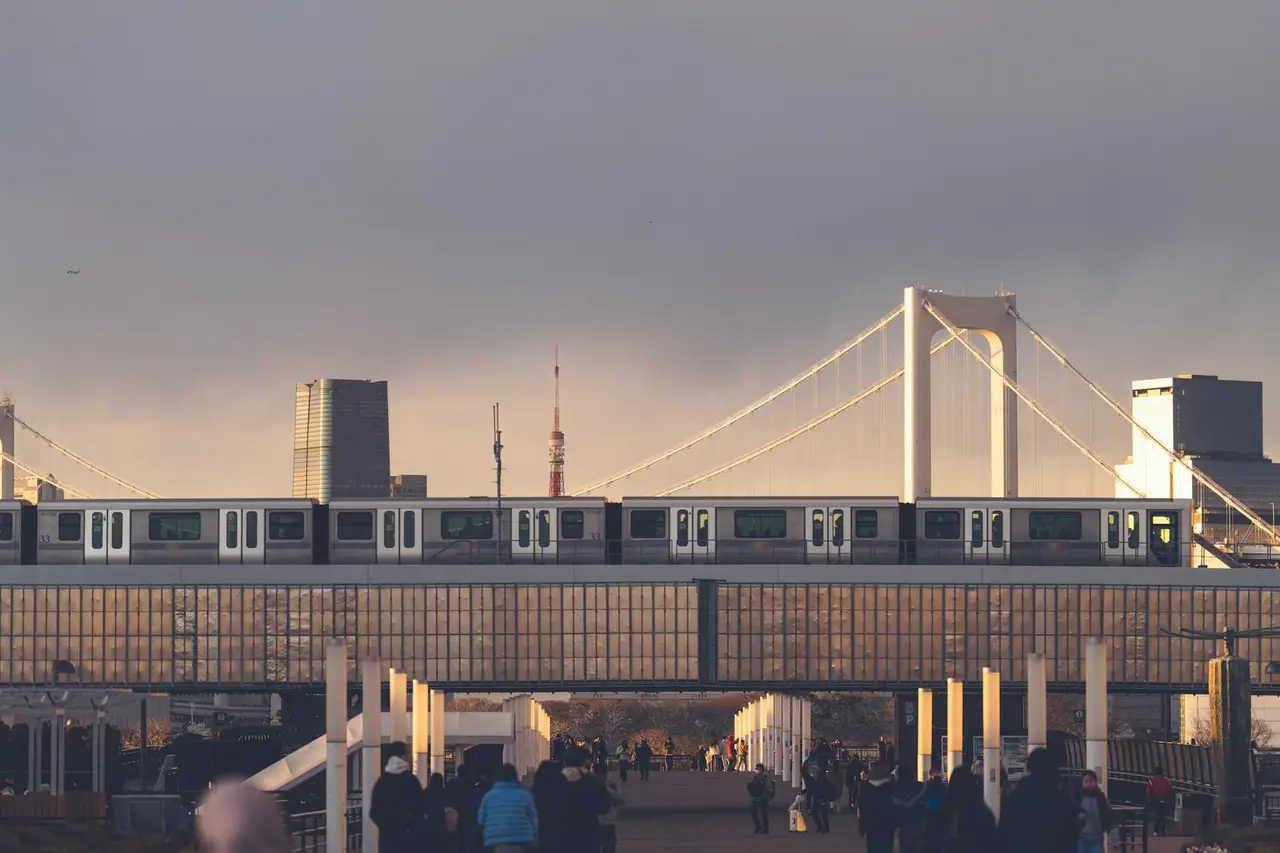
I’d go here if I wanted atmosphere and didn’t care about a little crowd compression. The upside is that the park is easy to reach and there are enough food stalls and side streets nearby to keep the day moving. The downside is simple: once it gets busy, it really gets busy.
Best for: Travelers who want a classic Tokyo blossom scene and don’t mind a crowd.
Skip if: You hate slow walking and constant camera pauses.
Meguro River
Meguro is the one people post about, and yes, the photos do look nice. But I found the river walk more useful than magical. It’s basically a good evening stroll with blossoms overhead, plus cafes and small food stops nearby, which makes it easier to fit into a normal Tokyo day.
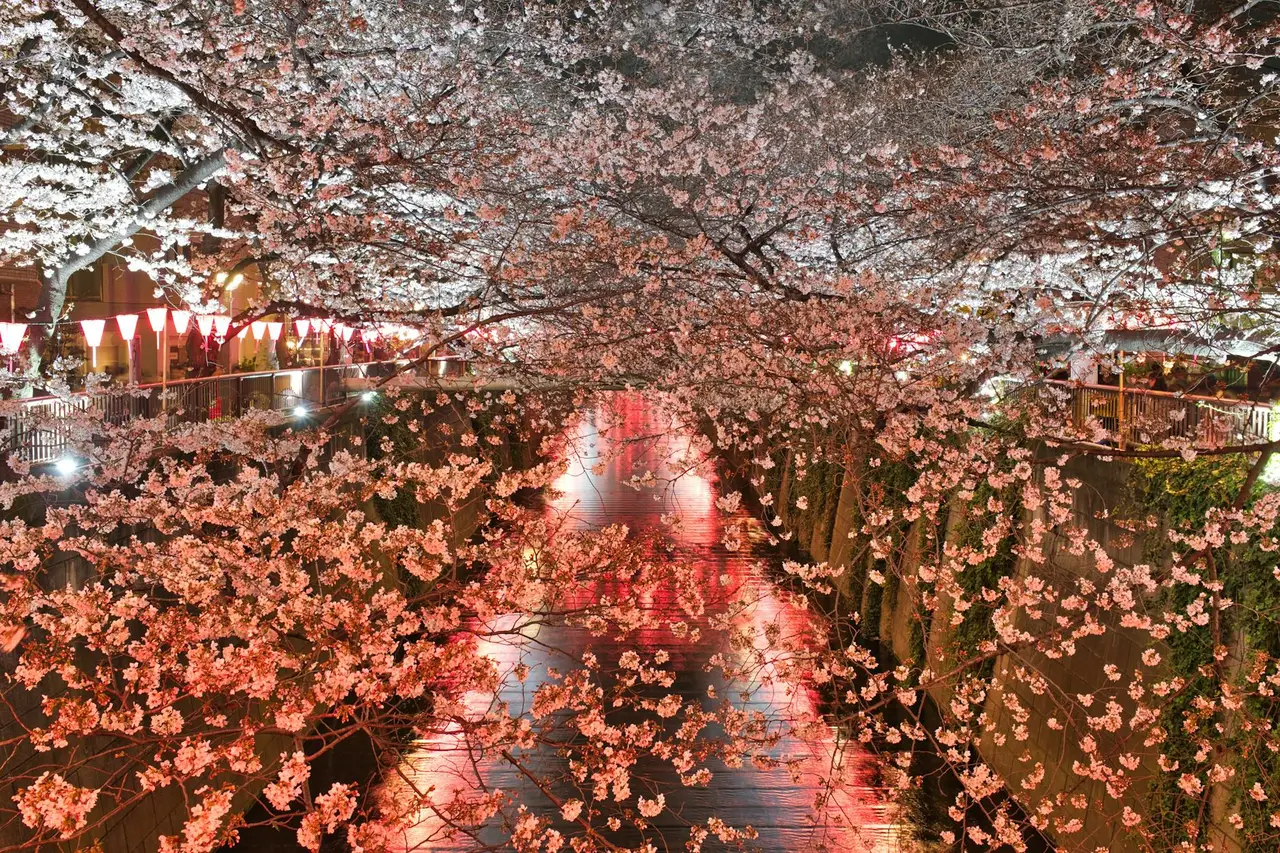
I’d pick Meguro River over a full park visit if I only had one evening free. That said, I’d avoid it during peak dinner time unless I wanted to stand around near a crowd. I waited 25 minutes just to get through a packed stretch once, and that was enough to remind me why I prefer mornings.
Best for: Short visits, couples, and people who like a walk that ends with dinner.
Skip if: You want space to stop, sit, and linger.
Chidorigafuchi
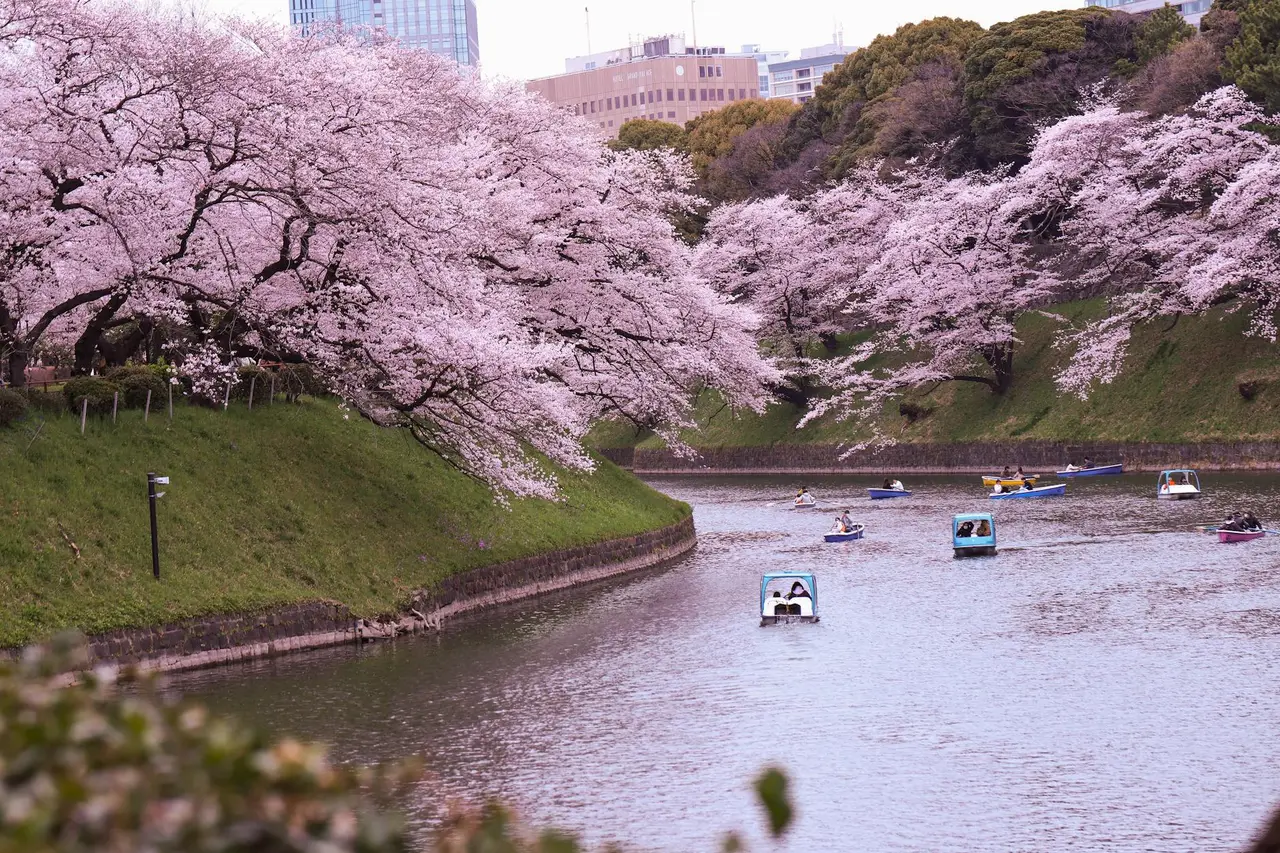
This is the one where the moat-side walk can feel genuinely good, especially if the blossoms are at their peak. I’d call it a strong choice for a single focused outing, not an all-day plan. The boat rental line can get long, and I don’t do lines over 30 minutes for a paddle boat, no matter how cute it looks on Instagram.
I’d go for the walking path and skip the boat unless I was there very early or on a weekday. The walking route gives you the same blossom payoff without the extra hassle. Worth it for the view, not worth it if you need the boat to justify the trip.
Best for: People who want a polished blossom walk near central Tokyo.
Skip if: You dislike queues or anything that feels staged.
Asukayama Park
This is the one I’d recommend only if you want a more local-feeling outing and can handle a slightly less famous stop. It’s not as flashy as the big-name spots, and that’s the point. I liked it because I didn’t feel like I was in a blossom theme park.
I’d choose Asukayama if I wanted a lower-key morning and didn’t need the headline Tokyo experience. It’s better for people who care about walking, snacks, and a normal neighborhood feel. If you’re trying to check off the most iconic places, this is probably not the first stop.
Best for: Repeat visitors and travelers who want fewer tourists.
Skip if: You only have one blossom day and want the biggest-name spots.
How I’d plan the dates without wasting a trip
The real game is timing, not just picking a pretty park. I’d build a trip around a range, not a single blossom date. If I landed in Tokyo too early, I’d still have a good city trip. If I landed too late, I’d still have some petals and less stress.
My rule is simple: if I had 5 to 7 days in Tokyo, I’d aim to overlap the forecasted peak by at least three days. That gives you a buffer for rain, cold snaps, and the annoying reality that one park can be behind another by several days. I’ve seen people book one cherry blossom weekend and act shocked when they hit either buds or falling petals. That math never works out.
I’d also stop trying to “collect” every blossom spot. One park, one river walk, maybe one neighborhood street if I passed it naturally. That’s enough. More than that and the trip starts feeling like homework.
Best for: Flexible travelers who can shift a day or two based on the bloom forecast.
Skip if: You’re the type who needs exact certainty before booking anything.
The transit moves that saved me time
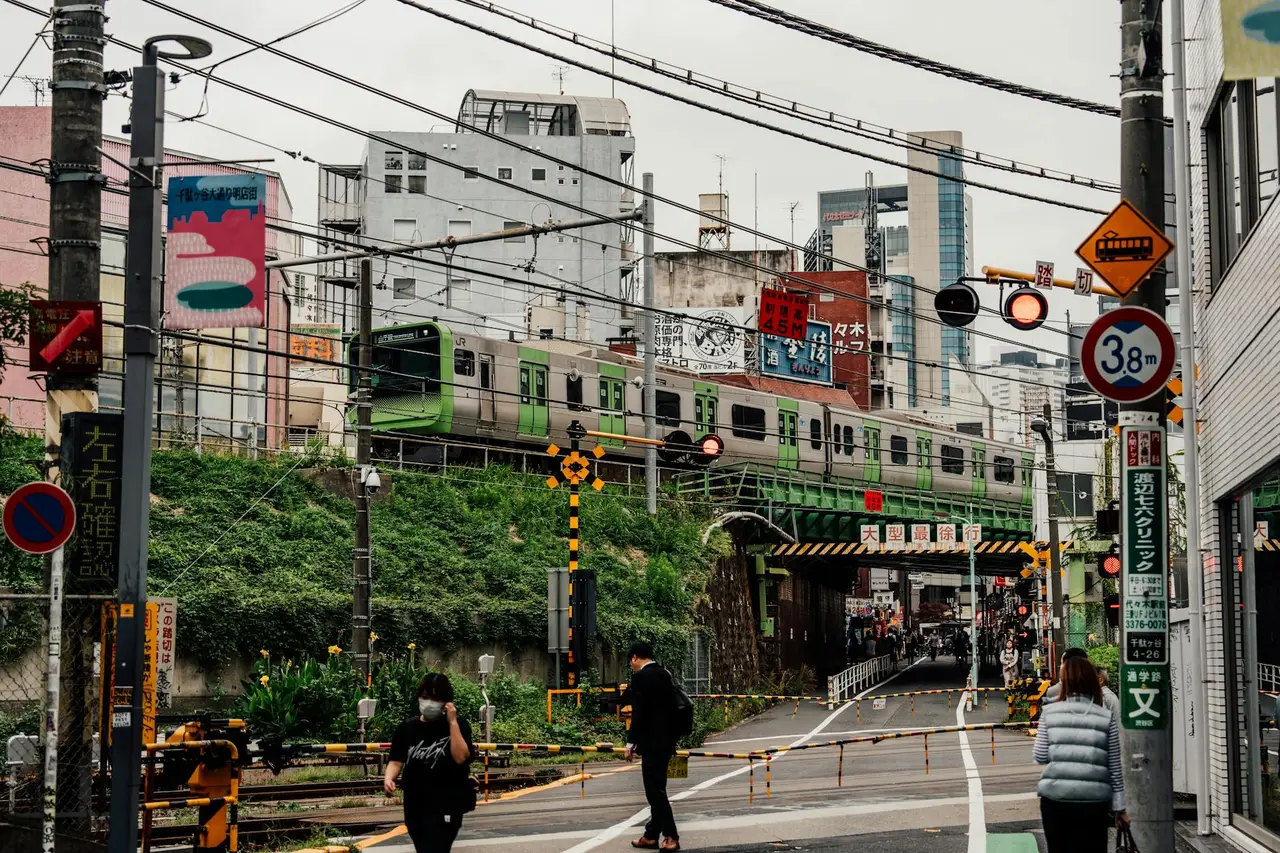
Tokyo blossom season is not the time to be cute about transit. I’d stay near a station with direct or easy access to the places I actually wanted to visit. Shinjuku, Ueno, and Tokyo Station all make sense depending on your route, but I’d personally lean toward Shinjuku or Ueno because they shorten the “get there, then walk” part of the day.
I paid around ¥230 for a subway ride on one blossom morning and thought, yes, this is the kind of small expense that matters. A hotel 15 minutes closer to the right station can save you an hour a day once you add transfers, exits, and the wrong turn you always take when you’re half awake. I’d rather pay a little more than drag myself across town before breakfast.
If you’re trying to decide where to stay, I’d prioritize walkability to the train over having a fancy room. Tokyo rooms can be tiny anyway, so I don’t think it’s worth paying extra for a better chair. I’d pay for location and convenience, not decorative nonsense.
Best for: Travelers who want to do blossoms without wasting half the day in transit.
Skip if: You plan to use taxis for everything and don’t care about train efficiency.
See all Tokyo hotels on Agoda if you want to compare bases near the stations that make blossom mornings easier.
What I’d skip, even in blossom season
I’d skip any place that turns a free walk into a packaged experience with a line. That includes overpriced “exclusive viewing” setups, crowded boat add-ons that eat your whole morning, and cafes selling the same view for a markup. Tokyo already gives you enough to do without paying extra for a plastic version of the same day.
I’d also skip blossom chasing after 10:30am at the biggest spots unless I had no other option. By then, the paths get slower, the photos get harder, and the whole thing starts feeling like a queue with trees nearby. I don’t love it.
The one exception is if you’re only in Tokyo for a day or two and blossoms are the main reason you came. Then I’d pick one famous spot and accept the crowd. But I’d still go early, because a late start is how you end up paying for the same view and getting a worse version of it.
Worth it if: You can be early and selective.
Skip if: You’re planning to show up midmorning and hope for the best.
The day I got the timing wrong
I thought I could wing blossom timing once. I had a flexible Tokyo plan, assumed the season would behave, and booked my hotel for what I guessed was the sweet spot. The trigger was a cold spell that pushed peak bloom later than I expected, so when I arrived, the trees I wanted were still mostly buds. Not tragic, but annoying.
The consequence was real enough: I spent two mornings chasing spots that weren’t ready yet, which meant extra train fares, extra walking, and one lunch I ate out of impatience more than hunger. I probably wasted around ¥2,000 to ¥3,000 in transit and snacks, plus the time. What I know now is simple: I’d never lock Tokyo cherry blossom dates without checking the forecast about 10 days out, and I’d keep one backup neighborhood on the list.
Worth it if: You can pivot quickly and treat bloom timing as part of the trip.
Skip if: A slightly off peak would ruin your mood for the whole visit.
Budget breakdown
Rough daily estimates from my own trip. Prices shift by season.
What I’d do differently next time
I’d book my base earlier and stay closer to a station I actually used, not just one that looked good on a map. That would have saved me money and a couple of annoying transfers. I’d also keep one full morning open instead of trying to fit blossoms between other plans, because the best part is being able to show up early and leave before the crowds get stupid.
I’d probably skip the boat rental at Chidorigafuchi unless I was there before the line got long. The walk gave me enough. And I’d buy breakfast near my hotel or station instead of assuming I’d “find something later.” That always sounds smarter than it is.
My final take on Tokyo cherry blossom 2026
I’d plan Tokyo around cherry blossoms only if I had flexible dates and I cared more about the experience than checking off a perfect forecast. The season is worth it, but only when you treat it like a short, crowded window and not a guaranteed postcard.
If I wanted the easiest win, I’d do Shinjuku Gyoen early, then one river walk like Meguro or Chidorigafuchi, and stop there. That’s enough for a good trip. More than that starts turning into blossom errands.
Best for: Travelers who want one efficient Tokyo blossom trip with real city walking and can go early.
Skip if: You want quiet streets, fixed dates, or a low-planning vacation.
Next time: I’d keep my dates loose, stay closer to a train line, and stop pretending I need more than two good blossom stops.
See current Tokyo hotel prices on Agoda →
I usually book Tokyo tours on Klook — the best time slots go fast, especially in peak season.
FAQ
How many days do I need for cherry blossoms in Tokyo?
Three days is the minimum I’d give myself, and five is better. That gives you a buffer if one day is too early, too crowded, or hit by bad weather. I’d never fly in for a single blossom day unless I had no other choice.
Is it worth waking up early for the main parks?
Yes, early mornings are worth it, and I’d do them again. The difference between 7:30am and 10:30am is huge in Tokyo, especially at Ueno Park and Chidorigafuchi. I got the cleanest walks and the fewest people before breakfast, and that alone made the early alarm worthwhile.
Can I still enjoy Tokyo if I miss peak bloom?
Yes, and I’d still go. Late bloom means fewer petals, but you still get the city, the parks, and the general spring mood without the worst crowds. I’d just lower my expectations and treat blossoms as a bonus instead of the whole trip.
Which area is easiest if I’m staying only one or two nights?
Shinjuku is the easiest base, and I’d pick it again for a short trip. It gives you fast access to Shinjuku Gyoen, good train links, and enough food options that you won’t waste time hunting dinner. If your time is that tight, I’d pay a little more for location.
Are the famous blossom spots still worth it if I hate crowds?
Mostly no, and I’d skip the most famous ones after 9:30am. If you hate crowds, go very early or choose a less famous park like Asukayama instead. You’ll get a calmer morning and probably enjoy the flowers more than the photo parade.
 Emma Hayes