

I did this wrong the first time. Tokyo looked easy on paper, so I treated it like a city I could wing. I couldn’t. My first trip cost me time, a little money, and one very annoying afternoon I could’ve spent eating better ramen instead.
My judgment: Tokyo is worth the trip, but first-timers need to be picky about timing, transit, and what they pay for. It fits travelers who want a fast, efficient city and don’t mind walking a lot. It’s not great for anyone expecting a lazy, spontaneous trip where everything is obvious. These are the tokyo travel mistakes to avoid first timer if you want the trip to feel smoother.
Quick answer: Tokyo rewards planning in a few specific places and punishes guesswork in the wrong ones. My biggest mistakes were late starts at Senso-ji and Shibuya Crossing, a ¥1,200 transit overpay, a ¥2,100 viewpoint that wasn’t worth it, and trying to cram Ueno, Akihabara, and Shinjuku into one day.
I compared the options in Tokyo Cash Or Card Which To Use — useful if you haven’t booked yet.
Main Tips
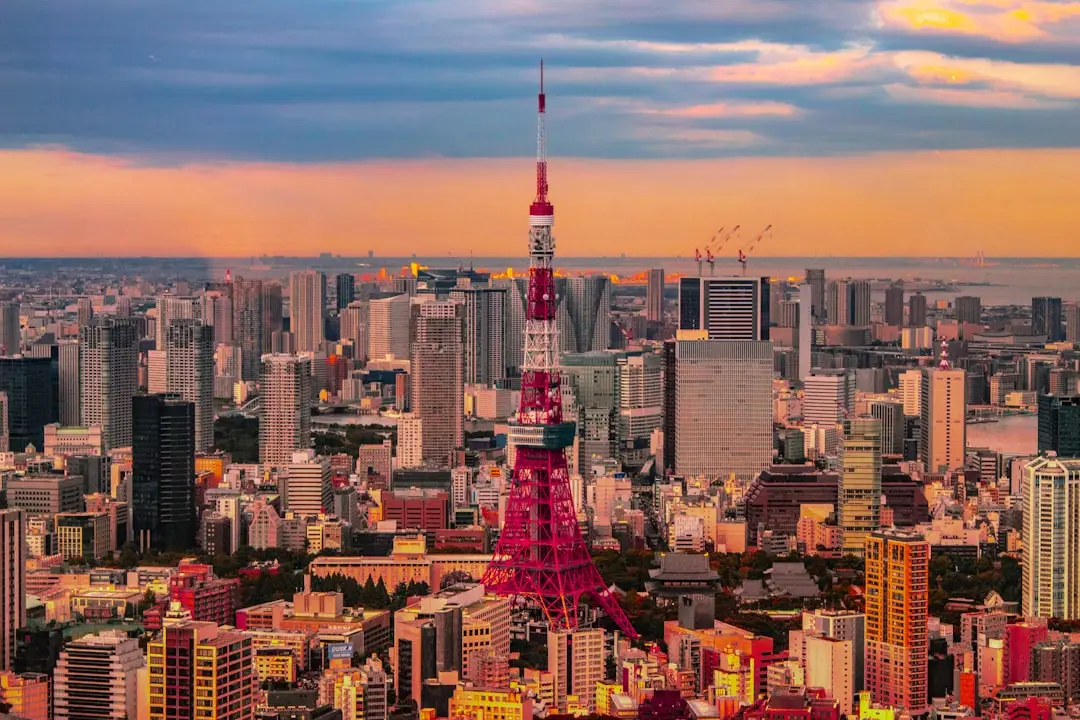
I treated Tokyo like a city where I could show up late and still get the good version
I figured early mornings were optional because Tokyo runs all day. That logic was fine in theory. The trigger was simple: I showed up to a few famous spots at the wrong hour and assumed the city would feel the same anyway.
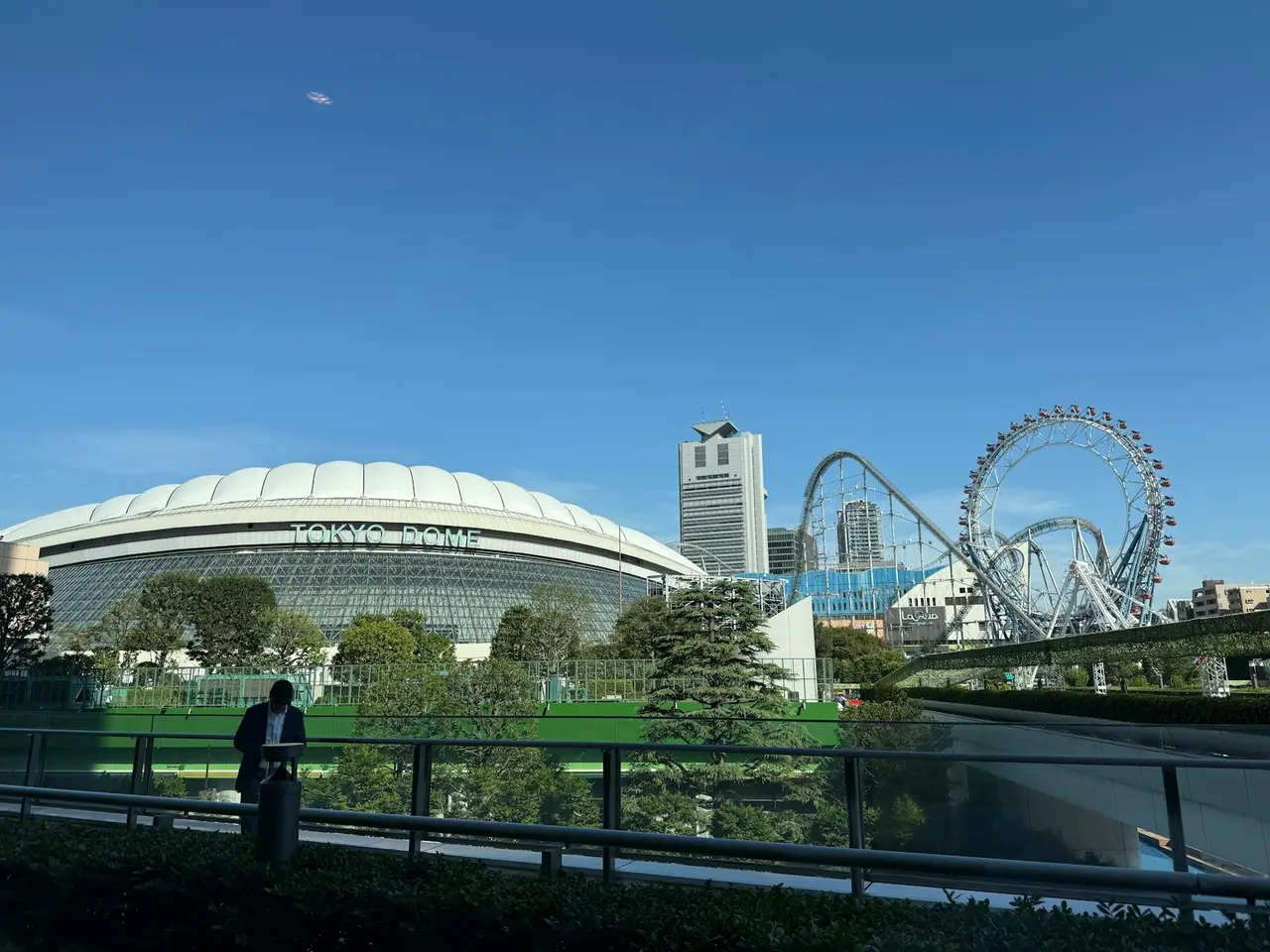
It didn’t. At Senso-ji, I arrived late enough that the Nakamise shopping street felt more like a queue than a stroll. At Shibuya Crossing, I was there when the crowd was already thick and half the fun was just standing still and trying not to get in everyone’s way. I spent about 40 minutes in places that should’ve taken 15, and I left feeling like I’d paid with time instead of money.
The consequence was small in one sense and annoying in another: I lost roughly 1.5 hours across one day, and I missed the calm version of both places. That calm version exists. I just didn’t get it. This was a time mistake, not a money disaster, but it still changed the day.
Verdict: skip late starts if you care about the actual experience, not just the photo.
Hindsight: I’d now do the big-name spots before 9 a.m. or after dinner, especially on my first day. If I wanted to see Senso-ji without the crush, I’d go early, eat something nearby, and move on before the tour groups fully wake up. The alternative is a slower day, but it’s a better one.
Best for: early risers and anyone who hates shoulder-to-shoulder crowds.
Skip if: you’re fine treating famous places like quick photo stops.
My pick: I’d take the early slot every time. It’s just cleaner.
I bought a transit card too casually and still paid for it
I thought Tokyo’s trains would be forgiving because the network is so good. That part was true. The mistake was thinking I could figure out fares and lines as I went without losing anything. I got lazy with the first long transfer and overpaid for the convenience of not thinking.
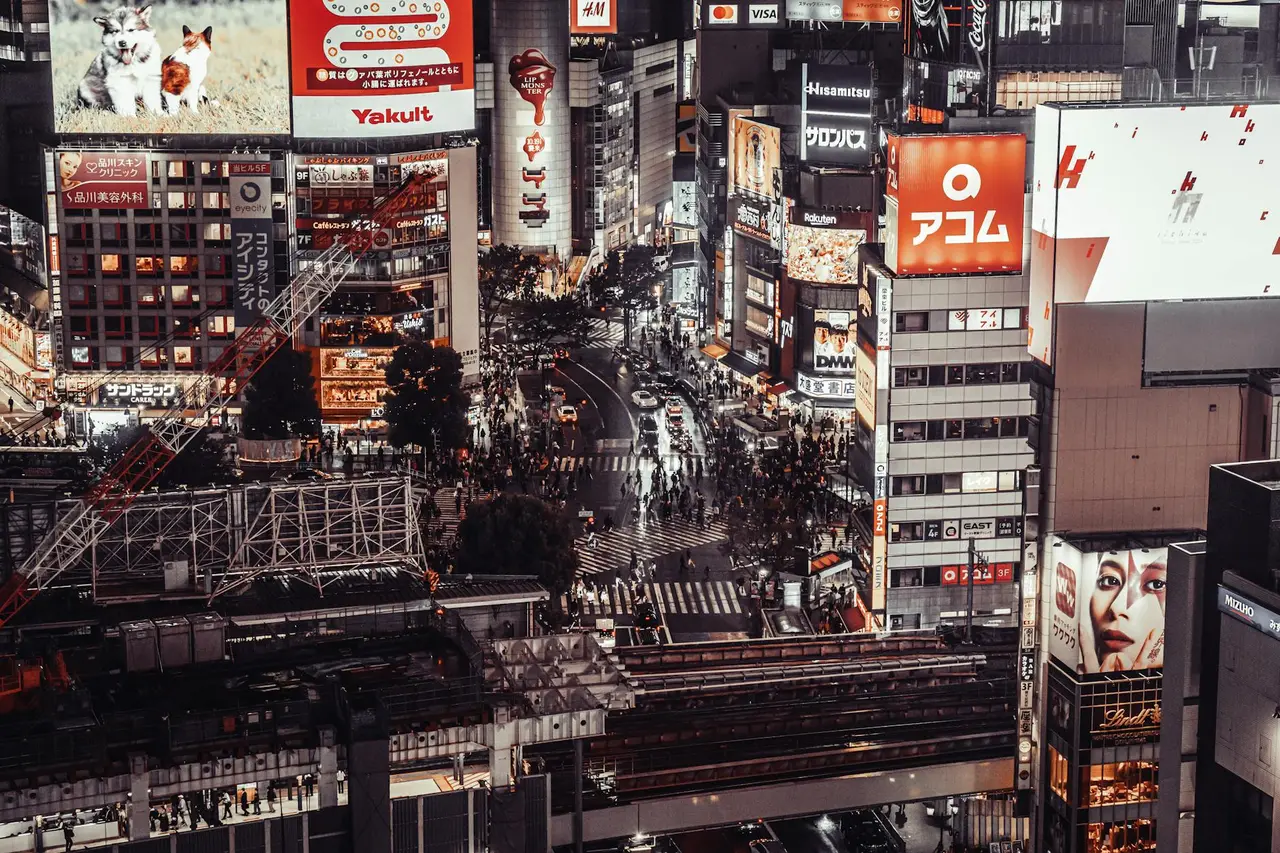
The trigger was me taking a more expensive route from Shibuya to Asakusa because it looked simpler on Google Maps. I didn’t compare it properly with the cheaper subway option. The result was a few extra yen here and there, and by the end of a few days it added up to about ¥1,200 more than I needed to spend. Not ruinous. Just stupid.
I also wasted about 25 minutes once because I got off at the wrong side of a station and had to backtrack through underground corridors that all looked the same. Tokyo stations are efficient, but they’re not intuitive when you’re tired and hauling a day bag. I was wearing sunglasses in the morning, then had the jacket in my hand by noon because the temperature was around 11-20°C and I kept moving between cold platforms and warmer streets. That part was normal. The fare mistakes weren’t.
Verdict: worth paying attention to, because small transit errors stack fast in Tokyo.
Hindsight: I’d load an IC card immediately, use subway routes when they’re cheaper, and check the fare before I tap in if I’m choosing between two lines. If a route saves only 5 minutes but costs more, I’m not taking it anymore unless I’m exhausted.
Best for: travelers doing multiple train rides a day.
Skip if: you’re assuming “fastest” and “cheapest” are the same thing.
My pick: I’d pay a little more only when it actually saves real walking or a painful transfer.
I wasted money on one tourist stop that looked easier than it was
I figured one of the big observation decks would be the clean, efficient “first Tokyo” move. Everyone online made it sound like a simple win. The problem was that I picked convenience over value and got a very polished experience that didn’t match the price.
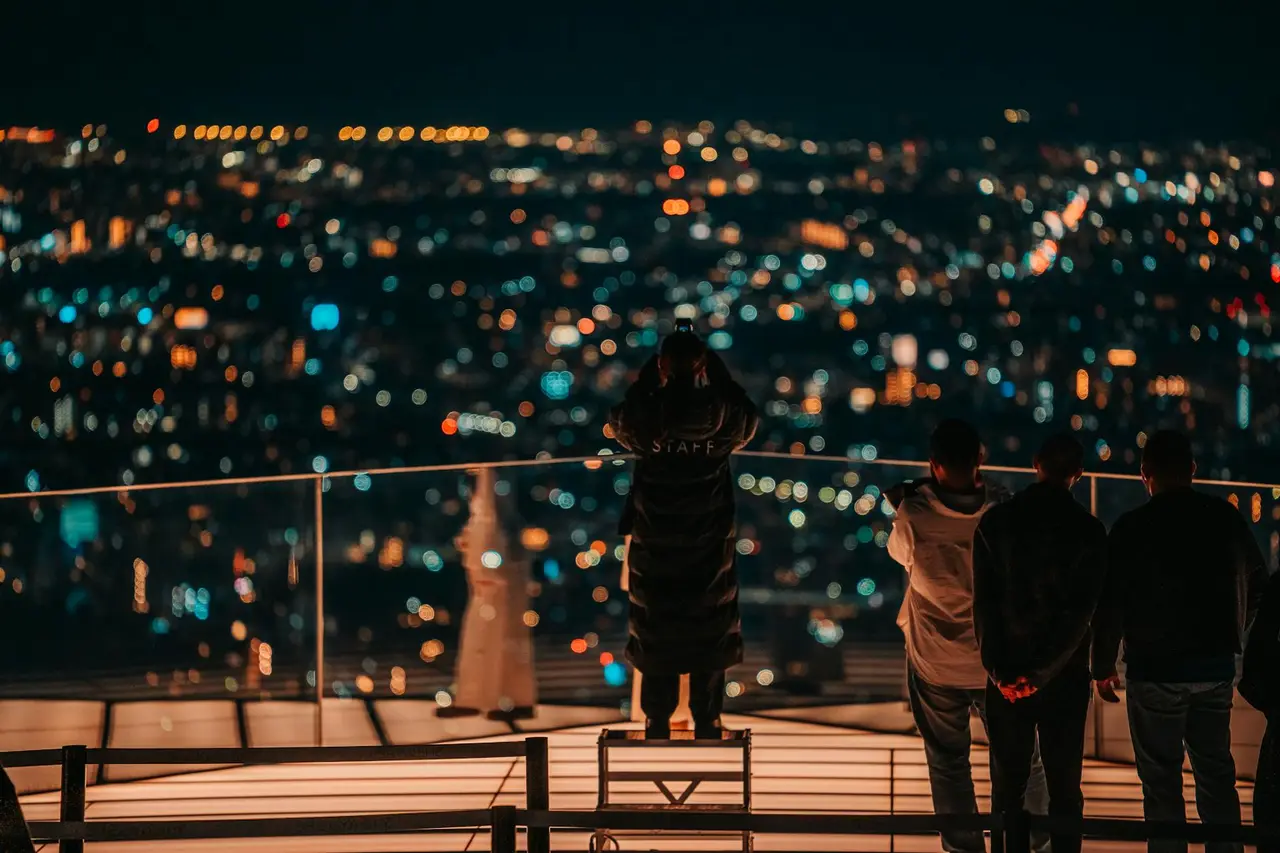
The trigger was buying an entry ticket for a high-profile viewpoint without checking whether the view I wanted was already free somewhere else. I paid about ¥2,100, waited 30 minutes in line, and then spent most of my time inside trying to find a clear angle through glass and reflections. The city looked fine. It just didn’t look ¥2,100 fine.
That wasted about 90 minutes total once you count the line, the elevator wait, and the time spent circling for a better spot. I could’ve used that time for a proper meal in a neighborhood that still had actual street life. Instead, I got a sanitized version of Tokyo that felt designed for people who only wanted one image and didn’t care what it cost. Fine, not great.
Verdict: skip the expensive viewpoint unless the weather is bad or you really care about skyline photos.
Hindsight: I’d check free or cheaper alternatives first, then book the paid deck only if the forecast is clear and the line is short. If I wanted a night view, I’d pick a spot with no admission fee and spend the saved money on dinner instead. That math never works out in the tourist trap’s favor.
Best for: people who care more about a skyline shot than the money.
Skip if: you hate paying for views you can get for less.
My pick: I’d only pay when visibility is excellent and the queue is under 20 minutes.
I book activities through Klook when I know a timed ticket will save me from standing around. Tokyo lines move fast when they move at all, and popular slots can disappear before lunch.
I assumed every neighborhood would feel the same once I got there
I thought Tokyo was one giant city blob and that picking a neighborhood wouldn’t matter much. That was my logic before I spent a day bouncing between areas that looked close on a map and felt much farther in real life. The trigger was trying to “see more” by mixing too many districts into one day.
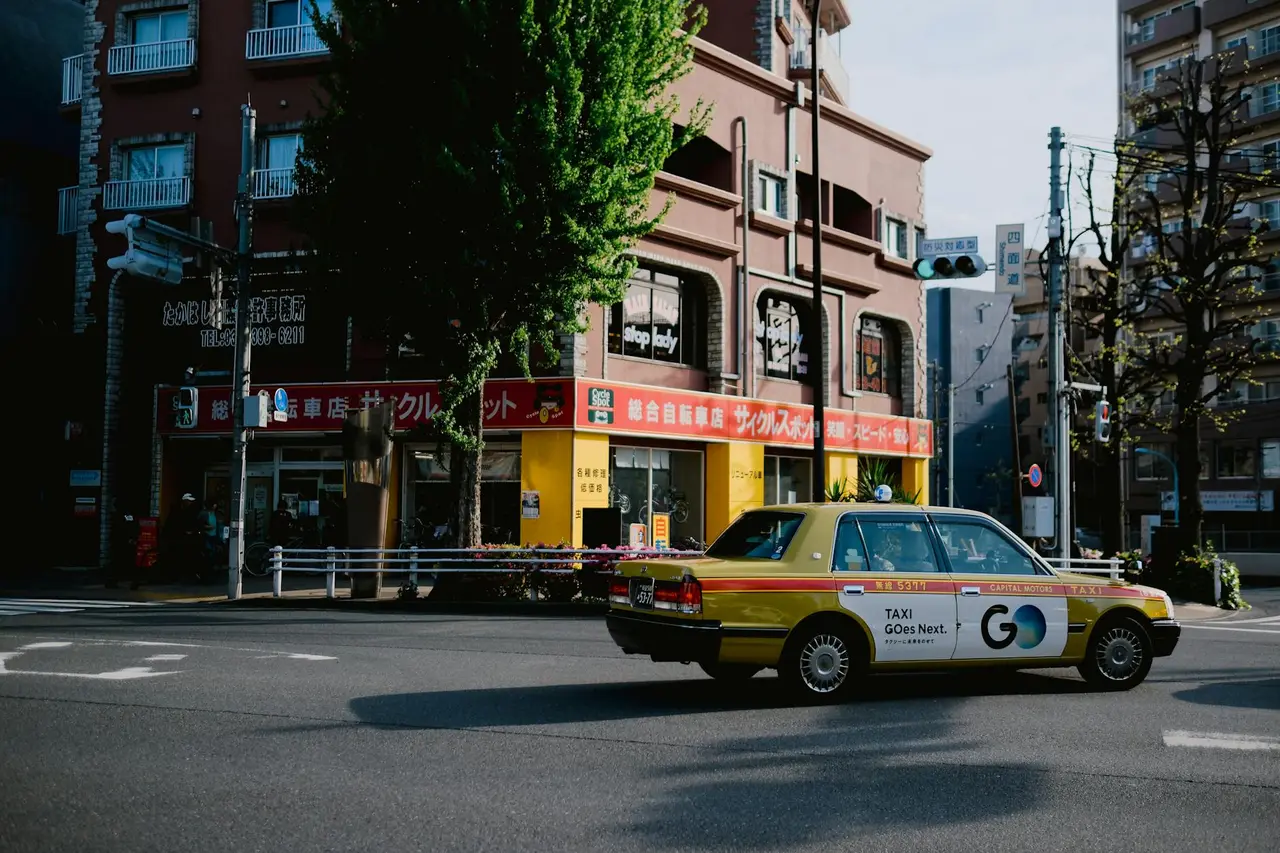
I did Ueno, Akihabara, and Shinjuku in one stretch. It sounded efficient. It wasn’t. I spent around 2 hours on trains and platform changes, and by the end I was too tired to enjoy any of them properly. I also ate a rushed lunch from a convenience store because I’d squeezed myself too tight on time. I paid ¥430 for onigiri, a sandwich, and tea, which was cheap, but that wasn’t the point. I wanted a real lunch and didn’t leave room for one.
The consequence was more mental than physical. Tokyo stopped feeling interesting and started feeling like a logistics puzzle. That’s a bad sign. The city works better when each area gets its own block of time instead of being treated like a checkbox.
Verdict: one area per half-day is the better move for first-timers.
Hindsight: I’d now pick one north-side neighborhood, one east-side neighborhood, and stop pretending I can “cover” the city. If I’m in Akihabara, I’d stay there for lunch and browsing. If I want Shinjuku, I’d save it for late afternoon and dinner instead of trying to stack it with two other places.
Best for: people who want a calmer pace and fewer transfers.
Skip if: you think more neighborhoods automatically means a better day.
My pick: I’d cut one district before I’d cut a good meal break.
I underestimated how quickly good food sells out or fills up
I figured food in Tokyo would be easy because there’s food everywhere. That part is technically true. The mistake was assuming the good, cheap stuff would still be easy once I got there at random times. It wasn’t.
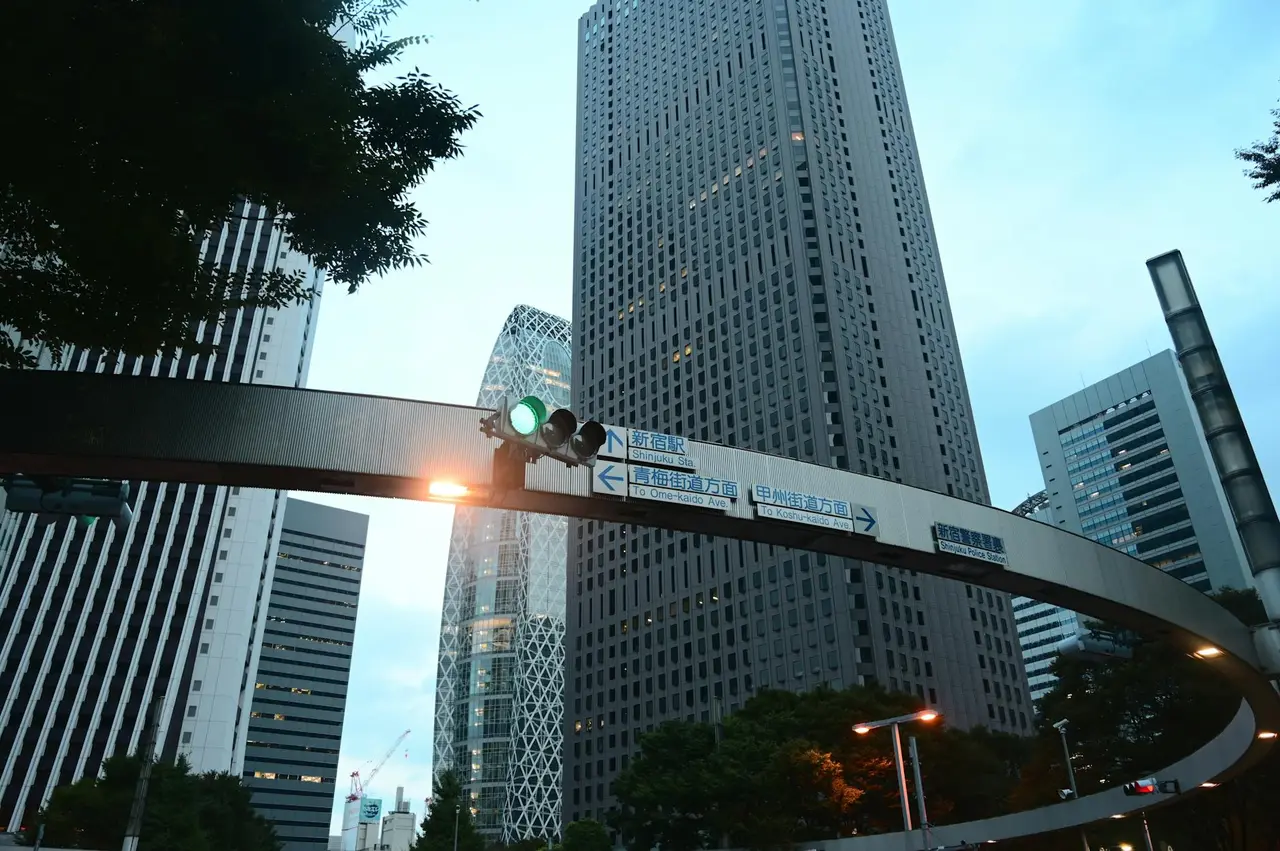
The trigger was arriving at a small ramen shop near Shinjuku around 12:40 p.m. because I’d spent too long wandering first. There were only a handful of seats, and the line was already out the door. I waited 25 minutes, ate in about 15, and then rushed out because I had another plan I’d probably overstuffed into the day. The ramen was good. The timing was bad.
Later that same trip, I tried to grab a late lunch at a place near Ueno that had been recommended by a local friend. By 2 p.m., one of the dishes I wanted was gone. I settled for something else and spent ¥1,300 on a meal that was fine but not the one I actually wanted. This was one of those mistakes where my logic was sound — I wasn’t trying to be cheap, just flexible — but the city still didn’t care.
Verdict: worth planning around if you care about specific places or dishes.
Hindsight: I’d eat earlier, or I’d save a reservation if the place is small and popular. For casual spots, I’d still show up before noon when possible. If I’m already hungry and it’s past 1 p.m., I’d go for a backup nearby instead of stubbornly chasing the original plan.
Best for: food-focused travelers who don’t want to gamble on leftovers.
Skip if: you’re okay with whatever is left at peak lunch hour.
My pick: I’d eat at 11:30 a.m. and avoid the wait entirely.
I bought convenience in the wrong places and skipped it in the right ones
I thought I was being smart by saving money on the obvious stuff and spending on the hard stuff. In Tokyo, that split was backwards for me. I cheaped out on a couple of time-saving choices, then paid more in stress and walking than I saved in yen.
The trigger was choosing a cheaper route that added extra station changes on a rainy-looking afternoon, then not paying for a faster option when I was already tired. I ended up walking more than 12,000 steps that day, carrying a jacket in one hand and a coffee in the other because the weather kept shifting between cool shade and warmer sun. The city was mild, sure, but my patience wasn’t. I was done by 6 p.m. because I’d spent too much energy on tiny savings.
The consequence was a dead evening. I skipped a neighborhood I’d wanted to see properly because my legs were cooked, and I spent about ¥900 on random drinks and snacks I didn’t even want that much. That’s the ugly part of cheaping out on the wrong thing. It looks disciplined. It feels sloppy later.
Verdict: pay for convenience when it buys back real energy, not just a few yen.
Hindsight: I’d spend on the route or ticket that saves me the most walking, especially on days with three or more stops. I’d also stop acting like every decision has to be optimized for price. Sometimes the better deal is the one that leaves me with enough energy for dinner.
Best for: travelers with short trips and packed days.
Skip if: you keep choosing the cheapest option even when you’re already tired.
My pick: I’d pay for the time saver and cut one nonessential stop instead.
I pre-booked on Klook the next time I wanted a timed entry or a skip-the-line option. I’d rather lock in a slot than stand outside somewhere checking my phone while everyone else walks in.
I expected Tokyo’s transit system to be straightforward enough that I could figure it out as I went, but I ended up overcomplicating my IC card top-ups and taking redundant train lines that cost me an extra ¥1,200 across three days. The reality was that every station has options, and without a plan, I kept choosing the wrong one—paying premium fares instead of the cheaper routes that were literally one platform over. The takeaway is simple: spend 20 minutes before your trip mapping your actual neighborhoods and which lines connect them, because winging it in Tokyo’s stations just bleeds money.
I thought paying ¥2,100 to go up the Tokyo Skytree observation deck was a smart move for seeing the city from above, but I could’ve gotten nearly the same view from a free rooftop bar or a cheaper platform elsewhere. The flip was that I spent most of my time in line and indoors instead of actually absorbing what I was looking at, and the crowds made the whole thing feel rushed. What I learned is that Tokyo doesn’t need you to pay for height—the streets themselves, especially from bridges and parks at ground level, show you more of the city than any tower does if you’re paying attention.
I wrote a more detailed breakdown in Tokyo Capsule Hotels Solo Female 2026 — worth reading if you’re still deciding.
I compared the options in Tokyo Street Food Guide Budget Traveler — useful if you haven’t booked yet.
If tokyo solo female travel guide 2026 matters to your trip, my Tokyo Solo Female Travel Guide 2026 has the specifics.
I usually book Tokyo tours on Klook — the best time slots go fast, especially in peak season.

FAQ
Is Tokyo hard to do on your first trip?
No, but it’s easy to make small mistakes that waste time. The trains are efficient and the city is organized, yet the scale can still mess with your day if you overpack it. I’d go in with a simple plan, not a packed one.
How many days do you need before the city feels manageable?
Four full days is the point where I stopped feeling rushed. Anything less and I was constantly choosing between neighborhoods instead of actually enjoying them. If you only have 2 or 3 days, I’d cut one major area and skip the extra transit.
Should I book Tokyo attractions ahead of time?
Yes for timed entries, no for things that are easy to walk into. I lost too much time waiting at one paid viewpoint because I treated it like a casual stop. If there’s a line or a slot system, I’d book it before I go.
Is it worth paying more to stay near the train?
Yes, if your trip is short or you plan to move around a lot. I saved money once by choosing the less convenient option, then paid for it in energy and extra station transfers. The extra location cost is usually smaller than the daily hassle.
What’s the one mistake I’d avoid most in Tokyo?
I’d avoid trying to see too much in one day. That was the mistake that made everything else worse, from food timing to transit to how tired I felt by evening. Tokyo works better when I leave one block open and don’t treat the city like a race.
 Emma Hayes