

Nobody told me this before I went. I landed in Tokyo thinking I could treat it like a fully cashless city and be done with it. I was half right. I paid by card for most big stuff, then got caught twice with only plastic in places that clearly wanted bills and coins, which is a stupid feeling when you’re standing at a tiny ramen counter with a line behind you.
My answer is simple: I’d use card for most hotel, train, and convenience-store spending, but I’d keep cash on me every day. If you’re wondering about Tokyo cash or card which to use, this is the mix that worked best for me. This fits travelers who want to move fast and don’t want to waste time hunting down ATMs. If you’re staying less than 5 days, card-first still makes sense, but cash is the backup that keeps Tokyo smooth when a shop, shrine, or small restaurant doesn’t want to deal with foreign cards.
The real decision isn’t cash or card. It’s how much friction you want to carry around. Tokyo is efficient, but it’s not uniformly cashless, and the places that feel most local are often the ones most likely to want yen in hand.
Quick Answer: Use card for hotels, department stores, chain restaurants, and most transit top-ups, but keep cash for small food stalls, older restaurants, shrines, and vending machines. I withdrew ¥10,000 at a 7-Eleven ATM and used it faster than I expected.
What I actually paid with card, and where it worked best
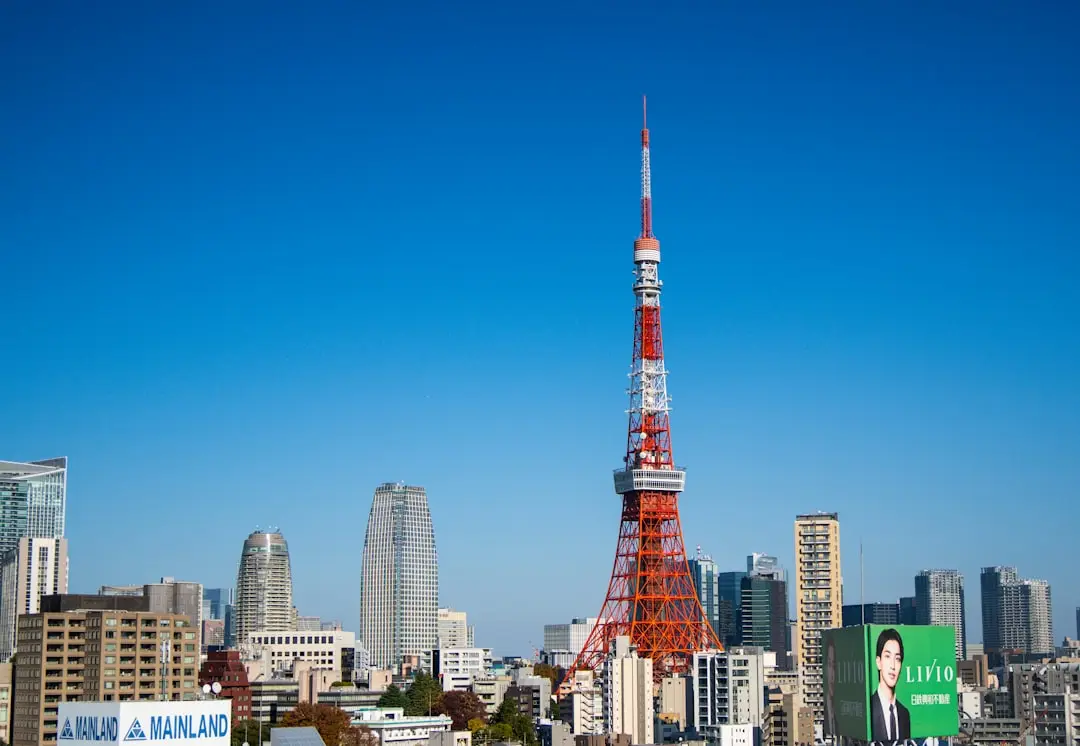
I used my card for the boring but expensive stuff, which is where it shines. My hotel in Shinjuku took card without any drama, and I also used it at Don Quijote for a ¥3,200 sunscreen-and-snack run that I didn’t want to count out in coins at the register. It worked at chain coffee shops, bigger restaurants, and pretty much every place that looked like it had a proper POS terminal instead of a tiny tray and a tired cashier.
Best for: Hotels, department stores, larger restaurants, and most convenience-store purchases.
Skip if: You’re relying on a single debit card with no backup. That’s asking for a dumb travel day.
My pick: A Visa or Mastercard with no foreign transaction fee, plus a second card tucked separately.
I had my main card and a backup card in different pockets, and I’m glad I did. One afternoon near Ueno, I tried to pay for a quick lunch and the terminal was weirdly finicky. The cashier waved me toward cash, and I ended up paying ¥980 in bills instead of standing there for five minutes pretending my card would magically start working. That’s the kind of tiny thing that makes card-only feel less smart than it sounds online.
Card also won for transport planning. I used Suica on my phone for trains and convenience-store buys, and that was cleaner than digging out coins every time. If you’re on iPhone, loading Suica into Apple Wallet before you arrive is worth doing. I topped mine up in about 20 seconds, and that saved me from messing with a machine when I was tired and carrying a jacket in my hand because the morning was only around 13°C.
Worth it if: You want speed, you hate counting coins, and you’re staying mostly in central Tokyo.
Only if: You already have a card that works internationally without ugly fees.
Skip it if: Your bank card has bad exchange rates and foreign transaction fees. Then the “convenience” gets expensive fast.
If tokyo tourist mistakes to avoid 2026 matters to your trip, my Tokyo Tourist Mistakes To Avoid 2026 has the specifics.
If tokyo travel mistakes to avoid solo matters to your trip, my Tokyo Travel Mistakes To Avoid Solo has the specifics.
Where cash still matters more than people admit
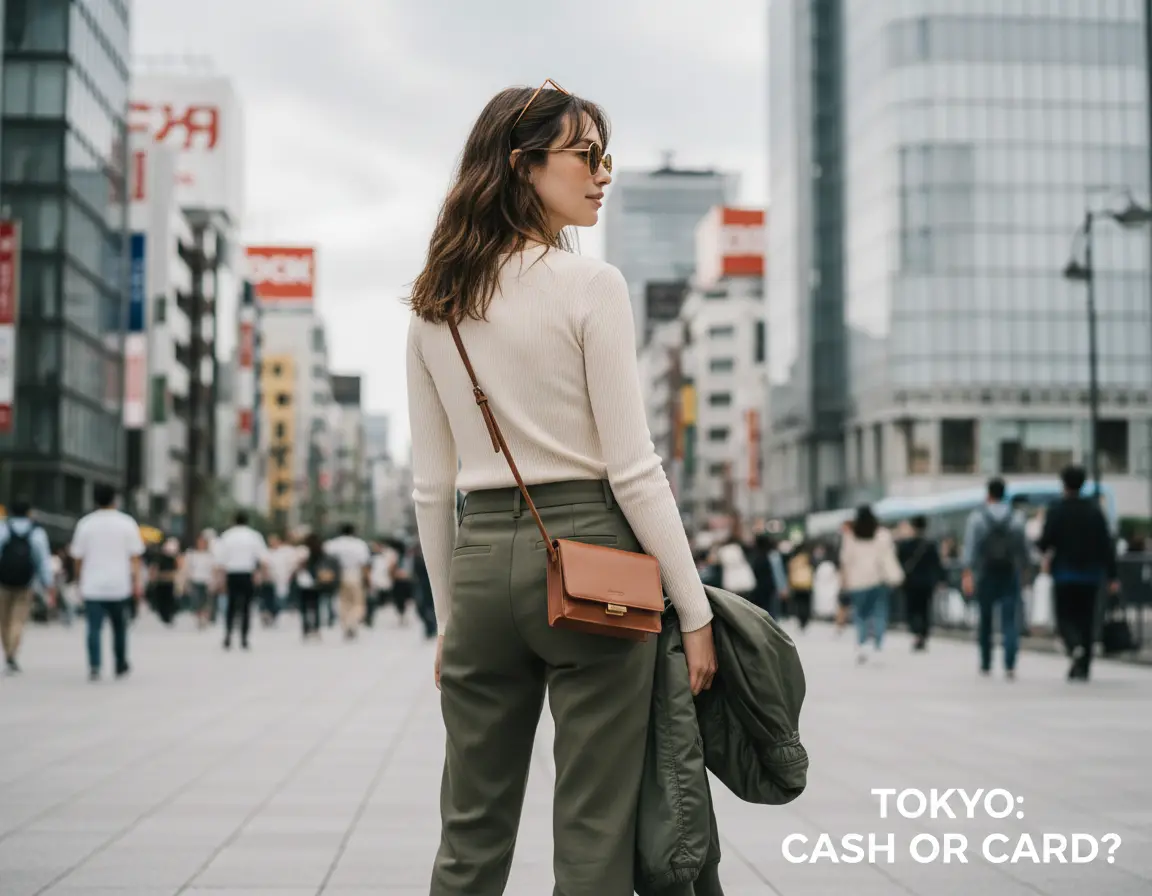
I figured Tokyo would be basically card-ready everywhere. That was my mistake. It wasn’t a disaster, but it was enough to make me respect cash again. The places that wanted yen were usually the smaller, older, or more casual ones: tiny ramen counters, local lunch spots, some shrine donation boxes, and a few street-food style stalls where the whole setup is built around speed and simplicity, not card readers.
I paid ¥600 for a temple entrance one morning and needed exact cash for a small offering a few minutes later. Another time, I bought a ¥450 bottled tea from a machine and then used coins again for a snack I grabbed because I was hungry between train rides. That’s the Tokyo rhythm: card for bigger spend, cash for the little gaps. Not glamorous. Very useful.
Best for: Small purchases, older restaurants, shrine visits, vending machines, and backup spending.
Skip if: You think cash is only for emergencies. In Tokyo, it’s part of normal daily life.
My pick: Keep about ¥5,000-¥10,000 in cash if you’re out all day, then refill as needed.
One thing I didn’t expect: some of the most local-feeling meals were also the least card-friendly. I sat at a tiny soba place near Asakusa where the menu was taped to the wall and the bill came to ¥1,100. Cash only. The meal was better than the polished, pricier lunch I had the day before in a place that accepted card and charged almost double. That was the first real clue that cash in Tokyo isn’t old-fashioned fluff. It sometimes gets you into the better, simpler places.
Worth it if: You care about local food more than convenience-store safety net meals.
Only if: You’re willing to carry small bills and coins without hating your life.
Skip it if: You’re doing a very short, upscale trip where every meal is booked and every hotel takes card.
How much cash I’d bring, and where I’d get it
I withdrew cash from a 7-Eleven ATM, and that’s the move I’d repeat. The machine was easy to find, the instructions were clear enough, and I didn’t get hit with any weird scavenger-hunt energy the way I sometimes do at airport ATMs. I took out ¥10,000 first, then topped up later because I didn’t want to over-carry. That amount felt right for a few days of snacks, temple stops, and small meals.
If I were arriving for a 3-day Tokyo trip, I’d bring a card with no foreign transaction fee and withdraw ¥10,000-¥20,000 in yen on arrival. If I were staying a week, I’d still start small and top up once. I don’t love arriving with too much cash. It’s unnecessary stress, and I’m not trying to babysit my wallet while walking through Shibuya.
Best for: Travelers who want a low-friction backup without overcommitting to cash.
Skip if: You plan to use cash for everything. That’s clunky in Tokyo and not the point.
My pick: 7-Eleven ATMs over airport exchange counters, because the rates and convenience were better for me.
I had the option of changing money at the airport or just withdrawing in the city. I went with the ATM because airport exchange counters always feel like they’re charging me for being tired. The difference wasn’t dramatic on one small withdrawal, but the airport rate plus the hassle would’ve annoyed me. If your bank charges a flat withdrawal fee, one bigger ATM withdrawal is smarter than a bunch of tiny ones. I made the mistake of splitting my first withdrawal once in another country, and the fees were annoying enough that I remember it. Not a good habit.
The card mistakes that cost me time, not money
The biggest problem with card in Tokyo wasn’t payment itself. It was assuming every place would take it and not checking before I sat down. I did that once in a small noodle shop and had to switch gears fast when the staff pointed at a cash tray. I paid, but I also lost the nice momentum of just grabbing lunch and moving on. That’s the hidden cost: not dollars, just friction.
I also wouldn’t rely on hotel breakfast as a backup plan. I skipped it, as usual, and grabbed a ¥250 onigiri and bottled coffee from FamilyMart instead. Cheaper, faster, and honestly better than sitting through a mediocre buffet I didn’t want. If you’re the kind of traveler who likes slow mornings, fine. I’m not. I’d rather spend that money on a better lunch later.
Best for: People who pay attention to signs and don’t mind asking “card?” before ordering.
Skip if: You hate tiny logistics surprises. Tokyo has a few, and this is one of them.
My pick: Ask before you sit down if it’s a small place. That one question saves more hassle than any travel hack I’ve tried.
I expected the most annoying moments to happen in the touristy areas. Weirdly, it was the quieter, more ordinary spots that tripped me up. Shibuya and Shinjuku were easier. The little neighborhood places were the ones that made me dig for cash. That flipped my expectations a bit, and it’s useful to know before you go.
What I’d pack before flying to Tokyo
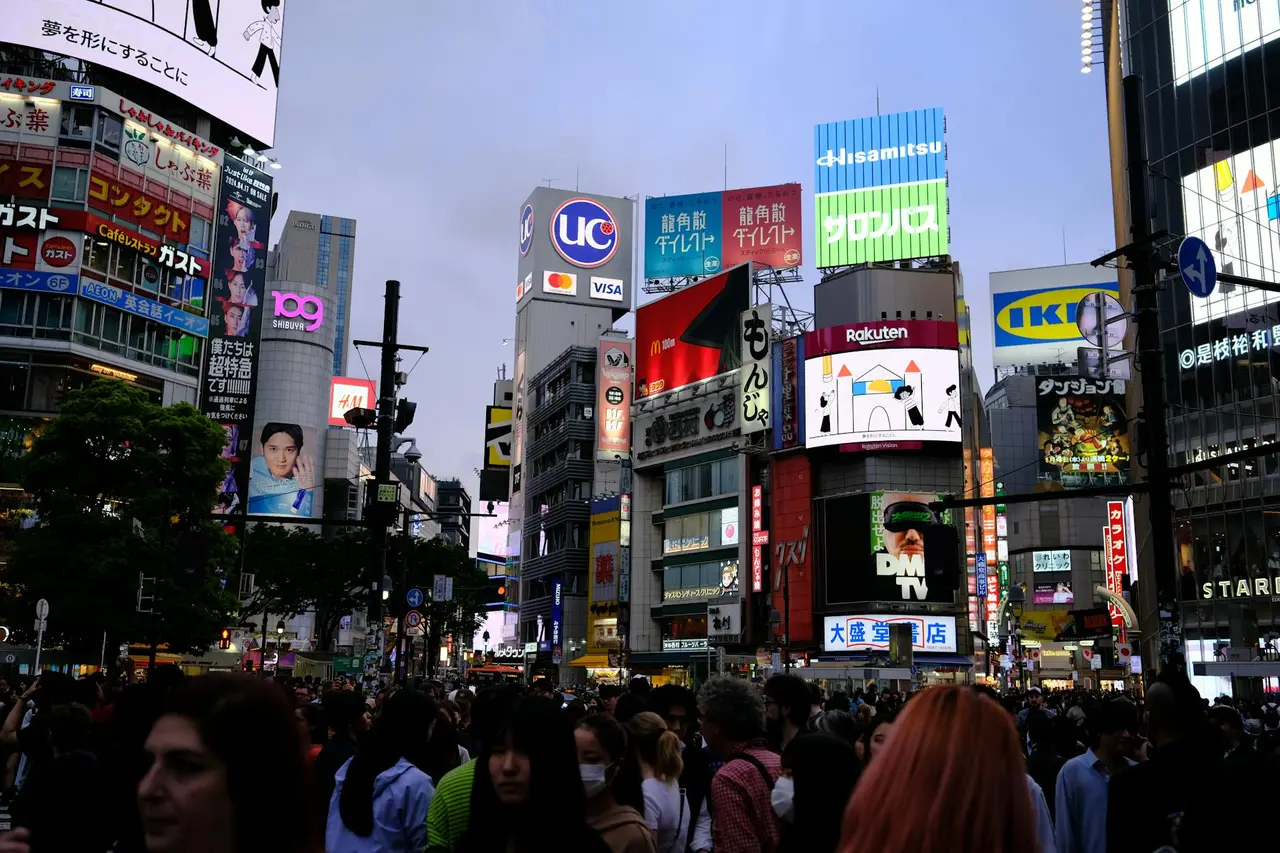
I’d bring one travel card with no foreign transaction fee, one backup card, and a small amount of yen already sorted if your bank makes withdrawal annoying. I’d also set up mobile Suica before landing if your phone supports it. That combo kept my spending simple, and it meant I wasn’t standing around at train stations trying to decode machines while carrying a jacket and sunglasses and pretending I had it all figured out.
What I would not do again is arrive assuming I’d sort everything later. That’s how you end up paying extra in a place that’s otherwise very efficient. Tokyo rewards people who do five minutes of prep. It doesn’t reward laziness, and honestly, fair enough.
Best for: Travelers who want the easiest possible first day.
Skip if: You’re hoping to wing all your money decisions after landing.
My pick: Card-first prep at home, cash withdrawal in-city, Suica ready before the airport train.
Rough daily estimates from my own trip. Prices shift by season.
What I’d do differently next time
I’d arrive with a cleaner cash buffer instead of waiting until I was already hungry to think about it. I’d also keep more small bills, because breaking a ¥10,000 note can be annoying in tiny places. And I’d stop assuming every neighborhood lunch spot would take card just because Tokyo feels modern.
If I were doing Tokyo again, I’d still be card-first. I’d just be less smug about cash. That’s probably the real lesson.
See current Tokyo hotel prices on Agoda →
I usually book Tokyo tours on Klook — the best time slots go fast, especially in peak season.
FAQ
Can I get through Tokyo without carrying much cash?
Yes, I could get through most of Tokyo with very little cash, but I wouldn’t do it. Bigger hotels, chain restaurants, and transport are easy by card, yet small lunch spots and temple stops still like yen. I’d keep at least ¥5,000 on me so I’m not stuck hunting for an ATM when I’m hungry.
Is Suica enough for everyday spending?
No, Suica is not enough by itself, even though I used it constantly. It’s great for trains, vending machines, and some convenience stores, but it won’t replace a real payment card or cash. I’d treat it as a convenience layer, not the whole system.
Should I exchange money before I fly to Japan?
No, I wouldn’t exchange a lot of money before flying. I got a better experience withdrawing yen from a 7-Eleven ATM in Tokyo than I usually do at airport exchange counters, and I didn’t want to carry too much cash from day one. If your home bank charges ugly ATM fees, bring a little cash and plan one larger withdrawal after landing.
Do small restaurants in Tokyo actually refuse cards?
Yes, some of them do, and I ran into that more than once. The smaller the place, the more likely it was to want cash, especially in older neighborhoods and casual lunch spots. I’d ask before sitting down if the restaurant looks tiny or family-run.
What card should I bring to Tokyo?
I’d bring a Visa or Mastercard with no foreign transaction fee and a backup card in a separate pocket. I used my main card constantly, but having a second one saved me from panic when one terminal acted up. If your bank card charges fees on every purchase, that card is not the one I’d rely on for Tokyo.
 Emma Hayes