
I almost paid ¥3,800 for a “special” crab lunch in Dotonbori that turned out to be a menu built for tourists, not people who actually like eating in Osaka. I also nearly got talked into a too-expensive taxi because the station exit looked confusing and I was tired. Osaka was still easy to enjoy, but I made a couple of dumb calls that cost me money and time.
My judgment is simple: Osaka is not a scam-heavy city, but the touristy parts do have enough overpriced nonsense to waste your cash if you’re distracted. This is for solo travelers, first-timers, and anyone who gets pulled in by flashy signs, pushy hosts, or “limited” offers. If you’re looking up Osaka tourist scams to avoid 2026, the traps around Dotonbori, Namba, and the big shopping strips are the ones I’d watch most closely.
Quick Answer: Skip aggressive street-promo restaurants in Dotonbori, avoid “VIP” drink pitches near Namba, and don’t buy street bundles unless the standalone price is clearly worse. My biggest losses were ¥3,800 for a crab lunch, ¥3,200 for one drink, and about ¥1,700 for a taxi ride.
Main Tips
- Skip the most aggressive street-promo restaurants in Dotonbori unless the menu is posted clearly and the prices are visible before you sit down.
- Don’t buy random “Osaka experience” packages on the street when the same thing is often cheaper online or easier to do on your own.
- Watch for tiny-print cover charges, overpriced drinks, and taxi detours that happen when you’re tired and not paying attention.
- My rule: if I can’t see the price, the exit, and the actual product in under 30 seconds, I walk away.
The crab restaurant in Dotonbori that looked fun until the bill showed up
I saw one of those giant crab signs and figured it was just a silly, expensive-but-fine dinner. That seemed reasonable because I was hungry, it was raining lightly earlier in the day, and I wanted something warm without wandering around for 20 minutes. The place had a host waving people in, which always makes me a little suspicious, but I was already standing there with my jacket in hand and no better plan.
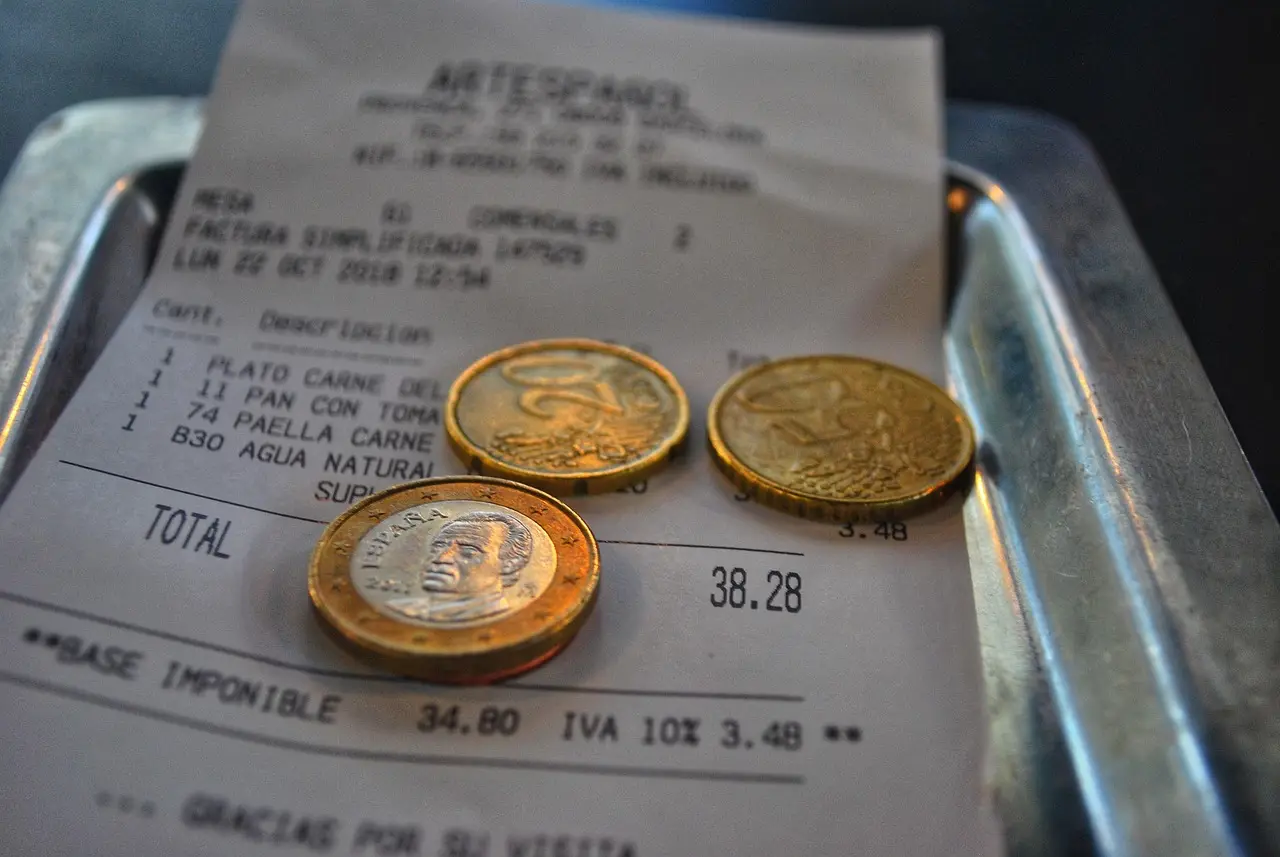
The trigger was simple: I sat down before I checked the full menu. The set I ordered was priced at ¥3,800, and then I got hit with a small table charge and a drink I didn’t really want, which pushed the total to about ¥4,600
That mistake cost me about 35 minutes and around ¥1,500 more than I wanted to spend on a lunch that was basically just okay. Worse, I left feeling like I’d paid for the sign outside, not the crab itself. It wasn’t ruined-day bad, just annoying in the exact way tourist traps are annoying.
My hindsight: I’d only sit down if I saw a full menu with tax and cover charge clearly posted outside, and I’d compare it to two nearby places before entering. If the staff is working the sidewalk hard, I’m out. There are too many decent noodle, curry, and tempura spots in Osaka to play guessing games with a crab sign.
Best for: Travelers who want the novelty and don’t mind paying extra for the location.
Skip if: You care more about value than a photo of the sign.
My pick: I’d eat somewhere with a visible lunch set and no pressure at the door.
Street promoters offering “VIP” drinks and mystery entry fees
I used to think these guys only worked in places with a rough nightlife scene. Osaka changed my mind a bit. Near Namba, I got approached by a promoter pitching a bar with “free entry” and “special drinks,” and the pitch sounded harmless enough because I wasn’t planning a long night. I figured I’d take a look, have one drink, and leave early if it felt off.
The trigger was the moment I followed him three minutes off the main strip instead of checking the bar name first. Once inside, the menu was vague, the music was loud, and the drink prices were not the “free” situation I’d been sold. One cocktail was ¥1,800, and there was a cover charge I only noticed when the bill came. I spent about ¥3,200 for one drink and an awkward 40 minutes.
That one was a classic time-and-money drain. I didn’t get robbed or anything dramatic. It was just a bad value night dressed up as a fun find, and I hate paying for ambiguity. Osaka nightlife can be good, but not when the first move is someone intercepting you on the street.
My hindsight: I’d only go into bars where I can see the name, the posted prices, and the entrance from the street. If I’m curious about nightlife, I’d save the venue name and check recent reviews first, then decide later instead of following a stranger’s pitch. That’s the safer move, and it’s also cheaper.
Best for: People who already know the exact bar they want.
Skip if: You’re being pulled in by a stranger with a “special deal.”
My pick: I’d walk ten extra minutes to a place with a posted menu before I’d follow a promoter again.
The “Osaka deal” I almost bought on the street
I made this mistake because the logic was actually decent. I was trying to save time, and the offer sounded efficient: a bundled ticket for an attraction plus transport plus a small discount on food. In my head, that was the kind of thing that makes sense on a short trip. I’m not against bundles when the numbers work.
The trigger was me almost buying it without checking the same ticket online first. The seller said it was “limited today,” which is usually where my brain should wake up, but I was standing in a crowded part of Namba and wanted to keep moving. The bundle was ¥6,500, while the parts I actually wanted separately would’ve cost about ¥4,900. That’s a ¥1,600 gap for convenience I didn’t really need.
The consequence was I spent about 20 minutes doing the math on my phone after the pitch, then walked away feeling mildly annoyed with myself. The logic wasn’t stupid. It just didn’t work out because the “deal” was built around urgency, not value. That’s the part that gets people.
My hindsight: I’d only buy a package if I’ve already checked the standalone price and the bundle saves at least 15% without locking me into stuff I don’t want. If I’m already on my phone, I can compare in two minutes. There’s no reason to pay the tourist tax just to avoid thinking.
I book timed-entry activities through Klook when I actually need a slot, because the official line and the paid line are not the same thing. If a place gets packed by late morning, pre-booking saves you from getting talked into a worse deal at the counter.
Best for: Travelers who want one clean booking instead of three separate payments.
Skip if: The “bundle” doesn’t save real money after you check it online.
My pick: I’d use Klook for anything with a time slot and skip street offers completely.
The taxi mistake I made when I was tired and carrying too much
I figured a taxi would be the smart choice after a long afternoon because my feet were done and I had a small backpack plus a shopping bag. Osaka’s transit is good, but I was leaving a station I didn’t know well, and I didn’t want to mess around with transfers. That logic was fine. The mistake was not checking the route before I got in.
The trigger was me agreeing too quickly when the driver suggested a route that looked a little longer than necessary. I didn’t question it because I was half-paying attention and just wanted to sit down. The ride should’ve been about 12 minutes and around ¥1,100
That cost me about 25 extra minutes and roughly ¥600 I didn’t need to spend. Not a disaster. Just the kind of lazy decision that turns a decent day into a slightly expensive one. I also missed a cheap dinner spot I’d meant to try before it closed, which annoyed me more than the taxi fare did.
My hindsight: I’d still take taxis in Osaka when I’m carrying luggage or it’s late, but I’d open maps before getting in and keep an eye on the route. If the fare starts drifting for no clear reason, I’d get out at the next easy stop and walk. Taxis are useful here. They just aren’t free money.
Best for: Travelers with bags, bad weather, or late arrivals.
Skip if: You’re using it just because you’re tired and don’t want to think.
My pick: I’d still take a taxi sometimes, but only with the route already open on my phone.
The souvenir streets where I paid for convenience instead of quality
I wanted a quick gift and didn’t want to search around. That part made sense. I was in the middle of a walking day, the sun had come out after a partly cloudy morning, and I had my sunglasses on and my jacket in hand. I saw a snack shop near the tourist flow and bought a few boxed sweets because they looked easy to carry.
The trigger was not comparing the same items a few blocks away. I bought a box for ¥1,200 that looked nice enough, then found the exact style of snack in a local supermarket later for ¥780
The consequence was small in money and big in principle. I spent about ¥740 extra on stuff that was basically the same, and I felt it immediately because Osaka is one of those cities where the cheaper option is often just around the corner. Tourist streets aren’t evil. They’re just lazy if you don’t check first.
My hindsight: I’d buy souvenir food only after I’ve compared it to a supermarket, Don Quijote, or a station kiosk. If I’m buying gifts, I want either better quality or a noticeably better presentation, not just a shinier box. That’s the whole game.
Best for: Last-minute gift buyers who care more about speed than savings.
Skip if: You can spare 10 minutes to compare prices.
My pick: I’d grab snacks from a regular supermarket and save the tourist strip for walking, not shopping.
The one Osaka expectation I had that turned out wrong
I expected the famous areas to feel more chaotic than useful, especially around Dotonbori. I thought I’d hate the whole thing. Instead, I found that some of the busiest streets were actually easy to navigate if I stayed off the most obvious photo spots and ate one block away from the canal. The downside was obvious too: the first row of restaurants and souvenir shops was mostly performance.
The trigger was changing my plan after one bad meal and one bad sales pitch. I wandered a little farther, found a no-fuss udon place, and paid ¥980 for lunch that was faster, quieter, and better than the crab set I’d just overpaid for. That shift changed the whole day. Osaka was still busy, but it stopped feeling like a trap.
The consequence of my earlier mistake was losing about three hours across the day to overpaying and second-guessing myself. But the correction paid off fast. Once I stopped treating the most visible block as the best block, the city got easier and cheaper.
My hindsight: I’d still go to the famous area, but I’d treat the headline streets like a starting point, not the destination. Walk one or two streets back. The price drops, the pressure drops, and the food usually gets better.
Best for: Travelers who can separate the famous street from the actual good meal.
Skip if: You only want polished, obvious, photo-first places.
My pick: I’d keep the landmarks, ditch the first-line restaurants, and eat where locals are moving fast.
What I’d do differently next time in Osaka
I’d move slower around the tourist core and faster everywhere else. The city rewards that switch. I’d also keep a hard rule that I don’t buy food, drinks, or tickets from anyone doing a hard pitch on the street. That one habit would’ve saved me at least ¥2,000 and an annoying hour.
I’d still go to Osaka again, but I’d treat it like a place where the obvious option is often the expensive one. That’s the whole lesson, really. The city isn’t trying to scam you at every turn. It just makes it very easy to spend badly if you stop paying attention.
Best for: Travelers who want good food, quick transit, and fewer stupid purchases.
Skip if: You want every popular street to be the best value in the city.
Next time: I’d pre-check anything with a pitch, a sign, or a “limited today” line before I spend a yen.
I usually book Osaka tours on Klook — the best time slots go fast, especially in peak season.
FAQ
Are tourist scams in Osaka actually a big problem?
No, not a big problem, but they’re common enough in the busiest areas to matter. I ran into overpriced menus, pushy promoters, and fake urgency mostly around Dotonbori and Namba, not in the city as a whole. If you’re alert for 30 seconds before paying, you’ll dodge most of it.
Is Dotonbori the worst area for getting ripped off?
Yes, it’s the easiest place to overpay because the whole area is built for foot traffic and impulse spending. I paid more there than I did in quieter neighborhoods, and the difference was obvious once I stepped off the main strip. I’d still visit, but I’d eat one block away from the canal.
Do I need to avoid street promoters in Osaka nightlife areas?
Yes, I’d avoid them. The pitch usually sounds better than the actual place, and I ended up paying a cover plus a drink price that wasn’t clearly explained until the bill. If you want a bar, pick one by name before you go in.
Is it better to book activities ahead of time?
Yes, especially for anything with a time slot or popularity around weekends. I saved time by pre-booking the things I knew would get crowded, and I skipped the weird “special deal” talk at the door. If the activity matters to your day, lock it in early and move on.
What’s the simplest way to avoid paying tourist prices in Osaka?
I’d compare the first price I see with one nearby alternative before I buy anything. That one habit saved me from paying ¥1,600 extra on a bundled offer and about ¥740 on snacks I could’ve bought cheaper elsewhere. If the price is hidden, I assume the value is bad.
 Emma Hayes