
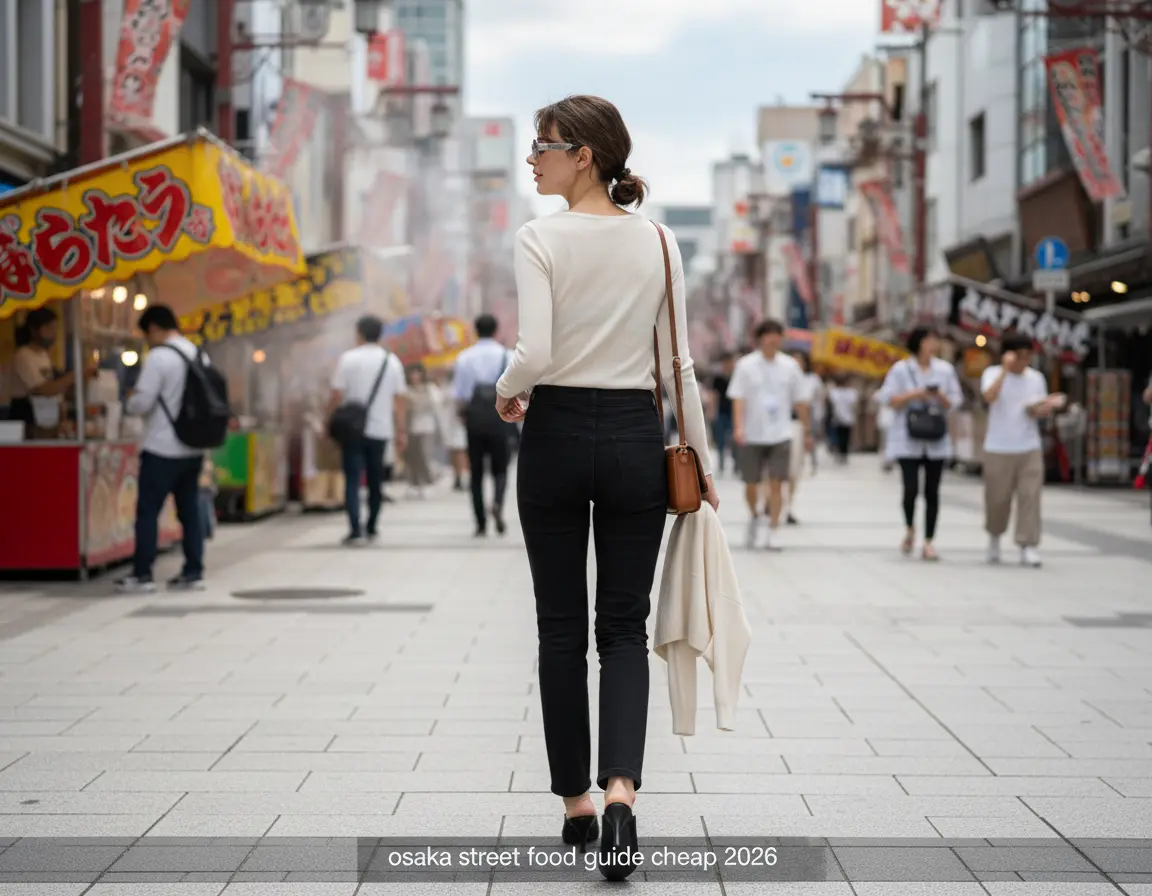
12°C to 21°C: that was the range while I ate my way around Osaka with a cardigan in my bag and sunglasses on my head. I spent three days chasing cheap food, and the best meals were not the ones with the biggest signs or the longest lines. For an Osaka street food guide cheap 2026, I’d focus on takoyaki, kushikatsu, standing sushi, and a few no-fuss noodle shops. Skip the overhyped snack stalls that charge tourist prices for average food.
Quick Answer: Osaka is worth it for cheap street food, but only if I’m picky. I’d start with Kuromon Market for a short stop, eat takoyaki once in Dotonbori, plan a kushikatsu dinner in Shinsekai, and use standing sushi or udon for the best value meals.
My answer: Osaka is worth it for cheap street food, but only if I’m picky. I’d go for the classics that still feel local enough to be worth the money, and I’d skip anything that looks like it was built for a photo first and a meal second.
Who this fits: Travelers who want to eat well for under $25 a day and don’t mind standing, ordering fast, and wandering a bit.
Who should skip the street-food mission: Anyone who wants sit-down comfort, zero crowds, or polished tasting menus.
What matters most: Price per bite is decent all over Osaka, but value drops fast when a stall sits in a famous market and knows it.
- Best cheap bites: takoyaki, kushikatsu, conveyor-belt sushi, standing bars, and udon shops.
- Skip the stalls with glossy English menus, aggressive signboards, and ¥1,500 snacks that take 90 seconds to eat.
- My biggest win was spending ¥2,100 on a full lunch that actually filled me up, not just a snack in a paper tray.
Restaurants
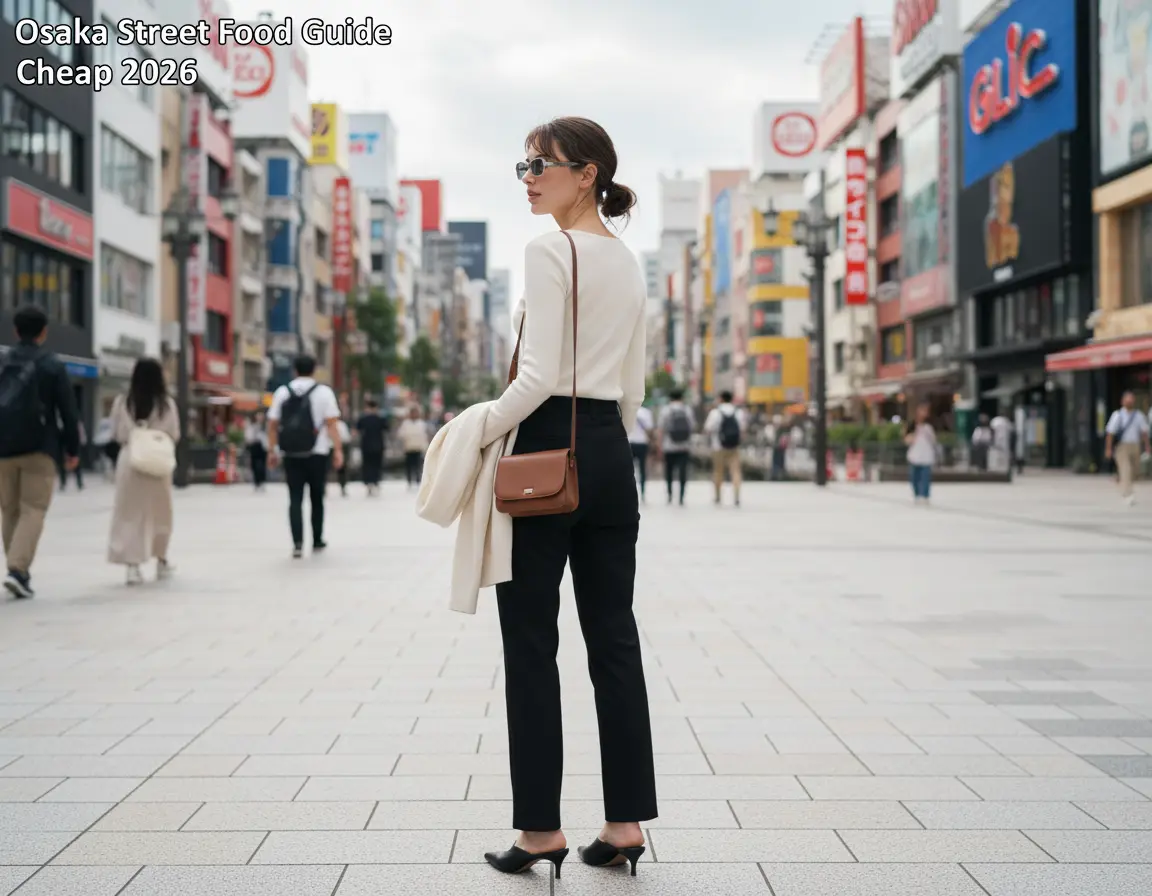
The first place I’d send you: Kuromon Market, but only for a short stop
I went to Kuromon Market thinking I’d graze for lunch and maybe stay a while. I was wrong. It’s useful for a quick first round of Osaka food, but it’s not where I’d build a whole meal day unless I had a very specific plan. I paid ¥700 for grilled scallops, ¥600 for a skewer of wagyu, and ¥500 for a cup of strawberries that were fine, not life-changing.
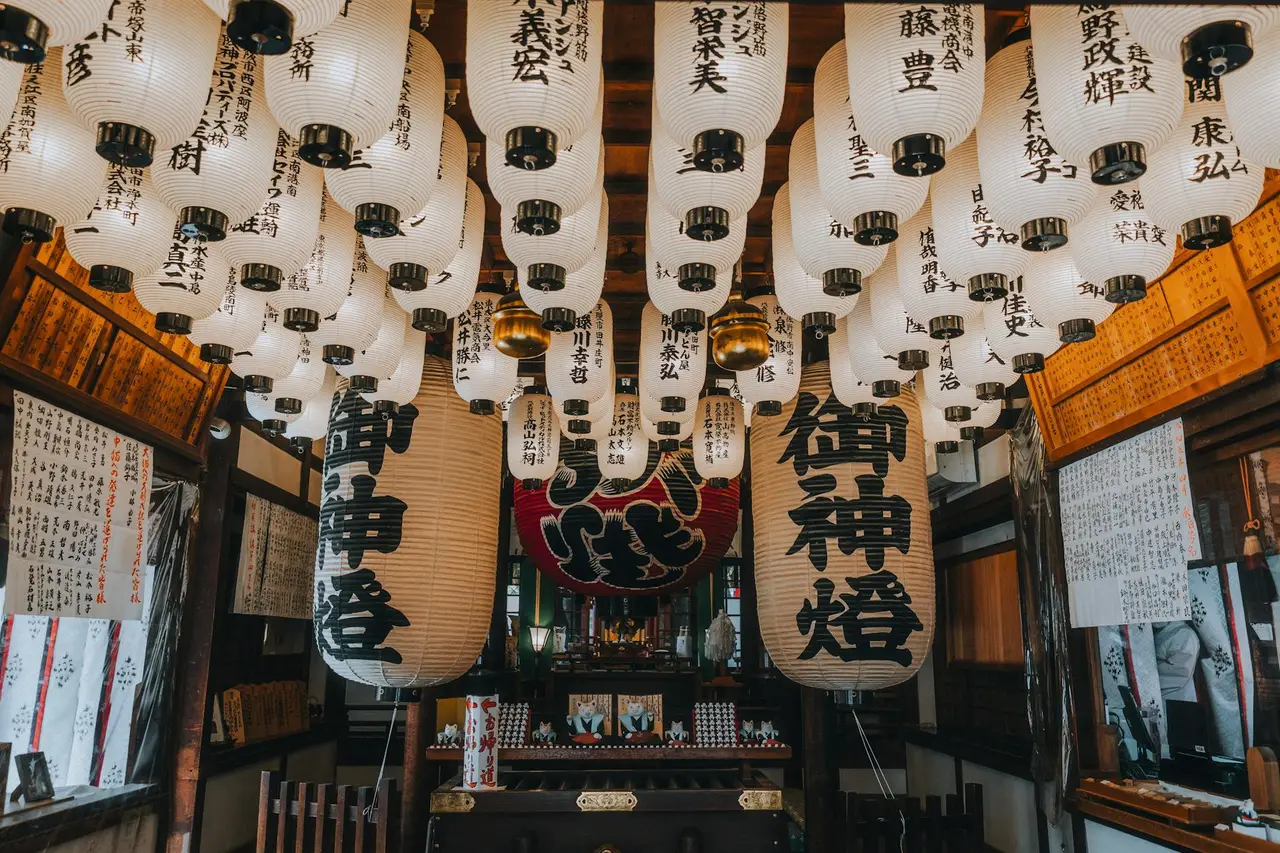
The market is easy to find: walk about 5 minutes from Nippombashi Station, and follow the crowd noise more than the signs. Most stalls open from about 9am or 10am and run through late afternoon, though hours shift by vendor. I went late morning and that timing worked better than noon, when the walkway started to feel packed and slow.
Worth it if: you want a concentrated, low-effort food stop and don’t mind paying a little more for convenience.
Skip if: you’re hoping for a cheap, local market meal. Kuromon is easy, but some stalls price themselves like they’re feeding bus groups, not daily shoppers.
My pick: I’d buy one hot thing, one cold thing, and leave. That’s the sweet spot.
Everyone recommends Kuromon, but I’d call it a half-win. I expected more market grit and less performance, and what I got was a mix: some real food, some polished snack theatre. Still, I’d go again for a quick lunch between train rides, just not as the main event.
Takoyaki in Dotonbori: worth eating once, not worth chasing a line for
I tried takoyaki at a busy stand near Dotonbori and paid about ¥700 for eight pieces. The texture was right: crisp edges, soft center, enough bonito flakes to do their job. But the line took 25 minutes, and that’s the part I don’t love. For me, that math never works out unless the stall is exceptional.

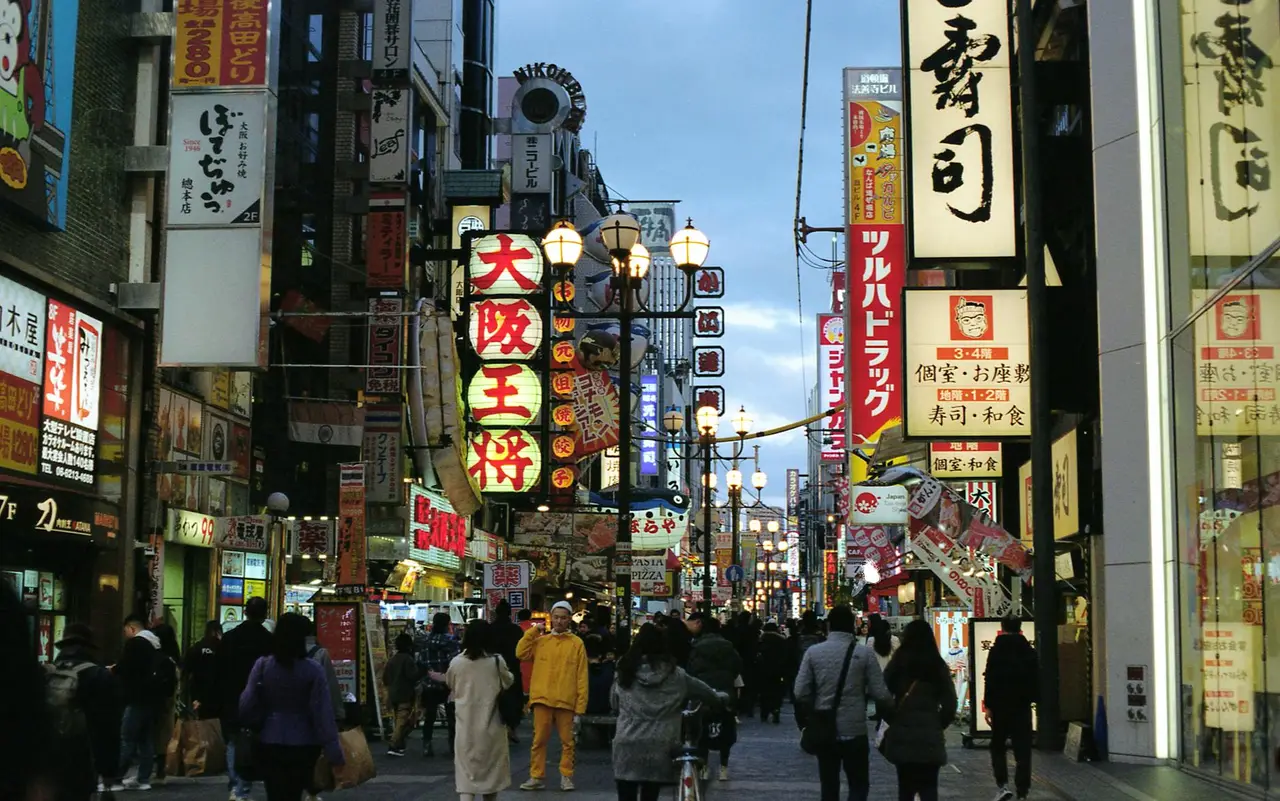
The area is obvious once you’re there. Head toward the canal and the giant signs, then look for the takoyaki stalls with a steady local mix instead of a crowd all taking the same photo. Most places open from late morning to evening, and the dinner rush can drag the wait way past what I’ll accept for street food.
Worth it if: you’ve never had Osaka-style takoyaki and want the classic version once.
Skip if: the line is longer than 10 minutes. I’d rather eat it slightly less famous and keep moving.
My pick: I’d choose a smaller stall over the most famous one on the block.
I expected the super-famous takoyaki shop to be the obvious winner. It wasn’t. The less-hyped stall I tried later had better timing, shorter lines, and basically the same bite for less hassle. That’s the lesson in Osaka: the best version is often the one you can eat before it goes cold.
Kushikatsu in Shinsekai: the cheap meal I’d actually plan around
This was the meal that surprised me most. I thought Shinsekai would feel like a tourist district with tired food, and some of it does, but kushikatsu still makes sense here if you pick the right shop. I paid ¥1,200 for a mixed set with pork, shrimp, lotus root, and quail egg, plus a draft beer that I didn’t need but ordered anyway because the place was packed in a good way.
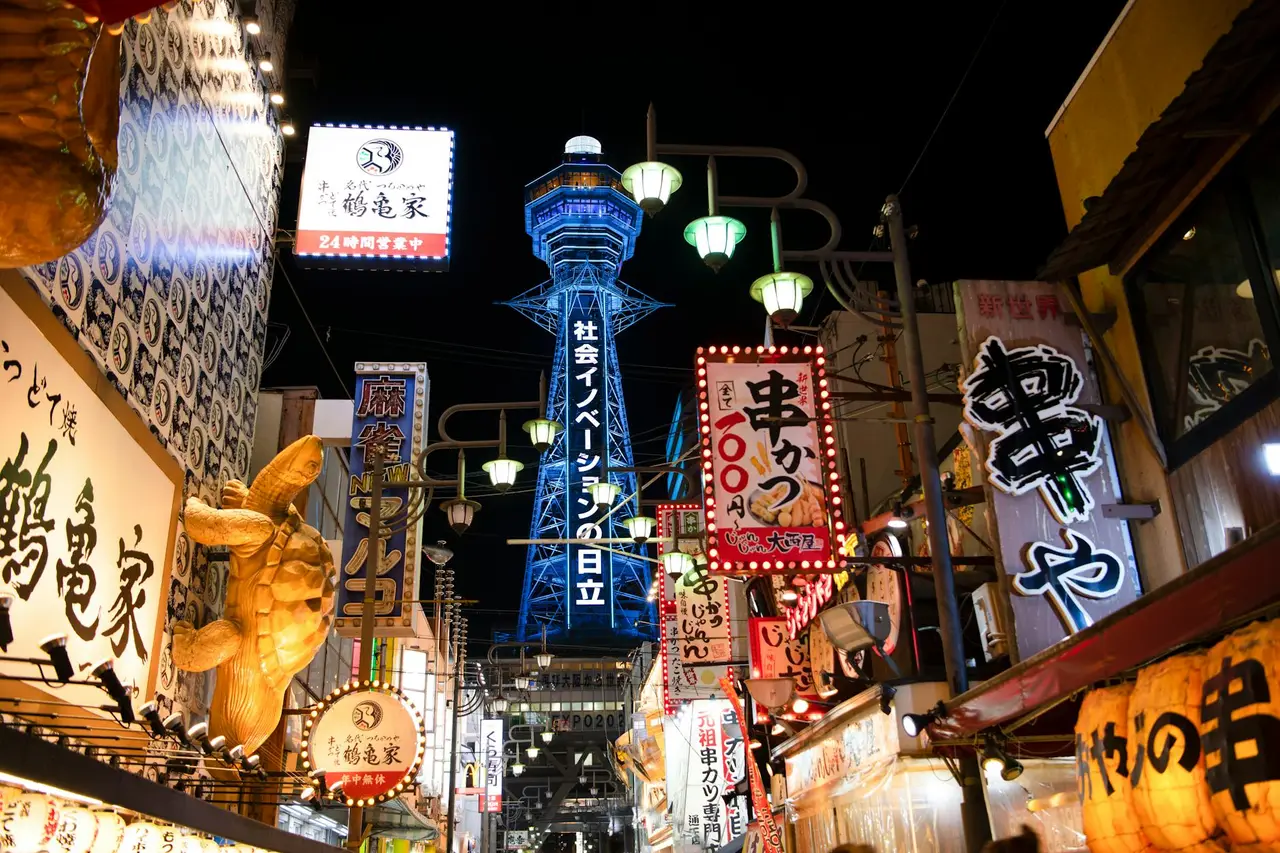
Shinsekai is easiest from Dobutsuen-mae Station or Ebisucho Station. The neighborhood looks a little rough around the edges, which I liked more than I expected. I ate early, around 5:30pm, and that was the right call. By 7pm, the room got louder and the wait started creeping up.
Worth it if: you want a full cheap dinner, not just a snack.
Skip if: you hate fried food or don’t want to smell like oil for the rest of the night. I did, and I was fine with it.
My pick: Kushikatsu is the smartest value meal in Osaka if you want to spend under $12 and leave full.
I had kushikatsu in front of a couple of other dinner options, including a ramen shop and a conveyor-belt sushi place. I chose kushikatsu because the set meal gave me more food for the same money, and it felt more like Osaka than another bowl of noodles. The tipping point was simple: I wanted variety, not just carbs.
Standing sushi near Namba: efficient, slightly chaotic, and worth it
I almost skipped standing sushi because I assumed it would be all style and no substance. It wasn’t. I paid ¥1,800 for a lunch set with tuna, salmon, squid, and a couple of seasonal pieces, and I was out in 20 minutes. That’s exactly the kind of meal I like in a city where I’d rather spend time walking than waiting.
Look for spots around Namba and Umeda that fill up with office workers at lunch. A good sign is a short line of locals, not a giant queue of visitors staring at a menu board for 10 minutes. Most of these places open around 11am or 11:30am and sell out the best lunch sets by early afternoon.
Worth it if: you want the best balance of speed, price, and actual meal value.
Skip if: you want to linger over food. Standing sushi is fast by design, and I think that’s the point.
My pick: If I only had one lunch in Osaka, this would be in the final two.
I paid more here than I did for street snacks, but the value was better. That’s the thing people miss. Cheap doesn’t mean the lowest sticker price. It means the meal that fills the gap without wasting your afternoon.
My best noodle stop was the one I almost walked past
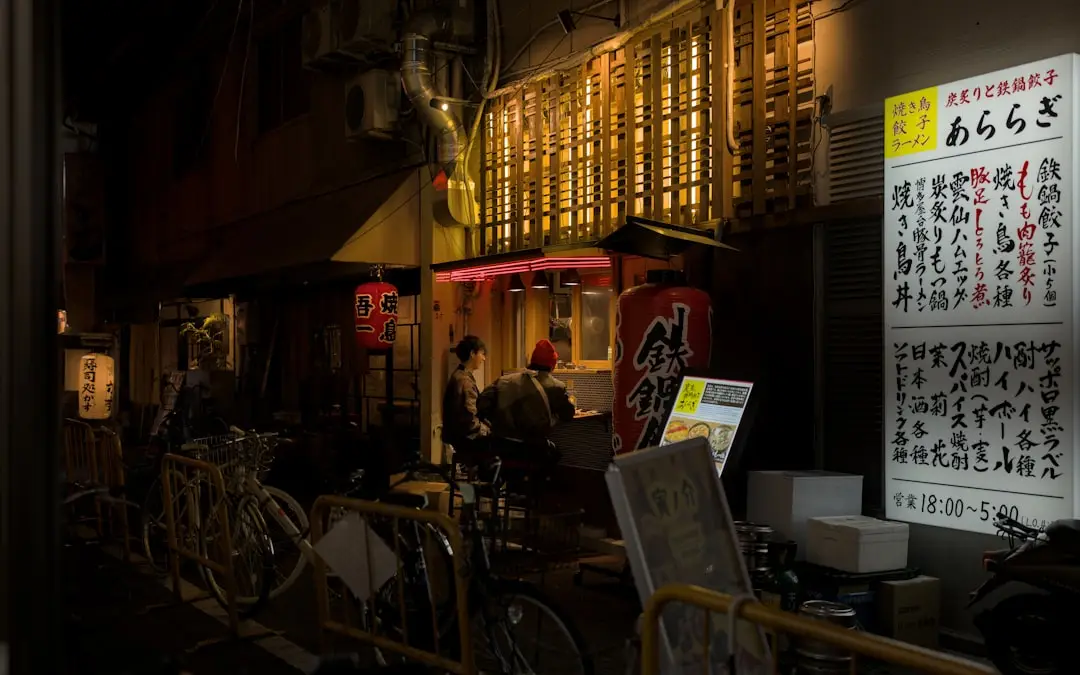
One afternoon, with the sky still partly cloudy and my jacket tied around my waist, I ducked into a tiny udon place because I was tired and hungry, which is usually when I make my best decisions. I paid ¥900 for a bowl of hot udon with tempura bits and green onion, and it was the kind of meal that fixes a day without trying to impress anyone. Fine, not dramatic. Just right.
I found it near a side street off the main shopping drag, the sort of place where you order at a ticket machine and hand the slip over the counter. If you’ve never done that before, just pick the item, pay, and wait for your number or name. Most of these noodle spots run lunch through early evening, and the best ones don’t need a line to prove anything.
Worth it if: you want the cheapest actual meal, not a snack.
Skip if: you’re chasing Osaka’s flashy food reputation and only want the famous bites. Udon is more practical than memorable, but I’d still take it over a random overpriced market skewer.
My pick: This is the meal I’d use to reset between heavier food stops.
I expected this bowl to be filler. It wasn’t. It was one of those meals where the broth does more work than the ingredients, and that’s enough. I’d do it again before I’d spend ¥1,500 on a bad souvenir snack.
What I’d skip: tourist food traps that look better than they taste
Osaka has a few food traps that are easy to spot once you’ve been burned once or twice. I’d skip any stall that charges ¥1,000 or more for a single “special” skewer near the busiest canal-side blocks, unless the ingredient is obviously premium. I’d also skip the places with giant sample photos, loud English-only pitches, and menus that somehow make every item sound like a collector’s item.
Here’s the one I regretted most: I paid ¥1,100 for a “premium” grilled item in a crowded tourist corridor because I was hungry and impatient. It looked good enough, but the portion was tiny and the flavor was ordinary. I lost maybe 15 minutes and a bit of cash, which isn’t catastrophic, but it annoyed me because the same money would’ve bought a better lunch elsewhere.
Skip this: expensive single-item stalls in Dotonbori when you’re already hungry and rushed.
Better move: walk 10 minutes away, find a seatless noodle bar or a local kushikatsu counter, and spend the same money on a real meal.
My pick: I’d rather eat in a less photogenic spot and leave full.
Food Budget
If I were doing this from scratch, I’d keep it simple. Breakfast would be a convenience-store onigiri for around ¥170 to ¥250
I’d avoid stacking too many “small” bites. That sounds cheap until you’ve bought five things and spent more than a proper meal. I’ve done that too many times. It’s the kind of mistake that feels harmless in the moment and weirdly expensive by 6pm.
Rough per person per day estimates from my own meals.
I pre-booked a food tour on Klook once because I wanted to compare a guided tasting with my own wandering, and the early slots were the only ones that didn’t feel crowded. I’d only do that if you want a tighter introduction and don’t mind paying for the structure.
I decided to skip Kuromon Market’s main drag and hunt for the “real” stalls tucked in the back alleys—sounded smart until I spent 90 minutes wandering dead-end passages and missed the window when takoyaki vendors were actually cooking, ending up with cold balls that cost ¥800 and tasted like yesterday. Now I’d just spend 20 minutes at one main stall, grab something hot, and move on rather than treat it like a treasure hunt.
I booked the food tour through Klook — way cheaper than booking at the counter.
FAQ
Is Osaka good for cheap eating if I’m only there for two days?
Yes, Osaka is one of the easiest cities in Japan for cheap food over a short trip. I’d focus on one market stop, one noodle meal, and one kushikatsu dinner rather than trying to sample everything. That setup keeps the budget sane and cuts down on line-waiting.
Should I eat at Dotonbori or walk a few blocks away?
I’d walk a few blocks away every time. Dotonbori is convenient, but the prices jump and the food gets more theatrical than necessary. Ten minutes of walking usually buys you a shorter line and a better shot at a meal locals actually use.
How much cash do I need for street food in Osaka?
I’d carry at least ¥5,000 for a food-heavy day, though cards are accepted in more places than they used to be. Some stalls still prefer cash or ticket machines, and I don’t like getting stuck because I only have a card. Cash keeps the day moving.
Is Kuromon Market worth going to for lunch?
Yes, but only as a short lunch stop, not a long food crawl. I found it best for one or two items, like scallops or a skewer, and then I left before the crowd got annoying. If you want cheap and filling, a noodle shop or kushikatsu place gives better value.
What food would you eat again first in Osaka?
I’d go back to kushikatsu first. It gave me the best mix of price, portion size, and local feel, and I paid about ¥1,200 for a meal that actually counted as dinner. Takoyaki is iconic, but kushikatsu is the one I’d plan around again.
 Emma Hayes