

Tokyo was supposed to be hard for vegetarians. It was messy in the best way. I ate well, but I also wasted money on a couple of places that cared more about English menus than the food on the plate. The short answer: yes, there are good vegetarian restaurants in Tokyo, but I’d only go hunting if I knew where I was aiming. This is my vegetarian restaurants in tokyo a real guide for the meals that were actually worth it.
This guide is for anyone who wants real meals, not polished disappointments. It’s not for people who want every stop to be cute or easy. The big difference in Tokyo is simple: some vegetarian spots are worth crossing the city for, and some are just expensive relief from being hungry.
Quick Answer: Start at T’s Tantan in Tokyo Station for a bowl around ¥1,000, then go to Saido in Jiyugaoka for a set around ¥2,000 to ¥2,500 if you want the best sit-down meal. Ueno and Asakusa are fine for lunch around ¥1,000 to ¥1,400, and Shibuya/Shinjuku were the most overpriced for me.
Best for: travelers who want filling vegetarian meals and don’t mind using the train to get them.
Skip if: you want every lunch to be cheap and instantly available near the busiest tourist streets.
My pick: I’d build my food day around one great bowl of ramen or a proper set meal, then grab cheaper snacks around it.
Restaurants

The first place I’d send you: T’s Tantan at Tokyo Station
I’d start here because it solves the biggest Tokyo problem fast: you land, you’re hungry, and you don’t want to gamble. T’s Tantan in Tokyo Station is one of the few vegetarian spots I’d call genuinely useful, not just “good for a vegetarian option.” I paid about ¥1,000 for a bowl of spicy sesame tantanmen, and I’d do it again.
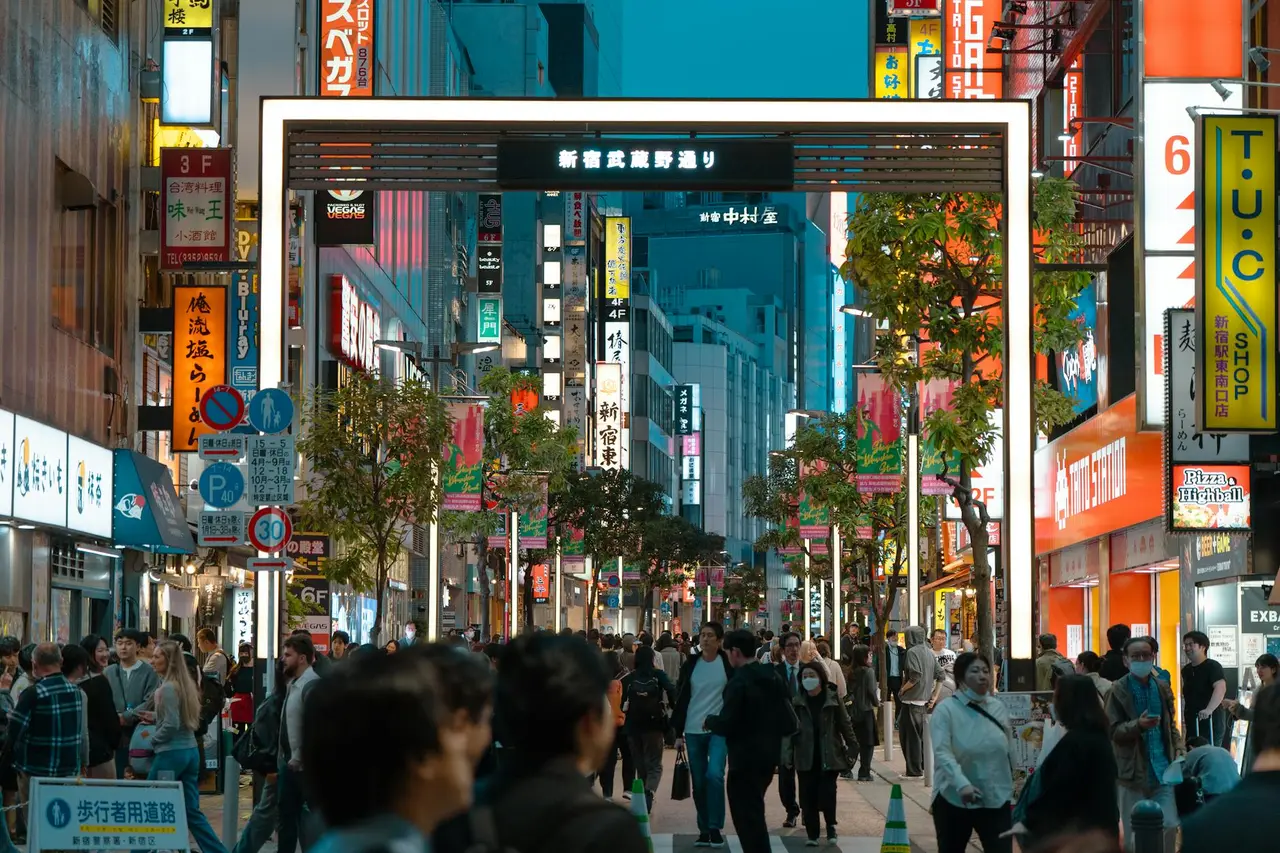
The line moves, which matters. I waited about 15 minutes at lunch, and that was annoying but manageable. If I’d seen a 40-minute queue, I would’ve walked away. That’s my line, and Tokyo has too many places that forget people are trying to eat, not join a queue culture club.
Order the vegan tantanmen if you want the safest first choice. It’s rich, nutty, and actually filling, which sounds basic until you remember how many vegetarian noodle bowls in Tokyo are basically broth with ambition. I’d call this worth it for first-timers, especially if you’re arriving through Tokyo Station or transferring there anyway.
Best for: arrival-day meals, solo lunches, and anyone who wants a fast vegetarian bowl without weird compromises.
Skip if: you hate station food courts or you’re trying to avoid any line at all.
My pick: the tantanmen over anything “mild” on the menu, because the spicy version has more depth and doesn’t taste like diet food.
What I ate at Saido, and why I’d still call it worth the detour
Saido is the place people throw around when they want to sound like they know Tokyo vegetarian food. Everyone recommends it, but the good news is that this one earns the praise. I took the train out to Jiyugaoka, then walked a bit longer than I wanted to in a light jacket I’d been carrying all morning. That tiny hassle was fine. The meal made sense of it.
I ordered a set around ¥2,000 to ¥2,500, and the structure mattered more than the vibe. There was a proper main, sides, and the kind of attention to texture that a lot of vegetarian places skip. I’d expected something polished but slightly smug. It wasn’t that. It felt thoughtful and serious, which is rarer than it should be. Worth it, but only if you’re actually going to sit down and eat properly.
The tradeoff is distance. Saido is not a spontaneous lunch. It’s the kind of place you plan for, then go when you’re already in the mood for a slower meal. I wouldn’t drag myself across Tokyo just for any meal, and I almost didn’t here. I’m glad I went because the food had a level of care I didn’t get at most other vegetarian restaurants in Tokyo.
Best for: a dedicated lunch or dinner when you want a full meal, not a quick stop.
Skip if: you’re in a rush or staying near the city center and don’t want a long train ride for lunch.
My pick: Saido over flashy vegan cafes, because the food felt more grounded and less like it was built for photos.
Ueno and Asakusa: easy, but don’t expect miracles
This is where I had to lower my expectations a bit. Around Ueno and Asakusa, I found vegetarian-friendly meals that were convenient, not life-changing. That’s fine. Not every meal needs to be a revelation, and Tokyo’s tourist-heavy neighborhoods are full of places pretending convenience is the same thing as quality.
I paid about ¥1,200 for a curry set near Ueno that was decent enough after a long walking day. It solved the problem of being hungry near the park without making me detour far from the station. But if you’re asking me whether I’d cross town for it, no. I wouldn’t. It was useful, not memorable.
Asakusa was similar. I found a small vegetarian curry spot where lunch hovered around ¥1,000 to ¥1,400, and it did the job after I’d already spent the morning walking around and wanted something warm before heading back across the city. That’s the key here: these neighborhoods are good for filling a gap, not for planning your day around.
Best for: people already sightseeing in Ueno or Asakusa who want a low-stress vegetarian lunch.
Skip if: you’re chasing Tokyo’s best vegetarian food and only have one or two meals to spend on it.
My pick: I’d eat here when I’m already nearby, but I wouldn’t make a special trip.
Shibuya and Shinjuku: where I got annoyed by the hype
I expected Shibuya and Shinjuku to be easier than they were. They’re packed, sure, and full of options, but that doesn’t mean the vegetarian food is better. A lot of the spots I saw were either overpriced, too busy, or trying very hard to look global instead of just feeding people well. I left one ramen place in Shinjuku after staring at a line that looked like 35 minutes minimum. That was an easy no.
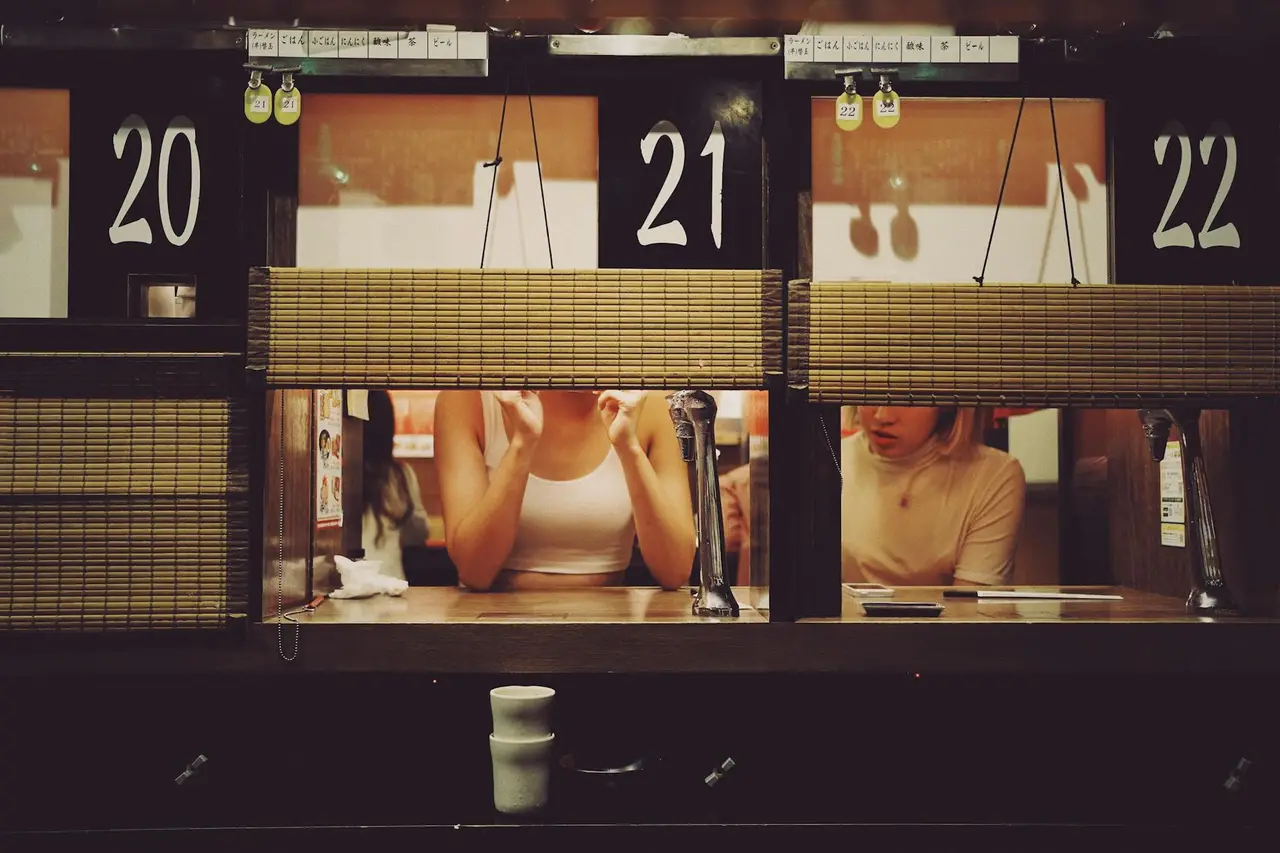
I did eat at a vegan burger spot in Shibuya that ran me around ¥1,500 for a burger and fries. It was fine. Fine. The bun was soft, the patty was okay, and the whole thing felt like something I could get in a dozen other cities. If I’m in Tokyo, I want Tokyo to show up on the plate somehow. This didn’t. Skip it unless you’re desperate and nearby.
That’s the trap in these neighborhoods. You can eat vegetarian, but you can also end up paying more for less personality. If I’m choosing between a crowded, overhyped place in Shibuya and a calmer spot one or two train stops away, I’m taking the calmer spot every time.
Best for: a backup meal when you’re already in Shibuya or Shinjuku and don’t want to move again.
Skip if: you’re expecting the area’s energy to translate into better food. It often doesn’t.
My pick: I’d use these districts for convenience only, not as my main vegetarian food destination.
The cheap meals that actually saved me money
Not every vegetarian meal in Tokyo needs to be a destination. Some of the best value came from places that didn’t care about being famous. I grabbed onigiri and simple snacks from convenience stores a few times when I was between train rides, and that’s not glamorous, but it kept me from spending ¥2,000 because I was impatient. That math matters.
For sit-down food, I liked small curry shops and noodle counters best when they stayed under about ¥1,200. One place near Kanda gave me a vegetarian curry set for around ¥950, and it was exactly the kind of meal I wanted on a gray afternoon with my jacket in hand and no interest in waiting around. Worth it because it was fast, cheap, and honest.
I’m picky about value in Tokyo because the city can make ordinary food expensive very quickly. If a vegetarian restaurant is charging ¥1,800 for something I can finish in 10 minutes, I want a reason. Better ingredients, better preparation, something I can’t easily get elsewhere. If that reason isn’t there, I’d rather spend less and keep moving.
Best for: budget travelers and anyone who wants to eat well without turning every meal into an event.
Skip if: you only want sit-down meals with a lot of atmosphere.
My pick: simple curry and noodle spots over trendy cafes, because the value is better and the food usually travels less far from its idea.
Skip these tourist food traps
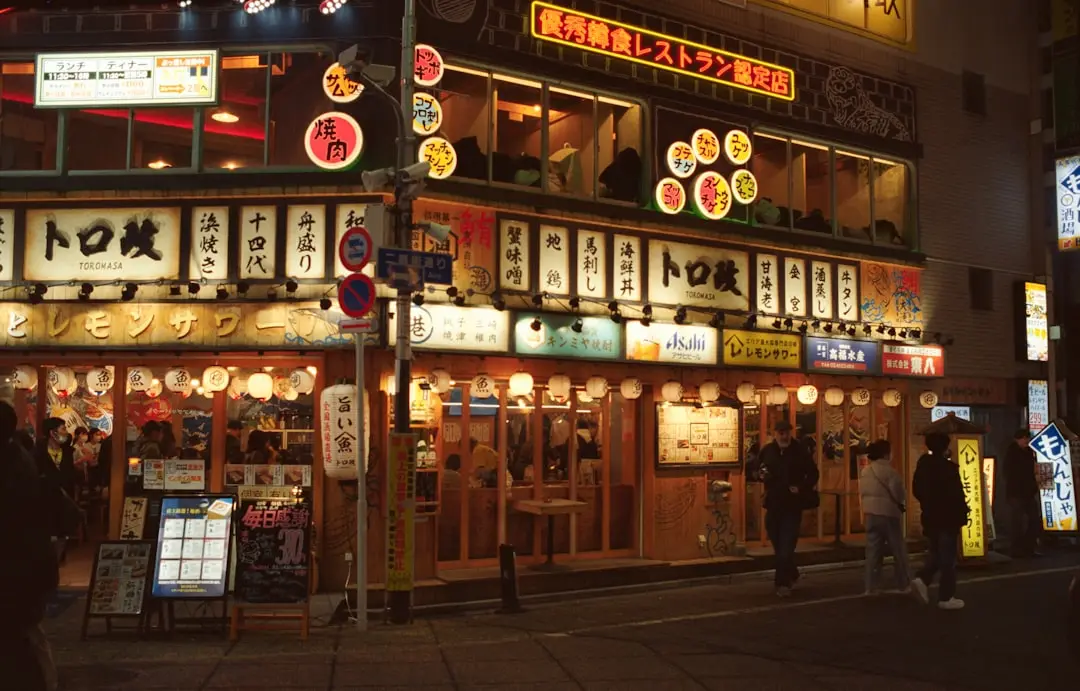
Here’s the blunt part. I’d skip any vegetarian place in a major tourist zone that looks designed for visitors first and diners second. If the menu is in five languages, the photos are oversized, and the staff is waving people in from the sidewalk, I’m already suspicious. I’ve paid for that mistake before. In Tokyo, it usually means paying ¥1,500 to ¥2,000 for food that feels assembled for strangers.
Everyone recommends the café-heavy areas around the biggest shopping streets, but half the time the food is just okay and the bill isn’t. I had one lunch that cost me ¥1,700, came with a nice-looking plate, and left me hungry an hour later. That’s the kind of place I regret most. Not bad enough to complain loudly. Just bad enough to remember.
My rule is simple: if a vegetarian restaurant in Tokyo seems built around English signage more than actual repeat customers, I skip it. I’d rather eat somewhere with a smaller menu and a shorter wait. The best meals I found didn’t need a marketing department.
Best for: nobody, really, unless you’re desperate and the location saves your day.
Skip if: you care about cost per value. These places usually lose that battle.
My pick: I’d walk 10 extra minutes to avoid the obvious tourist trap every time.
The meal I expected to dislike, but didn’t
I figured a vegan ramen chain in a busy station area would be a compromise. It kind of was, but not in the annoying way I expected. I went in thinking I’d eat fast and move on. Instead, I finished a bowl in under 20 minutes and left actually satisfied, which is more than I can say for some prettier places.
The surprise was how much the broth carried the meal. It wasn’t trying to imitate anything too hard, and that helped. I paid around ¥1,000, and the value was strong enough that I’d eat there again when I need something reliable between trains. That’s the lesson: in Tokyo, the places that look boring on paper can be the ones that save your day.
Best for: train-day lunches and anyone who wants speed without dropping into convenience-store mode.
Skip if: you only want a memorable sit-down dinner.
My pick: the simple ramen bowl over anything trying too hard, because Tokyo doesn’t need more food theater.
Food Budget
Rough per person per day estimates from my own meals.
That total is realistic if you mix one proper meal with cheaper lunches or snacks. If you do two sit-down meals and chase the better-known vegetarian restaurants in Tokyo all day, it climbs fast. I’d rather spend the money on one meal I remember and keep the rest practical.
What I’d do differently next time
I’d book fewer “maybe” meals and plan one good vegetarian lunch per neighborhood instead. I wasted time wandering into places that looked fine from the street but weren’t worth the detour. I also should’ve skipped one Shibuya lunch entirely and just taken the train to a better spot instead.
I’d also go earlier. Lunch lines in Tokyo can jump fast, and I don’t like standing around when I could be eating. The difference between 11:15am and 12:15pm can be the difference between a calm meal and a wait I resent.
I booked the food tour through Klook — way cheaper than booking at the counter.
FAQ
Is it hard to eat vegetarian in Tokyo?
No, it’s not hard if I’m willing to look beyond the obvious tourist streets. Tokyo has plenty of vegetarian ramen, curry, and set meal spots, but the best ones aren’t always where I first expect them. I’d still plan one or two restaurant names ahead of time so I’m not stuck wandering hungry.
What should I order first at a vegetarian restaurant in Tokyo?
I’d start with ramen or a curry set before anything fancy. Those dishes usually give me the best read on whether a place is worth returning to, and they’re less likely to feel like a compromise. If a restaurant can’t do those well, I move on.
Are vegetarian meals in Tokyo expensive?
No, not if I stick to casual places and avoid the polished café traps. I usually pay around ¥900 to ¥1,500 for a good lunch and closer to ¥2,000 or more for a nicer dinner. The expensive part is usually the branding, not the ingredients.
Which area has the best vegetarian food for a short trip?
I’d choose Tokyo Station and the surrounding central areas first because they’re efficient and easy to use between trains. That said, I’d still travel to Jiyugaoka for Saido if I had one meal to spend on something better. For a short trip, I’d rather have one strong lunch than three mediocre ones.
Should I book vegetarian restaurants ahead of time?
Yes, for the better-known places and any dinner I really care about. Lunch is easier to wing, but popular spots can still stack up to a 15- or 20-minute wait, which I hate more than I should. If I’m already on a tight schedule, I’d book or go early.
 Emma Hayes