

3 nights: that was the first Tokyo stay that finally made the city click for me. I spent one morning in Shibuya, one evening in Asakusa, and one very ordinary 25-minute train ride too many trying to save money by sleeping farther out. My answer is simple: I’d stay in Shinjuku for a first Tokyo trip, with Ueno as the strongest backup if I wanted to spend less and still keep the trip easy. If you’re figuring out where to stay in Tokyo for first-time visitors, that’s the short version.
Shinjuku fits first-timers who want the cleanest logistics and don’t mind a busy station area. It’s not for travelers who want quiet streets outside their hotel door. The real decision here is how much transit friction you’re willing to pay for each night.
Quick answer: Shinjuku is my pick for the easiest all-around base on a first Tokyo trip, with Ueno as the budget backup. Shinjuku usually ran around $110–190/night, while Ueno was more like $75–140/night. Ginza was often $140–240/night, and Shibuya felt pricier without giving me better room value.
Shinjuku is my pick, Ueno is the budget backup
For a first trip to Tokyo, I’d stay in Shinjuku. It’s not the cheapest option, but it’s the one that makes the city feel manageable straight away. I could get almost anywhere without overthinking the route, and after a long day that matters more than it sounds. Shinjuku hotels usually sat around $110–190 a night when I checked, which is a proper jump, but it bought me time and convenience.
Ueno is the sensible backup if you want to keep the bill down. I saw decent places more in the $75–140 range, and it’s a straightforward base if you’re arriving with luggage or heading in from the airport. It’s quieter and a bit less polished than Shinjuku, but it doesn’t feel stranded. That’s the important part. I’d skip Ginza unless you really want the slickness and don’t mind paying for it. It looks good, but for me it never felt like a fair trade.
Shinjuku: my first-choice base for a first Tokyo trip
Best for: first-time visitors who want the easiest mix of transit, food, late-night options, and hotel choice.
Skip if: you hate crowds, flashing signs, or sleeping near a station that never fully shuts up.
My pick: I’d stay here again because it gives you the most useful Tokyo base without forcing you into a luxury budget.
Shinjuku is the one area I’d choose again without overthinking it. The station is a monster, yes, but that’s also the point. I could get to Shibuya in about 7 minutes, Tokyo Station in around 15–20 minutes, and even Asakusa or Ueno without a messy transfer chain. That kind of access saves energy every day, and in Tokyo, energy matters more than people admit.
I had Shinjuku and Ueno on the shortlist. I went with Shinjuku because I knew I’d be out late eating and wandering, and I didn’t want to care about one extra transfer at 11:30pm. Ueno would’ve worked if I were on a tighter budget, but I’d rather pay an extra $20–40 a night than turn every return ride into a small logistics project.
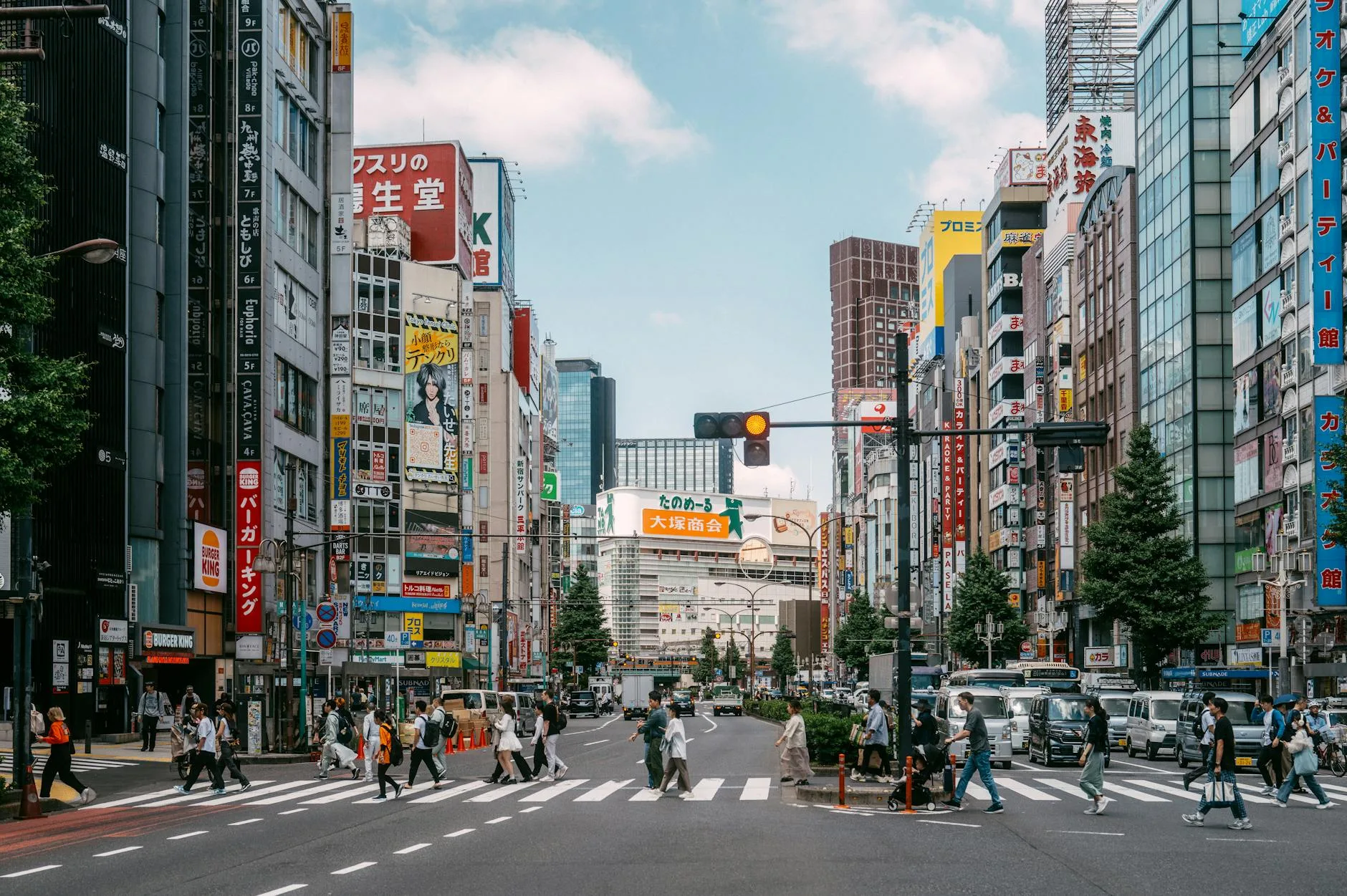
The neighborhood itself is busy, and I don’t mean “lively” in the fake travel-blog way. I mean real foot traffic, station exits that all look alike, and a lot of neon. I ate a cheap bowl of ramen near the station for around ¥1,000 and grabbed a 7-Eleven onigiri for breakfast because hotel breakfasts in Tokyo often feel overpriced for what they are. That’s the kind of area where you can solve a meal in two minutes and keep moving.
Shinjuku also gives you a better first-night landing if your flight arrives tired and late. I checked in once, dropped my bag, and was back out on the street in under 20 minutes. That sounds minor until you’ve hauled luggage through a quieter district with one tiny convenience store and a half-empty sidewalk. Shinjuku is efficient, not romantic. For a first base, that’s worth it.
Location consequence: staying here means you’ll spend a little more per night, but you’ll save 20–40 minutes a day on awkward transfers and backtracking. That math adds up faster than a lot of people expect.
See current Shinjuku hotel rates on Agoda before you lock anything in.
Ueno: the smartest budget base if you still want easy transit
Best for: travelers who want to save money, keep airport access simple, and still get around Tokyo without drama.
Skip if: you want a polished, high-energy area after dark.
Main tradeoff: Ueno is cheaper and calmer than Shinjuku, but it gives up some convenience for evening plans in the west side of the city.
Ueno is the area I’d recommend when someone tells me they want Tokyo to feel manageable, not maximal. Hotels here are often noticeably cheaper, and the station is useful in a very practical way. I saw decent places around $75–140/night, and that’s not nothing in Tokyo. If your trip is five or six nights, that difference can cover several good meals and a couple of intercity train rides.
I stayed near Ueno once because I thought I’d be “saving money smartly.” I wasn’t wrong, but I did underestimate how much I’d miss the easier late-night energy of Shinjuku. The area itself was fine — actually, better than fine for sleep — but one night I came back around 10:45pm and noticed how quickly the neighborhood quieted down. Not unsafe, just less useful if you want to keep wandering after dinner.
Ueno is a good answer if you care more about transit than atmosphere. You can get to Narita more cleanly than from some other parts of the city, and JR access is solid. I also liked being able to walk to Ueno Park in the morning, buy coffee, and start the day without fighting a huge station maze. Still, I wouldn’t choose it over Shinjuku unless the nightly savings were real — at least $30 a night, preferably more.
Best for: solo travelers, light packers, and anyone landing with a jet-lagged brain who wants a simpler first morning.
Skip if: you want the most restaurants and late-night options within a short walk.
If 3 days in tokyo itinerary for first-timers matters to your trip, my 3 Days In Tokyo Itinerary For First-Timers has the specifics.
For a deeper look at area to stay in tokyo shinjuku vs shibuya vs asakusa, I covered this in my Best Area To Stay In Tokyo Shinjuku Vs Shibuya Vs Asakusa.
If day trips from tokyo matters to your trip, my Best Day Trips From Tokyo has the specifics.
For a deeper look at get from narita airport to tokyo, I covered this in my How To Get From Narita Airport To Tokyo.
I wrote a more detailed breakdown in Tokyo Budget Guide How Much You Need Per Day — worth reading if you’re still deciding.
Ginza: only worth it if you want calm and don’t mind paying for it
Best for: travelers who want quiet streets, nicer hotels, and a cleaner, more polished feel.
Skip if: you’re trying to stretch your budget or want Tokyo to feel energetic at street level.
Main tradeoff: Ginza is comfortable, but it’s not the best value for a first trip.
I’d only pick Ginza if I were prioritizing a quieter sleep and didn’t care much about nightlife or savings. Hotel prices here often sat in the $140–240/night range when I looked, and that’s before you factor in how easy it is to spend more on coffee, dinners, and random “nice” things because the whole area nudges you that way. It’s tidy. It’s also a little sterile.
I walked through Ginza after lunch one day and thought, for a second, that it might be the smartest compromise. Then I remembered I don’t go to Tokyo to feel like I’m staying inside a shopping district with better lighting. It’s good if you want a calmer base and don’t plan on much late wandering. For me, that’s a niche choice, not the default.
The practical upside is that it’s easy to reach central Tokyo destinations and the hotel product is often more consistent than in some cheaper districts. The downside is that you pay more for a location that doesn’t give you much back at night. Fine, not great.
Asakusa: charming to visit, not my first pick for staying
Best for: travelers who want an older, slower-feeling Tokyo and don’t mind a quieter evening scene.
See current Tokyo hotel prices on Agoda →
Where I’d Actually Stay in Tokyo
Shibuya 2BR 5beds Shinjuku Harajuku 10min.wifi
Tokyo
★★★★☆
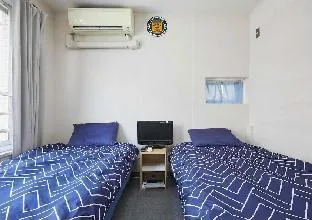
Shibuya 2BR 4beds Shinjuku Harajuku 10min.wifi
Tokyo
★★★★☆

Through to Ikebukuro Shinjuku Shibuya & Ginza
Tokyo
★★★★☆
Skip if: you want fast access to Shibuya, Shinjuku, or late-night food without extra transit.
Main tradeoff: Asakusa gives you atmosphere, but it can add friction to a first-trip schedule.
I like Asakusa for walking around, not for basing myself there on a first Tokyo trip. I stayed near there for one night and loved how easy it was to get an early start around Senso-ji before the day-trippers showed up. But by 9pm, the area felt sleepy in a way that didn’t match my plans. I wanted a drink, then another train, then maybe one more snack. That’s easier from Shinjuku or even Ueno.
Best for: slower travelers who plan early starts and don’t mind going back to bed after dinner.
Skip if: your Tokyo trip is short and you want to move around a lot each day.
My real test was simple: I expected Asakusa to feel more “Tokyo” in a classic sense, and it did. What I didn’t expect was how often I’d leave the area for everything else. That’s the part that matters. If you’re in Tokyo for five nights and want one base, I think Asakusa is more of a second-trip choice.
Shibuya: fun, but I wouldn’t sleep there first
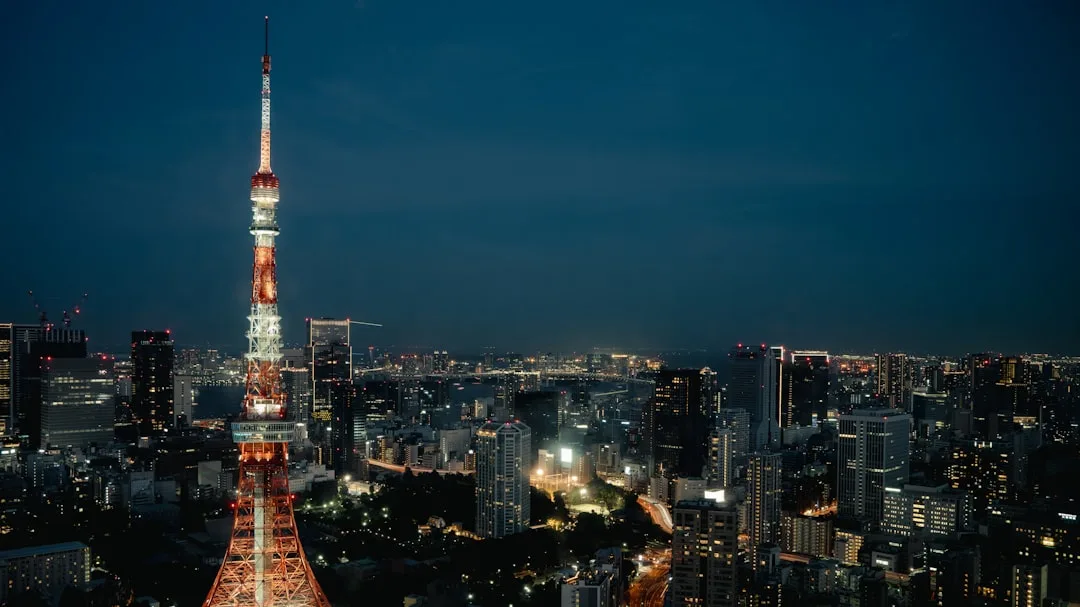
Best for: travelers who care about nightlife, shopping, and being in the middle of the action.
Skip if: you want easy luggage handling, a calmer street scene, or better hotel value.
Main tradeoff: Shibuya is exciting, but the convenience premium doesn’t always match the room quality.
Shibuya is the area people picture when they think of Tokyo, and I get why. I crossed the scramble crossing twice in one evening just because I was already there, and yes, it’s as chaotic as advertised. But staying there is a separate question. Hotels near the station can get expensive fast, and some of the rooms I saw felt small even by Tokyo standards. I’d rather visit Shibuya than sleep there unless nightlife is the whole point of the trip.
I paid around $18 for dinner one night — ramen, beer, and a small side — and then watched the area fill up with people who clearly weren’t ready to call it a night. Fun for a few hours. Less fun when I’m trying to sleep and the street noise keeps sneaking through the window. If you’re out until midnight every day, maybe you don’t care. I do.
Worth it if: you’re a late-night traveler who wants bars, shopping, and easy social energy right outside the hotel.
Skip if: you’re going to spend most of the day on trains anyway.
The part of Tokyo where I got the tradeoff wrong
I expected Ueno to be the obvious money-saving answer, and for a lot of travelers it is. But on my first Tokyo stay, I realized I was underpricing my own time. One night I saved about $28 on the room and then spent an extra 35 minutes on trains and transfers getting back after dinner in Shibuya. That was the moment I stopped pretending all hotel savings are equal.
The mistake wasn’t booking Ueno itself. The mistake was choosing it while planning a trip full of late dinners and cross-city wandering. If I were doing a museum-heavy, early-night Tokyo trip, I’d still pick it. For the way I actually travel, Shinjuku wins because it removes the little frictions that pile up by day four.
What I’d do differently: I’d book the pricier base first, then trim food spending instead of trying to save on the hotel and paying for it in transit.
Verdict: worth it to pay more for the right base, but only if you’ll use the location every day.
A rainy-morning lesson that changed how I book Tokyo
I stayed too far out once and paid for it with a missed morning at the Tokyo Metropolitan Government Building in Shinjuku. I’d planned to go up before the city fully woke, but a slower breakfast and a station change turned into enough delay that I arrived after the view had already become a queue. It was a small loss on paper. In practice, it meant starting the day with a line instead of a skyline.
That was the moment I stopped treating “just train in” as a harmless plan. In Tokyo, I now book for the neighborhood I actually want to be in first — Shinjuku, Shibuya, or Tokyo Station if I’m moving around a lot — and only then worry about the room size.
Cost breakdown
I found Tokyo could swing fast depending on where I slept and whether I was doing convenience-store breakfasts or proper sit-down dinners. A normal food day for me landed closer to the middle of the range once I added coffee, a quick lunch, and one decent dinner. Transport stayed low because I planned my days by neighborhood and only used the train when I really needed it.
That’s the kind of city where a small choice — station access, one extra meal out, one museum ticket — changes the total more than you expect.
Rough daily estimates from my own trip. Prices shift by season.
What I’d choose again
I’d choose Shinjuku again for a first Tokyo trip because it keeps the city usable. That’s the real win. I’m not paying for romance here. I’m paying to make a huge city feel simple enough that I can enjoy it without checking the map every hour.
Ueno is the one I’d switch to if I were staying longer, traveling on a tighter budget, or arriving/departing through Narita and wanted a quieter first base. Ginza only if I were in a calm-hotel mood. Shibuya only if the trip was built around nightlife and I didn’t care about noise.
What I’d do differently next time
I’d book earlier, especially for Shinjuku. The decent midrange places disappear faster than the cheap ones, and the cheap ones are where I usually end up compromising on space or location. I’d also skip hotel breakfast entirely and just eat from convenience stores or a nearby café; the savings are small, but the quality is usually better.
I’d probably stay in one area for the whole trip instead of trying to split nights unless the itinerary was long. Tokyo is easy to over-plan. Once I stopped doing that, the city got better.
I usually book Tokyo tours on Klook — the best time slots go fast, especially in peak season.
FAQ
Is Shinjuku too busy for a first Tokyo trip?
No, I think Shinjuku is the best first base if you can handle some noise and foot traffic. The station area is hectic, but that’s also why it works so well for getting around. I’d choose it again before I’d choose a quieter but less useful district.
Is Ueno worth it if I’m trying to save money?
Yes, Ueno is worth it if you want to cut hotel costs without making transit miserable. I usually saw decent savings of about $20–40 a night compared with Shinjuku. I’d pick it if my trip was more museum-and-daytime focused than late-night focused.
Should I stay in Shibuya or just visit it?
I’d visit Shibuya and sleep somewhere else unless nightlife is a big priority. The area is fun for a few hours, but hotel prices climb fast and the rooms can feel tight. I’d rather use my budget for a better room in Shinjuku or Ueno.
Is Ginza a smart place to base myself for a short trip?
I wouldn’t make Ginza my first choice for a short first trip unless I wanted a quieter, more polished stay. It’s comfortable, but the nightly cost is usually higher and the neighborhood doesn’t give you much late at night. For me, that makes it more of a preference pick than a practical one.
How many nights do I need before it makes sense to stay farther out?
I’d only stay farther out if I had at least 6 nights and a very relaxed plan. For a 3–4 night trip, the extra transit gets annoying fast, and I noticed every saved dollar less than I noticed every saved minute. Tokyo rewards a central base more than people expect.
 Emma Hayes