

I almost wasted a full day trying to “see Osaka” in the same way I’d seen smaller Japanese cities: one rushed loop, one expensive lunch, and a lot of train-hopping. That plan would’ve been thin. My honest answer is this: you really need 2 to 3 days in Osaka, and 4 days if you want it to feel relaxed instead of just efficient. If you’re wondering how many days in Osaka do you really need, that’s the real answer.
This is for first-time visitors who want food, easy transit, and a city that doesn’t require a military schedule. It’s not for people who only want one famous street and one castle photo. The real decision is how much time you want to spend moving versus actually eating, walking, and sitting down somewhere that isn’t a chain café.
Quick answer: 3 days is my sweet spot in Osaka. 2 days is the minimum that feels fair, 4 days works if you want day trips or a slower pace, and 1 day is only worth it if you’re already in the Kansai area.
My pick: I’d do 3 days in Osaka again. It was the first length that let me stop treating the city like a checklist.
I wrote a more detailed breakdown in How To Get From Kansai Airport To Osaka City — worth reading if you’re still deciding.
Why 1 day feels too thin
I tried to mentally compress Osaka into a one-day plan, and it kept falling apart. The city is easy to move around, but that doesn’t mean it’s small. I spent 25 minutes just deciding where to eat near Namba because every block had another option, and one rushed meal turned into another rushed meal.
One day works if you’re already nearby and just want a quick taste of Dotonbori, a stroll by the canal, and maybe Osaka Castle from the outside. But that’s all you get. You won’t have room for a proper lunch, an evening neighborhood walk, and anything that goes wrong — which, in travel, always happens.
Skip it if: you’re flying in from far away and Osaka is your only Kansai stop.
Worth it if: you’re adding it to Kyoto, Nara, or Kobe and you just want one fast city day.
I expected Osaka to work fine as a one-day city because people talk about it like it’s compact. It isn’t, not really. It’s efficient, but it still needs breathing room.
Two days: the minimum that feels fair
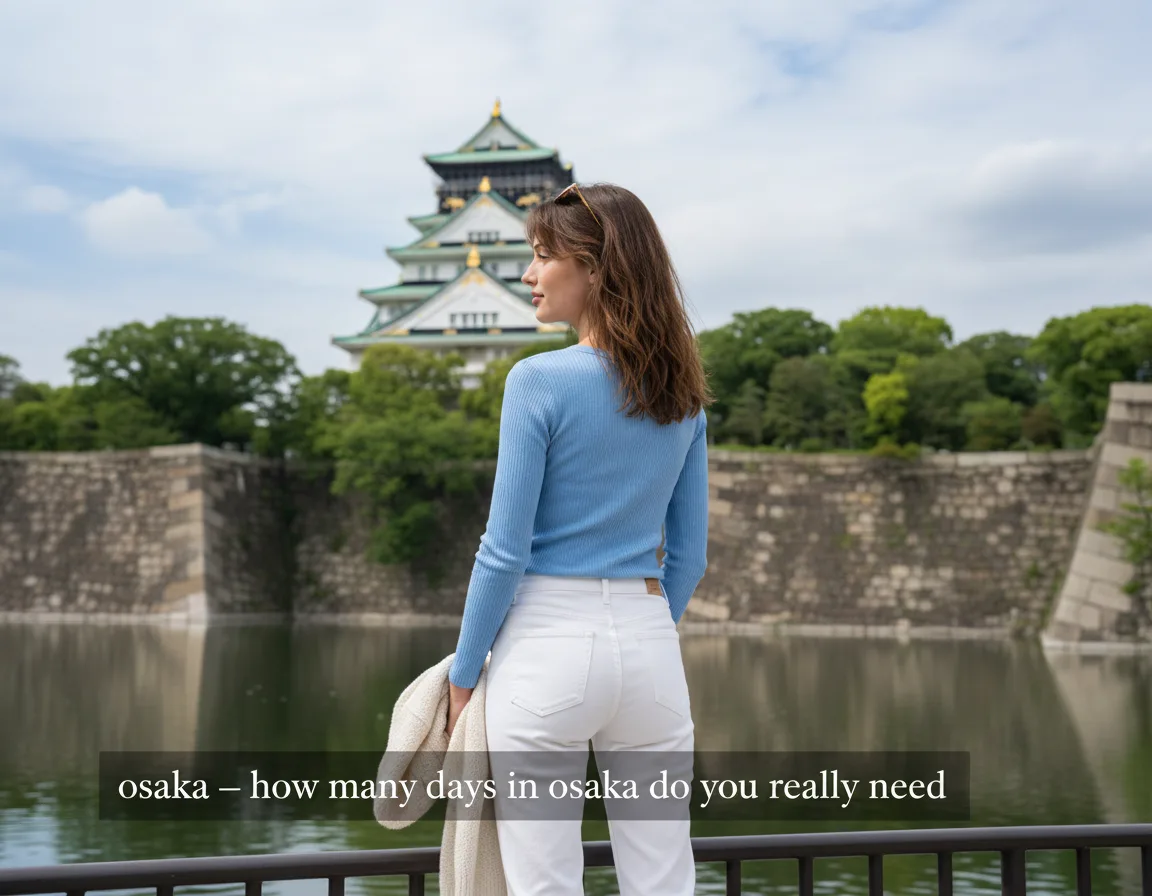
Two days is where Osaka starts making sense. I’d use the first day for Dotonbori, Namba, and a food-heavy evening. The second day can go to Osaka Castle, Umeda, or Shinsekai depending on your mood. That split kept me from turning the city into a blur of neon and train stations.
I paid ¥900 for a decent ramen lunch near Namba, then later grabbed takoyaki for about ¥700 while walking along the canal. That’s the part people underrate: Osaka is at its best when you can wander, stop, eat, and keep moving without feeling like you’re losing time. Two days gives you enough slack for that.
Best for: travelers on a tight Japan itinerary who still want a real city experience.
Skip if: you hate moving hotels or you want a slower, more neighborhood-heavy trip.
My pick: If I only had two days, I’d skip Osaka Castle’s paid interior and spend more time eating and walking instead.
Three days is the sweet spot
Three days is what I’d recommend to most people. It’s enough time to see the obvious stuff, but also enough to let one day be a little loose. That matters more than it sounds. On my third morning, I was wearing a light jacket over a long-sleeve top because it was around 10–21°C and partly cloudy, and I actually had time to sit with coffee before heading out. That’s when Osaka felt like a city, not a task list.
Here’s how I’d break it down: one day for Namba and Dotonbori, one for Umeda and Osaka Castle, one for a slower neighborhood meal crawl or a side trip. I liked having an evening where I didn’t need to “see” anything. I just walked, ate, and people-watched near Shinsaibashi. That sounds ordinary. It is. It’s also the best part.
I expected Osaka to be all flash and no depth. I was wrong. The city has plenty of touristy nonsense, sure, but it also has a lot of ordinary streets where dinner costs ¥1,000 to ¥1,500 and nobody is trying to sell you an experience package.
Best for: first-time visitors who want food, a little sightseeing, and one unhurried evening.
Skip if: you’re only passing through and don’t care about city time after dark.
My pick: Three days is the number I’d book before anything else.
Four days only makes sense if you’ll use the extra time

Four days in Osaka is not too long, but it is only worth it if you have a plan for the fourth day. Otherwise you start drifting into repeat meals and random shopping just because you’re there. I’ve done that, and it’s fine once. It gets expensive and a little lazy after that.
This is the length I’d choose if I wanted a day trip to Nara, a slower afternoon in a quieter neighborhood, or a buffer day after arriving from a long flight. The tradeoff is simple: more comfort, less urgency. If you’re the kind of traveler who gets annoyed by packing too much into a city, four days will probably feel good. If you get restless, it can feel padded.
Best for: travelers pairing Osaka with side trips or using it as a base in Kansai.
Skip if: you’re trying to cover Kyoto, Nara, and Osaka in one short Japan trip.
My pick: I’d only add the fourth day if I knew I’d leave the city for at least one of those days.
What Osaka is good at, and what it isn’t
Osaka is great for eating well, moving easily, and not spending all day in transit. It’s less good for the kind of sightseeing where you stand in front of one huge landmark and feel done. That’s the wrong expectation, and it’s why some people leave disappointed. I think Osaka works best when you treat it as a city you experience by blocks, not by icons.
I made the mistake of assuming Osaka Castle would take up most of a day. It didn’t. I was in and out faster than expected, and the interior felt skippable unless you really care about the museum side. The whole thing cost me time I could’ve spent in a food hall or a neighborhood I hadn’t seen yet. That was the lesson: Osaka rewards wandering more than overplanning.
Worth it if: you like eating, train convenience, and casual city time.
Not worth it if: you only care about major monuments and scenic old-town wandering.
My pick: I’d choose Osaka for food and pace, not for “sights per hour.”
Where the days actually go
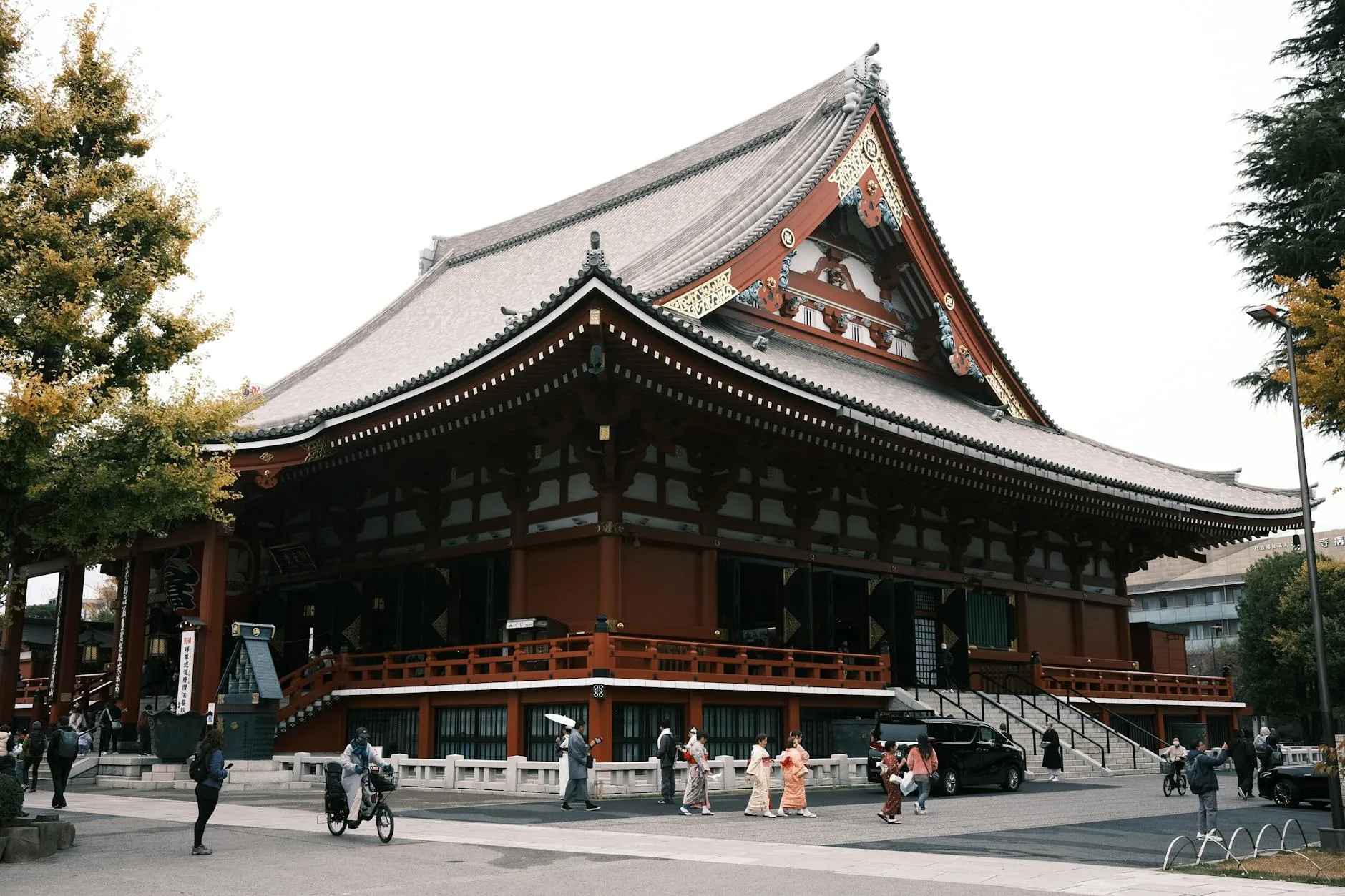
If you’re trying to figure out how many days in Osaka you really need, this is the part that matters: the city time disappears into meals, transit, and small decisions. That’s not a complaint. Osaka is walkable in the areas most visitors care about, and the subway is easy enough that I didn’t feel trapped by geography. But the city is better when you’re not sprinting between stops.
A typical day for me looked like this: breakfast from a convenience store or a cheap café, one major area in the morning, lunch somewhere I found by walking, a break in the afternoon, then dinner and an evening stroll. I paid about ¥500 for a coffee and pastry one morning, then ¥1,200 for lunch later. That rhythm gave me enough energy without burning money on constant sit-down meals.
Best for: people who like cities that are easy to navigate without a car.
Skip if: you want a trip packed with long scenic excursions outside the center.
My pick: The city is at its best when you leave space between plans.
My honest mistake with hotel location
I almost booked a cheaper place farther from Namba because the rate looked good on paper. It was about ¥2,800 less per night, which sounded smart until I checked the walk and realized I’d be dragging my bag through a less convenient area after a long train day. I paid more for a place closer to the station, and I’m glad I did.
See current Osaka hotel prices on Agoda →
That choice changed how many days Osaka needed to feel comfortable. If your hotel is awkwardly placed, the city starts demanding more time than it should. If you stay near Namba, Shinsaibashi, or Umeda, 2 to 3 days goes a lot farther because you can actually use the city instead of commuting inside it.
Best for: travelers who want to eat late and walk back without thinking too hard.
Skip if: you’re saving money at the expense of location and then planning to overpack your schedule.
My pick: I’d rather spend a bit more on a central bed than lose 30 minutes twice a day.
See all Osaka hotels on Agoda if you want to compare station areas before the good rooms get picked over.
Rough daily estimates from my own trip. Prices shift by season.
I compared the options in Osaka 3 Days Itinerary — useful if you haven’t booked yet.
What I’d do differently next time
I’d keep one day completely open instead of trying to “maximize” every hour. Osaka doesn’t need that. I’d also stay even closer to the station than I did, because the small convenience adds up fast when you’re walking all day with a cardigan in hand and a train card in your pocket.
I’d skip one of the more famous food streets at peak dinner time, too. The line was annoying, and I waited 25 minutes for something I could’ve eaten elsewhere for the same price. Fine, not great. That’s the kind of mistake that turns a short trip into a tiring one.
I usually book Osaka tours on Klook — the best time slots go fast, especially in peak season.
FAQ
Is Osaka enough for a first Japan trip?
Yes, but only as part of a wider Kansai trip. I’d use Osaka as a base for 2 to 3 days, then add Kyoto or Nara if it’s your first time in Japan. Osaka is great for easy food and transit, but it won’t give you the full range of “Japan trip” feelings on its own.
Can I do Osaka as a day trip from Kyoto?
Yes, and I’ve done versions of that, but I wouldn’t call it ideal. The train is fast, usually around 30 minutes depending on where you start and end, yet you’ll still spend most of the day in motion. If your trip is short, I’d rather sleep in Osaka once than bounce back and forth.
Is four nights too long in Osaka?
No, four nights can work well if you plan a side trip or want a slower pace. I only think it starts to drag if you’re using Osaka as a pure sightseeing city and never leaving the center. If you like food, shopping, and easy evenings, the extra night is fine.
Which area would you stay in if you only have two nights?
I’d stay near Namba or Shinsaibashi first, then Umeda if the price is much better. Namba gave me the easiest food-and-walk setup, and I liked not having to think about getting home after dinner. If your hotel is more than a simple subway ride from the action, two nights starts feeling shorter than it should.
What should I cut first if my Osaka trip gets shorter?
I’d cut Osaka Castle’s interior before I’d cut a good food evening. The castle area is fine, but the outside is enough for most travelers and the paid part didn’t hold me long. If you’re down to one full day, I’d keep Dotonbori and one proper neighborhood meal, then stop there.
 Emma Hayes