
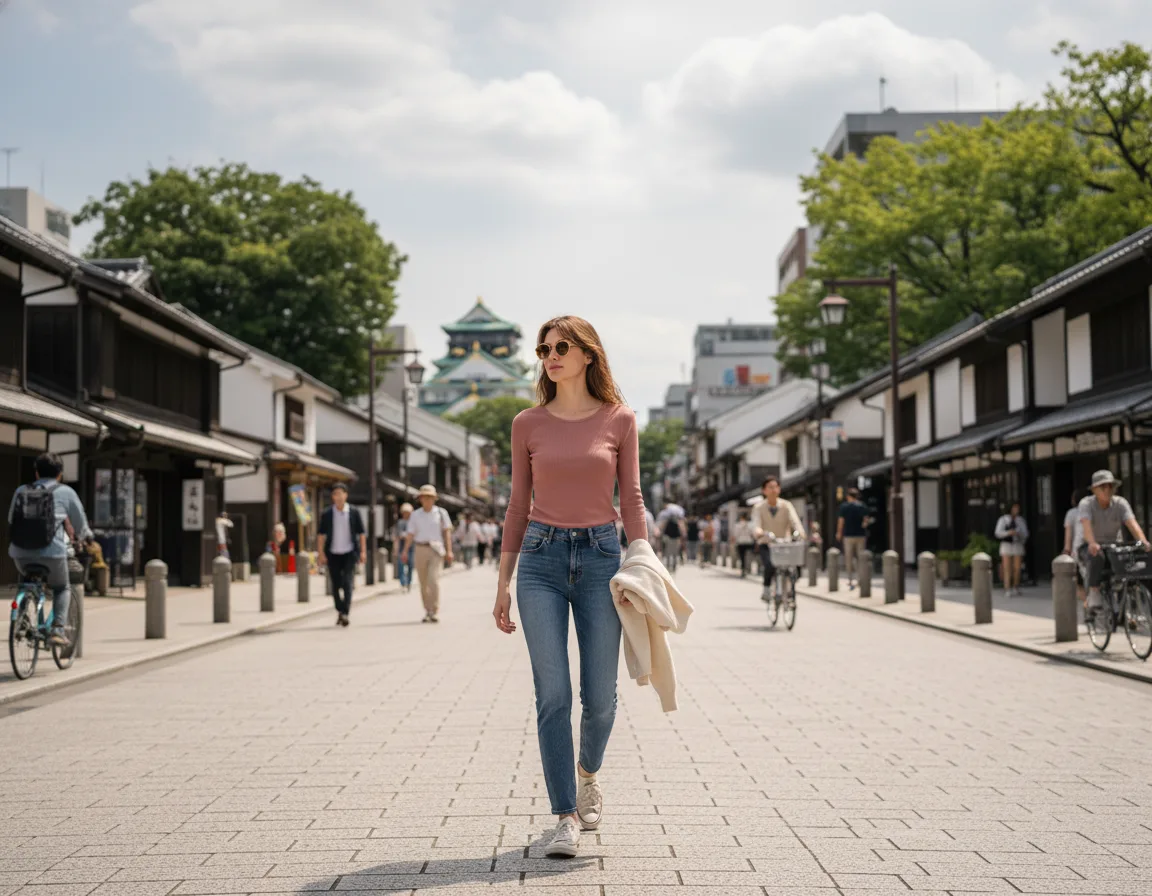
Nobody told me this before I went: Osaka is not the city I’d pick for a slow, romantic first trip to Japan, but it is worth visiting if you want food, easy transit, and a place that doesn’t make simple plans feel complicated. I liked it more than I expected, and I’d tell most first-timers to spend at least 2 nights here. If you only have time for one Japanese city and you want temples and quiet lanes, I’d still pick Kyoto first. If you want a city that works fast and doesn’t waste your time, Osaka wins.
Quick answer: Yes, Osaka is worth visiting for first-timers if you want good food, simple train connections, and a city that’s easy to navigate on day one. I’d do Osaka for 3 to 4 days in Kansai, use it as a base near Namba or Umeda, and skip it only if you want the most traditional Japan atmosphere.
For a deeper look at osaka ic card vs day pass which is better, I covered this in my Osaka Ic Card Vs Day Pass Which Is Better.
Why Osaka works so well for first-timers

I’d call Osaka a low-friction city. That matters more than people admit. I landed with a cardigan in hand, sunglasses on, and the weather sat around 10–19°C with partly cloudy skies, which was mild enough that I could just walk instead of planning every move around heat or rain. The station system felt busy, but not confusing in the way Tokyo can feel on a tired arrival day.
The real win is that Osaka makes it easy to do things without overthinking them. I took the Midosuji Line, changed once, and got where I needed without paying for a taxi. A 180-yen subway ride felt normal. A quick bowl of ramen in Umeda cost me about ¥950, and I was eating 20 minutes after leaving my hotel. That kind of speed is useful when you’re new to Japan and still adjusting to signs, ticket machines, and the general rhythm of the place.
Best for: first-timers who want a city that feels manageable on day one.
Skip if: you’re chasing quiet streets and traditional scenery more than food and convenience.
My pick: I’d use Osaka as a base before I’d use it as a “see everything” city.
What Osaka is actually like on the ground
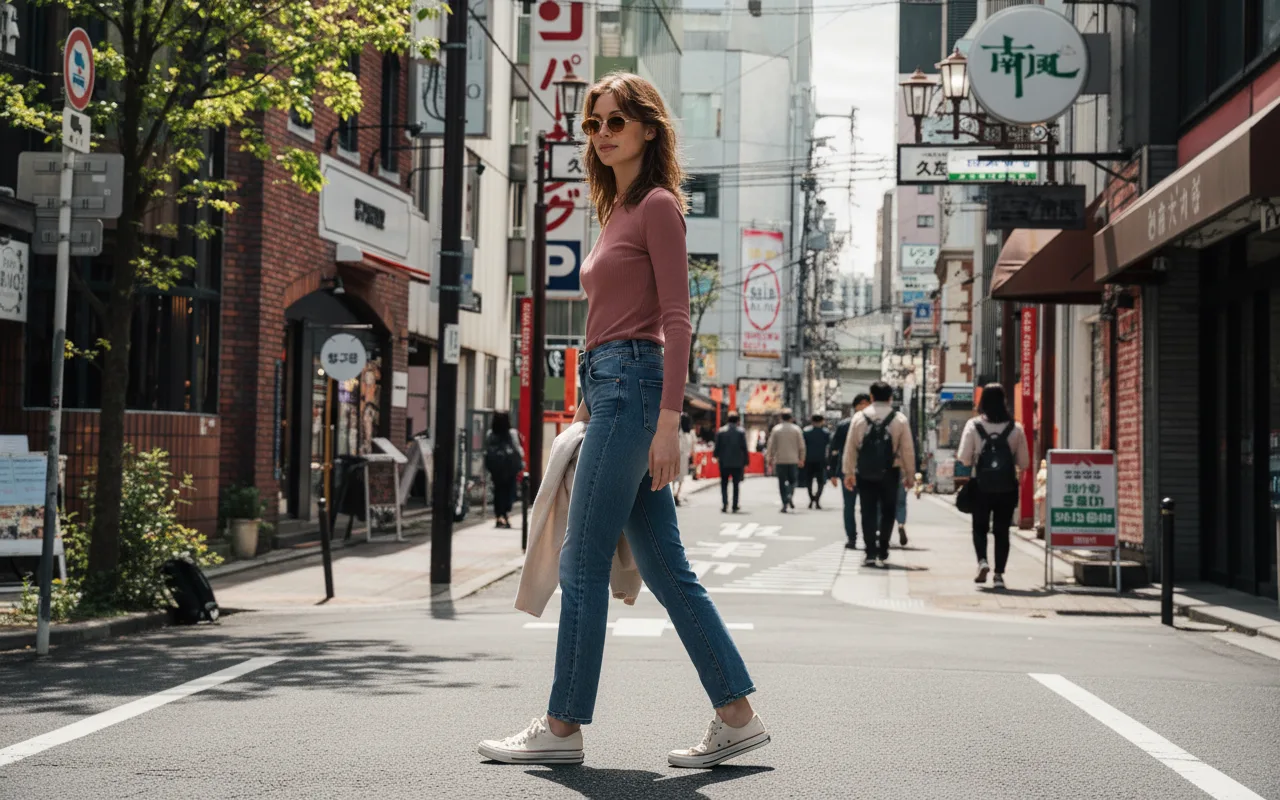
I expected Osaka to feel louder and more chaotic than it did. That was my wrong assumption. Dotonbori is crowded, yes, and the neon and giant signs are as ridiculous as the photos suggest, but the rest of the city felt more functional than wild. I spent one evening there, ate takoyaki for about ¥700, and left after a short loop because I’d already gotten the point. It’s fine. It’s not where I’d build my whole trip around standing around.
What I liked more was the normal city stuff: train stations with useful food options, convenience stores that solved lunch, and neighborhoods where I could walk a few blocks and find something good without a reservation. I grabbed an onigiri and coffee for under ¥500 one morning and used that as breakfast instead of paying hotel prices for a buffet I didn’t want. That kind of small decision adds up fast.
Osaka is not trying to be delicate. It’s direct. The tradeoff is that some parts feel a little rough around the edges compared with Kyoto’s polished old streets, but I think that’s part of why it works. It doesn’t perform for you.
Worth it if: you want a city that feels lived-in, not staged.
Skip if: you need every neighborhood to feel beautiful in the scenic sense.
My pick: I’d rather eat well here than wander aimlessly here.
Food is the strongest reason to come
If someone asked me what Osaka does better than almost any other big Japanese city I’ve been to, I’d say food without the fuss. I don’t mean fancy tasting menus. I mean the kind of meals you can actually use on a trip. I ate okonomiyaki at a small place near Namba, paid about ¥1,100, and watched the cook work the griddle from a seat at the counter. No line over 30 minutes. No performance. Just a hot meal and a good one.
I also went to Kuromon Market expecting it to be my favorite food stop. It wasn’t. The seafood skewers were fine, but the prices felt inflated for what they were. I paid around ¥800 for a small grilled scallop that was gone in four bites, and I don’t think that math works unless you really want the market atmosphere. I’d skip it for lunch and eat elsewhere. The nearby side streets gave me better value.
My best meal in Osaka was the least dramatic one: a late lunch of curry rice for ¥980 near Shin-Osaka after a train ride. It solved hunger, saved time, and didn’t ask me to think too hard. That’s Osaka in a nutshell for me. Useful, cheap enough, and often better than the place with the biggest sign.
Best for: travelers who care about food more than sightseeing checklists.
Skip if: you want every meal to feel special enough to plan around.
My pick: I’d spend money here on food before I’d spend it on a touristy ticket.
Where Osaka beats Kyoto, and where it doesn’t
I had Kyoto and Osaka in front of me for the same trip. I went with Osaka first because I wanted a base that made transit easy and meals cheap, and because I knew I’d be out all day. Kyoto would’ve worked better if I wanted slower mornings and prettier walking routes. Osaka was the better fit for the kind of trip I was actually taking.
Kyoto is the better choice if your whole point is temples, gardens, and a quieter mood. I’m not pretending otherwise. Osaka beats Kyoto when I want to move fast, eat well, and not spend half the afternoon getting from one famous thing to another. I’d pick Kyoto for a first trip if I only had one city and I wanted the classic Japan feeling. I’d pick Osaka if I wanted a base that made the rest of Kansai easier.
The tipping point for me was simple: I checked hotel prices near Kyoto Station and then compared them with places in Umeda and Namba. Osaka gave me more room for the money, and the transport from there was cleaner for the rest of my itinerary. That’s not glamorous, but it’s real.
Best for: first-timers doing a broader Kansai trip.
Skip if: you only have one city and want the most traditional atmosphere.
My pick: Osaka is the better logistics base; Kyoto is the better first impression.
The mistake I made with my first night
I thought I could save money by booking a cheaper place farther from the center. That was the obvious move on paper. The room was about ¥2,000 less per night, and the listing looked fine. The problem showed up when I checked the map more carefully and realized I’d be adding about 35 minutes each way to everything I wanted to do, plus a tired late-night transfer after dinner.
I still took the cheaper option for one night, and I regretted it by 9 p.m. The station walk was longer than I wanted with my bag, and I ended up spending ¥1,200 on extra transit and a convenience-store dinner because I was too tired to go back out. So the savings were fake. I lost time, comfort, and the flexibility to stay out for one more place.
What I know now is simple: in Osaka, location matters more than shaving a few dollars off the room rate. I’d rather pay a little extra and stay near Namba, Umeda, or somewhere with a straightforward subway connection. That choice saved me more than one cheap room ever would.
Worth it: paying more for a walkable base near the train.
Skip if: the cheaper place looks fine but adds long transfers every day.
My pick: I’d pay for location first, then trim elsewhere.
What I’d actually do with 2, 3, or 4 days
For 2 days, I’d keep Osaka tight. I’d do Dotonbori once, eat well, and use the rest of the time for Umeda, Namba, and one easy neighborhood meal. I would not try to turn it into a giant sightseeing marathon. That gets messy fast, and Osaka doesn’t reward rushing the way some cities do.
For 3 or 4 days, Osaka starts making more sense because it becomes a base, not just a stop. I’d do one day in the city, one day trip out, and one slower food-focused day. If I had to choose between a guided bus tour and just using the train myself, I’d take the train every time. I spent ¥560 going from one part of the city to another and got there faster than any packaged tour would’ve managed.
Best for: short trips where you want an easy city base.
Skip if: you’re trying to squeeze in too many “big sights” in one day.
My pick: 3 nights is the sweet spot. Less feels rushed; more needs a real reason.
Getting around without wasting half the day
Osaka is one of the easier big cities I’ve used on foot and by train, but I still made one silly mistake: I assumed a short map distance meant an easy walk. It didn’t. In some areas, the station exits are the real puzzle, not the neighborhood itself. I lost about 15 minutes once just picking the wrong exit in Umeda, which sounds small until you’re hungry and trying to meet a dinner time.
The fix is boring but effective. I used Google Maps for exits, not just destinations. I kept my day simple: one morning area, one lunch stop, one dinner zone. That reduced backtracking. I also skipped taxis almost entirely because the subway was enough. The only time I considered one was late at night after a long walk, and even then it would’ve been more convenience than necessity.
Worth it: using Osaka as a transit-friendly base and relying on the subway.
Skip if: you hate walking between station exits and destinations.
My pick: I’d plan around stations, not attractions.
Rough daily estimates from my own trip. Prices shift by season.
For a deeper look at osaka one day itinerary, I covered this in my Osaka One Day Itinerary.
What I’d do differently next time
I’d stay closer to Namba or Umeda from the start. I’d also skip Kuromon Market for a full meal and treat it as a quick walk-through only, if I went at all. And I’d leave more room for random neighborhood food instead of trying to hit the famous spots first.
I’d also keep one half-day open instead of filling every block. Osaka is better when there’s slack in the schedule. The city rewards a loose plan, not a packed one.
I expected Osaka to feel like a smaller, quieter version of Tokyo, but what actually happened was I walked into a city that prioritizes getting things done over making things look pretty—and I liked that more than I thought I would. The real flip was realizing that “easy to navigate” matters way more on day one than I’d given it credit for, especially after a long flight. My takeaway: Osaka is absolutely worth 3 nights for first-timers, not because it’s Instagram-perfect, but because a ¥950 ramen bowl and a 20-minute walk from hotel to food teaches you how Japan actually works faster than anywhere else.
I figured Dotonbori would be the highlight—all that neon and chaos—but after I spent one evening there eating ¥700 takoyaki and watching the same crowds loop past the same signs, I realized the real value of Osaka is outside those 10 blocks. The city’s actual strength is that it doesn’t waste your time: trains run on time, nobody makes things harder than they need to be, and you can figure out the system in your first 2 hours instead of your first 2 days. Skip Osaka only if you’re after temples and quiet—pick it if you want a city that lets you breathe and move and eat well without friction.
I compared the options in Osaka Photo Spots Best Views For Instagram — useful if you haven’t booked yet.
I compared the options in Osaka Street Food Guide Cheap 2026 — useful if you haven’t booked yet.
See current Osaka hotel prices on Agoda →
I usually book Osaka tours on Klook — the best time slots go fast, especially in peak season.
FAQ
How many days do I actually need in Osaka?
Three days is the sweet spot for me. Two days works if you’re only using it as a food-and-transit stop, but I felt rushed when I tried to compress too much into that. With 3 days, I had enough time for one busy area, one slower meal day, and one flexible buffer.
Is Osaka good if I’m traveling alone for the first time in Japan?
Yes, I think Osaka is one of the easier solo starts in Japan. I never felt stuck for food, and the subway made it simple to move around without needing anyone else to coordinate with. The only thing I’d watch is late-night wandering in areas that are busy but not especially interesting after dinner.
Should I stay near Namba or Umeda?
I’d choose Namba if I cared more about food, nightlife, and being close to the action. I’d choose Umeda if I wanted a slightly cleaner logistics base and easier access to some train connections. I stayed too far out once and spent more money on transit than I saved, so I’d keep it central.
Is Dotonbori worth the hype?
Yes, but only for one short visit. I spent maybe an hour there, ate, walked, and was done. The signs are fun, but I wouldn’t build a whole day around it unless you love crowds and neon more than actual neighborhood exploring.
Can I do Osaka as a day trip?
You can, but I wouldn’t if it means squeezing out all the food and evening time. A day trip makes Osaka feel like a quick stop instead of a city with its own rhythm. I’d only do it if my trip was already packed and I had no room for an overnight stay.
 Emma Hayes