
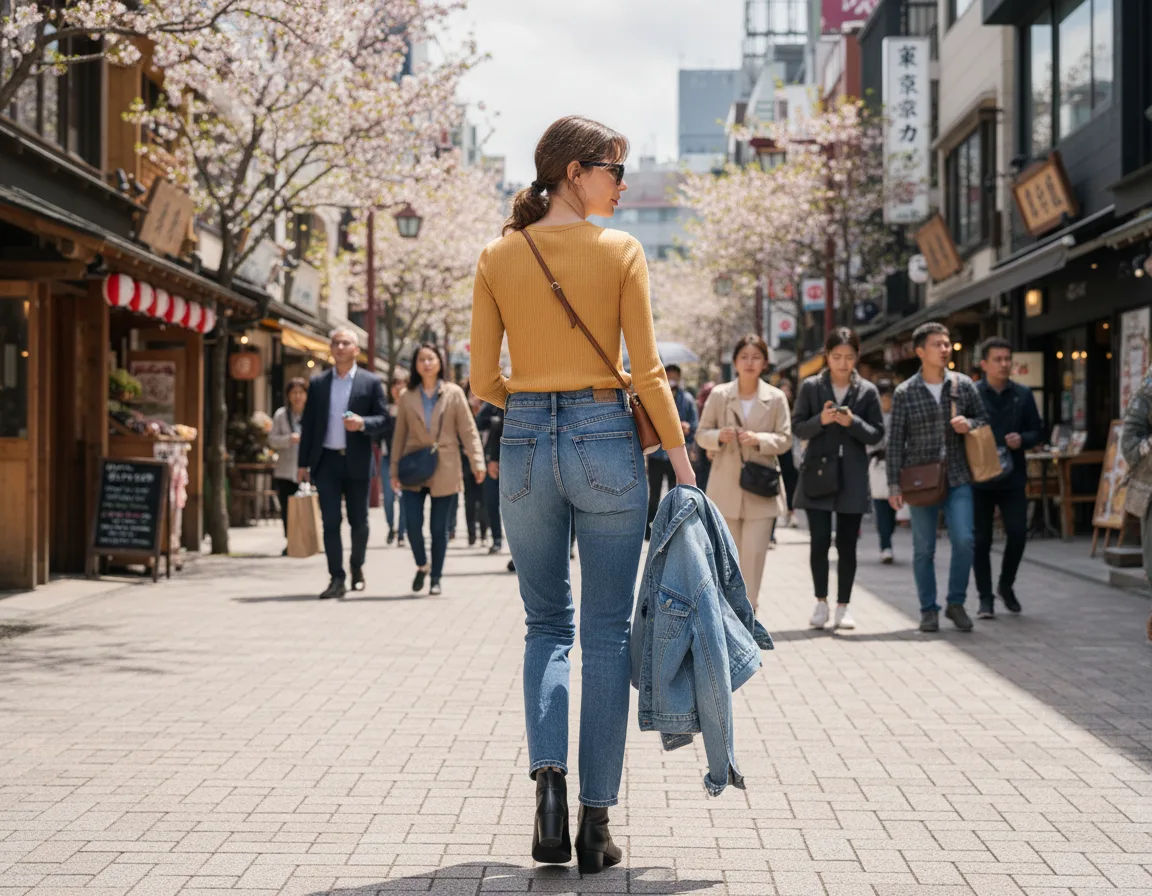
Is Tokyo worth planning your whole stay around food neighborhoods? I spent about $118 a night to test that idea, and yes — but only if you pick the right base. I’d stay in Shinjuku first, and I’d only choose Asakusa or Ueno if I wanted cheaper nights and didn’t mind ending my dinner crawl a little earlier.
Tokyo can be annoying if you pick the wrong area. I learned that after one night dragging a tote bag through a station exit that felt like a maze built by someone who hated luggage. The food was great. The walking distance, not so much. For the best neighborhoods in Tokyo for food lovers, the real question isn’t where the best restaurants are — it’s where you can sleep, eat late, and get back without spending half your night on trains.
Quick answer: I’d stay in Shinjuku first. It gave me the best cost-to-value balance for eating well, with late-night ramen, easy train access, and cheap food within walking distance. Asakusa is calmer, Ueno is better for budget stays, and I’d skip Roppongi if food is your main reason for choosing a base.
Shinjuku: the easiest food base if I want options all day
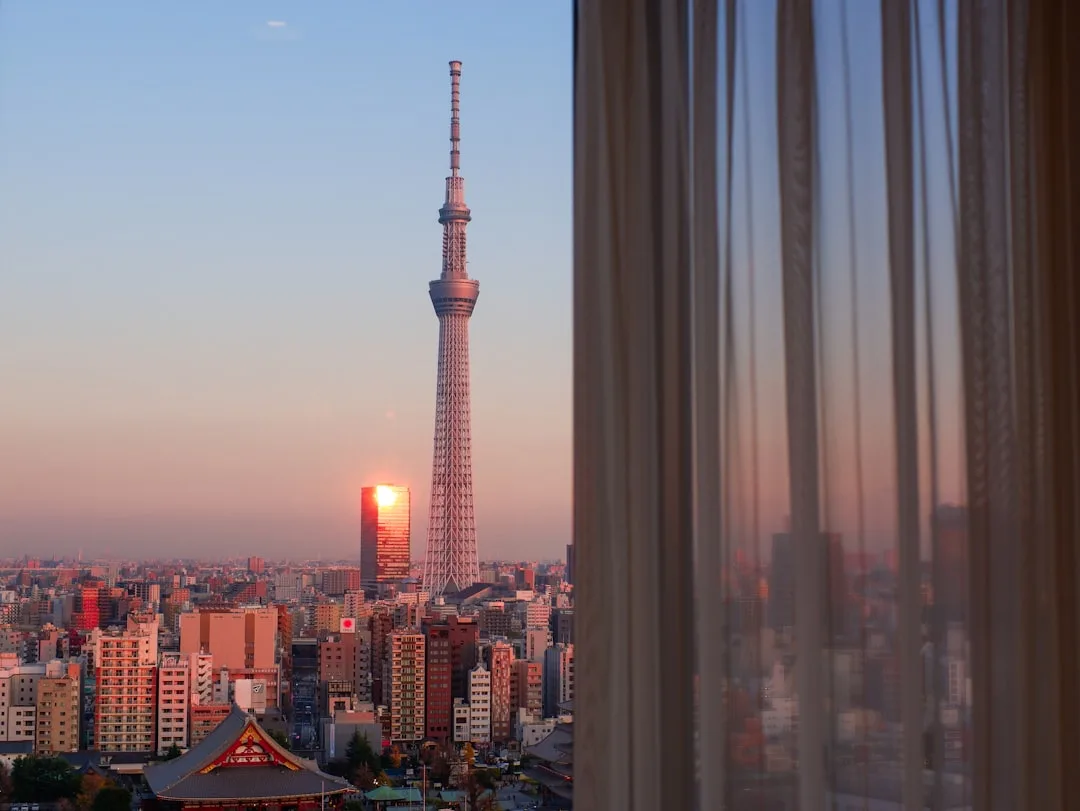
Shinjuku is the one I’d book again. It’s not the prettiest neighborhood, and I’m not going to pretend it is. But if I land hungry at 9:30pm and want ramen, yakitori, a convenience store backup, and a train home that doesn’t turn into a hassle, this is the place I’d want under me. I paid $124 for a small hotel room here and walked to dinner instead of timing my whole night around transit. That matters more than people admit.
I had Shinjuku and Shibuya on the shortlist. I went with Shinjuku because the food range felt wider at night, and I didn’t want to pay Shibuya prices just to be closer to a crossing I’d probably see once. Shibuya works if nightlife is your whole plan, but for food-first travel, Shinjuku is the better base. It’s worth it.
Best for: first-timers who want late-night food, easy train access, and a huge range of cheap to mid-range meals.
Skip if: you hate busy streets, bright signage, and stations that feel like they never end.
Main tradeoff: Shinjuku is efficient, but it can feel a little relentless. I slept fine, but I did hear sirens and station noise on one night with the window cracked.
The food payoff is real. I grabbed a 980-yen bowl of tsukemen near the station, then a 220-yen canned coffee from a vending machine because I was still wandering around after dark. That kind of night is exactly why I’d stay here again. You can keep eating without planning your life in 20-minute blocks.
Location consequence: staying in Shinjuku usually means about 20–30 minutes to Asakusa or Ueno by train, but it saves you the “last train panic” if dinner runs long. That’s the whole deal. You pay a bit more for the room and get it back in flexibility.
Worth it if: you want Tokyo to feel easy instead of optimized.
Asakusa: better for calmer nights and old-school eats
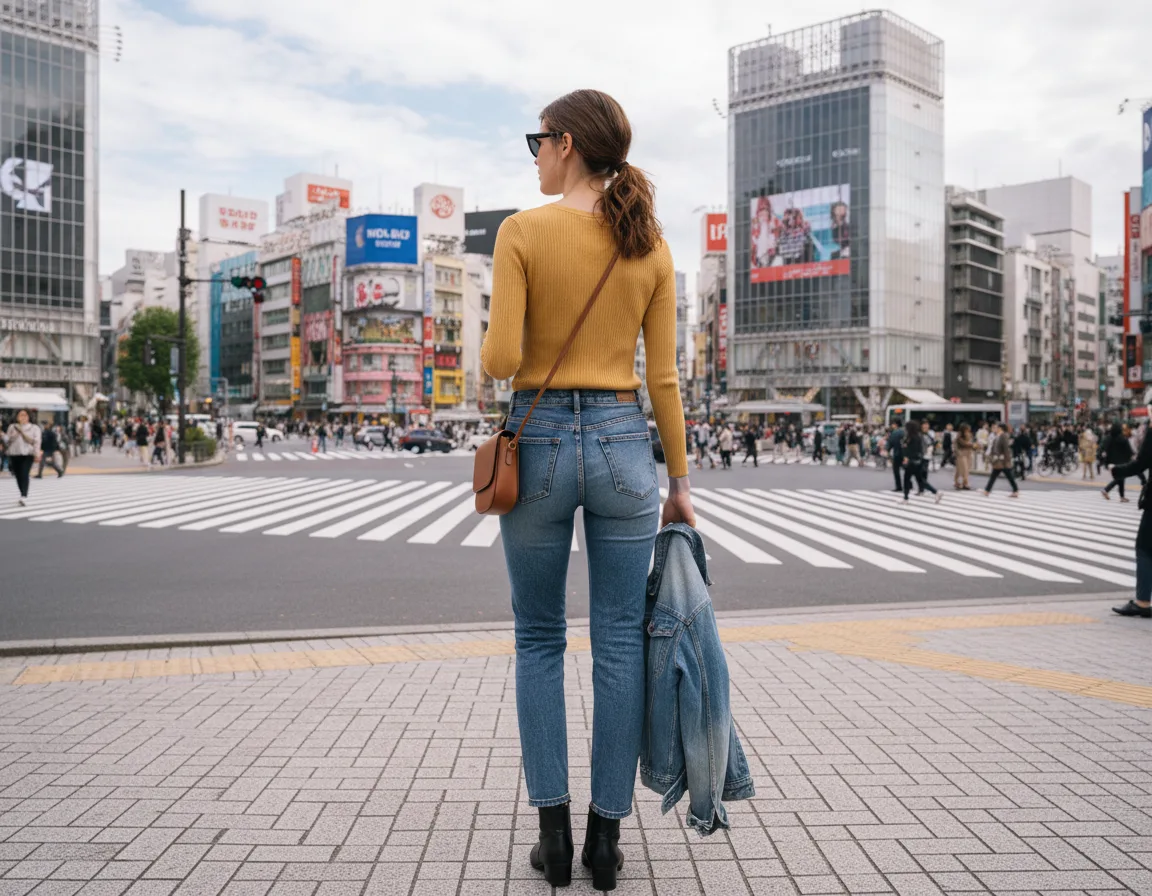
Asakusa is the area I’d choose if I wanted my evenings to slow down a little. I liked the food here more than I expected, which surprised me because I assumed it would be mostly tourist snacks and souvenir shops. It wasn’t. I found solid tempura, soba, and little dessert spots that didn’t feel like they were built for a photo first and a meal second. I expected a gimmick. It turned out more useful than that, and that’s rare around famous places.
I spent one morning here with a light jacket in hand because it was around 10–19°C and the cloud cover kept the day from warming up fast. I ducked into a tiny coffee shop near the station, paid about 480 yen for a latte, and watched a line form at a dorayaki stand I didn’t bother joining. That’s my rule in Tokyo: if the line is stretching past 30 minutes, I’m out.
Best for: travelers who want a quieter base, earlier nights, and easy access to traditional-style meals.
Skip if: you want constant late-night food options or don’t want to take trains back after dinner.
Main tradeoff: it’s calmer, but the after-dark energy drops faster than in Shinjuku. Fine for me. Not great if your whole trip runs on 10pm snacks.
Expect roughly $70–130/night for decent stays here, which is often better value than central Shinjuku. The downside is simple: you’ll likely spend 15–25 minutes getting to some of the city’s heavier food zones, depending on where you’re headed. If your trip is all about day eating and early sleep, that trade works. If you want to crawl bars and izakayas after 11pm, it doesn’t.
Worth it if: you care more about meals and pace than nightlife.
Ueno: the smartest budget base for food without fuss
Ueno is where I’d send a traveler who wants to eat well without blowing the hotel budget. It’s not as polished as Shinjuku, and it’s definitely not the most stylish place to sleep. But I like it because the math works. I found rooms around $78–110/night, and that left more room for actual food — which is the point, right? I’d rather pay for three good meals than a lobby I barely see.
I had Ueno and Asakusa in front of me for one trip, and Ueno won because the station connections were better for me. Asakusa had more charm, but Ueno made the rest of the city easier to reach. That tipped it. The food around Ueno station is practical rather than fancy: curry rice, ramen, standing sushi, and little places where lunch doesn’t cost a performance review. Useful, not glamorous.
Best for: budget-conscious food lovers who want strong transit and easy access to cheap meals.
Skip if: you want a polished neighborhood feel or a romantic dinner scene every night.
Main tradeoff: Ueno is less exciting after dark. I don’t love it for atmosphere, but I do love it for keeping my spending under control.
I ate a 1,100-yen katsu curry here after getting off the train with a dead phone battery and no plan. That’s the kind of place Ueno is good at being. It saves you when you’re tired, hungry, and not in the mood to hunt.
Staying here usually means about 10–20 minutes to Akihabara, Asakusa, or Tokyo Station-area connections, which is a nice sweet spot for food exploring. You’re not paying a premium for being central, and you’re not stuck in a dead zone either.
Worth it: if your trip is more about eating than showing off where you slept.
I wrote a more detailed breakdown in Tokyo Or Osaka For First Time Japan Trip — worth reading if you’re still deciding.
For a deeper look at ryokans in tokyo for first timers, I covered this in my Best Ryokans In Tokyo For First Timers.
For a deeper look at area to stay in tokyo, I covered this in my Best Area To Stay In Tokyo For Foodies.
I compared the options in 5 Days In Tokyo Itinerary Worth Doing — useful if you haven’t booked yet.
I compared the options in Avoiding Tourist Traps Tokyo 2026 — useful if you haven’t booked yet.
For a deeper look at common tokyo tourist mistakes solo 2026, I covered this in my Common Tokyo Tourist Mistakes Solo 2026.
Shibuya: fun for eating out, but I wouldn’t stay here for food alone
Shibuya is good. I just don’t think it’s the best use of your money if food is the main goal. I stayed one night nearby and paid more than I expected for a room that was smaller than I wanted and noisier than I liked. The area is fun, sure. But once you add up hotel rates and the crowd factor, the value starts to wobble.
See current Tokyo hotel prices on Agoda →
Where I’d Actually Stay in Tokyo
Shibuya 2BR 5beds Shinjuku Harajuku 10min.wifi
Tokyo
★★★★☆
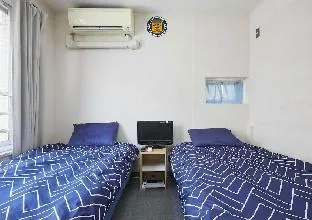
Shibuya 2BR 4beds Shinjuku Harajuku 10min.wifi
Tokyo
★★★★☆
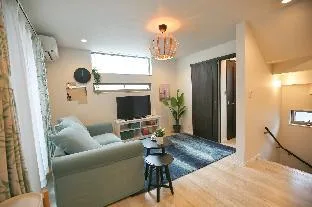
Through to Ikebukuro Shinjuku Shibuya & Ginza
Tokyo
★★★★☆
Best for: people who want nightlife, shopping, and a lot of restaurant choice in one place.
Skip if: you’re trying to keep hotel costs sane or want quieter sleep.
Main tradeoff: Shibuya is exciting, but you pay for it. I’d rather eat in Shibuya than sleep there.
I’m not saying the food is bad. It isn’t. I had a 1,300-yen tonkatsu set near the station that was completely fine. But fine doesn’t justify the room rate for me when Shinjuku gives me better logistics and Ueno gives me better value. That’s the whole argument in one sentence.
If you’re the kind of traveler who stays out until midnight and wants a short walk home from bars and late dinner, Shibuya works. If you’re measuring by cost per value, I’d pass. It’s the kind of neighborhood people book because it sounds fun, then complain about the price later.
Only if: nightlife matters as much as food.
Roppongi: good restaurants, wrong base
Roppongi has good restaurants. I’m not arguing with that. I’m arguing with the idea that it’s a smart place to stay if your trip is centered on food. I checked rates here and kept seeing numbers that made me blink — around $130–220/night for places I’d call decent, not special. Then I looked at the walkability after dinner and thought, no thanks.
I had Roppongi and Shinjuku on the table once, and Shinjuku won because it gave me more food variety for less money. Roppongi would work if you’re splitting your time between upscale dinners and nightlife, or if your company is paying. For my own trip, it felt like paying extra for a name. That math never works out.
Best for: travelers who want upscale dining and don’t mind a pricier base.
Skip if: you’re trying to eat well on a normal budget or want a neighborhood that feels easy to navigate on foot.
Main tradeoff: the restaurants can be strong, but the room rate and overall value are rough. I’d rather sleep elsewhere and come here for dinner.
I ate here once after a long afternoon and spent more on the hotel area than on the meal, which tells you enough. It’s not the neighborhood I’d choose again for a food trip. Good for a night out. Not my base.
Skip it: unless you’re specifically planning a higher-end stay.
Akihabara: convenient if you want cheap meals and train access
Akihabara is not the first place most people think of for food, but I think it deserves a practical mention. I stayed nearby mainly because the rates were lower, around $75–115/night, and because I wanted to test whether the area could work as a no-fuss base. It can. There are plenty of chain restaurants, quick ramen shops, curry counters, and bakery stops. It’s not a culinary destination in the romantic sense. It’s a good place to eat without wasting time.
Best for: travelers who care more about convenience and lower room rates than atmosphere.
Skip if: you want a neighborhood with a stronger food identity or a slower pace.
Main tradeoff: it’s efficient but a little sterile. I wouldn’t pick it for a first Tokyo food trip unless the hotel price was meaningfully better than Shinjuku or Ueno.
I bought a cheap breakfast set here for about 650 yen and was out the door in ten minutes. That’s the upside. The downside is that I didn’t feel like lingering. Good for sleep, good for access, not memorable enough to build your whole trip around.
Only if: budget and train convenience beat atmosphere for you.
The night I picked convenience over charm
I made one bad call early on. I booked a cheaper stay that was technically close to a station, but the walk turned into a 17-minute drag with one awkward transfer through a giant exit and no elevator when I had my bag. I figured I’d save about $22 a night and deal with it. The trigger was a late dinner in Shinjuku; by the time I got back, my feet were done. The consequence was real: I wasted almost 40 minutes total that night and spent another $18 on a taxi the next morning because I couldn’t be bothered to repeat it. Next time, I’d pay more for a room within a simple five-minute walk of the station entrance I’d actually use.
Best for: anyone who thinks station proximity is a nice bonus instead of a dealbreaker.
Skip if: you’re carrying luggage, arriving late, or planning to eat out every night.
My pick: I’d rather pay $15–25 more per night than gamble on a “close enough” hotel again.
That mistake changed how I look at Tokyo neighborhoods. Food is the headline, but the base decides whether the trip feels smooth or slightly annoying all the time. I learned that the hard way, and honestly, it was worth learning once.
Rough daily estimates from my own trip. Prices shift by season.
If I were booking again, I’d open Agoda and compare Shinjuku first, then Ueno, then Asakusa. Tokyo rates move fast, and the difference between a decent room and a weirdly tiny one can be $20–40 a night. See all tokyo hotels on Agoda →
What I’d change next time
I’d book closer to a major station entrance, not just “near” the station. That distinction cost me time, and Tokyo doesn’t really forgive sloppy planning when you’re hungry and tired.
I’d also split my stay between Shinjuku and Asakusa if I had five nights. One for convenience, one for calmer mornings. I don’t think every trip needs that split, but for a food trip it would give me better range without overcomplicating anything.
And I’d skip paying extra for trendy areas unless I knew I’d use the nightlife. I didn’t, and the premium felt silly after the first day.
I usually book Tokyo tours on Klook — the best time slots go fast, especially in peak season.
FAQ
Is Shinjuku too busy to stay in if I’m there for food?
No, I think Shinjuku is the best base for most food-focused Tokyo trips. It’s busy, but that also means I could eat late and still get home without a hassle, which saved me more than once. If you can sleep through city noise, it’s the strongest all-around choice.
Would Asakusa be a better choice for a quieter trip?
Yes, Asakusa is better if you want calmer nights and a slower pace after dinner. I found better room rates there, usually around $70–130/night, and I liked that I wasn’t fighting crowds every time I stepped outside. I’d pick it again for a trip that’s more about meals than nightlife.
Is Ueno good enough for a first Tokyo stay?
Yes, Ueno is good enough and maybe better if you’re keeping an eye on spending. I liked it because the food was cheap and the transit links were strong, so I didn’t feel stuck paying for a fancier neighborhood just to sleep there. It’s a smart choice if you’d rather spend on eating than on the room.
Should I stay in Shibuya if I want lots of restaurant options?
No, I wouldn’t stay in Shibuya just for food. The restaurant choice is good, but I found the hotel prices higher and the sleep tradeoff worse than Shinjuku or Ueno. I’d go there for dinner, then sleep somewhere else.
How many days do I need before it makes sense to split neighborhoods?
Four or more nights is where I’d start thinking about a split stay. With less time than that, the move eats into the trip and isn’t worth the hassle with luggage. If you only have two or three nights, I’d stay in Shinjuku and keep it simple.
 Emma Hayes