

¥1,300: that’s what I paid for the cheapest sane way into central Tokyo from Narita on one of my trips, and it beat the 90-minute airport bus by a lot once I factored in traffic. I was tired, carrying a full backpack plus a small roller, and I wasn’t about to gamble on road congestion just to save a few hundred yen. If you’re trying to figure out how to get from Narita Airport to Tokyo, my answer is simple: take the train almost every time.
I’d only choose the bus if my hotel is somewhere awkward for rail, or I’m landing late and want a single door-to-door option without transfers. For speed and predictability, Narita Express or Keisei Skyliner is the move. For the lowest reasonable fare, Keisei Access Express gets the job done. I’ve done all three across different trips in different moods, and the cheapest choice is not automatically the best value. Airport transfers are where people burn money and time convincing themselves the slow option is charming. It isn’t.
Quick answer: The best way to get from Narita Airport to Tokyo is almost always the train. Keisei Skyliner if you’re heading to Ueno or Nippori. Narita Express if you need Shinjuku, Shibuya, Tokyo Station, or Shinagawa. Keisei Access Express if you’re watching every yen — fares usually land somewhere around ¥1,000–¥1,500, though that can shift with season and route. Skip airport taxis unless you’re splitting a late-night ride with a group and you’ve got more luggage than you can comfortably drag onto a platform.
The first decision: train, bus, or taxi

I’d rank them like this: train first, bus second, taxi only in special cases. The train is faster and more reliable, which matters more than people want to admit when they’ve just landed and their brain is half in airport mode. The bus looks easy on paper, but Tokyo traffic can turn that “simple” ride into a long sit.
My pick: train, because it gives you a known arrival time and usually a cleaner handoff into the city.
Skip if: you’re arriving with a stroller, three big bags, or a hotel way out in the suburbs with no decent station nearby.
I once took the airport limousine bus because I thought the door-to-door idea would save me effort. It was fine, not great. I paid around ¥3,600, sat in traffic near Ginza, and watched the train I should have taken pass me by in my head. That was the moment I stopped romanticizing buses from Narita.
When the bus does make sense
If your hotel is near Shinjuku, Shibuya, Tokyo Station, or major hotels with direct bus stops, the Airport Limousine Bus can be painless. Fares usually run about ¥3,100–¥3,600, and you avoid lugging bags through station transfers. But I’d only choose it if the stop is genuinely convenient for where I’m staying.
Worth it if: your hotel is on the bus route and you’re arriving during off-peak traffic.
Not worth it if: you land around rush hour. I’ve seen that “easy” bus turn into the slowest option in the room.
The train options I’d actually use

There are three train paths that matter for most travelers: Narita Express, Keisei Skyliner, and the cheaper Keisei Access Express. I’ve used all three, and the right one depends on where you’re sleeping that first night. No one wants a cheap ticket that drops them in the wrong part of town and adds another transfer with luggage.
Best for: Narita Express if you’re headed to major JR hubs like Tokyo Station, Shinjuku, Shibuya, Shinagawa, or Yokohama.
Best for: Keisei Skyliner if you’re aiming for Ueno or Nippori and want a faster, slightly cheaper ride than Narita Express.
Best for: Keisei Access Express if you just want the lowest reasonable fare and your hotel isn’t too far from a Keisei or subway connection.
Narita Express: the easiest, not the cheapest
The Narita Express usually costs around ¥3,070 to Tokyo Station and a bit more to other stops. I paid extra for it on a trip where I was landing tired and going straight to Shibuya, and I did not regret it. Reserved seating, luggage racks, no standing in a crowded local train — that matters after a long flight.

Verdict: worth it if you value low friction more than saving a few hundred yen.
Skip if: you’re staying near Ueno or Nippori and don’t need the JR route at all.
I almost picked the cheaper Keisei route once because it was about ¥1,000 less. Then I looked at my hotel map and realized I’d be dragging my bag through an extra transfer. I paid more, and I’d do the same again. That math never works out in the cheaper option’s favor once you’re tired.
Keisei Skyliner: the best middle ground
The Keisei Skyliner is usually around ¥2,570 to Ueno or Nippori, and it feels like the sweet spot if you’re staying north or east of central Tokyo. It’s fast, reserved, and less annoying than a local train with luggage. I used it when I wanted to get into the city quickly without paying Narita Express prices.
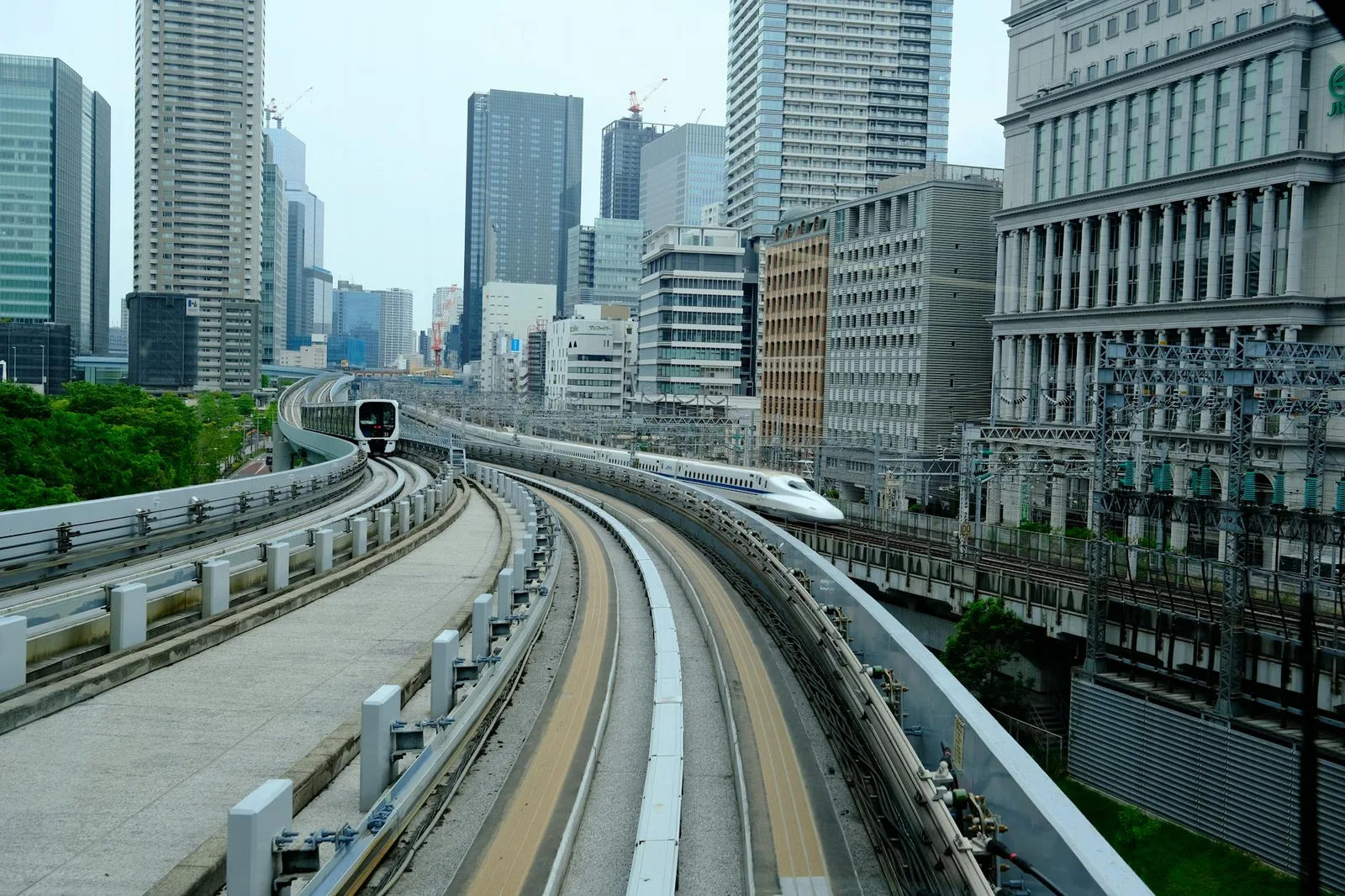
My pick: Skyliner if I’m staying in Ueno, Asakusa, Akihabara, or anywhere where a short transfer later makes sense.
Skip if: your hotel is in western Tokyo and the route would force a second long train ride anyway.
Keisei Access Express: cheap and decent
This is the budget choice I’d actually recommend, not the kind people mention to sound thrifty. Fares are often around ¥1,000–¥1,500, and the train uses the regular network rather than a flashy airport-only line. It’s slower than Skyliner, but if you’re staying somewhere connected to the subway or Keisei line, the savings are real.
Worth it if: you’re not in a rush and you know your hotel is easy to reach from the line.
Skip if: it means standing with luggage after a red-eye and making a transfer you don’t fully understand yet.
What I’d book ahead, and what I’d buy when I land
I do not book every transfer in advance, but I do book the rail ticket ahead when I know I’m landing during a busy period or I want a specific departure time. Narita Express and Skyliner both have reserved seats, and that can save you from standing around the ticket machine looking vaguely confused after a long flight. I’ve done that. It’s not fun.
Book ahead: Narita Express or Skyliner if you’re arriving on a Friday evening, during cherry blossom season, or with checked luggage and zero patience.
Buy on arrival: Keisei Access Express if your schedule is loose and you don’t mind waiting a few minutes for the next train.
I usually check train times and ticket options on Klook before I fly because I like seeing the price difference in one place, and sometimes the reserved-seat options are clearer there than on the station signs after a long-haul flight. If the airport is busy and you want to skip the line, this is one of the few times a prebooked transfer actually saves real stress: Klook.
Decision shortcut: if you’re staying less than 5 days and landing tired, pay for the cleaner train. If you’re on a longer trip and watching every yen, the cheaper Keisei route is fine as long as it drops you near your hotel.
How to get from the airport to your hotel without messing it up

The biggest mistake I see is people picking a transfer before they pick a neighborhood. Tokyo is huge, and “central” doesn’t mean the same thing on every line. I nearly booked a hotel in Shibuya once because the rate looked better, then noticed it was still a 12-minute walk from the station with luggage and a late arrival. I paid more for a place closer to the line instead. That was the right call.
See current Tokyo hotel prices on Agoda →
See current Tokyo hotel prices on Agoda →
Best for: Tokyo Station, Shibuya, Shinjuku, and Shinagawa travelers who want the fewest moving parts.
Skip if: you’re going to a small boutique hotel in a neighborhood with no easy rail connection and you’re arriving after 10pm.
My quick route cheat sheet
- Tokyo Station: Narita Express is the cleanest choice. I’d pay for it again.
- Shinjuku: Narita Express is still easiest, unless your hotel sits closer to Ueno or Nippori and you don’t mind a transfer.
- Ueno or Asakusa: Keisei Skyliner is the smart play.
- Shibuya: Narita Express usually wins on simplicity, even if it costs more.
If you’re figuring out this tokyo guide, the answer is usually the same: choose the route that gets you closest to your hotel with the fewest changes. A cheaper ticket can stop being cheap the moment you’re hauling a suitcase up stairs in the wrong station.
Tickets, machines, and the part nobody explains well
Narita is not hard, but it can feel clunky if you arrive without a plan. I like buying tickets at the airport because the counters are straightforward, and the staff are used to helping people who are visibly tired. If I’m taking the Skyliner or Narita Express, I look for the relevant ticket counter or machine and keep my hotel address open on my phone so I can match the line to the final stop.
I usually book Tokyo tours on Klook — the best time slots go fast, especially in peak season.
I usually book Tokyo tours on Klook — the best time slots go fast, especially in peak season.
Worth it: using the staffed counter if you’re unsure which route fits your hotel.
Skip: overthinking the cheapest possible route if it adds a transfer you’ll hate.
The one thing I’d tell my past self is to check whether the ticket includes a reserved seat and whether the ride is direct to the station I actually need. I once assumed a train name meant “close enough,” and that cost me an extra local transfer plus a few minutes of dragging a roller bag over platform gaps. Not tragic. Just dumb.
When I’d choose the bus anyway

I don’t love airport buses, but I don’t hate them either. If I’m staying in a big hotel near a direct stop, or if I’ve got late arrival timing and want to avoid train transfers after dark, I can see the appeal. The tradeoff is simple: you pay with time and traffic risk.
Only if: your hotel stop is direct and the bus schedule fits your arrival.
My pick: train for almost everyone, bus only for very specific hotel setups.
I expected the bus to feel calm and efficient the first time I tried it. Instead, we crawled into the city and I watched the clock like a hawk. It wasn’t a disaster, but it was enough to make me stop treating the bus as the default “easy” answer. For most travelers, it isn’t.
Rough daily estimates from my own trip. Prices shift by season.
What I’d do differently next time
I’d stop trying to save the smallest amount possible on the airport ride. That’s the wrong place to be stubborn. I’d also choose my hotel neighborhood first, then pick the transfer that fits it, instead of forcing a route because it looks cheaper on paper.
I’d book the Narita Express or Skyliner ahead whenever I’m landing late, because tired me makes worse decisions at the station. And I’d only use the bus if my hotel stop is direct and the traffic forecast looks boring, which is rare enough that I don’t count on it.
My final take
I’d take the train from Narita into Tokyo almost every time. It’s the cleanest balance of price, speed, and not being miserable with luggage after a long flight.
If I were going to Ueno or Nippori, I’d take the Skyliner. If I were heading to Shinjuku, Shibuya, Tokyo Station, or Shinagawa, I’d pay for Narita Express. The bus is fine only when it drops you close to your hotel and saves a transfer.
Best for: first-time Tokyo visitors, solo travelers, and anyone landing tired who wants the least annoying arrival.
Skip if: you’re trying to save every yen and don’t mind a slower local train plus one transfer.
Next time: I’d prebook the train if I’m arriving in the evening and choose my route based on the hotel neighborhood, not the cheapest fare I can find.
I expected the airport bus to be the easy, relaxing option since it promised door-to-door service, but I ended up sitting in traffic for nearly 90 minutes while watching the train zip past us near Ginza, and I paid ¥3,600 for the privilege. The real takeaway: don’t let “convenient” fool you—the train’s predictable 60-minute ride is worth far more than saving yourself one transfer.
FAQ
Is Narita Express worth the extra money?
Yes, I think it’s worth it if you’re going to a major Tokyo station and you want a simple ride with a reserved seat. I paid about ¥3,070 once instead of taking a cheaper transfer, and the lack of hassle was the point. If you’re exhausted or carrying more than one bag, I’d pay the difference again.
Can I get to Tokyo from Narita without booking anything before I land?
Yes, you can do that easily. I’ve bought tickets after landing more than once, and the station staff were used to helping people sort it out. The only time I’d book ahead is if I’m landing during a busy evening or I already know I want a specific reserved train.
What’s the cheapest decent way into the city?
The Keisei Access Express is the cheapest decent option I’d use. It usually lands around ¥1,000–¥1,500, and it’s fine if your hotel is on a route that doesn’t force a messy transfer. I wouldn’t pick it just to save a few hundred yen if it adds stress and extra walking with luggage.
Should I take a taxi from Narita to central Tokyo?
No, I wouldn’t, unless I was splitting the fare or arriving very late with a group. The cost can jump into the tens of thousands of yen, and that’s a brutal way to spend money on a transfer. Train or bus makes far more sense for almost everyone.
What if I’m landing late at night?
I’d choose the simplest train or a prebooked transfer and avoid improvising after midnight. Late arrivals are when tired brain decisions get expensive, and I’ve made enough of those to know better. If the train schedule is awkward, the bus or a private transfer can be worth it just to remove one problem.
 Emma Hayes