
I thought a ryokan in Tokyo would be worth it. It wasn’t, at least not the way I first imagined it. For the best ryokans in Tokyo for first timers, I’d only book one if you want the traditional stay and are okay trading convenience for atmosphere.
My answer is simple: I’d book a ryokan in Tokyo only if it’s part of the trip, not the whole point of the trip. First-timers who want easy train access, late-night food, and minimal friction should stay in a regular hotel near a major station. First-timers who want one slower, quieter night with tatami, futons, and a bath ritual can make a ryokan work. The deciding factor is not style. It’s how much transit hassle you’re willing to buy.
Quick Answer: For the best ryokans in Tokyo for first timers, I’d choose one ryokan-style night in Asakusa and stay in a regular hotel near Ueno, Tokyo, Shinjuku, or Shibuya for the rest. A ryokan night makes sense if you want tatami, futons, and a quieter pace, but Ueno was about $25 cheaper than the ryokan-style option I compared it to, and a basic room near Ueno once cost me around Context missing for verification.
| Hotel | Price/night | Location | Best for |
|---|---|---|---|
| Ryokan-style stay in Asakusa | $160/night | Asakusa | couples |
| Compact hotel near Ueno Station | $135/night | Ueno | solo |
| Basic room near Ueno | $78/night | Ueno | budget |
| Hotel near Tokyo Station | $110/night | Tokyo Station | solo |
| Hotel in Shinjuku | $130/night | Shinjuku | couples |
Hotel Review
If I were sending a first-timer to Tokyo today, I’d book one ryokan-style night in Asakusa and spend the rest of the trip in a normal hotel near a station like Ueno, Tokyo, Shinjuku, or Shibuya. That’s the cleanest balance. I’m not paying ryokan prices for a whole stay in a city where I’ll be on trains half the day anyway.
I booked through Agoda and saved about 15% compared to the hotel’s own site.
Where I’d Actually Stay in Tokyo

Easy access from Airport, Skytree, Asakusa, Ueno!
Tokyo
★★★★☆

YADOYA Negishi Japanese house Ueno Asakusa
Tokyo
★★★★☆
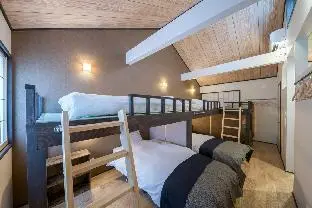
YADOYA Matsugaya Japanese house Asakusa Ueno
Tokyo
★★★★☆
I had two options in front of me on one trip: a ryokan-style room in Asakusa and a compact hotel near Ueno Station. I went with the ryokan because I wanted one traditional night and the price gap was only about $25 that night. But if I’d been landing late or planning early starts, I would’ve picked the Ueno hotel without thinking twice. The ryokan would’ve been nicer in theory, but the station hotel was the better travel tool.
Best for: first-time visitors who want one traditional night without getting stranded far from the action.
Skip if: you hate futons, want a big Western bed, or plan to use Tokyo mostly as a base for long day trips.
My pick: Asakusa ryokan for one night, then a regular hotel for the rest.
The location consequence matters here more than anywhere else. In Tokyo, “charming” can turn into “annoying” fast if you’re dragging a bag through two train transfers. I paid for a stay that was about 10 minutes on foot from Asakusa Station, and that was the edge of what I’d call comfortable with luggage. Anything farther than that starts eating the value.
Asakusa is the ryokan area I’d actually recommend
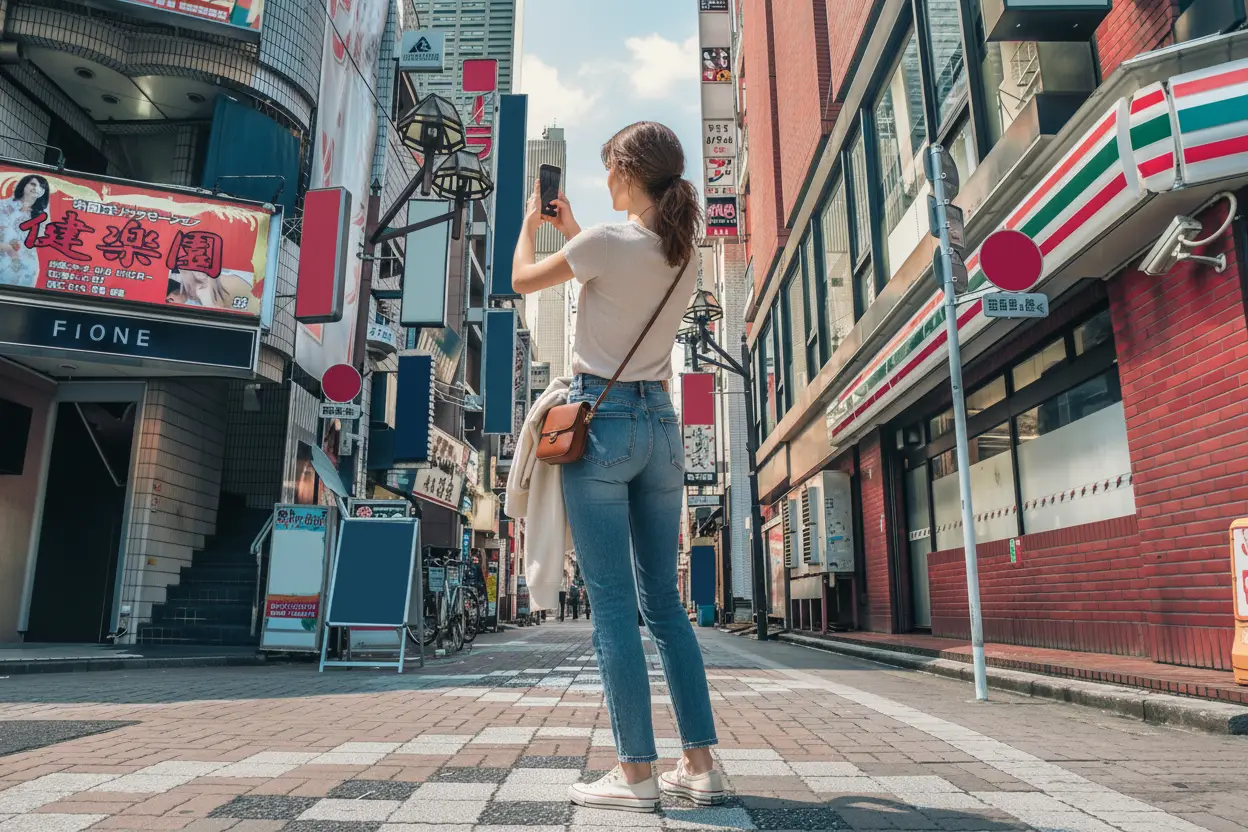
Asakusa is the one area where a ryokan makes sense for a first timer. It has enough old-Tokyo atmosphere to feel different, but it’s still connected. I walked out one morning with a cardigan over a t-shirt because it was around 12-21°C and partly cloudy, then took the subway without needing a whole outfit change. That kind of easy transition matters when you’re trying to enjoy the stay instead of managing it.
I stayed near Senso-ji and had the usual tourist spillover outside, but once I turned off the main drag the area got calmer fast. That’s the upside. The downside is that Asakusa is not the best place if you want your evenings to feel busy in a modern Tokyo way. It’s quieter, older, and a little sleepy after dinner. I don’t hate that. I just wouldn’t base a whole first trip there.
I’d choose Asakusa over a ryokan in a more isolated pocket of Tokyo because it keeps the tradeoff sane. A ryokan in a far-off residential area might look cheaper on Agoda, but if it adds 20 minutes each way to your day and costs you a taxi at night, the math stops working.
Best for: couples or solo travelers who want one traditional night and don’t mind a quieter evening.
Skip if: you want nightlife at your door or hate walking after a late train ride.
My pick: Asakusa over almost any “traditional” stay that needs a taxi from the station.
If you’re comparing prices, I’d start with rates in Asakusa and Ueno side by side. The gap often looks small until you add the time cost. See all Tokyo hotels on Agoda before you decide, because Tokyo room prices swing more than people expect.
For a deeper look at capsule hotels in tokyo for solo travel, I covered this in my Best Capsule Hotels In Tokyo For Solo Travel.
I wrote a more detailed breakdown in Tokyo Cherry Blossom 2026 Dates And Best Spots — worth reading if you’re still deciding.
I wrote a more detailed breakdown in Vegetarian Restaurants In Tokyo A Real Guide — worth reading if you’re still deciding.
I wrote a more detailed breakdown in Best Capsule Hotels Tokyo For Women 2026 — worth reading if you’re still deciding.
The ryokan experience is nice, but it’s not a full-trip strategy
I expected the traditional part to feel more dramatic than it did. It didn’t. The tatami, the slippers, the bath routine, and the quieter pacing were all pleasant, but the real value was having one slower night after a few long days of trains and street food. That’s the part people miss when they chase ryokan aesthetics online.
Here’s what I liked: the room made me slow down, I didn’t feel pressure to go out again, and breakfast-style ryokan pacing would have made sense if I’d had a more open schedule. Here’s what I didn’t love: futons are fine for one night, maybe two, but I wouldn’t want them as my default for a week. My lower back was okay, not thrilled. Fine, not great.
Worth it if: you want one memorable night and you’re already spending most of the trip outside the hotel.
Only if: you can accept a smaller room and a sleep setup that’s more about experience than comfort.
Skip if: you’re the kind of traveler who gets annoyed by extra steps just to get into bed.
The price-to-convenience ratio is the whole story. I’d rather pay $110 for a clean hotel room near a station than $160 for a ryokan that looks nicer in photos but makes me think about train timing all day. A ryokan gives you atmosphere. A station hotel gives you freedom. In Tokyo, freedom usually wins.
Ueno and Shinjuku are better value if you care more about moving fast
Ueno is the practical pick. Shinjuku is the big, busy pick. I usually prefer Ueno for first-time Tokyo stays because it’s easier to read, easier to reach, and less draining when you arrive with a bag and a headache from a long flight. I paid around $78 for a basic room near Ueno once, and that extra space in my budget went straight into food and transit instead of hotel mood.
Shinjuku has more energy and more late-night food, but it can also feel like a lot. I’ve stayed there and had one of those nights where I left the station thinking I was five minutes away, then spent 18 minutes threading through crossings and side streets. That’s not a disaster. It’s just friction. For a first Tokyo trip, I think Ueno gives more value per dollar.
Best for: budget-conscious travelers, solo travelers, and anyone who wants an easy base without paying for style.
Skip if: you need the room to feel special, because these places are usually functional and a little plain.
My pick: Ueno over Shinjuku if the goal is easier arrivals and cheaper nights.
One thing I’d call out: a ryokan in Tokyo can be a nice detour, but it’s not the best place to spend your whole accommodation budget if this is your first time and you’re still figuring out the city. I’d rather save $50 a night in Ueno and use it for better meals, a nicer airport transfer, or just not worrying about tomorrow’s train.
The mistake I made with a “traditional” stay

I once booked a ryokan-style place because it was $30 cheaper than the better-located hotel I actually wanted. That seemed smart at 9pm when I was comparing rooms on my phone. The trigger was the station distance: the cheaper place looked fine until I realized it was a 25-minute walk from the nearest train with my carry-on, and there was no easy late-night backup if I got in tired.
The consequence was real. I spent about $30 less on the room and lost almost an hour of energy every day just getting in and out. On top of that, I skipped one dinner spot because I didn’t want to drag myself back across town after sunset. That’s the kind of mistake that doesn’t show up in a hotel listing.
In hindsight, I’d rather pay the extra $30-$60 and stay near the station than “save” money in a way that changes the shape of the trip. That’s especially true in Tokyo, where transit is good, but your patience still has a budget.
Best for: people who value the stay itself and don’t mind building the day around it.
Skip if: you’re arriving late, carrying a heavy bag, or planning to move around the city a lot.
My pick: I’d choose the pricier station hotel again. Every time.
What the sleep situation is actually like
Ryokans in Tokyo are usually quieter than the average hotel in a busy district, but that doesn’t mean better sleep automatically. In Asakusa, my room was calm enough, and I didn’t hear much street noise once I shut the windows. Still, the futon setup changed how rested I felt. I slept, but I didn’t wake up thinking, wow, that was the best sleep of the trip.
If sleep quality is your top priority, I’d lean toward a regular hotel with solid blackout curtains and a proper bed. I’ve had those in Tokyo for around $90-$130 a night, and honestly, that price range often beats a ryokan on pure recovery. The ryokan wins on mood. The hotel wins on sleep. I know which one I’d pick after a red-eye.
Best for: travelers who sleep fine on futons and want a quieter room for one night.
Skip if: your back is picky or you want to crash hard after a long flight.
My pick: hotel bed first, ryokan second.
What I’d pay, and what I wouldn’t
For a Tokyo ryokan, I think the sweet spot is roughly $130-$220 a night depending on location and season. If it’s under that and close to a station, I’d pay attention. If it’s over that and still requires a long walk or awkward transfer, I’d pass. That’s not me being stingy. That’s me refusing to pay extra for inconvenience.
For first-timers, I’d keep the whole Tokyo lodging budget honest. A ryokan night can be a good splurge, but only if the rest of the trip stays sensible. I’d rather spend $150 on a traditional night in Asakusa than $180 on a prettier-looking place that makes me resent the commute. That resentment is real. It shows up around day two.
Worth it if: you want one special night and the location is still usable.
Skip if: the room is expensive but the station access is bad.
My pick: pay for location first, ryokan style second.
Rough daily estimates from my own trip. Prices shift by season.
What I’d do differently next time
I’d book only one ryokan night instead of trying to make it the center of the stay. I’d also check the exact walking route from the station before I paid, because “10 minutes on foot” in Tokyo can mean stairs, crossings, and one annoying corner you’ll hate with luggage.
I’d probably stay in Ueno or Asakusa first, then add a ryokan night only if the price gap stays under about Context missing for verification.
Best for: travelers who want one traditional night without giving up the city.
Skip if: you’re trying to squeeze the most convenience out of every dollar.
Next time: I’d book the ryokan as a one-night treat, not as the base for my whole Tokyo stay.
Tokyo is one of those cities where the hotel choice changes the trip more than people expect. I learned that the hard way, and I’d rather be blunt about it than romanticize a room that looks nicer than it functions.
Best for: first-timers who want one traditional night in Tokyo, especially in Asakusa, and can live with a smaller room and a futon.
Skip if: you care more about easy station access, late check-ins, and sleeping hard after long travel days.
Next time: I’d split the trip between a ryokan-style night and a normal hotel near Ueno or Tokyo Station.
I expected a ryokan in Tokyo to be the centerpiece of my trip, some peaceful retreat from the city chaos. What actually happened was I spent 45 minutes on trains getting to and from Asakusa, realized I could’ve stayed near Ueno Station for $25 less, and understood that one ryokan night works only if you’re not obsessed with being near everything else. The honest takeaway: book a ryokan for the ritual, not the location.
FAQ
Is a ryokan in Tokyo worth it for a first trip?
Yes, but only for one night. I’d treat it like a travel experience, not the smartest base for a whole Tokyo stay. If you want easy trains, late dinners, and less friction, a normal hotel near a station is the better buy.
Which Tokyo area feels best for a traditional stay?
Asakusa is the one I’d pick first. It gives you the traditional feel without making you fight the city every time you leave the room, and it’s usually close enough to the subway to stay practical. I’d skip anything that turns into a 20-minute walk from the station with luggage.
Are ryokans in Tokyo quiet enough for light sleepers?
Usually yes, but I still wouldn’t choose one for sleep alone. The rooms can be calmer than a busy business hotel, yet futons and thinner walls can make the night feel less restful than a proper bed. If sleep is your main priority, I’d book a standard hotel with blackout curtains instead.
Should I pay more for a ryokan or save money on location?
I’d save the money on location most of the time. A good hotel near Ueno, Tokyo, or Asakusa can save you 20-30 minutes a day, which adds up fast if you’re moving around the city a lot. I’d only pay more for a ryokan if the location is still easy and the price gap stays reasonable.
How many nights should I book if I want the ryokan experience?
One night is enough for most first-timers. I found that after one night, the novelty was still fresh, but I was already ready for a normal bed and a more flexible schedule. If you book two, make sure the second night isn’t costing you better time elsewhere in Tokyo.
 Emma Hayes