
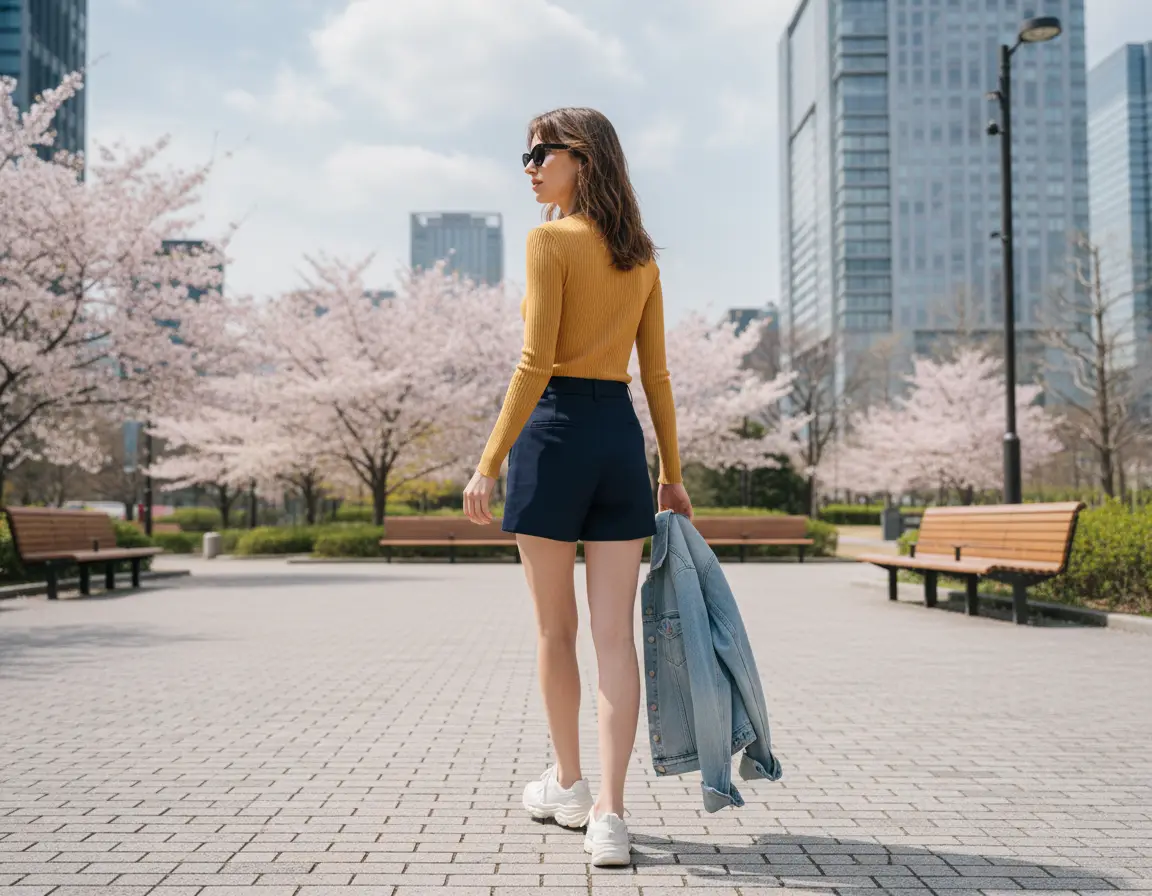
Tokyo was supposed to be overwhelming. It was, a little. I still think it’s the better first stop for most people because it gives you the widest range of neighborhoods, transit options, day trips, and food without forcing you into a car or a tour bus.
If you’re choosing between Tokyo and Osaka for a first Japan trip, I’d choose Tokyo because it’s the cleaner “base city” decision. Osaka is easier in some ways and cheaper in others, but Tokyo gives you more room to build a trip that can flex. Choose Osaka only if food is your main obsession, you want a smaller city feel, or you’re pairing it with Kyoto and want to keep moving less.
Best for Tokyo: first-timers who want the biggest range of neighborhoods, rail connections, and day-trip options.
Best for Osaka: travelers who want a simpler city, lower hotel prices, and a more casual food-first trip.
My pick: Tokyo, because the extra transit complexity pays off in options.
Quick Answer
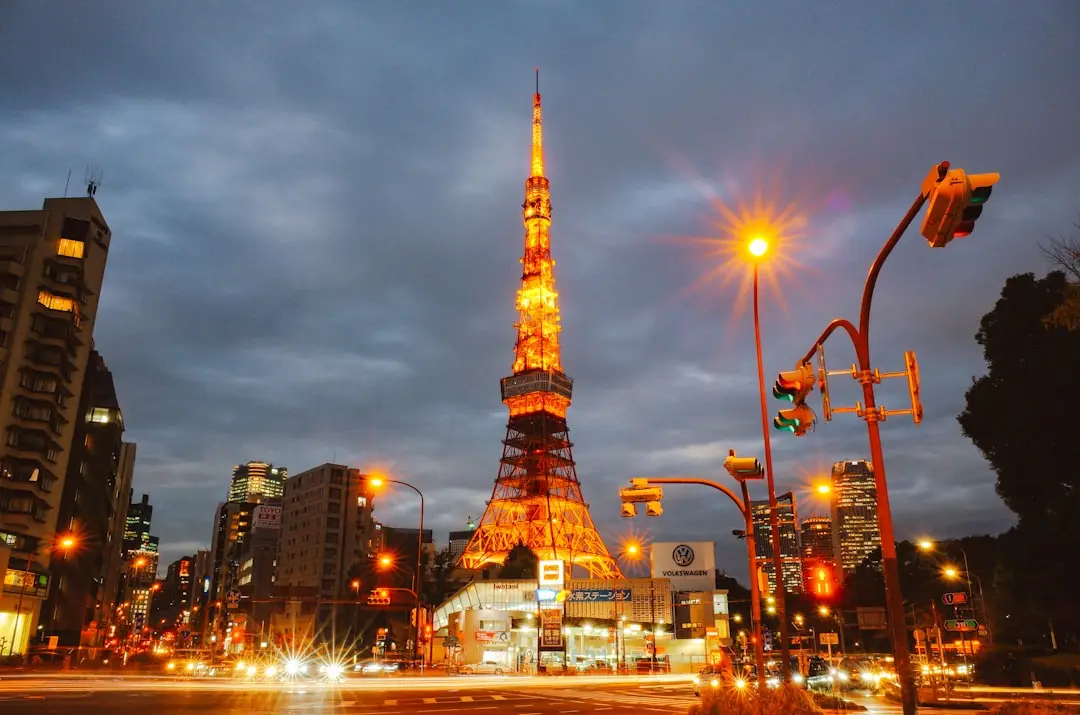
- I’d choose Tokyo if this is your one big Japan trip and you want the most flexibility from a single base.
- I’d choose Osaka if you care more about easy street food, cheaper lodging, and a city that feels less spread out.
- The biggest tradeoff is not “which city is better.” It’s whether you want range or simplicity.
- If you only have 5 to 7 days in Japan, Tokyo gives you more ways to adjust when weather, jet lag, or train timing gets annoying.
I spent my first morning in Tokyo dragging a carry-on through Shinjuku station and immediately understood the downside. It’s huge. I also paid ¥1,900 for a simple lunch and realized fast that Tokyo can eat your budget if you’re careless. Still, I’d rather manage that than feel boxed in by a smaller base city.
Best for: travelers who want one city that can handle museums, food, shopping, and side trips without changing hotels.
Skip if: you hate big stations, don’t want to learn train lines, and want the easiest possible first-timer setup.
My pick: Tokyo, because the city gives more back when the trip is short and every day matters.
Why I’d Start With Tokyo
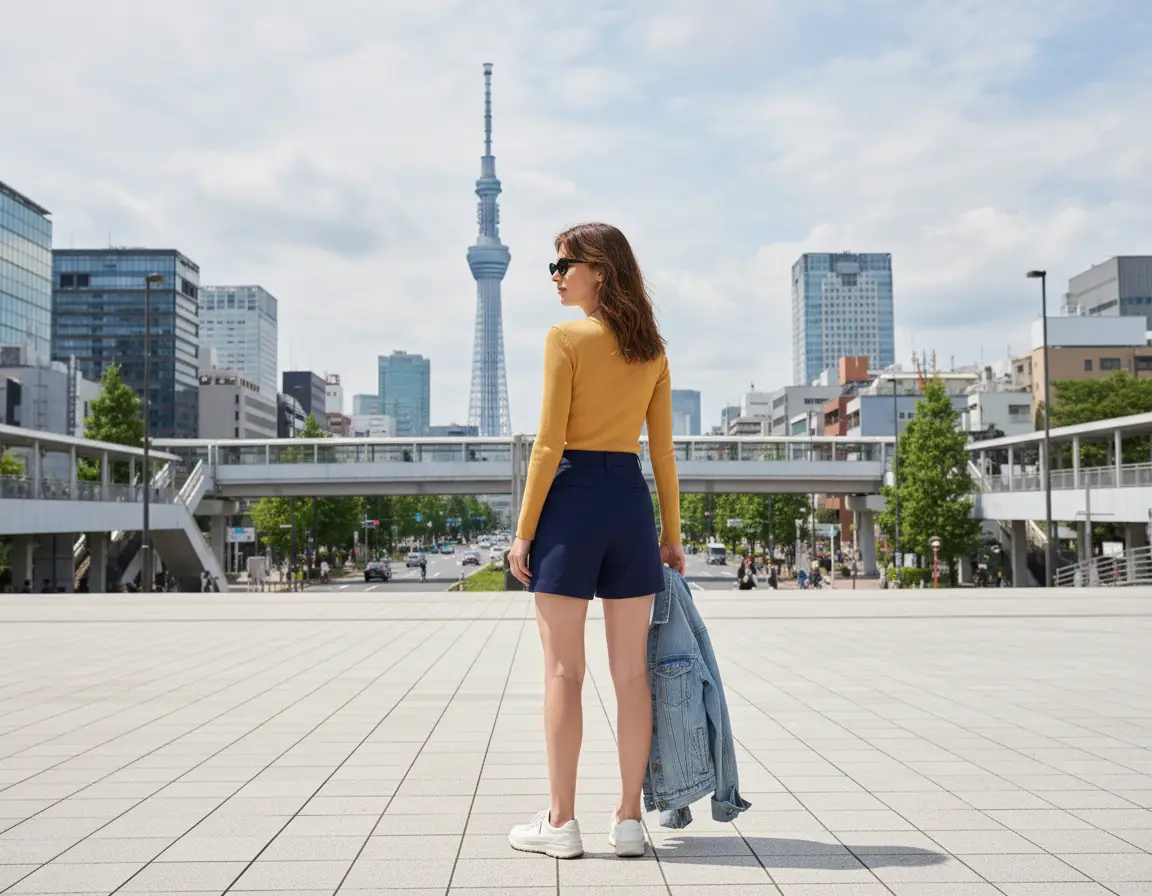
Tokyo won me over because it solves problems Osaka can’t solve as well. If your flight lands late, if it rains, if you’re jet-lagged, or if you decide halfway through breakfast that you want to go somewhere else, Tokyo has the rail lines and neighborhood density to absorb that. I stayed near Shibuya once and walked to dinner, a convenience store, a 24-hour pharmacy, and a late-night ramen place without thinking about it too hard. That kind of friction-free day matters more than people admit.
The other reason is range. Tokyo can be polished in Ginza, chaotic in Shinjuku, low-key in Kiyosumi, and still feel like the same trip. Osaka is easier to read, but that also means less variation. I had one day in Tokyo where I started with coffee in Kanda, ate lunch in Ueno, and ended the night in Shimokitazawa. I didn’t need a taxi once. That level of movement is useful, not glamorous.
I also think Tokyo is the stronger first-trip choice because it makes side trips simpler. From Tokyo Station, I’ve caught the shinkansen to Kanazawa in under 3 hours and the JR lines to places like Kamakura in about an hour. Osaka has good access too, but Tokyo’s network gives you more ways to pivot if your plans change. That matters on a first trip when you’re still figuring out how much you actually want to move around.
Worth it if: you like a city that can be both your base and part of the trip itself.
Not great if: you want a slower, smaller, easier-to-map place right away.
My pick: Tokyo, because I’d rather have too many options than not enough.
I expected Tokyo to feel cold and almost too efficient. It didn’t. It felt busy, sure, but not dead. One afternoon in Asakusa I bought a ¥300 melon pan, sat on a curb for five minutes, and watched a mix of tourists, school kids, and office workers move through the same block without anyone performing for the camera. That’s the part I didn’t expect.
Where Osaka Makes More Sense
Osaka is the better choice if you want a first Japan trip that feels easier from day one. I’m not pretending otherwise. Hotels are often cheaper, the city is smaller, and the food scene is so straightforward that you can eat well without planning much. I paid about ¥1,100 for takoyaki and a drink in Dotonbori, and even with the tourist markup, it was still a better value than a lot of the “famous” food in Tokyo that comes with a queue and a smaller portion.
Osaka also works better if you’re doing the classic Kyoto-Osaka combo and don’t want to keep your bag moving around. I’ve stayed in Osaka as a base for Kyoto day trips, and that setup is efficient. Kyoto is close enough that you can go in early, leave before the evening crush, and sleep in a city that’s easier on the wallet. If your trip is more temple-heavy than city-heavy, Osaka fits the route better.
But I don’t think Osaka beats Tokyo for a first-timer unless that simpler setup is the main goal. Osaka is friendlier to wandering, but it’s not as strong for “I want one place that can do everything.” I’d choose Osaka only if you know you care more about food, nightlife, and lower costs than about breadth.
Best for: travelers who want cheaper hotels and a city that’s easier to read without studying transit maps.
Skip if: you want the most variety in neighborhoods and day-trip options.
My pick: Osaka only when I’m building a shorter, food-led trip.
I figured Osaka would feel a lot more local than Tokyo. It didn’t, not in the parts most first-timers actually stay in. Dotonbori was packed with signs, snack stalls, and people taking the same photos from the same bridge. It was fun for an evening, but I wouldn’t base an entire first Japan trip around that one strip.
Cost, Time, and Convenience: The Part That Actually Changes the Trip

Tokyo is usually the more expensive base, but not by some ridiculous amount if you stay smart. On my last trip, I could find decent private rooms in Tokyo around ¥8,000 to ¥14,000 per night in areas like Ueno, Kanda, or parts of Shinjuku. In Osaka, I saw similar rooms more often in the ¥6,500 to ¥11,000 range. That’s real money, especially over 5 nights. If you’re watching every yen, Osaka wins on lodging.
Food is a split decision. In Tokyo, I could eat a solid bowl of ramen for around ¥1,000 to ¥1,400, grab a convenience-store breakfast for under ¥500, and spend too much on one sit-down meal because I got curious. In Osaka, I found more low-stress street food options and a little less “should I really pay this much?” energy. For a budget traveler, Osaka is easier to keep cheap without feeling punished.
Transport is where Tokyo pulls ahead for me. A normal subway or JR ride often runs around ¥170 to ¥320, and the city’s coverage means I didn’t waste much time backtracking. In Osaka, getting around is still easy, but if you’re doing Kyoto or Nara on top of it, the decision shifts from city transport to trip structure. The train from Osaka to Kyoto can be roughly 30 to 45 minutes depending on where you start. From Tokyo to Kyoto, you’re looking at a shinkansen ride of about 2 hours 10 minutes to 2 hours 20 minutes, which is a different kind of commitment. That’s why Osaka works better for a Kyoto-heavy plan and Tokyo works better when the city itself is the main event.
Here’s the tradeoff in plain terms:
- Money cost: Osaka is usually cheaper for hotels by about ¥1,500 to ¥4,000 a night.
- Time cost: Tokyo saves more time when you want to change plans inside the city.
- Energy cost: Osaka is less mentally tiring; Tokyo asks you to read more station signs and line maps.
- Opportunity cost: Choosing Osaka means giving up some of Tokyo’s neighborhood variety and day-trip range.
Budget-wise: Tokyo usually lands around ¥9,000 to ¥16,000/day for a careful traveler. Osaka can come in around ¥7,500 to ¥13,000/day if you keep lodging reasonable.
Rough daily estimates from my own trip. Prices shift by season.
I compared the options in Tokyo Cash Or Card Which To Use — useful if you haven’t booked yet.
Vibe and Rhythm: Big-City Range vs. Easygoing Fun
This is where the real difference shows up. Tokyo feels like a collection of cities stitched together. You can spend a morning in a quiet temple area, a lunch break in a department store basement, and a late night in a tiny bar with six stools. Osaka feels more compact and casual. It’s easier to settle into. I don’t think that means it’s more interesting. It just means the day moves with less friction.
I noticed this most in how I ate. In Tokyo, I had to make more decisions. Which station exit? Which ramen line? Which neighborhood tonight? In Osaka, I could wander around Namba and just eat. That’s useful if you want less planning. It’s also a little repetitive after a while. Fine, not great.
Tokyo also wins if you care about mixing up your days. One morning I went to Tsukiji Outer Market, then walked through Ginza, then took the train to Nakameguro for an afternoon coffee stop. That kind of day feels stitched together in a good way. Osaka has its own rhythm, but it leans more heavily on food and nightlife. If that’s what you want, great. If you want museums, parks, quiet residential blocks, and shopping streets all in one trip, Tokyo gives more texture.
Better if: you want your first Japan trip to feel varied without needing a different base every two nights.
Skip if: you hate crowds and don’t want to spend time filtering through busy stations.
My pick: Tokyo, because I’d rather have one complicated city than one easy city that runs out of gears.
I also had one wrong assumption that changed my view. I expected Osaka to be the more “real” city and Tokyo to feel overly polished. That was too simple. In Tokyo, I ended up eating in tiny spots where the menu was half handwritten and the staff barely looked up, and those meals felt more local to me than some of the loud, tourist-heavy stuff in Osaka. The lesson: don’t confuse smaller with more authentic.
The One Trip Type That Changes Everything
If your first Japan trip is 7 to 10 days and you want to stay in one base, I still choose Tokyo. It handles slow mornings, rainy days, and random side trips better. If you’re doing 4 to 6 days and splitting your time between Kyoto and one city base, Osaka can be the smarter move because it keeps the whole route tighter and cheaper.
I made the mistake once of trying to save money by choosing a cheaper Osaka hotel far from the station. The room was ¥2,000 less per night, which sounded smart when I booked it. The catch was a 17-minute walk with my bag, twice a day, plus a station transfer that added another 20 minutes every time I went to Kyoto. That “savings” disappeared in tired legs and wasted time. Next time, I’d pay more to stay closer to the line I actually use.
Best for: Tokyo if you want one base for a longer first trip and don’t want to think about moving hotels.
Choose Osaka only if: you’re pairing it with Kyoto and want the cheaper, simpler city to sleep in.
My pick: Tokyo for a first trip of a week or more, Osaka only for a tighter Kansai-focused route.
The Night I Switched My Plans Because of One Train Ride
One evening in Tokyo, I was staying in Shinjuku and had planned to go out in another neighborhood after dinner. Then I checked the time, saw how easy it was to hop on a train, and changed the plan twice before I even left the station area. That flexibility sounds minor until you’re tired. I had sunglasses in my hand during the afternoon, a jacket by evening, and no interest in hauling myself across the city for something mediocre.
That’s the part Tokyo does better than Osaka for me. It gives you more ways to salvage a day. If dinner is bad, you can pivot. If a museum line looks terrible, you can skip it and still have a full evening. Osaka is easier to live in, but Tokyo is easier to recover in. I care about that more than most guidebooks do.
Worth it if: you travel the way I do, which means changing plans when the day starts to drag.
Not worth forcing if: you prefer one neighborhood, one dinner plan, and no transit homework.
My pick: Tokyo, because I like having an escape hatch built into the city.
What I’d Do Differently Next Time
I’d book Tokyo accommodation closer to the line I actually use, not just the neighborhood I like on a map. I’d also stop pretending I’m going to “just figure out” station exits on the fly. That’s how you end up walking an extra 10 minutes for no reason.
I’d still keep Osaka in mind for a future trip, but I wouldn’t use it as my first base unless the whole trip was built around Kansai. Tokyo gave me more room to make mistakes without wasting the day. That mattered.
Final Call: Which City I’d Choose First
Tokyo is the better first Japan base if you want the most options, the strongest rail network, and a trip that can absorb changes without falling apart. Osaka is the better pick if you want lower costs, a smaller city, and a more relaxed food-centered trip.
If I only had one chance to see Japan for the first time, I’d start in Tokyo again. If I already knew I wanted Kyoto as the main focus and just needed a cheaper, easier sleep base, I’d switch to Osaka.
Best for: first-time visitors who want the most flexibility, the best transit connections, and a city that can handle changing plans.
Skip if: you hate big stations, want the cheapest possible hotel, or are mostly going for Kyoto and food.
Next time: I’d still pick Tokyo, but I’d stay closer to a station and avoid paying extra for a prettier address that doesn’t save time.
See current Tokyo hotel prices on Agoda →
I usually book Tokyo tours on Klook — the best time slots go fast, especially in peak season.
FAQ
Is Tokyo too overwhelming for a first Japan trip?
No, I don’t think Tokyo is too overwhelming if you stay near a major station and keep the first day light. The city is huge, but the train system and convenience stores make it easier than it looks on paper. I’d still plan one simple dinner and one short walk on arrival day, not a full schedule.
Is Osaka cheaper enough to matter?
Yes, Osaka is cheap enough to matter, especially on hotels. I usually saw private rooms about ¥1,500 to ¥4,000 less per night than comparable Tokyo options. Over 4 nights, that can cover a decent train ride or a nicer meal or two.
Which city is better if I want to eat well without planning much?
Osaka wins for low-effort eating. I could wander around Namba and find good snacks fast, while Tokyo usually asked for a little more neighborhood choice and line-watching. If food is the main point of the trip, Osaka is the easier city.
Should I base myself in Tokyo and do Osaka as a day trip?
No, I wouldn’t do Osaka as a day trip from Tokyo. The shinkansen is fast, but that still turns into a long and expensive day once you add station time, food, and moving around the city. I’d only combine them if you have enough days to sleep in both places.
Which one is better for a short trip with just 5 or 6 days?
Tokyo is better for a short first trip if you want one city that can do a lot. Osaka is better only if your plan is already centered on Kyoto and you want fewer moving parts. For a short trip, I’d avoid adding extra hotel changes unless you really need to.
 Emma Hayes