

Tokyo was supposed to be my base. It turned into a city where I kept looking at the train map and thinking, “I can leave, but I don’t need to.” That said, I still took a few day trips, and only three felt worth the time and money. If you’re looking for the best day trips from Tokyo, these are the ones I’d actually do again.
My answer is simple: I’d do Hakone, Kamakura, or Nikko depending on what I wanted that day. They fit travelers who already have at least 4-5 days in Tokyo and want a change of pace without sleeping somewhere else. I would skip the farther trips if your schedule is tight, because Tokyo itself eats more time than people expect.
What matters most is train time, not the name of the place. A “famous” day trip that takes 2.5 hours each way sounds fine online. In real life, it can eat your whole day and leave you with one overpriced lunch and a headache.
Quick Answer: My top three best day trips from Tokyo were Kamakura, Hakone, and Nikko. Kamakura was the easiest and cheapest, Hakone was the best scenery day, and Nikko was worth it only if I left early. If you only have one spare day, I’d pick Kamakura first.
Day by Day
Day 1: Kamakura for the easiest win
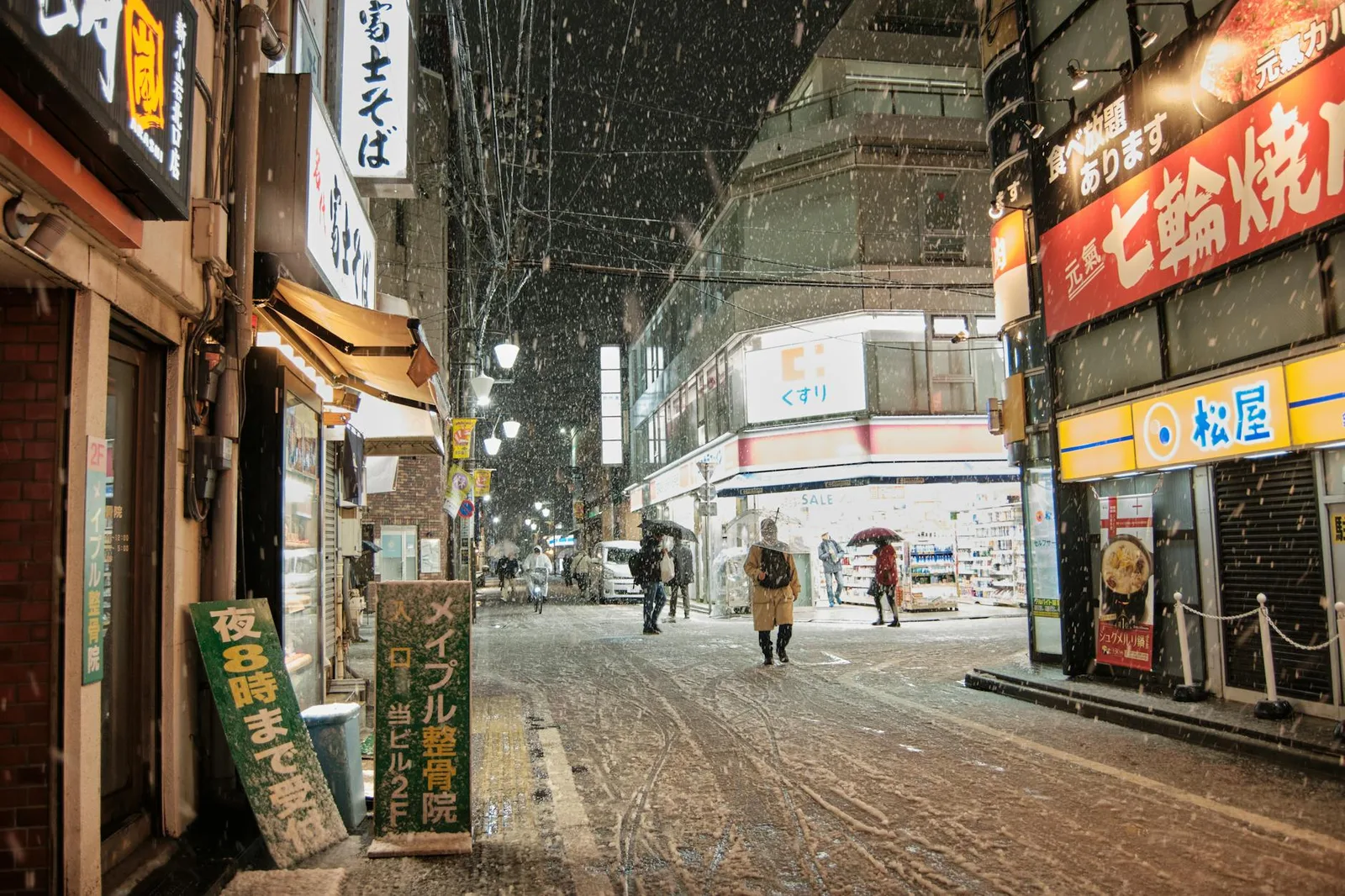
I’d do Kamakura first if I wanted a day trip that didn’t feel like work. It’s the one I’d send to a friend who wants temples, a beach-adjacent town, and a low-stress day without a complicated transfer chain. I paid about ¥950 one way from Tokyo Station to Kamakura Station with a JR route, and the whole thing felt annoyingly easy in the best way.
From Tokyo Station, I took the JR Yokosuka Line to Kamakura Station. It took about 55 minutes and cost around ¥950. That’s the kind of transit that makes a day trip actually happen instead of sitting in your notes app forever.
My actual route
I started at Kamakura Station, then walked 15 minutes to Komachi Street for breakfast. I grabbed a simple matcha soft serve and a croquette for around ¥700 total. Nothing fancy. Fine, not great, but it solved the “I’m hungry and I don’t want to sit down for 40 minutes” problem.
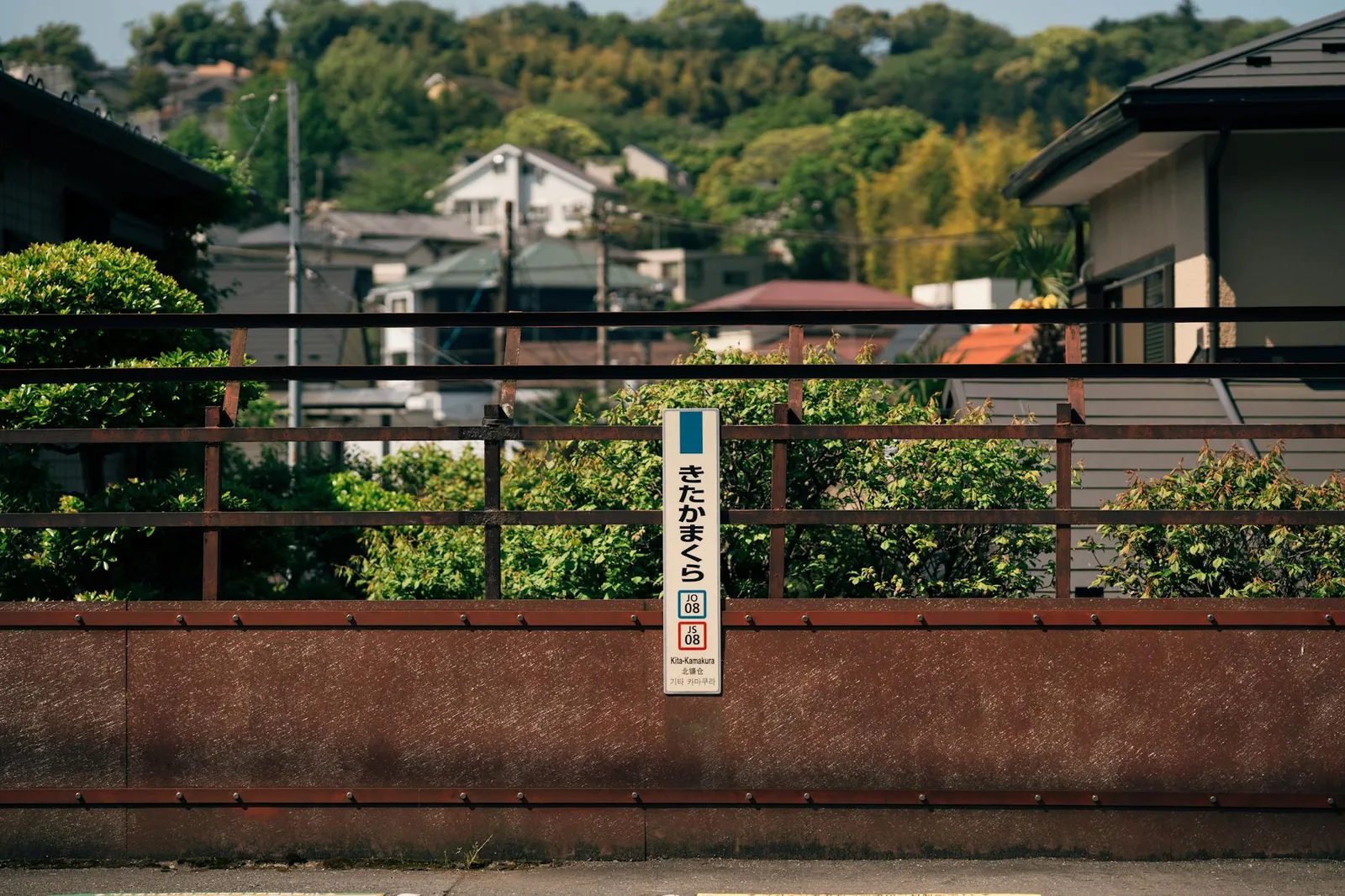
After that, I walked or took the Enoden depending on the stop. The Enoden is a little local train that costs only a few hundred yen per ride, and it saves time if your feet are already tired. I used it because I didn’t want to waste energy on a hot, crowded stretch of walking.
My main stop was Hase-dera, which cost ¥400 to enter. I was there about 45 minutes, maybe a bit longer because I sat down more than I planned. I also went to the Great Buddha at Kotoku-in, which was ¥300 and took maybe 20 minutes. Honest verdict: worth it if you’ve never seen it, but don’t build your whole day around it.
Best for: First-time Tokyo visitors who want a relaxed day with real transit simplicity.
Skip if: You only have one extra day and still haven’t seen enough of Tokyo itself.
My pick: Kamakura is the one I’d do first because it gives the most return for the least hassle.
What I’d eat there
I ate near Kamakura Station because I didn’t want to waste time hunting for a sit-down place in the middle of the day. A basic soba set was around ¥1,200, and that felt fair. The area around Komachi Street has plenty of food, but I’d avoid anything with a line longer than 30 minutes. That math never works out.
Skip if short on time: Enoshima. I went back and forth on adding it, but it would have turned a clean day into a rushed one. If you only have one day outside Tokyo, Kamakura alone is enough.
Day 2: Hakone for mountains, lakes, and a slower pace
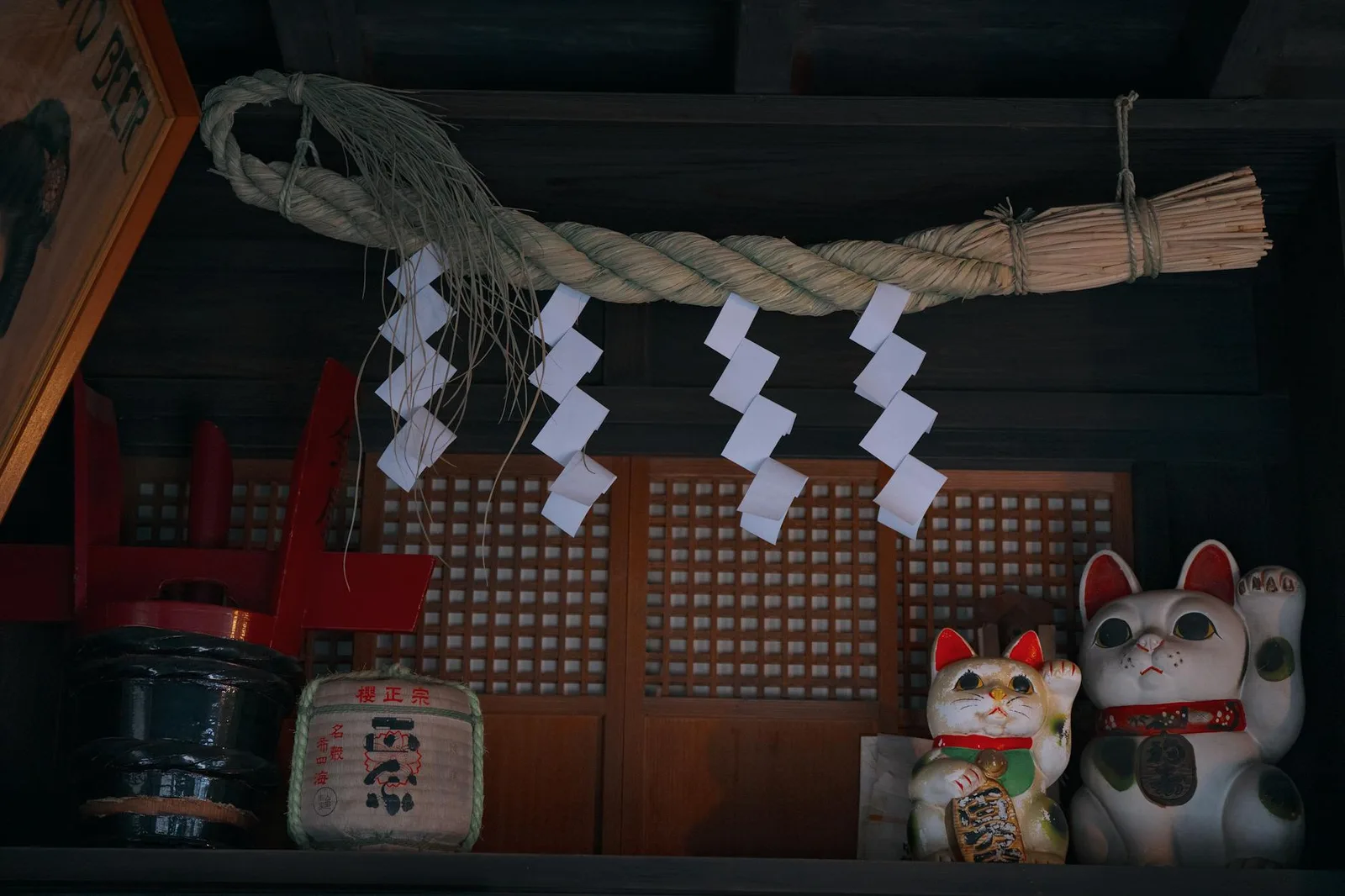
Hakone is the day trip I’d choose if I wanted scenery more than temples. It’s not cheap, and it’s not the fastest. Still, it’s the one that felt most different from Tokyo, which matters if you’re already spending your nights in the city. I’d call it worth it, but only if you leave early.
I took the Odakyu line from Shinjuku to Hakone-Yumoto. The ride is around 85 to 100 minutes depending on the train, and the basic fare is roughly ¥1,000-¥1,200 before any limited-express upgrade. I paid for the romance of a smoother ride once, and I don’t regret it. The cheaper train would’ve worked, but not if I was already tired.
The route that actually works
From Hakone-Yumoto, I transferred to the Hakone Tozan Railway and then used local buses and the ropeway as needed. The full loop can get complicated, which is exactly why I wouldn’t do Hakone as a last-minute “we’ll figure it out” day. I’d either buy the Hakone Free Pass or at least map out the loop the night before.
I spent about ¥5,000-¥6,500 total on transit and small entry fees that day, not counting lunch. That’s not cheap for a day trip, and I think that’s the main tradeoff. You’re paying for movement and views, not for a ton of attractions.
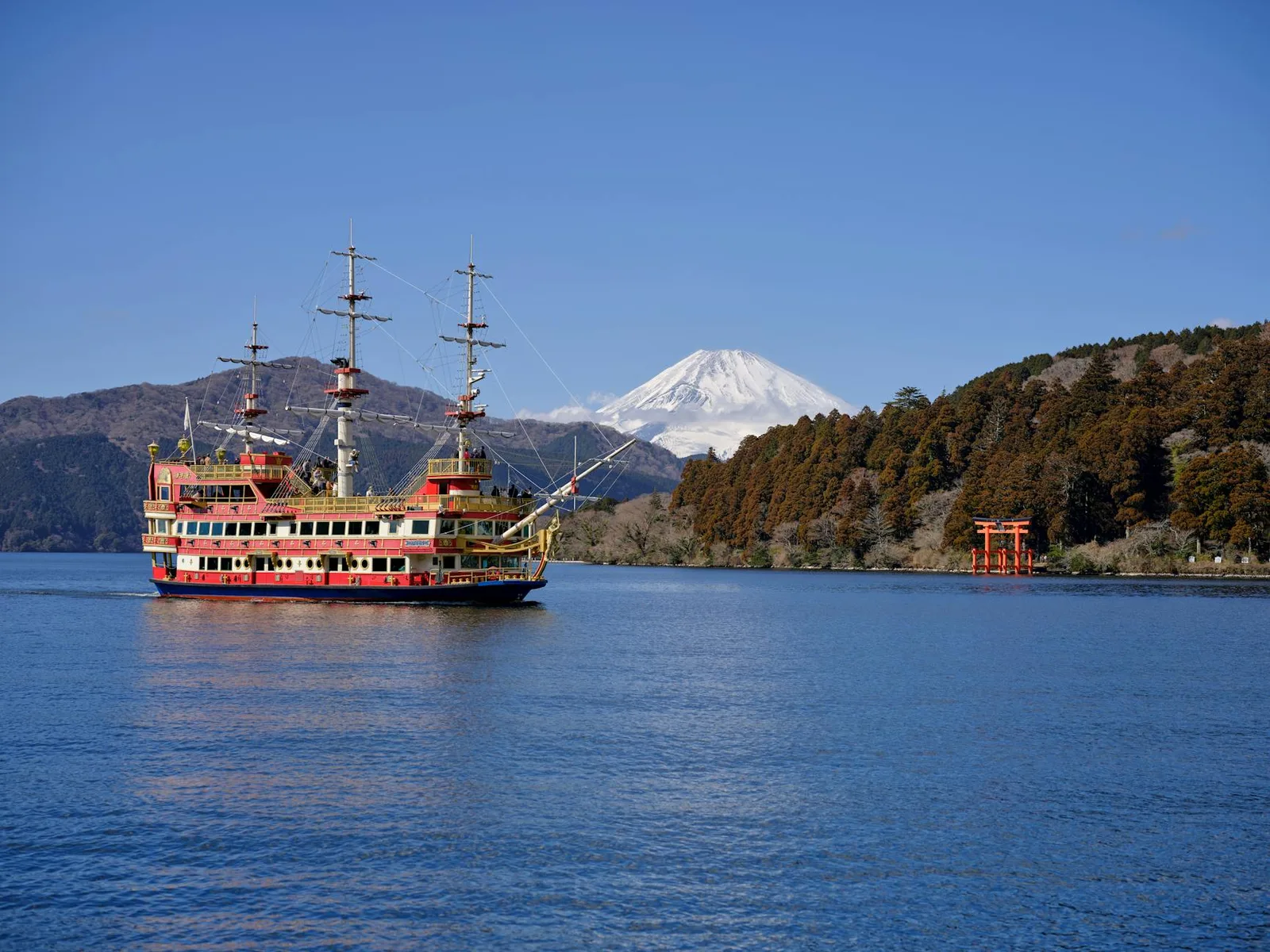
I stopped at Lake Ashi and took the pirate-style sightseeing boat once. Tourist-y? Yes. Silly? Also yes. But I had a cloudy afternoon, around 11-21°C that week, and the light jacket I’d thrown over a long-sleeve shirt was enough while I sat outside for the short crossing. I don’t love gimmicks, but this one was fine because the lake itself did the heavy lifting.
Best for: Travelers who want a break from the city and don’t mind spending more for a full day out.
Skip if: You hate transit puzzles or you’re trying to keep the day under ¥3,000
My pick: Hakone is worth it once, not as a repeat trip on a short Tokyo stay.
What I’d skip in Hakone
I’d skip anything that adds a long queue for a mediocre payoff. The famous ropeway can be fun, but if the wait is ugly, I’d rather spend that time at a quieter viewpoint or on a bench with a snack. I’ve stood in too many lines for views I could’ve enjoyed more from a less famous angle.
Skip if short on time: the full loop plus museums. Pick either the lake-and-ropeway day or the museum-heavy day. Trying to do both in one day turns Hakone into a logistical hobby.
Day 3: Nikko for shrines, cedar trees, and a long ride that’s still worth it
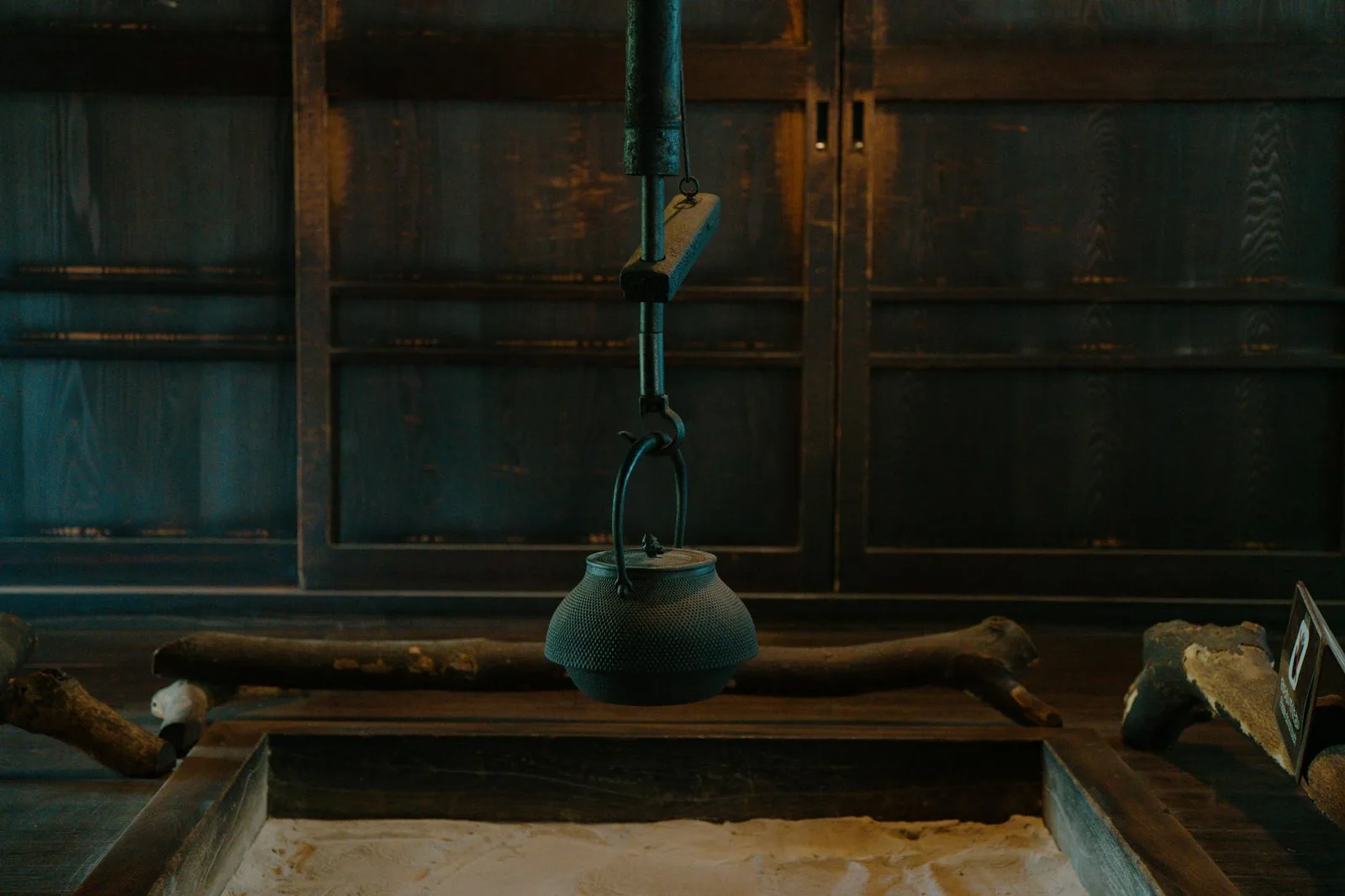
Nikko is the trip I’d choose if I wanted something grander than Kamakura and didn’t mind a long train ride. It’s also the one where the day can go wrong if you start late. I figured I’d be able to leave Tokyo after breakfast and still have a relaxed visit. I was wrong.
From Asakusa, I took a Tobu line train toward Nikko. Depending on the service, it can take around 2 hours to 2.5 hours and cost roughly ¥1,500-¥3,000 one way. I left later than I should have and paid for it with time. I got there around midday, and that meant I only had a few good hours before I had to think about the return trip. I lost almost half a day because I underestimated the distance.
The mistake I made
Setup: I thought Nikko was just another easy shrine day trip, the kind you squeeze into a loose itinerary. Trigger: I missed the early train window and left when Tokyo was already fully awake. Consequence: I spent close to 5 hours on trains and transfers that day, plus I rushed through the main sights instead of lingering. Hindsight: I’d leave by 7:00 a.m. or I’d stop pretending it’s a casual outing.
That was the day I realized not every “day trip from Tokyo” deserves the same label. Nikko does if you’re serious about it. Otherwise, it’s a long commute with prettier architecture at the end.
I went straight to the Toshogu Shrine area, which has the famous ornate buildings and the kind of detail that makes you slow down even if you’re not usually a shrine person. Entry varies by section and season, but I spent around ¥1,300 on the main shrine area. I stayed about 90 minutes, and that was the right amount for me. I didn’t need to overdo it.
Best for: People who want a more dramatic cultural day and don’t mind an early start.
Skip if: You hate long train rides or you’re leaving Tokyo in the evening and can’t afford a late return.
My pick: Nikko is worth it only if you treat it like a real day, not a casual detour.
Food and timing in Nikko
I ate a simple yuba set lunch near the shrine area for about ¥1,500. It was local, filling, and better than the random convenience-store backup I almost settled for. There are touristy restaurants near the main drag, but I’d still pick a plain set meal over anything with glossy photos out front. My rule held: if the menu has too many English words and too many pictures, I get suspicious.
Skip if short on time: the waterfalls and anything that needs a bus chain. If you only have one full day, the shrine area is enough. The rest is better saved for a separate trip or ignored entirely.
Tokyo-to-enough-to-be-worth-it options I’d cut first
I’ve seen people cram in places like Mount Fuji, Kawagoe, and Yokohama on the same “this tokyo guide” list. I get why. They’re easy to write about. But if I’m being honest, I’d cut most of them before I’d cut Kamakura, Hakone, or Nikko.
Yokohama is the one exception if you want a short, low-effort day. It’s close enough that you don’t feel like you’re sacrificing the whole day, and the Minato Mirai area is easy to reach. From Tokyo Station, the JR line takes around 30-40 minutes and costs roughly ¥500-¥700. That’s a decent half-day, not a major outing. I’d do it only if I wanted a lighter day or if the weather turned mildly annoying and I didn’t want to commit to a bigger trip.
Best for: A half-day break, not a big excursion.
Skip if: You want a destination that feels meaningfully different from Tokyo.
My pick: Yokohama is convenient, but convenience alone doesn’t make it exciting.
Mount Fuji area trips are the ones I’d be most careful with. They sound obvious, but the day can collapse into traffic, weather disappointment, and expensive transport if the mountain isn’t visible. I’ve had one of those days before in another part of Japan, and I’m not eager to repeat it. If the weather forecast is shaky, I’d skip the Fuji day trip and keep my money.
Cost Breakdown
Rough daily estimates from my own trip. Prices shift by season.
If tokyo with kids best things to do and where to stay matters to your trip, my Tokyo With Kids Best Things To Do And Where To Stay has the specifics.
If neighborhoods in tokyo for food lovers matters to your trip, my Best Neighborhoods In Tokyo For Food Lovers has the specifics.
I wrote a more detailed breakdown in Tokyo Or Osaka For First Time Japan Trip — worth reading if you’re still deciding.
If avoiding tourist traps tokyo 2026 matters to your trip, my Avoiding Tourist Traps Tokyo 2026 has the specifics.
I compared the options in Common Tokyo Tourist Mistakes Solo 2026 — useful if you haven’t booked yet.
Transport Tips
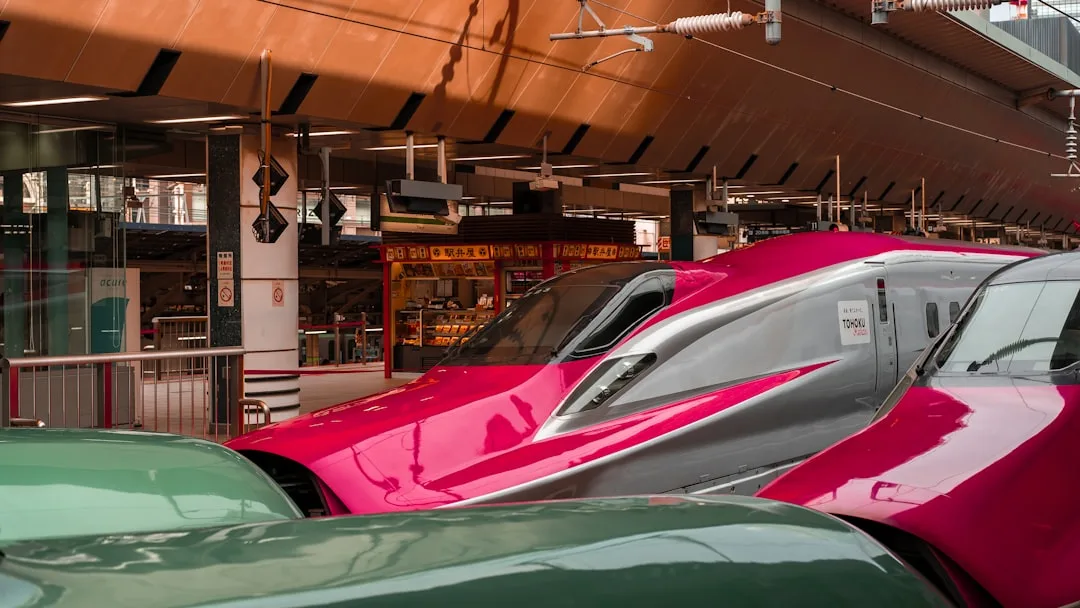
If I’m doing even one day trip, I want to stay near a major station. I’m not paying extra for hotel fluff. I’m paying to not drag a bag through three transfers before coffee.
Shinjuku, Tokyo Station, and Ueno are the bases I’d consider first. Shinjuku gives you easy access to Hakone and a lot of west-bound trains. Tokyo Station is the cleanest for JR connections. Ueno works well if you want a slightly calmer base and easier access to the east side of the city. I’ve stayed near Ueno before and liked how plain it was. That’s a compliment from me.
See all tokyo hotels on Agoda →
The extra money for a station-area hotel usually pays back in time. I’ve done the cheaper, farther-out stay before, and then I spent the whole trip calculating whether a 20-minute commute was “fine.” It wasn’t fine. It was just cheaper in a way that made the day feel heavier.
Best for: Travelers planning 1-3 day trips and wanting a simple rail base.
Skip if: You’re trying to save every dollar and don’t mind long transfers.
My pick: I’d pay more for station access before I’d pay more for a bigger room.
Where to Stay
Shinjuku, Tokyo Station, and Ueno are the bases I’d consider first for the best day trips from Tokyo. Shinjuku gives you easy access to Hakone and a lot of west-bound trains. Tokyo Station is the cleanest for JR connections. Ueno works well if you want a slightly calmer base and easier access to the east side of the city.
For Tokyo I used Agoda — they had the best rate for my dates.
Where I’d Actually Stay in Tokyo

Hotel Sunroute Plaza Shinjuku
Tokyo
★★★★☆
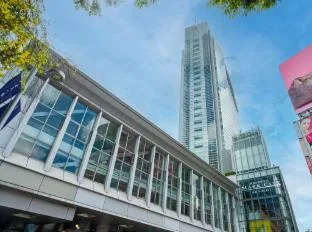
Shibuya Excel Hotel Tokyu
Tokyo
★★★★☆

Asakusa View Hotel
Tokyo
★★★★☆
What I’d do differently next time

I’d leave earlier for Nikko. That’s the big one. Starting late turned a good day into a rushed one, and I don’t think that tradeoff is worth it unless you genuinely don’t care about seeing much.
I’d also stop trying to “fit one more place in” on Hakone days. I did that once, and it made the whole thing feel like a train schedule instead of a trip. Not fun.
And I’d keep one day trip free entirely. Tokyo has enough to fill your time without making every morning a departure day.
I pre-booked on Klook the night before — skipped the entire ticket line.
FAQ
Is Kamakura worth a full day from Tokyo?
Yes, Kamakura is worth a full day if you want an easy trip with low stress. I spent about ¥2,000-¥3,000 total excluding lunch, and the short train ride made it feel efficient instead of exhausting. I’d pick it again before any longer day trip.
Should I do Hakone or Nikko if I only have one day?
I’d choose Hakone for the easier logistics and Nikko for the more impressive shrine area. Hakone is better if you want a softer day with scenery and shorter moving parts, while Nikko rewards an early start and a bit more patience. If I were tired, I’d take Hakone.
Can I do Mount Fuji as a day trip from Tokyo without hating my life?
No, not unless the weather is clear and you’re fine with a long, structured day. I’d only try it if I had a very specific plan and didn’t mind paying for transport that can easily waste time. On a shaky forecast, I’d skip it and keep the day flexible.
What’s the cheapest easy escape from Tokyo?
Kamakura is the cheapest option I’d still recommend. You can keep the day pretty lean with train fare, a cheap lunch, and one or two paid sights, and it still feels like a real change of pace. I’d avoid turning it into a shopping-heavy day, because that’s where the budget starts drifting.
How early should I leave for a Tokyo day trip?
I’d leave by 7:30 a.m. for anything beyond Kamakura. For Nikko, I’d go even earlier if I wanted a calm day and not just a rushed checklist. Leaving late is how you end up paying for transit without getting enough time at the destination.
 Emma Hayes