
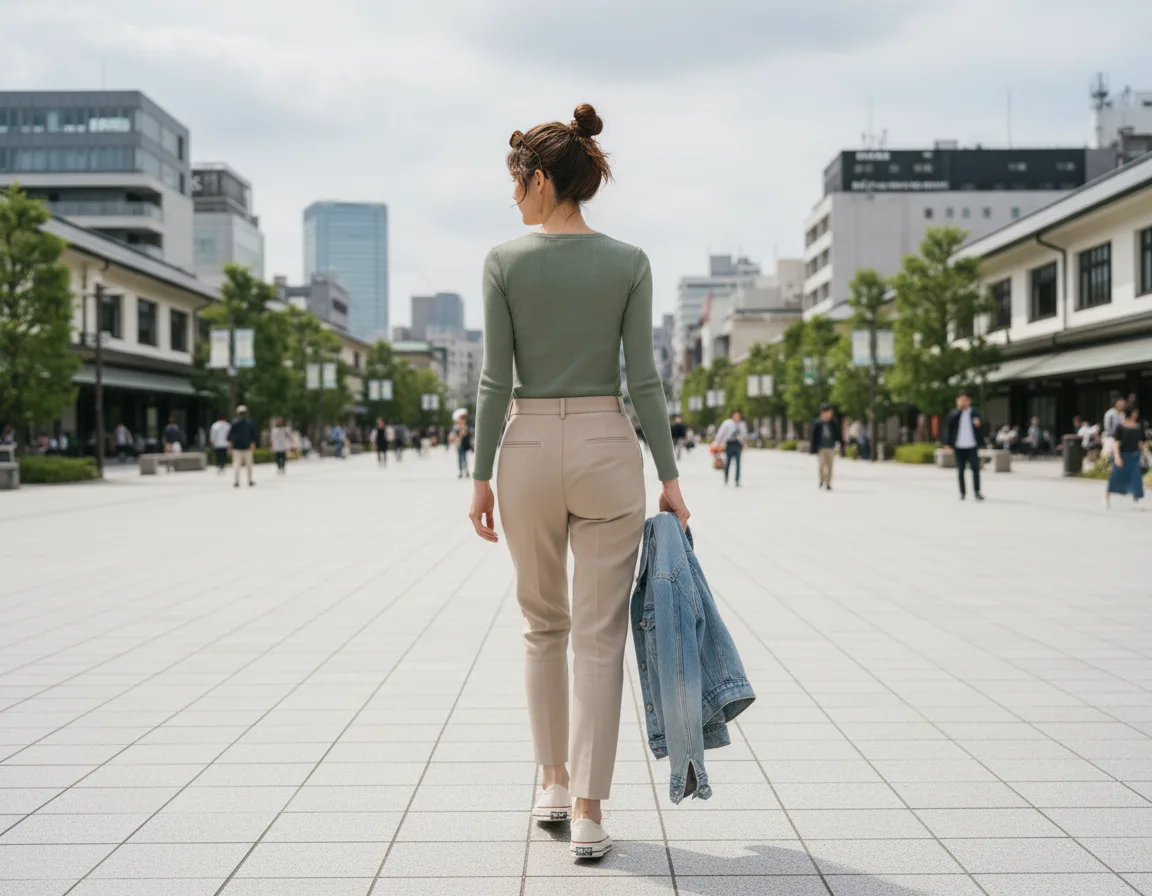
I almost wasted ¥3,200 on a “just in case” umbrella-and-rain layer combo I didn’t need for most of my spring days in Osaka. I also nearly packed the wrong shoes, which would’ve been annoying because I walked a lot more than I expected. My answer is simple: pack light, bring layers, and don’t overdo the cold-weather stuff unless you’re going in early March. If you’re looking for an Osaka packing list what to bring spring, this is the version I’d actually use.
This is for travelers who want to move around Osaka without dragging a huge bag or buying random stuff after arrival. If you’re staying under five days, I’d skip the backup outfits and the bulky jacket. The thing that matters most is temperature swing: spring in Osaka can start cool in the morning and feel mild by lunch, so your packing list should be built around layers, not outfits.
Quick answer: Bring a light jacket or trench coat, comfortable walking shoes, a compact umbrella, two to three layerable tops, a portable charger, and a small crossbody bag or daypack. I bought an umbrella at a Lawson for about ¥700, wore a light trench over a long-sleeve shirt in 9–20°C weather, and used a 10,000mAh charger after my phone hit 12% around Dotonbori and Namba.
The layers I actually used
Osaka in spring is one of those places where a morning can feel cool enough for a jacket and the afternoon has you carrying that jacket in your hand. I was there in weather that sat around 9–20°C, partly cloudy, and I wore a light trench over a long-sleeve shirt more than once. By lunch, I usually had the jacket folded over my arm. That’s the rhythm.
I’d pack one outer layer, not two. I brought a denim jacket once on a previous trip and regretted it because it was too stiff for long walks and not warm enough if the wind picked up near the river. This time I would’ve chosen a light trench or thin rain jacket from Uniqlo, where I’ve seen decent options around ¥4,990 to ¥7,990 depending on the cut. That price makes sense if you’ll wear it daily. If not, borrow one or bring your own from home.
Best for: travelers who hate overpacking and want one jacket that works all day.
Skip if: you’re only coming in late April and already know you run warm; then a cardigan may be enough.
My pick: a breathable layer beats a heavy coat every time.
I’d also pack one lightweight sweater or sweatshirt if you run cold. I didn’t need it every day, but I was glad I had it on one evening when I stayed out longer than planned and the temperature dropped fast after sunset. That extra layer saved me from buying a random ¥2,000 hoodie from a convenience store or tourist shop, which I absolutely would’ve done if I’d been tired enough.
Shoes matter more than clothes here
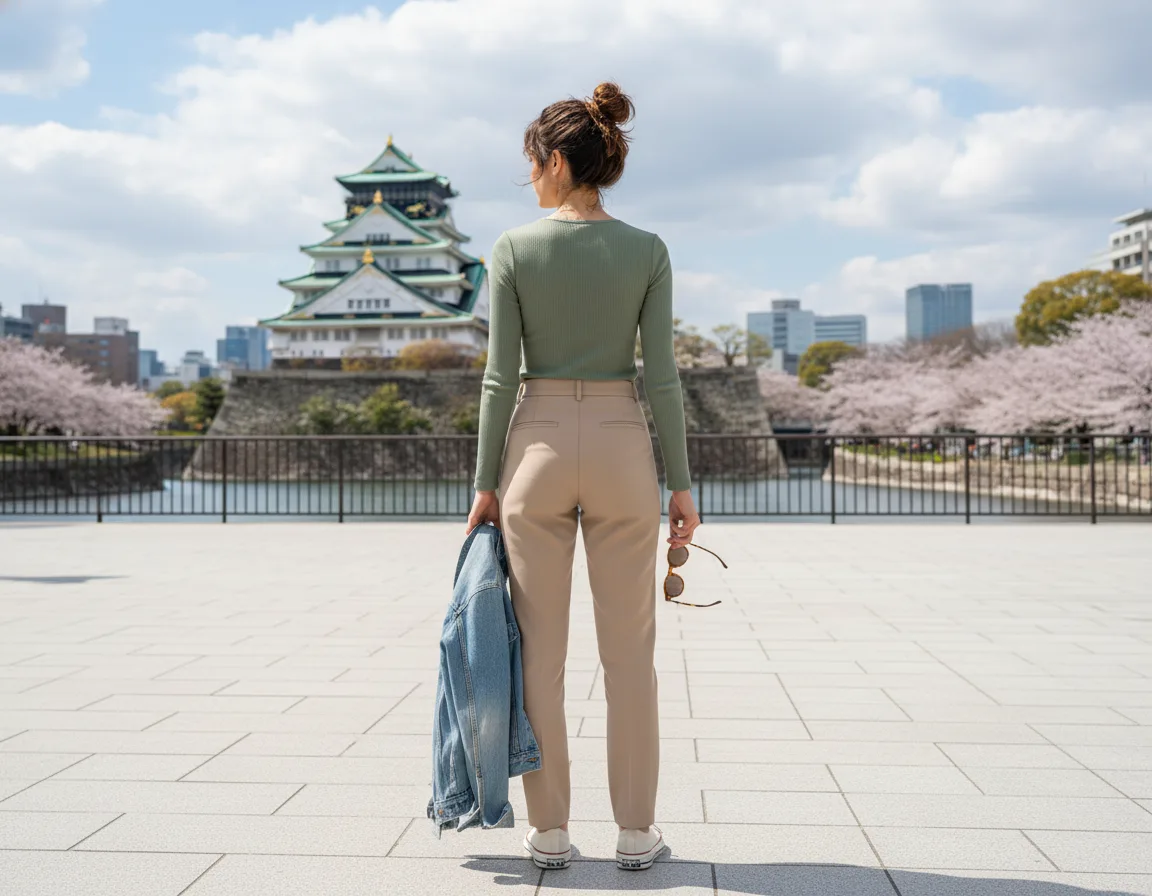
If I had to cut my packing list down to one thing that actually changes the trip, it’s shoes. Osaka is walkable in the way that looks easy on a map and feels different after eight subway exits, a riverfront stroll, and one more detour for food. I wore white sneakers with decent cushioning, and that was the right call. Anything cute-but-flat would’ve annoyed me by day two.
I’d skip boots unless you’re arriving early in March or you know you want a heavier look. They take up too much room for what spring in Osaka usually needs. I also wouldn’t bring brand-new shoes. I made that mistake once in Taipei and spent half a day thinking about blisters instead of the city. Not worth it.
Best for: one pair of broken-in walking shoes you can wear for 10,000 steps without thinking.
Skip if: heels, hard leather loafers, and anything that needs a “maybe after the first wear” warning.
My pick: sneakers first, sandals later only if the forecast is warm and dry.
For where to buy, I’d check ABC-MART if you realize you need better shoes after arrival. Prices vary, but I’ve seen basic options start around ¥4,000 to ¥8,000. If you’re already in Japan and your shoes are failing, that’s better than trying to force a bad pair through a trip. I’d rather pay that once than waste two days limping around.
The rain stuff I’d bring, and what I’d buy there
Spring in Osaka can be dry and easy, then suddenly annoying. I don’t pack for full-on storm season, but I do bring a compact umbrella because buying one after the fact is cheap and saves a headache. I paid about ¥700 for one at a Lawson near Namba when the forecast shifted. Fine, not elegant, but it worked.
I would not pack a heavy raincoat unless you already own one you like. That’s too much bag space for something you may use once. A small foldable umbrella plus a jacket with some water resistance is the better tradeoff. If rain actually shows up, you’ll be glad your outer layer isn’t soaking through in ten minutes.
Best for: travelers who want a simple, low-cost backup plan.
Skip if: you’re packing a giant raincoat “just in case.” That math never works out.
My pick: buy the umbrella in Osaka, bring the jacket from home.
I expected convenience-store umbrellas to be flimsy. Some are, honestly. But the ¥700 one I bought did the job for a short walk from Namba to a dinner spot, and I didn’t care that it wasn’t stylish. I cared that I didn’t get soaked. That’s the real standard here.
What I’d bring for day-to-day comfort
Spring packing isn’t just about weather. It’s also about the little things that keep a day from getting annoying. I always bring a portable charger now, and Osaka was one of those places where I used it more than I expected. My phone was doing map checks, train checks, food checks, and photo checks all day. I hit 12% once after a long stretch near Dotonbori, and that’s when the charger stopped being optional.
I’d pack a charger with at least 10,000mAh. That’s the sweet spot for a day out. You can buy one in Japan at Yodobashi Camera or Bic Camera for roughly ¥2,000 to ¥4,000, depending on brand and capacity. If yours is already weak at home, replace it before you leave. Don’t wait until the airport.
Best for: anyone using maps, transit apps, and camera-heavy days.
Skip if: you think your phone battery is “fine” because it survived one workday. Travel drains it faster.
My pick: portable charger over extra cosmetics or a second pair of pants.
I’d also bring a small pack of tissues and hand sanitizer. Osaka’s food stops are easy and casual, but not every restroom is stocked the way you hope. I spent ¥110 on tissues at a convenience store once because I forgot them, and yes, that was silly. Little things like this are what make a packing list feel smart instead of theoretical.
Clothes I’d skip, even if they sound sensible
Here’s where people overpack. I would skip heavy sweaters, thick jeans for every day, and anything you only wear for “nice dinners.” Osaka is not the place where your suitcase needs to prove something. I wore one pair of jeans, one pair of trousers, and repeated tops without caring. That was enough.
I’d also skip packing hotel slippers, hair tools, and giant toiletries unless you have a specific reason. Most decent hotels and hostels in Osaka already provide basic stuff, and convenience stores sell the rest cheaply. I’ve bought a travel-size shampoo at Don Quijote for around ¥330 before, and that’s still better than dragging full bottles through the airport. The savings are in weight as much as money.
Best for: travelers who want a carry-on-friendly trip.
Skip if: you’re packing “options” you never actually wear at home.
My pick: one nice top for dinner, not a full separate evening wardrobe.
I expected I’d want a few dressier outfits in Osaka because people talk up the food scene and nightlife. I didn’t. Most of my evenings were casual enough that a clean top and decent shoes were enough. If you’re going somewhere fancier, pack one dressy layer. Otherwise, leave the extra outfit at home.
What I’d buy after landing instead of packing
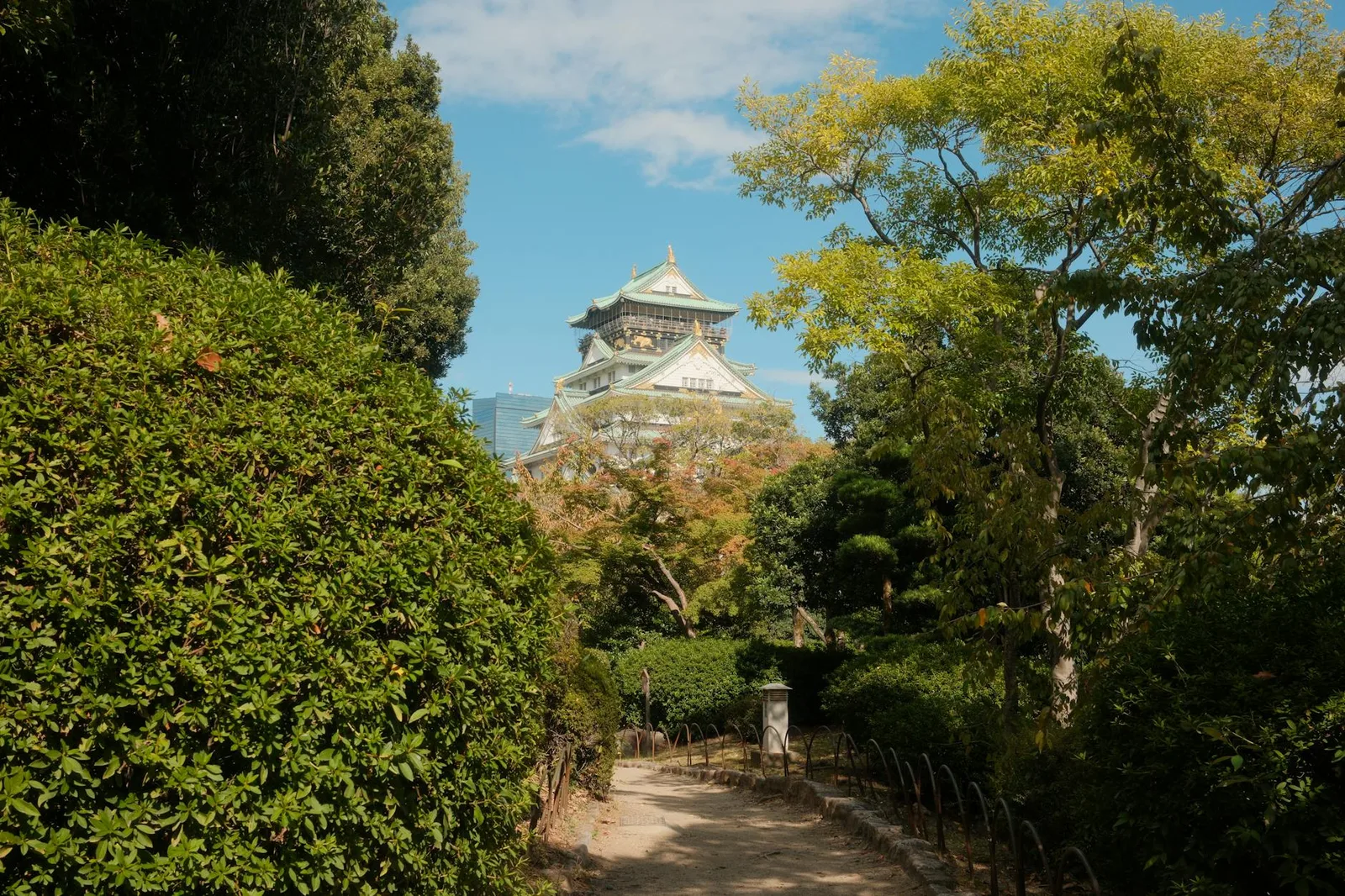
There are a few things I’d always buy in Osaka instead of bringing from home. Umbrella, yes. Extra socks, maybe. Snacks, obviously. I’d also buy any missing adapter or charging cable at Yodobashi Camera or Bic Camera if I forgot one, because the markup on being unprepared is worse than the store price. Basic charging accessories usually run around ¥1,000 to ¥3,000.
If I needed a cheap tote or day bag, I’d check Muji or Uniqlo before packing one from home. I’ve seen simple bags there around ¥1,500 to ¥3,500, and they’re better than hauling something bulky just because it “might come in handy.” It usually doesn’t.
Worth buying on arrival: umbrella, extra charger, socks, and a cheap day bag if yours is too small.
Skip buying ahead: bulky rain gear, backup shoes, and travel-size everything.
My pick: spend money on comfort, not duplicates.
For spring, I’d also be ready to adjust based on the exact week. Early March can still feel cool enough for a proper jacket. Late April leans lighter. I checked the forecast every morning and that was enough. I didn’t need a giant packing strategy, just a flexible one.
The mistake I made with my bag
I brought a tote bag on one Osaka day because I thought I’d want extra room for shopping and water. I was wrong. By mid-afternoon, it was just swinging off my shoulder while I tried to get through station gates and narrow sidewalks, and it annoyed me more than it helped. I ended up paying ¥1,980 for a small crossbody bag at a chain store because I wanted something that would stay out of the way. That was the right fix, but it was still money I didn’t need to spend.
The setup was simple: I thought “more space” meant “more useful.” The trigger was realizing I was constantly shifting the tote when I needed both hands free. The consequence was one wasted shopping decision and a bag I barely used after that. Next time I’d bring the crossbody from the start and leave the tote at home.
Best for: travelers who move through stations a lot and hate carrying things by hand.
Skip if: you think one oversized bag solves every packing problem. It doesn’t.
My pick: a secure small bag beats a roomy one you resent by noon.
What I’d do differently next time
I’d pack one less top and one better jacket. That’s the main change. I’d also bring a crossbody bag from home instead of buying one on arrival, because I already know I prefer hands-free travel days. And I’d stop overthinking rain gear. Osaka in spring doesn’t need a dramatic packing list.
I’d still keep it simple: layers, good shoes, charger, umbrella. That covers most of the actual problems you run into.
Rough daily estimates from my own trip. Prices shift by season.
See current Osaka hotel prices on Agoda →
I usually book Osaka tours on Klook — the best time slots go fast, especially in peak season.
FAQ
Do I need a coat in Osaka in spring?
Yes, but I’d bring a light coat, not a winter one. Early spring mornings can still feel cool, and I wore a trench-style layer more than once before taking it off by lunch. If you run warm, a cardigan may be enough after mid-April.
Should I pack an umbrella or just buy one there?
I’d buy one there unless you already own a compact one you like. I paid about ¥700 at a Lawson, and that was easier than sacrificing bag space before the trip. If rain shows up, convenience-store umbrellas are good enough for a city day.
How many shoes should I bring?
One main pair is enough for most trips, and I’d make it sneakers. I walked enough in Osaka that any second pair would’ve just sat in my bag. If you need a nicer option for dinner, wear the same clean pair and move on.
Is it worth packing dressier clothes for going out?
No, not unless you already have a specific dinner or event planned. Most of my meals in Osaka were casual, and a clean top with decent shoes worked fine. I’d bring one nicer layer, not a whole separate nightlife wardrobe.
What’s the one thing people forget most often?
A portable charger, and I think that’s the most annoying thing to forget. I drained my phone faster than expected from maps and transit checks, and a 10,000mAh charger would’ve saved me some stress. If you only pack one extra item, make it that one.
 Emma Hayes