

Osaka was supposed to be a snack stop. It was a meal plan. I came for takoyaki in Dotonbori and left thinking the better food was often one train stop, one market, or one quieter side street away. If you want the fastest route to the classics, Dotonbori works. If you want better value and fewer crowds, I’d eat beyond it. That’s my take on the best osaka street food in dotonbori and beyond.
My answer up front: I’d start in Dotonbori for takoyaki, okonomiyaki, and one round of neon-soaked snacking, then move to Kuromon Market and a few non-touristy spots for the rest. Dotonbori is right for first-timers who want the Osaka food postcard. It is not the best place to spend all day eating, and I wouldn’t build every meal around it.
Quick Answer: Start with takoyaki in Dotonbori, then head to Kuromon Market for better value. I paid about ¥700 for six pieces at Kukuru, around ¥1,100 for pork okonomiyaki at Mizuno, and about ¥1,500 for grilled scallops and tuna skewers at Kuromon.
Restaurants
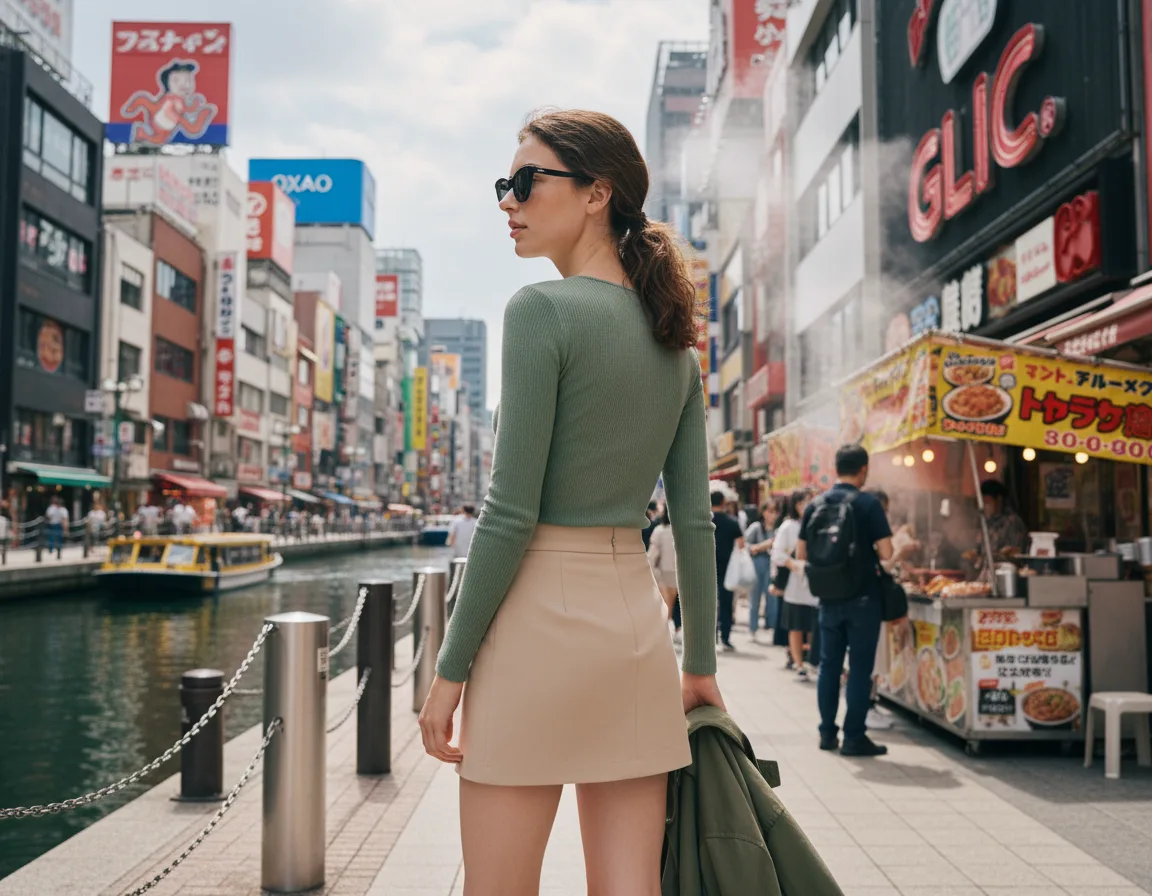
- Dotonbori is worth one focused food crawl, not a full trip’s food budget.
- Kuromon Market gave me better payoff per yen than the busiest canal-side stalls.
- Some famous snacks were worth the line. Others were only worth it if you were already there.
- If a place had a 30-minute queue, I usually skipped it. That rule saved me more than once.
I’d start with takoyaki in Dotonbori, but I’d do it early. By lunch, the sidewalks get jammed and every second person is holding a food skewer or a paper tray. I paid about ¥700 for six pieces at Kukuru near the main canal stretch, and that was one of the few times I felt the price matched the fame. The batter was soft in the middle, the octopus pieces were actually there, and the bonito flakes on top did the little dance thing everyone photographs.
Best for: First-timers who want the classic Osaka snack without overthinking it.
Skip if: You hate waiting in a cluster of tourists for ten minutes just to eat standing up.
My pick: Kukuru over the random “best takoyaki in Osaka” stalls with 25-minute lines. I waited once, regretted it, and didn’t repeat the mistake.
I also tried a more generic takoyaki stand a few storefronts away because the line looked shorter. That was the wrong move. I got six pieces for about ¥550, which sounds fine until you realize the inside was more gluey than custardy and the sauce did most of the work. Same snack, worse payoff. Worth it only if the line is short and you’re hungry right now.
Everyone recommends Dotonbori, and I get why, but the area is not subtle. It’s loud, bright, and a little exhausting after an hour. I figured I’d stay for three snacks and ended up leaving after two because I was tired of dodging selfie sticks and people blocking the sidewalk to take the same crab sign photo. The food was fine. The crowd was the tax.
If I had one short list for Dotonbori, I’d keep it tight: takoyaki, a slice of okonomiyaki, and maybe one dessert snack if the line is short. That’s enough. I don’t think Dotonbori rewards grazing all night unless you enjoy spending half your time in queues and the other half trying not to bump into anyone.
Okonomiyaki is the one thing I’d sit down for. I paid around ¥1,100 for a pork okonomiyaki at Mizuno, one of the names that gets repeated constantly, and I’d call it worth it but not magical. The texture was better than I expected — crisp edges, soft center, not watery — but the wait was the issue. I stood there for about 35 minutes, and that’s exactly the kind of line I usually refuse. I was in a good mood, so I stayed. If I’d been tired, I would’ve walked.
Best for: People who want one proper Osaka plate, not just hand-held snacks.
Skip if: You’re trying to keep the day moving. The wait can eat the whole mood.
My pick: Mizuno if the line is under 20 minutes. Over that, I’d go somewhere less famous and save the time.
I expected the famous okonomiyaki stop to feel overhyped. It kind of did, but not in a bad way. The food was solid and the room felt busy in a real, local way, not fake-cute. Still, I wouldn’t call it a destination meal. I’d call it a very good lunch with a line problem.
For dessert, I’d only grab something if I passed it naturally. I paid ¥400 for a chestnut-based sweet from a small stand near the canal, and it was fine, not memorable. That’s the thing with Dotonbori: once you’ve had the main snacks, the rest starts to feel like filler. Skip the impulse buys unless you’re actually curious.
Kuromon Market is the better use of your appetite
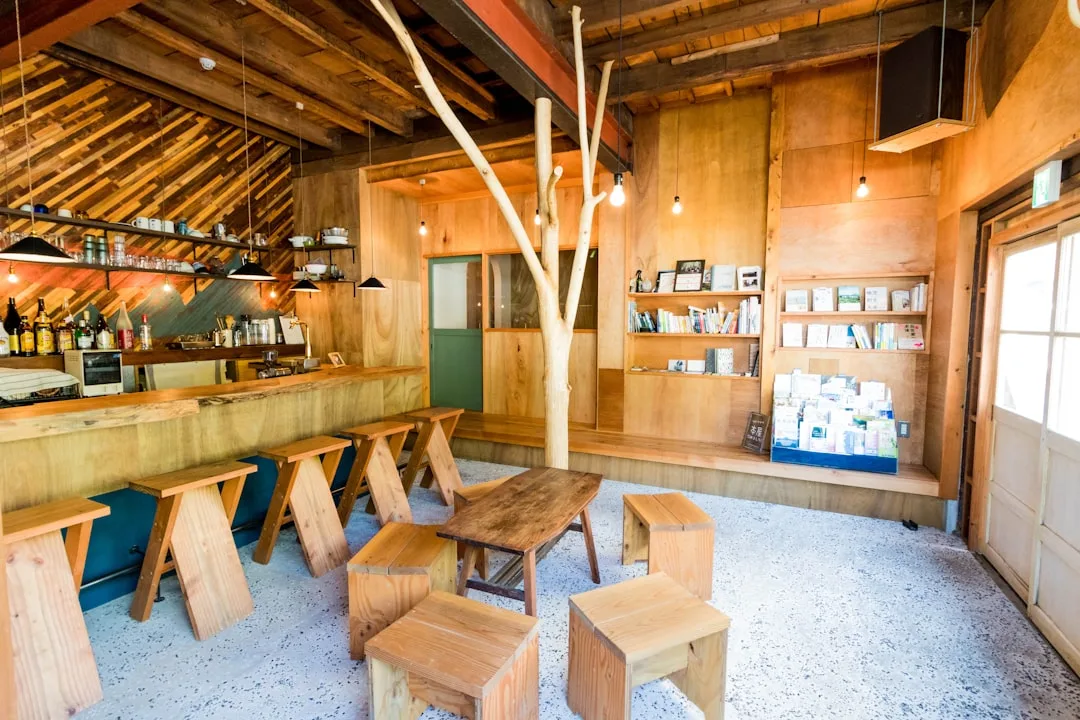
Kuromon Market was the surprise. I expected a polished tourist market with inflated prices and a lot of sampling theater. It was busier than I wanted, sure, but the food was better than the reputation suggested. I went around mid-morning, when the crowds were manageable and I could still move without getting stuck behind a tour group taking a thousand photos of a tuna skewer.
I paid about ¥1,500 for grilled scallops and a small tuna skewer combo from a seafood stall, and that felt like real value. The scallops were cooked right in front of me, the skewers were simple, and I wasn’t paying for the Dotonbori neon tax. I also grabbed a ¥300 strawberry daifuku from a sweets stall because I was already there, and that was a good little add-on, not a reason to go on its own.
Best for: Anyone who wants a more practical food stop with better odds of getting a decent meal for the money.
Skip if: You only want the loud, iconic Osaka street-food experience. Kuromon is calmer and less flashy.
My pick: Kuromon over Dotonbori for actual eating. I’d rather spend ¥1,500 there than ¥1,500 on three tiny things in the most crowded part of town.
The tradeoff is simple. Kuromon isn’t as cinematic. You don’t get the same neon-canal chaos, and nobody’s going to mistake it for a party. But the food-to-hassle ratio is better, and that matters more to me than taking a prettier photo of lunch. I’d go again with a light stomach and cash ready.
One practical note: I got there before noon and it still felt easy. By the time I left, the aisles were fuller and the energy had shifted from market to slow-moving crowd. If you hate getting boxed in, go early. That tiny timing choice changes the whole place.
The snacks I’d skip, even if they’re famous
This is where Osaka gets a little annoying. Not every snack with a line is worth the line. I tried a few things because everyone recommends them, and I don’t love admitting this, but some of them were just okay.
The biggest skip for me was anything that looked like it was built for a photo first and food second. I bought a flashy, oversized skewer for about ¥900 near Dotonbori because it looked good in the window. It was greasy, a little bland, and gone in three bites. I think people buy those because they’re visible, not because they’re better. That math never works out.
Skip it: Overpriced photo-food near the canal. If it’s mostly there for your camera, I’d pass.
Worth it only if: The line is short and you’re already hungry. Otherwise, keep walking.
I also wouldn’t go out of my way for chain snacks that happen to have a big storefront. Osaka has enough real food that paying for branding feels lazy. I’m not against famous places. I’m against paying extra just because a place knows how to market itself. Two of the most crowded stalls I passed were the least satisfying bites I had all day.
And yes, I know some people love the “everyone should try this” approach. I don’t. I’d rather eat one good thing than four average things with great signage.
How I’d eat Osaka street food without wasting half the day
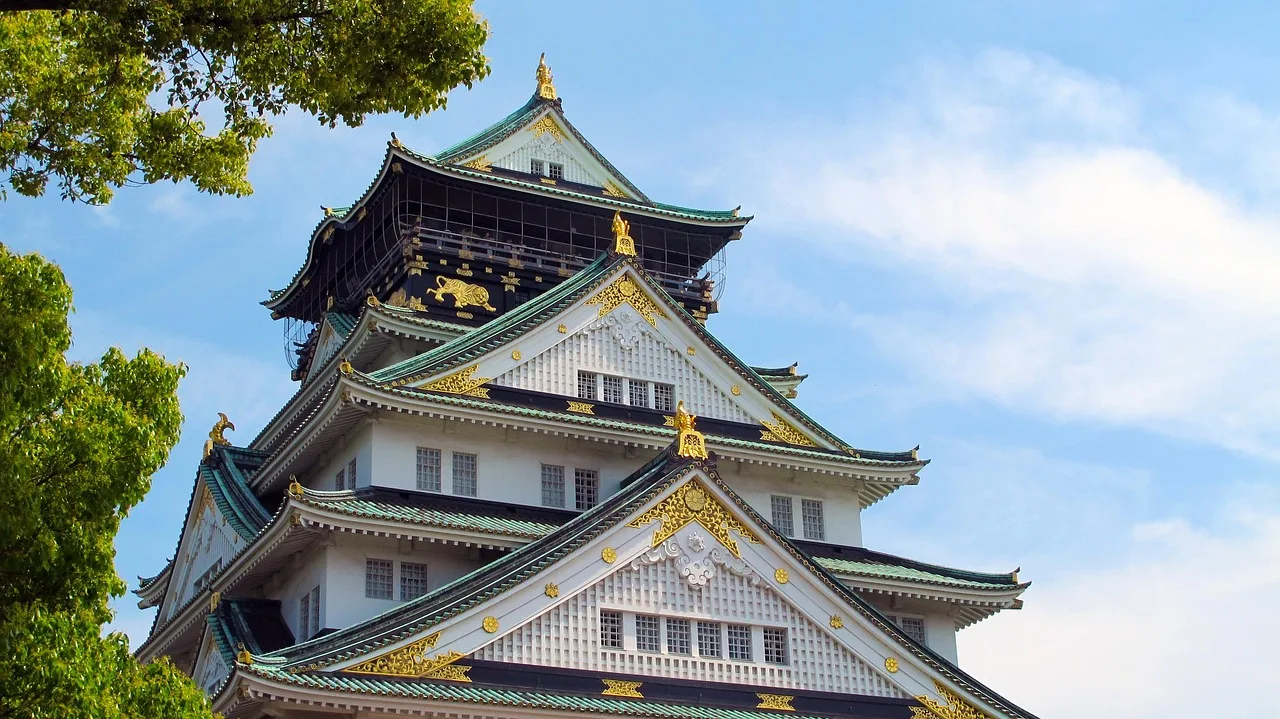
I’d keep my food crawl to one dense area in the morning, one market stop before lunch, and one sit-down meal later if I still had energy. That rhythm worked better than trying to snack constantly. When I wandered too much, I ended up paying for impulse food I didn’t really want.
I made one mistake my first day: I assumed I could just show up at a famous okonomiyaki place whenever I got hungry. I got there around 7:15pm, saw a wait that looked close to 40 minutes, and bailed. That cost me time, and I ended up eating a random bowl of noodles nearby for about ¥900 instead of the meal I actually wanted. The lesson was simple. If a place is famous and it’s dinner time, I’d either go early or skip it entirely.
Best for: Travelers who want a clean, low-drama food plan.
Skip if: You like wandering until something grabs you. That works, but you’ll spend more on average.
My pick: Early lunch for the market, late afternoon snack in Dotonbori, then dinner somewhere calmer.
The weather helped too. It was around 11–19°C while I was there, so I could walk around in a tee with a light jacket in my bag, then peel it off once the sun came out. That sounds minor, but it matters when you’re doing a lot of standing and walking between stalls. I was glad I wasn’t carrying anything heavier.
What I’d eat beyond Dotonbori if I had one extra meal
If I had one more meal in Osaka, I’d leave the obvious center and look for a neighborhood place instead of another neon-heavy snack stop. I had one simple set meal in a quieter area — grilled fish, rice, miso soup, and a small side — for about ¥1,200, and it reset my palate after all the sauce and batter. Not street food exactly, but it made the whole day better.
That’s the part most people miss. Street food is fun, but it can get repetitive if every bite is fried, sauced, and eaten standing up. I wanted one calmer meal to balance the day. If you’re in Osaka for more than a few hours, I’d do the same.
Best for: Anyone staying in the city long enough to care about balance, not just checklist snacks.
Skip if: You only have one food window and want the loudest, most iconic stuff first.
My pick: Use Dotonbori for the obvious hit, then spend your second meal somewhere less crowded and more local-feeling.
Rough per person per day food estimates from my own meals.
I’d trim the snack budget before I’d cut the proper meal. That’s the cleanest way to do Osaka without feeling like you spent all day eating and somehow still missed the good stuff.
What I’d do differently next time
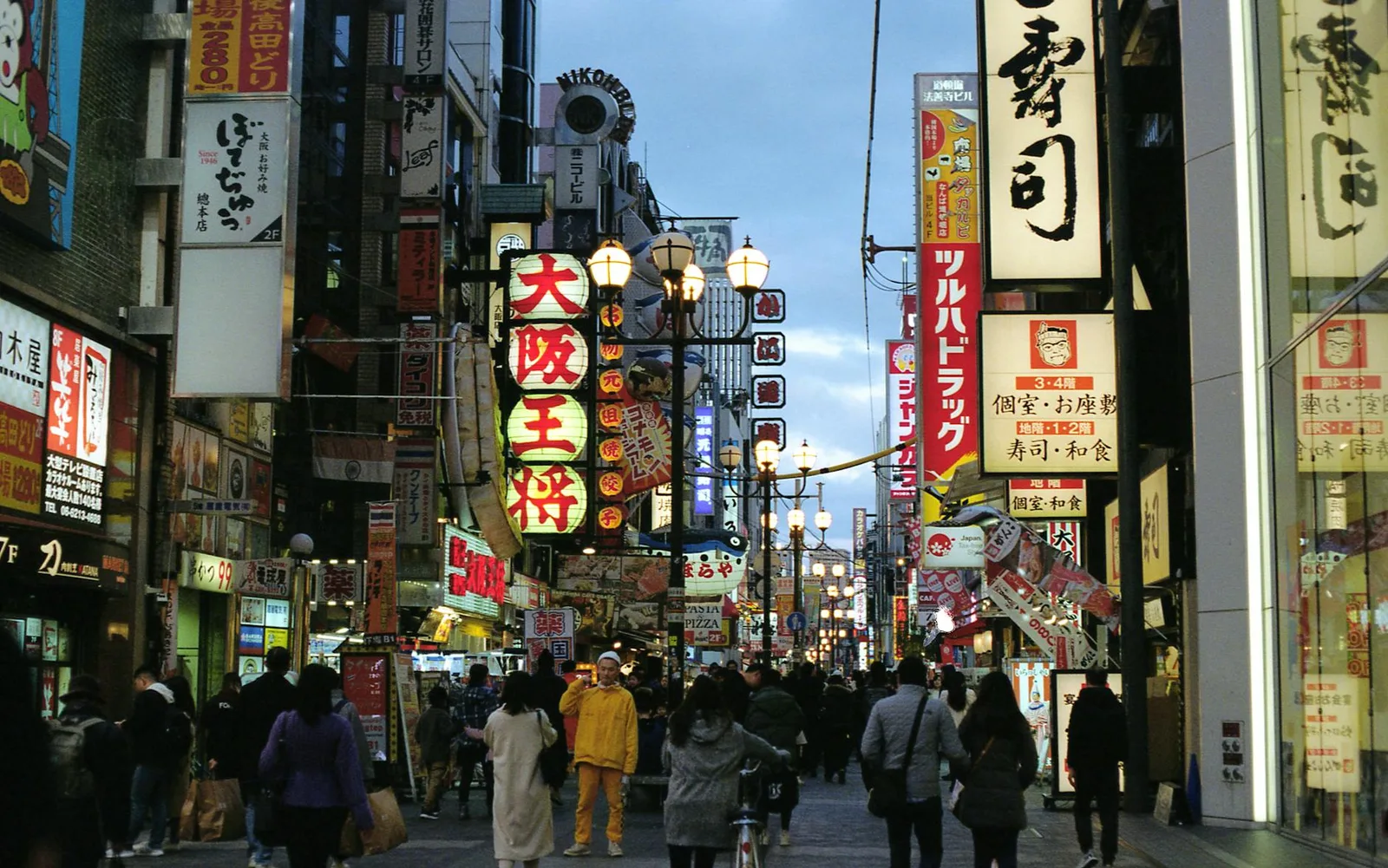
I’d go to Kuromon earlier and save Dotonbori for one tight snack run after dark. I’d also stop myself from buying the extra novelty snacks that looked better than they tasted. And I’d book dinner around the lines, not my mood, because my mood got me stuck once.
The other thing I’d change is simple: I’d eat fewer things, but better ones. I tried to sample too much at first. Osaka does not reward that style as much as you’d think.
Best for: Travelers who want the best food decisions, not the most food.
Skip if: You’re determined to turn every snack into a story. Some of them are just snacks.
Next time: I’d do Kuromon first, Dotonbori second, and skip anything with a line over 30 minutes.
My bottom line on Osaka street food
I’d eat in Dotonbori first because it gives you the classic Osaka hit fast. But I’d not stop there. The better value, the less annoying crowds, and some of the more satisfying bites were beyond the main drag, and that’s where I’d spend most of my food time if I went back.
Best for: First-time Osaka eaters who want takoyaki, okonomiyaki, and one easy food crawl without overplanning.
Skip if: You hate crowds, standing in lines, or paying extra for famous-location markup.
Next time: I’d use Dotonbori as the opener, then get the rest of my meals away from the canal.
I book food tours through Klook when I want one guided food stop with less guesswork, especially if I’m short on time and don’t want to waste a meal on a mediocre queue.
I booked the food tour through Klook — way cheaper than booking at the counter.
FAQ
Is Dotonbori actually worth eating in, or is it just for photos?
Yes, it’s worth eating in, but only for a short list of snacks. I’d go for takoyaki and one sit-down okonomiyaki meal, then leave before the crowd starts feeling like part of the bill. I spent about ¥700 on takoyaki there and thought that was fair; the rest is where things get hit-or-miss.
Where should I go if I want better value than the busiest tourist strip?
Kuromon Market is my pick for better value. I paid around ¥1,500 for seafood there and felt like I got more food for the money than I did on the canal side. Go before noon if you want a calmer walk and fewer people blocking the stalls.
How long should I plan for a food crawl in Osaka?
Three to four hours is enough for one good crawl. I’d do one snack stop in Dotonbori, one market stop, and maybe one sit-down meal if I’m still hungry. Any longer and I start repeating myself and buying things I don’t need.
What should I skip if I only have one afternoon?
I’d skip the flashy food stalls with the longest lines and the biggest signs. The food is often fine, but not fine enough to justify losing 30 minutes of your day. I’d rather eat two strong things than five average ones.
Can I do Osaka street food on a tighter budget?
Yes, and I’d keep it around $20 to $25 if I stayed disciplined. One takoyaki tray, one market snack, and a simple dinner is enough for a good day. The budget blows up when you start treating every famous stall like a one-time opportunity.
 Emma Hayes