

¥7,800: that was the first Nagoya Station room rate that made me stop scrolling and actually compare listings instead of assuming everything near the station would be overpriced. I’ve stayed in the area in hot, sticky 25–32°C weather with a fan in my bag and sunglasses on my face, and the location did more work than I expected. If you’re looking at Budget hotels Nagoya Station 2026, the value is mostly in the convenience.
My answer is simple: I’d stay near Nagoya Station again for a short trip, a transit-heavy itinerary, or a solo stay where I care more about getting around than about atmosphere. I would not pay extra for a hotel here if I planned to spend most of my time in Osu, Sakae, or at a specific nightlife spot. The whole decision comes down to one thing: how much convenience is worth to you per night.
Quick Answer: For Budget hotels Nagoya Station 2026, I’d book a clean business hotel within a 5–8 minute walk if the rate is around $55–$85/night. Capsules can drop to about $35–$55/night, but I’d only choose them if the savings are at least $20 a night.
| Hotel | Price/night | Location | Best for |
|---|---|---|---|
| Standard business hotel | $55-$85/night | 5 minutes from Nagoya Station | solo |
| Capsule-style stay | $35-$55/night | near the station | budget |
| Older budget hotel | $40-$60/night | 8-15 minutes away | budget |
Hotel Review
I used to think station areas were boring by default. Nagoya Station changed my mind a bit. The area is functional in the best way: you can land on a train, drop your bag, grab food, and leave again without wasting half your day.
I booked through Agoda and saved about 15% compared to the hotel’s own site.
Where I’d Actually Stay in Nagoya
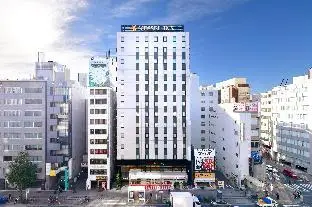
Vessel Inn Sakae Station
Nagoya
★★★★☆
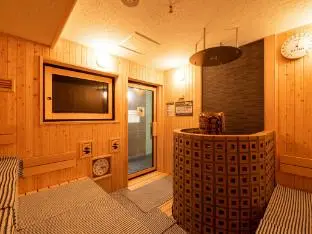
2025 Renewal Open – Anshin Oyado Nagoya Man / Woman Sakae Station
Nagoya
★★★★☆
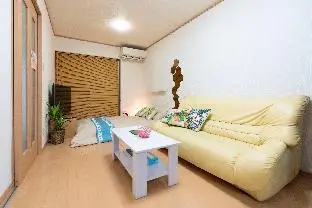
New OPEN Max 10 people Nagoya Station 2LDK
Nagoya
★★★★☆
That matters more here than in a city where the “center” is obvious. In Nagoya, staying near the station saves real time if you’re arriving on the shinkansen, doing day trips, or just trying to keep your logistics simple. I once bought a 180-yen onigiri and a bottled tea from a convenience store near the station before check-in and called it lunch. That’s the vibe. Efficient, not charming.
Best for: first-timers who want easy transit and low friction.
Skip if: you need a neighborhood with small bars and late-night wandering built in.
My pick: station area first, especially if your stay is under three nights.
The downside is obvious. You’re paying for convenience, not character. Some streets around the station feel like they were designed for people in a rush, which they were. That said, if I’m arriving with a backpack and leaving again in two days, I’d rather be near the platforms than somewhere “cooler” that adds 20 minutes of back-and-forth every time I want to go out.
1) A standard business hotel within 5 minutes of the station
This is the safest choice if you want zero drama. I’d expect a room around $55–$85 a night depending on dates, with the usual compact setup: bed, desk, tiny bathroom, and not much else. I’ve paid that kind of rate before, and the value comes from the location, not the room itself.
The sleep situation is usually fine. In my experience, business hotels in this part of Nagoya are quiet enough once you’re inside, though I’d still choose a higher floor if the price difference is tiny. I didn’t hear the station in a way that kept me awake; the bigger issue was just being tired from the heat and walking around all day.
Best for: solo travelers and short business-style stays.
Skip if: you want a spacious room or plan to work in the hotel for hours.
My pick: worth it if the rate is within $10–$15 of a farther hotel.
The alternative is usually a cheaper property 10–15 minutes away. I’d only take that if I were saving at least $15 a night. Anything less, and the walk with a suitcase plus the extra station navigation isn’t worth it to me.
2) Capsule-style stays with private bathrooms nearby
This is the budget move I’d use if I were trying to keep the nightly cost down without sleeping in a full hostel dorm. I’ve seen these sit around $35–$55 a night, and that gap adds up fast over three nights. The trick is not to assume all capsules are the same. Some are clean and efficient. Some feel like a locker room with better branding.
Sleep is the swing factor. I slept fine in one place because the pods blocked most light and the hallway noise was low after midnight. But if you’re a light sleeper, the doors, footsteps, and people packing up at 6am can still get you. I’d call this a solid solo option, not a couples option.
Best for: solo travelers on a tighter budget who don’t mind compact space.
Skip if: you’re traveling as a pair or need quiet to function.
My pick: only if the price savings are at least $20 a night.
I almost booked one of these because it was ¥3,000 cheaper than a regular hotel. I passed when I realized the walk from the exit I’d actually use was closer to 12 minutes, not the 6 minutes in the listing. That extra walk in Nagoya humidity mattered more than I expected. I paid more and didn’t regret it.
3) Older budget hotels a bit farther out from the station
This is where you can save the most money, but the tradeoff is real. I’m talking about properties that are 8–15 minutes away on foot, sometimes more if you take the wrong exit or hit a long crossing. They can drop to around $40–$60 a night, which looks great until you do the math on time and hassle.
I stayed in a place like this and thought, “Fine, it’s only ten minutes.” It turned into 18 minutes because I picked the wrong station side and had to loop around with my bag. That’s the kind of mistake that sounds small online and feels annoying in real life. The room itself was okay, but I’d rather spend the extra $10–$20 and not repeat that.
Best for: budget travelers staying multiple nights who don’t mind walking.
Skip if: you’re arriving late, leaving early, or hate dragging luggage through busy sidewalks.
My pick: only worth it when the savings are obvious, not symbolic.
To me, this is the classic “cheaper but not really cheaper” trap. You save cash on the room, then spend more energy getting in and out. If your whole trip is centered on Nagoya Station, I’d rather pay the extra $15 and keep my day simple.
Where to Stay
If I were choosing purely on neighborhood feel, I’d probably lean toward Sakae or parts of Osu. There’s more to look at, more food options that don’t feel chained to the station, and more reasons to wander after dark. But that comes with a tradeoff: you give up the easiest transit base in the city.
Here’s the math I actually care about. A station-area hotel might cost $10–$25 more per night than a similar room farther away, but it can save you 20 minutes each time you arrive, leave, or make a quick stop. If you’re only in town for two nights, that’s a good deal. If you’re staying five nights and spending every evening in one neighborhood, the station starts to feel less necessary.
Best for: short stays, train-heavy itineraries, and people who don’t want to think about logistics.
Skip if: you’re chasing nightlife or want a neighborhood that feels more lived-in.
My pick: station for convenience, Sakae for atmosphere.
I’d choose Sakae if I were staying a full week and using taxis less. I’d choose Nagoya Station if I had an early train, a late arrival, or only a couple of nights. The station wins on cost per convenience. Sakae wins on being more interesting. That’s the whole split.
What the area feels like at night, and what that means for sleep

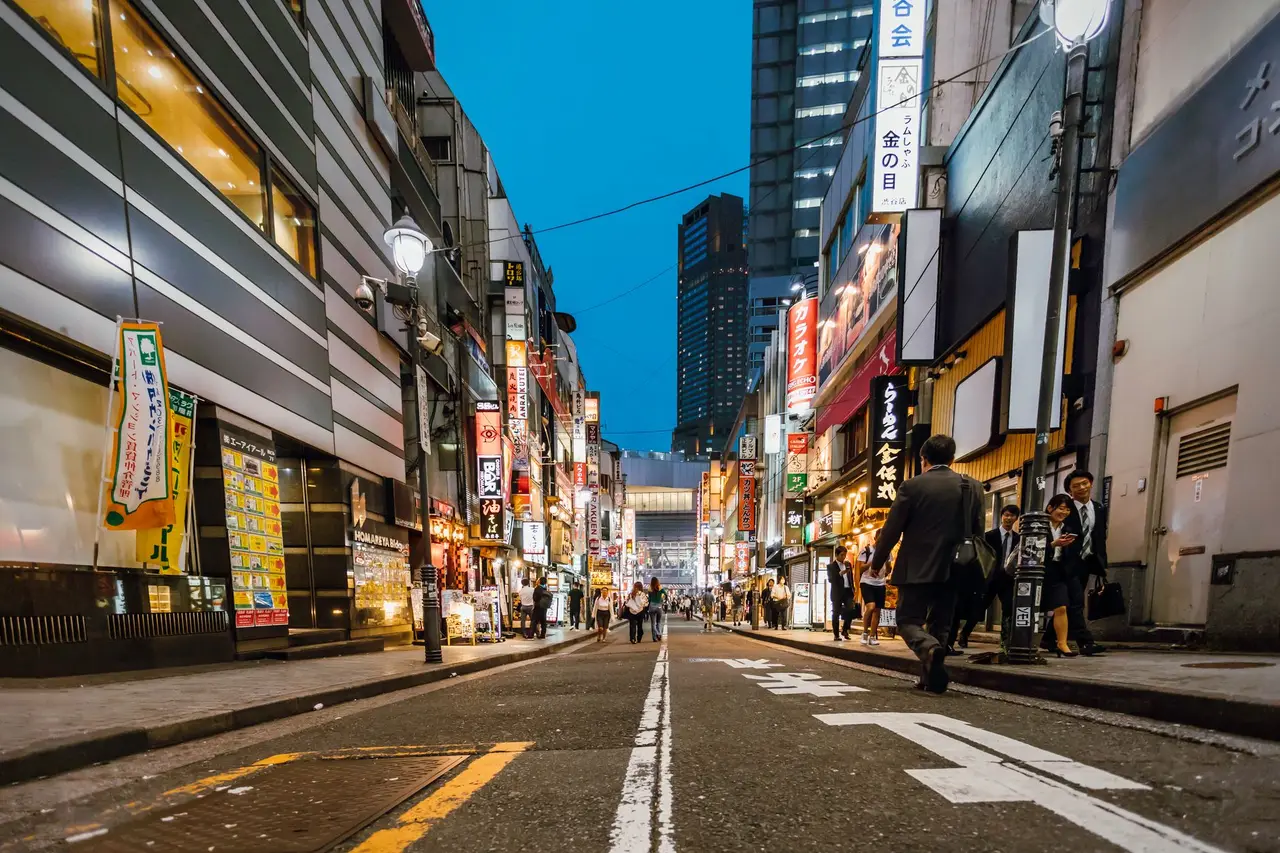
Nagoya Station at night is calmer than I expected, which surprised me. I figured the area would be louder and more chaotic, but it’s mostly transit traffic, convenience stores, and people heading somewhere else. That was my wrong assumption, and it made me more open to staying here again.
The upside is sleep. The downside is atmosphere. If you want to step out after dinner and stumble into a fun scene, this isn’t the strongest base. If you want to shower, crash, and catch an early train without stress, it works well. I’d call the sleep quality “good enough to buy the location.”
Best for: early departures and low-maintenance trips.
Skip if: you care more about street life than station access.
My pick: better sleep than I expected, but not a place I’d choose for the mood.
I had one night where I got back sweaty from walking around in the heat, dropped my bag, and was glad I didn’t have another 20-minute ride ahead of me. That tiny win matters. It’s not glamorous, but it’s what makes a budget hotel useful.
The room-size problem I kept running into
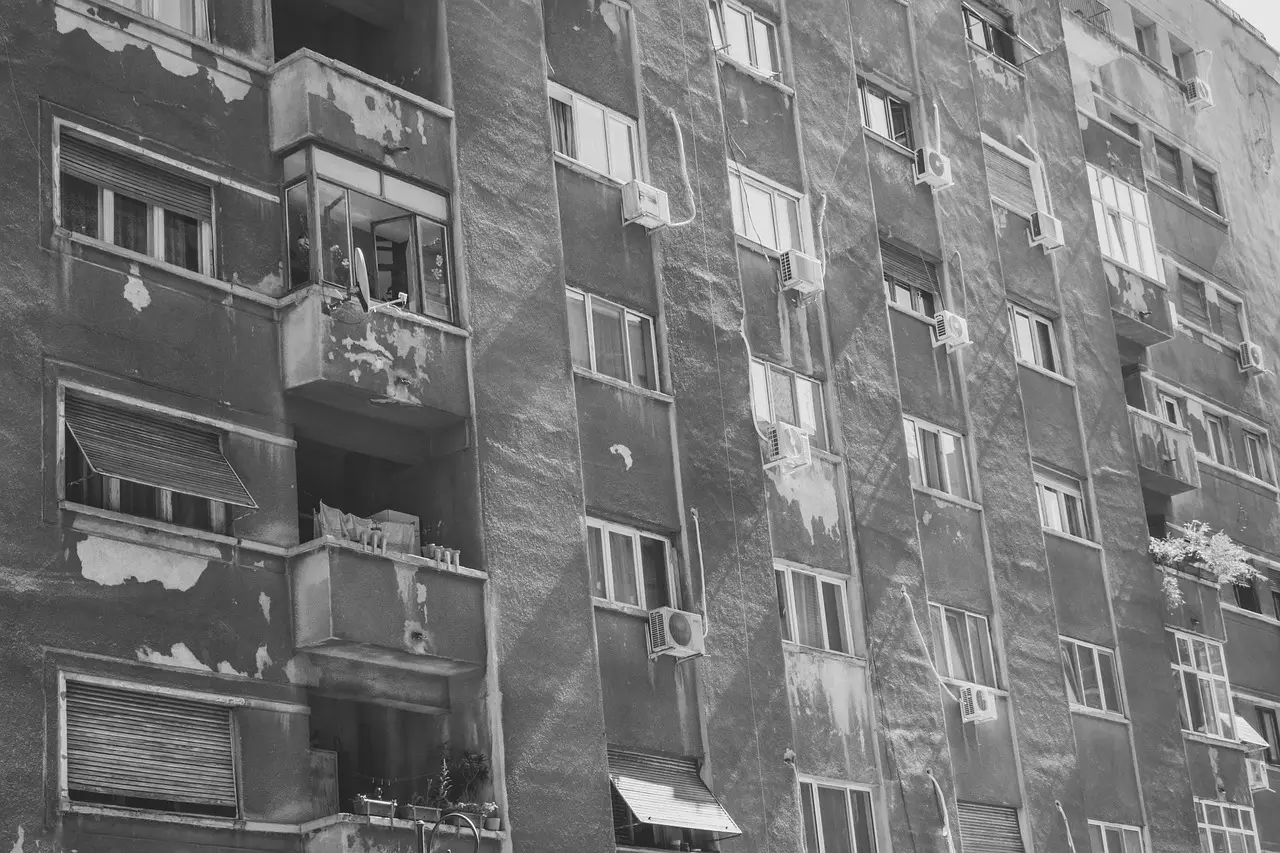
Budget hotels near Nagoya Station are small. Not “cute small.” Just small. I’m 5’7″, and in one room I could stand at the desk, open my bag, and reach the bed without taking more than two steps. That’s normal here, but it’s still worth saying because some listings make the room look bigger than it is.
I’d book this area with one expectation: the room is for sleeping and showering, not hanging out. If you need space to spread out clothes, work on a laptop for hours, or open two suitcases at once, pay more or stay elsewhere. I don’t think that’s a dealbreaker, but I do think it changes the value calculation a lot.
Best for: solo travelers and one-bag packers.
Skip if: you hate tight rooms or need a proper sitting area.
My pick: fine for one to three nights, less fun after that.
The upside is that these rooms usually have everything you actually need. A decent shower. Air conditioning. A place to drop your stuff. I stayed in one with blackout curtains and a small desk, and that was enough. Not fancy, just useful.
My Nagoya Station mistake, and why I wouldn’t repeat it
I once picked a hotel near the station because the room rate was $12 cheaper and the photos looked fine. I assumed the walk would be easy. The trigger was simple: I landed with a bag, it was hot, and I realized I’d chosen a side of the station that made the route longer than I expected. The consequence was a sweaty 17-minute walk, one unnecessary crossing, and a mild mood drop before check-in.
That mistake cost me more than the money saved. I was tired, annoyed, and less willing to go back out that night. Next time, I’d pay attention to the exact exit and the walking route, not just the headline distance. In this area, “7 minutes from Nagoya Station” can mean very different things depending on which side of the station you actually use.
Best for: travelers who double-check exits and don’t mind a short walk.
Skip if: you’re tempted by the cheapest listing without checking the map.
My pick: I’d pay more for a simpler route every time.
That was the trip where I learned not to treat all station hotels as equal. I still think the area is worth staying in. I just don’t trust the first cheap listing anymore.
Cost Breakdown
I stayed near Nagoya Station because I wanted the cheapest version of easy. The first night I paid a little more for one of the Budget hotels Nagoya Station 2026 travelers keep circling back to, and I cut the rest of the day hard: convenience-store dinner, one subway ride, no extra museum stop I didn’t really care about.
Rough daily estimates from my own trip. Prices shift by season.
The room was the one place I wouldn’t squeeze too far. If I had to cut something first, it would be activities, not a clean bed five minutes from the station.
What I’d do differently next time
I’d book a hotel with the station exit mapped out before I arrived. That sounds tiny, but in hot weather it saves energy fast. I’d also pay a little more for a room closer to 5 minutes away instead of gambling on an “almost station” option.
I’d skip breakfast add-ons unless they were free. Hotel breakfasts around station areas can be decent, but I’d rather spend the money on something I actually want, like noodles or coffee from a place outside the lobby. And I’d keep my stay short if I was choosing a budget room, because the compact space gets old after a few days.
Best for: travelers who like clean logistics and don’t need a cute neighborhood base.
Skip if: your trip is built around wandering, nightlife, or a bigger room.
Next time: I’d book closer to the station exit, not just closer to the station.
FAQ
Is staying near Nagoya Station worth it for a short trip?
Yes, I think it’s worth it for a two- or three-night trip. The station access saves real time, especially if you’re arriving on the shinkansen or leaving early the next morning. I’d rather spend an extra $10 a night than lose 20 minutes every time I move around the city.
Are budget hotels around the station noisy at night?
No, not in the way I feared. I expected more train noise and foot traffic, but most of the noise dies down after the commuter rush. I’d still pick a higher floor if the price is similar, just to keep hallway noise lower.
Should I stay in Nagoya Station or Sakae?
I’d choose Nagoya Station if convenience matters more than atmosphere. Sakae is better if you want more food, more late-night energy, and a neighborhood that feels less transit-heavy. For a first trip with luggage, I’d still pick the station area.
Can I get a decent room under $60 a night?
Yes, but I’d expect a small room and basic furnishings. That price usually gets you a clean bed, a compact bathroom, and not much extra space. If the listing looks unusually cheap, I’d check the exact walking route before booking.
Is this area good for solo travelers?
Yes, it’s one of the easiest bases in Nagoya for solo travel. I felt comfortable walking back at night because the area is busy enough without being chaotic. I’d choose it again for a solo stay, especially if I had an early train to catch.
 Emma Hayes