

Nagoya was supposed to be a quick stopover. It was actually one of those cities where the station area made my whole trip easier than I expected. I stayed near Nagoya Station in hot, sticky 30°C weather, hauled a small bag through the underground maze, and quickly understood why this base works so well for solo travelers looking for the best budget hotels Nagoya Station solo.
My short answer: yes, I’d stay near Nagoya Station again, and I’d do it on a budget before I’d pay extra for a prettier neighborhood I’d barely use. The best overall pick for me is a simple business hotel within a 5- to 8-minute walk of the station. The best budget pick is the one that keeps rates around $45-$65 while still giving you a private room and a fast route to the platforms. If you’re traveling solo, value matters more than charm here. If you want nightlife or a more local feel, Sakae can be better, but you’ll pay for the extra transit and lose some convenience.
Quick Answer: I’d stay near Nagoya Station on a budget. The best value is a clean business hotel about 5-8 minutes from the station, with rates around $45-$65 for a private room.
Best for: solo travelers, one-night stays, early trains, and anyone who wants to keep Nagoya easy.
Skip if: you want atmosphere first and don’t mind paying for taxis or extra subway rides every night.
| Hotel | Price/night | Location | Best for |
|---|---|---|---|
| Clean business hotel close to Nagoya Station | $58-$82/night | 5-8 minutes from the station | solo |
| Compact hotel or capsule-style stay near the station | $28-$50/night | Near the station | budget |
| Mid-range business hotel near Nagoya Station | $85-$110/night | Very close to the station | solo |
Hotel Review
I’d book Nagoya Station over most other areas for a solo budget trip. The station area wins on pure convenience, and in Nagoya that matters more than people admit. I got off the JR line, found a combini in under 2 minutes, and had dinner sorted without a single annoying decision. That was worth more to me than a trendy lobby or a neighborhood with better photos.
I booked through Agoda and saved about 15% compared to the hotel’s own site.
Where I’d Actually Stay in Nagoya
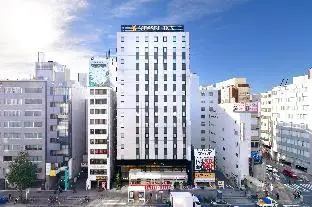
Vessel Inn Sakae Station
Nagoya
★★★★☆
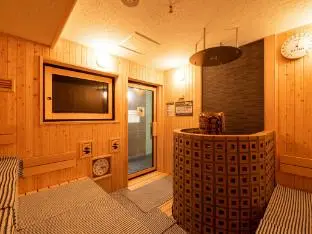
2025 Renewal Open – Anshin Oyado Nagoya Man / Woman Sakae Station
Nagoya
★★★★☆
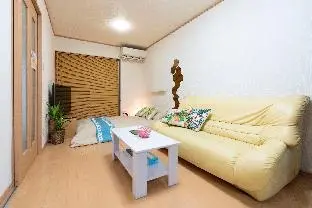
New OPEN Max 10 people Nagoya Station 2LDK
Nagoya
★★★★☆
Best for: solo travelers, one-night stays, early trains, and anyone who wants to keep Nagoya easy.
Skip if: you care more about evening wandering than transit speed.
Price-value verdict: worth it if the hotel is under about $80 and within a short walk of the station. I’d start comparing rates on Agoda before deciding anything else, because the same room class can swing a lot by day of week: Agoda
The biggest upside is transit. If you’re arriving by Shinkansen or JR, staying near the station cuts friction immediately. I didn’t have to decode another subway transfer after a long travel day, and that saved me maybe 20 minutes each way compared with staying farther out. For a short Nagoya trip, that’s real value, not just convenience theater.
Best for: first-time visitors, solo travelers with luggage, and people doing day trips in and out of Nagoya.
Worth it if: you plan to use the station as your hub and you like walking to food instead of planning every meal.
Not ideal for: travelers who want a neighborhood that feels alive late at night.
I also like that the area works even if your day goes sideways. When I came back sweaty and tired after being out in the humid afternoon, I could grab a cold drink and a cheap dinner within a few blocks. That sounds small. It isn’t. It means less decision fatigue, and I always notice that on solo trips.
Cost Breakdown
Rough daily estimates from my own trip. Prices shift by season.
For me, the accommodation line is the one that actually moves the needle. I can keep food cheap in Nagoya without trying hard. A combini breakfast, a bowl of noodles, and one proper dinner still kept my day under control. The hotel choice mattered more than the restaurant choice here, which is not always true in other cities.
I wrote a more detailed breakdown in Where To Stay Nagoya Solo Female — worth reading if you’re still deciding.
Hotel Cards
1) Clean business hotels within 5-8 minutes of Nagoya Station
This is my default recommendation. Rooms are usually compact, but they’re set up for actual sleeping, not for showing off. I’ve paid around $58 to $82 a night in this category, and that range feels fair if breakfast isn’t included and the room still has a desk, decent Wi-Fi, and a bathroom that doesn’t feel like an afterthought.
The location consequence is simple: you save time every single day. I didn’t need to schedule my return around a long walk or a confusing side street. If you’re doing a one- or two-night stay, that adds up quickly. The tradeoff is that the neighborhood itself is not especially memorable. You’re paying for access, not ambiance.
Best for: solo travelers who want the least hassle for the money.
Skip if: you need a room with lots of space to spread out gear.
Sleep/noise reality: usually fine, but I’d still ask for a higher floor or a room away from the elevator if you’re a light sleeper.
Verdict: worth it. This is the category I’d book again without overthinking it.
I stayed in one room where the air-conditioning was strong enough to make the night manageable after a sticky day outside. That sounds basic because it is basic, and basic is exactly what I wanted. A hotel near Nagoya Station doesn’t need to impress me. It needs to work.
2) Capsule and compact stays near the station
If you’re trying to keep your hotel bill low, this is the cheapest practical lane. I’ve seen these hover around $28 to $50 a night depending on weekday pricing and whether it’s a private pod or a tiny room. They’re fine for one night. Two nights is where I start getting annoyed.
Here’s the tradeoff: you save money, but you give up comfort and sometimes privacy. Some capsule-style places are quiet enough for decent sleep, but the common areas can be busy at check-in and a little awkward if you arrive with a full backpack and want to unpack in peace. I’d choose this only if I was doing a quick stop and leaving early the next day.
Best for: solo budget travelers, light packers, and one-night layovers.
Skip if: you know you need space, full privacy, or you’re sensitive to hallway noise.
Sleep/noise reality: mixed. I’ve had nights that were surprisingly quiet and nights where one loud zipper felt personal.
Verdict: good value, but only if the price gap is real. If it’s just $8 cheaper than a small private room, I’d take the room.
I almost booked a capsule once because the listing looked clean and modern. Then I checked the actual walk from the station and realized it was around 15 minutes with my bag. That tiny detail killed it. I’d rather spend a bit more and arrive with less irritation.
3) Mid-range business hotels that only look expensive at first
These are the ones that sometimes jump into the $85 to $110 range, but they can be worth it if you’re booking last minute or landing on a busy weekend. I’d only pay that if the hotel is very close to the station and the room is noticeably better laid out. Sometimes the desk space and bed setup justify the bump. Sometimes they don’t. I think people overpay here because the photos look polished, not because the stay is better.
Location consequence: you’re buying back time and easier mornings. If you’re catching an early train, that can be worth $20-$30 more than a cheaper hotel that’s farther out. But if you’re staying three nights and mostly exploring Nagoya on foot, the math gets worse fast.
Best for: travelers who want a smoother stay and don’t mind paying a little extra.
Skip if: your whole trip is built around spending as little as possible.
Sleep/noise reality: usually better than the cheapest options, though street-facing rooms can still pick up station-area traffic.
Verdict: only if the price gap is under about $20 from the cheaper business hotel.
Where to Stay
If I had to choose between Nagoya Station and Sakae for a solo budget stay, I’d still pick Nagoya Station unless I was staying more than three nights and cared about evening food and wandering. Sakae has more going on after dark, and I get why people like it. But I’ve also paid for “more lively” neighborhoods before and ended up taking subways back anyway. That math never works out for me.
Nagoya Station wins on arrival and departure. Sakae wins if your trip is built around shopping, bars, and a looser pace. The price difference is often not huge, but the convenience difference is. I’d rather save the energy than chase a slightly better street scene I might not use.
Best for: short stays, transit-heavy trips, and solo travelers landing late.
Better if: you want more dining variety at night and don’t mind being 10-15 minutes from the station by subway.
Price-value verdict: Nagoya Station is the better value for most people. Sakae is only worth the switch if you’ll actually use the nightlife.
I expected Sakae to feel like the obvious “fun” choice. It did have more buzz, but it also meant more moving parts. I’m not saying skip it entirely. I’m saying don’t pay extra for an area just because it sounds better on paper.
What the room should have if you’re booking budget in Nagoya

When I book a budget hotel near Nagoya Station, I care about three things more than the photos: how fast I can get there from the station, whether the room blocks noise, and if the bed feels usable for more than a six-hour crash. I’d rather have a plain room with good blackout curtains than a cute room with thin walls and a weird layout.
Here’s the failure I still remember. I once booked a cheaper hotel because it was $14 less per night and looked fine online. The trigger was the walk: what looked like a “short stroll” turned into a 19-minute drag through crosswalks and an awkward block with my suitcase. By the time I arrived, I was already annoyed, and I stayed that way. I lost the savings in energy and ended up spending $9 on a convenience-store dinner because I didn’t want to search for anything else. Next time, I’d pay more for a hotel within 7 minutes of the station and stop pretending a longer walk is a fun little bonus.
Best for: travelers booking on Agoda who want the cheapest room that still saves time.
Skip if: the listing is vague about distance or doesn’t show a real station walk.
Verdict: the room details matter more than the lobby. I don’t trust a nice lobby to rescue a bad location.
If a hotel says “near station,” I want to see the actual walk time, not just the phrase. In Nagoya, 5 minutes versus 15 minutes is the difference between easy and mildly annoying. That’s not a small thing when you’re carrying luggage in humid weather.
The one Nagoya hotel mistake I’d avoid
I assumed a hotel listed close to the station would mean close in a normal human way. It didn’t. The map looked fine, but the route sent me through an underground stretch with more stairs and turns than I wanted after a long day. I saved maybe $12. I spent at least 25 minutes more than I expected over the course of arrival and departure, plus the annoyance tax. Not worth it.
This is the part people underestimate in Nagoya: the station area is useful, but it can be confusing if you pick the wrong exit or a hotel that’s “close” by map distance instead of walking reality. I’d now choose a simpler route over a slightly cheaper nightly rate every time. If the hotel doesn’t give a clear exit number or a plain walking description, I keep looking.
Best for: travelers who value easy navigation more than saving a few dollars.
Skip if: you don’t want to deal with underground detours or stairs with luggage.
Verdict: skip the vague listings. They’re usually not the bargain they look like.
That mistake cost me more than money. It changed the whole tone of the arrival. I was supposed to be checking in smoothly and grabbing dinner. Instead, I was sweating, checking my phone, and wishing I’d paid the extra few dollars for a simpler route. I won’t do that again.
FAQ
Is staying near Nagoya Station actually worth the extra money?
Yes, it’s worth it for most solo travelers. I’d pay an extra $10 to $20 a night to cut down on dragging luggage, confusing transfers, and late-night transit stress. If you’re only in Nagoya for one or two nights, the convenience pays for itself fast.
Would you pick Nagoya Station or Sakae for a first trip?
I’d pick Nagoya Station. It’s easier for arrivals, departures, and cheap meals, which makes a first trip feel smoother right away. Sakae is fine if you want more nightlife, but I wouldn’t choose it just for the sake of having more around me.
Are capsule hotels near the station too cramped for one person?
No, not if you’re only staying one night and you travel light. I’ve found them manageable for a quick stop, but they get old fast if you need to unpack, work, or sleep with more personal space. If the price difference is small, I’d take a tiny private room instead.
How far from the station is still convenient enough?
I’d keep it within about 8 minutes on foot. Once you push past 12 minutes, the savings usually stop feeling worth it, especially with luggage or in humid weather. A hotel that looks cheap on the map can become annoying very quickly if the route is awkward.
What kind of budget should I plan for a solo hotel in Nagoya?
I’d plan around $45 to $90 a night for a decent solo stay near Nagoya Station. Cheaper is possible, but the rooms get tighter and the location can get less convenient. If you want the easiest balance of price and comfort, that middle range is the sweet spot.
 Emma Hayes