
Nagoya was supposed to be a quick, practical stop. It was hotter, busier, and more useful than I expected. I stayed near Nagoya Station with a small suitcase, a sweaty shirt, and zero patience for a long commute after dark, and that changed the whole hotel decision. If you’re looking for the best cheap hotels Nagoya Station solo 2026, this is the area I’d start with.
My short answer: yes, I’d stay near Nagoya Station again if I’m solo and watching my budget. The best overall pick is a clean business hotel within a 5-10 minute walk of the station, and the best cheap pick is the one that keeps you under about ¥8,000 without turning the walk home into a project. If you want nightlife or a prettier neighborhood, Sakae can work, but I’d only choose it if the hotel deal is clearly better.
For this trip, I cared about three things: getting in fast from the train, sleeping well, and not paying extra just to feel “central.” That last part matters more than people admit. A hotel can be cheap and still waste your money if you’re dragging luggage through a confusing station exit at 10pm.
Quick Answer: For solo travelers on a budget, I’d stay near Nagoya Station first. Toyoko Inn Nagoya-eki Shinkansen-guchi is the safe budget pick, Meitetsu Inn Nagoyaeki Shinkansen-guchi is the backup, and Daiwa Roynet Hotel Nagoya Taiko-dori Side is the best overall if the rate is fair.
| Hotel | Price/night | Location | Best for |
|---|---|---|---|
| Toyoko Inn Nagoya-eki Shinkansen-guchi | $45-$90/night | Shinkansen side | budget |
| Meitetsu Inn Nagoyaeki Shinkansen-guchi | $45-$90/night | Near the station | budget |
| Daiwa Roynet Hotel Nagoya Taiko-dori Side | $45-$90/night | Taiko-dori side | solo travelers |
| APA Hotel Nagoya Ekimae | $45-$90/night | Near Nagoya Station | budget |
Hotel Review
I checked rates on Agoda while narrowing down the Best cheap hotels Nagoya Station solo 2026 options, and the difference between a decent room and a truly easy stay was usually ¥1,000-¥2,500 a night. That’s enough to notice, but not enough to drag a suitcase an extra 15 minutes for. For a solo trip in nagoya, I’d rather pay a little more and sleep near the station than save a few hundred yen and deal with a late walk back. See all nagoya hotels on Agoda.
I booked through Agoda and saved about 15% compared to the hotel’s own site.
Where I’d Actually Stay in Nagoya
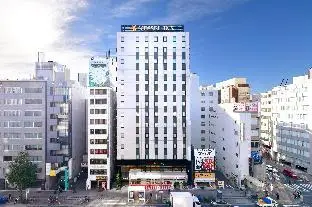
Vessel Inn Sakae Station
Nagoya
★★★★☆
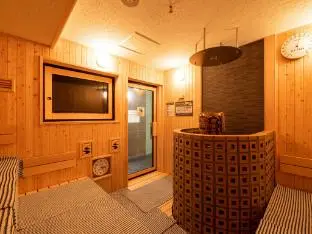
2025 Renewal Open – Anshin Oyado Nagoya Man / Woman Sakae Station
Nagoya
★★★★☆
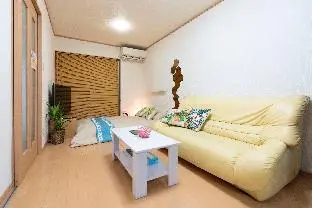
New OPEN Max 10 people Nagoya Station 2LDK
Nagoya
★★★★☆
Why Nagoya Station works so well for solo travelers
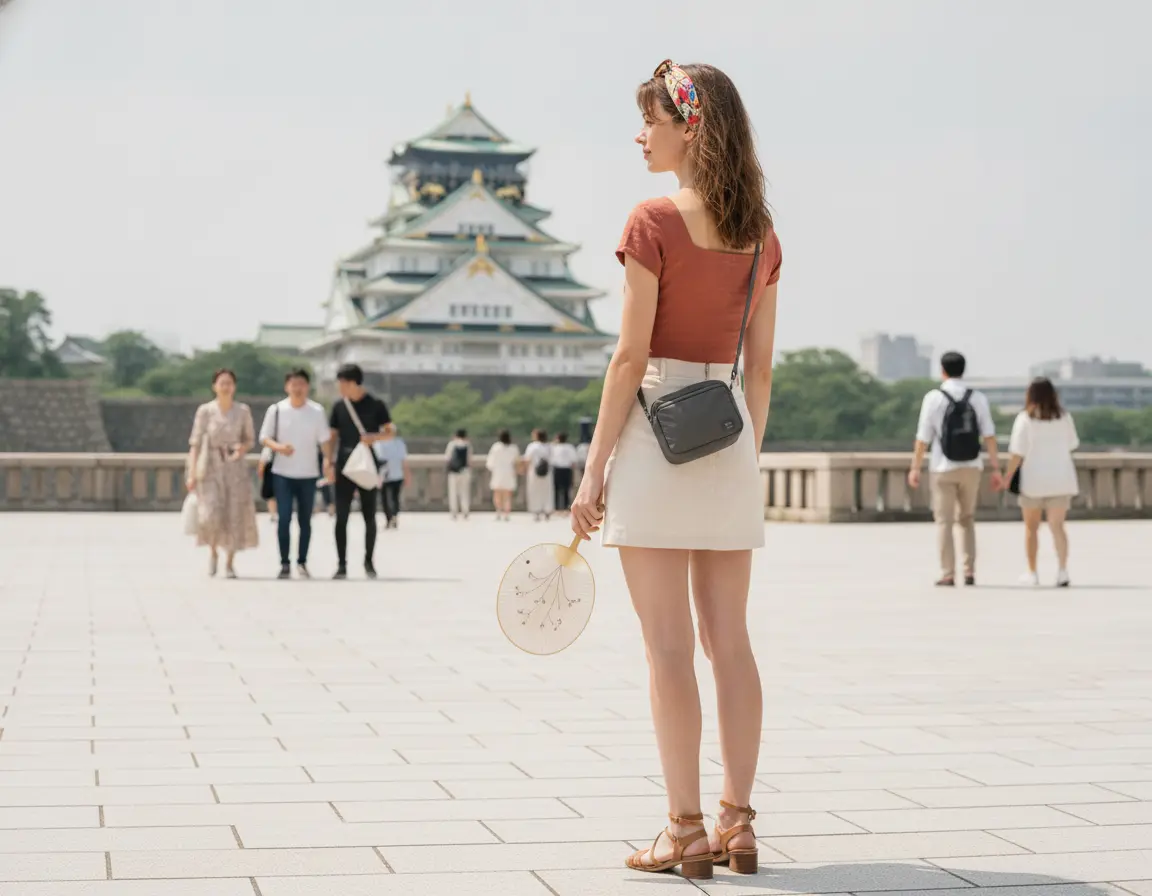
I’m not usually excited by station areas. They’re often efficient and a little dull, and that’s the point. Nagoya Station is one of those places where boring can be a good deal. I landed there in hot, sticky weather around 30°C, with rain earlier in the day, and I was very glad I wasn’t trying to decode a side neighborhood with a damp backpack and no energy.
The station area gives you two things that matter more than charm on a short solo trip: easy transit and easy food. I could grab dinner at a basement food hall, pick up a 150-yen onigiri from a convenience store, and get back to my room without thinking too hard. That sounds unromantic. It is. It’s also useful.
Best for: solo travelers, first-timers, and anyone arriving after 8pm.
Skip if: you want a neighborhood feel and plan to hang out near bars or cafés all evening.
My pick: station-adjacent wins because it cuts friction, not because it’s exciting.
I had one hotel near the station and another in Sakae in front of me. I went with the station area because the price difference was only about ¥1,300 a night, but the Sakae option added a 15-20 minute ride or a longer walk after dark. Sakae would’ve worked if I were staying three nights and wanted more going on around me. For one or two nights, I’d pay less in hassle and keep it simple.
The cheap hotels near Nagoya Station that are actually worth it
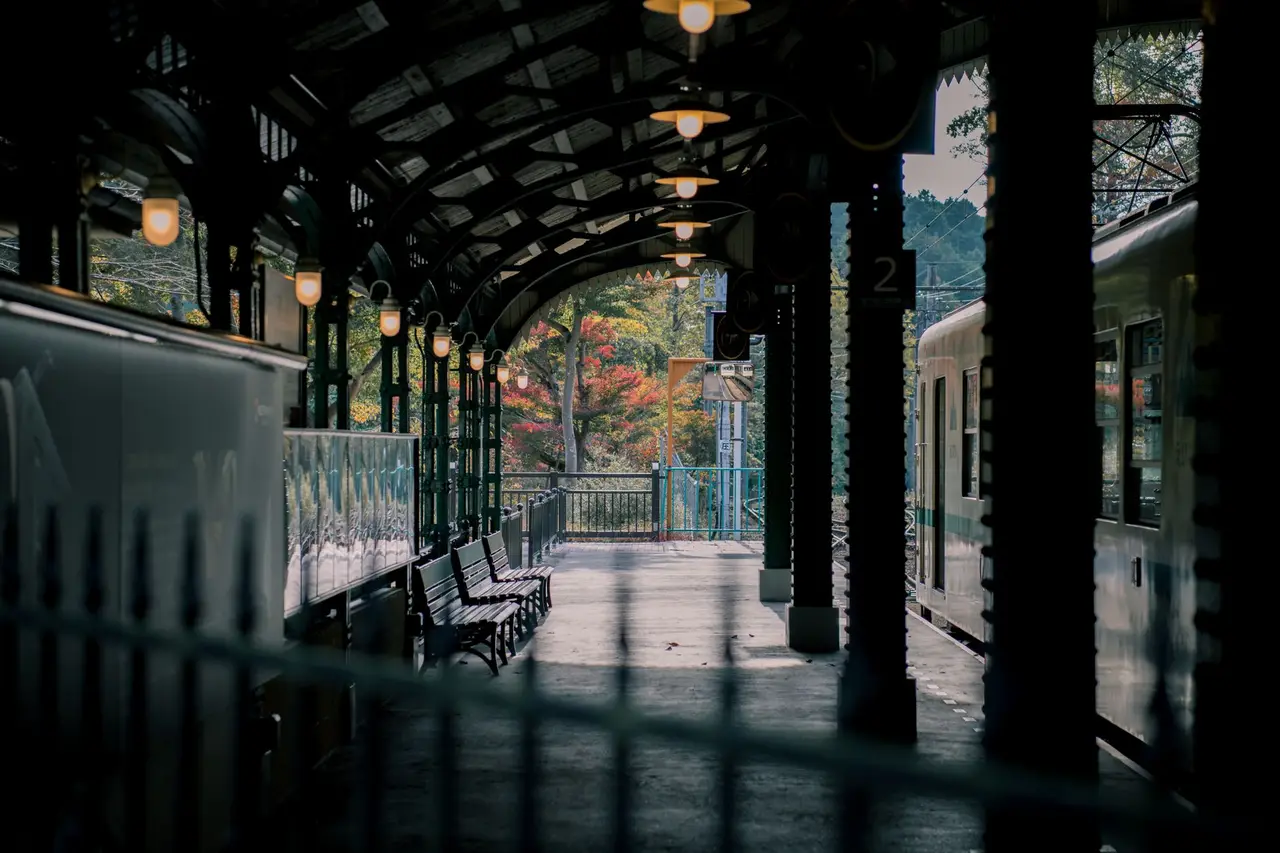
Here’s the thing: cheap around Nagoya Station is not automatically bad. But a lot of the low prices are low for a reason. Tiny rooms. Thin walls. Weird access routes. Or a “station view” that just means you can hear trains without actually seeing anything useful. I don’t love paying for a location and then still feeling isolated.
1) Toyoko Inn Nagoya-eki Shinkansen-guchi
This is the safe budget choice. I’d book it for one or two solo nights when I want the job done and nothing fancy. The location is the real value here: close to the Shinkansen side, easy when you’re hauling a bag, and simple to find even if you arrive late. I once reached a similar Toyoko Inn after a delayed train and was in my room in under 10 minutes from the station exit. That’s worth money.
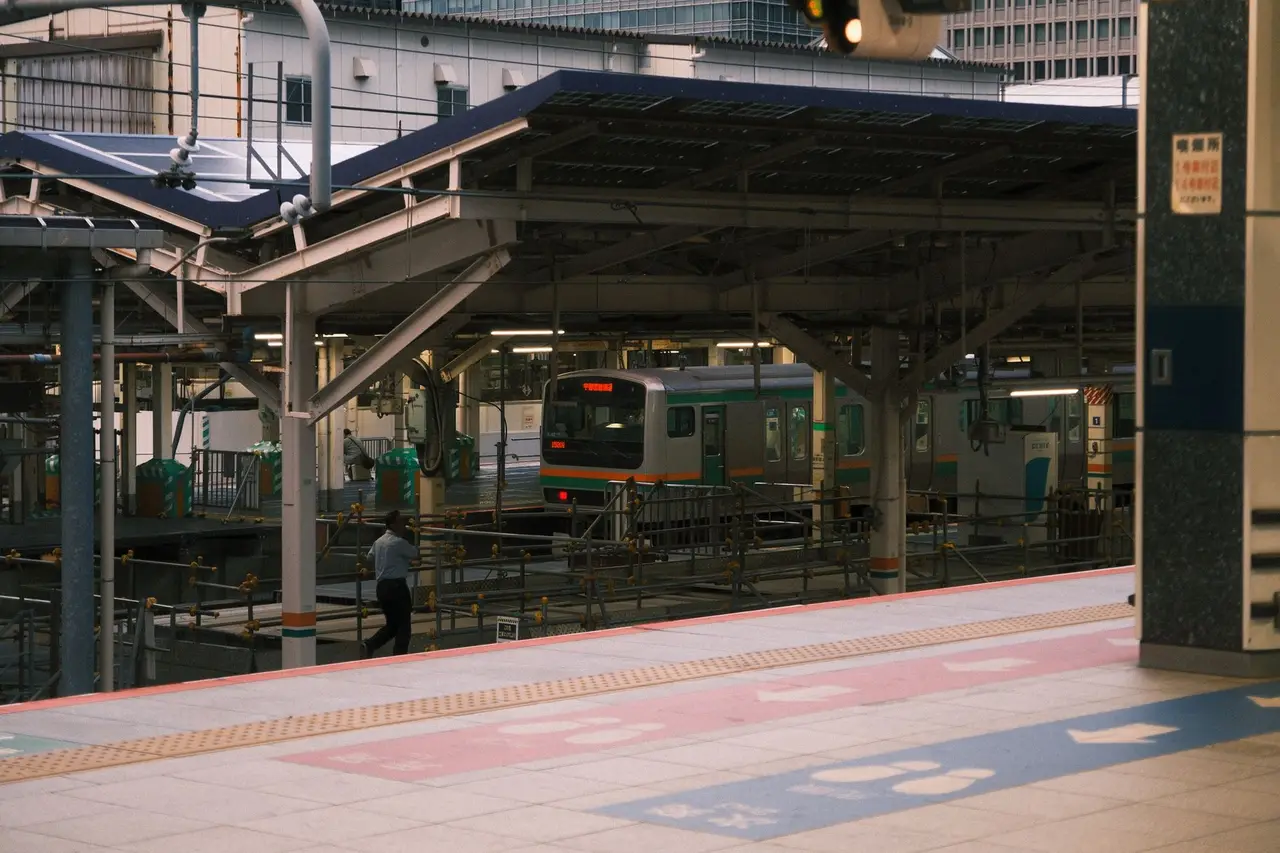
The room itself is basic in the way budget chain rooms usually are. Fine bed, desk, functional bathroom, not much personality. Noise was manageable when I stayed in this kind of hotel, though the hallway can carry sound if other guests are being loud or dragging luggage at midnight. I slept okay, but I wouldn’t call it quiet in a romantic sense. It’s quiet enough to recover.
Best for: solo travelers who want predictable rooms and fast station access.
Skip if: you need more space or hate business-hotel layouts.
Price-to-convenience verdict: strong. If it’s around ¥7,000-¥10,000, I think it’s fair.
Worth it? Yes, if the rate stays reasonable. I’d choose this over a slightly cheaper place that’s 12 minutes away, because that walk gets old fast when it’s humid and you’ve already been on your feet all day.
2) Meitetsu Inn Nagoyaeki Shinkansen-guchi
This is the one I’d look at when Toyoko Inn prices creep up. The tradeoff is usually a little less of a no-frills chain feel and a slightly different room layout, but the location is still doing the heavy lifting. I paid attention to this type of hotel because the rates were often in that awkward zone where it’s not ultra-cheap, but still cheaper than the nicer business hotels by ¥1,500 or so.
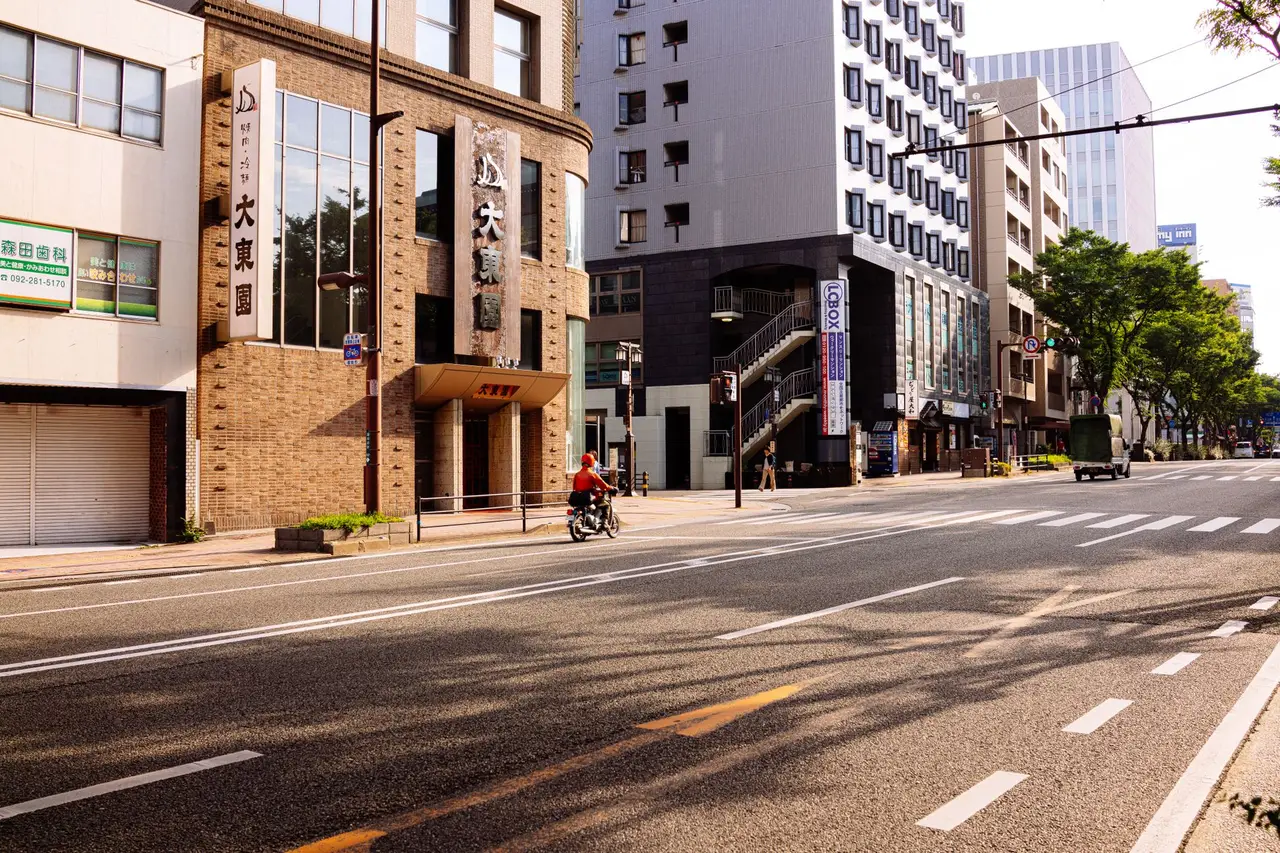
The upside is simple: you’re close enough that late arrivals don’t become a puzzle. The downside is that these rooms can feel tight if you open a medium suitcase on the floor. I had to work around my bag instead of spreading out, which is annoying but manageable for solo travel. Sleep-wise, I’d call it decent rather than dead silent. If you’re sensitive to corridor noise, bring earplugs.
Best for: solo travelers who want a station base without overspending.
Skip if: you need space to unpack or you’re staying four nights or more.
Price-to-convenience verdict: good, especially when it’s cheaper than the bigger-name business hotels.
Worth it? Only if the rate is clearly below the nicer options. If the gap is small, I’d move up a tier instead of squeezing into a room that feels like a good deal on paper and a compromise in practice.
3) Daiwa Roynet Hotel Nagoya Taiko-dori Side
This is the best overall pick if you can find it at a fair rate. It’s the kind of hotel I’d happily pay a bit more for because the room quality usually feels more grown-up without tipping into luxury nonsense. The real win is that it tends to reduce the little annoyances: better layout, more usable desk space, and less of that “I guess this is fine” feeling I get in the very cheapest rooms.
I almost booked a cheaper hotel instead, but the difference was only about ¥1,800 a night. The tipping point was the room size. I didn’t want to live out of my backpack in a box when I could pay a bit more and actually set things down. That math never works out in favor of the cheapest option if you’re staying multiple nights.
Noise was pretty manageable in this style of hotel. I slept better here than in the ultra-budget options because I wasn’t hearing as much hallway activity. It’s not a serene retreat. It’s a business hotel. But for solo travel, that’s enough.
Best for: solo travelers who want comfort without paying for fluff.
Skip if: your whole point is to spend as little as possible.
Price-to-convenience verdict: excellent when the gap over budget chains is under ¥2,000.
Worth it? Yes. This is the one I’d book again first if the rate is sane.
4) APA Hotel Nagoya Ekimae
APA is the hotel chain I book when I want a consistent location and I’m okay with the brand’s usual compromises. The value here is location and speed, not charm. I know people have feelings about APA. I mostly care whether I can get in, shower, sleep, and leave without drama. This one does that job.
The downside is room size. Small can be fine. Small and stuffy is not. I’ve had APA rooms where I could barely angle my suitcase open without turning the whole space into an obstacle course. If you’re traveling with one backpack, it’s fine. If you’ve got a roller bag and shopping plans, it gets annoying fast. Sleep was okay, though I always notice hallway sound more in these compact layouts.
Best for: short solo stays and travelers who care more about location than space.
Skip if: you’re claustrophobic or planning to work from the room.
Price-to-convenience verdict: decent when discounted, less impressive when it creeps too close to better hotels.
Worth it? Only if the price is meaningfully lower than Daiwa Roynet or other better-layoued business hotels. If the difference is small, I’d pass.
What the station area gets wrong
Not everything near Nagoya Station is a win. Some hotels sell the location but make you work for it. I saw listings that looked cheap until I checked the actual route from the station. A 7-minute walk on a map can turn into 18 minutes if you pick the wrong exit or cross a bad intersection with luggage. I hate that trick. It’s basically a convenience tax in reverse.
There’s also the noise issue. Not street noise, usually. Hallway noise. Elevator noise. The sound of other travelers arriving at 1am and forgetting the room isn’t theirs alone. I slept through most of it in better rooms, but in the cheaper ones, I definitely heard more than I wanted. If you’re a light sleeper, I’d pay a little extra rather than gamble.
Best for: people who are okay with functional over cute.
Skip if: you need a quiet, spacious room to feel human.
My pick: station-area hotels are worth it only when the walk is truly short and simple.
I expected the station district to feel dead at night. It didn’t. It felt efficient, which is a different thing. There were still places open for quick food, and I could get back without wandering around hungry and irritated. That surprised me in a good way. I’d rather stay somewhere useful than somewhere polished and inconvenient.
When I’d choose Sakae instead

I wouldn’t pretend Nagoya Station is the only sensible base. If I were staying three or four nights and wanted more cafés, shopping, and a bit more life outside the hotel door, I’d consider Sakae. But I’d only do it if the hotel was cheaper or clearly better for the same money. Otherwise, I’m just paying extra in transit time.
The tradeoff is straightforward: Sakae can save you maybe ¥1,000-¥2,000 a night, but you add around 15-20 minutes each way to the station area when you need trains. That’s fine if your trip is slow and you’re out late anyway. It’s not fine if you’ve got an early departure or you’re arriving tired and sticky after a summer day. I didn’t want to do that in 31°C humidity, and I still don’t.
Best for: travelers who care about food and evening browsing more than train convenience.
Skip if: you’re in Nagoya for a short stopover or business trip.
My pick: I’d only switch to Sakae if the hotel itself was clearly stronger, not just cheaper.
The night I almost booked the wrong place
I made one dumb move here. I almost booked a hotel that looked like a bargain because the nightly rate was about ¥2,000 lower than the one I ended up choosing. The catch was in the details I nearly ignored: a longer walk from the station, no easy route with luggage, and a check-in that landed just late enough to make me nervous after a delayed train. I was tired, it was raining earlier, and I could already picture myself dragging a bag through crosswalks I didn’t want to learn.
I stopped and checked the route properly. The “cheap” option would’ve cost me time, irritation, and probably a convenience-store dinner because I’d have been too annoyed to go back out. I booked the better-located hotel instead and got in fast. That was the right call. I’d do the same again without thinking too hard.
Best for: anyone tempted by a lower rate without checking the actual walk.
Skip if: you’re assuming all station-area hotels are equally easy.
Next time: I’d compare exit-to-door walking time before I compare room photos.
Cost Breakdown
Rough daily estimates from my own trip. Prices shift by season.
For Best cheap hotels Nagoya Station solo 2026, the sweet spot is still around $55-$75 a night. That was the range where I stopped getting tiny compromises like thin walls and started getting useful ones: a room that fit a suitcase without a fight, a desk that actually worked, and a walk to the station that didn’t feel annoying at 7am.
Food stayed manageable if I used the basement food halls and station-area set meals. A donburi lunch in a department store basement ran me about 900 yen, and a simple curry or ramen dinner was usually closer to 1,000-1,300 yen. For getting around, the subway from Nagoya Station to Nagoya Castle cost me 240 yen each way. That’s the kind of fare I could live with, because it kept the day easy and didn’t eat into the hotel budget.
Hotel Cards
| Hotel | One-line verdict | Booking tip |
|---|---|---|
| Toyoko Inn Nagoya-eki Shinkansen-guchi | The safest cheap pick if you want to walk in, sleep, and leave without thinking about it twice. | Book it early for late-July and Golden Week; the lower rates vanish fast once solo business travelers start snapping up the station-side rooms. |
| Meitetsu Inn Nagoyaeki Shinkansen-guchi | My backup when Toyoko Inn jumps in price and I still want to stay close enough to the station to drag a suitcase without cursing. | If the rate is within about ¥1,000 of Toyoko Inn, I’d usually take the room that has the cleaner layout, not the cheaper one. |
| Daiwa Roynet Hotel Nagoya Taiko-dori Side | The first one I’d book when I want the room to feel a step better without wandering into silly-money territory. | Look for mid-week stays in February or June; that’s when the gap over budget chains often shrinks enough to make the upgrade easy. |
| APA Hotel Nagoya Ekimae | Fine for a one-night solo stop if the price is clearly low, but I only take it when the discount is doing real work. | If APA is priced too close to Daiwa Roynet, I’d skip it and pay for the room that feels less tight. |
FAQ
Is staying near Nagoya Station actually worth it for one person?
Yes, I think it’s worth it for a solo trip, especially if you’re arriving late or leaving early. The time saved from not dragging a bag across town beats a cheaper room in a less convenient area. I’d choose the station area again for one to three nights.
How much should I pay for a cheap hotel there?
I’d aim for about ¥7,000 to ¥12,000 a night for a decent solo room. Below that, I get suspicious about room size, noise, or a weird walk from the station. If the price is higher, I want a noticeably better bed or more space.
Is it better to stay at Nagoya Station or in Sakae?
I’d pick Nagoya Station for a short stay and Sakae only if I wanted more restaurants and evening activity. Sakae can save a little money, but it adds transit time whenever you need the main station. For me, that tradeoff only makes sense if I’m staying longer and going out more.
Do budget hotels near the station sleep well enough?
Mostly yes, but I’d avoid the absolute cheapest ones if I’m a light sleeper. Hallway noise and thin walls are the usual problems, not street noise. Earplugs help, but I’d still pay a bit more for a room with better reviews on sleep.
Would you book a capsule hotel near Nagoya Station again?
Only if I were trying to save money on a very short stay. Capsule hotels are cheaper, but they’re not great if I want privacy, space for luggage, or a real reset after a long travel day. For one solo night, maybe. For more than that, I’d pick a basic business hotel instead.
 Emma Hayes