
I stayed in Nagoya as a solo female traveler and paid $74 a night for my first base, then checked a second area because I didn’t want to guess wrong. My answer is simple: I’d stay near Nagoya Station first, and I’d only switch to Sakae if I cared more about evening food and shopping than train convenience. If you’re wondering where to stay Nagoya solo female style, the real decision is not “which neighborhood sounds nicer.” It’s whether I want the easiest transit base or the livelier one.
Quick answer: Nagoya Station was my best overall pick for a solo female stay, especially for luggage, late arrivals, and day trips. Sakae is better if you want more food and shopping after dark. Osu is fun to visit, but I wouldn’t use it as my main base.
Nagoya Station: My pick for a first solo base
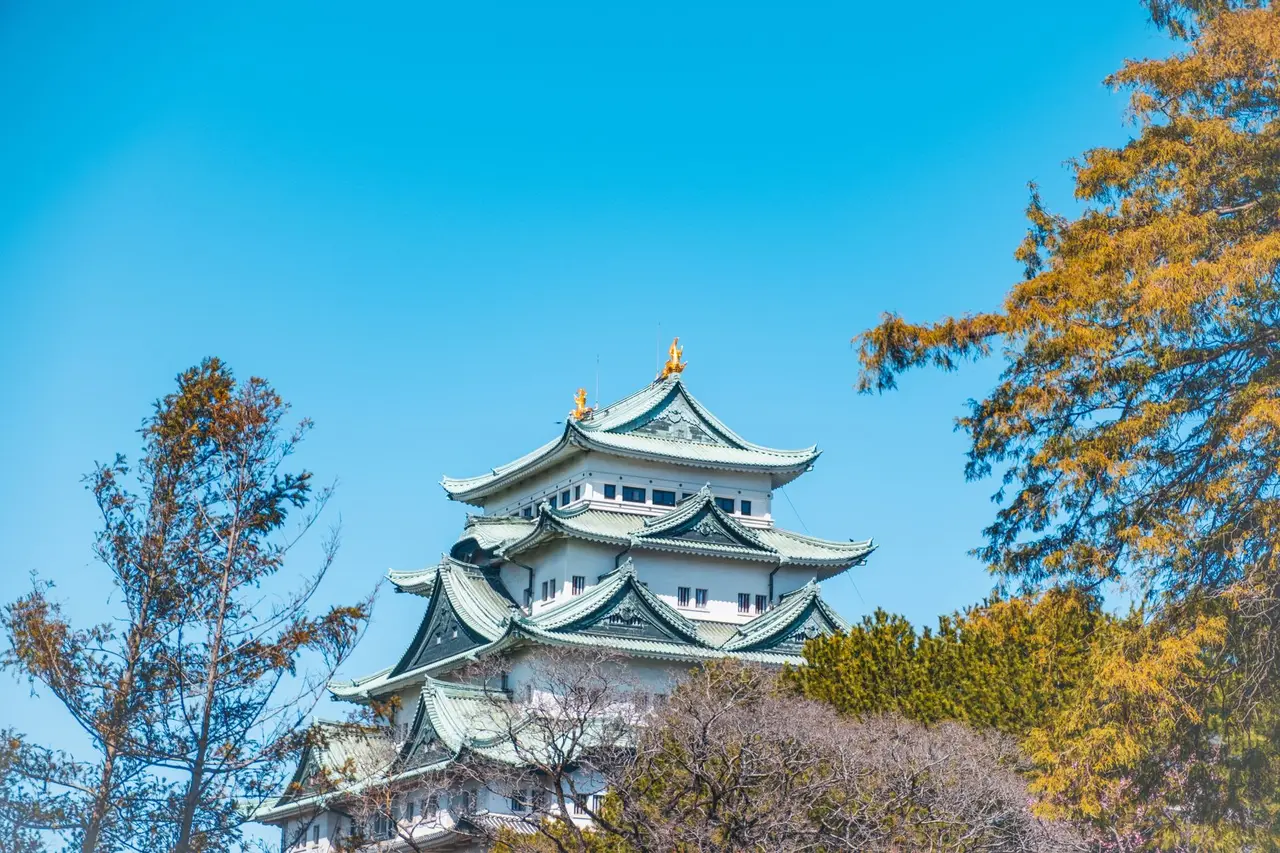
Verdict: worth it if you want the least stressful stay.
I’d stay here again without overthinking it. Nagoya Station is the practical answer, and in this city, practical wins more often than pretty. I had a hotel near the station that cost me about $74/night, and I could walk there in under 8 minutes from the exit I used most. That mattered more than I expected after a hot, humid day around 26–33°C, because dragging a bag through sticky weather is the kind of thing that makes even a good location feel bad.
Best for: first-timers, solo women arriving late, anyone doing day trips to places like Inuyama, Gifu, or even just moving around the JR network a lot.
Skip if: you want the area outside your hotel to feel lively after dinner. Around the station, the vibe is efficient, not charming.
Main tradeoff: you get speed and simplicity, but you give up atmosphere.
I had two options in front of me: Nagoya Station and Sakae. I chose the station because I knew I’d be arriving with luggage after a long transit day, and I didn’t want a 15-minute walk from the subway exit just to reach the room. Sakae would’ve been fine if I were staying three or four nights and mostly out in the evenings, but for a first base, the station saved me time every single day.
The walkability is better than people make it sound, though the station area itself is more spread out than compact. I grabbed a convenience-store dinner one night — onigiri, tea, and a sandwich came to about $5.50 — and ate it in my room because I’d already done enough walking for the day. That’s not glamorous, but it’s real. And for solo travel, real often means safe, easy, and boring in a good way.
Noise-wise, I’d call this area quiet enough if you book a decent hotel. My room faced away from the main road, and I barely heard anything after 11pm. If you’re sensitive to train noise, check the actual building location, not just the neighborhood name. I’ve stayed near stations before where the room was fine and the hallway was weirdly loud; this one wasn’t. Worth it.
Transit is the main reason to stay here. You can get to major JR lines without fighting your way across the city first, and that convenience compounds. If you save 20–30 minutes each morning, that’s basically an extra coffee stop or an extra museum without adding effort. That math never works out badly.
For a deeper look at nagoya 3 day itinerary solo 2026, I covered this in my Nagoya 3 Day Itinerary Solo 2026.
For a deeper look at budget nagoya itinerary solo 2026, I covered this in my Budget Nagoya Itinerary Solo 2026.
Sakae: Better if you want more going on after dark
Verdict: only if you’ll actually use the evening energy.
Sakae is the better choice for people who want to step out and immediately have dinner, drinks, dessert, and shopping within reach. I walked through Sakae on a rainy evening after a short break in the weather, umbrella in hand, and it felt busier in a way that made the neighborhood more useful for a solo night out. I wouldn’t call it cozy. I’d call it handy.
Best for: solo travelers who like being able to eat late, browse stores, and keep the night flexible.
Skip if: you’re arriving with a suitcase and want the simplest possible first night. The station still beats it for pure logistics.
Main tradeoff: you gain food and foot traffic, but you lose some transit ease.
Budget-wise, I saw midrange hotels in Sakae running roughly $60–$120/night, with nicer business hotels pushing higher on weekends. That’s not wildly different from the station, but the value changes depending on your plans. If you’re going to spend your evening in the area anyway, Sakae earns its keep. If you’re just sleeping there and leaving early, I don’t think it does.
I expected Sakae to feel more fun than it did. It wasn’t bad at all, but it came off more like a useful downtown zone than a place I’d pick for mood. I left after a quick dinner and a supermarket stop, and that was enough. If I were doing a food-heavy trip, I’d probably choose it. For a first Nagoya stay, I still wouldn’t move it ahead of the station.
Walkability is decent once you’re in the right pocket of the neighborhood, but some blocks feel a little wide and car-heavy compared with the tighter parts of central Tokyo or Kyoto. It’s fine. Fine is the word. Not a complaint, just the truth. For a solo woman, I’d rather stay somewhere with steady foot traffic than somewhere that looks nicer on a map but goes dead after 9pm.
Osu: Fun for a wander, weak as a base

Verdict: skip it unless you’re staying for atmosphere, not efficiency.
Osu is the area I’d visit during the day and think about fondly later. I wouldn’t choose it as my main place to sleep unless I already knew Nagoya well. It has food, temples, shopping streets, and enough random browsing to kill a couple of hours, but as a base it’s less cleanly connected than the station and less straightforward than Sakae.
Best for: travelers who want a local-feeling neighborhood and don’t mind building their day around it.
Skip if: you’re only in Nagoya for 1–3 nights or you’re doing early trains.
Main tradeoff: more character, less convenience.
I ate lunch here for about $8 — a plate of miso katsu and a cold drink — and that part was good value. But the neighborhood didn’t convince me as a sleep base. The streets were lively in the afternoon, then less useful once I thought about getting back after dinner. That’s the issue. A place can be enjoyable and still not be the right place to sleep.
If you’re the kind of traveler who likes stepping into a neighborhood and drifting through it all day, Osu makes sense. If you’re solo and trying to keep things efficient, I’d keep it as a daytime stop. Staying here means you’ll likely spend 15–20 minutes more on transit than you would near Nagoya Station, and that adds up when you’re doing it twice a day.
Meieki and Nishiki: Good only if your trip has a specific shape
Verdict: worth it only for very specific plans.
Meieki is basically the station’s orbit, so it can work if you want Nagoya Station convenience without being right on top of the busiest exits. I walked out there in the morning and it felt like a place built for movement: office workers cutting across wide pavements, people wheeling suitcases, traffic already humming before the coffee shops had properly filled up. It’s efficient. Not charming, but efficient.
Nishiki is a different story. It’s more nightlife-adjacent, and I’d only stay there if late dinners and bars are a real part of the plan. I passed through after dark and the mood changed fast — brighter signs, more groups lingering outside izakaya doors, narrower streets with a bit more noise and a bit less breathing room. That can be fun if you’re going out. It’s less fun if you’re heading back alone and want the area to feel sleepy by 10pm.
Best for: Meieki for people who want station access with slightly less chaos; Nishiki for nightlife-focused trips.
Skip if: you want a quiet early night or you’re not planning to be out after dark.
Main tradeoff: location is good, but the fit depends heavily on your schedule.
I had coffee near Meieki for around $4.50 and drank it standing by the window while commuters kept flowing past in neat little waves. That was the area in one scene: practical, fast, nothing lingering. Nishiki felt busier, and not in a way I’d love for sleeping. For a solo female traveler, I’d be more careful with hotel placement there, especially if the room opens onto a louder street. A good hotel can make it fine, but I wouldn’t choose it just because it sounds central on paper.
What I’d actually do is treat Meieki as a backup to Nagoya Station, not as a separate winner. It’s useful, but not memorable. Nishiki is the one I’d only pick if I wanted late-night food and didn’t mind the tradeoff. If you’re asking me where to stay Nagoya solo female style, I still say station first unless your plans clearly point you somewhere else.
The mistake I made the first night

Verdict: book based on the walk, not the map pin.
I made the obvious mistake: I looked at the hotel’s distance from Nagoya Station and thought 10 minutes sounded fine. It wasn’t terrible, but the route had more awkward crossings than I expected, and after a long travel day with my bag, it felt longer than 10 minutes. I arrived sweaty, annoyed, and mildly resentful over something I could’ve avoided for no extra money. That’s the annoying part. The hotel was only about $6 cheaper than a closer option I’d dismissed.
Best for: people who are traveling light or staying several nights and don’t mind a little extra walking.
Skip if: you’re landing late, arriving alone, or traveling in hot weather with luggage.
Main tradeoff: you can save a few dollars, but the walk can be a real drag.
The consequence was small in dollars and big in annoyance. I lost maybe 20 extra minutes that first night between navigating the route and waiting at a bad crossing, and that was enough to make me wish I’d paid the slightly higher rate. Next time, I’d pay for the closer hotel without arguing with myself. In Nagoya, the difference between “near” and “easy” matters more than I thought.
I also learned that the area around a station can look simple on a booking page and still be mildly irritating on foot. So now I check the actual exit route, not just the neighborhood name. That’s my rule here. Worth it.
What I’d book again, and what I wouldn’t
Verdict: Nagoya Station again, with a closer hotel than last time.
If I went back tomorrow, I’d book Nagoya Station again. I’d also pay a little more for a room that’s genuinely within a short walk of the exit I’d use most, even if that means going from $74 to around $85–$95/night. That’s the kind of upgrade that saves me energy, and I care more about that than a slightly nicer lobby.
Best for: solo travelers who want to move around the city without friction and keep the trip simple.
Skip if: your main goal is a neighborhood with more night energy right outside the door.
Main tradeoff: you’re choosing function over charm, and I think that’s the right call here.
I wouldn’t book far outside the central area unless the hotel rate was meaningfully lower, like $25–$30 less per night. Anything less than that and the transit cost starts eating the savings. I also wouldn’t overpay for a trendy-looking place in Sakae just because it photographs well. Pretty hotel, long walk, same old story.
Rough daily estimates from my own trip. Prices shift by season.
What I’d do differently next time
I’d stay one exit closer to Nagoya Station. That one change would save me the dumb little friction that adds up when you’re solo and tired.
I’d also avoid booking a room that looks cheap but sits across a messy intersection or inside a long underground maze. I thought I was being careful. I was partly just being cheap.
And I’d only choose Sakae if I knew I’d be out late enough to use it properly. Otherwise, it’s extra movement for no real payoff.
Where I’d Actually Stay in Nagoya
Vessel Inn Sakae Station
Nagoya
★★★★☆
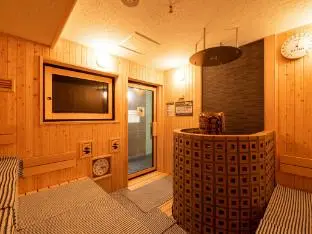
2025 Renewal Open – Anshin Oyado Nagoya Man / Woman Sakae Station
Nagoya
★★★★☆
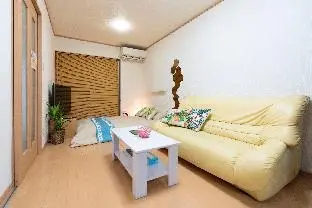
New OPEN Max 10 people Nagoya Station 2LDK
Nagoya
★★★★☆
See current Nagoya hotel prices on Agoda →
I usually book Nagoya tours on Klook — the best time slots go fast, especially in peak season.
FAQ
Is Nagoya Station safe for a solo woman at night?
Yes, I think Nagoya Station is safe enough for a solo woman at night if you stick to the main exits and book a normal business hotel. The area has steady foot traffic, convenience stores, and enough people around that it doesn’t feel isolated. I’d still avoid wandering into empty side streets just to save two minutes.
Is Sakae better than Nagoya Station for a first stay?
No, I’d still choose Nagoya Station first. Sakae is better if you plan to eat late or go out at night, but the station is easier when you’re arriving with luggage or doing day trips. If your trip is short, convenience beats a livelier street scene.
How much should I pay for a decent hotel in Nagoya?
I’d aim for about $60–$100 a night for a solid solo-friendly hotel. Near Nagoya Station, that usually gets you clean rooms and a short walk without going into luxury pricing. If you see something much cheaper, check the walk from the exit before booking.
Can I stay in Osu and still get around easily?
Yes, but I wouldn’t call it the easiest choice. Osu works if you want to spend time in the neighborhood itself, but you’ll usually spend more time getting to and from major transit than you would from the station. For a short stay, that extra friction is the first thing I’d cut.
What area would you choose if you only had one night in Nagoya?
I’d choose Nagoya Station without hesitation. One night is too short to waste on a base that adds transit steps or makes check-in annoying. I’d rather get in, drop my bag, eat somewhere simple, and leave the next morning without thinking about the hotel again.
 Emma Hayes