
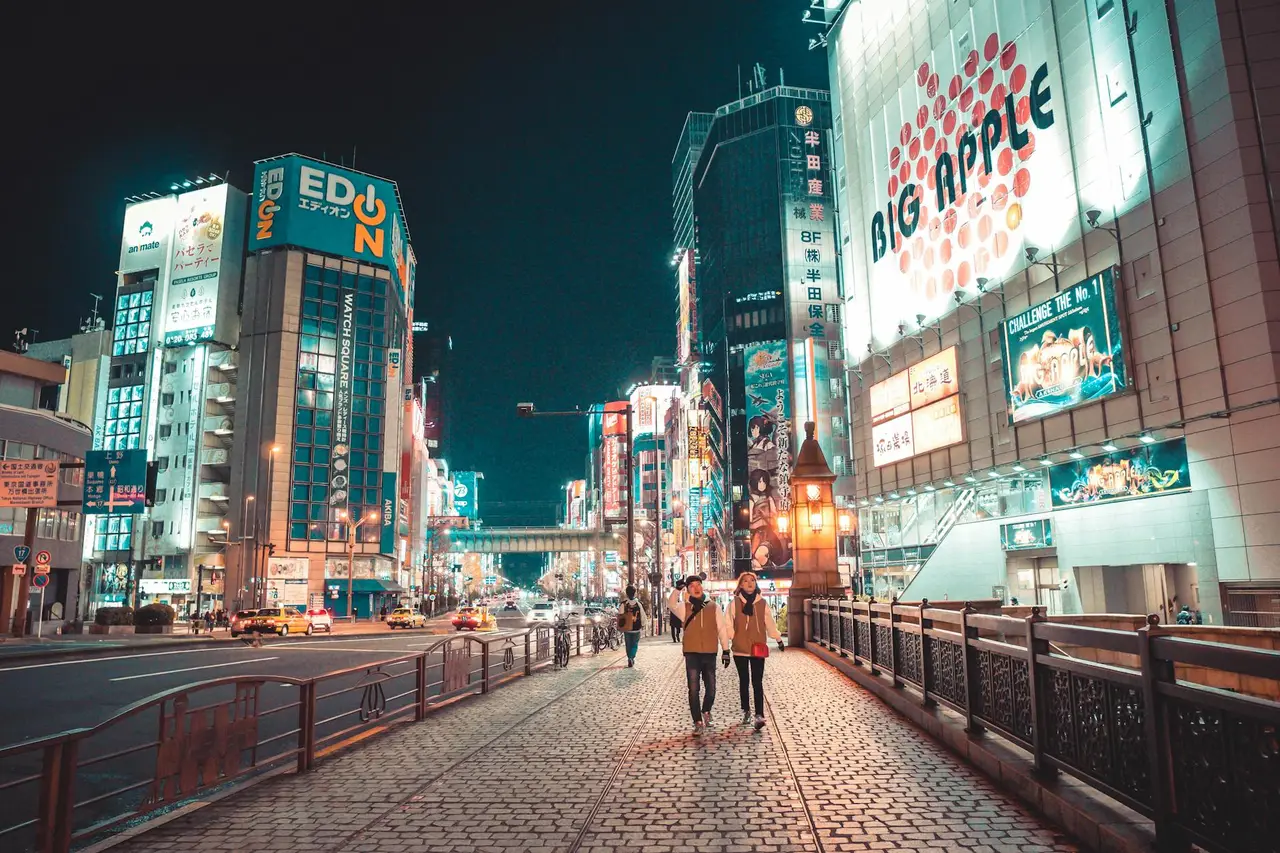
Nagoya was supposed to be a filler stop. It was more useful than exciting. I ended up liking it most after sunset, when the city got easier to read and the dumb tourist pressure dropped off. If you’re looking for a polished night-out city, this isn’t that. If you want good food, easy transit, and a few low-stress things to do in Nagoya at night, it works.
I’d spend one night in central Nagoya and keep the plan simple. This is for travelers who want dinner, a walk, maybe one observation deck or bar, and a clean return to their hotel without turning the evening into a project. It’s not for people chasing neon chaos or a late-night party district. The real question is whether the night spots are worth the time, and in Nagoya the answer is yes — but only if you choose carefully.
Quick Answer: Start in Sakae, eat dinner near the station, walk to Oasis 21, and only add Nagoya TV Tower or Osu if you still have energy. I paid around ¥210 for subway rides, ¥1,300 for a simple dinner, and ¥900 for one observation deck.
Day by Day
Day 1: Dinner in Sakae, Then the Easiest Night Walk
Best for: first-night arrivals, solo travelers, and anyone who wants a low-stress start.
Skip if: you hate shopping districts or you’re already staying far from central Nagoya.
My pick: eat in Sakae, then walk toward Oasis 21 and back.
I’d use this as the default Nagoya night plan because it’s efficient. Sakae is the part of the city that actually feels alive after dark without making you work for it. I got there from Nagoya Station on the Higashiyama Subway Line in about 5 minutes and paid around ¥210. That’s the kind of transit I’ll take all day.
For dinner, I’d aim for miso katsu or tebasaki somewhere around the Sakae station area. I paid ¥1,300 for a set meal at a no-frills spot and left full, which is the whole point. Nagoya has too many places that are trying to be an experience instead of a meal. I don’t love that. A simple counter seat and a hot plate beat a line and a photo wall every time.
After dinner, walk to Oasis 21. It’s about 8 to 10 minutes on foot from the main Sakae exits, depending on which side of the station you come out of. The building itself is more useful than beautiful, which is fine by me. The glass “Spaceship-Aqua” roof is the obvious reason to go, but I liked it more as a place to reset after a train day. I stood there for maybe 20 minutes, watched people cut across the plaza, and that was enough.
Worth it if: you want one easy night stop that doesn’t cost much.
Skip it if: you’re expecting a dramatic skyline moment. This is a practical city walk, not a cinematic one.
If you’re short on time, cut the shopping streets and just do dinner plus Oasis 21. That’s the part that felt most usable. The rest is optional noise.
Day 2: Nagoya TV Tower and the Sakae Lights
Best for: people who like one paid view and a short walk after.
Skip if: you’re not into observation decks or you already did city views elsewhere in Japan.
My pick: do the tower only if you’re already in Sakae for dinner.
I expected Nagoya TV Tower to feel dated in a bad way. It kind of does, but not enough to make it pointless. I went up because I was already in the area, and that saved it. I paid about ¥900 for admission, and I wouldn’t have crossed the city just for that. The view was fine, especially at dusk, but the real value was that it gave me a clean, simple anchor for the evening.
From Oasis 21, it’s roughly a 5-minute walk to the tower area. If you’re coming from Nagoya Station, take the subway to Sakae and budget 10 to 15 minutes door to door. The route is easy, which matters more than people admit. A bad night plan in a new city is usually just a transit plan with extra steps.
Inside the tower area, I didn’t linger long. Thirty minutes was plenty. I think that’s the right amount for most travelers unless you’re specifically into night photography. The tower is useful, not memorable. That’s the honest verdict.
Afterward, I’d walk the surrounding Sakae streets for 20 to 30 minutes and then leave. There are convenience stores everywhere, which sounds boring until you need a cold drink and a 7-Eleven snack before heading back. I grabbed a canned coffee for about ¥180 and sat on a bench near the lit-up plaza for a bit. That was the best part, weirdly enough. Not the tower itself.
Worth it if: you want one paid evening stop and don’t mind a small admission fee.
Only if: it’s already on your route. I wouldn’t build a whole evening around it.
Skip if: your trip is short and you’d rather spend the money on dinner or one better drink.
Day 3: Nagoya Station After Dark, Then a Proper Late Dinner
Best for: transit days, late arrivals, and anyone staying near the station.
Skip if: you want atmosphere over convenience.
My pick: use Nagoya Station for a practical night, not a romantic one.
Nagoya Station is not where I’d go to “hang out,” but it is where I’d go to eat well and move on. That distinction matters. The station area has enough food options to save you from a long hunt, and after a day of trains that’s worth more than another pretty street. I ate in the station complex once after checking in late, and it solved the night in about 40 minutes.
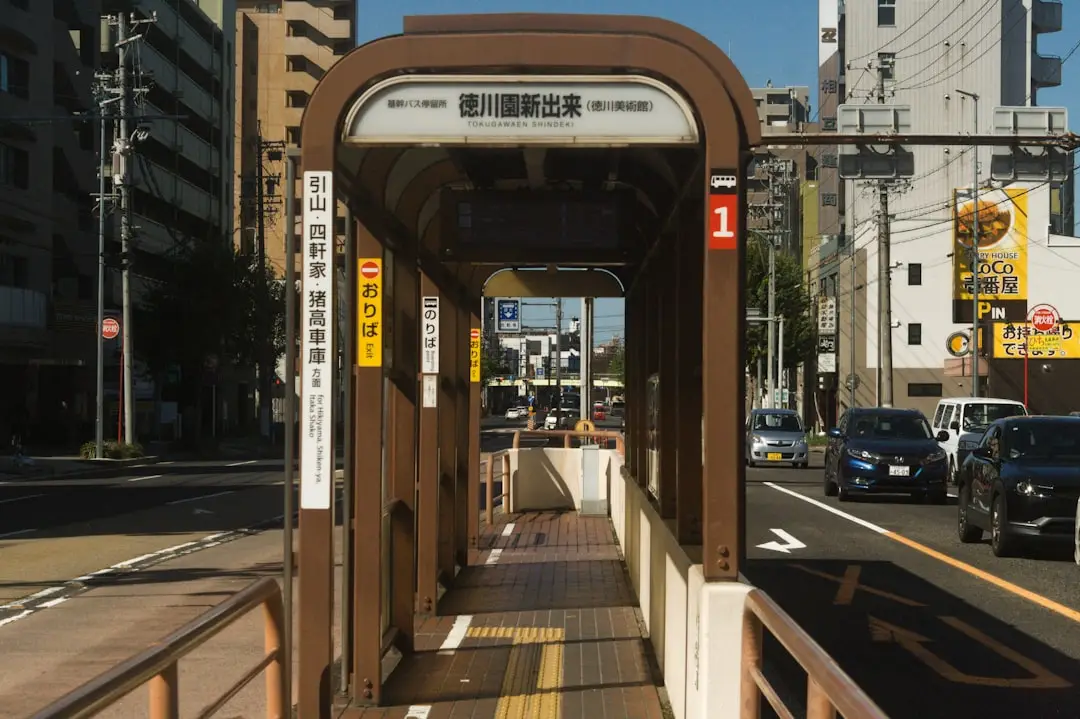
From most central hotels, you can walk to the station area in 10 to 20 minutes. From Sakae, just take the subway back for about ¥210 and 5 minutes. I’d rather do that than pay for a taxi unless I’m carrying a lot. The math never works out for me in Japan unless I’m exhausted or it’s raining hard.
For food, I’d look for hitsumabushi if you haven’t had it yet, or a simple curry set if you’re tired. Hitsumabushi costs more — I saw sets around ¥3,000 to ¥4,500
I had two options in front of me one evening: sit down for a more expensive eel meal near the station, or eat a ¥1,200 curry set and get back to the hotel earlier. I went with the curry because I was tired and didn’t want a long meal. The eel would’ve been better if I’d planned it as dinner, but I didn’t want to spend ¥4,000 just because I was hungry at 8:30 p.m.
Best for: travelers with one late night in the city and no energy for wandering.
Skip if: you’re hoping Nagoya Station itself will be fun. It’s functional, not charming.
My pick: station dinner is a smart fallback, not the main event.
Day 4: A Night at Osu, Then Out Before It Gets Old
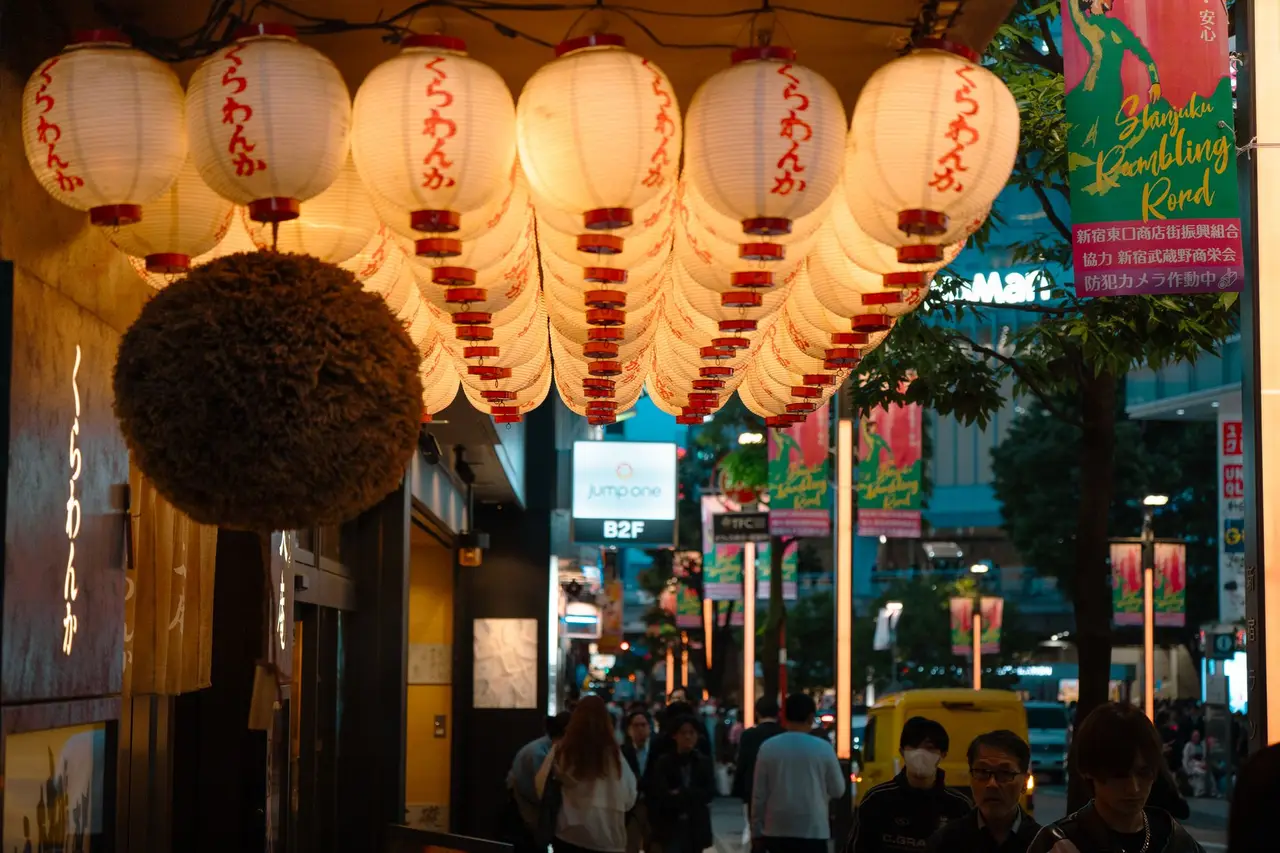
Best for: people who like street food, thrift shops, and a less polished evening.
Skip if: you want quiet or you hate crowds.
My pick: go early evening, eat, and leave before you start drifting into souvenir-store fatigue.
Osu was the place I expected to like more than I did. I figured it would feel like a lively local district with a little edge. Instead, it was a mix of snack stalls, arcades, secondhand shops, and the usual tourist-adjacent clutter. Not bad. Just less interesting than the hype makes it sound.
I took the subway from Sakae to Osu-Kannon in about 3 minutes and paid around ¥210. From there, the market streets are an easy walk. I’d arrive around 5:30 or 6 p.m. if you want food without too much crowding. By 7:30, it starts feeling busier and a little more same-y. I bought taiyaki for about ¥250 and a fried snack that I honestly don’t remember well enough to recommend. That tells you enough.
The Osu Kannon temple itself is worth a quick stop, especially because it breaks up the shopping streets. I spent maybe 15 minutes there, then moved on. The temple is the part with the clearest sense of place. The rest of Osu is better for grazing than lingering. That’s my take, and I’m sticking to it.
If you want a nightlife-adjacent area that isn’t a club scene, Osu fits. If you want something genuinely local, though, I’d rather eat in a smaller neighborhood restaurant than browse the market for an hour. Osu is useful for an evening gap. It’s not the reason to come to Nagoya.
Worth it if: you want one easy street-food night and don’t mind some tourist energy.
Skip if: you only have one evening and want the strongest possible use of your time.
My pick: Osu is a secondary stop, not the headline.
Day 5: A Low-Key Night by the River or Back at the Hotel
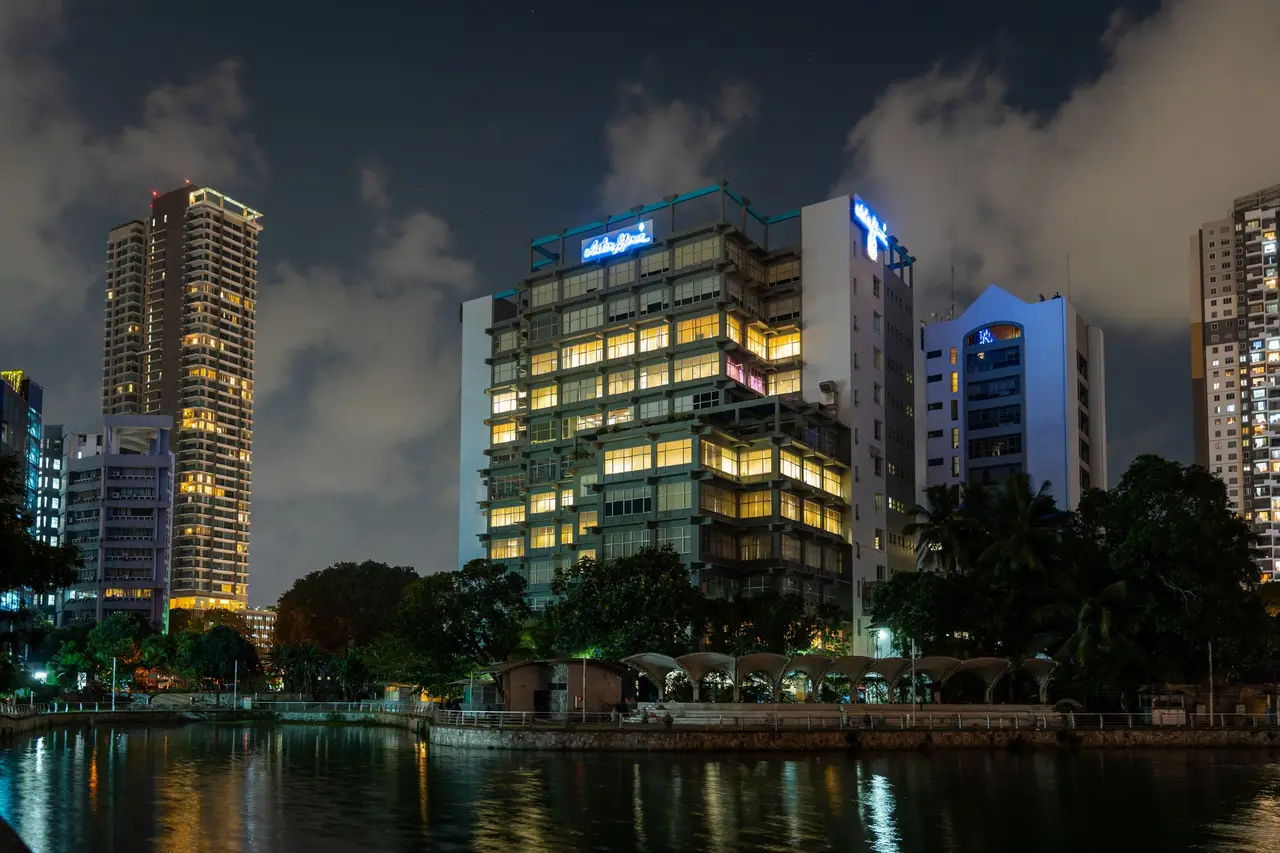
Best for: slower travelers, rainy-weather nights, and people who are done with sightseeing.
Skip if: you need your evenings to feel “packed.”
My pick: take the quiet night and stop pretending every evening needs an activity.
This is the part of the trip where I usually get honest about energy. Nagoya at night does not need to be a performance. If you’ve already done one dinner walk, one tower, and one neighborhood stop, I’d stop there and let the rest of the trip be simple. I did a 15 to 22°C evening here with a light layer in my bag, and that was enough. No drama. No big weather story. Just comfortable walking and a city that was easy to move through.
If you still want one more thing, I’d walk near the river or through the quieter streets around my hotel instead of chasing another attraction. The payoff is modest, but so is the cost. Sometimes the best night plan is a convenience-store dinner, a 15-minute walk, and an early reset for the next morning. I paid ¥420 for onigiri, tea, and yogurt one night and didn’t regret it at all.
Worth it if: your day was long and you want a no-pressure night.
Skip if: you only travel for big evening activities.
My pick: don’t force a late-night agenda if the city’s already done its job.
Cost Breakdown
Rough daily estimates from my own trip. Prices shift by season.
Transport Tips
I’d book a hotel closer to Sakae instead of defaulting to Nagoya Station. The station is better for transit, but Sakae is the better base if you care more about evening walking and dinner options. I’d also skip one paid viewpoint and spend that money on a better meal instead. And I’d stop trying to make Osu into a bigger night than it is.
One more thing: I’d eat earlier. Around 6:30 p.m. was the sweet spot for me. After 8 p.m., I started making lazy choices, and those are usually the expensive ones.
Where I’d Actually Stay in Nagoya
Vessel Inn Sakae Station
Nagoya
★★★★☆
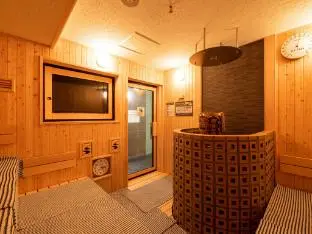
2025 Renewal Open – Anshin Oyado Nagoya Man / Woman Sakae Station
Nagoya
★★★★☆
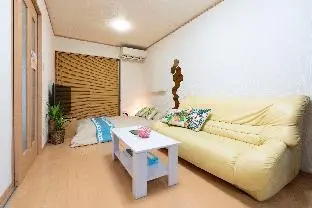
New OPEN Max 10 people Nagoya Station 2LDK
Nagoya
★★★★☆
For Nagoya I used Agoda — they had the best rate for my dates.
I pre-booked on Klook the night before — skipped the entire ticket line.
FAQ
Is Nagoya safe to walk around at night?
Yes, I felt fine walking around central Nagoya at night, especially in Sakae and near Nagoya Station. The streets were busy enough that I never felt isolated, and the subway made it easy to get back fast. I’d still avoid wandering aimlessly in empty side streets after the last train, just because that’s common sense anywhere.
How late does the subway run in Nagoya?
I planned around getting back before the last train because that’s the cleaner move in Japan, and it kept me from paying for a taxi. If you’re going out after dinner, plan on the subway for the early evening and leave yourself enough time to return comfortably.
Is Sakae a good area for dinner and an evening walk?
Yes, Sakae is the easiest area for a first night because dinner, shopping streets, and Oasis 21 are all close together. I liked that I could eat, walk 10 minutes, and be back near the subway without thinking hard. If you only want one nighttime base, this is the one I’d pick.
Is Osu worth going to after dark?
Yes, but only for a short visit. I’d go for snacks, a quick temple stop, and maybe a little browsing, then leave before it turns into retail fatigue. I spent less than two hours there and that felt about right.
Should I stay near Nagoya Station or Sakae if I care about nights out?
I’d choose Sakae if nights matter more to you than pure transit convenience. Nagoya Station is better for train connections, but Sakae gives you easier access to food and a better walking loop after dinner. If you’re only in town for one night, that difference matters more than people think.
 Emma Hayes