
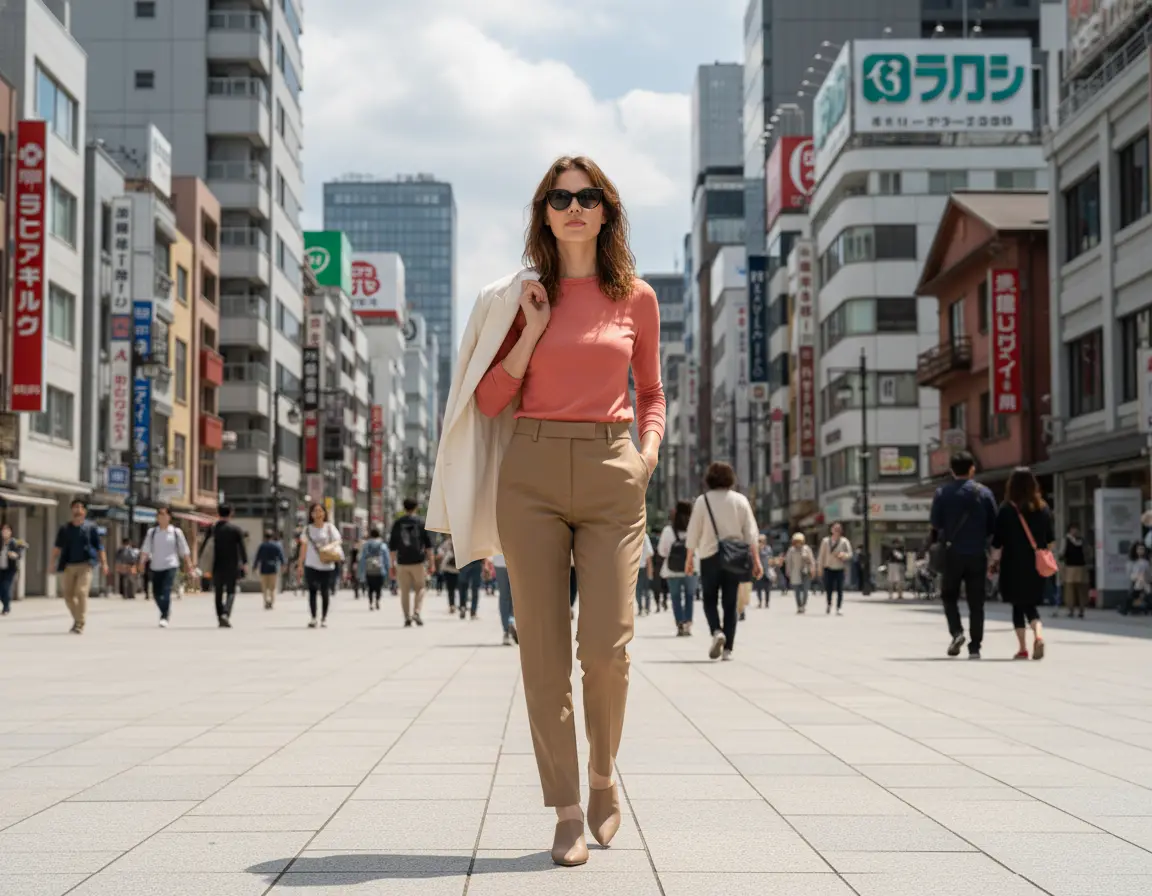
¥9,200: that’s what I paid for my Nagoya hotel, and it changed how I felt about the city. If you’re wondering where to stay in Nagoya for the first time, I’d pick Sakae over Nagoya Station. I stayed near Sakae instead of Nagoya Station, and I’d make the same call again. If you want easy transit plus a place you can actually walk around at night, Sakae is my pick. If your trip is mostly train connections and you’re leaving early, Nagoya Station wins. The real question is whether you want a base that feels useful or one that feels like a lobby with rails attached.
Quick answer: Sakae is the best first-time base for most visitors. It gave me food, walkability, and subway access, while Nagoya Station was better only for pure rail logistics. I paid ¥9,200 for my room in Sakae.
Sakae is the safest bet for a first Nagoya stay
Best for: First-time visitors who want the easiest mix of transit, food, and a little evening energy without paying for a fancier district.
See current Nagoya hotel prices on Agoda →
Where I’d Actually Stay in Nagoya
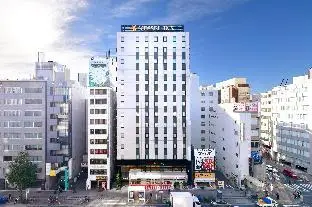
Vessel Inn Sakae Station
Nagoya
★★★★☆
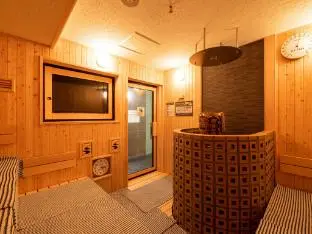
2025 Renewal Open – Anshin Oyado Nagoya Man / Woman Sakae Station
Nagoya
★★★★☆
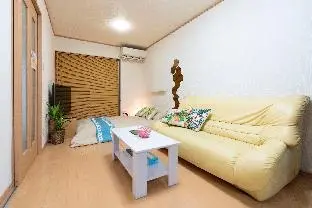
New OPEN Max 10 people Nagoya Station 2LDK
Nagoya
★★★★☆
Skip if: You hate busier streets or you know you’ll be dragging luggage in and out of the city on multiple early trains.
My pick: Sakae. It’s the area I’d book first if I had three nights or fewer.
Sakae is where I’d stay in Nagoya for the first time because it solves the stuff that actually matters. I could walk to dinner, grab coffee, and hop on the subway without planning my day around it. I paid ¥9,200 for a simple business hotel room, and that felt fair for the location. Not exciting. Just good value.
The main win is that Sakae gives you a real neighborhood base. I was able to walk to Oasis 21, the TV Tower area, and a bunch of food options without needing a taxi. The subway connections are easy enough that I didn’t waste time decoding the map. I’m not saying Sakae is charming in some dramatic way. It isn’t. But it’s usable, and that matters more than pretty photos.
My dinner routine here was simple: I grabbed miso katsu, then stopped at a convenience store for drinks because I didn’t want to sit in a hotel bar and pay hotel-bar prices. On one warm evening around 16–24°C, I left my light jacket in my bag and just walked. That kind of low-friction evening is exactly why I’d book Sakae again.
Location consequence: staying in Sakae means about 10–15 minutes to Nagoya Station by subway, but you save yourself the dead zone feeling at night. That tradeoff is worth it unless you’re making train transfers every day.
I expected Sakae to be a bit too “shopping district” for me. It was more practical than pretty, sure, but it didn’t feel soulless either. I ended up liking that balance more than I thought I would. That’s the version of Nagoya I’d rather wake up in.
See hotel rates on Agoda before you book. The price gap between Sakae and the station area was small enough that I’d pay the extra few dollars for the better evenings.
I wrote a more detailed breakdown in Best Things To Do In Nagoya — worth reading if you’re still deciding.
For a deeper look at nagoya itinerary 3 days, I covered this in my Nagoya Itinerary 3 Days.
I wrote a more detailed breakdown in Chubu Centrair Airport To Nagoya — worth reading if you’re still deciding.
I compared the options in How To Get Around Nagoya — useful if you haven’t booked yet.
If things to do in nagoya matters to your trip, my Things To Do In Nagoya At Night has the specifics.
I wrote a more detailed breakdown in Nagoya For Couples — worth reading if you’re still deciding.
I wrote a more detailed breakdown in Free Things To Do In Nagoya — worth reading if you’re still deciding.
For a deeper look at cheap eats nagoya for solo travelers 2026, I covered this in my Cheap Eats Nagoya For Solo Travelers 2026.
For a deeper look at nagoya capsule hotels for women 2026, I covered this in my Nagoya Capsule Hotels For Women 2026.
Nagoya Station is practical, but I wouldn’t call it fun
Best for: People doing day trips, Shinkansen connections, or a short stop where luggage handling matters more than atmosphere.
Skip if: You want to wander after dinner or you care about the area feeling alive once the work crowd clears out.
Main tradeoff: You get better rail logistics and slightly easier arrivals, but the area felt more like transit than a place I wanted to linger.
Nagoya Station is the grown-up answer. It’s efficient, obvious, and hard to mess up. I get why people book here. If you’re arriving late from Kyoto or heading out early to Gifu, Takayama, or anywhere else on the rail network, staying near the station saves energy. I walked through the station with luggage and didn’t have any weird navigation problems. That part is genuinely good.
But I wouldn’t stay here for the atmosphere. The area around the station felt functional, not memorable. I found more restaurants tucked into side streets than I expected, but the whole setup still felt like a place designed to move people, not hold them. Fine, not great. That’s my honest read.
Budget-wise: expect about $55–90/night near Nagoya Station for basic business hotels, and $70–120/night if you want newer rooms or a better brand. Sakae often lands in a similar band, but the difference is usually in what you get outside the door, not just the room.
I almost booked a station hotel because it looked cheaper by about ¥1,500. Then I pictured myself coming back at night and eating in the same tiny convenience-store corner because nothing nearby felt worth the stop. That was the tipping point. I’d rather spend the extra money on a base I don’t mind returning to.
Location consequence: staying here means you’re about 5 minutes from the train platforms, but you give up the easy evening walk. That’s a good trade only if the train is the whole point.
Osu is only worth it if you want a more local-feeling base
Osu is the area I’d pick only if I already knew I wanted to spend time around Osu Kannon and the shopping streets. It has more personality than the station zone, and I liked that it felt lived-in instead of polished for visitors. But I wouldn’t send a first-timer here by default. The hotel inventory is thinner, and the subway access is a little clumsier than Sakae because you’re usually relying on the Tsurumai Line or a transfer rather than the cleaner, more central connections you get there.
I walked through Osu in the afternoon and stopped for a skewered snack from a tiny shop near Osu Kannon — about ¥300, salty and hot, with that greasy, drifting-food smell that hangs under the arcade roof. That was the appeal. The area feels more everyday than curated. But the tradeoff shows up when you’re tired. It’s not difficult to stay here, just less convenient than the obvious first-time base. If you’re arriving with a suitcase and want the station to do the heavy lifting, that matters.
I’d choose Osu again only if I had more than three nights and wanted a neighborhood that felt a little less businesslike. For a first trip, it’s interesting. It’s not my default.
Meieki side streets are decent for value, but I’d check the exact block
I looked at a few Meieki-area hotels when I was narrowing down where to stay in nagoya for the first time, and the prices were tempting. Basic rooms were often sitting around $50–80 a night. I almost booked one near Nishiki-dori before I noticed how many reviews mentioned a “convenient but plain” location. That was the part that made me pause.
The problem wasn’t the hotels themselves. It was the block-by-block feel. One place can be a short walk from Nagoya Station and still leave you with nothing much around it after dark except office buildings, a convenience store, and a couple of other business hotels. If I’m only crashing for one night, that’s fine. If I want to wander out for dinner or a drink, it starts to feel too thin.
I’d only choose this area if the hotel is genuinely close to the station and the reviews are strong on noise. Otherwise, I’d rather spend a little more and stay in Sakae, where there’s more going on once the workday ends. The extra 10–15 minutes on the subway is easier to justify when the neighborhood gives something back.
It’s a practical choice. Just not the most interesting one.
The mistake I made when I booked Nagoya
I made one dumb assumption: I thought being “near Nagoya Station” would automatically solve everything. It didn’t. The hotel I almost booked was cheaper by about ¥1,500, but it sat a bit farther from the station than the listing made it sound, and I would’ve had to drag my bag through a block that looked harmless on the map and annoying in real life.
The trigger was a late-night arrival. I knew I’d be tired, and I still almost picked the cheaper place because the room photos looked clean. Then I checked the route again and realized I’d be walking farther than I wanted with a suitcase. The consequence would’ve been small but real: 15 extra minutes, one annoyed arrival, and probably a taxi I didn’t budget for. I skipped it and paid more for Sakae instead.
What I know now is simple: in Nagoya, the wrong 10-minute walk can erase the savings fast. If you’re comparing hotels, I’d prioritize exact station access over a slightly nicer room photo. I don’t care how good the bedding looks if I’m annoyed before I even check in.
What I’d choose again
I’d book Sakae again without much hesitation. It gave me the best mix of walkability and transit, and I used both. I had dinner choices within a short walk, and I could still get to Nagoya Station without making it the center of my trip. That’s the sweet spot for a first visit.
What I’d do differently: I’d probably stay one extra night if I planned to use Nagoya as a base for nearby day trips. I’d also check whether the hotel is closer to Sakae Station or Hisaya-odori, because that changes the walk a lot more than the neighborhood name does.
Rough daily estimates from my own trip. Prices shift by season.
I usually book Nagoya tours on Klook — the best time slots go fast, especially in peak season.
FAQ
Is Sakae really better than Nagoya Station for a first stay?
Yes, I think Sakae is better for most first-time visitors. It gives you easier evenings, more food choices, and enough subway access that you’re not sacrificing convenience. I’d only choose Nagoya Station instead if I had early trains on both ends of the trip.
How many nights should I stay near the station instead?
Two nights or fewer is when I’d seriously consider Nagoya Station. If you’re just passing through or using Nagoya as a rail base, shaving 10–15 minutes off each transfer matters more than neighborhood feel. For three nights or more, I’d move back toward Sakae.
Is Osu worth it if I want a less touristy base?
Yes, but only if you’re okay giving up some convenience. Osu feels more local and a little rougher around the edges, which I liked, but the hotel choices are narrower. I’d pick it for a slower trip, not for a first-night-in-the-city arrival.
Can I stay near Nagoya Station without it feeling dull?
Yes, but you have to be picky about the exact hotel block. I found that a good room near the station still feels like a logistics choice rather than a neighborhood choice. If you want evening walks and food options, Sakae does that job better.
What area would I choose if I were only in Nagoya for one night?
I’d still choose Sakae. One night is exactly when I want the easiest dinner, the easiest subway access, and a street I don’t mind walking after dark. The station is fine, but Sakae makes a short stay feel less rushed.
 Emma Hayes