

Nagoya was supposed to be a quick, practical stop. It was that, but it also turned out to be one of the easiest cities I’ve stayed in with another person because the transit is simple, the food is cheap, and you don’t need to waste half your day crossing town. If you’re looking at Nagoya for couples, I’d stay near Nagoya Station for a couple’s trip, and I’d only choose Sakae if I wanted more nightlife and didn’t mind a little extra friction.
If you’re deciding where to stay in Nagoya for couples, my answer is simple: base yourself near Nagoya Station for the easiest trip, or Sakae if you care more about evening energy than convenience. I fit the first-time, short-stay, low-hassle crowd. I wouldn’t pick a far-flung residential area unless I already knew the city well.
The real issue here isn’t romance. It’s time. Nagoya is spread out enough that a bad hotel location turns into extra taxi money, extra train transfers, and more “are we really doing this after dinner?” moments than I like.
Quick answer: For This couples guide, I’d pick Nagoya Station first and Sakae second. Near the station, expect around $70–130/night for a decent double room, while Sakae runs about $60–120/night depending on the hotel class.
Best for: Easy arrivals, simple transit, and day trips.
Skip if: You want bars, late-night dessert spots, and a busier evening scene right outside the door.
My pick: Nagoya Station, because it saved me more time than Sakae would have saved me money.
Nagoya Station: the boring choice I’d book again
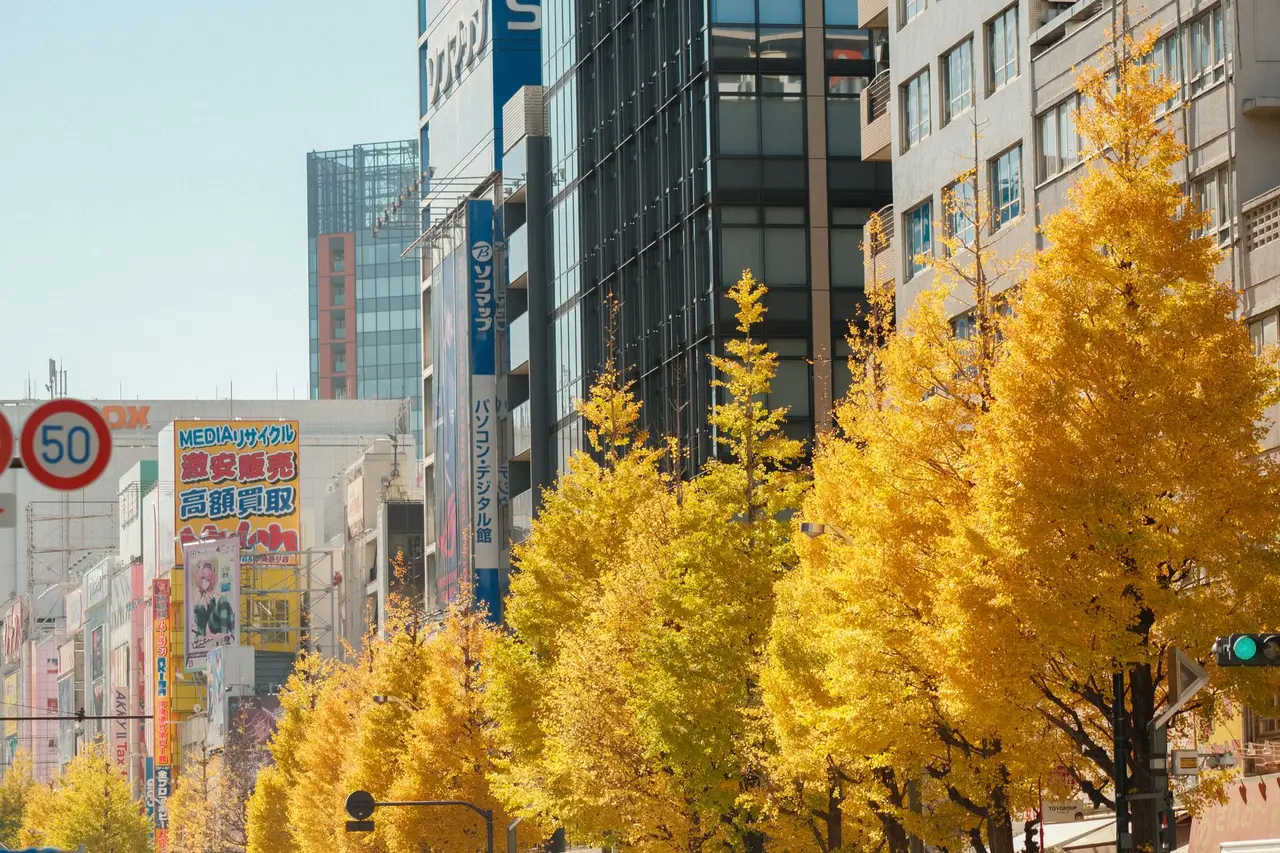
My pick for couples is Nagoya Station, and I’m not trying to make it prettier than it is. It’s not the romantic option. It’s the one that keeps the trip easy.
I stayed within a 10-minute walk of the station and paid about $92 a night for a clean double room. That saved me from dragging bags through transfer tunnels, and it made our first night simple: check in, drop our stuff, grab hitsumabushi at a nearby place, and call it a day. That sounds basic because it is. Basic is useful.
Best for: First-time couples, short stays, and anyone planning even one day trip outside the city.
Skip if: You want a neighborhood that feels lively right outside the door at night.
Main tradeoff: The area is efficient, but it doesn’t feel special after dark. You’re paying for logistics, not mood.
I had a hotel near Nagoya Station and a nicer-looking place in Sakae in front of me. I went with the station area because our luggage was annoying and I knew we’d be using trains twice the next day. Sakae would’ve been fine if this were a nightlife-heavy weekend, but for a couple’s base, saving 20 minutes of friction mattered more than saving $15
The station area also makes bad weather less annoying. One afternoon was around 15–22°C and partly cloudy, and I was glad I didn’t have to walk far after getting off the train with a jacket in my bag. That kind of thing matters more than people admit. Nobody wants a “cute neighborhood” when they’re tired and hungry.
Worth it: yes, if you care about moving around efficiently and keeping the trip low-stress.
Sakae: better if you want an evening scene, not the easiest base
Sakae is the area I’d choose if the trip were more about wandering, eating late, and having a little more energy after dinner. It’s not far from Nagoya Station, but it doesn’t behave like a station district. I noticed the difference fast.
I walked around Sakae after dinner and paid about $8 for coffee and dessert at a casual spot, then stayed out longer than I planned because the streets were busier and easier to browse. That part is fun. It’s also why couples who like evening walks may prefer it. But the hotel math isn’t as clean, and getting back after a long day can feel slightly more annoying than it should.
Best for: Couples who want more restaurants, shopping, and a busier night feel.
Skip if: You care more about quick train access than being in a lively district.
Main tradeoff: Sakae feels more like a place to spend time than a place to pass through. That sounds nice until you’re tired and want the shortest route back.
I expected Sakae to feel more romantic than it did. It was more practical nightlife than candlelit atmosphere, which is fine, just not what I had pictured. If you’re booking for a couple’s trip and want the city to do some of the work for you, it’s useful, but I wouldn’t pay a big premium for it.
Worth it: only if your evenings matter more than your morning transfers.
Osu: fun for a date, weak as a place to sleep
Osu is where I’d go for a couple’s afternoon, not where I’d book a hotel first. The shopping streets, tiny snack stops, and slightly scrappy feel make it better for wandering than for sleeping. I liked it more as an outing than as a base.
I spent about $6 on street snacks and a drink there, and that was enough. The area is good for a few hours, then it starts to feel repetitive unless you’re really into browsing shops. At night, it quiets down faster than Sakae, so staying here for atmosphere sounds better on paper than it does in practice.
Best for: Couples who want a half-day of walking, snacks, and casual shopping.
Skip if: You need easy late-night food right outside your hotel.
Main tradeoff: Osu has more character than the station area, but less convenience than both Nagoya Station and Sakae.
I would not book Osu as my main base unless the hotel deal were unusually good, like at least $20–30 less per night than the station area. That math never works out for me if I’m only staying two nights. I’d rather sleep somewhere easier and visit Osu when I feel like it.
Only if: you care more about daytime wandering than efficient hotel logistics.
Where couples actually feel the difference: sleep, noise, and getting around
For couples, the location choice in Nagoya changes the trip more than the hotel room itself. A quieter room is nice, but a bad location turns into extra steps, extra transfers, and a weird amount of decision fatigue for no reason.
I slept fine near Nagoya Station because the room was plain but quiet enough, and I didn’t hear much beyond the usual city hum. I paid for a chain business hotel, not a boutique place, and honestly that was the right call. I’m not here to pretend wallpaper makes a trip better.
Best for: Couples who want to maximize time together instead of spending it on transit.
Skip if: You’re hoping the neighborhood itself will carry the mood of the trip.
Main tradeoff: Station-area hotels are usually the best value, but they can feel a little anonymous. Sakae gives you more outside the door, but you lose a bit of ease.
The location consequence is simple. Staying near Nagoya Station meant I could get to the Shinkansen, airport connections, and most train lines fast, but it also meant I was about 30 minutes from anything that felt like a “date night district” if I wandered too far on foot. Staying in Sakae would’ve cut that down, but I’d have paid for it in slower arrivals and less direct transit. For a short trip, I’d rather save the hassle than chase charm.
The couple trip I’d repeat, and the one I wouldn’t
I’d book Nagoya Station again before anything else. I know that sounds unsexy. It’s still the right move if you’re arriving by train, leaving by train, or doing even one day trip. I like not having to think too hard when I’m traveling with someone else.
I’d only switch to Sakae if the whole trip were built around dinners, drinks, and late wandering. I’m thinking three nights or more, not a quick stop. For a one- or two-night stay, the station area wins because the time savings are real and the room prices aren’t wildly different.
I once assumed the “more central-looking” neighborhood would make the trip feel better. It didn’t. It just made me walk more with a bag and pay slightly more for dinner because I was already out and tired. That’s the kind of small mistake that adds up.
What I’d choose again: Nagoya Station, because it made the whole city feel easier without costing much more.
Budget: what I actually spent and what those numbers mean
The numbers below are rough daily estimates from my own trip, with the accommodation figure meaning per night. I stayed careful, not cheap-cheap, and Nagoya was easy on the wallet without feeling stripped down.
Rough daily estimates from my own trip. Prices shift by season.
For couples, the hotel line is usually where the decision lives. I paid about $92/night near Nagoya Station, and that felt fair because I didn’t need taxis to fix a bad location. If I’d stayed in a less convenient area and taken two extra rides a day, the “cheaper” hotel would’ve stopped being cheaper pretty fast.
What I’d do differently next time
I’d book one place even closer to the station if I were arriving late. My room was fine, but a 10-minute walk with bags is still a 10-minute walk with bags, and I didn’t enjoy that after a long travel day.
I’d also skip trying to “upgrade” the neighborhood just to make the trip feel more special. Nagoya doesn’t need that. A good dinner and an easy hotel do more than a stylish street with a worse commute.
I’d probably plan one night in Sakae only if I were staying three nights or more. For a short couple’s trip, I don’t think the atmosphere difference is big enough to justify the extra inconvenience.
Where I’d Actually Stay in Nagoya
Vessel Inn Sakae Station
Nagoya
★★★★☆
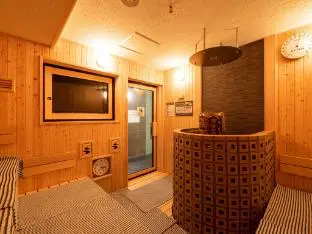
2025 Renewal Open – Anshin Oyado Nagoya Man / Woman Sakae Station
Nagoya
★★★★☆
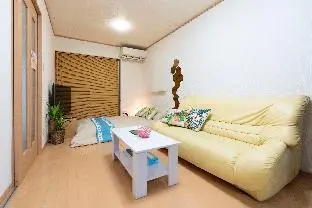
New OPEN Max 10 people Nagoya Station 2LDK
Nagoya
★★★★☆
See current Nagoya hotel prices on Agoda →
I usually book Nagoya tours on Klook — the best time slots go fast, especially in peak season.
FAQ
Is Nagoya Station too boring for a couple’s trip?
No, it’s the best base if you want the trip to run smoothly. The area is practical rather than romantic, but that means fewer annoying transfers and less time wasted getting back to the hotel.
I stayed there and never felt stuck, even when I came back tired. If your priority is easy mornings and simple train access, it’s the right call.
Is Sakae better if I want a more fun night out?
Yes, Sakae is better for evenings than Nagoya Station. I found more places to wander after dinner, and I spent an extra hour there without trying.
The tradeoff is that you give up some convenience for that energy. If you’re only in Nagoya for a night or two, I’d still choose the station area unless nightlife is the whole point.
How much should I expect to pay for a decent hotel in Nagoya?
I’d expect about $70–130 per night for a solid double room in the main areas. I paid around $92 near Nagoya Station and thought it was fair for the location.
If you see something much cheaper, the walk from the station and whether you’ll need a taxi late at night matter a lot. The savings disappear fast if the location is awkward.
Can couples stay in Osu and still have a good trip?
Yes, but I’d treat Osu as a day area, not my main base. It’s better for snacks, shopping, and a few hours of wandering than for convenience or late-night comfort.
If you’re staying only one night, I’d pick Nagoya Station over Osu every time. The extra ease is worth more than the neighborhood character.
Would you choose Nagoya Station or Sakae for a first visit?
I’d choose Nagoya Station for a first visit. It’s easier for trains, arrivals, and quick movement around the city, which matters more than people think on a short trip.
See all Nagoya hotels on Agoda
Is Nagoya good for couples who like food more than sightseeing?
Yes, and that’s one of the reasons I’d stay there. The city is easy to eat in without blowing your budget, and I found the best days were the ones built around a meal and a simple walk back to the hotel.
If you like shopping around for dinner instead of lining up for one famous place, Nagoya works well. I’d call it a food-first city before I’d call it a romance-first city.
How many nights do you need in Nagoya as a couple?
Two nights is enough for a first visit, and three nights starts to feel relaxed. I wouldn’t stay longer unless I had a day trip or a very specific reason to linger.
For a short trip, the station area makes the most sense because you don’t waste half the stay on movement. That’s the part people underestimate.
Would you book a boutique hotel here or just a chain hotel?
I’d book the chain hotel again. The room was clean, quiet, and close enough to the station that the location mattered more than the decor.
In Nagoya, I think the hotel category matters less than the map pin. A nicer room in the wrong place is still the wrong place.
If you want, I can also turn this into a neighborhood-by-neighborhood hotel shortlist for couples, with budget, mid-range, and nicer options in Nagoya Station and Sakae.
 Emma Hayes