

¥330
I’d do this city on a budget again in a second. It fits solo travelers who want fast service, easy ordering, and meals that land in the ¥700–¥1,500 range without feeling stingy. If you want a polished tasting menu or a long sit-down meal with table service and a lot of ceremony, this isn’t the main play. The real win here is value per bite, and Nagoya is annoyingly good at that.
Best for: Solo travelers who want filling meals, low stress, and no awkward splitting bills.
Skip if: You need big Instagram energy or you hate counter seating.
My pick: Start with miso katsu, then work through kishimen and cheap set lunches.
Quick Answer: For cheap eats in Nagoya for solo travelers in 2026, I’d start with Yabaton for miso katsu around ¥1,300Nagoya Station for roughly ¥850–¥1,200
Restaurants

The first place I’d send you: Yabaton for miso katsu

If I had one Nagoya meal to explain the city, I’d pick miso katsu. I went to Yabaton’s Sakae location because everyone recommends it, and yes, it was busy — I waited about 25 minutes at lunch, which is exactly the kind of line I usually avoid. Still, I paid around ¥1,300 for a normal lunch set, and the dark miso sauce was the whole point. It’s salty, a little sweet, and heavy in a way that makes sense after a long walk.
I had Yabaton and a random tonkatsu place nearby in front of me. I went with Yabaton because I wanted the city’s signature dish done properly, not a generic pork cutlet with brown sauce pretending to be local. The other place would’ve worked if I was starving and impatient, but I wanted the version people actually talk about in Nagoya.
Worth it: Yes, but only if you go at an off-hour or accept a line.
Skip if: You hate queueing for food that tastes heavy rather than delicate.
How to order: Point to the lunch set or say “miso katsu set” if the menu is in Japanese; the standard set is the safe call.
Everyone recommends this, but I don’t think it’s the cheapest good meal in the city. It’s the reference point, not the bargain king. I’d still send a first-timer once, just not at peak lunch if they’re as line-averse as I am.
The lunch set that kept saving me: cheap teishoku around Sakae and Nagoya Station
The best value meals I had in Nagoya were not famous. They were the straightforward teishoku lunches: grilled fish, karaage, rice, soup, pickles, sometimes a tiny salad, usually for about ¥850 to ¥1,200. I ate one at a small counter near Sakae when it started raining lightly after lunch, and that meal did more for my day than any “must-try” spot would have. It was fast, warm, and I was back outside in 20 minutes.
That’s the real cheap-eats move here. Look for lunch sets before 2pm around Sakae, Nagoya Station, and the side streets off the main shopping areas. I’d choose these over a famous chain every time because the price gap is small, but the local feel is better and the food is less mass-produced. Fine, not glamorous. Very worth it.
Best for: Solo travelers who want a full meal under ¥1,200 and don’t care about a famous name.
Skip if: You need English menus everywhere or you only want one iconic dish.
Budget-wise: This is the safest everyday lunch category in Nagoya.
My mistake the first time was assuming the busiest-looking place was the best value. I stood in front of a glossy restaurant in a mall basement, then realized the lunch set was ¥1,780 and the portion wasn’t bigger than the ¥980 place two doors down. I walked out, saved nearly ¥800, and got the better meal anyway. Next time I’d trust the lunch board outside more than the storefront.
Kishimen at the station: cheap, fast, and actually useful
For a solo traveler, kishimen is one of the easiest cheap meals in Nagoya. It’s flat udon noodles, usually served in broth with toppings like tempura, egg, or beef. I paid about ¥600 for a bowl at a station-side stand, ate it standing up, and was done in under 10 minutes. That’s not a romantic meal. It is a practical one.
I figured kishimen would be a filler stop, something I’d mention and forget. It turned out better than I expected because the broth was clean and the noodles had more bite than I thought they would. I still wouldn’t build a whole food trip around it, but for a cheap solo lunch between trains, it’s worth it.
Worth it: Yes, especially if you’re moving around Nagoya Station or need food fast.
Skip if: You’re looking for a long sit-down meal or something rich and dramatic.
My pick: Choose a station shop over a sit-down noodle place if time matters.
If you’re ordering for the first time, “tempura kishimen” is the easy choice. It usually costs a bit more, around ¥700–¥850, but it feels like a full meal. I liked it more than I expected, which doesn’t happen often with station food.
Misokatsu chain lunch versus the fancy version: where the money actually goes
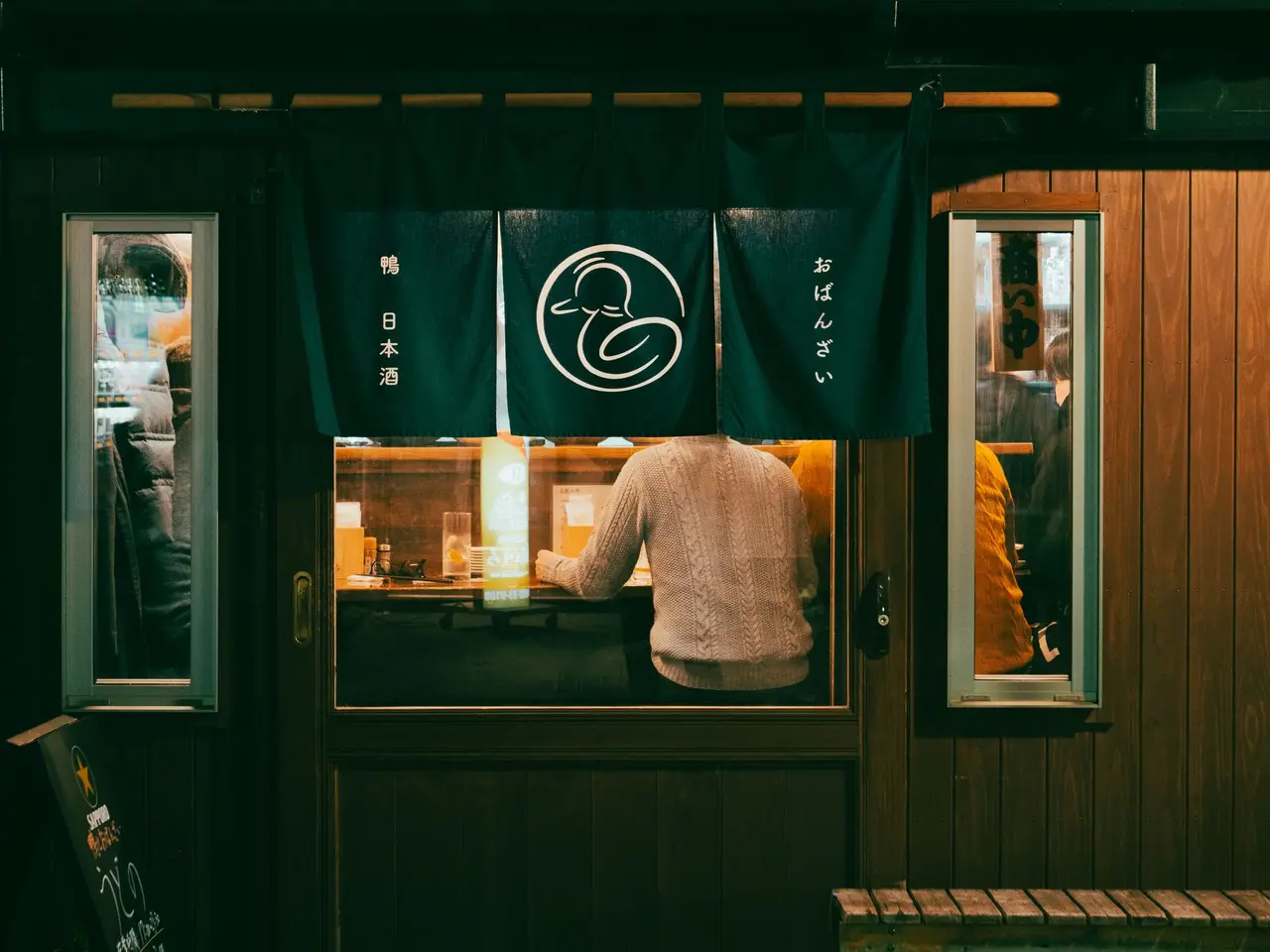
Nagoya has a habit of selling the same idea at three price points. I tried a cheaper miso katsu set at a casual chain and then compared it with a more famous downtown spot. The cheaper one was around ¥1,000, the pricier one closer to ¥1,600. The expensive version had a slightly better cut of pork, but not enough to justify the extra money if you’re just hungry and solo.
That’s the tradeoff here: a nicer interior and a longer line do not always mean a better meal. If I’m alone, I care more about speed and whether the sauce tastes balanced than whether the plate looks photo-ready. The chain won on cost per value. The fancier place won only on atmosphere, and I’m not paying ¥600 extra for atmosphere when I’m eating by myself at noon.
Best for: Budget travelers who want the miso katsu experience without turning lunch into a project.
Skip if: You’re chasing the one “best” version and don’t mind paying extra for it.
My pick: The cheaper set lunch, unless you’re treating the meal like a destination.
One thing I’d say bluntly: the famous version is good, but not twice as good. That math never works out. I’d rather spend the difference on dessert or another snack later.
What I ate when I wanted something local but lighter
Not every cheap meal in Nagoya has to be heavy. I had a simple grilled fish teishoku for around ¥1,100, and it was the meal that made me feel human again after a hot afternoon walking around in 25–32°C weather with a fan in my bag and sunglasses on my head. The set came with rice, miso soup, and pickles, and I left full without feeling slowed down. That mattered more than I expected.
I usually look for these when I want to avoid the “Nagoya food challenge” trap. Some places lean hard into rich sauces and fried everything. Good for one meal. Not great if you’ve got a full day of walking ahead. A simple fish set or tofu-based lunch is worth it when the weather is sticky and your energy is already low.
Worth it: Yes, if you want to keep your budget low without living on convenience-store snacks.
Skip if: You only came for the city’s richest signature dishes.
Better if: You’re eating lunch before a long afternoon of walking or train-hopping.
Where I’d go for snacks instead of paying tourist prices
Some of the easiest money-saving food in Nagoya is snack food that doesn’t pretend to be an event. I grabbed taiyaki for about ¥250, a soft-serve cone for around ¥350
I booked the food tour through Klook — way cheaper than booking at the counter.
I’d skip anything with a long line that’s clearly built for visitors. I walked past a polished dessert shop near a major shopping area and saw a line of about 40 people. No thanks. I bought a cheaper pastry from a bakery counter instead and ate it on a bench five minutes later. Worth it, every time.
Best for: Filling the gaps between meals without wrecking your budget.
Skip if: You want one big dessert stop and don’t care about the price.
My pick: Station bakeries and old-school sweet shops beat glossy “famous” dessert places.
Everyone recommends the flashy sweets, but I think that’s where solo travelers get overcharged the easiest. If the line is 30 minutes or more, I’m out. A ¥350 snack that I can eat immediately beats a prettier ¥900 one that eats my afternoon.
Skip this: the food stops I’d pass on in Nagoya
I’d skip any place selling “Nagoya local food set” near the biggest tourist clusters if the menu looks padded with five tiny items and a high price tag. I saw a few places near busy shopping streets asking ¥2,000 to ¥3,000 for a sampler plate that looked more like a checklist than a meal. That’s not cheap eats. That’s a souvenir with chopsticks.
I’d also skip breakfast buffets in hotels if your goal is saving money. This is a food guide, so I’m saying it plainly: a ¥1,500–¥2,500 buffet is a bad deal when a station bowl, teishoku lunch, or bakery breakfast does the job for half the cost. I don’t care how polished the eggs are. I’d rather use that money on another proper lunch.
Skip this: tourist menu sets priced for convenience, not hunger.
Worth it if: You’re short on time and want a one-stop sampler, but that’s the exception.
My pick: Walk two blocks away from the obvious food street before deciding.
I expected at least one of the famous food streets to be a slam dunk. It wasn’t. The food was fine, but the pricing felt padded, and the portions were built for photos more than solo eating. That’s useful to know before you go.
Food Budget
Rough per person per day estimates from my own meals.
What I’d do differently next time
I’d skip the famous lunch line once and use that time to try two smaller places instead. I also wouldn’t overthink the signature dish ratio so much; Nagoya is better when you treat it like a city of everyday meals, not just one famous plate. And I’d keep a tighter snack budget, because the little purchases add up faster than the main meals do.
What I’d change: I’d prioritize station food, one proper miso katsu meal, and one lighter teishoku lunch.
What I’d keep: The cheap bakery stops and the no-frills noodle bowls.
What I’d drop: Any “local set” that costs more than ¥2,000 unless I’m specifically celebrating.
FAQ
Is Nagoya good for eating alone on a budget?
Yes, Nagoya is great for eating alone on a budget. I found a lot of counter service, fast lunch sets, and station food that made solo dining easy instead of awkward. If you want to keep meals around ¥700–¥1,500, this city makes that pretty simple.
What food should I try first if I only have one day?
I’d start with miso katsu and kishimen, in that order. Miso katsu gives you the city’s signature flavor, while kishimen is the faster, cheaper meal that fits a busy day. If you only have one proper lunch, I’d spend it on miso katsu and grab kishimen later as a quick bowl.
Are the famous Nagoya food spots worth the line?
Sometimes, but not often. I waited 25 minutes for one popular miso katsu lunch and thought it was worth it once, not as a habit. If the line is longer than 30 minutes, I’d usually walk away and eat somewhere quieter.
Can I find cheap local food near Nagoya Station?
Yes, and that’s where I’d start if I were new in the city. The station area has kishimen stands, lunch set counters, bakeries, and convenience-store backups within a few minutes’ walk. It’s the easiest place to eat well without planning a whole food crawl.
What would you skip if you were trying to save the most money?
I’d skip tourist-sampler plates and any meal that costs more than ¥2,000 just because it has the city name on it. Those spots usually charge for packaging and location, not for a better meal. I’d rather split my budget across two simple lunches than blow it on one overbuilt set.
 Emma Hayes