
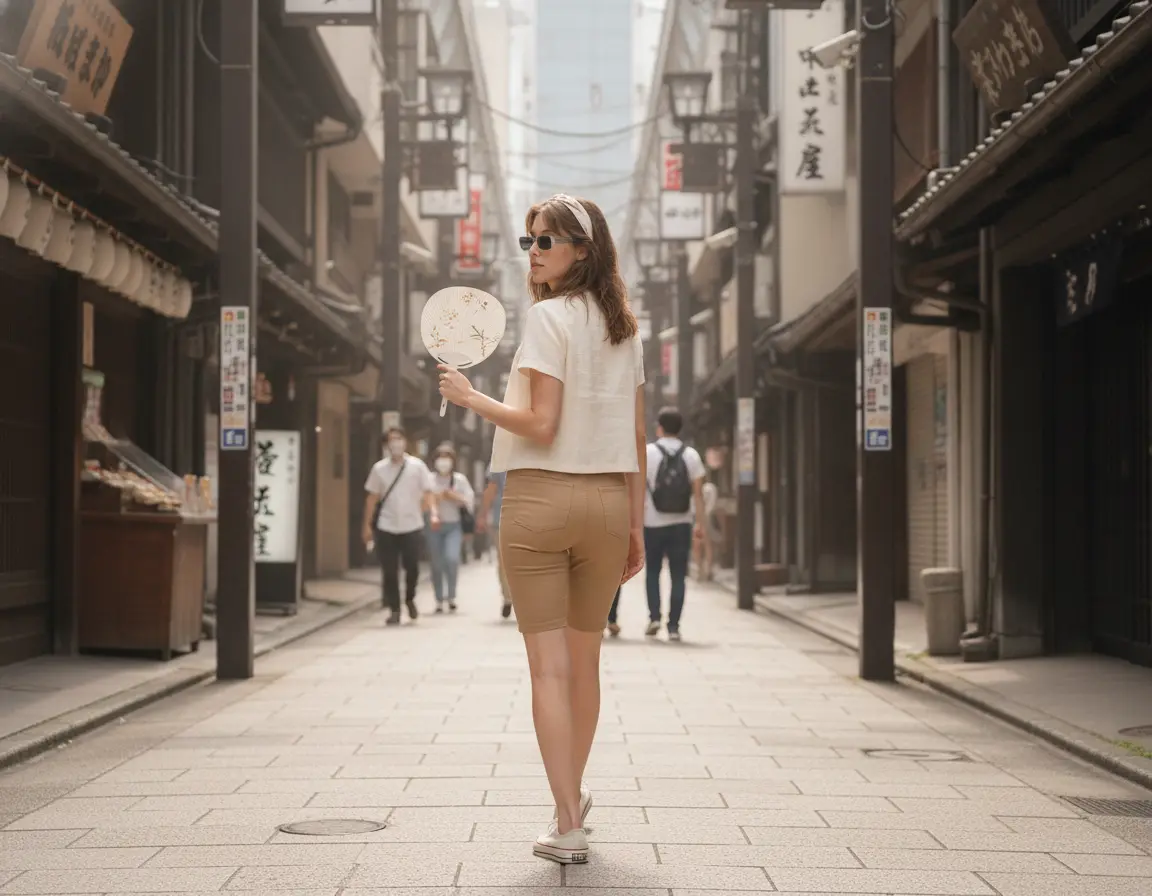
I thought Nagoya would be worth it. It was, but not for the reasons people usually hype up. I’d go again as a solo woman, and I’d still keep the trip simple: good food, easy trains, and a base near the station. If you want a city that’s low-drama and easy to navigate alone, Nagoya works. If you’re chasing big sightseeing payoff every hour, I’d skip it and spend more time in Kyoto or Osaka. These Nagoya solo female travel tips 2026 are basically my honest version of that.
Nagoya is a good solo female travel city in 2026 if you care about easy transit, decent value, and not feeling boxed in by crowds. I’d choose it for 1-3 days, especially as a stop between Tokyo and Kyoto or as a calm base for eating and moving around without stress. Near Nagoya Station is the safest bet for convenience, while Sakae gives you more food and shopping but a little more friction at night.
My short verdict on Nagoya as a solo female trip
I’d rate Nagoya as an easy solo city, not a thrilling one. That sounds blunt, but it’s the honest version. I walked around alone in the daytime with no weird moments, and getting on the subway never felt confusing or sketchy. The city just doesn’t try to impress you every five minutes, which I actually liked after too many overbuilt tourist centers.
Best for: solo travelers who want a practical city with good trains, straightforward neighborhoods, and enough food options to keep things simple.
Skip if: you need a trip to feel “special” every day or you get bored fast when a city is more useful than pretty.
My pick: stay near Nagoya Station if this is your first time, then use Sakae for meals and casual exploring.
I expected Nagoya to feel a little flat. It kind of does. But that also means fewer bad surprises, fewer time-wasting detours, and less of that exhausting “am I in the right place?” feeling I get in bigger, messier cities.
Where I’d stay alone: Nagoya Station or Sakae
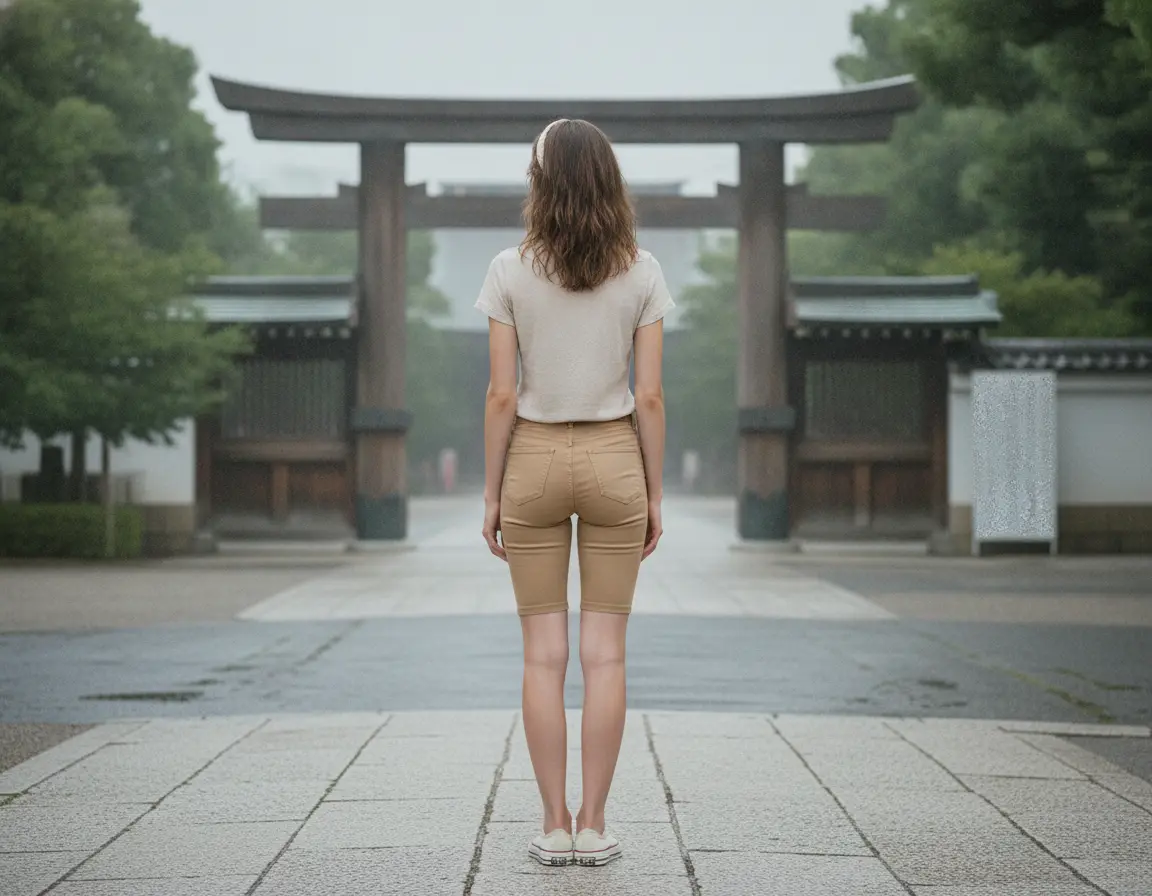
I had Nagoya Station and Sakae in front of me. I went with Nagoya Station because I arrived with a backpack in humid weather and didn’t want to drag it through side streets at night. Sakae would’ve worked if I planned to stay out later for food and shopping, but the station area made the whole trip easier from the first hour.
See current Nagoya hotel prices on Agoda →
Nagoya Station is the smarter base if you’re solo and new to the city. You get direct access to JR, Meitetsu, the subway, and plenty of hotels that are built for business travelers, which is usually good news for one-person trips. I checked into a compact room around ¥9,200 one night and had exactly the kind of no-nonsense setup I wanted: small, clean, air-conditioned, and close enough to the station that I didn’t need to think after dark.
Sakae is better if you want more going on around you. I spent an evening there and it felt busier, with more restaurants and more people out after work. It’s still fine for solo women, but I noticed I was more aware of the late-night walk back than I was near the station. That’s not a red flag. It’s just a different tradeoff.
Worth it: paying a little more for a hotel within a 10-minute walk of Nagoya Station.
Only if: you’re staying longer and want a more social, food-heavy base should you pick Sakae.
Skip if: your hotel is cheap but turns into a 20-minute walk with luggage and no elevator. That math never works out.
See all Nagoya hotels on Agoda if you want to compare station-area rates before they jump.
How safe it felt walking around alone
Nagoya felt safe to me in the way a well-run Japanese city usually does: predictable, orderly, and not full of random chaos. I walked back after dinner several times without feeling like I had to plan a dramatic escape route. The streets around the main stations were busy enough that I never felt isolated, and the residential side streets were quiet without feeling dead.
The biggest solo-female win here is how ordinary everything feels. No one stared. No one bothered me. I wasn’t dealing with aggressive touts or the kind of street pressure that can make a solo evening annoying fast. I wore linen, carried a small umbrella because it had rained earlier, and kept moving. That was the whole system.
Still, I wouldn’t call it a city for careless wandering at 1 a.m. I don’t love late-night shortcuts through empty blocks anywhere, and Nagoya was no exception. The nightlife zones are fine, but I’d keep to the main roads and use taxis if I was tired or carrying shopping bags.
Best for: solo women who want low-stress streets, clear transit, and a city that doesn’t feel pushy.
Skip if: your idea of safety depends on constant crowds and obvious tourist infrastructure everywhere.
My pick: I’d walk alone in Nagoya again, but I’d still keep the last train in mind and avoid unnecessary late-night detours.
Getting around without wasting money or energy

Nagoya is one of those cities where transit does the heavy lifting, and I appreciated that. The subway is straightforward, the station signage is readable, and most of the places I wanted were easier by train than by cab. I paid ¥210 for a short subway ride one afternoon instead of taking a taxi, and that saved me both money and annoyance.
If you’re solo, that matters. I don’t want to spend my whole day negotiating transport when I could be eating or resting. Nagoya Station, Sakae, Osu, and the main museum or shopping stops are all easy enough to connect without turning your day into a logistics puzzle. That’s the real win here. The city is practical, not scenic, and I mean that as a compliment.
I did make one small mistake: I assumed a walk from one stop to another would be “fine” because the map looked compact. It wasn’t. I ended up walking about 18 minutes in 32°C heat after rain, sweating through a shirt I’d packed specifically to avoid that problem. I should’ve taken the subway for one stop and saved the energy. Next time I’d treat the map more honestly and stop pretending humid weather makes walking charming.
Worth it: using the subway for short hops instead of forcing a walk just because the distance looks small.
Better if: you’re traveling with luggage, book a hotel right by the station and cut down on transfer friction.
Skip if: you hate cities where efficient is the main personality trait.
What I actually ate, and where Nagoya made sense
Nagoya is not a city where I’d plan my days around “sightseeing first, food later.” I’d flip that. The food is part of the reason to be here. I went for miso katsu, tried hitsumabushi, and grabbed convenience-store snacks when I didn’t want to commit to a full sit-down meal. A solid lunch ran me around ¥1,200 to ¥1,800, which felt fair for the portion and the quality.
The local food scene is where Nagoya feels more distinct than it does on a postcard. I had a bowl at a casual spot near Osu and it was exactly the kind of meal I like on a solo trip: quick, filling, no performance. I also stopped for coffee when the humidity got annoying, because sometimes the real itinerary is just “find air conditioning and sit down for 20 minutes.”
I expected the famous Nagoya dishes to be a little overhyped. Some of them are. Miso katsu is good, but I wouldn’t build a whole trip around one plate of fried pork. Hitsumabushi was the one that actually lived up to the price for me, even though I still winced a little when I saw the bill. That’s the kind of place-specific food I’ll pay for once. Not twice in the same trip.
Best for: travelers who like trying regional dishes without needing a reservation-heavy food crawl.
Skip if: you want your trip to be about famous fine dining or long, leisurely meals every day.
My pick: do one proper Nagoya meal, then keep the rest casual. That’s the right balance.
What I’d do with one or two days
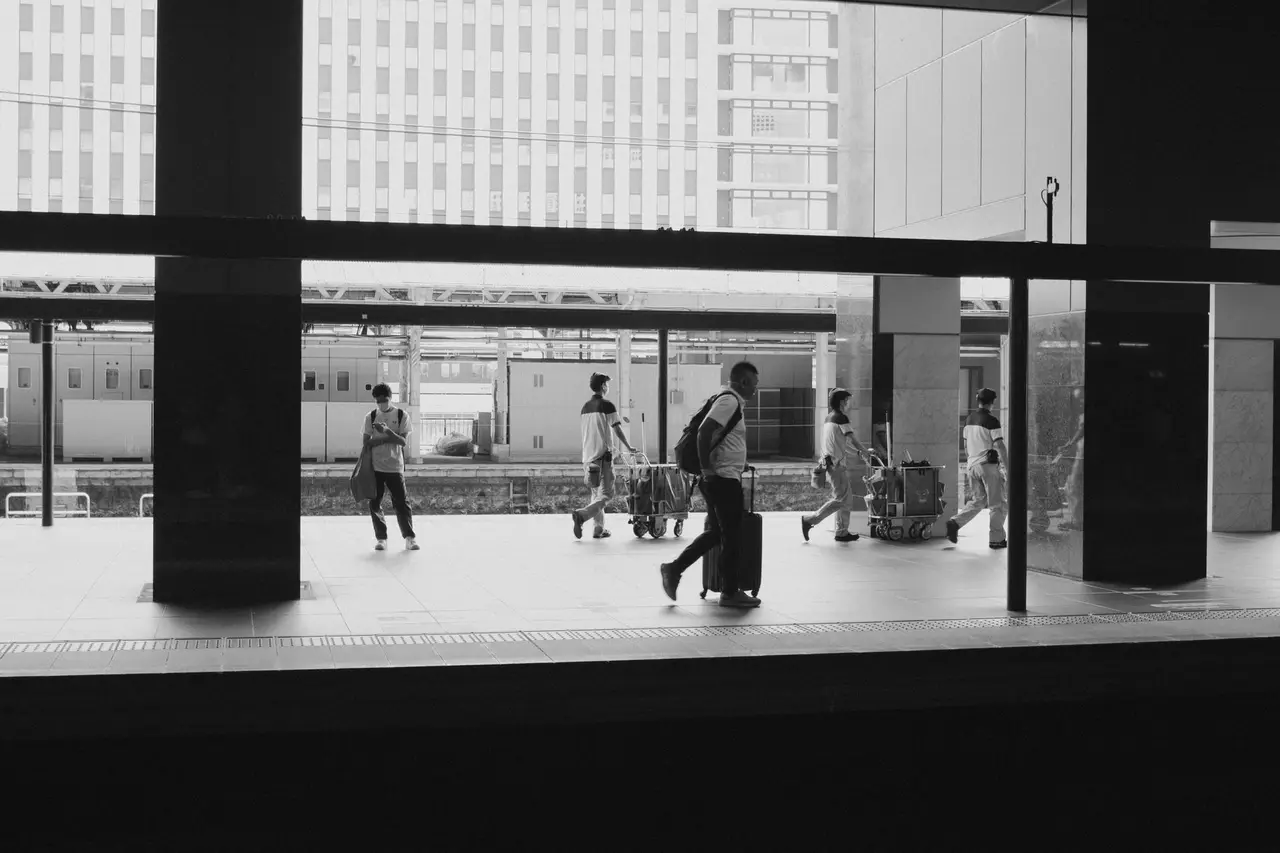
If I only had one day, I’d keep it tight: station area, one food stop, Osu, then maybe Sakae at night if I still had energy. With two days, I’d add a slower morning and one museum or castle stop, but I wouldn’t try to cram in every famous thing. Nagoya rewards clean routing more than ambition.
That’s the part people miss. The city isn’t trying to beat you over the head with must-see landmarks, and I think that’s why it works for solo female travelers who like to move at their own pace. You can see enough without feeling rushed. I paid for that with one extra hotel night, and it was worth it because I didn’t spend the whole trip checking a watch.
Worth it: a short stay if Nagoya is part of a bigger Japan route.
Only if: you’re the kind of traveler who likes one good base and a few solid meals instead of a packed checklist.
Skip if: you’re hoping Nagoya will be the emotional center of a long Japan trip. It won’t be.
The one mistake I made in Nagoya
I thought I could keep my hotel a little farther from the station and save money. That was the obvious move on paper. The trigger was a rainy arrival evening, a heavier bag than I wanted, and a sidewalk that was more annoying than the map suggested. I’d saved maybe ¥1,400 on the room, then spent that value immediately on time, effort, and a short taxi ride I didn’t want to take.
The consequence wasn’t dramatic, just irritating. I lost about 30 minutes on arrival and started the trip more tired than I needed to be. That’s the kind of mistake that doesn’t ruin a trip but does flatten the first night. Next time I’d pay for location near Nagoya Station and stop trying to outsmart a city that already works best when you keep it simple.
Best for: anyone arriving late, solo, or in humid/rainy weather.
Skip if: you think saving a little on the room matters more than the first and last hour of each day.
My pick: I’d rather spend ¥1,000-¥2,000 more per night and walk less.
Rough daily estimates from my own trip. Prices shift by season.
What I’d do differently next time
I’d book closer to Nagoya Station and stop trying to save a tiny amount on a room that makes arrival more annoying. I’d also plan one less “maybe” activity and leave more room for food and rest, because that’s where the city actually pays off. And I’d pack even lighter in summer. The heat was no joke, and my umbrella earned its place.
Would I go back? Yes, but as part of a route, not as the whole headline of the trip.
I usually book Nagoya tours on Klook — the best time slots go fast, especially in peak season.
FAQ
Is Nagoya good for a first solo trip in Japan?
Yes, Nagoya is good for a first solo trip if you want an easier, less overwhelming city. The train system is straightforward, and I found it simpler than jumping straight into a bigger, more chaotic base. I’d still pair it with a clear hotel choice near the station so the first day stays smooth.
Should I stay near Nagoya Station or Sakae?
I’d stay near Nagoya Station first, because it cuts down on arrival stress and makes day trips easier. Sakae is better if you care more about evening food and shopping, but I found the station area more efficient for a solo base. If you’re only in town for 1-2 nights, the station wins.
Is Nagoya safe at night for a woman traveling alone?
Yes, I felt safe at night in the main areas, especially around the station and the busier parts of Sakae. I’d still avoid wandering empty side streets late, because that rule applies almost everywhere and there’s no reason to test it. Use the main roads and you’ll be fine.
How many days do I need in Nagoya?
Two days is the sweet spot for me, and one day works if Nagoya is just a stop on a longer route. I wouldn’t stretch it to four unless I had a very specific reason, because the city is better at being efficient than at filling a long itinerary. One or two good food stops already cover a lot of the value.
What should I skip if I only have a short stay?
I’d skip overplanning and any attraction that needs a long detour for a small payoff. Nagoya works best when you keep the day tight and use transit instead of trying to walk everywhere. If your time is short, one regional meal and a compact neighborhood loop are enough.
 Emma Hayes