
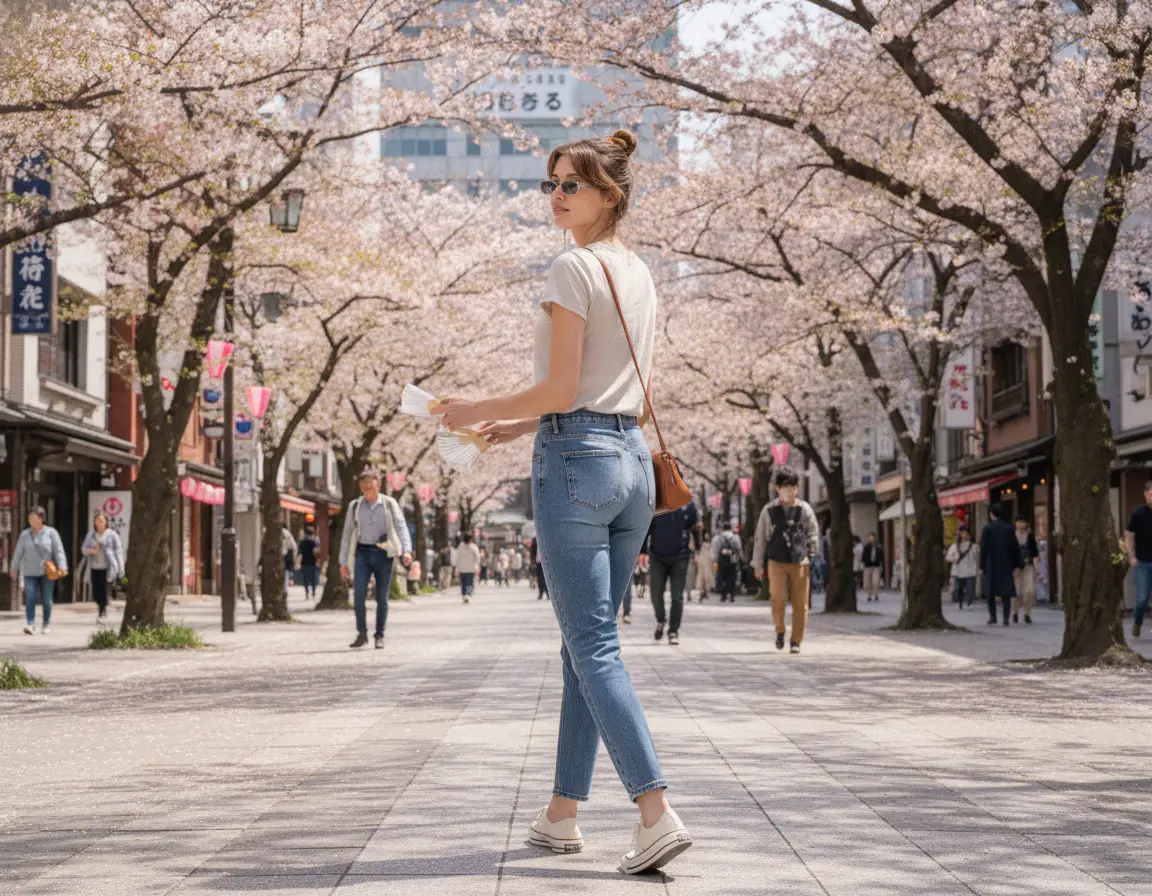
Is Nagoya worth planning around for cherry blossom season in 2026? I think so, but only if you want a calmer hanami base than Tokyo or Kyoto and you’re okay with less drama and more efficiency. I spent enough time in Nagoya to know the city is best for people who care about easy transit, decent food, and not fighting a crowd for every photo. These Nagoya cherry blossom 2026 tips are for a short, practical trip.
For me, the real question isn’t “are the blossoms pretty?” Of course they are. The question is whether Nagoya gives you enough good spots, enough flexibility, and enough value to make a spring trip feel worth the booking hassle. My answer: yes, for a short, practical trip. Skip it if you’re chasing the most famous blossom scenes in Japan and don’t mind paying more for them.
Quick answer: I’d use Nagoya as a base, aim for late March into early April, and keep the plan simple with Shirotori Garden, Tsuruma Park, and Meijo Park. I paid ¥7,800 for a basic hotel near Nagoya Station once during a busy spring stretch, and I’d still choose central access over a cheaper out-of-the-way stay.
Why Nagoya works better than people expect
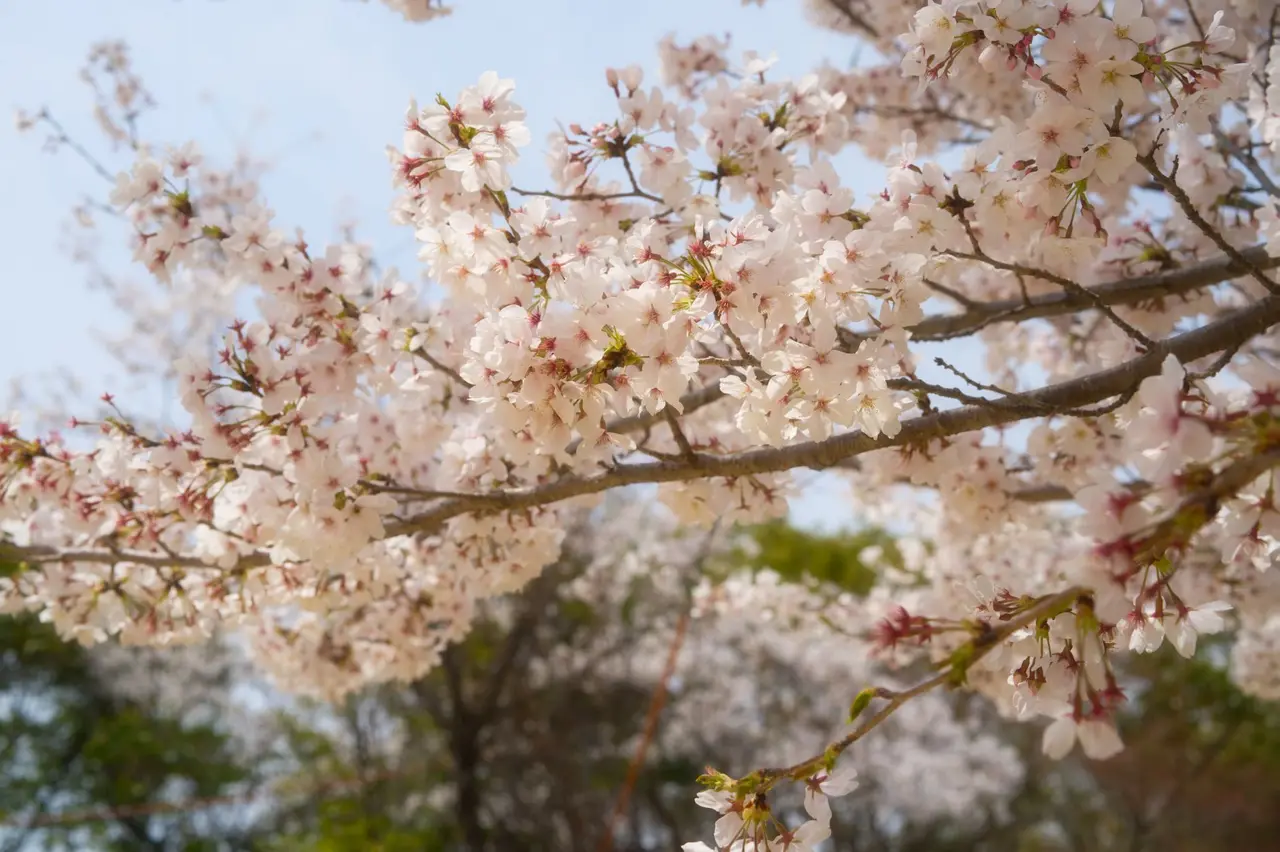
I expected Nagoya to feel like a transit city with a few side attractions. That part was true. What I didn’t expect was how useful that makes it during cherry blossom season. I could get around without burning half the day, and that matters when flowers only stay at peak for a short window.
Nagoya isn’t trying to compete with Kyoto on romance or Tokyo on spectacle. That’s the point. It’s efficient, less fussy, and easier on the budget if you book smart. I paid ¥7,800 for a basic hotel near Nagoya Station once during a busy spring stretch, and that kind of price would have been uglier in more famous blossom cities.
Worth it: If you want a base where train connections actually help instead of becoming part of the problem.
Skip it: If your trip is only about chasing the most famous blossom backdrops.
The tradeoff is simple. Nagoya gives you convenience and decent value, but not the same emotional payoff as the top blossom cities. I’m fine with that. Most of the time, I’d rather spend less and move faster.
The best timing for 2026, without pretending the calendar is magic
For Nagoya cherry blossom 2026, I’d treat late March to early April as the main window and build in flexibility. That’s the safest planning range, but bloom dates can swing with temperature. One warm week and everything moves; one cold snap and you’re waiting around with a light jacket in your bag for nothing.
I made the mistake of assuming “early April” meant the same thing every year. It doesn’t. I once showed up to a spring spot after a rainy stretch and half the petals were already on the ground. The trigger was simple: I booked too rigidly and didn’t leave a buffer. The consequence was annoying, not disastrous, but I still wasted a morning and a train fare. Next time, I’d keep one extra day open on either side of my target dates.
Best for: Travelers who can move by a day or two if the forecast changes.
Skip if: You’ve locked flights and hotels into a single narrow weekend and can’t shift anything.
I’d also check local bloom updates the week before I leave, then again after I arrive. Not the month before. That earlier guess is usually too fuzzy to be useful.
Where I’d actually go for blossoms in and around the city
If I only had a short window, I’d keep my blossom list tight. I’d rather do two good places than spend the whole day commuting to four average ones. That’s the part people mess up. They turn hanami into a scavenger hunt.
Shirotori Garden is the kind of place I’d choose for a slower spring morning. It’s calmer than the big-name parks, and I like that I can actually hear myself think there. I paid a modest entry fee, walked the grounds, and didn’t have to elbow anyone for a view. It’s worth it if you want a quieter flower stop, not a flashy one.
Tsuruma Park is the more obvious pick for a classic hanami feel. It gets busier, obviously, but it still feels manageable compared with the worst blossom crowds I’ve run into elsewhere. I’d go early, grab convenience-store snacks, and sit for a while. I bought a 200-yen drink and a rice ball from a nearby shop and made that my lunch. Cheap, easy, done.
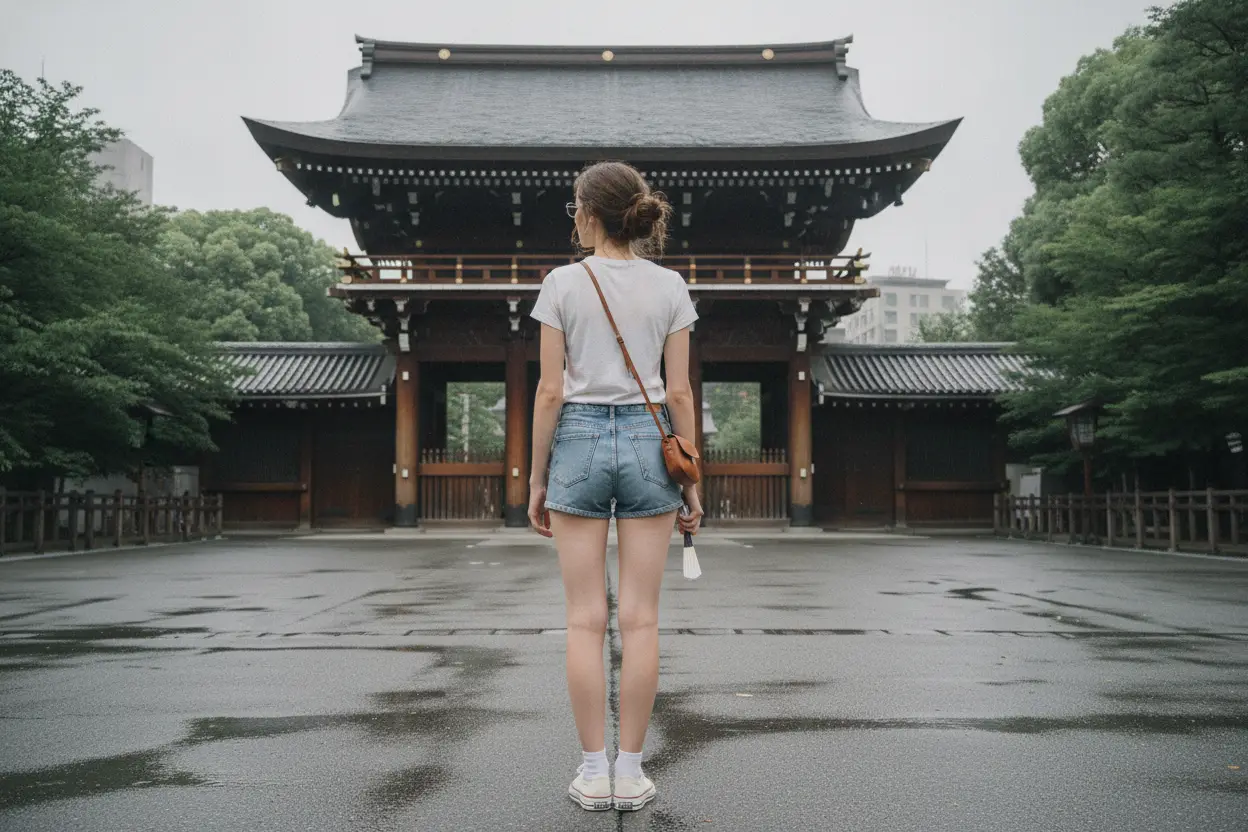
Meijo Park is the one I’d pair with castle views if I wanted a more open setting. It’s not the most intimate blossom spot, but the space matters when the weather is hot and humid. On one spring day around 24–32°C, I had a fan in one hand and an umbrella in the other after a quick rain shower, and I was very glad I wasn’t stuck in a packed lane with no shade.
Worth it: Shirotori Garden for calm, Tsuruma Park for a more social hanami, Meijo Park for space.
Skip if: You’re expecting one magical, cinematic blossom site to carry the whole trip.
My pick is Tsuruma Park if you want the most straightforward spring outing. Shirotori Garden if you hate crowd pressure. Meijo Park if the weather looks rough and you want room to breathe.
What I’d eat, and what I’d ignore
Cherry blossom season in Nagoya is not the time to pay a silly markup for average food near a famous park. I’d rather eat well and cheaply, then sit under the trees with something simple. The food around blossom areas can get lazy fast. That’s not unique to Nagoya, but I noticed it anyway.
I’d go for miso katsu, hitsumabushi, and basic convenience-store snacks depending on the day. Nagoya does rich, salty food well, and I think that pairs better with spring walking than polished café brunch. One afternoon I ducked into a small shop near the station and paid around ¥1,300 for lunch. Fine meal. No drama. That’s the sweet spot.
Best for: Travelers who want local food that feels like part of the trip, not a separate “experience.”
Skip if: You’re planning to spend every blossom day in café lines or themed dessert places.
I’d ignore any place with a long queue just because it’s close to a park entrance. That math never works out for me. A 35-minute line for a mediocre strawberry dessert is not a good use of blossom season, and I won’t pretend it is.
How I’d handle transport, crowds, and hotel choices

This is where Nagoya makes sense. The city is easy to move through if you stay near a major station or on a straightforward subway line. I’d pay a little more for location and save the headache. When I checked spring rates, the difference between a decent central stay and a cheaper out-of-the-way one was often around ¥2,000 to ¥4,000 a night. I’d pay the extra almost every time.
See current Nagoya hotel prices on Agoda →
I had two options in front of me: a cheaper place farther out and a more central hotel near the station. I went with the station area because I knew I’d be hopping around for blossoms, food, and maybe a rainy backup plan. The cheaper place would’ve worked if I had a car or a very slow itinerary, but I didn’t want to spend 20 to 30 minutes each way just to save a bit of cash. I paid more and didn’t regret it.
Best for: Travelers who want to avoid wasting blossom season on transit friction.
Skip if: You’re fine being disconnected and don’t mind extra commute time every day.
If you want to stay flexible, I’d look at Nagoya Station, Fushimi, or Sakae first. Those areas make it easier to pivot if the weather changes or bloom timing shifts. I’d use Agoda to compare rates early, because spring weekends don’t stay cheap for long.
The mistake I’d avoid in 2026
I’d avoid trying to “do Nagoya blossoms properly” in one overloaded day. I did a version of that once and it was dumb. I thought I could stack a park, a castle stop, lunch, and a second blossom area before dinner. The trigger was a delayed start after breakfast and a sudden rain shower. By the time I got moving, I was already behind. I spent money on extra transport, missed the easier morning light, and ended up rushing through the best part of the day.
The consequence was about ¥1,500 in extra transit and a whole lot of annoying clock-watching. Not catastrophic, just irritating in a way that ruins the mood. Next time, I’d pick one main blossom area, one backup indoor stop, and leave the rest alone.
Worth it: Slowing down and treating blossom season like a half-day plan, not a checklist.
Skip it: Trying to cover every recommended spot in a single day.
I also wouldn’t book a hotel breakfast for this trip. I know that sounds small, but I never want to pay extra for a buffet when I can get coffee, an egg sandwich, and a drink from a nearby shop for less than half the price. I skipped hotel breakfast in Nagoya more than once. Zero regret.
Rough daily estimates from my own trip. Prices shift by season.
I expected Nagoya’s cherry blossoms to feel like a minor side event compared to Tokyo or Kyoto, but what actually happened was I found myself more relaxed and actually able to enjoy the flowers without spending 45 minutes just finding a decent viewing spot. The real takeaway: sometimes the less famous option gives you better access to what you came for.
I thought booking accommodation far from the station would save money during peak blossom season, then I realized I was spending ¥1,200 extra per day on transport and wasted time getting back to the good parks. Choose central, stay efficient, and your spring trip stays simple.
I usually book Nagoya tours on Klook — the best time slots go fast, especially in peak season.
FAQ
How many days do I need for cherry blossoms in Nagoya?
Two full days is enough, and three is better if you want breathing room. I’d do one main blossom day, one flexible backup day, and not cram in too much else. If you only have one day, keep the plan tight or it starts feeling rushed fast.
Is Nagoya better as a base than staying in Kyoto for blossom season?
Yes, for price and ease, I’d pick Nagoya over Kyoto if I wanted a smoother trip. Kyoto is prettier for blossoms, but Nagoya usually gives you less hotel pain and easier movement around town. I’d only choose Kyoto if the whole trip is about famous spring scenery.
Do I need to book hotels early for late March or early April?
Yes, I’d book early, especially for weekends. I’ve seen central spring rooms jump fast once bloom forecasts start looking good, and the cheaper options disappear first. If you wait, you’ll probably pay more for a worse location.
Are the blossom crowds in Nagoya bad enough to change the plan?
No, not unless you show up at the most obvious time and place. I found the crowds manageable compared with the worst spring crushes in Japan, but weekends and midday still get busy. Go early and the whole thing feels easier.
Can I see good cherry blossoms in Nagoya without renting a car?
Yes, and I’d do it that way. The main blossom spots are reachable by train or subway, which is one reason I like the city for spring. A car would just add stress and parking hassle to a season that already moves quickly.
 Emma Hayes