

I almost messed up my first day in Nagoya by treating it like a boring transit stop. I got off the train with sunglasses on, a jacket in hand, and no real plan beyond “castle, maybe lunch, then figure it out.” That was half right. Nagoya is worth a visit if you like efficient days, good food, and not wasting money on places that look better on Instagram than they feel in real life. If you’re looking for the best things to do in Nagoya, this is the version I’d actually repeat.
It’s a good city for me when I want a break from overbooked temple towns and theme-park pricing. It’s not the place I’d choose for dramatic scenery or a packed list of famous sights. The real question is whether you want a city that works well, or one that performs well. Nagoya does the first one.
I’d give Nagoya 2 full days. My short-list is Nagoya Castle, Osu Shopping Street, the Toyota Commemorative Museum, and a proper local dinner near Sakae or the station. Best value move: stay near Nagoya Station or Sakae and walk as much as possible.
Day by Day
Day 1: Castle, Old Streets, and a Dinner That Actually Matters
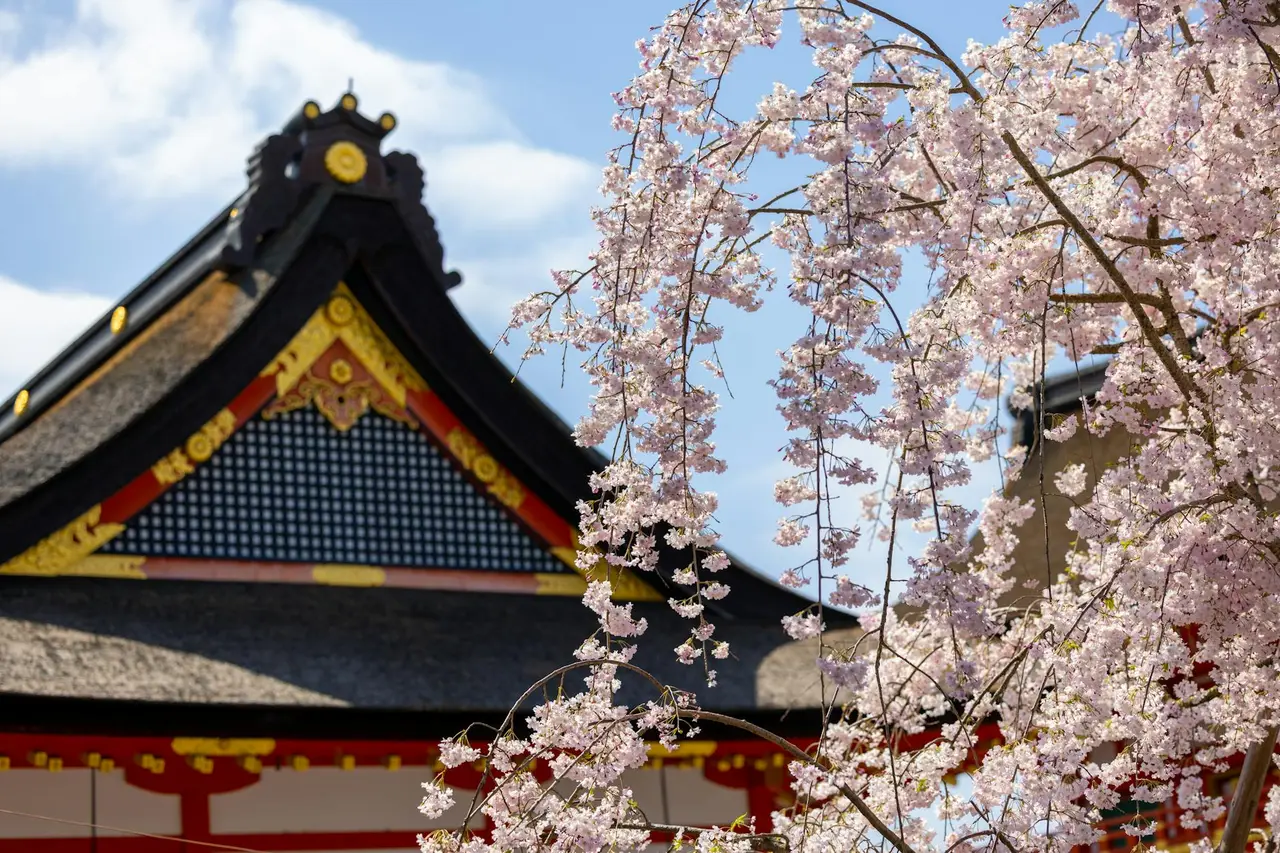
I’d start at Nagoya Castle because it gives the day some structure, even if the main keep itself is still a bit of a mixed bag depending on what’s open. I took the subway from Nagoya Station to Shiyakusho Station on the Meijo Line, which took about 5 minutes and cost me around ¥210
I spent about 90 minutes around the castle grounds and gardens. The exterior is the better part, honestly. I liked the broad stone walls and the space around the moat more than the interior exhibits, which felt a little too polished for my taste. I paid around ¥500 for entry when I checked pricing, and I left thinking the grounds were worth it but the inside was only okay. Worth it: yes, but mostly for the setting, not for a deep history fix.
If you only have one day in Nagoya, this is the part I would keep. If you’re short on time, skip the interior before you skip the grounds. I’ve done enough castle interiors to know when I’m paying mostly to walk through rooms and read signs. This was one of those times.
From the castle, I’d move to Osu Shopping Street for lunch and a slower wandering block. I took a taxi once to compare it, and it was around ¥1,200 from the castle area, but the subway is easier and cheaper. The walk from Castle Station area to Osu is too long to bother with in summer heat, so I wouldn’t recommend that unless you like long city walks. From Shiyakusho, I’d just go back to the Meijo Line and transfer to Osu Kannon; total travel time is around 20 minutes door to door and costs about ¥210.
Osu is busy without feeling as fake as some “shopping streets” I’ve been dragged through elsewhere. I bought a 700-yen taiyaki and then a cheap onigiri from a convenience store because I was still hungry. That was lunch, and it was fine. The food stalls and small shops are the point here, not the shopping itself. Worth it: yes, especially if you want a cheap lunch and some people-watching.
Best for: travelers who like low-cost wandering with food stops built in.
Skip if: you hate crowds or you’re expecting a quiet historic district.
My pick: I’d eat in Osu before I’d book a sit-down lunch near the castle; the street food is cheaper and more fun.
After lunch, I’d keep the pace slow and head toward the Toyota Commemorative Museum of Industry and Technology. From Osu, I took the subway and a short walk; it was about 15 to 20 minutes total, depending on the transfer. Entry was around ¥500, which felt very fair for how much there was to see. I expected a dry museum I’d skim in 30 minutes. I stayed close to two hours. That surprised me, and not in a fake travel-blog way. The textile machinery side was more interesting than I expected, and the industrial history was explained clearly without feeling like a school trip. Worth it: yes, if you like museums that actually teach you something.
By late afternoon, I’d head back to Sakae or Nagoya Station and keep dinner local, not fancy. I had hitsumabushi at a mid-range place near Sakae, and I paid around ¥3,800
Budget-wise: this day lands around $35-$55 if you keep meals modest, or closer to $70 if you do a proper eel dinner.
Skip if short on time: the castle interior. Keep the grounds, Osu, and dinner.
Day 2: Museums, Station Food, and the Side of Nagoya People Forget
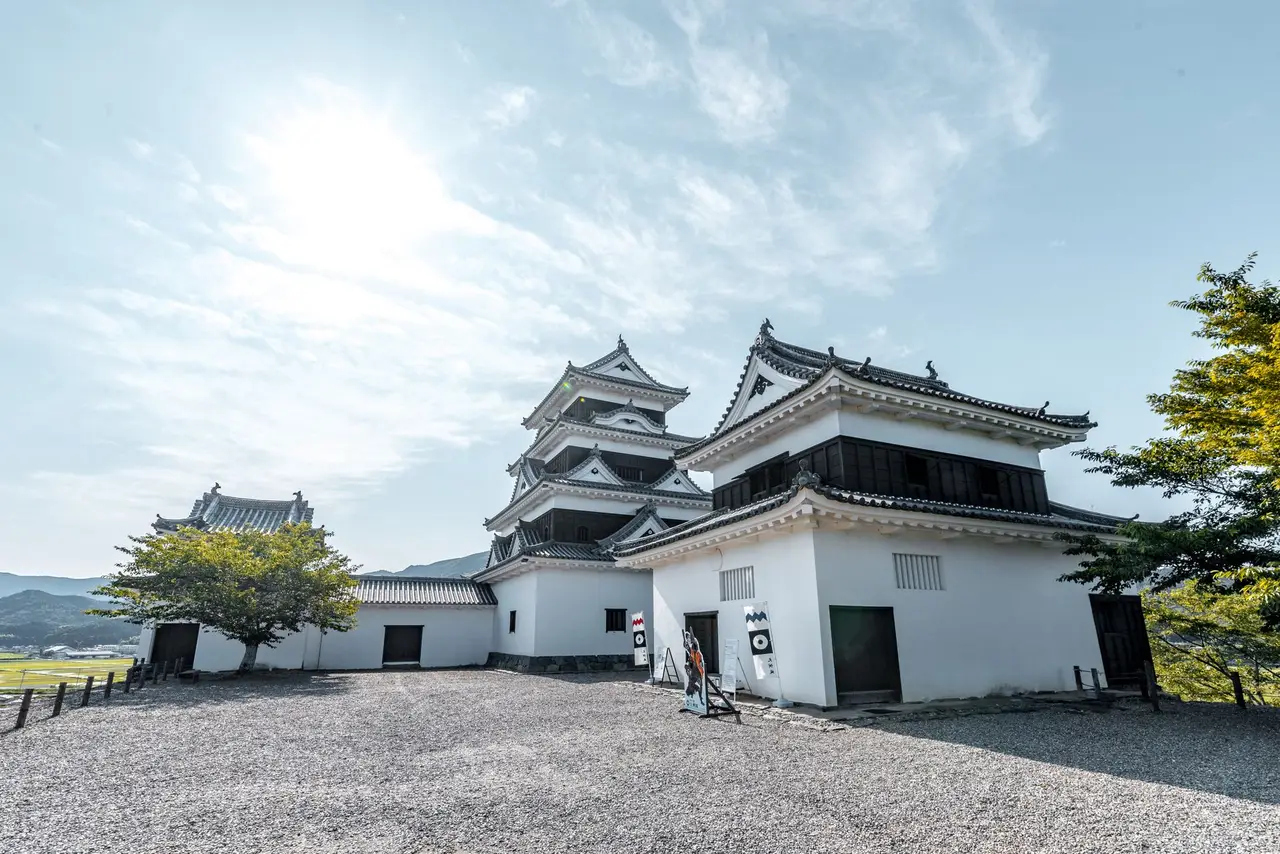
Day two is the one I’d use to understand what Nagoya actually is, not just what tourists photograph. I’d start with the SCMAGLEV and Railway Park if trains interest you at all. From Nagoya Station, the Aonami Line to Kinjofuto Station takes about 25 minutes and costs around ¥360Worth it: only if you like transport, engineering, or very clean exhibits.
If trains bore you, skip it. I’m not going to pretend every museum deserves your limited holiday hours. This one works because it’s specific. It’s not trying to be everything.
From there, I’d go back toward the center and eat lunch around Nagoya Station. This is one of the few times I’d actively choose station dining over wandering for something “better.” I had miso katsu at a basement food hall near the station for around ¥1,500Worth it: yes, especially on a museum day.
Then I’d spend the afternoon at Atsuta Jingu. From Nagoya Station, I took the Meitetsu line toward Jingu-mae Station, which took around 15 minutes and cost roughly ¥240Worth it: yes, if you want one quiet stop in the middle of the city.
I’d be careful not to oversell Atsuta Jingu. It’s not the kind of place I’d cross a country for. But as a half-day stop, it works. I liked that it wasn’t trying to sell itself too hard. The best part for me was the lack of nonsense. No big entry fee, no line, no feeling that I was being packaged for someone else’s photo album.
For dinner, I’d go back to Sakae and keep it simple. I paid around ¥1,200 for a bowl of kishimen one night, and that was enough after a full day. If you want one Nagoya-specific meal that’s cheap and easy, kishimen is a better choice than dropping money on another “famous” dish just because a list told you to. Worth it: yes. Fancy? No. Useful? Very.
Best for: travelers who like museums and easy transit days without overplanning every hour.
Skip if: you only want temples, old streets, or scenic views. Nagoya won’t fake those for you.
My pick: I’d choose Atsuta Jingu over another shopping stop because it gave me a real pause in the middle of the day.
Budget-wise: this day usually runs about $30-$50, depending on whether you do the railway museum and a bigger dinner.
Where to Stay
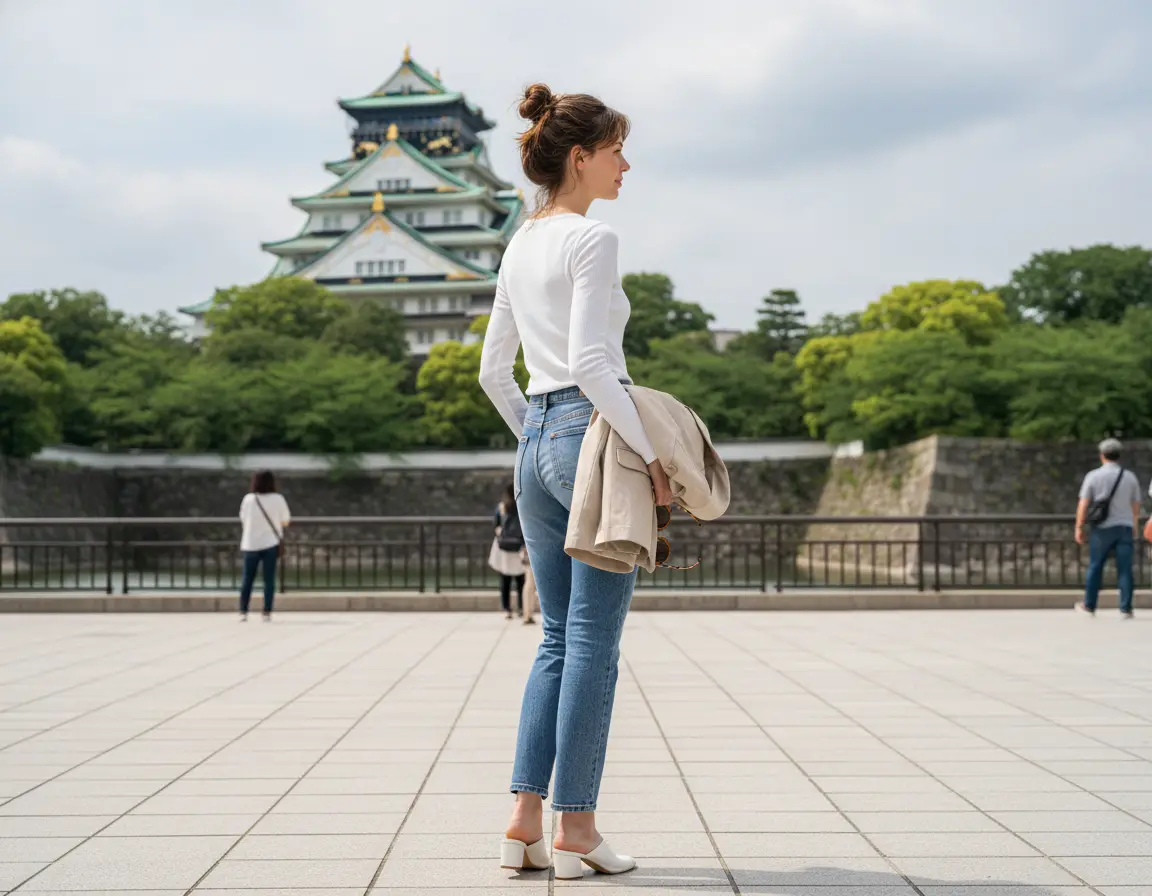
If I had to base myself in one place, I’d pick Nagoya Station first and Sakae second. Osu is fun for a few hours, but I wouldn’t want to stay there unless I specifically wanted a more neighborhood feel and didn’t mind a bit less convenience. I checked one hotel in Osu that was ¥2,000 cheaper per night than my station-area option, and then I looked at the map and realized I’d be paying that savings back in subway rides and walking every day. I paid more for the station location and didn’t regret it.
For Nagoya I used Agoda — they had the best rate for my dates.
Where I’d Actually Stay in Nagoya
Hotel JAL City Nagoya Nishiki
Nagoya
★★★★☆
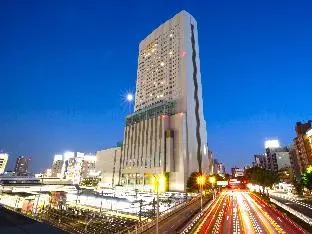
ANA Crowne Plaza Hotel Grand Court Nagoya By IHG
Nagoya
★★★★☆

Meitetsu Grand Hotel
Nagoya
★★★★☆
Nagoya Station is the easy answer for short trips. It’s where I wanted to be when I had luggage, a train to catch, or a dinner reservation I didn’t want to miss. Sakae is better if you want more restaurant and nightlife options. I spent one evening there and liked the energy, but it’s not the kind of place I’d call charming. It’s practical, busy, and a little glossy. Fine, not great.
Best for: first-time visitors who want the city to be easy instead of cute.
Skip if: you’re chasing a traditional neighborhood vibe above all else.
My pick: Nagoya Station wins for a 2-day trip because it cuts the friction down everywhere else.
See all Nagoya hotels on Agoda if you want to compare station and Sakae prices side by side. I noticed the gap shift faster than I expected, especially on weekends.
I compared the options in Is Nagoya Worth Visiting — useful if you haven’t booked yet.
I wrote a more detailed breakdown in How Many Days In Nagoya — worth reading if you’re still deciding.
For a deeper look at nagoya mistakes first time visitors, I covered this in my Nagoya Mistakes First Time Visitors.
I compared the options in Best Time To Visit Nagoya — useful if you haven’t booked yet.
I wrote a more detailed breakdown in Best Neighborhoods In Nagoya — worth reading if you’re still deciding.
If common nagoya tourist traps to avoid matters to your trip, my Common Nagoya Tourist Traps To Avoid has the specifics.
I wrote a more detailed breakdown in Nagoya Travel Mistakes To Avoid 2026 — worth reading if you’re still deciding.
The Meal Stops I’d Actually Plan Around
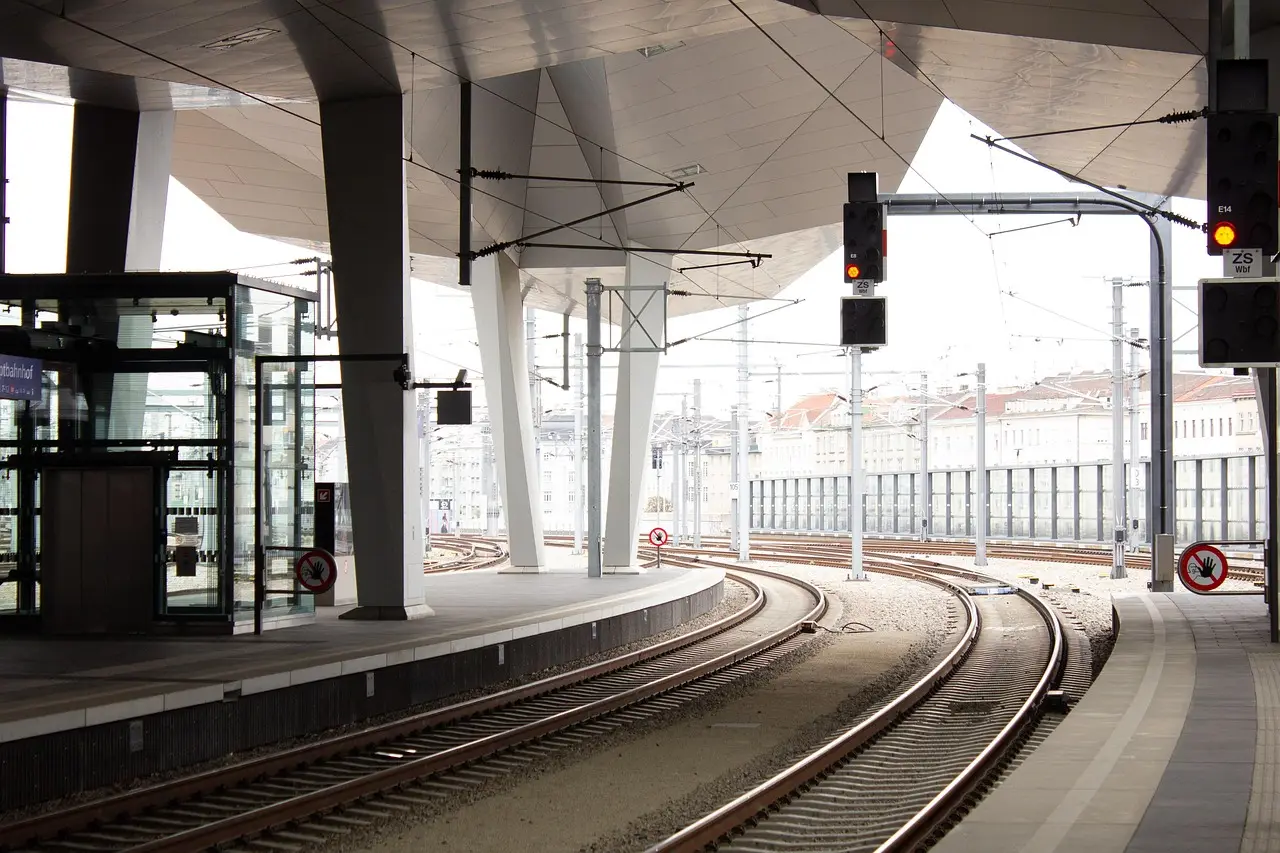
I don’t build a Nagoya itinerary around food alone, but I do build around meals that are worth leaving the hotel for. Hitsumabushi is the obvious one, and I think it’s worth doing once. I paid about ¥3,800 for mine, and I wouldn’t do that every day. Miso katsu is the cheaper, easier repeat option. I paid around ¥1,500 for a set meal and walked out full without feeling like I’d been sold a ritual.
If I were choosing only one food stop, I’d pick lunch at a local place near Nagoya Station over a dinner queue at a famous eel restaurant. The reason is simple: the station-area lunch saved me time and still gave me something local. The eel dinner was better, but it took more waiting and more money. I waited 25 minutes for that hitsumabushi table, and that’s about the longest I want to spend for a meal unless I know exactly why I’m there. Worth it: yes, once. Twice in a short trip? Probably not.
And yes, the city has enough convenience-store and basement-food-hall options that you won’t starve if your timing is off. I grabbed a ¥170 bottled tea, a rice ball, and a yogurt drink one afternoon when I got lazy. That’s not glamorous, but it kept me moving. I’d rather do that than waste an hour on a mediocre restaurant with a line. Skip if: your idea of travel food is only sit-down meals. Nagoya works better when you mix both.
Best for: travelers who want one or two local meals, not a full food pilgrimage.
Skip if: you don’t care about regional dishes at all. The city still works, but the food angle won’t save it for you.
My pick: I’d keep one big eel meal and fill the rest with cheap, local lunches near whatever I’m already doing.
What I’d Cut If I Only Had One Day
If I only had one day in Nagoya, I’d cut the railway museum first. It was good, but not essential. Then I’d trim the castle interior and keep the grounds only. That gives me room for Osu, one proper lunch, and either Atsuta Jingu or a relaxed dinner. That’s the real tradeoff in Nagoya: you can do more things than you think, but the city rewards a slower, narrower plan.
I’d also stop trying to make every stop “special.” That’s how I wasted time the first time I planned a day here. I kept looking for the one dramatic thing Nagoya was supposed to be known for, and the city kept answering with practical, decent, slightly underhyped options instead. Once I accepted that, the day got better. Not more exciting. Better.
Best for: short trips where you care about efficiency and food more than big-ticket sights.
Skip if: you only want a city that impresses in a single glance.
My pick: If the trip shrinks to one day, I’d keep castle grounds, Osu, and one local meal, then stop there.
What I’d Do Differently Next Time
I’d book my hotel closer to the station from the start instead of trying to save a little money on a worse location. That mistake cost me around 40 minutes of extra walking and train time over two days, which doesn’t sound huge until you’re doing it tired. I’d also skip one museum and spend that time eating earlier instead of squeezing lunch between stops. My timing was fine, but just barely.
I’d probably also leave a little more room for wandering Sakae at night. I didn’t hate my evening there, but I rushed it because I’d packed too much into the day. That’s on me. Nagoya works better when I stop trying to turn it into a checklist city.
Cost Breakdown
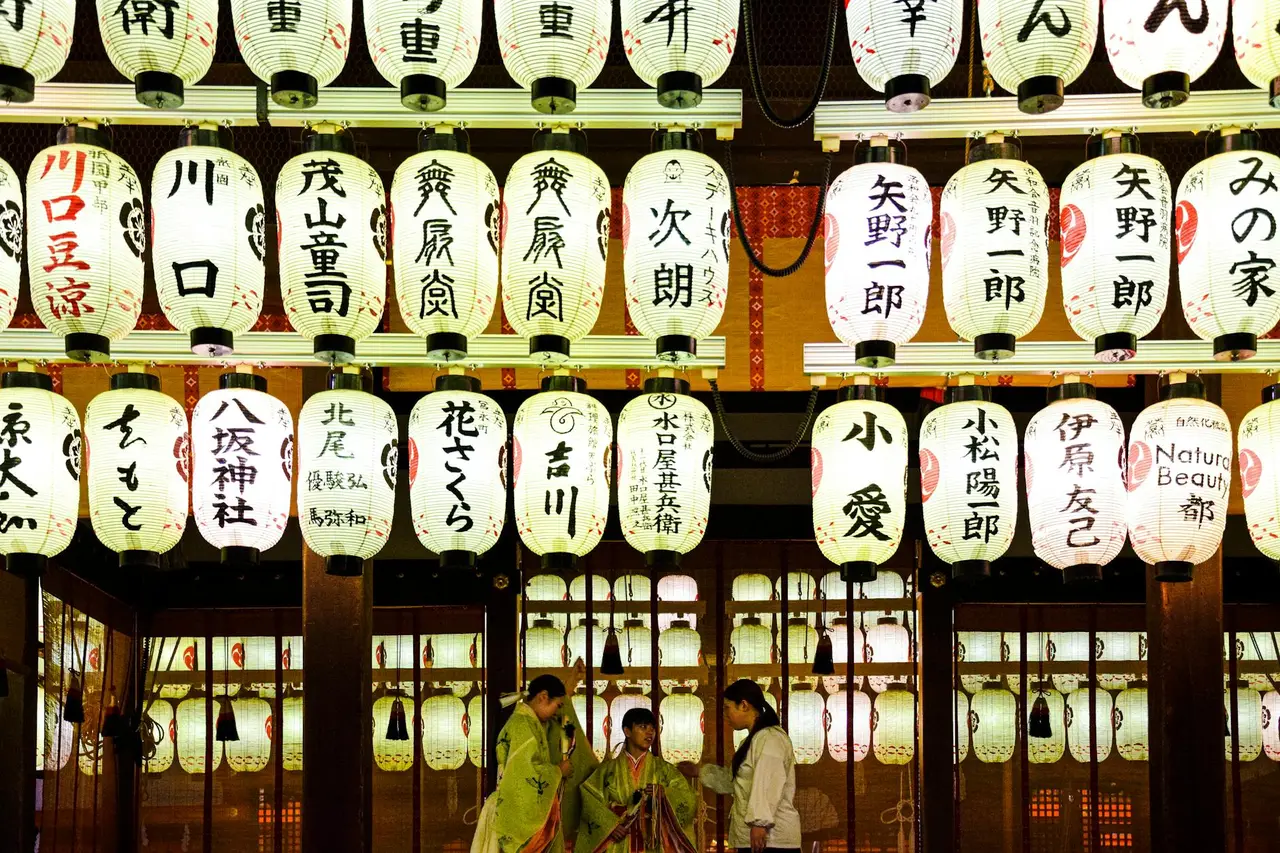
Rough daily estimates from my own trip. Prices shift by season.
Transport Tips
Nagoya is easy to do without a car. I used the subway, Meijo Line, Meitetsu line, and the Aonami Line, and that covered everything I wanted to see. The station-to-station trips were short enough that I never felt trapped by logistics, which is a big part of why the city works so well for a 2-day itinerary.
My biggest transport lesson was simple: base yourself near Nagoya Station or Sakae and let the trains do the work. I spent around ¥210 getting to Nagoya Castle, about ¥240 to Atsuta Jingu, around ¥360 to SCMAGLEV and Railway Park, and roughly ¥1,200 once for a taxi from the castle area to Osu just to compare. The taxi was fine, but the subway was the better move.
If you’re carrying luggage or planning an early train out, Nagoya Station makes the whole trip easier. If you want more evening options, Sakae gives you that without making the city feel hard to navigate. For me, the best things to do in Nagoya were all connected by simple train rides, which is exactly how I like a city break to work.
I pre-booked on Klook the night before — skipped the entire ticket line.
FAQ
Is two days enough for Nagoya?
Yes, two days is enough for Nagoya, and it’s the amount of time I’d actually choose. That gives you room for the castle, Osu, one museum, Atsuta Jingu, and a proper meal without turning the trip into a sprint. If you only have one day, cut the train museum first.
Should I stay near Nagoya Station or Sakae?
I’d pick Nagoya Station for a short trip because it makes arrivals, departures, and day trips easier. Sakae is better if you care more about restaurants and evening wandering, but I found station access more useful overall. I paid a bit more to stay near the station and saved time every single day.
Is Nagoya Castle worth the entry fee?
Yes, but mostly for the grounds and the exterior, not because the interior is life-changing. I paid around ¥500 and spent about 90 minutes there, which felt fair. If you’re tight on time, keep the outside and skip anything that requires a long line.
Can I do Nagoya without a car?
Yes, and I’d do it that way again. The subway and Meitetsu lines cover the main stops I’d recommend, and most of the useful places are within 5 to 25 minutes of each other by train. A car would just add hassle and parking costs.
What would you skip if I only have one full day?
I’d skip the railway museum first and then trim the castle interior if needed. Those are the easiest cuts without losing the shape of the day. Keep Osu, one local meal, and one quiet stop like Atsuta Jingu if you want the city to feel balanced instead of rushed.
 Emma Hayes