
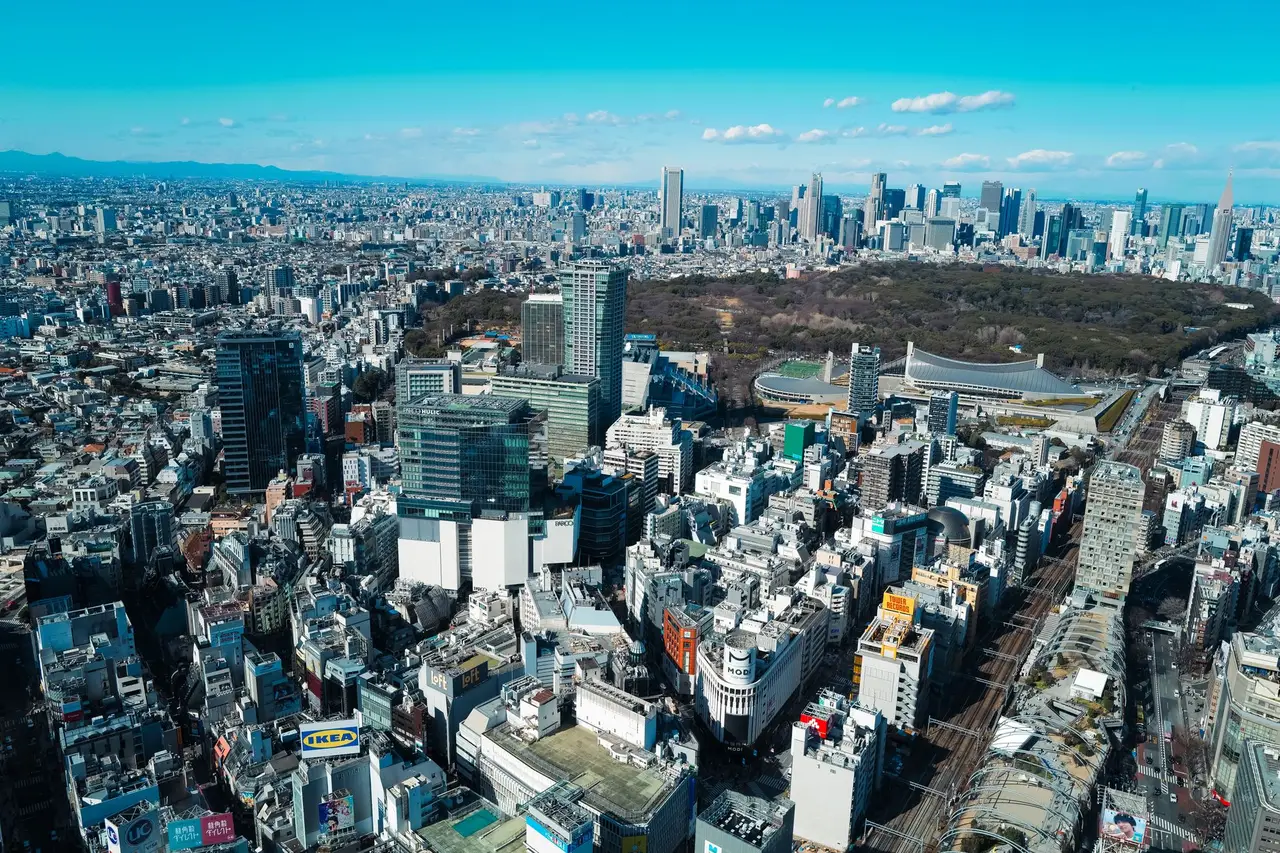
Nagoya was supposed to be a smart stop. It was cheaper, quieter, and I figured I’d get a cleaner version of big-city Japan without the crush. Instead, I spent part of my first afternoon comparing station exits and realizing Nagoya is a city that rewards people who already know what they want. Tokyo felt messy in a better way. If I were sending a first-timer to one city, I’d choose Tokyo because it gives you more range, more neighborhoods, and more reasons to stay busy without planning every hour. Choose Nagoya only if you want an easier, lower-stress base and you’re fine with a city that feels more efficient than exciting.
Quick answer: I’d pick Tokyo for first-timers because it gives you more variety, more neighborhoods, and more flexibility. Nagoya is cheaper and calmer, but Tokyo is the safer first trip base.
Best for: Tokyo suits first-timers who want lots of food, neighborhoods, transit options, and zero fear of running out of things to do.
Best for: Nagoya suits travelers who care more about easy logistics, lower prices, and a calmer pace than big-name sights.
My pick: Tokyo, because the first trip to Japan is usually limited by time, not by city size.
Why I’d start a first trip in Tokyo

I had Tokyo and Nagoya in front of me when I was planning a Japan-style city break, and I went with Tokyo because I didn’t want my first days to feel too narrow. That was the tipping point. Tokyo can be expensive, sure, but it gives you a lot more ways to recover from a bad weather day, a tired morning, or a meal that turns out to be just okay. Nagoya doesn’t have the same margin for error. It’s fine, useful, and efficient. It just doesn’t keep surprising you.
I expected Tokyo to feel like nonstop overload. It didn’t, at least not in the way I feared. I spent one morning in Asakusa, paid ¥600 for a quick breakfast and tea, then crossed to Ueno and found the city suddenly calmer than I expected. Later I ended up in Shimokitazawa for dinner and a slow walk, and then back near Shinjuku for the kind of late-night convenience store run that only makes sense in Tokyo. That range matters on a first trip. I don’t think first-time travelers need less choice. They need more room to make a few mistakes and still have a good day.
Worth it if: you want to see a lot of Japan through one city base.
Skip if: you hate transit maps, crowds, and neighborhoods that all feel like separate mini-trips.
My pick: Tokyo, because it forgives a bad plan better than Nagoya does.
Tokyo also wins on pure first-timer usefulness. I could eat a ¥1,100 ramen lunch in one ward, take a ¥230 subway ride, and end the night in a completely different part of the city without feeling like I’d wasted half the day. That flexibility matters more than a lot of people admit. On a short first trip, I’d rather pay a bit more for aMy strongest Nagoya meal was miso katsu at Yabaton, where I paid around ¥1,600 and got the kind of heavy lunch that makes sense after a walking morning. I also had hitsumabushi at a casual place near the station, and yes, it was pricier — closer to ¥3,000 before drinks — but it felt less performative than some of the famous-food stops in Tokyo. Nagoya food has a real payoff if you like regional dishes and don’t need a city to be dazzling while you eat them. That’s the tradeoff. It’s practical and sincere, but not especially dramatic.
I thought Nagoya would be a boring version of a major city. That was too harsh. It’s actually better than that. It’s just not where I’d send someone for their first Japan trip unless they specifically wanted a calmer base. If you’ve already done Tokyo once, Nagoya becomes easier to appreciate. If you haven’t, I think Tokyo gives you more value for the same travel days.
Best for: repeat Japan visitors, slower travelers, or anyone who wants a city that doesn’t chew up energy.
Skip if: you’re hoping for a first-trip city with endless neighborhood variety and famous landmarks in every direction.
My pick: Nagoya only if comfort and low friction matter more than excitement.
One thing I didn’t expect: Nagoya made me spend less money without trying. I paid about ¥8,500 for a solid mid-range hotel near the station one night, and the room felt like a good deal for the size and location. In Tokyo, the same money often gets you a smaller room and a longer walk. That doesn’t make Nagoya “better.” It just makes it a cleaner value if your trip is more about rest than range.
Cost Breakdown
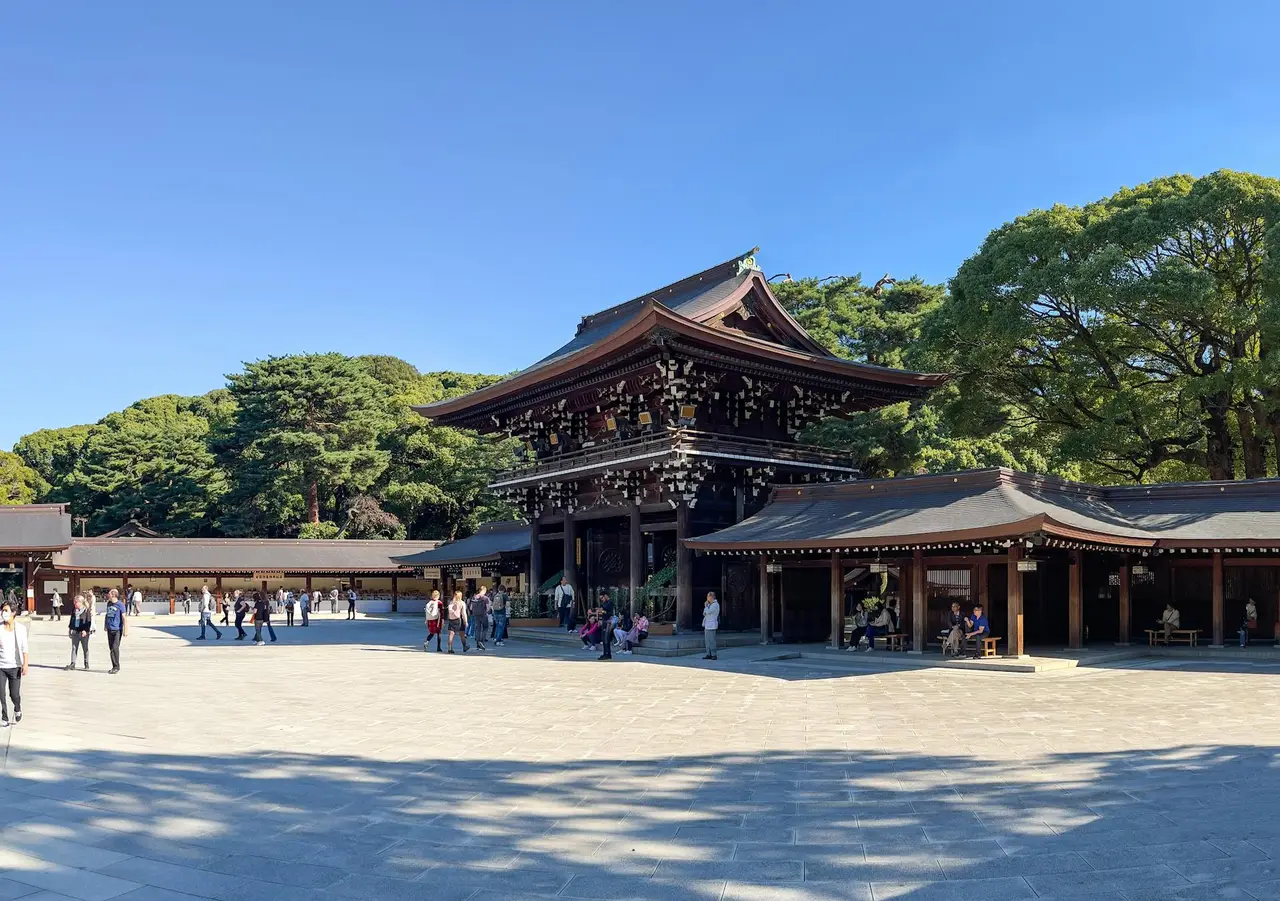
Tokyo
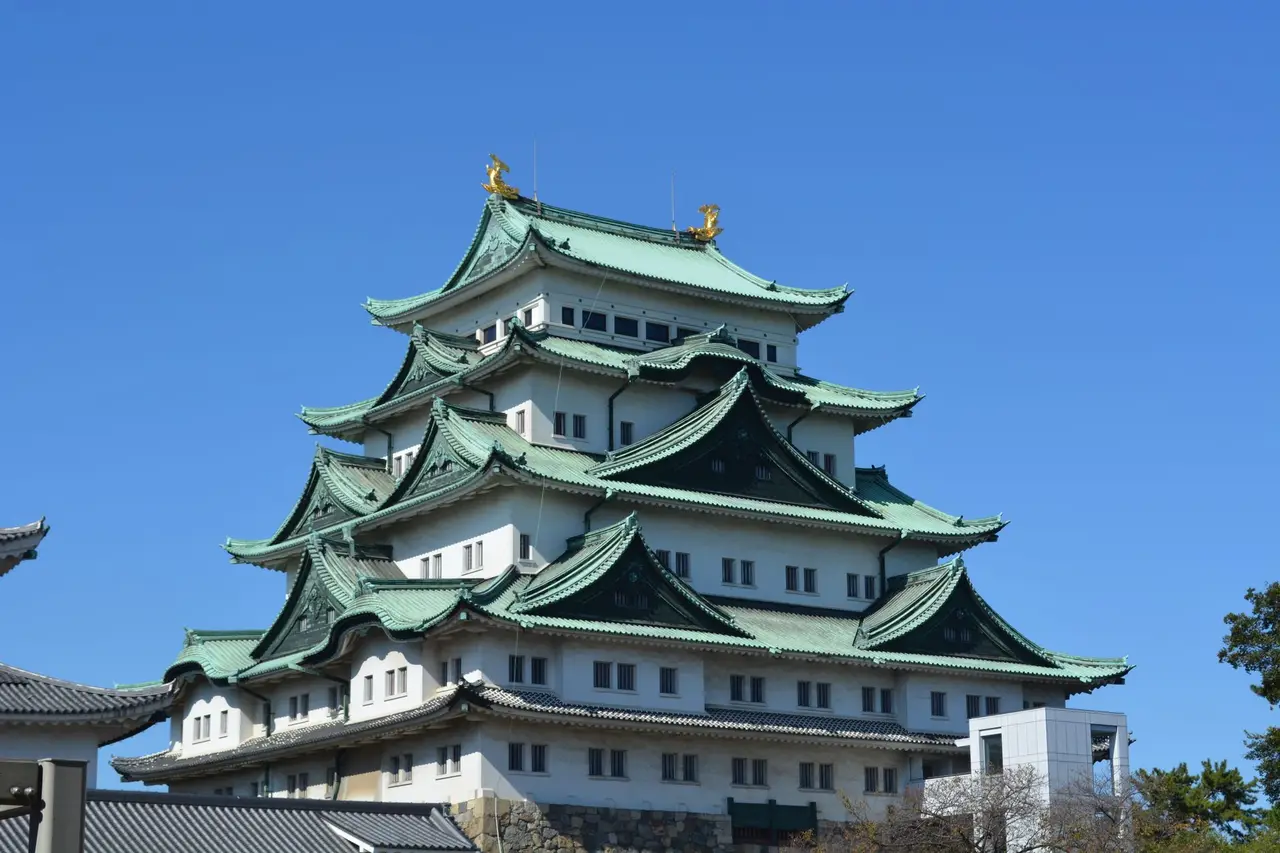
Nagoya
These are the ranges I actually used on the trip. Tokyo costs more, but I got more out of it. Nagoya was cheaper and easier, which helps if you want a calmer first stop.
Here’s the practical difference. In Tokyo, I usually budget around ¥12,000-¥18,000 a night for a decent solo room in a central area, and it can climb fast if you want a well-located place in Shibuya, Shinjuku, or Asakusa. In Nagoya, I found decent rooms more often in the ¥7,000-¥11,000 range, and the station area was easier to navigate without feeling stuck in one pocket of the city. If I’m comparing hotel value, Nagoya is the better deal. If I’m comparing trip value, Tokyo still wins because I used more of what I paid for.
Transit is where Tokyo pulls ahead again. A typical subway ride there runs about ¥180-¥300, and the network makes it easy to string together different neighborhoods in a single day. In Nagoya, I spent less per ride, but I also spent less time bouncing around because there was less reason to. That sounds efficient, and it is. But efficiency can become boredom if you’re a first-timer who wants a lot of movement and variety.
Door-to-door time matters too. In Tokyo, I could go from breakfast in one area to a museum in another and still have the evening left. In Nagoya, the shorter transit day left more empty space, which is nice if you want to sit in a café or just recover from jet lag. I had one mild-weather morning around 15-22°C where I walked with a light layer on, took it off by lunch, and still had energy left. In Tokyo, that same weather would have tempted me to keep moving longer. In Nagoya, I was more likely to stop early. Not bad. Just different.
Budget-wise: Nagoya usually costs less for a room and a meal, but Tokyo gives stronger value if you plan to be out all day.
Worth it if: you want to spend less without dropping into a dead zone.
My pick: Tokyo, because I’d rather pay for a city I can keep using from morning to midnight.
I use Agoda when I want to compare Tokyo and Nagoya rooms quickly without getting trapped in one hotel’s marketing copy.
If nagoya matters to your trip, my Nagoya For Couples has the specifics.
I wrote a more detailed breakdown in Cheap Eats Nagoya For Solo Travelers 2026 — worth reading if you’re still deciding.
For a deeper look at ghibli park tickets 2026 booking tips, I covered this in my Ghibli Park Tickets 2026 Booking Tips.
I compared the options in Nagoya Capsule Hotels For Women 2026 — useful if you haven’t booked yet.
If nagoya capsule hotels for budget travelers 2026 matters to your trip, my Nagoya Capsule Hotels For Budget Travelers 2026 has the specifics.
Vibe and rhythm: Tokyo feels alive, Nagoya feels tidy
This is the part that doesn’t show up in hotel filters. Tokyo feels like a city with too many lives happening at once. Nagoya feels like a city that’s already decided what kind of day you’re supposed to have. I know that sounds a little dramatic, but it’s the honest version. In Tokyo, I could wander into Golden Gai after dinner, then end up in a completely different mood by the time I got back to my room. In Nagoya, I was more likely to follow a clean, efficient route: station, lunch, one neighborhood, hotel. Easy. Predictable. A little too neat for my taste on a first trip.
I expected Nagoya to feel more local than Tokyo in a way that would make it more interesting. It didn’t really. It felt more ordinary, which is not the same thing. Tokyo has famous spots, sure, but it also has enough side streets, tiny bars, and weird little pockets that I never felt boxed in. Nagoya gave me a smoother day, but Tokyo gave me better stories. If someone only has one shot at Japan, I’d pick the city that gives them more chances to stumble into something unexpected.
Best for: Tokyo if you like changing neighborhoods, wandering at night, and building a trip as you go.
Skip if: you want one tidy base with fewer decisions and less sensory noise.
My pick: Tokyo, because first trips usually need texture more than simplicity.
Nagoya still has a place, though. If your main goal is eating well without dealing with Tokyo’s pace, it does that nicely. I had a cheap coffee at a station café for about ¥450 and spent more time sitting than I usually do in Tokyo. That was a nice change. It just wasn’t enough to beat Tokyo for a first-timer trip where every day should feel like it’s earning its keep.
The mistake I made in Nagoya
I figured I could treat Nagoya as a quick, flexible stop and book the hotel after arrival. That was the obvious move in my head because the city felt calmer than Tokyo. The trigger was simple: I got in later than planned, around dinner time, and the cheap central rooms were already thinning out. I ended up paying about ¥9,800 for a place I would’ve skipped online because the location was only okay and the room wasn’t as good as the photos suggested. The consequence wasn’t disaster, but it did cost me time and flexibility. I lost almost an hour comparing options on my phone instead of eating. Next time, I’d book Nagoya the same way I’d book any station-area city: early enough to get the room I actually want, not the one left over.
Worth it if: you’re traveling light and can absorb a small planning mistake.
Skip if: you hate paying more because you waited too long.
My pick: Tokyo for first-timers, because it’s less forgiving to improvise in Nagoya if you arrive late.
What I’d do differently next time
I’d spend my first Japan nights in Tokyo and save Nagoya for a later trip or a one-night stop between bigger cities. I’d also stop pretending I need the “more efficient” city to be my first choice. I don’t. On a first trip, I want range, easy food access, and enough transit choices that a bad neighborhood pick doesn’t ruin the day.
I’d also stay closer to a major Tokyo station than I usually do, even if it costs another ¥1,500-¥2,000 a night. That extra spend pays back fast when you’re tired, carrying a bag, or trying to squeeze in one more meal before a train. In Nagoya, I’d only stay central and avoid stretching to save a few dollars. The savings weren’t big enough to justify a bad walk.
Best for: first-timers who want the strongest all-around Japan city and don’t mind paying more for range.
Skip if: you want a low-key base, smaller crowds, and a trip that feels simpler than Tokyo can be.
Next time: I’d book Tokyo first, and I’d use Nagoya only when I wanted a quieter stop between bigger places.
See current Nagoya hotel prices on Agoda →
I usually book Nagoya tours on Klook — the best time slots go fast, especially in peak season.
FAQ
Is Nagoya worth visiting on a first trip to Japan?
Yes, but I’d keep it as a secondary stop, not the main city. Nagoya is useful if you want easier logistics and lower hotel prices, but it doesn’t give first-timers the same variety as Tokyo. I’d only prioritize it if a calmer pace matters more than famous sights.
How many days do I need in Tokyo to make it worth it?
Three full days is the minimum I’d give Tokyo, and five is better. Anything shorter starts to feel rushed because the city is so spread out. I’d rather stay fewer nights in a smaller city than squeeze Tokyo into a one-day box.
Is Nagoya cheaper than Tokyo for hotels?
Yes, usually by a decent margin. I found mid-range Nagoya rooms around ¥7,000-¥11,000, while Tokyo often pushed me into ¥12,000-¥18,000 for a similar level of comfort and location. That said, Tokyo’s higher price makes more sense if you’re using the city hard every day.
Which city is easier to get around without speaking much Japanese?
Tokyo is easier overall because the transit network is so extensive and clearly mapped. Nagoya is simpler in a basic sense, but Tokyo gives you more English signage, more frequent trains, and more ways to recover if you board the wrong line. I’d pick Tokyo for a first trip unless you really want a smaller system.
If I only have one long weekend, should I choose Tokyo or Nagoya?
I’d choose Nagoya only if the point is to relax and keep the trip low-effort. For almost everyone else, Tokyo is the better use of a short break because the city delivers more food, neighborhoods, and late-day options. I’d hate to spend a short Japan trip wishing I had more to do.
 Emma Hayes