

Nagoya was supposed to be a simple food stop. It was messier than that, in a good way. I found a few meals I’d go back for and a couple of famous bites that felt more like a checkbox than dinner.
My answer is simple: if you’re looking for Nagoya cheap eats solo female 2026, I’d chase the local specialties that still feel like everyday food, not the places built for day-trippers. This fits solo travelers who want fast, filling, low-stress meals. It’s not for people who want long sit-down dinners every night or who love waiting 40 minutes for a branded “experience.”
The real trick in Nagoya is value. I cared less about fancy plating and more about whether I could get in, order without drama, and leave full for under ¥1,500
Quick Answer: For cheap solo eating in Nagoya, I’d start with kishimen near Nagoya Station for about ¥650, try miso katsu at Yabaton for about ¥1,300
Restaurants
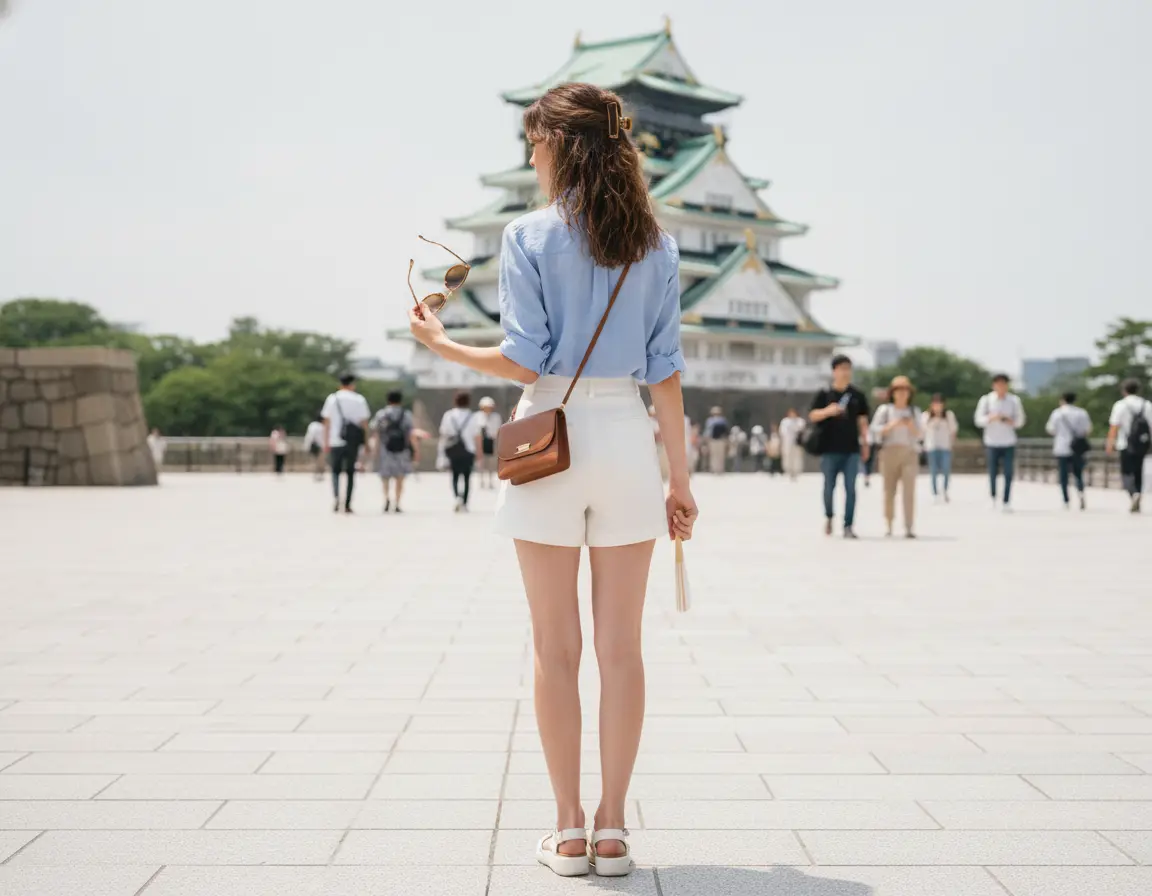
- I found the best cheap meals around stations, covered shopping streets, and department-store basements.
- I’d skip the most famous “must-try” Nagoya snacks if the line is long or the price has been inflated for tourists.
- My favorite meals were the ones where I paid ¥600 to ¥1,200 and got out in 20 minutes.
- If you only have one food day, I’d pick one miso specialty, one noodle meal, and one convenience-store backup for the gaps.
The first meal I’d send you to: miso katsu at Yabaton, but only at the right time
I started with Yabaton because everyone talks about it, and honestly, I thought it would be one of those places that survives on name recognition. It kind of does. But the set I ordered at the Sakae main branch still felt worth it because it gave me the classic Nagoya hit without wrecking my budget. I paid about ¥1,300 for a miso katsu set, and it was filling enough that I didn’t need a second lunch.
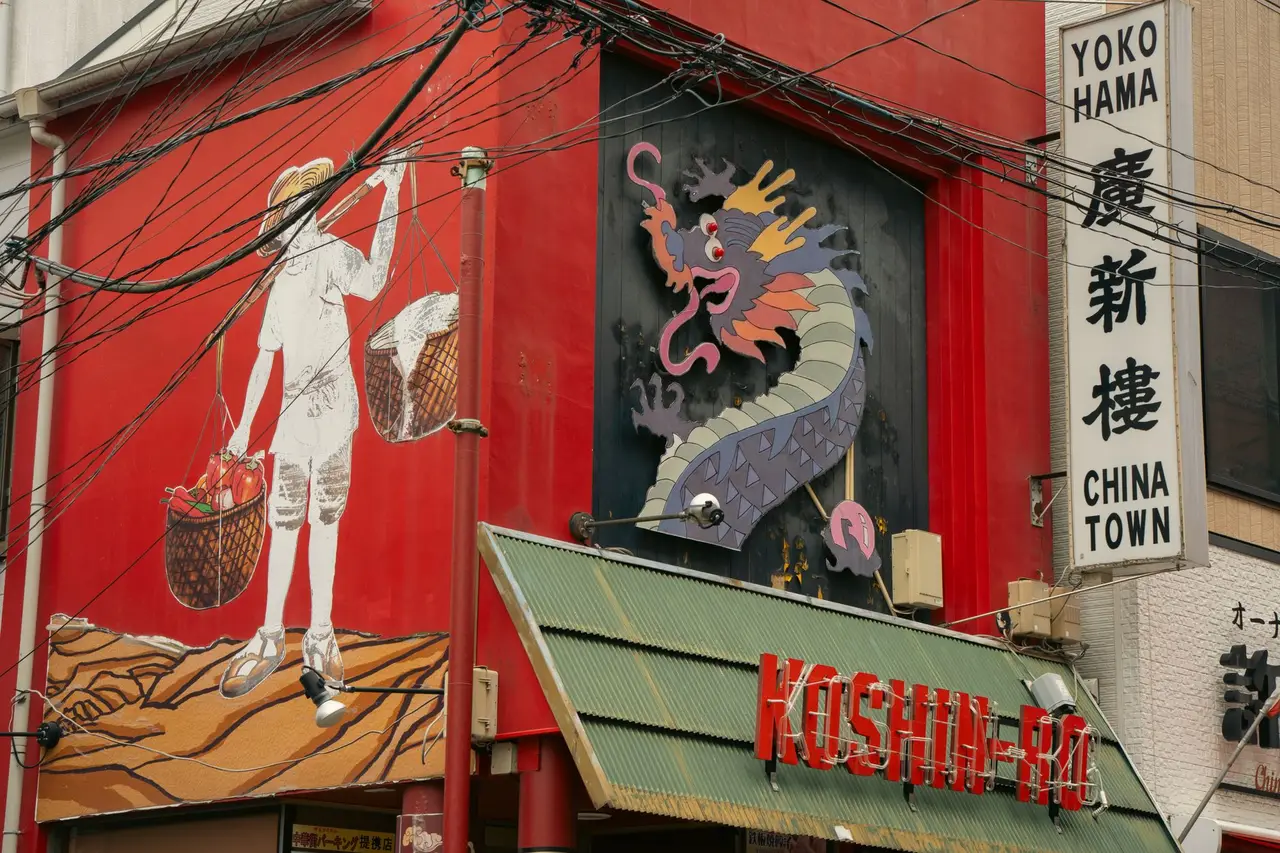
I went at an off-peak hour, around 2:15pm, and still waited about 25 minutes. That matters. If you show up at lunch rush, I’d expect a worse experience. The pork was crisp, the miso sauce was heavy in the way it’s supposed to be, and the cabbage helped cut it. It’s not subtle food. That’s the point.
Best for: First-timers who want the iconic Nagoya plate without hunting around.
Skip if: You hate queues or you already had a heavy lunch earlier in the day.
My pick: Worth it once, but I’d go off-peak or not at all.
I had Yabaton and a smaller neighborhood tonkatsu shop in mind. I picked Yabaton because I wanted the Nagoya version of the dish, not just a random fried pork cutlet, and the miso sauce there actually tasted like the city’s calling card. The neighborhood shop would’ve been cheaper, probably by ¥200 to ¥300
How to find it: I used the Sakae branch near the shopping area, which is easy to reach from Sakae Station. Ordering is straightforward; you point to the set menu, and the staff are used to solo diners. If you’re in a rush, this is not the stop. If you’ve got patience and want the famous thing, it’s worth the wait.
The cheap meal I’d actually repeat: kishimen at a station stand
My favorite budget meal in Nagoya was not a big restaurant meal. It was a bowl of kishimen near the station when I was hot, damp, and a little over food lines. I paid about ¥650 for a simple bowl with broth, flat noodles, and a few toppings. That was the meal that saved the afternoon.
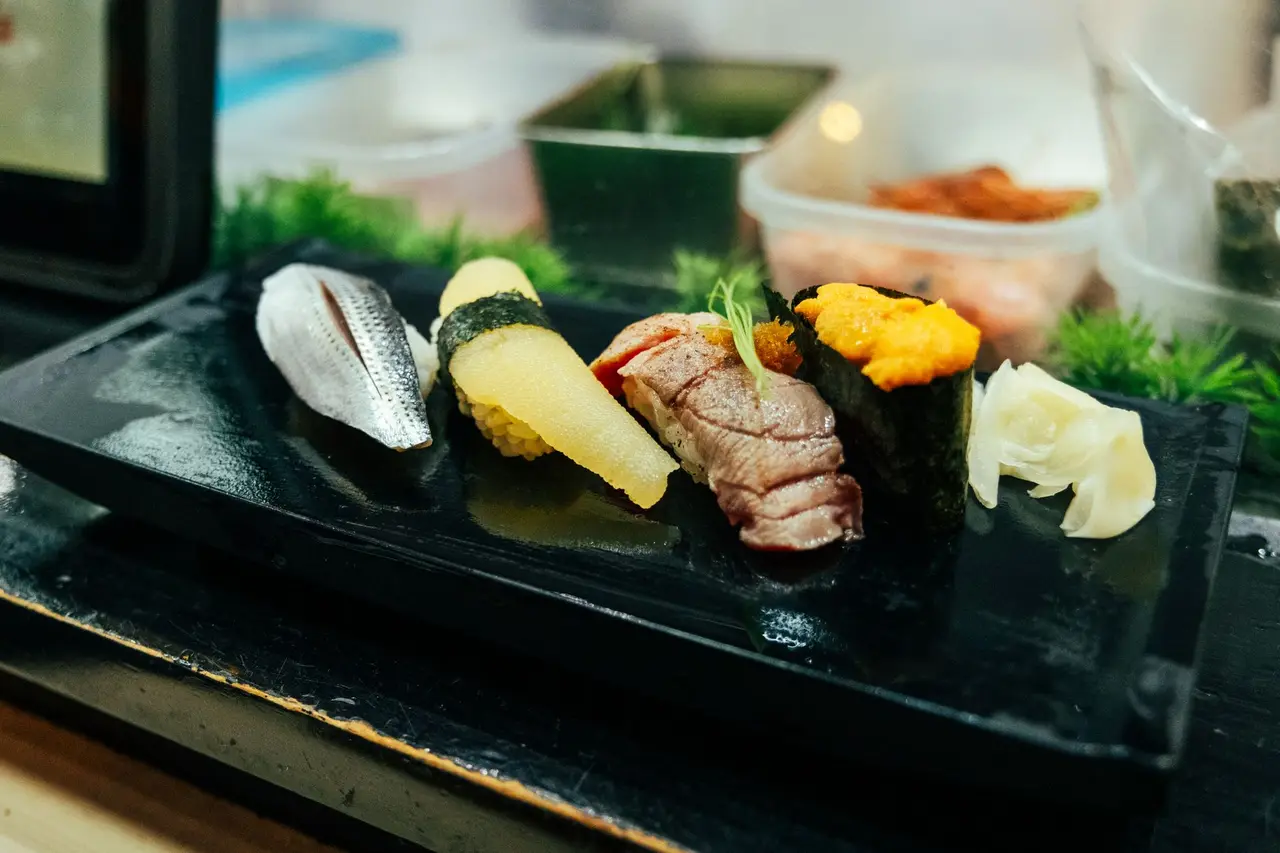
I’d been walking through humid 30°C weather with a fan in one hand and sunglasses shoved into my bag, and I didn’t want anything that took brain power. Kishimen is perfect for that. It’s lighter than tonkatsu, cheaper than the big specialty spots, and fast. Mine came out in under 10 minutes.
Best for: Solo travelers who want a fast, cheap lunch between train rides.
Skip if: You need a big, rich meal to feel satisfied.
My pick: This is the best value meal in the guide.
I had a ramen shop and a kishimen stand in front of me. I chose kishimen because the flat noodles are a Nagoya thing, and I wanted something local without paying specialty-restaurant prices. Ramen would’ve been fine, but it would’ve been a more generic answer, and I was trying to eat my way through the city, not just eat.
How to order: look for shops in or near Nagoya Station and the underground food areas. If there’s a ticket machine, buy a basic bowl first and keep it simple. I’d avoid adding too many toppings on the first try. The base bowl is already enough to tell you whether you like it.
The one famous thing everyone recommends but I’d only get once: tebasaki chicken wings
Everyone recommends tebasaki, and yes, I ate them. I went to a casual izakaya-style place and paid around ¥500 to ¥700 for a small order of wings. They were peppery, salty, and messy in the way fried food should be. I’m not pretending they changed my life.
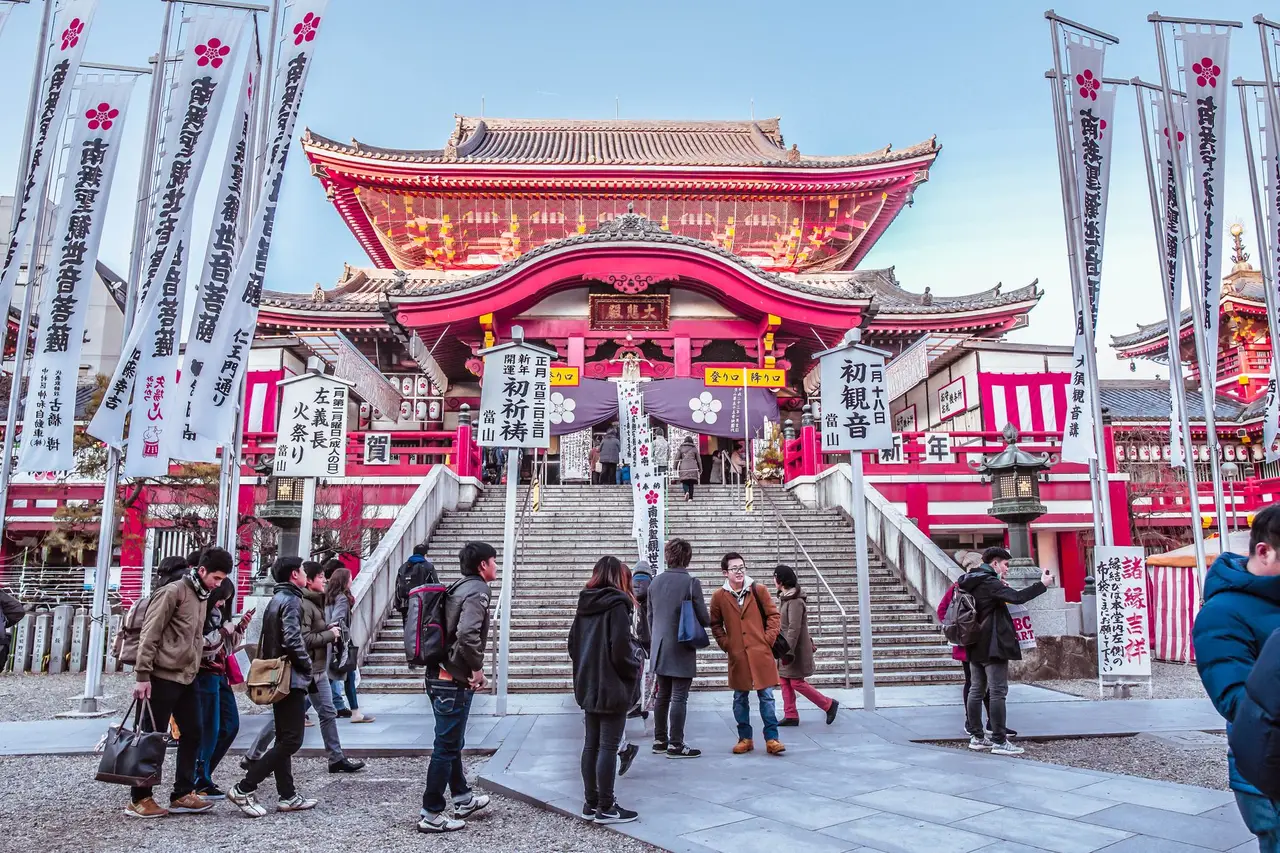
Here’s my honest take: tebasaki is worth trying, but it’s not the best use of your budget if you’re trying to eat well all day. I had wings as a snack after a heavier lunch and they worked better as a side than as a full meal. The bones make it a little annoying if you’re eating alone and trying not to make a scene. I did fine, but I also wiped my hands more than once.
Best for: A quick beer snack or a second food stop.
Skip if: You’re looking for the meal that defines Nagoya for you.
My pick: Good once. Not something I’d plan a whole outing around.
I had tebasaki and another round of noodles in mind. I chose the wings because I’d heard about them for years and wanted to see if they were actually worth the hype. They were fine, not great. If you only have one dinner in Nagoya, I’d put my money elsewhere.
How to find them: look for izakayas around Sakae or Nagoya Station that have set drink-and-food menus. Ordering is usually easy, even for solo diners, because the wings are a standard item. If you’re nervous about ordering in Japanese, this is one of the easier dishes to point at.
The place I’d go for a cheap, full dinner: a teishoku shop in Sakae
I like teishoku shops because they solve the solo-diner problem fast. You get rice, miso soup, a main dish, and usually one or two sides for around ¥900 to ¥1,400. I found one in Sakae where the daily fish set was about ¥1,050, and that was the kind of meal I wanted after a hot day of walking and dodging sudden rain.
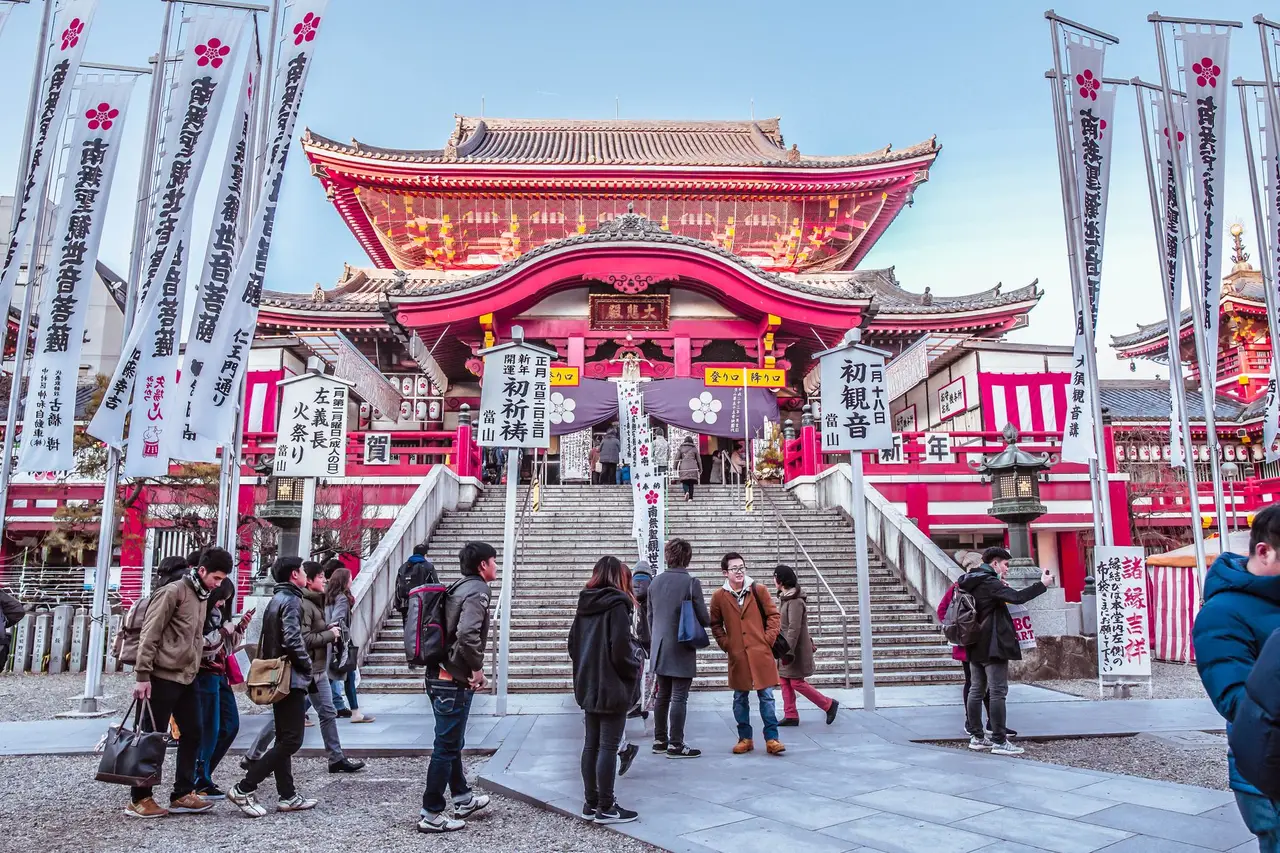
This is where Nagoya starts making sense as a budget city. A teishoku set isn’t glamorous. It doesn’t need to be. It’s efficient, filling, and usually less stressful than hunting down a famous specialty spot when you’re already tired.
Best for: Solo travelers who want a balanced dinner and don’t want to think too hard.
Skip if: You’re chasing only Nagoya-specific dishes and don’t care about value.
My pick: This is the safest cheap dinner option in the city.
I compared the set meal with a chain curry place nearby. I chose the teishoku shop because the fish set gave me more food variety for only about ¥200 more, and it felt less processed than a chain curry dinner. The curry would’ve been faster, but I’d rather spend the extra couple of hundred yen on something that feels like an actual meal.
How to find it: I’d look around the smaller streets off Sakae rather than the main tourist drag. Many of these places have plastic food models or a handwritten lunch board outside. If the menu has a daily set marked in Japanese, that’s usually the move. I’d go before 7pm if you want the widest choice.
What I ate in Osu: cheap snacks, not a full food day
Osu Shopping Street is fun if you want to snack around, but I wouldn’t build a whole cheap-eats plan around it. I paid about ¥300 for a taiyaki and around ¥500 for a fried snack from a stand, and both were fine. The area is more about wandering than eating seriously.
That’s the tradeoff. Osu gives you variety, but a lot of the food is built for browsing crowds. I saw more people holding food for photos than actually eating. I don’t love that. If I’m spending money, I want the food to do more than look cute for 30 seconds.
Best for: Snack stops between shopping or temple wandering.
Skip if: You want the best value meal in Nagoya.
My pick: Fine for one snack round, not a food destination.
I expected Osu to be a cheap food jackpot. It wasn’t. The snack prices were okay, but once I added up a couple of small purchases, I could’ve had a real bowl of noodles instead. That was the little surprise here: the area feels budget-friendly until you buy three things and realize you’ve spent lunch money on novelty bites.
How to find it: walk the covered arcade and follow what people are actually lining up for, not what looks best from five meters away. I skipped anything with a long line because I’ve learned that a 30-minute wait for a snack is just a bad deal. If a stall is moving quickly, that’s the one I’d try.
What I’d skip: overhyped station souvenirs and long-line “Nagoya specialties”
This is where I saved money. I skipped packaged souvenir foods that were clearly priced for tourists, and I skipped any place where the line was long enough to make me angry before I’d even ordered. Nagoya has enough good budget food that I don’t need to pay extra for branding.
One example: I saw “premium” hitsumabushi set menus in the ¥3,000 to ¥5,000 range near busy tourist corridors, and I passed. Maybe it’s worth it for someone who really wants eel as the centerpiece of the trip. For me, on a cheap-eats day, it wasn’t. I’d rather eat three solid meals than one expensive bowl of rice and eel.
Best for: Nobody on a real budget day.
Skip if: The menu reads like a souvenir shop with a fryer.
My pick: I’d cut these first, every time.
I almost bought a boxed Nagoya snack set at the station because it was easy and looked neat. Then I checked the price — about ¥1,200 for a box that would disappear in minutes — and walked away. That money bought me a proper meal instead. The packaging was nicer than the food, which is usually a bad sign.
If you want eel, I’d only do it when it’s the specific thing you came for. Otherwise, skip the polished tourist version and spend that budget on a sit-down set meal or two cheaper meals. That math works better.
Food Budget
If I were doing Nagoya again on a budget, I’d build the day around one anchor meal and two smaller stops. Start with kishimen for lunch, do a snack in Osu if you happen to be there anyway, and save one teishoku dinner or miso katsu set for the evening. That gave me enough variety without turning the day into a food marathon.
I’d also keep an eye on timing. The city gets hot fast, and I noticed that once I was sweaty and carrying a water bottle and a little fan, I made worse food choices because I wanted the nearest thing. That’s how tourist traps win. Not because the food is good. Because you’re tired.
Best for: Travelers who want low-stress, low-cost eating with one or two signature dishes.
Skip if: You want a sit-down feast at every meal.
My pick: Anchor the day with one local specialty, then keep the rest flexible.
I’d also avoid planning around breakfast at a hotel or anything slow. I didn’t need a big morning meal here. A coffee and a convenience-store pastry, then a proper lunch, worked better for me than sitting around waiting for a meal I didn’t care about.
Rough per-person per day estimates from my own meals.
I’d change three things next time. First, I’d skip the tebasaki as a planned stop and only order it if I’m already at an izakaya. Second, I’d go even earlier for Yabaton, because that 25-minute wait was tolerable once but not something I’d repeat casually. Third, I’d spend less time in Osu for food and more time around station-area noodle shops, since that’s where the best value showed up.
The big lesson was simple. Nagoya cheap eats work best when I stop treating every famous dish like a mission. I got better meals when I kept my expectations low and my standards specific.
Best for: Solo travelers who want cheap, filling meals with a few Nagoya specialties mixed in.
Skip if: You need every meal to be a sit-down highlight or you hate waiting more than 10 minutes.
Next time: I’d build the whole day around kishimen, one teishoku dinner, and only one “famous” stop.
I walked into a packed ramen chain near Nagoya Station at 12:30pm because the line looked shorter than Yabaton’s, thinking I’d grab a quick bowl—but I ended up standing for 35 minutes in a space so tight I couldn’t check my phone, only to find out they’d run out of the miso broth I came for. Now I scout opening hours and go right when places unlock at 11am, or I hit them after 2pm instead.
I booked the food tour through Klook — way cheaper than booking at the counter.
FAQ
Is Nagoya good for eating alone on a budget?
Yes, Nagoya is good for eating alone on a budget. I found plenty of counter seats, ticket-machine shops, and teishoku places where I could eat for ¥650 to ¥1,400 without feeling awkward. The city is especially easy if you want a quick lunch or dinner between train rides.
What should I order first if I only have one food day?
I’d order kishimen first, then miso katsu if you still have room. Kishimen gave me the best value-to-effort ratio, while miso katsu felt like the one classic dish worth paying a little extra for. If you only want one sit-down meal, make it the miso katsu and keep the rest of the day cheap.
Are the famous Nagoya foods actually worth the hype?
Some are, but not all of them. I thought tebasaki was fine and worth one try, while miso katsu and kishimen felt more useful as real meals. If a famous dish comes with a long line or a price jump, I’d usually skip it and eat somewhere less polished.
How much should I budget for food in one day?
I’d budget about ¥5,000 to ¥7,000 for a comfortable solo food day, and less if you keep it simple. My cheapest day was closer to ¥3,500 because I leaned on noodles, one snack, and a casual dinner. If you add one nicer specialty meal, the total climbs fast.
Where did you find the best no-fuss meals?
I found the best no-fuss meals around Nagoya Station and Sakae, especially in smaller side streets and underground food areas. Those spots were easiest for solo ordering, and the prices stayed sane. I’d use the tourist areas only for one signature meal, not for every bite.
 Emma Hayes