

I did this wrong the first time. I treated Nagoya like a place where I could just wander, follow the crowds, and let the city sort itself out. It didn’t. I wasted time and money on a couple of shiny stops that looked useful online and turned out to be mostly queue management and souvenir shopping.
My blunt take: Nagoya is better when you ignore the obvious stuff and build the day around food, transit, and one or two places that actually fit your route. This is for travelers who hate paying extra for a staged experience. It’s not for people who want to tick off every big-name stop just because it’s on every list. If you’re avoiding tourist traps in Nagoya, the station area and a tighter route matter more than the glossy stops.
Quick answer: Skip the crowded packaged attractions unless you’re already passing them, eat near Nagoya Station, and treat places like Nagoya Castle as side stops. I paid ¥1,200 for a food stop that felt like a souvenir corridor, ¥500 for the castle, and about ¥1,050 for a solid station lunch that actually worked.
I wrote a more detailed breakdown in Nagoya Capsule Hotel Guide Solo 2026 — worth reading if you’re still deciding.
Main Tips
I paid for a “local” food stop that was basically a souvenir corridor
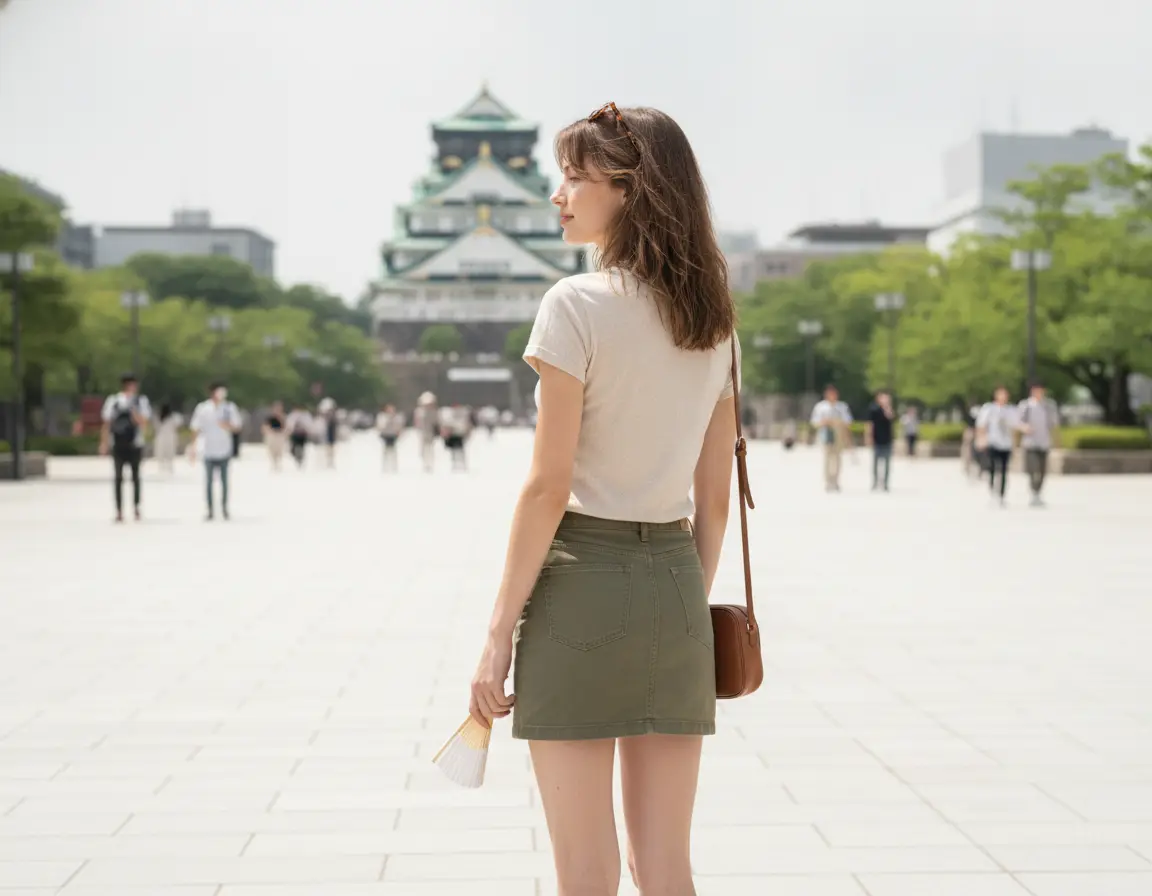
I figured the place near Osu would be a safe first stop because it was packed, had photos online, and every post called it “authentic.” That sounded fine to me. I was hungry, it was hot out at around 30°C, and I didn’t want to overthink lunch. So I walked in fast, fan in hand, and ordered from the first stall that looked busy.
The trigger was simple: I stopped at a stall with a line because I assumed the line meant quality. The actual meal was a ¥1,200 set that tasted fine, not special, and the surrounding area was full of the same recycled snacks, keychains, and “Nagoya” branding I could’ve found anywhere. I spent about 35 minutes there, and maybe 10 of those minutes were actually useful. The rest was me waiting for a seat and trying to figure out why I’d paid extra for a place that felt like it had been designed for day-trippers who don’t want to think.
The consequence wasn’t dramatic, but it was annoying. I lost one lunch hour and paid about ¥400 more than I needed to for food that wasn’t better than a random shop near the station. More importantly, I’d burned my appetite on something average, which made the next meal feel rushed instead of fun.
Verdict: skip the obvious “local” stalls if they’re really just a retail strip with food attached.
Hindsight is boring but useful: I’d now eat in the station area or on a side street with actual local turnover, then save Osu for a quick pass if I was already nearby. If you want to do Osu at all, go for one specific thing, not the whole area as a meal plan. I would have been happier with a ¥900 bowl from a small noodle shop and 20 minutes of walking.
I got baited by the castle area and paid for the wrong kind of nostalgia
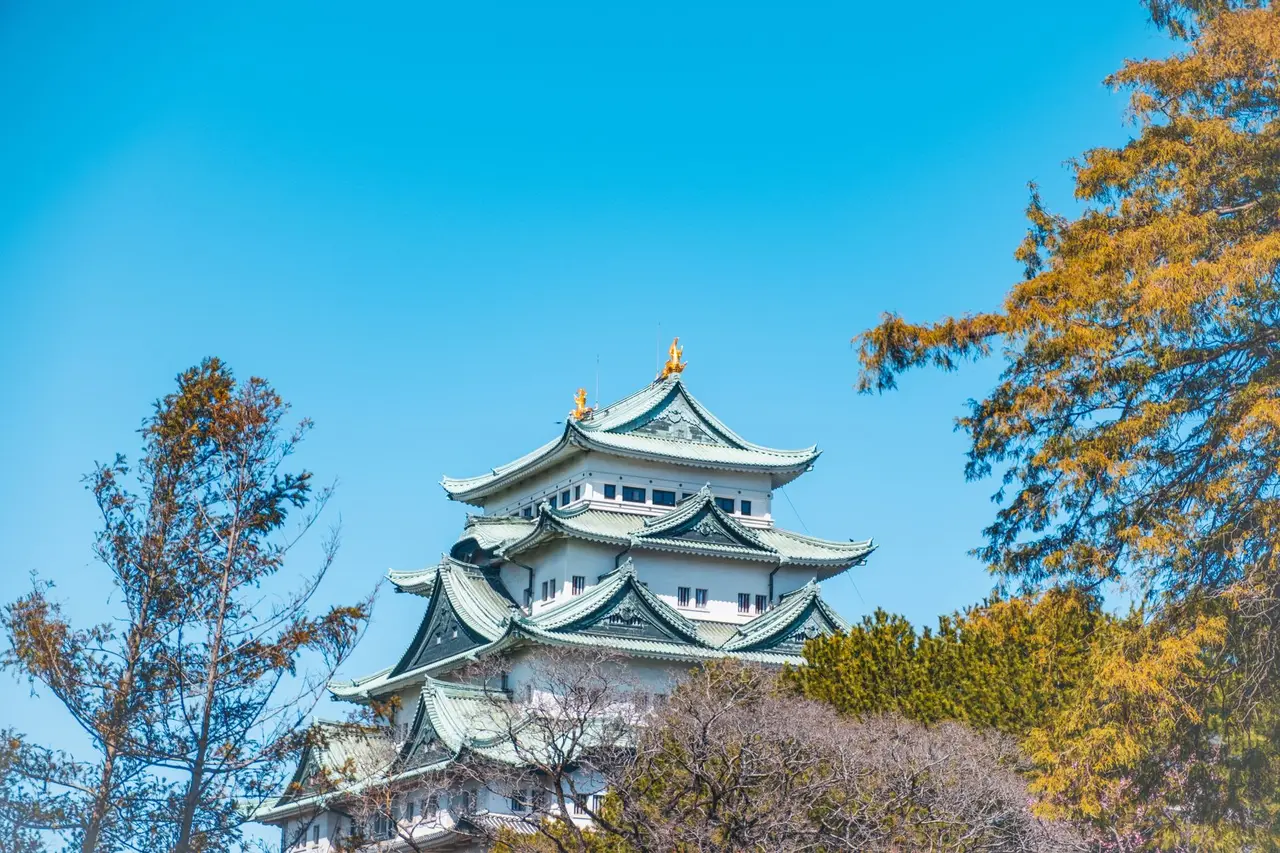
I expected Nagoya Castle to feel like one of those places that quietly earns its reputation. I was wrong. I went because it was one of the few names I recognized, and I thought that meant it would be the cleanest use of my afternoon. I wasn’t chasing a deep history lesson. I just wanted something solid and straightforward.
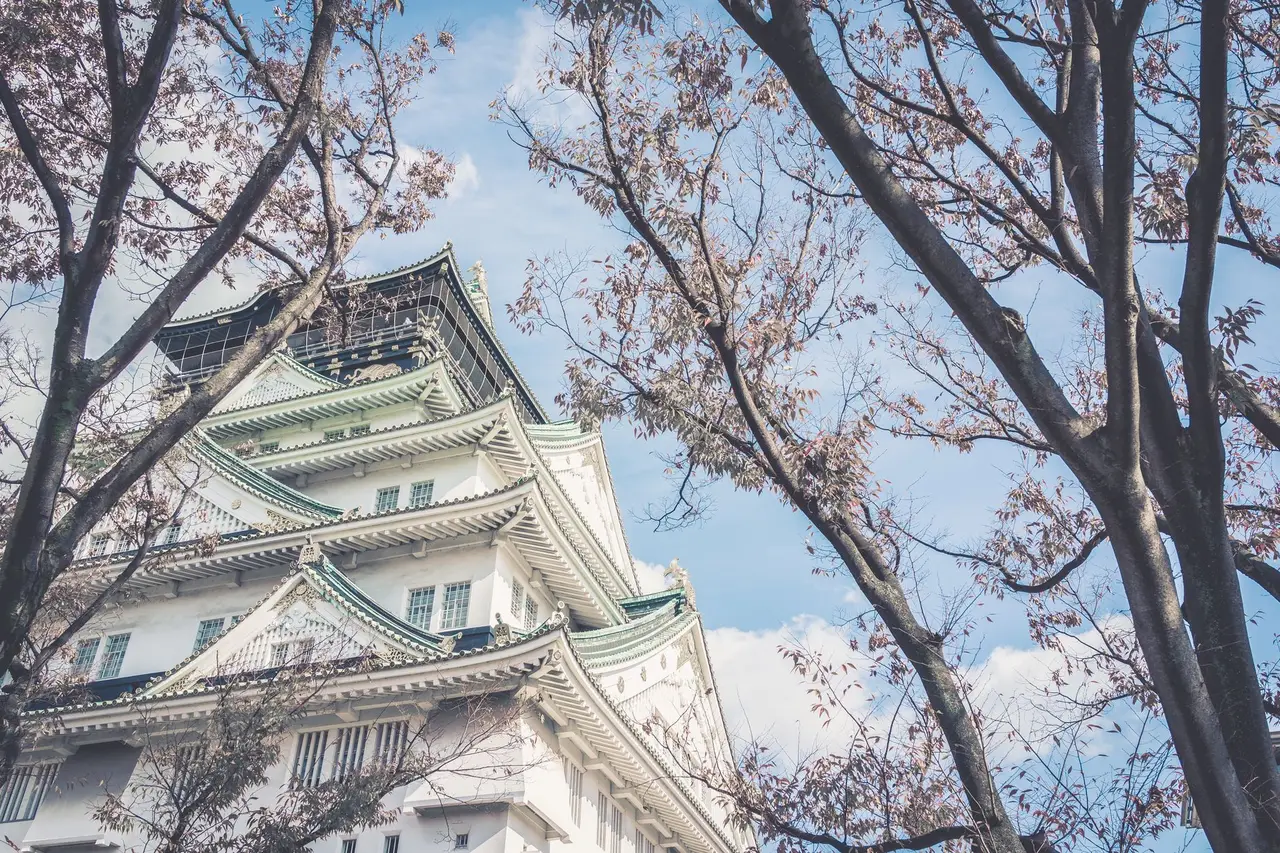
The trigger was me buying the entry and then realizing how much of the appeal was the idea of the castle, not the actual experience. I paid ¥500 for access, then spent a chunk of time moving through spaces that felt more controlled than engaging. The grounds were fine, and the main keep area has its moments, but the whole thing felt like a box I was checking because it had a famous name on it. I stayed about 70 minutes. That’s not terrible, but it’s also not the kind of stop that deserves a big chunk of a short Nagoya day unless you already love castle architecture.
What bothered me was the mismatch between expectation and payoff. I figured I’d get a calm, meaningful stop. Instead I got a lot of standing, a little reading, and some pretty average “been there” energy. The castle itself isn’t a scam. The trap is acting like it should anchor your entire day.
Verdict: worth it only if you already like castles or you’re building a route around the area anyway.
My hindsight move is simple: I’d pair it with something else nearby so the ticket doesn’t have to carry the whole afternoon. If I were doing Nagoya again with limited time, I’d treat the castle as a side stop, not the headline. That changes the math fast.
I followed a glossy shopping recommendation and lost half a day in air-con
I made this mistake because the mall looked practical. It was hot, my shirt was sticking to me, and I wanted a place where I could sit, cool off, and maybe get a snack without thinking too hard. The photos made it look efficient, and efficiency felt like the right mood for Nagoya. I figured a big shopping complex would be a clean break from the street heat.
The trigger was staying longer than I should have because I assumed there’d be one good thing to buy or eat inside. There wasn’t. I walked around for almost two hours, bought a ¥500 drink I didn’t need, and ended up leaving with nothing except the feeling that I’d accidentally signed up for a climate-controlled waiting room. The place was fine if you needed a bathroom, but that’s a low bar. I missed a late-afternoon snack stop I’d actually wanted, and the whole detour cost me one of the few good walking hours of the day.
The consequence was mostly time, but time matters more than people admit. Two hours in a mall in a city I was excited to explore was a bad trade. I also spent another ¥300 on a second drink because I was bored and thirsty, which is how these places quietly get you.
Verdict: only if you need a break from the heat or you’re shopping for something specific.
Hindsight: I’d now use malls as a pit stop, not a plan. Go in, cool off, leave. If I wanted indoor comfort, I’d pick one café and sit for 30 minutes instead of wandering fluorescent corridors for no reason. That’s the better version, and it’s cheaper too.
The train station area was the one place I should’ve trusted sooner
This was the mistake that made the rest of Nagoya make more sense. I kept thinking I should escape the station area quickly because it looked too busy and too ordinary. That logic sounded good in my head. I wanted something more “local,” which is a word travelers use when they’re about to make a bad decision. But the station area ended up being the best place to eat cheaply, move fast, and avoid getting trapped in tourist-markup nonsense.
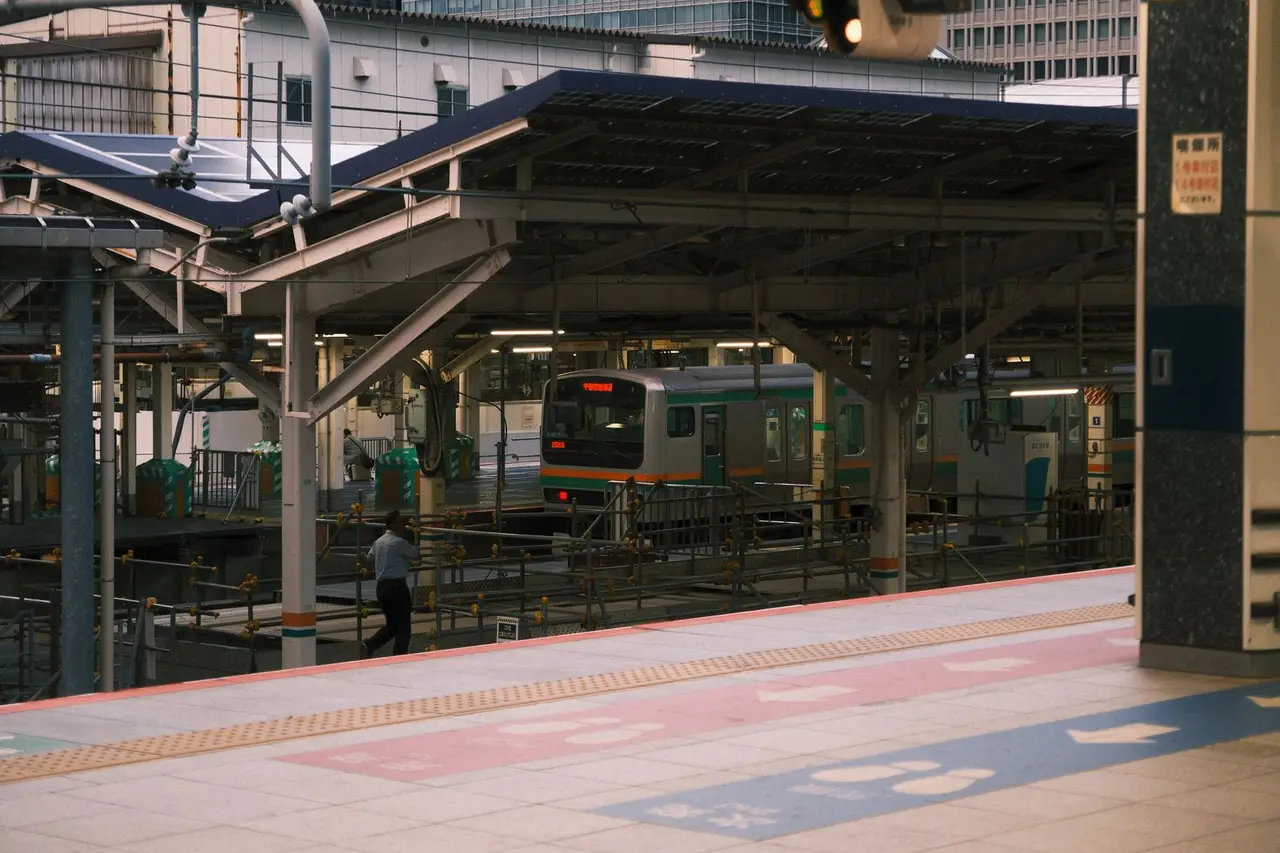
The trigger was me finally stopping for lunch near Nagoya Station instead of chasing a prettier-looking block. I grabbed a bowl and a drink for about ¥1,050 total, sat down for 20 minutes, and realized I’d been overcomplicating the whole city. The food wasn’t fancy. It didn’t need to be. It was fast, filling, and right where I needed it before a train hop. That’s the kind of value I trust now.
The consequence of not doing this earlier was another wasted stretch of walking around hungry and overpaying for weaker options. I probably burned an extra ¥500 across the day by choosing places with better marketing than food. More annoying than the money was the friction. When you’re in a city that runs this efficiently, dragging yourself between random “atmospheric” spots is just self-inflicted work.
Verdict: the station area is worth it for anyone who cares about value and transit more than atmosphere.
Hindsight, I’d build the day from Nagoya Station outward and stop pretending the center of gravity should be somewhere else. If I had to choose between a cute street with a wait and a plain place I can reach in five minutes, I’d take the plain place in Nagoya. That city rewards practicality more than a lot of travelers want to admit.
I book activities through Klook when I know the line will eat the whole afternoon. The timed entries and local tickets are the difference between a clean day and standing around in the heat.
I skipped the line once and learned why Nagoya punishes lazy timing
I assumed one popular stop would be fine if I showed up midmorning. That was my mistake. I got there around 10:30 a.m., saw the crowd building, and still told myself it would move quickly. It didn’t. I waited 25 minutes just to get through the first part of the queue, then another stretch after that, and by the time I was inside the rhythm was already off. The whole visit felt more like traffic than travel.
The trigger was not booking ahead for a timed slot when I had the chance. I’d looked at the line, thought it was manageable, and decided not to bother. Bad call. The consequence was losing nearly an hour between waiting and shuffling, plus the energy drain that makes everything else in the day feel smaller. I also missed the better part of the morning, when the air was still tolerable and I could’ve been walking instead of standing.
This is the mistake I’d rank as the most fixable. It wasn’t expensive in yen, but it cost me the cleanest part of the day. That matters more than people think in Nagoya, especially in hot weather when you’re already working around humidity and trying not to melt in a T-shirt.
Verdict: book ahead if the place has timed entry or a reputation for midday crowding.
Hindsight, I’d pre-book on Klook for anything with a known line and stop pretending I’m going to beat the crowd by showing up “early enough” at 10:30. Early enough in my head was not early enough in real life. That’s a lesson I only needed once.
I pre-booked on Klook the next time I faced a line, and I skipped the whole ticket mess. That saved me more than an hour, which is the kind of win I actually care about.
I expected the packed “authentic” food stall near Osu to be a real local spot, but it turned out to be a souvenir corridor with overpriced meals—I paid ¥1,200 for a decent but unremarkable set and wasted 35 minutes on atmosphere instead of eating. The honest takeaway: skip the obvious busy places if they’re really just retail strips with food attached, because you’ll end up paying extra for the staging.
I usually book Nagoya tours on Klook — the best time slots go fast, especially in peak season.
FAQ
Is Nagoya easy to do without falling into tourist traps?
Yes, Nagoya is easy to do well if I stick to station-area food, short train hops, and one planned stop instead of wandering into whatever looks busy. The city gets expensive in a sneaky way when I chase places with glossy marketing or long lines. I do better when I decide the route first and let the “popular” stuff compete for the leftover time.
What kind of Nagoya attractions are usually not worth the time?
I’d skip anything that needs a long queue just to feel average once I’m inside. In Nagoya, that usually means big-name stops that are more about the label than the experience, especially if I’m paying ¥500 to ¥1,200 and losing an hour. If a place needs a crowd to look appealing, I usually pass.
Is the area around Nagoya Station actually a good base for a short visit?
Yes, I think Nagoya Station is the smartest place to start a short trip because it cuts down on wasted transit and overpriced detours. I ate a solid lunch there for about ¥1,050 and was back on the move in 20 minutes, which is exactly the kind of rhythm I want. It’s not the prettiest part of the city, but it’s the one that saved my day.
How much time should I leave for the castle area?
I’d give it 60 to 90 minutes max unless I’m already interested in castles or I’ve paired it with something nearby. I spent about 70 minutes there and felt like that was enough for me, even though I didn’t hate it. If I’m short on time, I’d cut it before I’d cut a good meal or a smoother transit connection.
Can I get by in Nagoya without booking much in advance?
No, not if I want to avoid wasting time at the wrong places. The walk-in gamble cost me 25 minutes in one line and pushed the rest of my day off balance. For anything popular or timed, I’d book ahead and stop acting like I’m going to outsmart the crowd by showing up casually.
 Emma Hayes