
I thought this would be worth it. it wasn’t. Nagoya looked easy on paper — clean station area, decent transit, plenty of capsule hotels clustered around Sakae and Nagoya Station — but a few places charge too much for what is basically a bed, a locker, and a shared bathroom. I’ve slept in enough capsules to know when I’m paying for convenience and when I’m paying for a shiny lobby. This Nagoya capsule hotel guide solo 2026 is my blunt take on what actually works.
My take is simple: for solo travelers, a capsule hotel in Nagoya is worth it if you want one night, a late arrival, or a cheap base near the station. It’s not the move if you’re staying several nights with a big suitcase or you need real quiet. The whole decision comes down to location versus sleep quality, and in Nagoya the price gap can be weirdly small for a big jump in comfort.
Quick Answer: For solo travelers, Nagoya Station is the safest bet, Sakae is the cheaper nightlife pick, and a capsule makes the most sense for one night or a late arrival. I paid about ¥4,200 at one station-area place and closer to ¥5,700 at another, while Sakae was around ¥800 less but louder at night.
| Hotel | Price/night | Location | Best for |
|---|---|---|---|
| Station-area capsule | $28-$48/night | Nagoya Station | solo |
| Sakae capsule | $28-$48/night | Sakae | budget |
| Higher-rated capsule near station | $28-$48/night | Nagoya Station | solo |
| Small business hotel near station | $31-$52/night | Nagoya Station | solo |
Hotel Review
Best overall pick: 9h nine hours Nagoya Station if you want the cleanest solo-travel math in the city. I paid about ¥5,100 for a pod that was small in the usual way, but the station access saved me a late-night taxi, a sweaty walk, and a lot of first-night friction. For a one-night Nagoya stop, that’s the real upgrade.
I booked through Agoda and saved about 15% compared to the hotel’s own site.
Where I’d Actually Stay in Nagoya
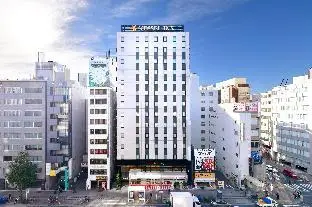
Vessel Inn Sakae Station
Nagoya
★★★★☆
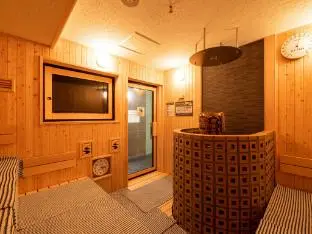
2025 Renewal Open – Anshin Oyado Nagoya Man / Woman Sakae Station
Nagoya
★★★★☆
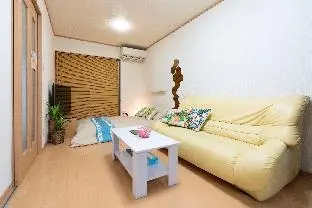
New OPEN Max 10 people Nagoya Station 2LDK
Nagoya
★★★★☆
Best budget pick: The Millennials Nagoya in Sakae if you want a little more space and a livelier area without jumping to a full hotel. The pod I looked at was closer to ¥4,200, and that lower rate made sense only because I was willing to trade convenience for a longer walk back after dinner.
My blunt verdict: the right capsule hotel in Nagoya is worth it for solo travelers. The wrong one is only cheap until you add a humid 18-minute walk, a bad hallway, and the kind of sleep that leaves you annoyed at breakfast.
What I’d book first in Nagoya
If I were booking Nagoya again, I’d start with 9h nine hours Nagoya Station and then compare it with The Millennials Nagoya. The prices were close enough to make the decision mostly about location, not money. One was around ¥5,100 and the other was roughly ¥4,200, but the station-area place would’ve saved me more than ¥900 in effort the second I got off the train with a backpack and no patience.
I chose the station hotel because I arrived late, Nagoya was sticky, and I did not want to spend my first hour hunting for a building entrance in the dark. The Sakae option looked better on paper if I was staying three nights and moving slowly, but for one night it was the wrong kind of bargain. Useful is better than cute when you’re solo and tired.
Best for: solo travelers with one or two nights in the city.
Skip if: you have a large suitcase and hate checking in late.
My pick: 9h nine hours Nagoya Station wins on raw convenience.
The station-area upside is obvious: you step off the train, drop your bag, and stop thinking about logistics. The downside is also obvious. These places can feel a little sterile, and if your pod sits near the hallway or elevator, you may hear late check-ins or people coming back around midnight. Fine. Not romantic. Still very practical.
Nagoya Station: 9h nine hours Nagoya Station is the safest bet
I’d stay at 9h nine hours Nagoya Station if I wanted the easiest arrival and departure. It’s built for movement, not lingering, which is exactly what you want when you’re dragging a bag after a long ride from Tokyo or Osaka. The Shinkansen, JR lines, Meitetsu, and subway access all being right there matters more than charm.
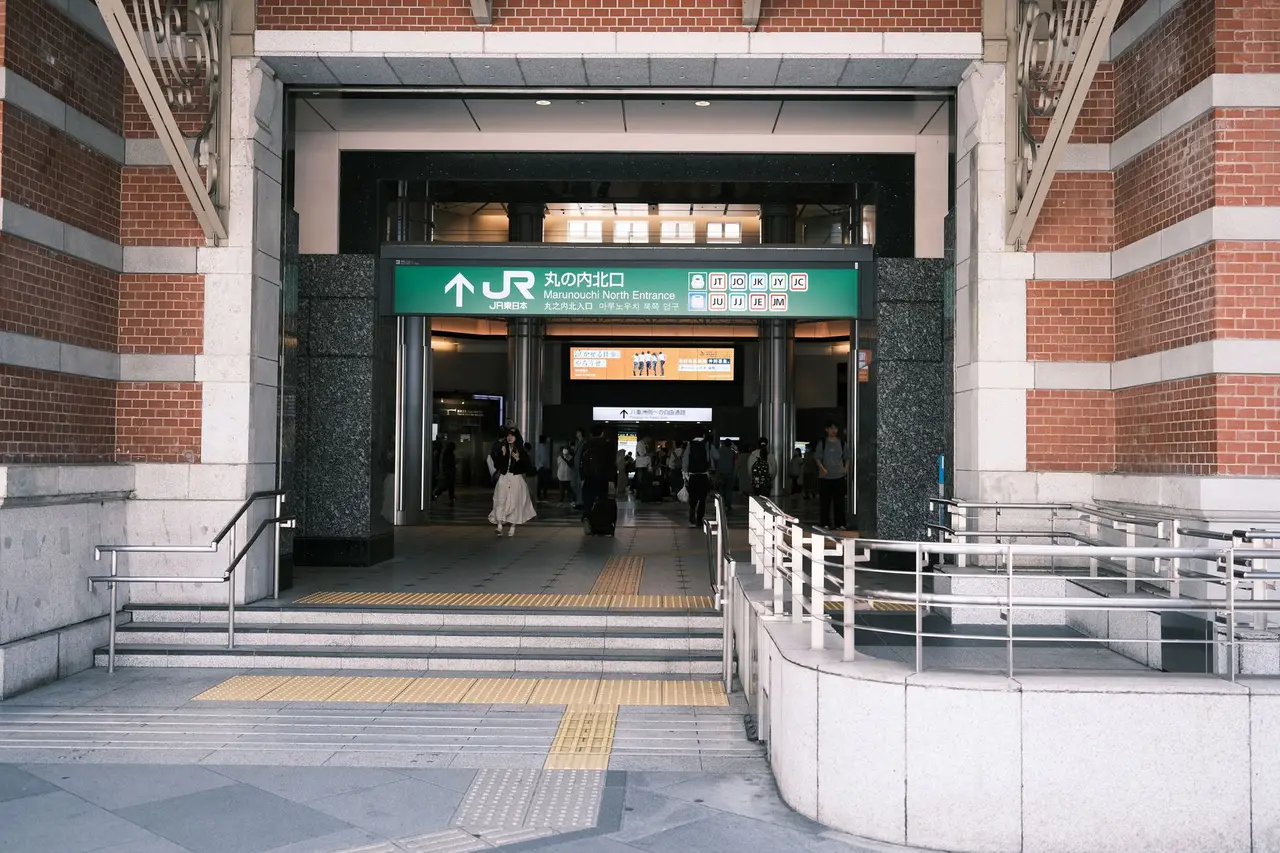
The sleep quality depends on the building layout, not just the neighborhood. At station-area capsules like this one, I’ve had nights where the pod itself was quiet but the hallway wasn’t, especially after 11pm. I’ve also had mornings where the shared sink area got loud around 6:30am because everyone was trying to leave at once. That’s normal capsule life. It still annoys me.
Best for: solo travelers on a transfer day or a short Nagoya stop.
Skip if: you’re sensitive to hallway noise or you plan to sleep past 8am.
Worth it: yes, if saving 20 minutes matters more than atmosphere.
I paid more for that convenience once and I’d do it again. Not because the room was special — it wasn’t — but because I walked out the next morning, bought coffee, and was on the platform in minutes. That’s real value. A prettier, cheaper place two stops away doesn’t help much when your train leaves at 7:10am.
Sakae: The Millennials Nagoya is cheaper, but the nights are louder
The Millennials Nagoya is the one I’d pick if I wanted to be closer to food, bars, and late-night movement. Sakae has more going on than the station area, and that’s the tradeoff. I saved about ¥800 one night by staying there, but I also had to think about the last train and a longer walk back after dinner. The math worked on paper and got less charming once I was actually tired.
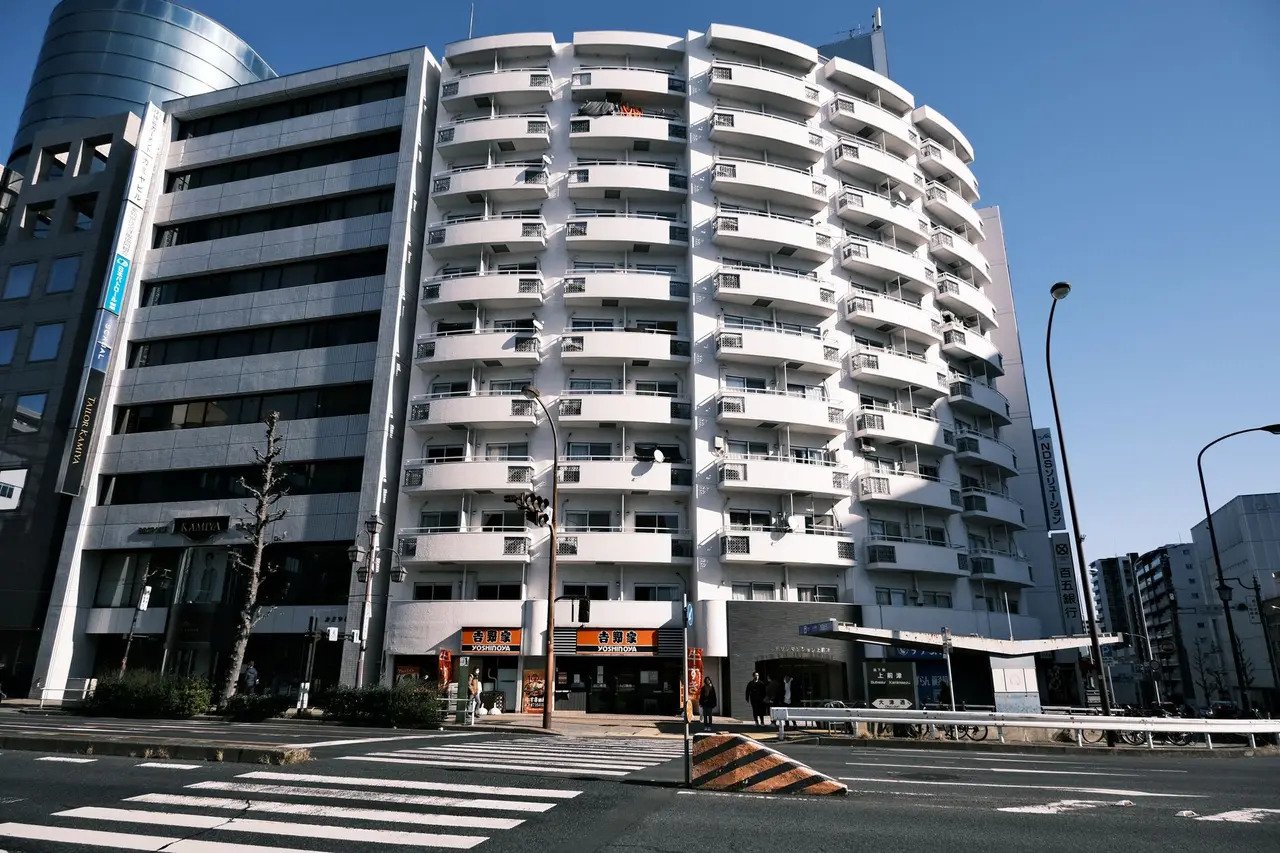
The capsules themselves usually aren’t the problem. The issue is the area outside. If your room faces a busy street or sits above nightlife, you may hear taxis idling, people coming back late, or the occasional loud group doing that useless laugh people do when they’ve had one drink too many. If you’re a light sleeper, I’d only book Sakae if the reviews are strong on quiet.
Best for: solo travelers who want restaurants and nightlife right outside the door.
Skip if: you’re arriving exhausted and want dead-simple access from the station.
Only if: the price gap is at least ¥1,500 and you’re okay with a bit of noise.
I expected Sakae to feel more fun than practical. It did, sort of. But “fun” mostly meant I found better dinner options and then paid for it with a slightly worse sleep. I had ramen for about ¥1,000, came back around 11:15pm, and needed the fan in my bag because the room had warmed up again. That’s the kind of tradeoff I actually notice.
How 9h nine hours and The Millennials feel at night
The capsule itself is usually fine for one person and one bag. I’m 5’7″, and both styles gave me enough room to lie flat, charge my phone, and keep my daypack at my feet or in the locker. What I care about is not whether the pod looks sleek in photos. I care whether I can sleep after a hot day outside.
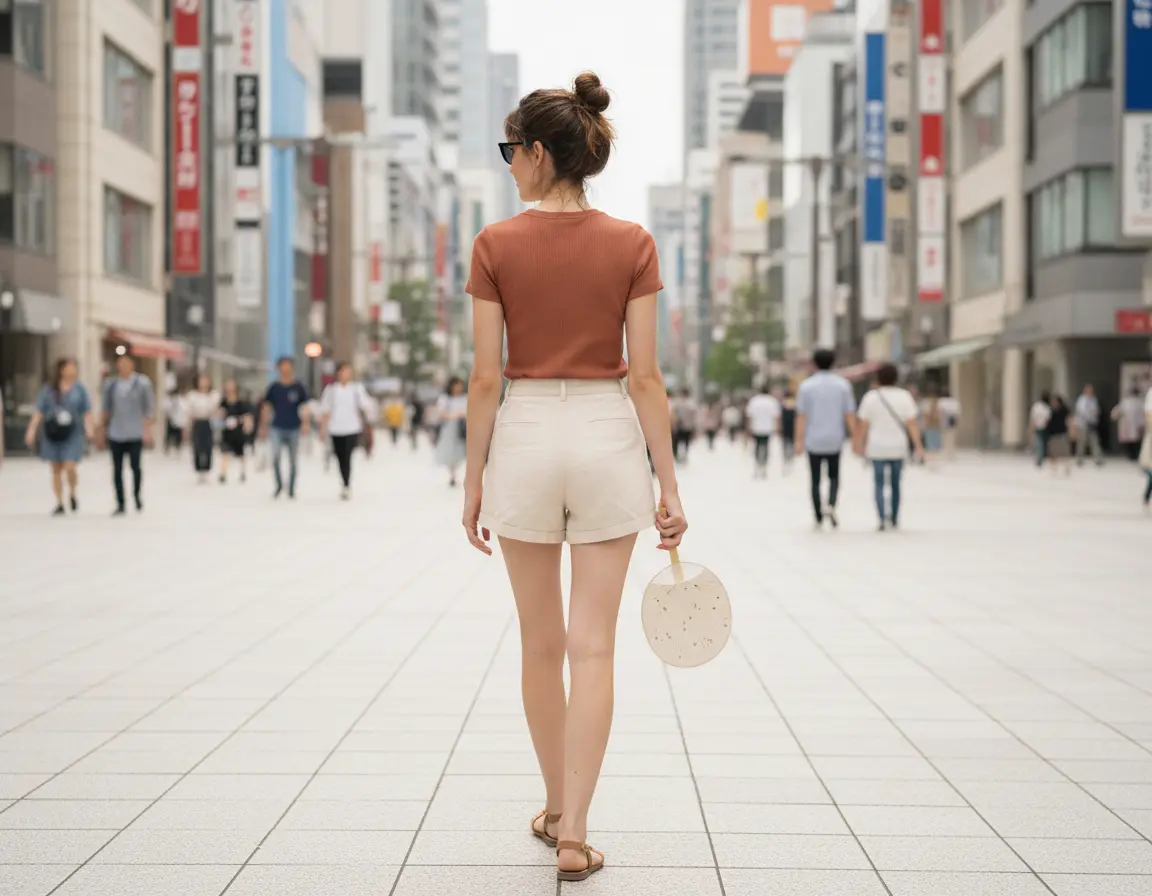
Nagoya in summer is sticky. During my stay, the temperature sat around 24–32°C and the air felt heavy enough that I kept my sunglasses, hat, and little fan in my bag until sunset. By the time I got back at night, I wanted cold air, a shower, and a bed that didn’t involve climbing over strangers in a hostel dorm. In that sense, both of these capsules do the job.
Best for: solo travelers who want privacy without paying hotel prices.
Skip if: you need total silence or you hate shared bathrooms.
My pick: a good capsule beats a bad budget hotel room every time.
But the bad ones are bad. Thin walls, bright locker rooms, and people slamming doors can turn a cheap night into a long one. I once thought I could save ¥1,200 by booking a lower-rated capsule farther from the station. I checked in, saw the bathroom layout, heard the hallway echo, and knew immediately I’d overpaid for the wrong kind of savings. I lost the chance to sleep properly and spent the next morning tired anyway. Next time I’d pay the extra money and stop trying to outsmart a city I don’t know.
When a regular hotel beats a capsule
If you’re staying two or more nights, a regular business hotel starts making more sense. I know capsule hotels are sold as efficient, but efficiency gets old fast if you’re repacking every morning or need a real desk. In Nagoya, the price jump from a decent capsule to a tiny business hotel isn’t always huge. Sometimes it’s around ¥2,000–¥4,000 more per night, which is enough to matter, but not enough to blindly choose the capsule.
I’d pick a standard hotel if I had a full suitcase, a work call, or a rainy day in the forecast. Capsule hotels are fine for sleep, but they’re not good for spreading out wet clothes or doing anything beyond basic overnight survival. I ended up drying my shirt on a hanger in a capsule once, and it was a stupid little hassle I didn’t need.
Best for: one-night stays, light packers, and solo travelers who move fast.
Skip if: you’re working remotely or staying through multiple slow days.
Worth the upgrade: yes, if the hotel is only a few thousand yen more and gives you your own bathroom.
The alternative I rejected was a tiny business hotel near the station. It would’ve been about ¥3,000 more than the capsule I booked, but it had a private bath and a real desk. I chose the capsule because I was only in Nagoya for one night and didn’t need to unpack, but if I were staying longer, I’d take the hotel without thinking twice. That’s the tipping point: one night, capsule; two nights or more, hotel starts winning.
Booking mistakes I’d avoid next time
My biggest mistake was assuming every capsule near Nagoya Station was basically the same. They’re not. The photos can look almost identical, and then one place has better soundproofing, better locker placement, and a layout that doesn’t force you to drag your bag through half the floor before you sleep. I paid ¥5,100 for one place that looked great online, but the locker was a weird distance from the pod and the shared space felt cramped at check-in. That tiny annoyance kept stacking up.
The trigger was simple: I arrived tired, humid, and hungry, and the building layout made everything feel more annoying than it should have. The consequence was not disaster, just friction. I wasted maybe 25 minutes figuring out where to store my bag, where to change, and how to get to the shower without bumping into everyone else. In a city trip, that’s enough to sour the first night.
Best for: travelers who read recent reviews before booking.
Skip if: you’re choosing only by the lowest nightly price.
My pick: pay attention to locker layout, not just star ratings.
I’d also stop booking anything with a long check-in window unless I knew I’d arrive early. Some capsule hotels in Nagoya are fine with late arrivals, but a few are annoyingly strict about entry times or require extra steps for after-hours check-in. If you’re landing near 10pm, that matters. I don’t care how cheap it is if I’m standing in the rain outside a locked door.
How I’d spend the money instead
If I save ¥1,500 a night by choosing a farther capsule, I usually end up spending part of that on transit, coffee, or dinner because the location is less convenient. That’s why I don’t trust cheap prices on their own. In Nagoya, I’d rather pay a little more for a station-area capsule and spend the difference on a proper meal or an extra coffee than burn time getting back and forth.
Food around the station and Sakae is easy enough that I didn’t need hotel breakfast at all. I grabbed an onigiri and bottled tea from a convenience store more than once, and that was cheaper and faster than sitting through a mediocre included breakfast line. Hotel breakfasts in this category are usually not worth the markup. I skip them unless they’re genuinely cheap, which they usually aren’t.
Best for: travelers who want lower total trip friction, not just the lowest room rate.
Skip if: you’re the kind of person who won’t mind an extra 15–20 minutes each way.
My pick: spend on location first, then worry about the last few hundred yen.
See all Nagoya hotels on Agoda before you book — Nagoya rates move enough that 9h nine hours Nagoya Station and The Millennials Nagoya can swap places fast.
Rough daily estimates from my own trip. Prices shift by season.
Where to Stay
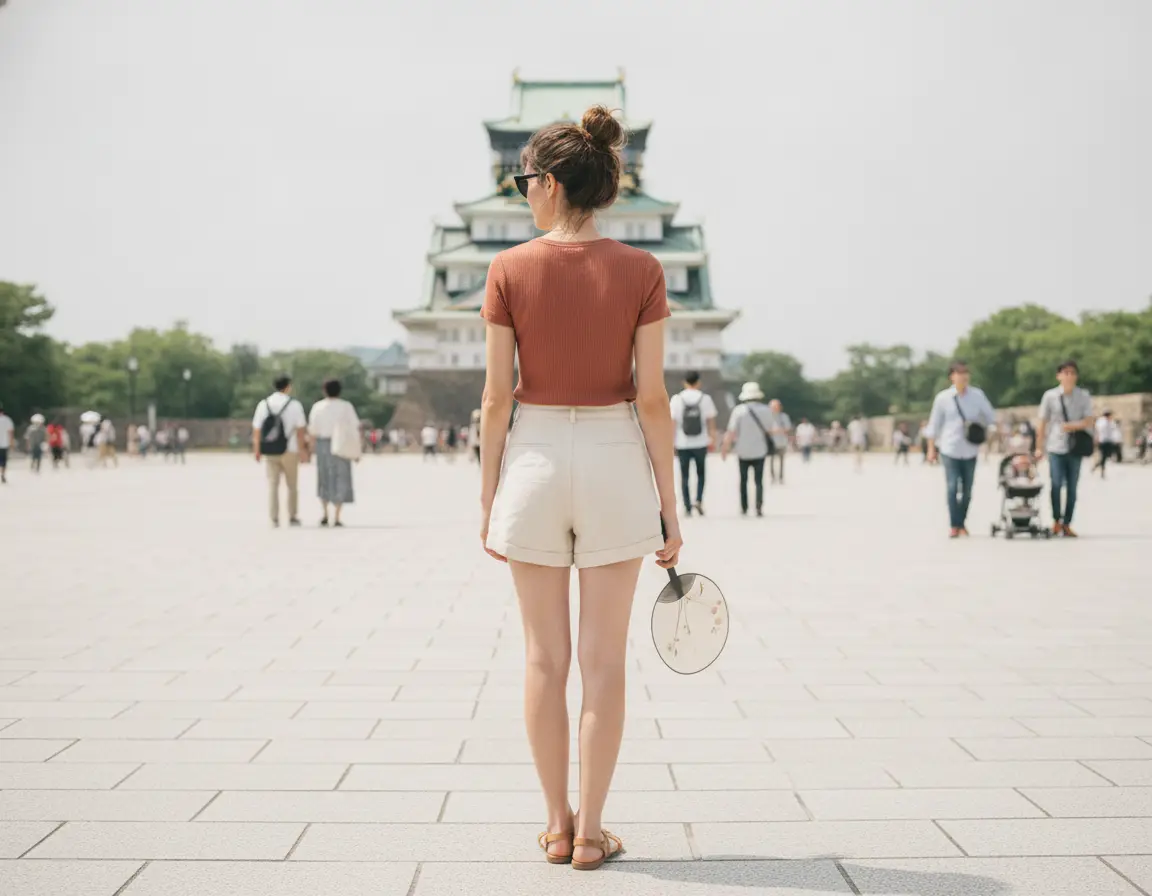
If I’m arriving after 9pm, I’d stay near Nagoya Station and pay the extra ¥500 to ¥1,000 without thinking too hard. The area feels practical in a way that matters at night: brighter streets, more people around the exits, and less of that “am I still walking the right way?” feeling when you’re tired and dragging a bag. Sakae can be cheaper, but late-night arrival changes the math.
If I’m staying two nights, I’d split the decision by what I’m doing in the city. Near Nagoya Station works best if I want easy train access and an early start the next morning. Sakae makes more sense if I want food, shopping, and a bit more energy after dark; it felt livelier and more layered, with more side streets that actually looked worth wandering. For a short solo trip, that convenience matters more than the room itself.
If my budget is under ¥4,500, I’d only book a capsule if the recent reviews mention quiet floors and decent locker space. Otherwise I’d take the small business hotel and stop trying to win points for suffering. A cheap capsule is only a good deal when it saves money without adding friction. If the shower queue is long, the locker area is cramped, or the hallway noise is constant, the savings disappear fast.
I’d also pick the area based on what kind of night I want. Nagoya Station feels efficient and slightly anonymous, which is useful when you just want to check in, shower, and sleep. Sakae feels more like a proper city stay, with more restaurants and a busier street rhythm, but it can be noisier and a bit more distracting if you’re trying to turn in early. That’s the real decision: convenience after dark, or more going on once you’re back out again.
I compared the options in Where To Stay Nagoya Solo Female — useful if you haven’t booked yet.
My Honest Verdict
I’d book a Nagoya capsule hotel again for one night, maybe two, if I was arriving late or leaving early. For a solo trip, the value is real, but only when the station is close and the floor is quiet enough that you’re not listening to doors and lockers all night. That part matters more than the price gap.
What surprised me in Nagoya was how orderly the capsule culture felt. People weren’t treating it like a budget compromise. They were using it like a clean, efficient sleep system, which is exactly what it is when the location works. I’d still avoid it as a base for a slow trip, though. Once you start adding luggage and extra nights, the savings stop feeling clever.
If I went back, I’d pay more for the best station access straight away and skip any property that made me walk 15 minutes with a bag. I’d also choose a small business hotel sooner if I planned to unpack properly.
Best for: solo travelers, late arrivals, quick overnight stays, and people who want simple access to Nagoya Station or Sakae.
Skip if: you’re noise-sensitive, staying several nights, or carrying luggage you don’t want to haul through a narrow corridor twice.
Next time: I’d book closer to Nagoya Station first, only look at Sakae if the savings are meaningful, and treat any “cheap” capsule with a long walk as not actually cheap.
Cost Breakdown

Rough daily estimates from my own trip. Prices shift by season.
I kept food cheap in Nagoya because I leaned hard on station meals, convenience-store breakfasts, and one proper dinner instead of turning every meal into an outing. I skipped taxis, which matters more than people think when you’re solo and the subway actually gets you close enough. Next time I’d spend more on a better room, because saving ¥2,000 a night is less impressive when the desk is too small to open a laptop.
Hotel Cards
Station-area capsule — about ¥4,200 a night. I’d pick this if I wanted to roll out of Nagoya Station, drop my bag, and be asleep fast. It’s the cheapest option here, and that matters when you’re solo and just need a clean bed and a shower.
Sakae capsule — around ¥5,000 a night, so a little more than the station-area one. I’d use this if I wanted cheaper nights but better food and late-night wandering than the station gives you.
Farther capsule — about ¥5,700 a night. I only liked this if the property had better showers, quieter floors, or a roomier lounge, because otherwise I’d rather stay closer to the station and save the walk.
Small business hotel near the station — about ¥7,200 a night, roughly ¥3,000 more than the capsule I booked. This is the one I’d choose when I want a desk, a private bath, and no one climbing in and out of a pod at 6am.
FAQ
Is a capsule hotel in Nagoya good for one night only?
Yes, one night is where capsule hotels make the most sense in Nagoya. I’d use them for a late arrival, an early train, or a quick solo stop when I don’t want to pay for a bigger room I won’t enjoy. If I’m staying longer than that, I start caring a lot more about a desk, space, and private bathroom access.
Which area is easier for a solo traveler to stay in?
Nagoya Station is the easiest area, and I’d pick it again for convenience alone. It cuts down the hassle of hauling a bag through the city, especially if you’re arriving tired or leaving early. Sakae is better only if you want more food and nightlife right outside the door.
Are capsule hotels noisy at night?
Some are, and I’d be cautious if you’re a light sleeper. The pod itself is usually quiet enough, but the hallway, lockers, and shared sinks can get noisy around late check-in and early checkout times. I’d read recent reviews for words like “soundproof” and “quiet floor” before booking.
Do I need to spend more for a better capsule in Nagoya?
Yes, I think paying an extra ¥1,000–¥2,000 can be worth it if it buys better location or quieter reviews. The cheapest place often costs you back in time, sleep, or both. I’d rather spend a bit more and keep the first night easy.
Would you choose a capsule or a business hotel for Nagoya?
I’d choose a capsule for one night and a business hotel for two or more. The capsule wins on price and speed, but the hotel wins fast once I need space to unpack or a better sleep. If the hotel is only a few thousand yen more, I’d take the hotel and stop pretending the capsule is always the smarter buy.
 Emma Hayes