

Is Nagoya worth planning a solo food trip around in 2026? I spent about $48 in one day eating my way through the city, and yes — for me, it was worth it. Nagoya solo dining guide 2026 is a good fit if you want low-stress meals, fast service, and food that feels local without turning dinner into a performance.
It’s not for people chasing cute café hype or long tasting-menu nights. I’d pick Nagoya if I want to eat well on my own, move fast between meals, and avoid the kind of restaurant scene that makes you feel like you need a reservation, a dress code, and patience I don’t have.
The main thing that matters here is simple: Nagoya rewards solo travelers who like efficient, filling, very specific food. I got that in a way that felt easy, not curated.
Quick answer: I’d do Nagoya solo for food, especially if I wanted comfort meals and no fuss. My best areas were Nagoya Station, Sakae, and Osu, with hitsumabushi around ¥3,200
Why Nagoya works so well for eating alone

I liked Nagoya because nobody seemed surprised that I was dining by myself. I sat down at a counter seat for lunch, ordered in under two minutes, and was eating before I’d even finished checking my messages. That kind of frictionless meal is underrated.
This city is built for people moving through it. Station-connected restaurants, department store food floors, and counter-service spots make solo meals feel normal instead of awkward. I think that matters more than people admit. If I’m alone, I don’t want to negotiate with a menu for ten minutes while a host waits for a table of four that never arrives.
My expectation was that Nagoya would be more business-travel bland than food-interesting. I was wrong. The city isn’t flashy, but the food has a local identity that shows up fast: miso katsu, hitsumabushi, tebasaki, kishimen, ogura toast. It’s not a “foodie fantasy” city, and that’s part of why I liked it.
Worth it if: you want meals that fit into a solo travel day without a lot of social choreography.
Skip it if: you need a dining scene that feels lively in a Tokyo-nightlife way.
The dishes I’d actually plan around
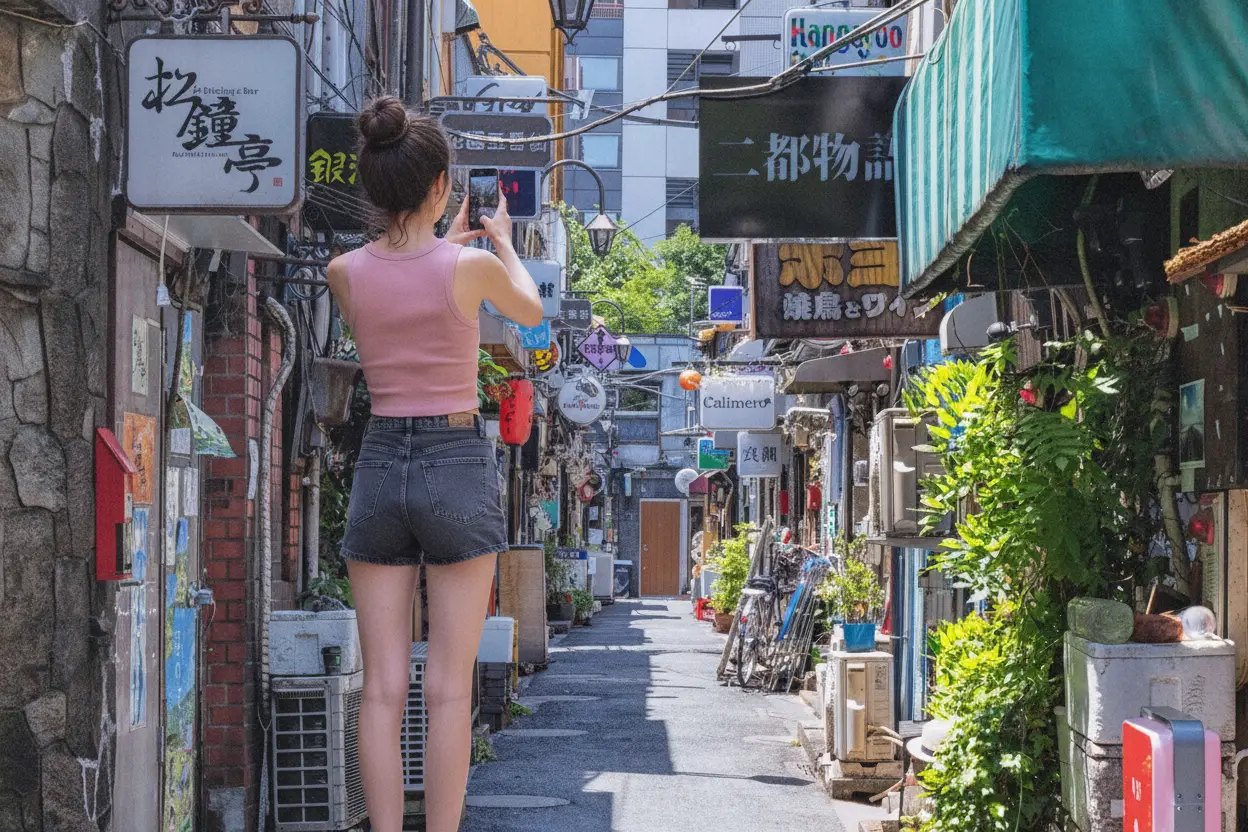
I’d build a solo dining day around a few Nagoya specialties instead of trying to sample everything. That’s the better move. The city’s food identity is clearer when you focus, and honestly, the menus can start to blur if you don’t.
Hitsumabushi
I paid about ¥3,200 for a bowl at a midrange place near the station, and it was the most expensive single meal I had in the city. I still think it was worth it once. The grilled eel comes in a lacquered bowl, and the whole trick is eating it in stages: first plain, then with toppings, then with broth. It’s one of those dishes that feels designed for a solo diner because you can sit there and move through it at your own pace.

Worth it: yes, once, if you want one Nagoya meal that feels distinct.
Skip if: you’re watching budget closely. This is not the place to be casual with spending.
Miso katsu
I had a plate for about ¥1,500, and that was the better everyday value. The red miso sauce is the point, and it’s heavy in a way that makes sense after a long walk. I ate mine after getting roasted by humid afternoon heat that sat around 30°C, and the first few bites felt like a reset more than a luxury.
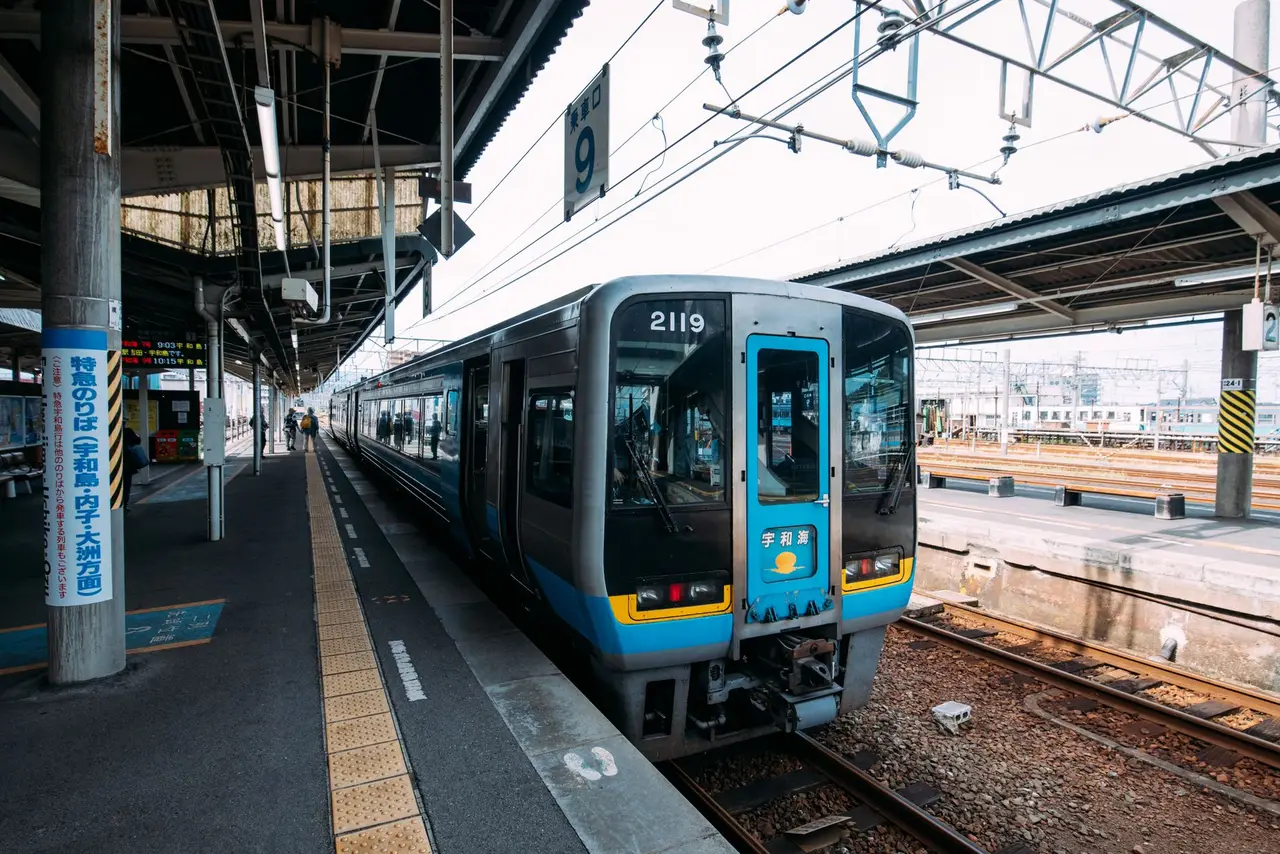
Best for: lunch when you want something filling and fast.
My pick: I’d take miso katsu over a fancier meal if I only had one free lunch in the city.
Tebasaki
These fried chicken wings are one of the easiest solo orders in Nagoya. I ordered a small plate for around ¥600 at a casual izakaya and paired it with a cold drink. No drama, no waiting, no wasted food. The seasoning leans peppery and salty, which works better than I expected with a quick solo dinner.

Worth it: yes, especially as a snack or second stop.
Skip if: you want a quiet, polished dinner. Izakaya energy is part of the deal.
Ogura toast and morning sets
I grabbed ogura toast at a café for about ¥500, and it was exactly the kind of thing I want early in the day: cheap, fast, a little weird, and easy to eat alone. Sweet red bean paste on buttered toast sounds like a gimmick until you’re actually tired and hungry. Then it makes sense.
Worth it: yes for breakfast, no if you’re looking for a big meal.
Only if: you like trying local breakfast habits instead of defaulting to the same eggs-and-coffee routine everywhere.
Where I’d eat first: station area, Sakae, or Osu
If I had one day for solo dining in Nagoya, I’d start near Nagoya Station. That area is the easiest place to eat without wasting time. I walked off the train, ate within 15 minutes, and didn’t need to plan my whole afternoon around one meal. That matters more than people think when they’re traveling alone.
My pick: Nagoya Station first, Sakae second, Osu third.
Nagoya Station is the cleanest choice for efficiency. You get department store food floors, chain restaurants with local dishes, and enough seating turnover that one person doesn’t feel like an inconvenience. It’s practical but not charming. That’s fine. I don’t need charm every time I’m hungry.
Sakae is better if you want to combine dinner with wandering. I had a bowl of noodles there after sunset and spent maybe ¥1,100 total on dinner and a drink. It felt more like a city evening than the station area did, but it also took more walking and a little more patience.
Osu is the place I’d use for a slower lunch or an in-between snack stop. It’s more casual, more mixed, and less slick than the station zone. I expected it to be packed with touristy snack traps, and some of it was, but I still found a couple of straightforward places where solo dining felt easy. Not every street there is worth your time, though. I’d skip anything with a souvenir-display menu and no one actually eating inside.
Best for: station area if you want the smoothest solo meal.
Skip if: you’re hoping for a romantic, lingering food neighborhood. That’s not what this is.
The solo dining mistakes I made, so you don’t have to
I made one dumb move in Nagoya: I chased a famous eel place at lunch because I assumed the line would move fast. It didn’t. I waited 25 minutes in the heat, and by the time I got in, I was already annoyed enough that the meal had to work harder than it should have. It did, but barely. I paid around ¥3,200 and spent half the time thinking about how much better that money would have felt at a quieter place two blocks away.
That was the lesson. In Nagoya, “popular” doesn’t always mean “worth the queue,” especially when you’re eating alone and don’t have a second person to hold your spot or keep you entertained. I’d book or go early for hitsumabushi, and I’d never assume a line is short just because the restaurant looks efficient from the outside.
I also expected department store food courts to be boring. Some were. But a few basement food halls had better value than I expected, especially for lunch. I spent ¥780 on a rice bowl and tea one day and got out in under 20 minutes. That was the meal that saved the afternoon, not the fancy one.
Failure narrative verdict: book or arrive early for the big-name eel spots, and don’t treat a line as proof of quality.
How I’d spend a solo food day in Nagoya
My ideal day is simple. I’d start with coffee and ogura toast, eat a solid lunch of miso katsu or kishimen, then keep dinner flexible so I can follow my energy instead of forcing a reservation. That’s the rhythm that worked best for me.
I’d also keep transit light. Nagoya’s subway and station links make it easy to string meals together without eating up the day. I used the train and a lot of walking, and I never felt like I needed a taxi just to get to dinner. That’s a big plus for solo travel. The city doesn’t punish you for not planning every move.
Best for: a traveler who wants three meals that each feel distinct without becoming a project.
Better if: you like one anchor meal and then casual snacks around it.
What I wouldn’t do is overbuild the day. Nagoya is not the place for five “must-try” stops in eight hours. I tried that once in another city and ended up eating badly and spending too much. Here, two good meals and one snack worked better.
My pick: lunch should be your main meal, dinner should stay loose, and breakfast should be cheap.
Where solo dining feels easiest, and where it gets clunky
The easiest solo meals in Nagoya are counter seats, chain restaurants with local specialties, and lunch spots that move fast. I sat at a counter, ordered from a ticket machine once, and had no interaction beyond a nod. Fine by me. That kind of setup is efficient without feeling cold.
The clunky spots are the ones that want you to slow down for the sake of atmosphere. I’m not saying they’re bad. I’m saying they’re worse for one person on a normal travel schedule. If a restaurant expects you to wait a long time, split plates, or linger for the “experience,” I’d rather spend that time walking to the next neighborhood.
Worth it if: you value easy ordering and fast turnover.
Skip if: you need service to feel personal or theatrical.
One thing I liked: nobody looked twice when I sat alone with a fan in one hand and sunglasses shoved into my bag. It was hot and humid, and I was dressed for survival, not style. Nagoya didn’t care. That made the whole food day easier.
Budget for a solo food day in Nagoya
I kept my food spending reasonable, but not ultra-cheap. Here’s what a normal solo day looked like for me when I ate one nicer meal and filled the rest with casual stops.
Rough daily estimates from my own trip. Prices shift by season.
What I’d do differently next time
I’d eat the famous eel at lunch, not dinner. The line felt shorter early in the day, and I wasted too much time trying to be flexible. I’d also skip one of the chain meals I used as a filler stop and spend that money on a better second lunch instead. That would have made the day feel sharper.
I’d probably stay closer to Nagoya Station too. I booked a place that was fine, but not especially useful for hopping between meals. A better location would’ve saved me two extra walks in the heat, and that adds up when you’re carrying a day bag and already tired.
Worth changing: yes, especially if you only have one or two food-focused days.
My pick: closer to the station, earlier reservations, fewer filler meals.
Final verdict: is Nagoya good for solo dining in 2026?
Yes. I’d recommend Nagoya to solo travelers who want local food without a lot of hassle, and I’d recommend it even more if they like eating early, moving fast, and skipping the theater around dining. It’s not the most exciting food city in Japan, but it’s one of the easiest places to eat well alone.
If I only had one food day, I’d still go. If I wanted a trip built around long dinners, drinks, and lingering, I’d pick somewhere else.
Best for: solo travelers who want efficient, local meals and don’t mind a practical food scene.
Skip if: you want nightlife-heavy dining or long, social restaurant nights.
Next time: I’d stay near the station, book the eel spot earlier, and keep the rest of the day loose.
See current Nagoya hotel prices on Agoda →
I usually book Nagoya tours on Klook — the best time slots go fast, especially in peak season.
FAQ
Is Nagoya easy to eat in alone at night?
Yes, it’s easy, and I’d call it one of the less awkward Japanese cities for solo dinner. Counter seats and quick-service places are common, especially around Nagoya Station and Sakae. I felt fine walking in alone after 8pm, and I didn’t get the side-eye I sometimes get in smaller cities.
How much should I budget for one good solo meal there?
I’d budget about ¥1,000 to ¥3,500 for one solid meal. A casual bowl of noodles or chicken wings can stay near ¥1,000, while hitsumabushi pushes closer to ¥3,000 or more. If you want one splurge and two cheap meals, that’s the sweet spot.
Do I need reservations for famous Nagoya food spots?
Yes, for the popular eel places I’d book ahead or go very early. I waited 25 minutes once and that was enough to convince me not to gamble at lunch again. For casual spots, I usually just walked in.
Which area feels safest and simplest for a solo dinner base?
Nagoya Station is the simplest base, and I’d pick it again for a short food trip. The area is busy without feeling chaotic, and I could get back to my hotel without thinking too hard about transit. Sakae is fine too, but it asks for a little more wandering.
Is solo dining in Nagoya better for lunch or dinner?
I think lunch is better, and I’d start there if I only had one day. Lunch sets are cheaper, lines move faster, and I had more luck getting in and out without a wait. Dinner is fine, but it’s easier to hit crowding or feel stuck if a place is popular.
 Emma Hayes