
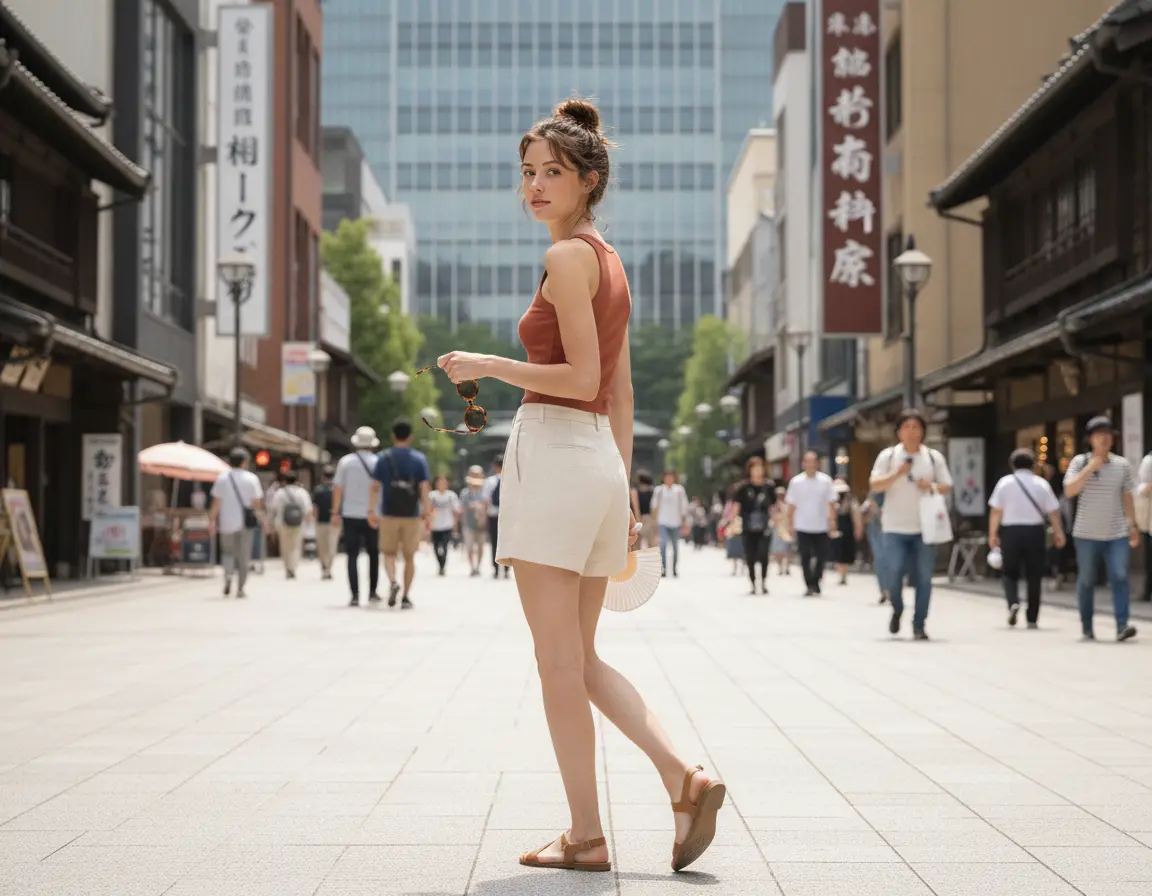
I almost wasted my first morning in Nagoya chasing the wrong part of the city. I got off the train hot, sweaty, and already annoyed because it was 31°C and I’d dressed wrong for the humidity, then I realized the city makes more sense when you stop trying to force a “big sight” day onto it. My direct answer: Nagoya is worth a first trip if you want easy transit, lower stress, and good food without Tokyo-level friction, but I’d skip it if you only want dramatic temples and postcard scenery.
It fits travelers who like practical cities, decent value, and a base that doesn’t eat the whole day with trains. It’s not the right pick if you need constant sightseeing drama or you hate a place that feels a little functional. The thing that matters most here is choosing neighborhoods and transport well, because Nagoya rewards efficiency more than spontaneity. These Nagoya travel tips for first-time visitors are mostly about keeping the trip simple.
Quick answer: Stay near Nagoya Station or Sakae, use the subway, and keep sightseeing tight. I paid ¥240 for one ride, spent about ¥500 at Nagoya Castle, and liked Osu more than I expected.
Start with the right base, not the fanciest one
If I were in Nagoya for the first time, I’d stay near Nagoya Station or Sakae. I looked at a cheaper hotel that was ¥2,000 less per night, but the map showed a 30-minute drag with luggage from the station, and that was enough to kill it for me. I paid more for the easier base, and I’d do that again.
Nagoya Station is the cleanest choice if you’re arriving by Shinkansen or planning day trips. Sakae is better if you want more food, shopping, and a slightly less businesslike feel after dark. I’d choose Sakae if I was staying two or three nights and wanted to walk around after dinner; I’d choose Nagoya Station if I had an early train or a tight schedule.
Best for: First-timers who care more about efficiency than atmosphere.
Skip if: You want a neighborhood that feels old and scenic the second you step outside.
My pick: Sakae for a short leisure trip, Nagoya Station for transit-heavy days.
See all Nagoya hotels on Agoda if you want to compare station-area rates fast, because the price gap between “easy” and “annoying” can be small enough to make the better choice worth it.
Getting around is simple, but only if you stop overthinking it
Nagoya’s subway is easy enough that I didn’t need to plan every move like a military operation. I used a Suica-style IC card and paid around ¥210 to ¥300 per ride depending on distance, which felt fair for how little friction I had. The city isn’t built for endless wandering between major sights, so I’d use transit instead of trying to “save money” by walking everywhere in the heat.
The mistake I made was assuming the city center would be compact in the way I wanted it to be. It isn’t, not really. I tried one long walk from my hotel toward a museum area, got soaked in sweat, and ended up buying iced coffee for ¥520 just to recover. That was the moment I stopped pretending the sidewalk was the smart option.
Worth it: The subway for almost everything outside your immediate block.
Skip if: You hate transfers and want a city you can do mostly on foot.
My pick: Ride more, walk less, especially in summer.
What to see first: one castle, one food stop, one neighborhood
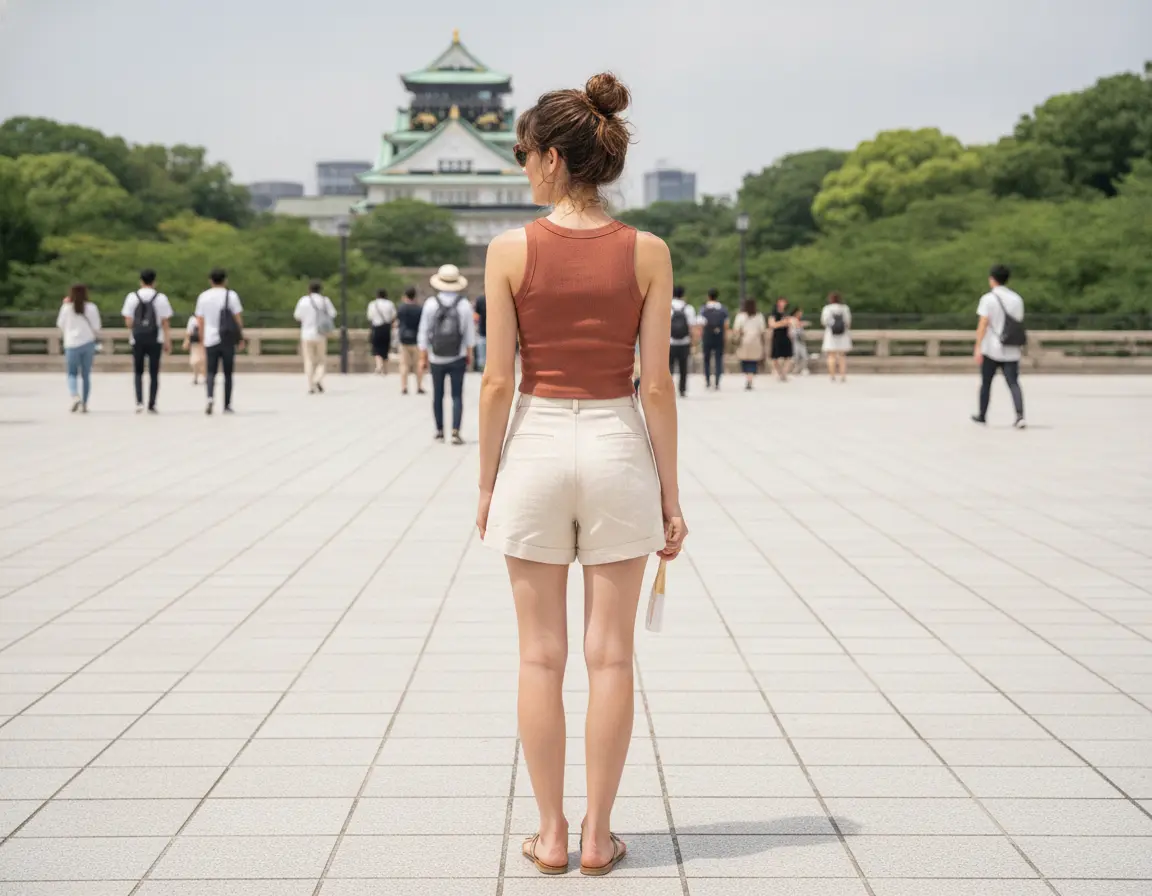
For a first visit, I’d keep sightseeing tight. Nagoya Castle is the obvious name, but I’d be careful with expectations because the main keep has been closed for restoration for a while, so the experience is more about grounds and exterior views than a full “castle interior” day. I expected more from it, honestly. I still went, spent about ¥500 on entry, and left after roughly an hour because the outdoor parts were the real value.
That’s the pattern with Nagoya: the city often does practical things better than dramatic ones. I liked Osu more than I expected because it gave me a real neighborhood feel without turning into a polished tourist stage. I bought a ¥650 snack there, watched office workers and students move through the arcade, and it felt more alive than the castle area. Not flashy. Better than flashy, actually.
For one neighborhood, I’d pick Osu. For a calmer evening, Sakae works. For a food stop, I’d build around whatever is close to your base instead of crossing town for a famous name with a line outside.
Best for: Travelers who want one or two useful stops, not a packed checklist.
Skip if: You need every sight to feel iconic.
My pick: Osu first, castle second, and I’d only add more if I had a full extra day.
Food in Nagoya is the real reason to come

If you ask me what Nagoya does better than people give it credit for, it’s food. I’d plan my first trip around meals before monuments. Hitsumabushi, miso katsu, tebasaki, and kishimen are the obvious names, but the useful part is not the label — it’s that the city has plenty of places where you can eat well without needing a reservation circus.
I had miso katsu at a casual spot, paid just under ¥1,500, and it was the first meal that made the city click for me. The sauce was heavier than I wanted at first, then it grew on me because that’s kind of Nagoya in a bowl: direct, salty, a little extra, and not trying to be delicate. I also grabbed tebasaki from a place near the station for around ¥700, and that was an easy win after a long afternoon out in the heat.
My honest advice is to skip places that are basically theme-park versions of local food. If there’s a huge line and the restaurant is famous mostly because it’s famous, I’d pass. Nagoya has enough solid everyday food that you don’t need to spend 40 minutes waiting for a photo-friendly bowl.
Worth it: Food-focused travelers and anyone who cares about regional dishes.
Skip if: You mainly eat to check a box and move on.
My pick: Miso katsu or tebasaki first, hitsumabushi only if you’re ready to pay more for a slower meal.
The one mistake I’d avoid: planning too many “musts” in one day
I made this mistake on my first afternoon. I thought I could do castle, a shrine stop, lunch, and a shopping area before dinner. The trigger was simple: I looked at the map and everything seemed close enough. It wasn’t, at least not in the way I wanted it to be, and the consequence was a tired, sweaty day where I spent more time moving than actually looking at anything.
By the time I sat down in a café, I’d already burned money on extra transit and a cold drink I didn’t need. I remember paying ¥480 for iced tea and feeling weirdly relieved just to sit under air conditioning. My hindsight is boring but useful: choose two main things, maybe three if one is food, and leave the rest alone. Nagoya is better when you give it space.
Failure lesson: Don’t overstack the day.
What I’d do now: One anchor stop in the morning, one food stop at lunch, one neighborhood in the evening.
Best for: Travelers who want a low-stress city day.
When Nagoya works best, and when it doesn’t
Nagoya works best as a practical stop between bigger trips, or as a short city break for people who like eating well and moving efficiently. I’d especially recommend it if you’re coming from Tokyo, Kyoto, or Osaka and want one place where the pace drops a little without becoming boring. It’s not a city I’d sell as a grand standalone highlight, because that’s not the point.
It doesn’t work as well if you want a place that constantly feeds you scenery. I’ve seen travelers bounce off it because they expected more obvious beauty and less business-city energy. Fair enough. I get it. I liked Nagoya more once I stopped asking it to be Kyoto with better food.
Worth it if: You like efficient cities, local food, and lower crowd stress.
Skip if: You only travel for atmosphere and famous views.
My pick: Keep it short and focused unless you have a specific reason to stay longer.
If nagoya travel tips first-timers 2026 matters to your trip, my Nagoya Travel Tips First-Timers 2026 has the specifics.
Getting the most out of one or two days
If I had one day, I’d do Osu, a regional lunch, and one evening around Sakae. If I had two, I’d add Nagoya Castle grounds and maybe one museum or shopping stop, but I wouldn’t try to turn it into a marathon. The city doesn’t really reward exhaustion. It rewards pacing.
I’d also keep my bag light. That sounds obvious, but it mattered more here than in a lot of Japanese cities I’ve visited. Between the heat, the subway stairs, and the short walks, I was much happier with a breathable shirt, sandals, sunglasses, and a small fan in my bag. That little fan earned its place.
Best for: First-time visitors with one to two days and a focus on food plus easy logistics.
Skip if: You’re trying to cram Nagoya into a packed Japan itinerary and don’t actually care about the city.
My pick: Two days is enough for a good first look. Any more than that, I’d only stay if I had a side trip planned.
Rough daily estimates from my own trip. Prices shift by season.
What I’d do differently next time
I’d book a slightly better-located hotel and stop trying to save $15 a night if it meant a worse walk or an awkward transfer. I’d also skip one “big” sight and spend that time eating more slowly, because the meals were the part I actually remembered. And I’d plan around the heat more carefully; the humidity made even short walks feel longer than they should have.
One more thing: I’d check whether a restaurant really needs a reservation before I show up hungry. I wasted time once assuming I could just walk in everywhere, and in Nagoya that’s sometimes fine, sometimes not. The city is forgiving, but not magical.
See current Nagoya hotel prices on Agoda →
I usually book Nagoya tours on Klook — the best time slots go fast, especially in peak season.
FAQ
Is Nagoya easy to do without speaking Japanese?
Yes, I found Nagoya easy enough without Japanese. The stations are clearly signed, and I got by with a transit card, a translation app, and a few basic food words. I still had one awkward moment ordering at a smaller place, but it took 30 seconds, not a crisis.
How many days do I actually need there?
Two days is the sweet spot for a first trip. One day works if you’re just passing through and want food plus one neighborhood, while three days starts to feel slow unless you’re adding side trips. I’d rather do two good days than stretch it into filler.
Is Nagoya Station a good area to stay in?
Yes, Nagoya Station is a smart base if you care about trains more than evening atmosphere. I liked it most for easy arrivals, luggage, and early departures, but it can feel a little too businesslike after dark. If you want more to do on foot at night, I’d pick Sakae instead.
What should I eat first in Nagoya?
Start with miso katsu or tebasaki. Those two give you the clearest sense of Nagoya food without locking you into a long, expensive meal. I’d save hitsumabushi for a day when you’re ready to sit down and spend more money on lunch.
Is Nagoya worth adding to a Tokyo-Kyoto-Osaka trip?
Yes, but only if you can spare a night or you want a cleaner, less crowded city break in the middle. If your Japan trip is already packed and you hate moving hotels, I’d skip it and keep the route simple. I’d add Nagoya before I’d add another rushed day in a place I only half-enjoy.
 Emma Hayes