

Nobody told me this before I went: Nagoya’s morning service is one of the easiest ways to eat well for cheap, but only if you like coffee shops more than polished brunch spots. I’d do it again for a slow morning and a tight budget. I’d skip it if you want a big sightseeing payoff before 9 a.m. because the appeal is the value, not the drama.
Quick Answer: Nagoya morning service is worth it if you want a cheap, local breakfast in a kissaten. I paid about ¥450 to ¥700 for coffee plus toast, and the best areas for an easy stop were Sakae, Nagoya Station, and Osu.
What matters most is this: the best morning sets in Nagoya are simple, local, and usually tied to old-school kissaten culture. I paid about ¥450 for coffee and toast at one place, and that was the whole meal. Fine, not fancy. Exactly the point.
- Morning service is worth it if you want breakfast for the price of a convenience-store snack plus a coffee.
- It’s not worth chasing if you only care about trendy cafés or you hate waiting for seating.
- My pick: go once, early, at a neighborhood coffee shop near where you’re already staying.
- Skip the hyped spots with long lines; the cheap set is the whole reason to do this.
What morning service actually is in Nagoya
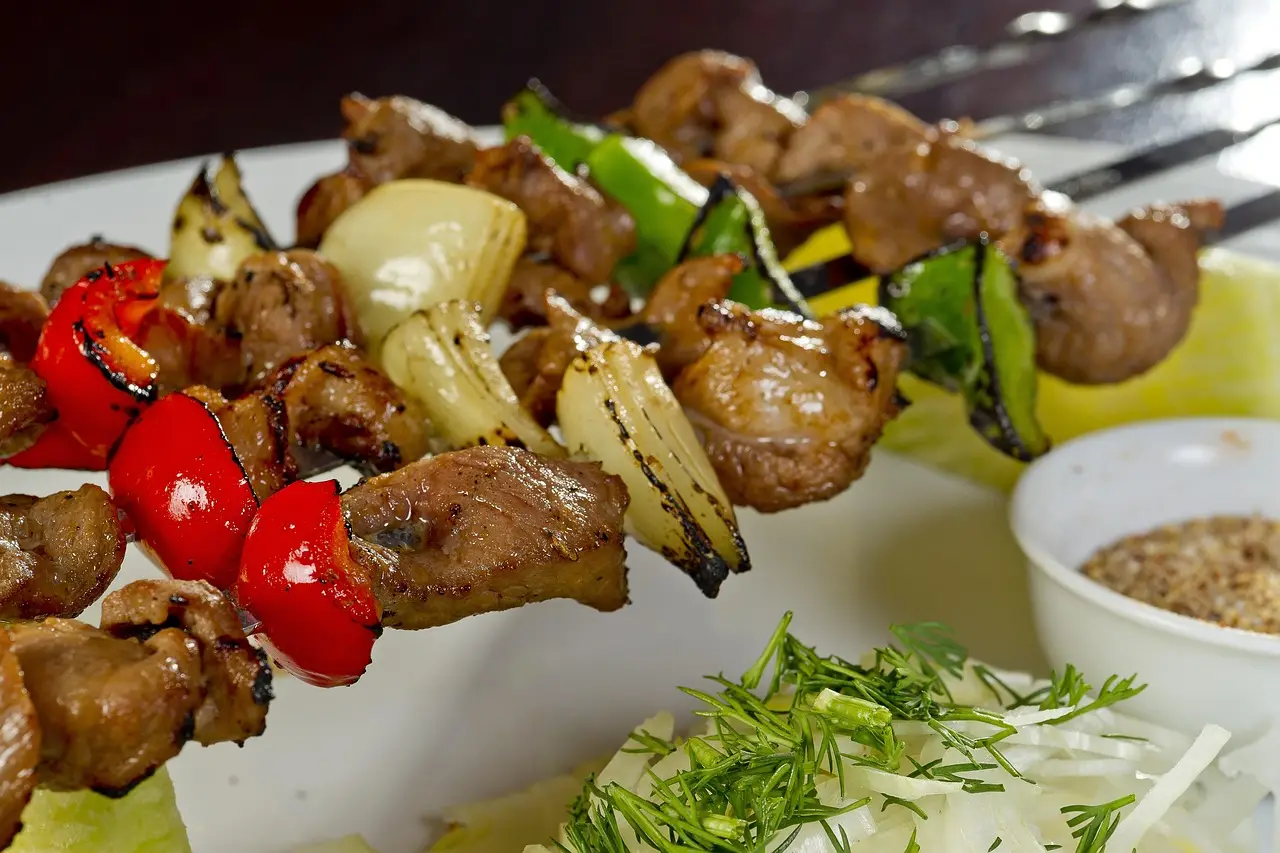
Morning service is Nagoya’s coffee-shop breakfast deal: order a drink, get toast and sometimes eggs, boiled egg, salad, or even red bean paste on the side. I first saw it at a tiny kissaten near Sakae, where the menu looked old enough to have survived three renovations and a smoking ban. I paid ¥480 for coffee and got toast plus a boiled egg. That was enough to make me stop being skeptical.
Worth it: yes, if you want a cheap breakfast that feels local instead of packaged.
Skip if: you want a destination meal with lots of choice or you’re picky about coffee quality.
My pick: treat it like a practical breakfast stop, not a food pilgrimage.
The part that surprised me was how unglamorous it is. I expected some big city gimmick because people online love turning every regional habit into a spectacle. It wasn’t that. It was better, honestly, because it was normal. I sat next to office workers, an older couple, and one guy reading the newspaper like it was still 2008.
Why Nagoya does breakfast differently

Nagoya’s coffee culture grew around kissaten, and morning service stuck because it’s useful. A lot of these shops open early, serve regulars, and don’t try too hard. That matters. I’d rather eat toast in a place that knows what it is than pay ¥1,400 for an Instagram breakfast with a six-minute wait and a tiny plate.
I noticed the rhythm right away. People came in for coffee, stayed 20 or 30 minutes, and left. No one seemed to be there for content. That’s the charm. It’s efficient, but not cold.
Best for: early risers, solo travelers, and anyone who likes local routines more than tourist attractions.
Skip if: you need a long, lazy breakfast spread or a place that feels designed for visitors.
My pick: the routine is the draw, not the menu.
I had one morning where I planned to “just grab coffee” before heading out and ended up staying longer because the place was so easy. The toast came with butter and jam, the coffee was hot, and the room had that slightly worn look I trust more than shiny new cafés. I paid ¥520 total. That’s hard to argue with.
The best places to try it without wasting time
If I were choosing where to go, I’d start with a neighborhood kissaten near Sakae, Nagoya Station, or Osu rather than hunting for the most famous one. Famous places can be fine, but the line math gets dumb fast. I waited 25 minutes once for a popular breakfast spot because I thought the internet might be right. It wasn’t bad. It also wasn’t special enough to justify standing around in humid morning air.
Worth it: the no-fuss places with short waits and clear morning set pricing.
Only if: you’re already nearby and can walk in without making it a whole production.
Skip if: the queue is spilling onto the sidewalk before 9 a.m.
My best breakfast in Nagoya was in a small shop where the set was just coffee, toast, and an egg for under ¥600
Three areas worked well for me:
- Sakae: easy if you’re staying central and want to combine breakfast with shopping or a subway day.
- Nagoya Station: practical if you’ve got a train to catch and want food before moving on.
- Osu: better if you like wandering a bit after breakfast and don’t mind a slower start.
Best for: staying central and keeping breakfast low-effort.
Skip if: you’re going out of your way just to say you did morning service at a famous café.
My pick: I’d rather eat near my hotel than cross the city for toast.
How much it costs and what you actually get
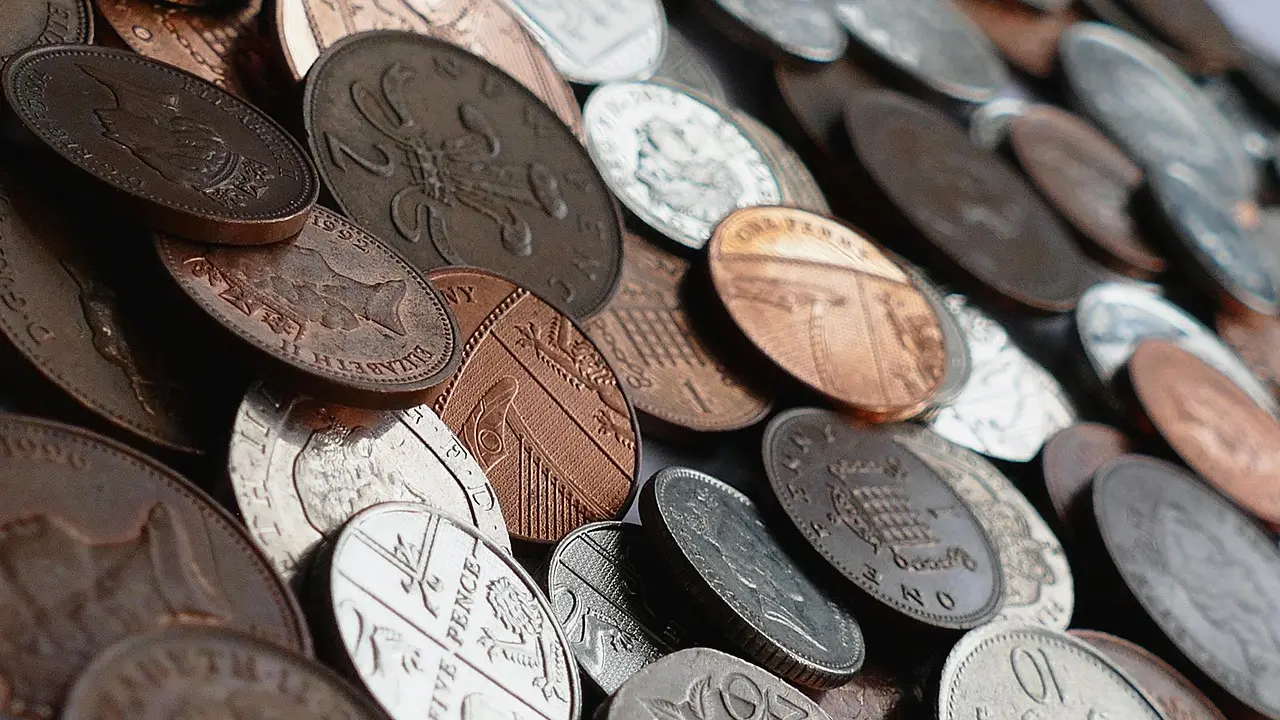
Most morning sets I saw were around ¥400 to ¥700, depending on the drink and the shop. Coffee is the entry point. The food is the bonus. One place near Nagoya Station charged ¥550 for a drink and gave me toast, half a boiled egg, and a little salad. Another charged ¥680 and included an extra egg option. That’s still cheap by city standards.
I’d compare it to paying for breakfast in Tokyo or Osaka, where the same money often gets you less food and more style. Nagoya’s version is more useful than beautiful. That’s not an insult. It’s why I like it.
Budget-wise: plan on ¥450 to ¥800 for a full morning service stop.
Worth it: if you’d otherwise spend more than that on a plain café breakfast anyway.
Skip if: you don’t drink coffee or tea, because the deal is built around the drink order.
I made one small mistake here. I assumed every morning set would be a full breakfast, so I walked into a place expecting eggs, toast, and maybe fruit. The trigger was a menu with only the drink set listed until 11 a.m., and I was too hungry to start over. The consequence was ¥620 for coffee and toast when I wanted more, then another ¥290 at a bakery later. Next time, I’d check the exact morning set contents before sitting down, especially if I’m trying to save money.
How to do it without turning breakfast into a chore
The easiest way is boring, which is usually a good sign. Go early, aim for a place near your hotel, and don’t overthink the “best” version. I wore shorts, a light shirt, and carried a fan because Nagoya was sitting around 25-32°C when I was there, and even breakfast felt warm by 8:30 a.m. That matters because walking around for a café line in humid heat is annoying fast.
Best for: travelers who want a simple breakfast stop before sightseeing.
Skip if: you’re trying to make a morning service hunt part of your itinerary.
My pick: choose the closest decent shop, not the most famous one.
I also learned not to chase a “local experience” that’s been turned into a travel performance. One shop had a line of tourists taking photos of toast like it was a museum exhibit. I left. The quieter place two blocks away was cheaper and better because I could actually sit down.
If you’re staying near Nagoya Station, I’d do morning service before a train day. If you’re in Sakae, it’s a nice way to start before heading to Osu or the TV Tower area. If you’re on a short trip, this is one of the few Nagoya habits that gives you something real without eating half a day.
The one version I’d repeat
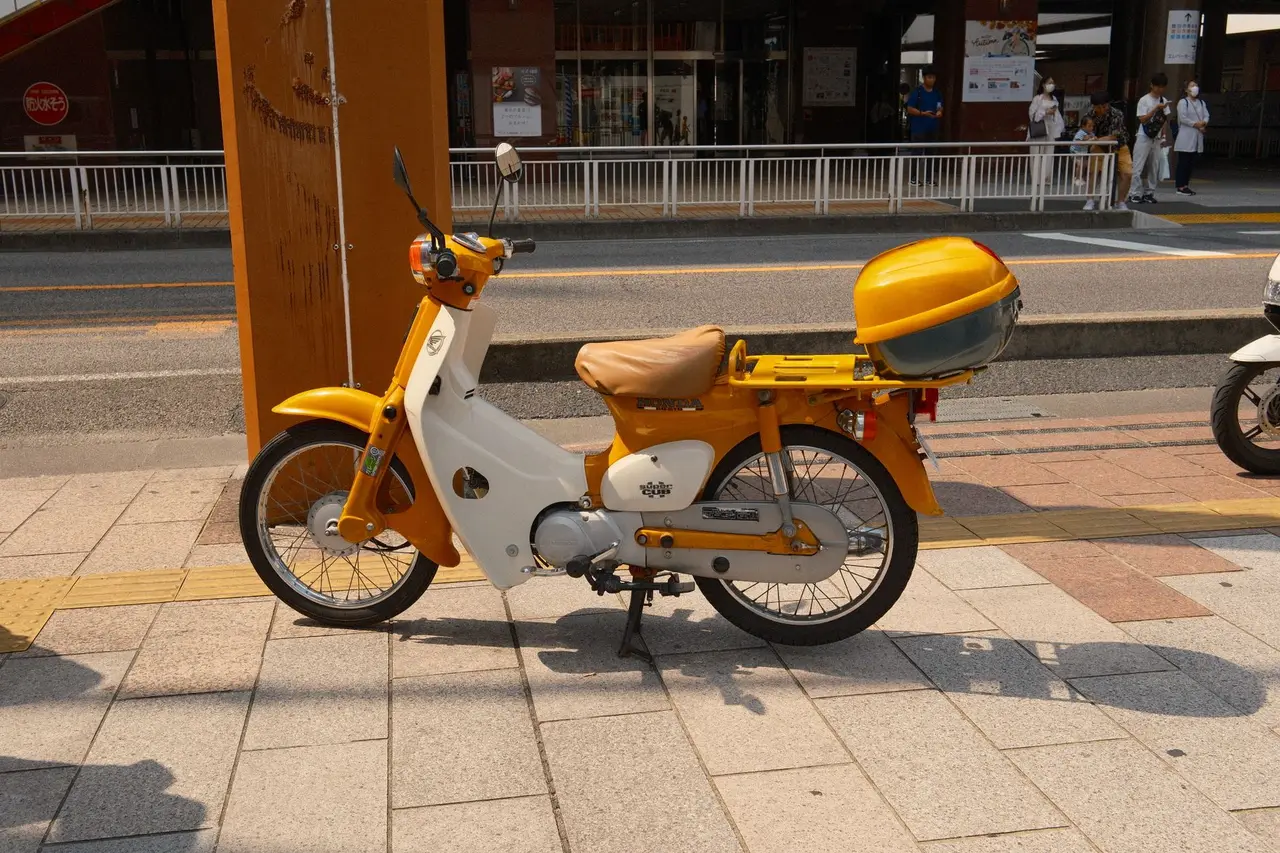
My favorite version was the plain one: coffee, toast, and one egg in a small kissaten with no line. I figured I’d want something more elaborate, maybe a special Nagoya breakfast plate. I didn’t. The simple set was enough, and the room felt local in a way that the more polished cafés never do.
Worth it: the classic, no-frills morning set.
Skip if: you’re paying extra just for a prettier interior or a more photogenic plate.
My pick: plain wins here, and I’d choose it again.
I’m not sure this is universal, but I liked that morning service gave me a reason to sit still for 20 minutes before running around the city. It’s not a highlight in the dramatic sense. It’s a good travel habit. Sometimes that’s better.
Rough daily estimates from my own trip. Prices shift by season.
What I’d do differently next time
I’d go earlier. I arrived once around 9:30 a.m. and the room was already fuller than I wanted, which made the whole thing feel less relaxed. I’d also pick my shop the night before so I’m not standing outside with a hungry brain trying to compare menus.
I’d skip any place that looks too curated for tourists. Those usually charge more and lose the whole point. And I’d probably bring cash just in case, because a few older spots still feel a little behind the times.
Best for: travelers who want a cheap, local breakfast and don’t mind keeping it simple.
Skip if: you want a big brunch, a famous food hunt, or a place where the line is part of the attraction.
Next time: I’d go earlier, choose a neighborhood kissaten near where I’m staying, and stop trying to make breakfast more complicated than it needs to be.
I expected morning service to be some trendy Instagram thing that locals had moved past, but it turned out to be exactly what it claimed—just cheap coffee and toast at a kissaten near Sakae where salarymen actually eat breakfast. The flip was realizing the lack of hype was the whole point; I paid ¥480 and got a proper meal without waiting or performing for a camera. Take away this: the best local food in Nagoya isn’t marketed to you, it’s already feeding the people who live there.
See current Nagoya hotel prices on Agoda →
I usually book Nagoya tours on Klook — the best time slots go fast, especially in peak season.
FAQ
Is morning service in Nagoya worth waking up early for?
Yes, I think it’s worth an early start if you like cheap breakfasts and calm mornings. The best places fill gradually rather than instantly, and I liked getting in before the 9 a.m. rush. If you sleep late, you’re not missing a life-changing meal, just the easiest seats.
Do I need to go to a famous coffee shop for the full experience?
No, I’d skip the famous ones unless you already pass by them. The local neighborhood cafés gave me the same basic deal for ¥450 to ¥700 without the wait. I’d rather spend that energy on a better lunch later.
Can I get morning service near Nagoya Station?
Yes, and that’s where I’d go if I had a train to catch. I found the station area useful because I could eat, leave my bag at my hotel, and move on without backtracking. It’s practical, not charming, which is fine for breakfast.
What if I don’t drink coffee?
I’d skip the whole thing unless the shop clearly offers tea or another drink you actually want. The deal is built around ordering a beverage, so if you don’t want that, the value drops fast. In that case, a bakery or convenience-store breakfast makes more sense.
Is morning service still good in hot weather?
Yes, but I’d keep it short and choose a place close to where I’m staying. I was fine in shorts and a light shirt, but standing outside in humid morning air for 20 minutes was annoying. The easier the walk, the better the breakfast feels.
 Emma Hayes