
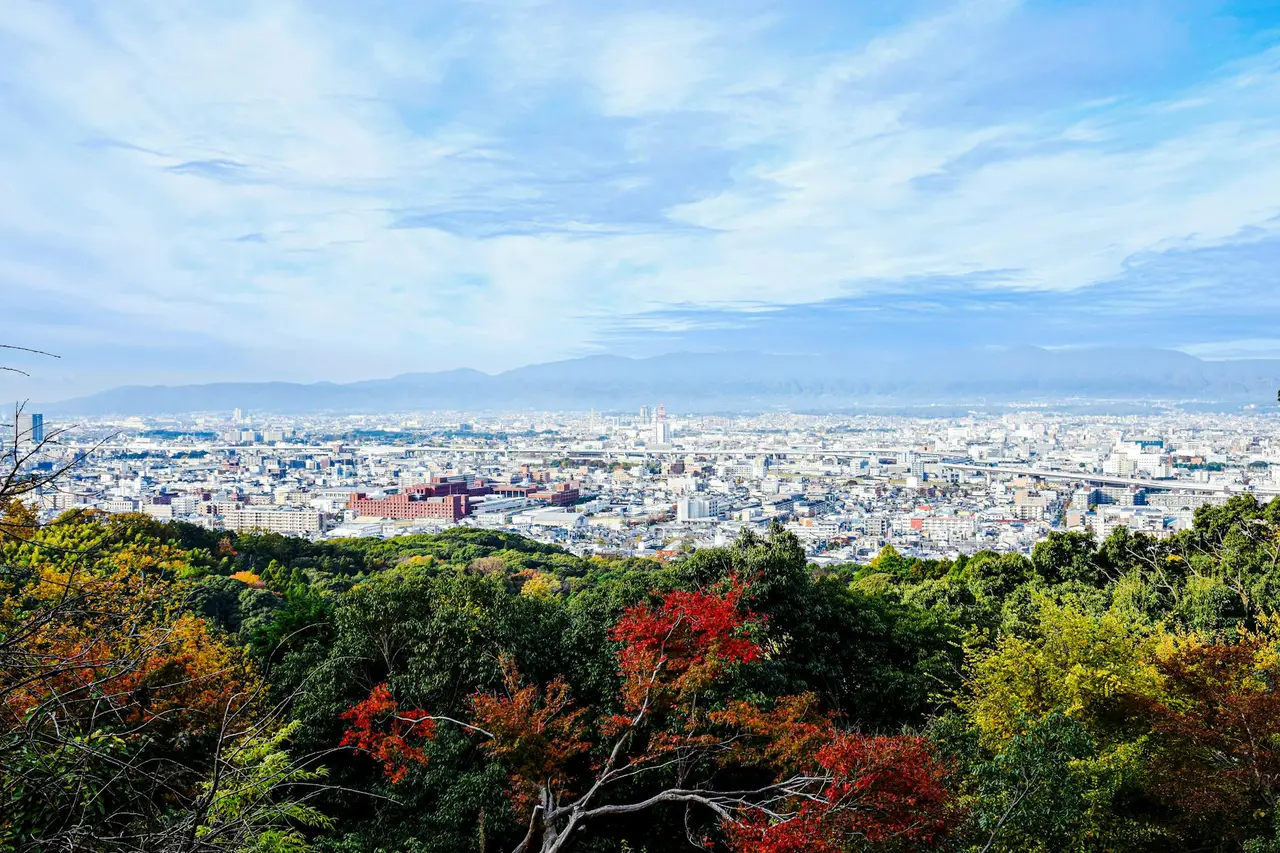
I did this wrong the first time. I treated Nagoya like a place to “fit in” between bigger stops, and I wasted half a day zigzagging around the city with no plan. The fix was simple: Nagoya is worth a day if you like clean logistics, free viewpoints, and parks that don’t feel like a performance. If you’re looking for free things to do in Nagoya, this is the route I’d actually use.
I’d do this as a low-cost city day, not a sightseeing marathon. It fits solo travelers, budget travelers, and anyone who wants a break from ticketed attractions. Skip it if you need a city that hits you over the head with charm; Nagoya is more useful than cute, and that’s the tradeoff.
My judgment: I think a free Nagoya itinerary is worth it, but only if you keep it focused on a few strong stops and use the subway smartly. I spent almost nothing on admission because the best parts here are parks, station views, and a couple of neighborhoods you can walk through without paying a yen.
Quick answer: Start at Nagoya Station, head to Oasis 21 and Hisaya-odori Park, then go to Nagoya Castle’s grounds, lunch in Sakae, and finish around the Nagoya TV Tower area. My rough free-day total was around $12–$22 if I’m only paying for transit and food.
Day by Day
Day 1: Station area, Oasis 21, and a no-cost start
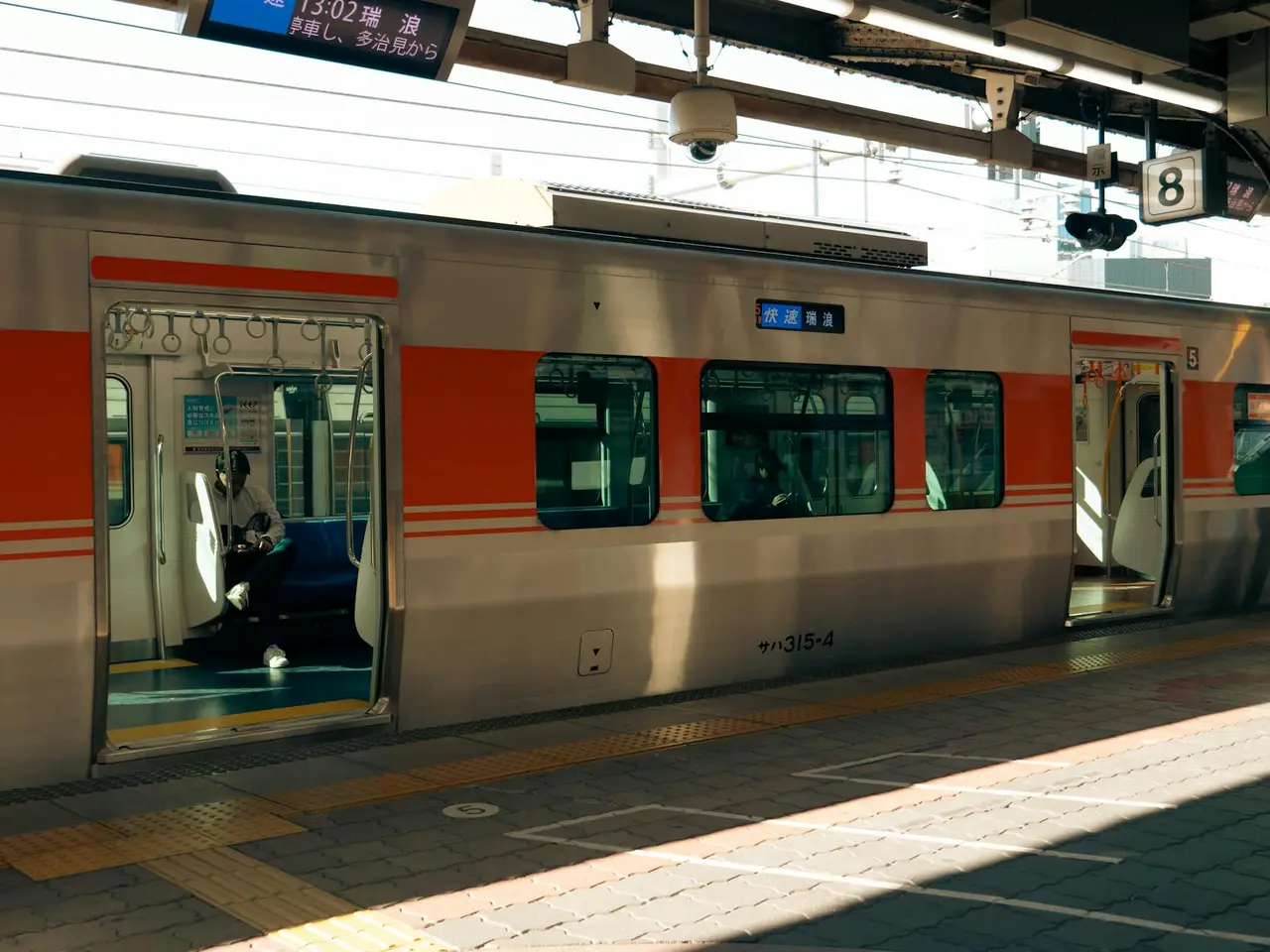
I’d start at Nagoya Station because it makes the rest of the day less annoying. From the station, I walked about 15 minutes to Oasis 21, and that set the tone fast: this is a city that rewards efficient movement more than random wandering. If you’ve got luggage, drop it first. If not, keep moving.
My route was simple. I left Nagoya Station, took the subway to Sakae, and paid about ¥210
Worth it: Oasis 21 is one of the few free Nagoya stops that gives you a quick visual payoff without wasting time.
The rooftop “Spaceship-Aqua” area is free to enter, and I liked it more than I expected. I figured it would be one of those overphotographed places that looks better online. It wasn’t a disaster, but it was quieter than I expected on a weekday morning, and I spent maybe 20 minutes up there just watching people cut across the plaza below. That was enough.
Skip if short on time: Don’t linger here for an hour. Fifteen to twenty minutes is plenty unless you’re using it as a rest stop.
From there, I walked about 8 minutes to Hisaya-odori Park. This is the part that actually makes Nagoya feel livable. It’s long, open, easy to navigate, and free. I sat on a bench for a few minutes with a convenience-store coffee I’d paid ¥160 for, and that was one of those small travel moments that costs almost nothing but fixes your mood.
Best for: Travelers who want a calm, cheap first stop and don’t need constant stimulation.
My pick: Start with Sakae and Oasis 21, then drift into Hisaya-odori Park. It’s the cleanest way to ease into the day without spending money or energy.
Day 1: Nagoya Castle grounds without the entry-fee trap
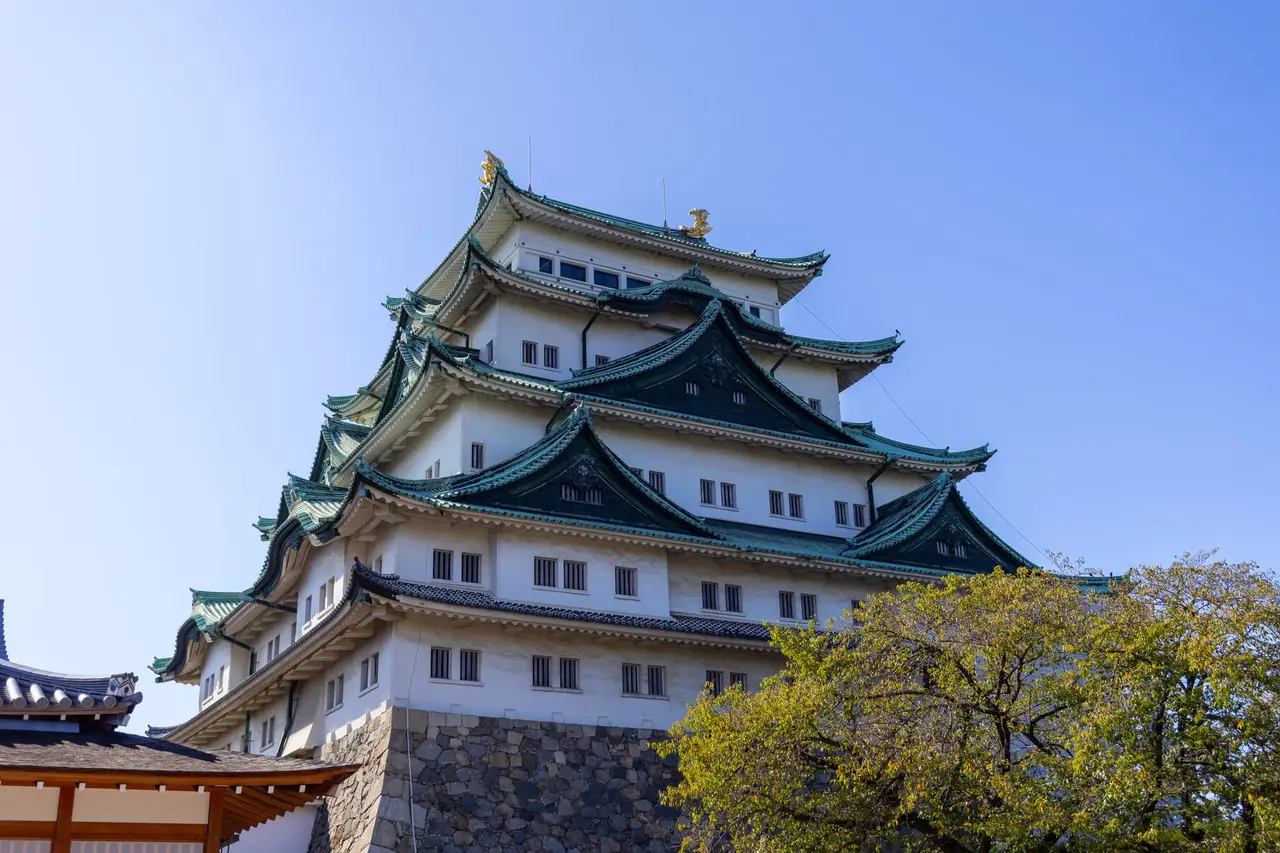
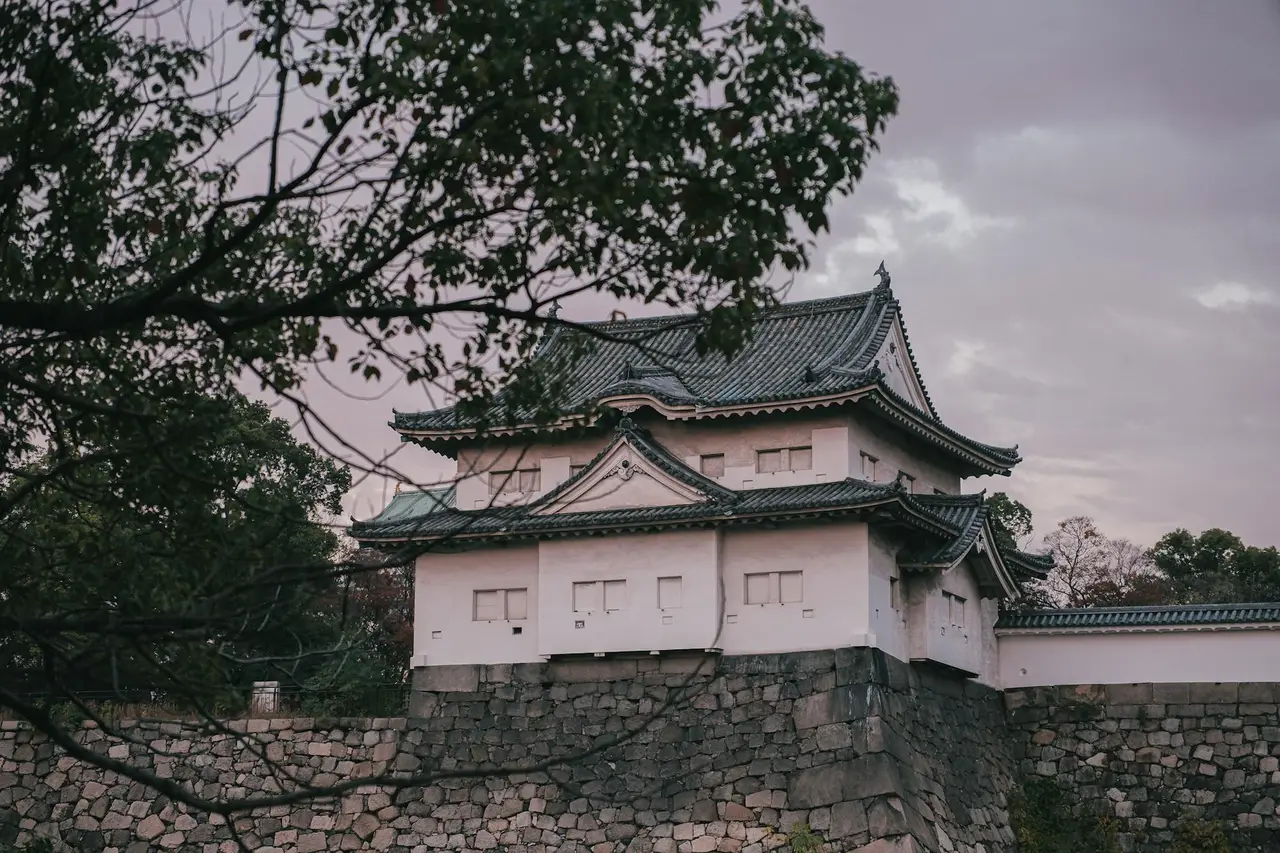
Next, I’d head to Nagoya Castle, but I’d be selective. The castle grounds are free or cheap to move through depending on what you enter, and the exterior area gives you most of the value if your goal is a budget day. I took the subway from Sakae to Shiyakusho Station, which took about 5 minutes and cost around ¥210. From there, it was a 10-minute walk to the castle area.
I expected the castle to be a bigger deal than it is. The grounds were pleasant, but the paid interior didn’t feel essential to me, especially on a day built around free things. If you love castle museums, fine, go in. I paid ¥0 for the outside view and was happy with that. The money I saved went to lunch instead, and that was the better choice.
Worth it if: You want a classic Nagoya stop without paying for a full museum-style visit.
Skip if: You’re already over castles or you only have one afternoon. In that case, the outside view is enough, and the rest of your time is better spent elsewhere.
I walked the outer grounds for about 35 minutes, which felt reasonable. Not rushed, not dragged out. I also made the mistake of assuming I’d want the interior just because I was there. I didn’t. That’s the kind of tourist logic that burns money fast.
For a cheap lunch nearby, I’d either grab something in the station area before coming here or head back toward Sakae. I paid about ¥900 for a basic donburi set near the station later in the day, and that level of food is exactly what keeps a budget day from turning into a sad snack crawl.
Decision point: If I had only two free hours, I’d keep the castle exterior and cut the interior without thinking twice.
Day 1: Lunch in Sakae and a slow walk through the shopping streets
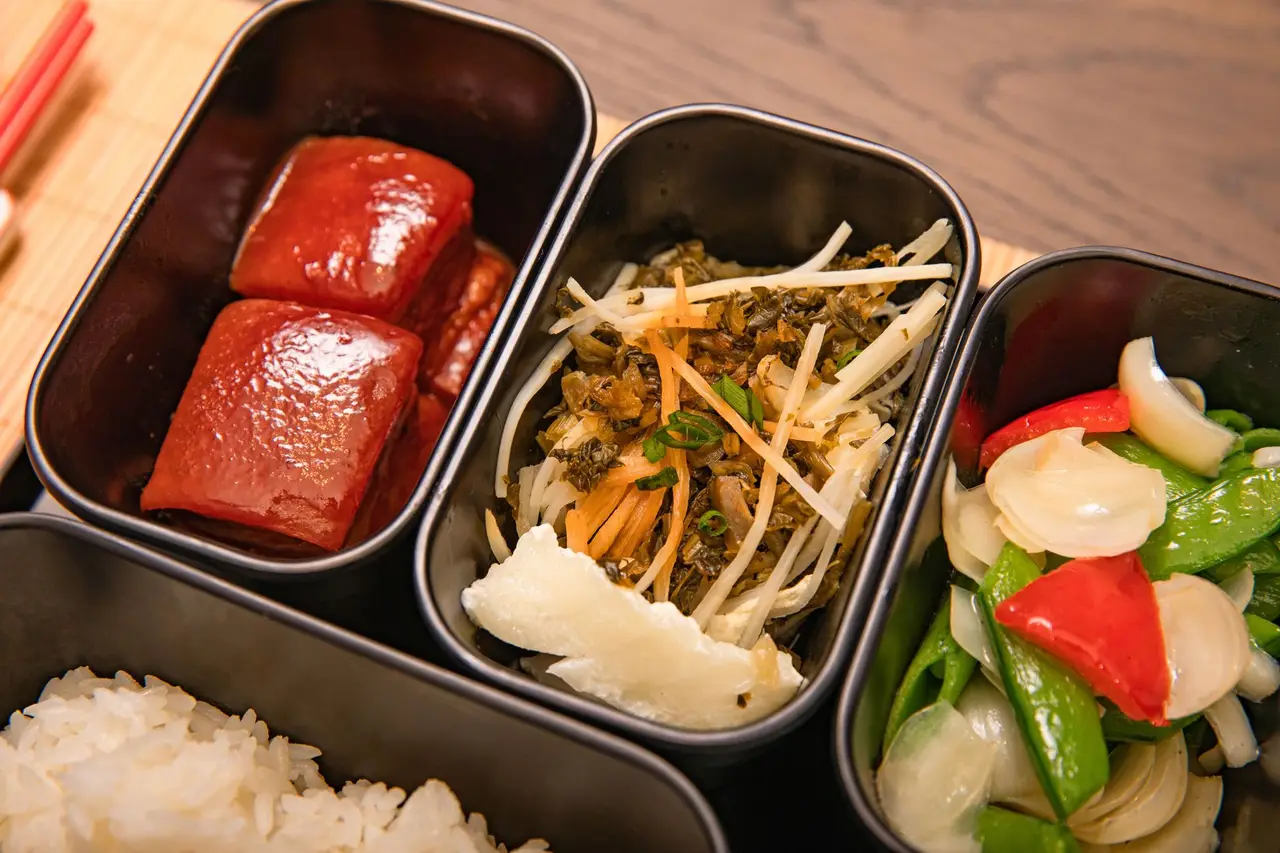
After the castle, I’d go back to Sakae for lunch because it’s easier than trying to force a scenic meal near the castle. The subway back from Shiyakusho to Sakae is about 5 minutes and another ¥210. That round trip is worth it if you care about not overpaying for mediocre food near a major sight.
I ate in a basement food area near the station and paid roughly ¥850–¥1,100 depending on what you choose. That’s where Nagoya starts making sense on a budget. The food halls and underground passages are practical, not glamorous, and I mean that as a compliment. I’d rather eat a decent bowl of noodles in a clean basement than stand in line for an Instagram-famous place that charges extra for the same thing.
Best for: People who want cheap, filling food without a detour.
Skip if: You’re looking for a big sit-down lunch with atmosphere. This is fuel, not a memory.
After lunch, I’d walk through the nearby shopping streets instead of trying to “see” them all. I’m talking about the covered arcades around Sakae and the central downtown blocks, not a vague wander. Give yourself 45 minutes to an hour. I stopped in a few stores, didn’t buy much, and still got more out of it than I expected. The point is not shopping. It’s the easy, free movement between neighborhoods.
I also did a little people-watching from a bench near the park and noticed the weather had settled into that mild 15–22°C range where a light layer goes on and off all day. I had mine in my bag by lunch. That’s the kind of day Nagoya gives you when it’s not trying to impress you. Useful, stable, and not dramatic.
My pick: Lunch first, then a slow shopping-street walk. If you reverse it, you’ll end up hungry and impatient, which is how people start spending money on bad snacks.
Day 1: Free museums, TV Tower views, and what I’d cut first
For the afternoon, I’d choose one free or low-cost indoor stop, not three. That’s where people mess up. They try to stack too many “quick” attractions and spend the whole day in transit. I did that once in Nagoya and felt ridiculous by 4 p.m.
If the weather is decent, I’d keep walking around Hisaya-odori Park and the Nagoya TV Tower area. The tower itself is usually a paid stop, so I wouldn’t treat it as the main event unless you’re specifically chasing a city view. The surrounding area is free to explore, and that’s enough. I stood around the plaza for maybe 25 minutes, and honestly, the free ground-level view was the part that made sense for this itinerary.
Worth it: The area around the tower is worth a stroll. The actual paid view is only worth it if you really want another skyline photo.
If you want a museum without blowing the budget, look for the city museum or a small exhibition with a low entry fee, but I’d keep this flexible because opening hours change by season. I’m not pretending every free thing in Nagoya is equally exciting. Some of it is just a decent place to sit indoors and reset. That still counts on a long travel day.
Skip if short on time: Don’t force a museum if you’re already tired. Cut it and keep the park and tower area instead.
The tradeoff here is simple: free outdoor space versus a paid indoor stop. For me, the outdoor option wins unless it’s pouring rain. I wanted a day that felt easy on my wallet and my legs, not a checklist. This section is the first thing I’d trim if I only had half a day in Nagoya.
Day 2: If you have one more free day, don’t force a repeat
If you’ve got a second day, I wouldn’t repeat the same core circuit. I’d switch to a slower neighborhood day and keep the spending low. That means more walking, one or two specific stops, and no weird guilt about “missing” the big ticket attractions.
My version would start around Osu Shopping Street. It’s not free because you’re in a storefront maze, but walking it costs nothing, and that’s the point. From Sakae, I’d take the subway or walk depending on energy. The subway is about 5 minutes and around ¥210; walking takes roughly 20–25 minutes. I’d walk if the weather is mild and I’m not carrying much. It’s a straightforward route and a better use of time than sitting underground for one stop.
Best for: Travelers who want a cheap second day that still feels local-ish.
Skip if: You only have one day. Osu is where I’d go after the core Nagoya free itinerary, not before it.
In Osu, I’d keep the focus on browsing, snack stops, and street-level wandering rather than buying souvenirs just because the area exists. I paid ¥300 for a snack I didn’t need one afternoon, and that’s the kind of tiny budget leak that adds up. If you’re trying to keep the day cheap, skip the random impulse buys and spend on one actual meal instead.
From there, I’d finish with a simple dinner near Nagoya Station. No fancy booking, no long wait. I dislike lining up for dinner on a travel day. If a place has a line over 30 minutes, I’m gone. Nagoya has enough ordinary food options that you don’t need to suffer for a meal.
My pick: If I had a second day, I’d choose Osu plus one easy dinner near the station over another round of castle-and-park repeats.
Cost Breakdown
Rough daily estimates from my own trip. Prices shift by season.
For a deeper look at common nagoya tourist traps to avoid, I covered this in my Common Nagoya Tourist Traps To Avoid.
I compared the options in Nagoya Travel Mistakes To Avoid 2026 — useful if you haven’t booked yet.
Transport Tips
I’d stay closer to Sakae or Nagoya Station instead of trying to save a few bucks in a less central area. I don’t love paying extra for a hotel, but the transit savings were real enough that I noticed them. I’d rather spend $8 more on a room and skip two unnecessary subway rides.
I’d also cut the castle interior unless I had a real interest in museums or historical reconstructions. The outside was enough for me, and I think that’s the honest call for most budget travelers.
And I’d eat one proper meal earlier in the day. I got a little too casual with snacks once and ended up paying more later because I was hungry, impatient, and standing in the wrong place. That math never works out.
Where I’d Actually Stay in Nagoya
Vessel Inn Sakae Station
Nagoya
★★★★☆
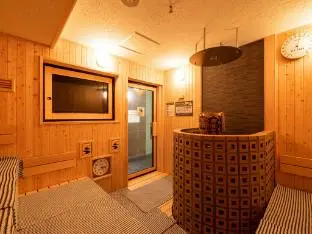
2025 Renewal Open – Anshin Oyado Nagoya Man / Woman Sakae Station
Nagoya
★★★★☆
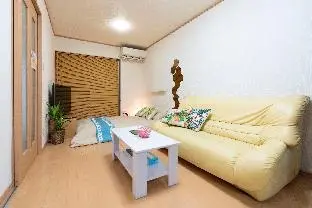
New OPEN Max 10 people Nagoya Station 2LDK
Nagoya
★★★★☆
For Nagoya I used Agoda — they had the best rate for my dates.
FAQ
Is Nagoya worth a day if I’m trying to save money?
Yes, Nagoya is worth a budget day if you keep your expectations practical. The free parks, station area, and castle grounds give you a full day without much spending, and I kept my own costs low by skipping paid interiors. I’d budget around $15–$36 for the day if you’re eating normally and using the subway.
Can I do Nagoya without paying for the castle or tower?
Yes, and that’s how I’d do it. The outside of Nagoya Castle and the area around Nagoya TV Tower are enough for a free itinerary, and I didn’t feel shortchanged by skipping the paid parts. If you only care about a clean, affordable day, the exterior views are the better value.
How much walking is realistic for one free day in Nagoya?
About 8,000 to 12,000 steps is realistic if you follow my route. I walked between Sakae, Oasis 21, Hisaya-odori Park, and the castle area without feeling wrecked, but I also used the subway when it made sense. I’d wear comfortable shoes and treat the day like a city loop, not a fitness challenge.
Is Nagoya easy to do as a solo traveler?
Yes, Nagoya is easy for solo travel. The subway is straightforward, the central areas are walkable, and I never felt like I had to navigate anything complicated just to get lunch or move between stops. It’s a good city for being independent without feeling isolated.
What should I cut first if I only have half a day?
Cut the castle interior first, then cut the museum stop if time gets tight. I’d keep Oasis 21, Hisaya-odori Park, and one meal near Sakae because those three give you the most value for the least hassle. If your time is really short, the free outdoor stops beat any paid add-on.
What free stop surprised you most in Nagoya?
Hisaya-odori Park surprised me the most because it gave me a real break instead of just another checkbox stop. I expected it to be filler, and it turned out to be one of the few places I actually sat down and stayed for a while. If you need one calm pause in the middle of the day, that’s the one I’d keep.
 Emma Hayes
My final call on free things to do in Nagoya
I pre-booked on Klook the night before — skipped the entire ticket line.
Best for: Budget travelers, solo travelers, and anyone who wants a calm one-day city plan without paying for every stop.
Skip if: You want a highly atmospheric city where the sightseeing is the whole point and you hate subway-based itineraries.
Next time: I’d stay central, cut one unnecessary transit hop, and spend my time on the park-and-station loop again.
That’s the version I’d follow again: simple, central, and cheap. If you want free things to do in Nagoya without wasting time, keep the loop tight and stop there.