

Nagoya was supposed to be a simple base. It was efficient, hot, and a little more useful than charming. After a few train-heavy days there in 25–33°C humidity, I figured out which side trips were worth the ride and which ones were just expensive ways to sit on a train. If you’re looking for the best day trips from Nagoya by train in 2026, I’d keep it focused.
My answer is pretty clear: I’d pick Inuyama, Gifu, and Kyoto or Takayama depending on how much time I had. If you only want one easy day out, Inuyama is the cleanest win. If you want a longer day with more payoff, Kyoto works. If you want scenery and don’t mind a slower schedule, Takayama is the one I’d save for a full day and an early start.
Best for: travelers based in Nagoya who want one or two low-friction train trips without blowing the whole day on transit.
Skip if: you hate moving around with a bag, or you only want big-name sights and don’t care about the ride itself.
My pick: Inuyama for the easiest half-day, Kyoto for the strongest full-day payoff, and Takayama only if I’m okay leaving very early.
Quick answer: Inuyama is the easiest win, Gifu is the quietest solid option, Kyoto is the best big-day payoff, and Takayama is worth it only if you’re fine with a long ride. Shirakawa-go is not a clean train day trip.
Day by Day
Day 1: Inuyama for the easiest win
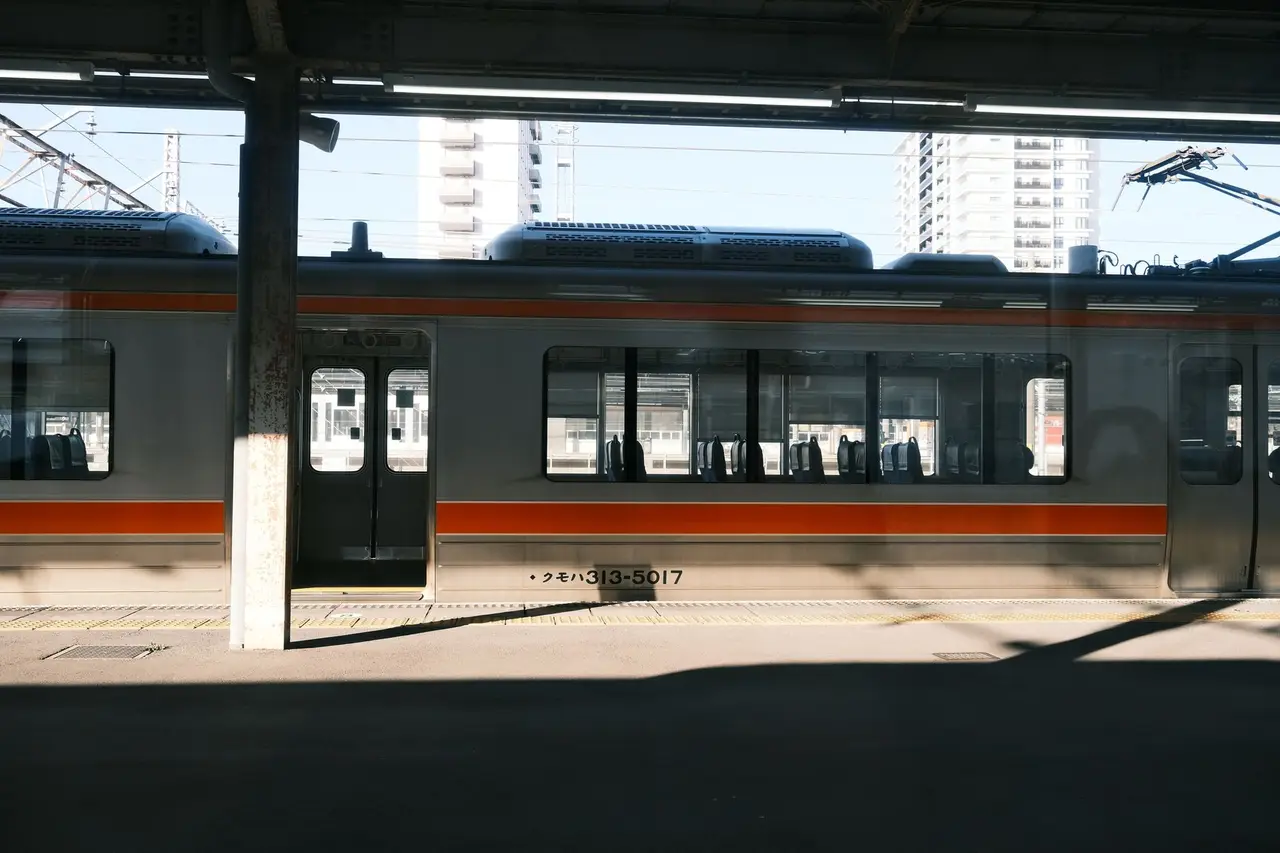
I’d start here because it’s the least annoying day trip from Nagoya. From Meitetsu Nagoya Station, I took the Meitetsu line to Inuyama Station in about 25–30 minutes, and the fare was roughly ¥600–¥700 one way depending on the service. That’s the kind of transit I’ll always defend: short, cheap, no drama.
From the station, I walked about 20 minutes to Inuyama Castle. I paid around ¥550 for entry, and the climb inside is steep enough that I wouldn’t wear slippery shoes. The view from the top is the main reason to go. The rest is fine, but not life-changing. I’d call it worth it if you like compact castles and don’t need a whole day of sightseeing to feel satisfied.
After the castle, I’d head down to Urakuen Garden and the old street area near the castle town. The garden entry was around ¥700 when I went, and I remember it mostly because I needed shade and sat down with a cold drink after walking in the heat. I bought a ¥300 iced tea from a small shop and stayed there longer than I planned. That’s usually a good sign.
Best for: first-time Nagoya visitors who want a train trip that doesn’t eat the whole day.
Skip if: you’re only interested in huge, famous landmarks. Inuyama is smaller and calmer than that.
My pick: I’d do Inuyama before anything else because it gives the best value for time and money.
Sample timing: leave Nagoya around 8:30 a.m., reach Inuyama by 9:00 a.m., castle by 9:30 a.m., lunch around 12:00 p.m., back in Nagoya by late afternoon. I spent about ¥2,000–¥3,000 total excluding a full meal, which is hard to argue with.
Skip if short on time: Urakuen Garden. If you only have a half-day, keep the castle and the old streets, then go back.
Day 2: Gifu for a slower, more local-feeling trip

Gifu is the day trip I’d choose when I want a real change of pace without a huge train commitment. From Nagoya, the JR line to Gifu Station takes about 20 minutes and usually costs around ¥500. That’s fast enough that I didn’t feel like I was “going somewhere far,” which is part of why it works.
I’d spend the first part of the day around Gifu Castle and Mount Kinka. The standard route is to take the Gifu Park Ropeway up, which costs around ¥1,300 round trip for adults. I expected the ropeway area to feel a little fake and overbuilt. It didn’t. It was practical, a bit old-school, and the view over the city was better than I expected. That’s one of the few times I was wrong in a good way.
Still, I wouldn’t sell Gifu as a must-do if you only have one free day. It’s useful, not flashy. The castle itself is small, and the main reason I’d go is the mix of easy transit, a view, and a slower afternoon that doesn’t feel packaged. I bought a ¥900 lunch set near Gifu Station — nothing fancy, just a rice bowl and miso soup — and it was the right kind of meal for that day.
Best for: travelers who want a quieter day and don’t need a packed itinerary.
Skip if: you need a big “wow” moment. Gifu is more about mood and pace than spectacle.
My pick: I’d choose Gifu over a random shopping day in Nagoya, but not over Kyoto if I only had one long day.
Sample timing: leave Nagoya at 8:45 a.m., reach Gifu by 9:05 a.m., ropeway and castle by 10:00 a.m., lunch around 12:30 p.m., return by 4:00 p.m. or 5:00 p.m. if you linger. My rough spend was ¥2,500–¥4,000 including transport, ropeway, and lunch.
Skip if short on time: the ropeway if the weather is bad or hazy. You can still do the castle area and the station lunch without feeling like you wasted the trip.
Day 3: Kyoto if you want a full, long day

Kyoto is the obvious big-name option, and I still think it’s worth the effort from Nagoya. From Nagoya Station, the easiest route is the Tokaido Shinkansen to Kyoto, which takes about 35 minutes on Nozomi or a little longer on slower services. The ticket price can sit around ¥5,000–¥6,000 one way depending on the train and seat choice. That’s not cheap, and I’d only do it if I planned the day properly.
I made the mistake once of thinking I could leave a little later and still do Kyoto casually. Bad idea. I got there after the morning rush had already started, and by the time I reached my first stop I’d burned a chunk of the day just moving around. I lost about an hour and a half to hesitation and platform timing, then paid for an extra coffee because I was too tired to think straight. Next time, I’d leave Nagoya before 8:00 a.m. or I wouldn’t bother.
If I did Kyoto as a day trip from Nagoya again, I’d keep it brutally focused: Fushimi Inari early, then one lunch stop, then one more area before heading back. I’d skip trying to “fit in” too much. The city punishes overplanning. A ¥1,000–¥1,500 lunch near Kyoto Station or around Fushimi is enough; I don’t need a fancy set meal to justify the train fare. This trip is worth it only if I accept that I’m buying a long day, not a relaxing one.
Best for: people based in Nagoya who want one serious day out and don’t mind a fast start.
Skip if: you hate early departures or you’re trying to keep the day under budget.
My pick: Kyoto wins on payoff, but only when I leave early enough to make the train cost feel earned.
Sample timing: leave Nagoya at 7:30–8:00 a.m., arrive in Kyoto around 8:10–8:45 a.m., spend the day in one or two zones, and return after dinner. I’d budget roughly ¥8,000–¥10,000 for transport, a basic lunch, and a snack or coffee. The train fare is the main sting.
Skip if short on time: trying to do more than two areas. Kyoto is not the place for “maybe one more stop.” That math never works out.
Day 4: Takayama for scenery and old streets

Takayama is the day trip I’d save for when I want air that feels a little less sticky and a town that looks different from Nagoya’s sprawl. The trip is longer. From Nagoya Station, the JR route via Limited Express Hida takes about 2 hours 15 minutes to 2 hours 30 minutes, and a reserved seat can cost around ¥5,500–¥6,500 one way. That’s a serious chunk of time and money, so I don’t recommend it casually.
I expected Takayama to feel overly polished, like a town that exists mostly for photos. It kind of does in the busiest streets. But the old town still worked for me because the pace was slower and I could actually hear myself think. I walked the preserved streets, stopped for a ¥600–¥800 snack, and sat down longer than I meant to because I was tired from the ride. That happens. I don’t think that makes the day bad. It just means the train ride is part of the cost, not separate from it.
I’d eat near the station or in the old town area rather than chasing some famous lunch spot with a line. I skipped one place after seeing a 30+ minute wait and grabbed a simple set meal for around ¥1,200 instead. No regrets. If a line gets silly, I move on.
Best for: travelers who want a slower, prettier day and don’t mind spending more time on the train than in a city center.
Skip if: you’re trying to do this cheaply or you hate long rail rides.
My pick: Takayama is worth it once, but I wouldn’t call it the first day trip I’d choose from Nagoya.
Sample timing: leave Nagoya around 7:00 a.m., arrive in Takayama around 9:30 a.m., spend the middle of the day in the old town, and return by early evening. Total spend can land around ¥12,000–¥15,000 once you add the train, food, and a couple of snacks. It’s the priciest day on this list.
Skip if short on time: Takayama entirely. If I only had a day and a half, I’d choose Inuyama plus one good meal in Nagoya over a rushed mountain trip.
Day 5: Shirakawa-go only if you really want the village
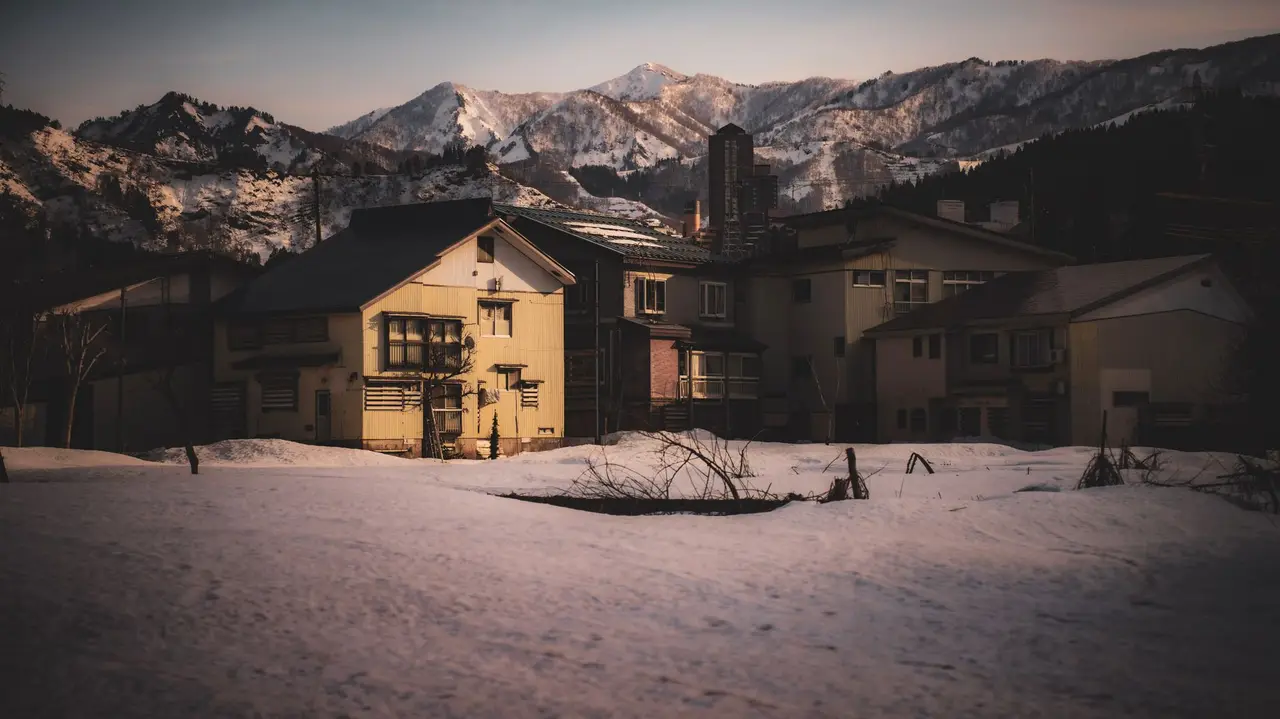
I’m including Shirakawa-go because people ask about it nonstop, but I wouldn’t frame it as a clean train day trip. The last stretch is usually better by bus, and that changes the whole feel of the day. If you’re dead set on going from Nagoya, the train-plus-bus combo takes enough time that I’d treat it as a full-day outing, not a casual side trip.
I went in expecting a place that would feel either magical or fake. It was neither. It was busy, very set up for visitors, and still interesting enough to justify one visit. I wouldn’t repeat it unless I was taking someone who hadn’t been before. The village itself is the draw, not the transit. If I’m honest, I enjoyed the ride less than the actual stop.
Because this article is about train-based day trips, my verdict is simple: only if Shirakawa-go is already high on your list. If you’re choosing between this and Inuyama, I’d take Inuyama and keep my day easier. If you have a full region-wide itinerary and don’t mind a bus transfer, then fine, go for it. Just don’t pretend it’s the same kind of easy as the others.
Best for: travelers who care more about the destination than the logistics.
Skip if: you want a straightforward train trip with a clean return.
My pick: I’d save Shirakawa-go for a separate plan, not as my main Nagoya day trip.
Skip if short on time: this one first. It’s the easiest to cut without making the whole trip worse.
Cost Breakdown


I spent less on the train days than I expected, mostly because Nagoya is one of those cities where the expensive part is deciding to leave too late. A round trip to Inuyama was only a few hundred yen, and I kept thinking I’d spend more once I added food and entry fees — which I did, but not by much. The day I went farther out, I paid closer to ¥2,000–¥3,000 total and that was the one that surprised me on cost, mostly because I grabbed lunch near the station instead of packing anything. If I did these Best day trips from Nagoya by train 2026 again, I’d skip one of the paid museum stops and use that money on a better lunch or just an earlier train back.
Transport Tips
The one mistake I’d avoid in Nagoya
The biggest mistake I made was treating Nagoya like every day trip needed to be a big production. I kept thinking I could leave a little later, decide on the platform, and still squeeze in one more stop. That worked once. Then it didn’t.
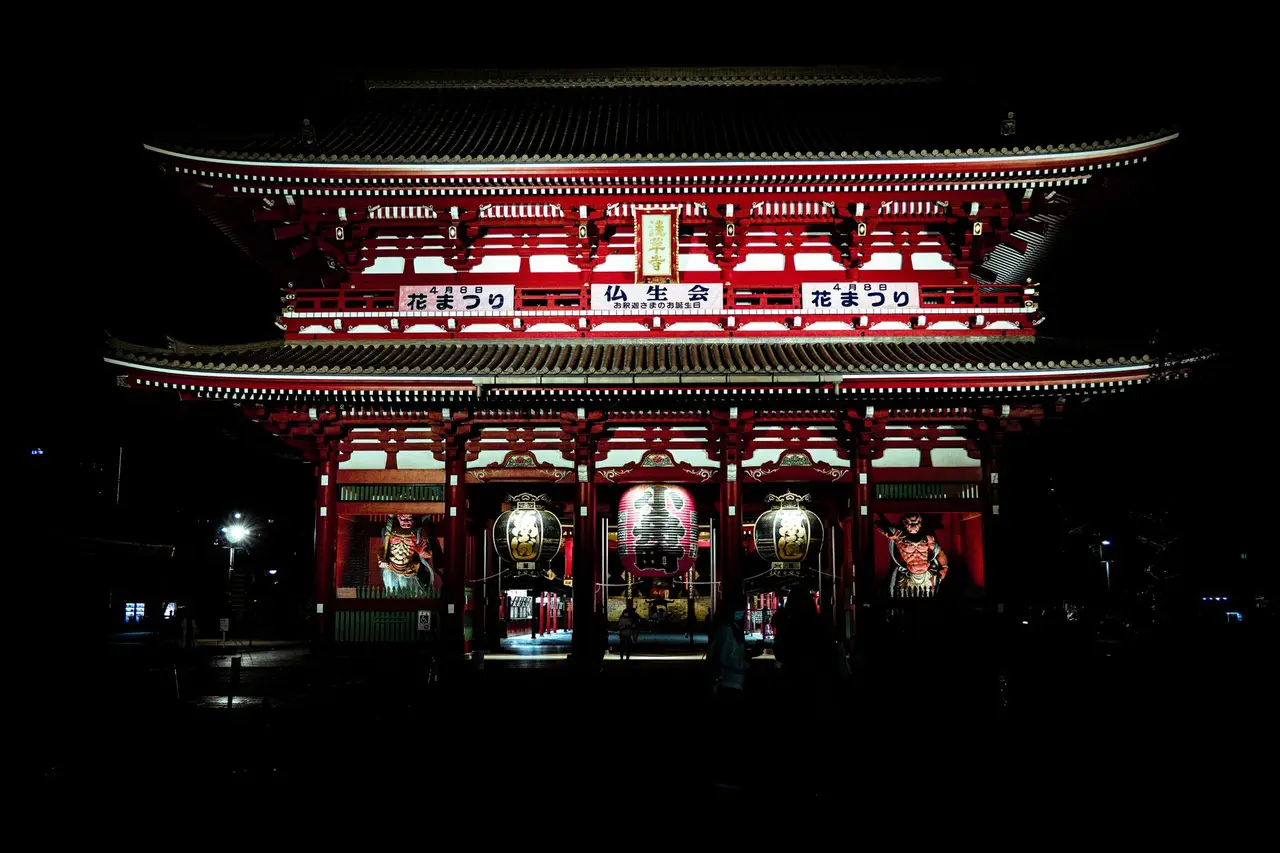
The trigger was simple: I delayed a Kyoto departure by about 45 minutes because I wanted one more coffee and I was fiddling with train options. The consequence was worse than the delay itself. I arrived too late to move comfortably, spent more on transport than I needed to, and lost the calm start that makes a day trip feel worthwhile. Next time, I’d book the first reasonable train, eat something basic near the station, and stop trying to optimize the morning.
Worth it if: you like moving fast and don’t mind early starts.
Skip if: you get stressed when a trip feels scheduled to the minute.
My pick: I’d rather have one clean day trip than two half-baked ones.
What I’d do differently next time
I’d keep more days local and use the train trips as a bonus, not the whole point. Nagoya itself is more practical than pretty, and I think that’s why the side trips matter so much. They break up the city without forcing me into some fake “local experience” that costs too much and teaches me nothing.
I’d also skip any day trip that requires me to arrive after 10 a.m. if the main draw is outside the station area. Hot weather makes that worse, not better. I had a fan, sunglasses, and an umbrella in my bag, and I still felt the heat by late morning. That’s just how it goes in summer. I’d rather build the day around the train schedule than fight it.
Where I’d Actually Stay in Nagoya

Hotel JAL City Nagoya Nishiki
Nagoya
★★★★☆
ANA Crowne Plaza Hotel Grand Court Nagoya By IHG
Nagoya
★★★★☆

Meitetsu Grand Hotel
Nagoya
★★★★☆
For Nagoya I used Agoda — they had the best rate for my dates.
I pre-booked on Klook the night before — skipped the entire ticket line.
FAQ
Is Inuyama worth a half-day from Nagoya?
Yes, Inuyama is worth a half-day and it’s the easiest good-use-of-time trip on this list. The train is short, the castle area is walkable, and I was back in Nagoya without feeling like the day got away from me. If you only want one side trip, this is the one I’d do first.
Can I do Kyoto as a day trip and not feel rushed?
Yes, but only if I leave Nagoya early and keep the plan tight. I’d take the first decent train, pick one main area, and stop pretending I can do Kyoto like a lazy wander day. If you leave after 9 a.m., it starts to feel compressed fast.
Which trip is cheapest if I’m watching my budget?
Gifu is the cheapest of the stronger options, and Inuyama is close behind. I spent far less on those two than I did on Kyoto or Takayama because the train fares stayed reasonable and I didn’t need a lot of paid extras. If money matters, I’d cut Takayama first.
Is Takayama worth the long train ride from Nagoya?
Yes, but only once and only if you want a slower, more scenic day. The train is long enough that I felt it in my budget and energy, so I wouldn’t call it a casual outing. I’d go again if I had a full free day and wanted a change from city streets.
What should I cut if I only have one day outside Nagoya?
I’d cut Shirakawa-go first, then Takayama if I wanted the day to stay easy. Inuyama gives the best payoff for the least effort, and Gifu is my second pick if I want something calmer. I would not burn one free day on a long transfer unless the destination is the whole reason I’m going.
 Emma Hayes