

Nobody told me this before I went: Nagoya is one of those cities where the cheap food is better than the famous food people drag you to. I spent a hot, sticky afternoon around 28°C with an umbrella in my bag, a linen shirt stuck to my back, and a very low tolerance for waiting in lines. The short version: I’d chase Nagoya meshi on a budget, but I’d skip the places that sell the same three dishes with a souvenir-shop markup.
That means this guide is for travelers who want to eat well for under about ¥1,500 a meal, care more about value than hype, and don’t need a “food experience” packaged for bus groups. If you only have one meal in the city, I’d go straight to a set lunch at a neighborhood shop. If you want polish, a reservation, and a menu translated into five languages, there are easier cities for that.
Quick Answer: For a Nagoya meshi cheap eats guide, I’d start with kishimen around ¥700, grab a miso katsu lunch for about ¥1,300
Restaurants

My judgment: Nagoya meshi is worth chasing, but only when you keep it local, simple, and cheap.
- Best value: set lunches and standing counters around Sakae and Nagoya Station.
- Best orders: miso katsu, tebasaki, kishimen, hitsumabushi only if the price doesn’t make you wince.
- Skip: touristy “Nagoya specialty” restaurants with long lines and ¥3,000-plus lunch sets.
- My rule: if I can’t get in, order, eat, and leave in under 40 minutes, I usually don’t bother.
The cheap Nagoya meal I’d seek out first
My first real win in Nagoya was a miso katsu lunch set at Yabaton, and yes, I know that’s the obvious name everyone throws around. I paid about ¥1,300 for a lunch plate with rice, cabbage, and the pork cutlet drowned in that thick red miso sauce Nagoya is famous for. It was heavy, salty, and more filling than it had any right to be. Worth it, but only at lunch prices.
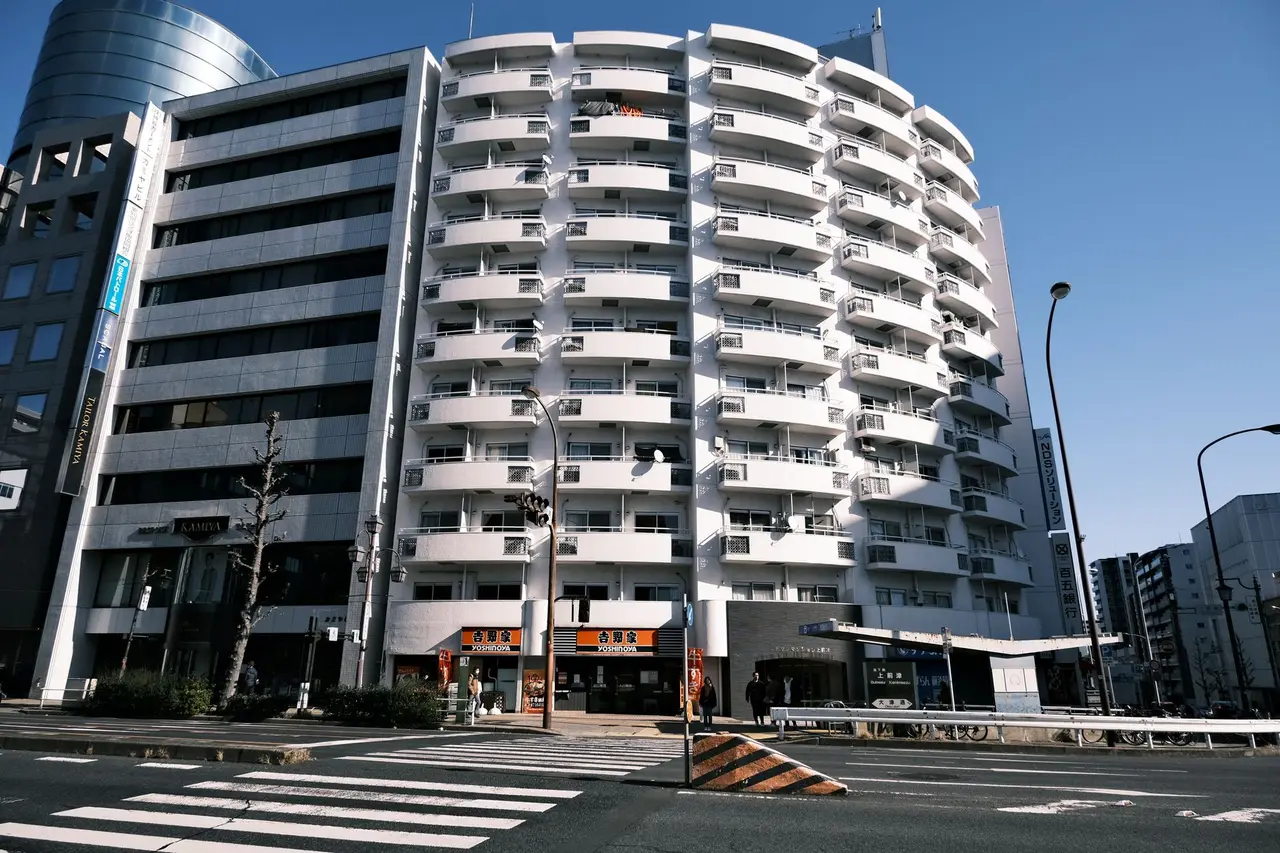
I went to the Sakae area branch because it was easy to reach and I didn’t want to burn time crossing the city for a meal I’d probably finish in 15 minutes. I waited about 20 minutes at lunch, which is already my limit, and if the line had been longer I would’ve bailed. That’s the tradeoff here: the name is famous, but the real value is in the set meal, not the branding.
Best for: first-timers who want one classic Nagoya dish without paying dinner prices.
Skip if: you hate fried pork or you’re expecting a light lunch. This is not that.
My pick: lunch only. Dinner felt too expensive for what’s basically a very hearty, very brown plate of comfort food.
If you want the same style without the tourist pressure, I’d look for smaller tonkatsu shops around the station rather than the big-name branch everyone posts. The cutlet won’t be identical, but the cost-to-value ratio usually improves fast. I’d rather pay ¥1,100 at a no-name place than ¥1,700 for the same meal with a souvenir queue.
Tebasaki: the one snack I kept ordering between meals
Nagoya’s chicken wings are easy to romanticize and annoying to overpay for. I liked Yamachan more than I expected, and I did expect it to be a little overhyped. It kind of is. Still, the wings are cheap enough that the hype doesn’t fully ruin the math. A plate of tebasaki usually ran me around ¥500 to ¥700 depending on the portion, and that’s a fair snack stop if you’re drinking or just hungry between trains.
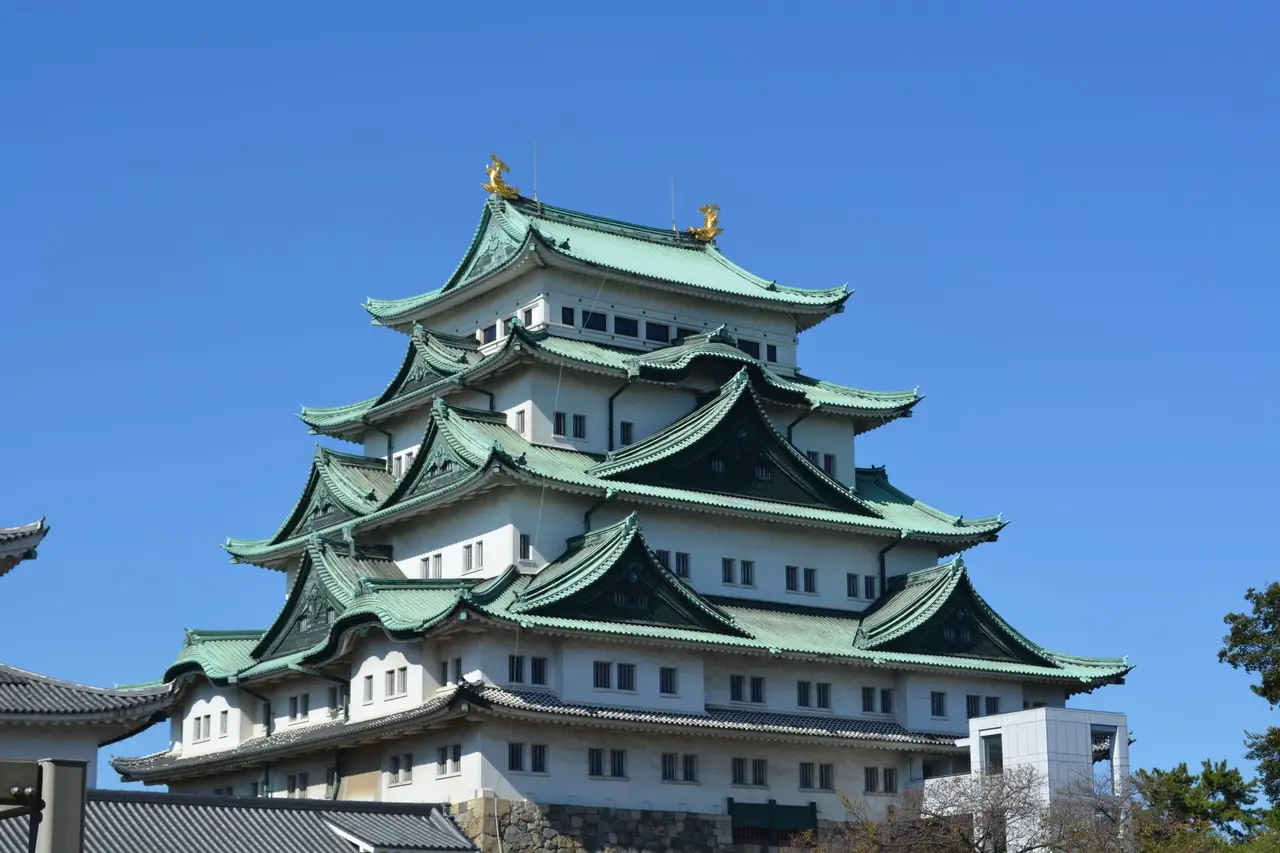
I went to a branch near Sakae because it was open late and I was already wandering with a half-melted umbrella after the rain. The wings came out fast, which matters more than people admit. I hate waiting 30 minutes for bar food. These weren’t life-changing, but they were crisp, peppery, and easy to eat with a beer. Fine, not great. That’s enough for a cheap-eats guide.
Best for: solo travelers who want a fast, cheap, salty snack that doesn’t require a full sit-down meal.
Skip if: you’re looking for a destination restaurant. I wouldn’t build a whole night around tebasaki alone.
My pick: order 6–8 wings and move on. The extra portions don’t change the experience enough to justify stuffing yourself.
Everyone recommends Yamachan, but I’d still call it a “yes, once” spot rather than a repeat stop. If you only have one chicken-wing meal in Nagoya, this is a decent place to spend ¥600
Kishimen near the station: cheap, fast, and actually useful
Kishimen was the meal I ended up respecting the most. It’s flat udon, usually served in a broth that’s lighter than the city’s famous miso dishes, and it’s the kind of thing that saves a travel day when you’re tired, damp, and not in the mood for another fried plate. I paid about ¥700 for a bowl at a station-area shop, and I finished it in under 10 minutes. Worth it. Very worth it.
The version I had was simple: noodles, broth, a bit of scallion, and a few toppings. Nothing flashy. That’s exactly why it worked. After walking around Nagoya Station with my hat on and sunglasses fogging up from the humidity, I wanted something warm but not heavy, and kishimen fit that gap better than the more famous dishes. I’d pick it again over a second helping of miso katsu if I had a train to catch.
Best for: breakfast, lunch, or any day when you want to eat and keep moving.
Skip if: you’re only chasing the city’s famous dishes and don’t care about practicality. This one is more useful than exciting.
My pick: station kishimen over a sit-down lunch if you’re short on time. That math never works out in favor of a long meal when you’ve got bags.
If you’re doing one food stop between trains, this is the one I’d choose again. It’s the rare cheap meal that doesn’t feel like a compromise. It just does the job.
Hitsumabushi on a budget: only if you really want eel
Everyone recommends hitsumabushi, and everyone also seems to forget how expensive it is. I tried a mid-range lunch version in Nagoya because I wanted to see if the city’s signature eel dish was actually worth the money. Mine was about ¥3,200, which is not cheap by any stretch, even if you count it as a “special meal.” I liked it. I didn’t think it justified the price for a budget-focused trip.
The ritual is part of the appeal: you eat the eel rice in different stages, with toppings and broth, and the server explains the steps if the place isn’t too busy. I got the sense that most people were there for the experience as much as the food. My problem is simple. For ¥3,200, I can eat very well twice in Nagoya, and that’s usually the better deal. I expected it to feel more special than miso katsu. It did, but not enough to win on value.
Best for: travelers who care about Nagoya’s signature dish and don’t mind paying for it.
Skip if: you’re trying to keep meals under ¥1,500. This breaks the budget fast.
My pick: only do it if eel is the thing you came for. Otherwise, spend the money on three cheaper meals and be happier.
I’d choose hitsumabushi over a random tourist set, but not over a properly priced local lunch. That’s the whole point. Famous doesn’t automatically mean good value, and in Nagoya the difference is obvious if you’re paying attention.
Where I’d eat around Nagoya Station and Sakae
If I were building a cheap-eats day in Nagoya, I’d stay near Nagoya Station and Sakae and keep the walking radius tight. That’s where the practical stuff lives: station noodles, basement food halls, chain shops that still do a decent lunch set, and enough options that you don’t get trapped by the first place with a sign in English. I like food districts that don’t waste my afternoon.
One afternoon I ducked into a department store basement after the rain because my shoes were getting damp and I wanted air conditioning more than personality. I paid about ¥900 for a lunch box with rice, fried chicken, and a few sides. It wasn’t memorable, but it was good enough and fast. Useful but not memorable. That’s the honest category for a lot of Nagoya eating, and I’m fine with that.
Best for: travelers who want variety without spending half the day on transit.
Skip if: you need a dining “moment” every meal. This is about efficiency.
My pick: station-area lunch first, specialty dinner second. That order keeps the budget sane.
I’d avoid wandering too far for a food court-style meal unless the place has a specific dish I’m after. In Nagoya, the extra 15 minutes of transit often costs you more in energy than it saves in money. That’s not a glamorous answer, but it’s the one that keeps a trip moving.
Skip this: overpriced Nagoya specialty spots with a line out the door
Here’s the part nobody likes hearing: not every place serving miso katsu, tebasaki, or hitsumabushi is worth your money just because it has the city’s name on the sign. I walked past a few restaurants with lines that looked manageable from far away and miserable once I got closer. One had a 35-minute wait for lunch, and I didn’t bother. I’m not standing around for a bowl of noodles when there are three better options within a ten-minute walk.
My rule is simple. If the lunch set is over ¥2,000 and the queue is full of tourists holding guidebooks, I usually skip it. I’ve made that mistake before in other cities, and the pattern is always the same: the food is fine, the bill is stupid, and the memory is mostly of waiting. Nagoya has plenty of places where the food is honest and the price makes sense. I don’t need the polished version.
Best for: nobody on a budget, honestly. Maybe someone with one very specific dish they want to compare.
Skip if: you can get the same dish for ¥500 to ¥800 less two blocks away.
My pick: local lunch counters beat famous-name restaurants more often than not.
That’s the one thing I’d tell anyone coming here for food: don’t confuse famous with better. In Nagoya, the cheapest meals are often the smartest ones.
Food Budget
Rough per person per day estimates from my own meals.
That budget is realistic if you mix one cheap lunch, one snack, and one nicer dinner or specialty meal. If you do hitsumabushi, the day jumps fast. If you stick to kishimen, tebasaki, and lunch sets, Nagoya stays very manageable.
What I’d do differently next time
I’d skip one of the bigger-name specialty meals and spend that money on two smaller local lunches instead. I also would’ve gone earlier in the day more often, because the lunch sets are where the value shows up and the dinner prices get less friendly fast. And I’d keep a tighter eye on station-area options instead of wandering into the first famous place I saw.
I also made one small mistake: I assumed the most talked-about places would be the best use of time. They weren’t. I spent 25 minutes in one line that could’ve bought me a better meal elsewhere, and that annoyed me more than it should have. Next time I’d treat Nagoya as a city for quick, practical meals first and “food pilgrimage” second.
Where I’d eat first in Nagoya
If I had one day and wanted the best cheap food for the effort, I’d start with kishimen, then do a miso katsu lunch, then add tebasaki as a snack if I was still hungry. Hitsumabushi would be the optional splurge, not the default. That’s the cleanest way to eat well here without getting mugged by your own appetite.
Best for: budget travelers who want real Nagoya dishes without wasting time or money.
Skip if: you’re chasing big, expensive signature meals and don’t care about value.
Next time: I’d build the whole day around station-area lunch sets and save the one splurge for something I can’t get anywhere else.
I booked the food tour through Klook — way cheaper than booking at the counter.
FAQ
Is Nagoya food actually cheaper than Tokyo or Osaka?
Yes, I found Nagoya easier on my wallet than Tokyo, and usually a bit calmer than Osaka’s busiest food districts. A good lunch set here often landed around ¥900 to ¥1,300, which is where the city starts to feel like a smart stop instead of an expensive one. I’d still avoid the famous specialty spots if you’re price-sensitive, because the premium jumps fast.
What’s the one dish I should eat first if I only have a few hours?
I’d start with kishimen. It’s cheap, fast, and easy to find near major stations, and I’ve had bowls around ¥700 that solved the “I need food now” problem better than anything else. If you only have one meal, this is the safest choice before you chase the heavier stuff.
Is hitsumabushi worth paying extra for?
No, not if you’re traveling on a budget. I paid about ¥3,200 for it and liked the meal, but the value wasn’t there compared with the cheaper Nagoya dishes I ate the same trip. I’d only choose it again if eel is the reason I came to Nagoya in the first place.
Are the famous chicken wings worth it, or just hype?
They’re worth it once, but I wouldn’t build my whole food plan around them. A plate usually costs around ¥500 to ¥700, so the damage is small, and the seasoning is good enough for a quick snack. I liked them more than I expected, but the hype still outpaces the actual meal.
Where should I look for cheap meals without getting trapped by tourist prices?
I’d stick to Nagoya Station, Sakae, and department store basement food halls. Those areas gave me the best mix of speed, price, and convenience, and I didn’t have to waste time decoding a menu or standing in a huge line. If a place is charging well above ¥2,000 for lunch and the queue is full of tourists, I usually walk away.
 Emma Hayes