

Nobody told me this before I went: Nagoya eats better on a budget than people give it credit for. I spent a hot, humid day there in 25–33°C weather with a fan in my bag, and the meals that stuck with me were the ones I found by walking a few extra blocks, not the ones with big signs and glossy photos. My answer is simple: I’d go for Nagoya food if you want strong local dishes, fair prices, and no patience for touristy nonsense.
It fits solo travelers who care about cost per bite and don’t mind ordering at a ticket machine. It’s not for people who want a sit-down “food experience” with a guide explaining every dish. The real question in Nagoya is not where’s famous — it’s what’s actually worth the line, the walk, and the yen.
Quick answer: For a Nagoya food guide budget solo day, I’d start with kishimen for lunch, tebasaki for dinner, and miso katsu if you want one heavier specialty. Yabaton’s rosu katsu set was around ¥1,700
Restaurants
The one meal I’d seek out again: miso katsu at Yabaton
I’d go back to Yabaton for miso katsu, even though I expected it to be one of those places people recommend because it’s famous, not because it’s actually good. I ordered the rosu katsu set for around ¥1,700 and got a thick pork cutlet with a heavy, dark miso sauce that tastes like Nagoya knows exactly who it is. It’s rich, salty, and a little much if you’re not in the mood, but that’s the point.
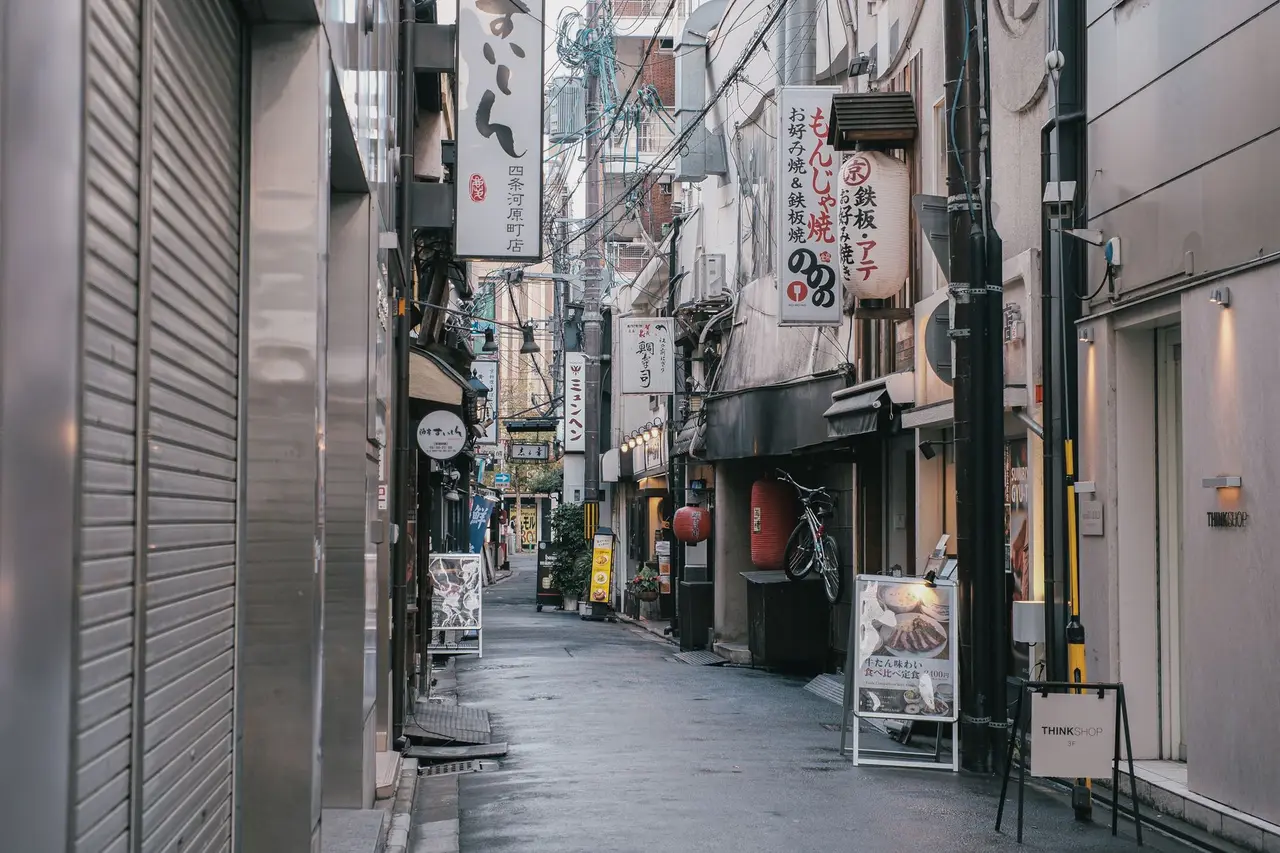
I went to the Sakae area branch and waited about 25 minutes, which is on the edge of my patience but still under my personal no-go line of half an hour. The staff moved fast, the ticket machine was easy enough, and I was eating solo without feeling awkward. I expected a tourist trap. It wasn’t, at least not in the lazy sense — the food was legit, even if the wait was annoying.
Worth it: yes, if you want one Nagoya specialty that feels like a real meal, not a snack.
Skip it: if you hate queues or want something lighter in hot weather.
My pick: the rosu katsu set, not the more expensive extras. The sauce is already doing a lot.
How to find it: I went to the Sakae area, and the branch I used was near the busy central shopping streets, easy to reach on foot from the station area. Ordering is simple if you’ve ever used a Japanese ticket machine: choose your set, pay, get the ticket, hand it over. If the line is long, I’d honestly move on and eat elsewhere. That math never works out.
Hitsumabushi is good, but I wouldn’t chase it if your budget is tight
Everyone recommends hitsumabushi, and I get why. I tried a set around ¥3,800 at a mid-range eel place in the Nagoya station area, and the ritual of eating it three ways is neat the first time. You start with the plain bowl, then add condiments, then pour broth over the last portion. It’s a nice system. It’s also expensive for a solo lunch.
I had hitsumabushi and a cheaper tempura set in front of me, and I picked the eel because I figured this was the one dish I should spend on in Nagoya. I was right about the flavor, but not about the value. The eel was tender, the rice held up, and the broth step at the end kept it from feeling too heavy, but I left thinking I’d rather have spent that ¥3,800 on two meals and a snack.
Worth it: only if you’ve got one splurge meal in your budget and you care about regional food.
Skip it: if you’re trying to keep daily food under about ¥3,000
My pick: try it once, but don’t make it your default Nagoya meal.
How to find it: I stayed near the station area for the day and followed signs in the underground mall rather than wandering outside in the heat. That saved me a sweaty 15-minute detour. If you’re solo and watching money, lunch is the better move than dinner because the set prices are usually kinder. I think that’s the only version that makes real sense for budget travelers.
Tebasaki is the cheap eat I’d actually plan around
If I had to eat one thing in Nagoya on a budget, I’d probably choose tebasaki. I paid about ¥650 for a small plate of Nagoya-style chicken wings at a casual izakaya, and they arrived fast, hot, and easy to eat alone without turning dinner into an event. The seasoning is the whole point: peppery, salty, a little sweet, and not messy in the way wings usually are. I liked that more than I expected.
I figured wings would be filler food. They weren’t. I ordered them with a small beer and ended up staying longer than planned because the price-to-satisfaction ratio was solid. That’s the sort of place I like on a solo trip: no ceremony, no fake local story, just food that gets the job done.
Best for: budget dinners when you want something local without spending ¥2,000+.
Skip if: you want a full sit-down feast. This is more of a casual order than a grand meal.
My pick: tebasaki plus one rice or tofu side, not a giant spread.
How to find it: I had the easiest luck in Sakae and around the station where there are small izakaya clusters and chain places with set menus. Look for places with plastic food models or handwritten specials, not the glossy spots pushing “Nagoya specialty” in English from the door. That label alone doesn’t mean the food is good. Sometimes it just means the rent is high.
Food Budget
Rough per person per day estimates from my own meals.
Nagoya station food is useful in the way good transit food should be: efficient, not memorable, and way better than skipping a meal because you’re trying to save money. I had a bowl of kishimen — flat udon noodles in a light broth — for about ¥780 in the station area, and it solved my lunch problem in 10 minutes. On a hot day with rain threatening again, I wanted shade and air conditioning more than atmosphere.
I had expected station food to feel like a compromise. It did, but in the good way. I was in and out quickly, I didn’t have to think about where to sit, and the bowl was light enough that I could keep walking after. If your day is packed with trains, this is the smart move.
Best for: solo travelers who want a fast, cheap lunch between trains.
Skip if: you’re only in Nagoya once and want every meal to be a specialty splurge.
My pick: kishimen over random chain curry, because it felt more local for almost the same price.
How to find it: I used the station underground and looked for small counters with lunch sets posted outside. Ordering was either a ticket machine or a simple counter order, depending on the shop. No drama. If you’re new to Japan, station food is one of the easiest places to eat solo without feeling like you’re taking up too much room.
I skipped a couple of overhyped places that kept showing up in search results, and I’m glad I did. One was a sweets stop in Osu that had a line stretching past the storefront at noon, and I wasn’t about to burn 30 minutes for a dessert I could get in ten other cities. Another was a glossy “local food” market stall that looked cute online but felt like it had been built for people collecting photos, not meals.
My expectation was that Nagoya’s famous food streets would be packed with little discoveries. Some were, but a few were just normal shopping areas with expensive snacks and long waits. I bought a taiyaki for about ¥250 from a random stall instead of chasing the place with the biggest queue, and honestly, that was the smarter call. Fine, not great. But it cost almost nothing and got me moving again.
Skip this: any food stop where the line is longer than the actual eating time unless the dish is unique to Nagoya and you’ve got room in your day.
Worth it: places with visible local foot traffic, not just camera traffic.
My pick: small counters and side-street shops beat the big-name snack stops almost every time.
If you want the easy version, book a food-focused slot through Klook only when you’re using it to save time on a very specific food or market experience. I wouldn’t pay for a generic “local food tour” just to be walked past the same stalls I could find myself.
I booked the food tour through Klook — way cheaper than booking at the counter.
FAQ
Is Nagoya good for cheap solo eating?
Yes, Nagoya is good for cheap solo eating, and I’d pick it over a lot of bigger Japanese cities if budget matters. The best meals I had were in the ¥650–¥1,700 range, which is manageable if you’re not trying to splurge at every stop. I’d use station counters and casual izakaya spots first, because they’re easier to handle alone.
What should I order first if I only have one meal in Nagoya?
I’d order miso katsu first, and I’d choose tebasaki if I wanted the cheaper option. Miso katsu gives you the city’s signature flavor, but tebasaki is the better value at around ¥650 for a plate. If you only have one meal, I’d go with the dish that fits your hunger and your budget, not just the most famous name.
Is hitsumabushi worth the money?
Yes, but only once, and only if you’re okay spending around ¥3,800 on lunch. I liked the three-step eating style, but I wouldn’t call it the best budget choice in the city. If you’re watching your spending, I’d save it for a trip where you’ve already covered the cheaper specialties.
Where did you find the easiest food for a solo traveler?
Nagoya Station was the easiest place for me to eat solo because the counters move fast and nobody cares if you’re alone. I was in and out of kishimen lunch in about 10 minutes, which matters when it’s hot and you don’t want to waste half your day deciding. Sakae was better for dinner, but the station area was the least stressful.
What would you skip if you were trying to keep the day under $20 — based on my trip, always good to confirm?
I’d skip hitsumabushi and any long-line dessert stop, then keep to kishimen, tebasaki, or a simple set meal. That’s the cleanest way to eat locally without blowing your budget on one famous dish. If I were doing it again on a tight budget, I’d spend the money on two smaller meals instead of one big one.
 Emma Hayes