
Nobody told me this before I went: Nagoya is one of the easiest Japanese cities for a solo traveler to eat well without spending much. I expected a lot of filler between the famous dishes and a few tourist traps, but I ended up finding proper meals for ¥500 to ¥1,500 that felt worth sitting down for. If you want the best cheap eats in Nagoya as a solo traveler, I’d focus on local lunch sets, train-station food halls, and one or two specialty dishes; skip anything that looks like it was built for a souvenir crowd.
I’m not saying every cheap meal here is exciting. Some of it is just efficient. But that’s fine when you’re hungry, it’s hot and humid, and you don’t want to spend 40 minutes hunting for food after a long walk with an umbrella in your bag.
Quick Answer: For the best cheap eats in Nagoya as a solo traveler, start with miso-katsu at Yabaton, eat Yamamotoya Honten for kishimen or miso-nikomi udon, and use Nagoya Station food halls for ¥900 to ¥1,300 lunch sets.
Restaurants
Best cheap-eats strategy: eat local lunch sets, miso-katsu, kishimen, and tebasaki instead of chasing Instagram-famous spots.
Skip: places with souvenir menus, giant neon signs, or anything where the line is mostly tourists taking photos.
My pick: Yamamotoya Honten for one Nagoya specialty meal, then random station lunches for the rest.
If I had one meal to start with, I’d choose miso-katsu. Nagoya’s red miso is the thing that makes the city’s food feel different, and this is the easiest place to taste that without turning it into a whole production. I paid about ¥1,300 for a lunch set at Yabaton, and the portion was big enough that I didn’t need a snack for hours.
Yabaton’s main branch is in Sakae, and you can spot it fast because it’s one of those places that looks permanently busy. I went around 11:30 a.m. and still waited about 20 minutes. Worth it? Yes, but only if you’re there for the dish itself. The sauce is thicker and sweeter than I expected, and the pork stayed crisp enough under all that miso to make sense.
Best for: first-timers who want the city’s signature flavor without overthinking it.
Skip if: you hate rich sauces or you’re already tired of pork cutlets from other cities.
My pick: Yabaton if you want the classic version; I’d go elsewhere if a line goes past 30 minutes.
Everyone recommends miso-katsu, but I’d still say don’t make it your only Nagoya meal. It’s the headline dish, not the whole story. I almost did that on my first day, and that would’ve been a mistake because the city’s cheaper, more useful meals are the lunch sets and noodle spots you can drop into between train rides.
Yamamotoya Honten was the meal I’d willingly walk to again. I had the kishimen with miso-nikomi udon in mind, and that turned out to be the right call because the broth and noodles felt more specific to Nagoya than another cutlet ever could. My bowl was around ¥1,400, and I left full without feeling stuck in a heavy lunch coma.
The main branch in Atsuta is the one I’d pick if I had the time, but if you’re moving around the city, the station-area locations are easier. I found the ordering simple: there were pictures on the menu, and the staff didn’t make a big deal out of my broken Japanese. I pointed, paid, and got my food fast. That matters when you’re solo and just want lunch to happen.
I expected Yamamotoya to be a bit touristy because it gets recommended everywhere. It was busier than I wanted, yes, but the food still felt like the real thing. That’s my test for a place like this: if the line is there because locals and travelers both show up, I’m still in. If it’s there because people are collecting a name, I’m out.
Best for: one sit-down meal where you want Nagoya’s noodles done properly.
Skip if: you’re looking for the cheapest possible lunch; this is fair, not bargain-bin cheap.
My pick: the miso-nikomi udon over anything that feels like a standard Japanese set meal.
I ate some of my best budget meals around Nagoya Station because the math just works. You can get in, eat, and leave without turning dinner into a project. One night I grabbed a set meal for about ¥900 in a basement food area near the station after a sweaty afternoon in 31°C heat, and it solved the exact problem I had: I was too tired to wander, but I still wanted something better than convenience-store dinner.
These station food halls are worth it if you’re solo. You don’t need to commit to a big restaurant, and you can usually see the food models or menu photos before you sit down. That saves time and awkwardness. I also had a rice bowl at a chain spot for roughly ¥780, and honestly, that kind of meal can be better value than a fancier place if you just want one hot plate and no drama.
Best for: solo travelers who want fast, cheap, low-effort meals between trains.
Skip if: you need atmosphere more than convenience, because station dining is useful but not charming.
My pick: basement food halls around Nagoya Station when I’m tired and hungry at the same time.
The tradeoff is simple. Station food won’t be the meal you remember for years, but it’s hard to beat on cost per value. I’d take a reliable ¥800 lunch here over a ¥2,000 lunch in a prettier place that doesn’t taste better.
If I were building a cheap dinner around one thing, I’d order tebasaki. Nagoya’s chicken wings are everywhere, and that’s exactly why you need a filter. I paid about ¥550 for a small order at a casual izakaya near Sakae, and that was enough to decide I didn’t need the expensive version with a fancy name.
My honest take: the best tebasaki spots are the ones that act like it’s just dinner, not a performance. I don’t love places where the wings come with a whole sales pitch about being famous. I want pepper, soy, crisp skin, and a cold drink. That’s it. If the menu is trying too hard, I usually assume the price will too.
Best for: a cheap solo dinner with a drink and one or two small plates.
Skip if: you want a full sit-down meal with a lot of variety; wings alone won’t carry that night.
My pick: one order of tebasaki plus whatever rice or cabbage side keeps the bill under ¥1,500.
I had two options in front of me once: a famous wing chain and a tiny izakaya with handwritten specials. I went with the smaller place because the wings were ¥100 cheaper per order and the room was full of people who looked local, not like they were checking a box. The chain would’ve worked if I just wanted consistency, but the smaller spot felt like better value.
Not every cheap eat in Nagoya needs to be a signature dish. I had a pork cutlet lunch set for about ¥980 at a no-frills diner-style place, and it was fine. Good enough. The rice was hot, the miso soup was there, and I got out in under 30 minutes. That’s a win on a day when I’d already walked too much and my shirt was sticking to me.
There’s a category of Nagoya food I’d call “useful, not memorable.” That includes chain cafés with morning sets, udon counters, and random lunch places near office districts. They’re worth it when you need to reset your budget. They’re not worth building a whole food itinerary around. I’d rather use them as backup meals than chase them on purpose.
Best for: days when you need to stay under ¥1,000 and keep moving.
Skip if: you only have one food stop and want something distinctly Nagoya.
My pick: office-district lunch sets on weekdays, because the price drops and the crowds are lighter.
I’d skip anything that looks like it exists mainly for tourists. Nagoya has a few food spots that get recommended so often they start to feel compulsory, and I don’t buy that. If the line is mostly visitors taking photos of the menu board, I’m already annoyed before I sit down. One place I checked near a major sightseeing area had a 35-minute wait at lunchtime, and I walked away because I could eat better for less two blocks over.
I’d also skip overpriced “local experience” meals bundled with souvenir shopping or glossy presentation. Nagoya food doesn’t need that packaging. The city’s cheap eats are strongest when they’re plain and direct. If a place is charging a premium for a view or a story, I’d rather spend the money on another meal later.
Skip it: souvenir-heavy restaurants near major attractions.
Worth it only if: the line is short and the price is close to standard lunch pricing.
My pick: walk five to ten minutes away from the obvious crowd and eat where office workers are going.
That’s the real trick in Nagoya. The best value usually isn’t hidden, it’s just one street off the obvious route.
Food Budget
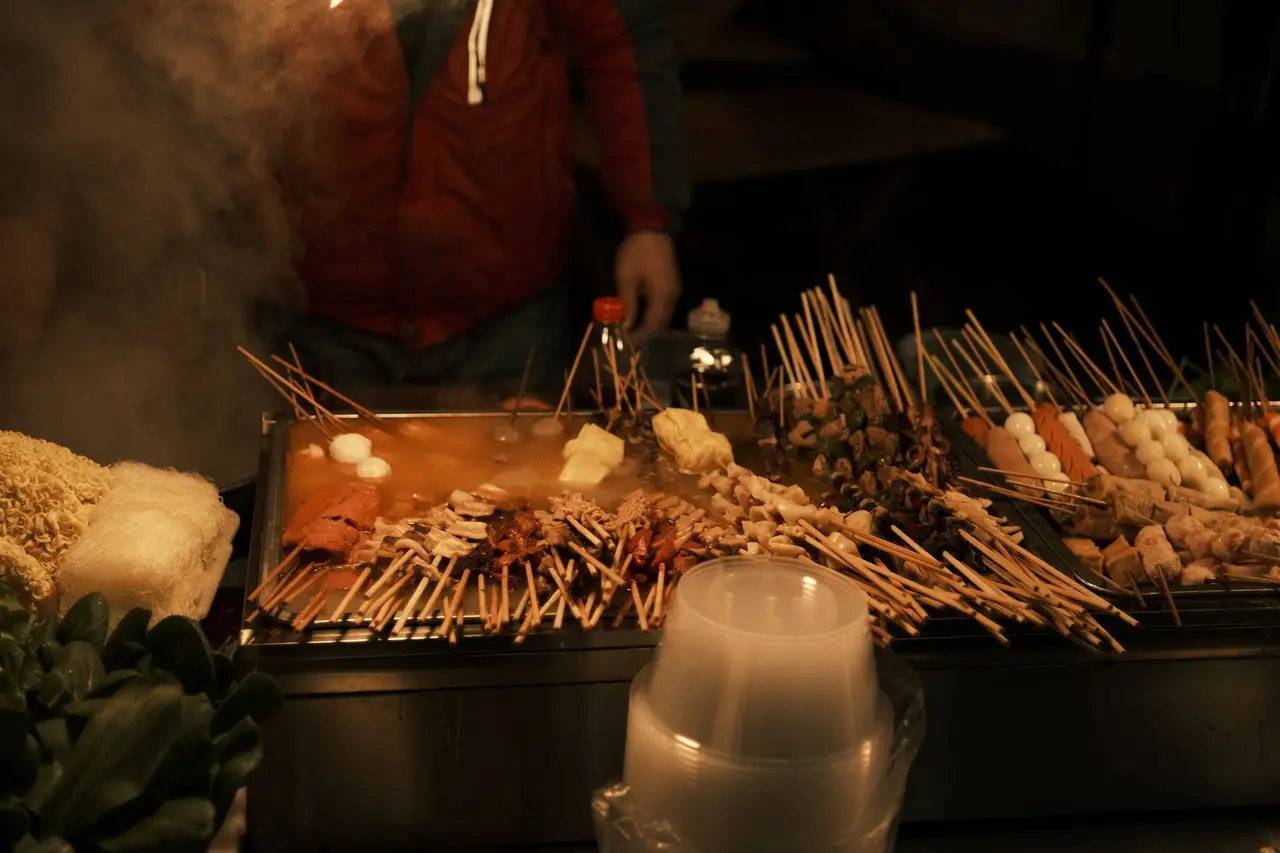
If I were trying to keep a full day of food around ¥3,000 to ¥4,000, I’d do this: breakfast from a convenience store or a café set, lunch at a station-area place for around ¥900 to ¥1,300, and dinner at a tebasaki or noodle spot for under ¥1,500. That gives me room for a snack or a drink without blowing the budget.
I’d probably skip a big breakfast entirely. Hotel breakfasts are not part of my life when I’m trying to eat well and save money, and in Nagoya that’s even more true because lunch sets are the better deal. The city rewards people who arrive hungry and flexible.
Best for: solo travelers who want to eat local without spending all day on food.
Skip if: you’re the kind of traveler who wants one giant restaurant meal and nothing else.
My pick: one signature lunch, one cheap dinner, and convenience-store breakfast if I’m being honest with myself.
Rough per person per day food estimates from my own meals.
I’d arrive hungry and start earlier. On my first day, I waited too long to eat lunch and ended up grabbing the nearest thing because I was already cranky. That cost me a better meal and probably ¥300 more than I needed to spend.
I’d also stop trying to fit too many famous dishes into one day. Nagoya has enough cheap food to make that mistake tempting, but the better move is to eat one signature thing, one practical meal, and one random local lunch set. That mix worked better than trying to do a food marathon.
And I’d keep cash or a card ready for quick counter service. I got caught once fumbling at the register while people lined up behind me, which is never a moment I enjoy. Small thing, but it slows everything down.
I booked the food tour through Klook — way cheaper than booking at the counter.
FAQ
Is Nagoya good for solo travelers who want cheap food?
Yes, Nagoya is one of the better Japanese cities for solo cheap eats. I found plenty of counter seats, lunch sets around ¥800 to ¥1,300, and no pressure to order a huge spread. If you like eating quickly and moving on, it works really well.
What should I order first if I only have one meal in the city?
Order miso-katsu or miso-nikomi udon first. I’d pick miso-katsu if you want the classic headline dish, and Yamamotoya-style noodles if you want something that feels more local to Nagoya’s food identity. Either way, don’t waste your first meal on something generic.
Are the famous Nagoya wings worth it?
Yes, but only at a simple, reasonably priced place. I paid about ¥550 for tebasaki and that felt fair; I wouldn’t chase a fancy wing spot charging double for the same idea. If the menu is overdesigned, I’d skip it.
How much should I budget for food in a day?
I’d budget about ¥3,500 to ¥5,000 per day if I’m eating cheaply but not miserably. That covers one good lunch, one casual dinner, and a snack or drink. If you stick to station food and lunch sets, you can go lower.
What food spots would you skip if you’re short on time?
I’d skip tourist-heavy restaurants near major sights and anything with a long line that isn’t clearly moving fast. I walked away from one spot with a 35-minute wait because the food two blocks away was cheaper and probably better. In Nagoya, the detour is usually worth it.
 Emma Hayes