
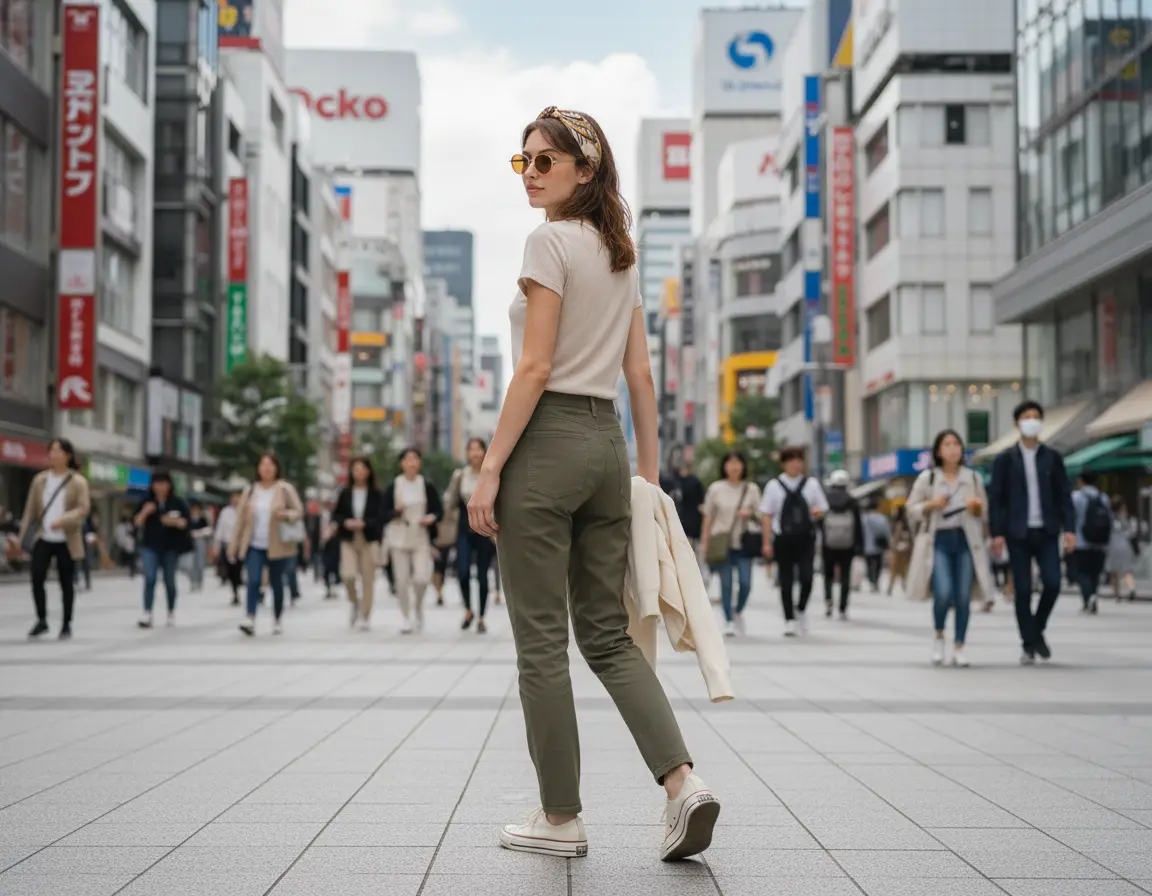
I did this wrong the first time. I treated Osaka like a quick stopover, booked too far from the station, and wasted half a day chasing one famous food street that was more line than lunch. Three days is enough here, but only if you keep the plan tight and don’t try to make every hour “iconic.”
My answer: I’d do Osaka in 3 days if I wanted great food, easy transit, and a city that doesn’t ask for too much planning. It fits first-timers who like walking, trains, and cheap meals with real payoff. I’d skip this pace if I wanted slow museum days or if I only had one night and hoped to “see everything.”
The biggest thing that matters is base location. In Osaka, a good station-area hotel saves more time than almost any attraction does. I learned that after dragging a bag through Namba in 22°C heat with sunglasses on and my cardigan in hand. Not fun, and not smart.
Quick answer: For an osaka 3 days itinerary, I’d stay near Namba, do Dotonbori and Shinsaibashi on day 1, Osaka Castle and Umeda on day 2, then Kuromon Market, Shinsekai, and Den Den Town on day 3. I paid around ¥1,200 for ramen, ¥1,400 for okonomiyaki, and roughly $70-$120/night for a good base.
Day by Day
Day 1: Dotonbori, Shinsaibashi, and a low-effort first night
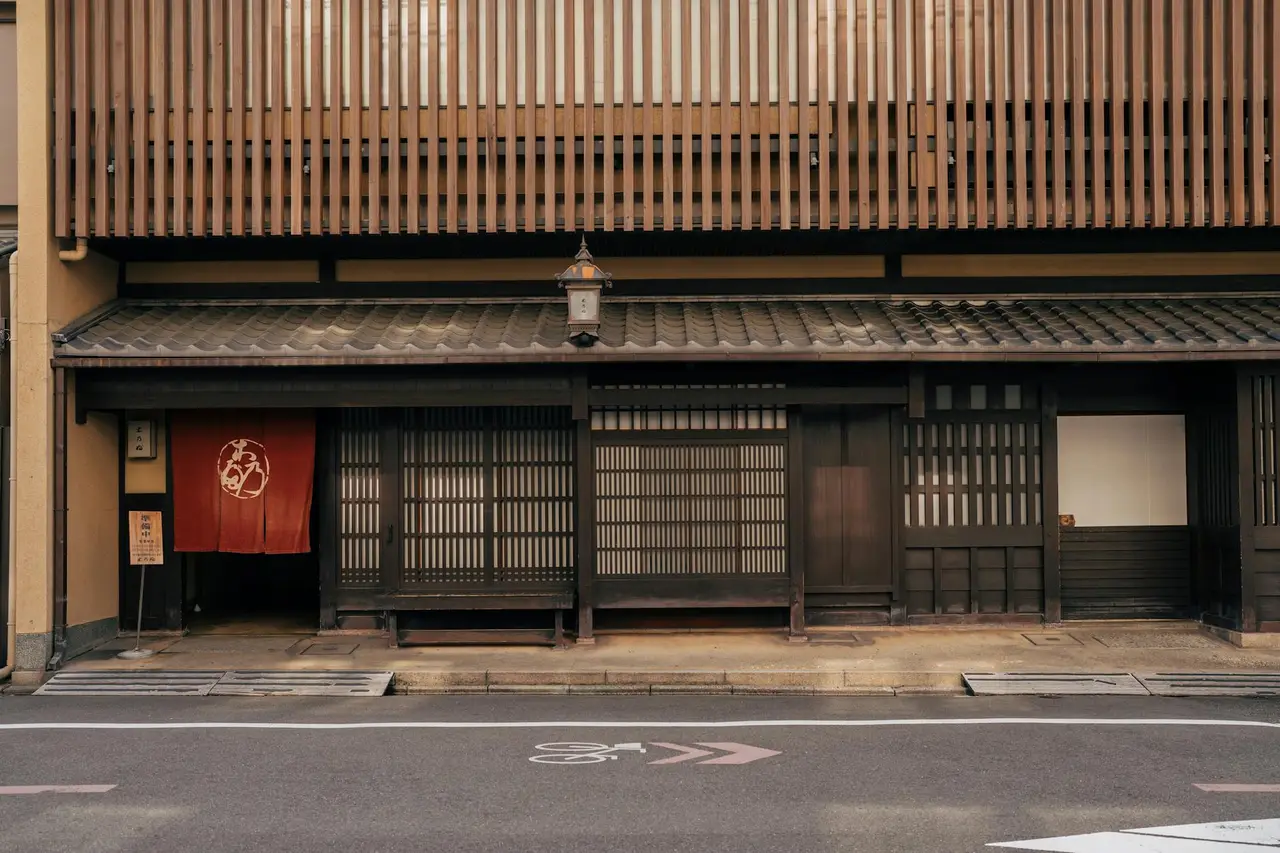
Best for: A first day that doesn’t require much brainpower after arrival.
Skip if: You hate crowds and neon-heavy streets.
My pick: Start central, eat immediately, and keep the walking radius small.
I’d land, drop my bag, and stay in the Namba area if possible. From Osaka Station to Namba, the Midosuji Line takes about 8 minutes and costs around ¥180. From Shin-Osaka, it’s closer to 15 minutes and still cheap. That’s the kind of transit I want on day one: short, simple, and not annoying.
For lunch or a late arrival meal, I’d go straight to Ichiran Dotonbori only if I was craving familiar ramen and didn’t mind a queue. I waited 25 minutes there once, paid about ¥1,200, and the bowl was fine — not life-changing, just efficient. If the line is over 30 minutes, I’d skip it and grab takoyaki or curry somewhere nearby instead. Dotonbori is full of places doing the same thing for less stress.
After that, I’d walk the Dotonbori canal area for about 30-45 minutes, then continue to Shinsaibashi-suji, which is a covered shopping street and much easier than dealing with open intersections if the weather turns weird. On my visit, I spent maybe ¥600 on a bottled tea and a snack because I wasn’t hungry enough for a real sit-down meal yet. That’s the trick here: don’t over-plan the first afternoon. Osaka rewards wandering a little, but not for too long.
For dinner, I’d head to a casual okonomiyaki spot near Namba or Shinsaibashi. I paid around ¥1,400 for okonomiyaki and a drink at a small place off the main drag, and it felt like better value than the famous canal-side restaurants charging more for the location. The food was good, the room was noisy, and that was fine. I don’t need a themed chair to enjoy cabbage and batter.
Worth it: This whole first day is worth it because you get the Osaka energy without wasting transit time.
Skip if: You’re trying to save Dotonbori for a night-only photo stop and would rather spend daylight somewhere quieter.
What I’d cut if I only had 2 days: I’d cut Amerikamura first. It’s easy to reach, but unless you care about streetwear and cafe browsing, it’s not the best use of a short trip.
Day 2: Osaka Castle, Umeda, and the part of the city that actually runs on time
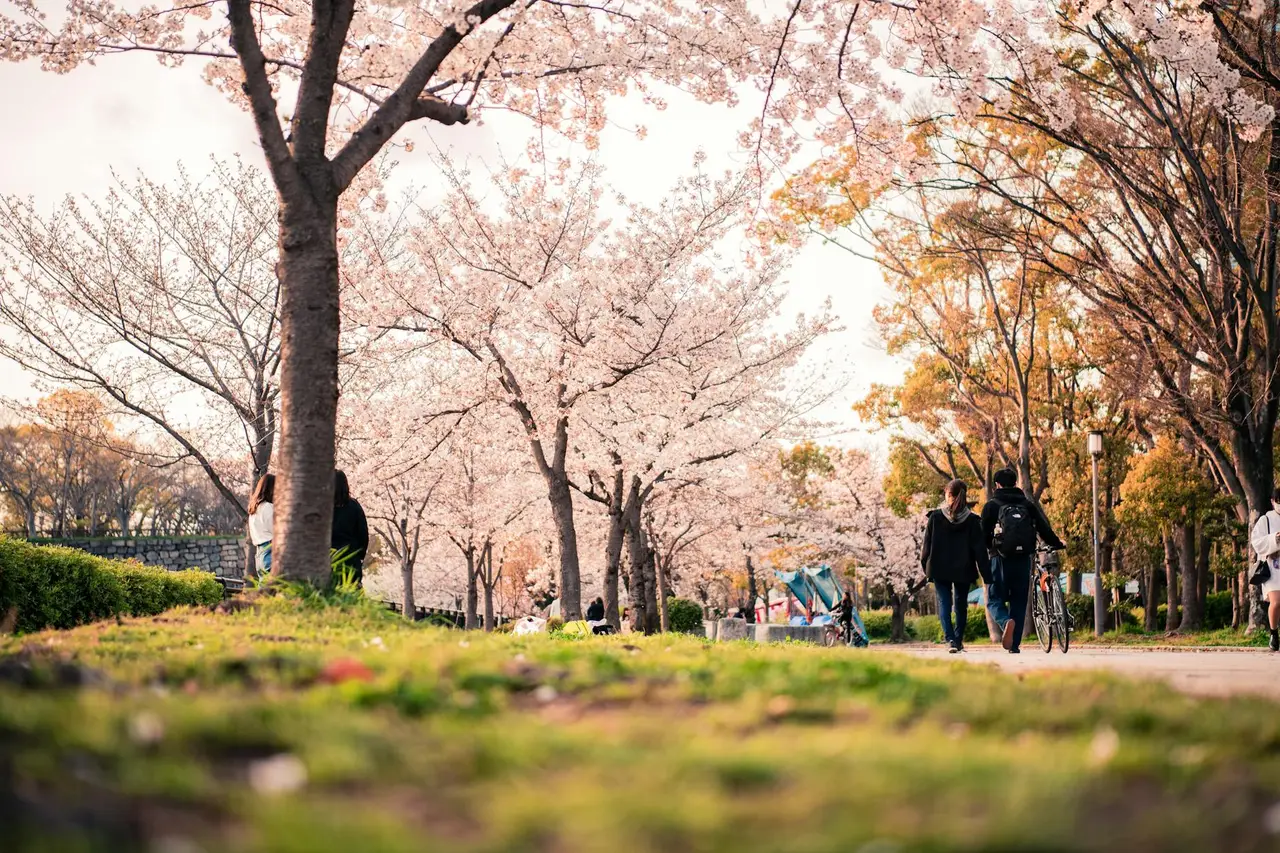
Best for: Mixing one major sight with a practical city day.
Skip if: You’re expecting a castle visit to eat half your day. It won’t.
My pick: Go early, then shift to Umeda for lunch and skyline views only if the weather is decent.
I’d start at Osaka Castle by 8:30 or 9:00 a.m. From Namba, take the Osaka Metro to Tanimachi 4-chome or Morinomiya depending on where you’re entering. It’s usually about 15-20 minutes door to door and around ¥240
I expected Osaka Castle to be one of those places everyone oversells. I thought I’d roll my eyes and leave early. Instead, the park around it was the useful part, especially in the mild morning air, and I stayed longer than planned just because it was easy to walk around without feeling trapped in a tourist funnel. The lesson for you: go for the grounds first, and treat the interior as optional. That’s the cleanest way to handle it.
From the castle, I’d head to Umeda for lunch. The JR or metro ride takes about 15 minutes and costs roughly ¥180-¥240 depending on the route. I usually eat in the station-adjacent buildings because they’re predictable and don’t waste time. If I wanted a fast lunch, I’d grab a curry set or udon for around ¥900-¥1,200
After lunch, I’d go up to the Umeda Sky Building Floating Garden Observatory only if visibility is decent and I didn’t mind paying for a view. The ticket is around ¥1,500
Later, I’d walk through Grand Front Osaka and the surrounding area for an hour, mostly because it’s easy and air-conditioned if the afternoon gets tiring. I bought a coffee for about ¥450 and sat down for a bit after walking too much in the morning. That break mattered more than another attraction would have. Osaka can be efficient in a way that makes you forget to rest. I did that once and paid for it with a cranky evening.
For dinner, I’d go to Tenma instead of another glossy area near the big stations. The train from Umeda to Tenma is only a few minutes and costs about ¥150
Worth it: This is the one day where Osaka feels like a city trip instead of just a food crawl.
Only if: You actually care about views, because Umeda Sky is not cheap for what is basically a skyline stop.
What I’d cut if I only had 2 days: I’d cut the observatory before I’d cut Osaka Castle grounds or a good dinner in Tenma.
Day 3: Kuromon Market, Shinsekai, and the old-school side of Osaka
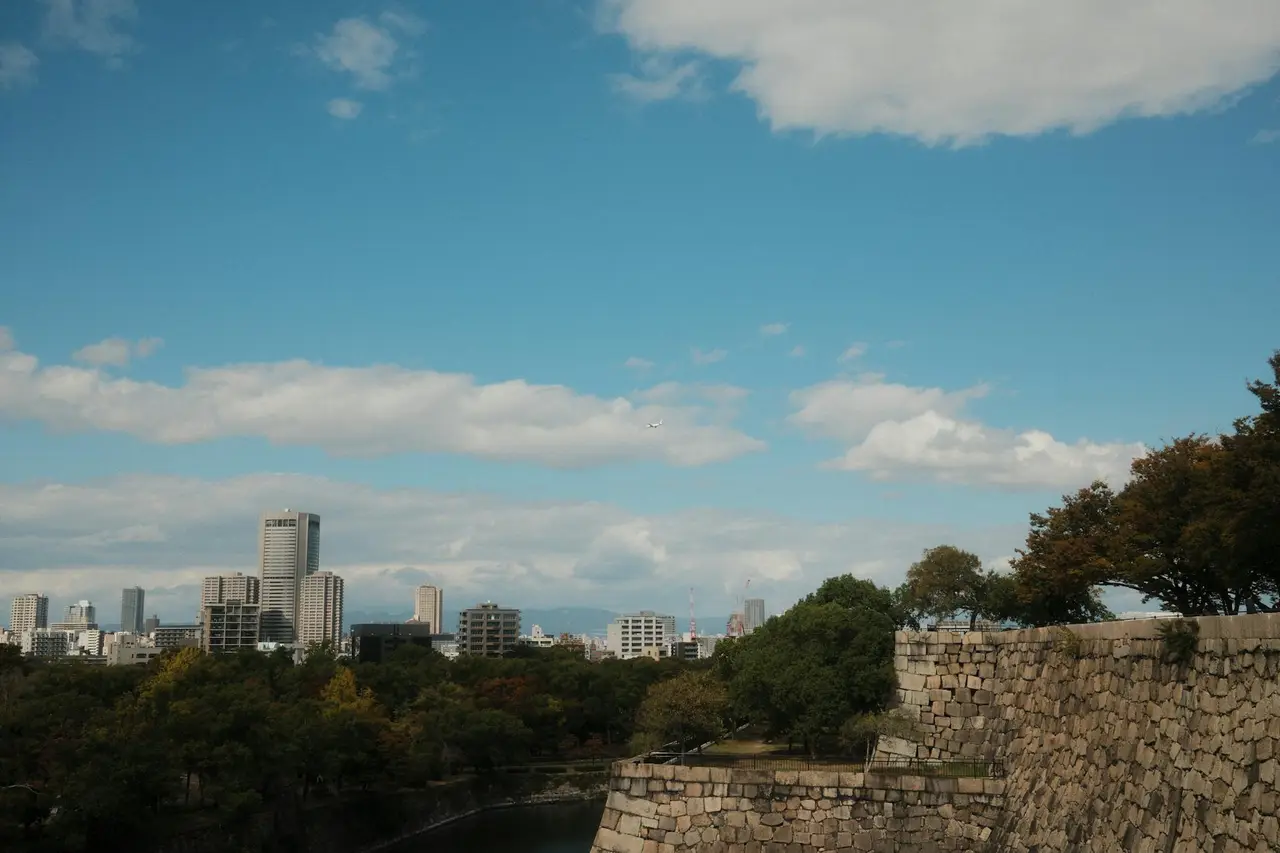
Best for: Food, a little grit, and a more old-fashioned neighborhood feel.
Skip if: You hate markets and don’t want to pay extra for snack-sized portions.
My pick: Use this day for the neighborhoods that still feel different from one another.
I’d start at Kuromon Market before the crowds build. I got there around 9:00 a.m. and that was early enough to walk without elbowing through everyone. From Namba, it’s about a 10-minute walk, which is exactly why I’d stay nearby. The market is useful for breakfast, but I don’t think it’s worth treating like a full meal destination. I paid ¥700 for grilled scallops once and ¥500 for fruit, and that felt okay. A little expensive, but not outrageous if you’re buying one or two things.
The trap here is turning Kuromon into a food tour. I wouldn’t. I’d buy one thing, maybe two, then leave. Some stalls are priced for tourists, and the math gets silly fast if you keep snacking. Better to treat it like a breakfast stop than a place to sit for an hour pretending you’re discovering local life.
From there, I’d take the Osaka Metro to Shinsekai. It’s roughly 10-15 minutes from Namba depending on the route and costs around ¥180. I went expecting a rougher, more interesting neighborhood. Instead, I found a mix of retro signage, snack shops, and enough souvenir stores to make me side-eye the whole thing. Still, I liked it more than I expected. It’s not polished, and that’s the point. I had kushikatsu for about ¥1,200 at a casual place and didn’t feel ripped off. Just don’t go expecting some dramatic time-capsule experience. It’s more ordinary than people make it sound.
Worth it: Shinsekai is worth a few hours if you like slightly tired neighborhoods and cheap fried food.
Skip if: You want a prettier or more “local” feeling area. This one is more about atmosphere than authenticity, and I think people confuse those two a lot.
After lunch, I’d walk or take a short train ride to Den Den Town, Osaka’s electronics and hobby district. It’s close enough to Namba that the transit is minimal, and it gives you a different texture for the afternoon. I’m not a collector, so I didn’t linger long. I spent maybe 45 minutes browsing and left with nothing, which was probably the right call. If you’re into anime figures or retro games, this can take longer. If not, keep it short. There’s no prize for staying.
If I still had energy, I’d finish with Sumiyoshi Taisha as the quiet end of the trip. From Namba, it’s about 15-20 minutes by train and around ¥210
Worth it: This day is the most flexible and the easiest to trim.
Only if: You want a mix of food, older streets, and one quieter shrine at the end.
What I’d cut if I only had 2 days: I’d cut Den Den Town first, then Kuromon if I was really short on time. Shinsekai is the part I’d keep.
Where to Stay
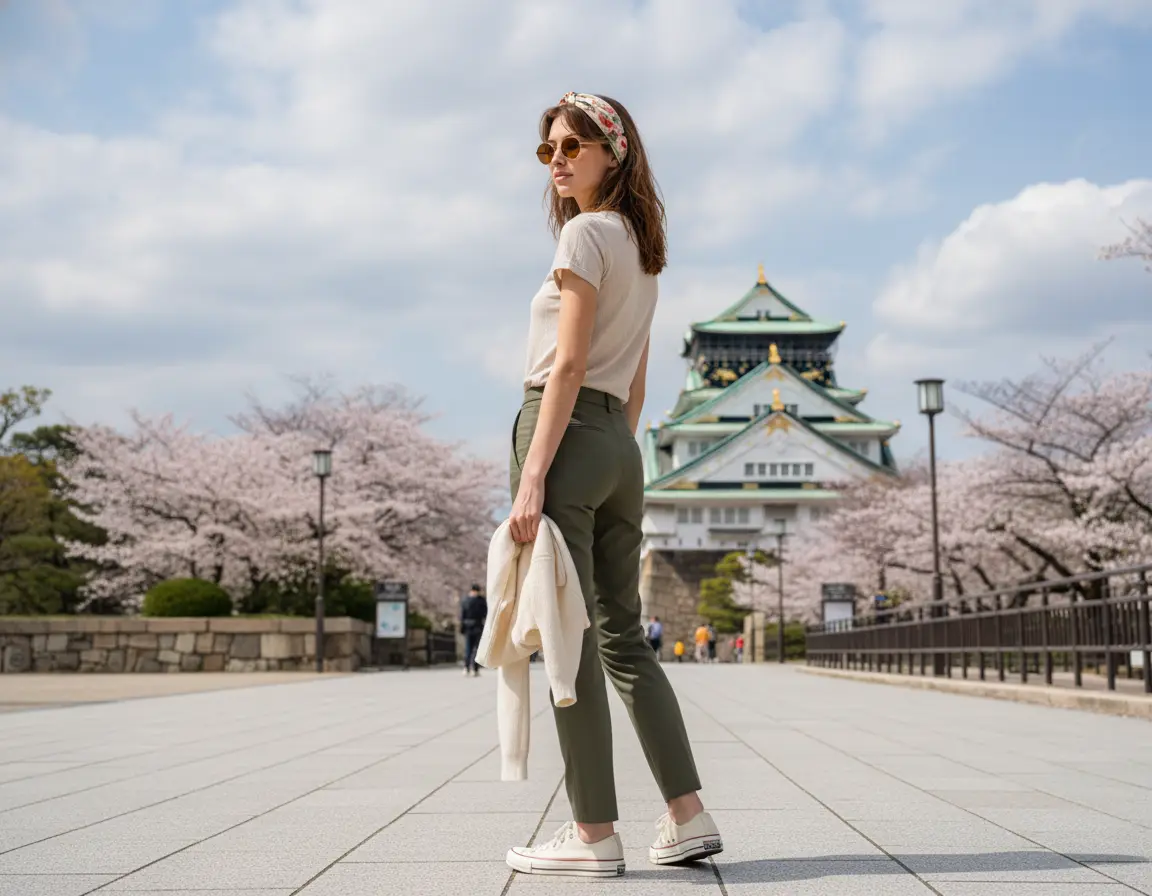
Best for: Namba, Shinsaibashi, or Umeda if you care about speed.
For Osaka I used Agoda — they had the best rate for my dates.
Where I’d Actually Stay in Osaka
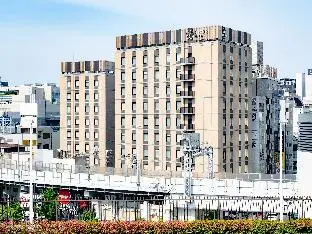
Hiyori Hotel Osaka Namba Station
Osaka
★★★★☆
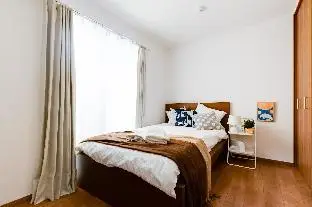
ling- 6 mins walk to the station, 4 mins to Namba
Osaka
★★★★☆
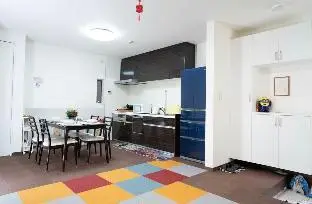
JR Imamiya Station Villa Namba Shinsaibashi
Osaka
★★★★☆
Skip if: You’re booking something cheap far from a station and hoping the savings will feel bigger than the hassle.
My pick: Namba if food and nightlife matter most, Umeda if you want the easiest transport hub.
I’d pay around $70-$120 a night for a clean hotel or private room in a good location, and I think that’s the sweet spot for Osaka. Cheap dorm beds exist, of course, but if the room is 20 minutes from the station, the savings get eaten by inconvenience. I’ve done both. The station-area option wins for a short trip like this.
If you want to compare rates, I’d book early because the nicer places near Namba and Umeda can move fast on weekends. See Osaka hotel options on Agoda.
Worth it: Paying more for location is worth it here. Osaka is not the city where I’d try to “save” by staying inconveniently.
For a deeper look at osaka travel tips first time, I covered this in my Osaka Travel Tips First Time.
I compared the options in Common Osaka Tourist Mistakes 2026 — useful if you haven’t booked yet.
Cost Breakdown

Rough daily estimates from my own trip. Prices shift by season.
Transport Tips
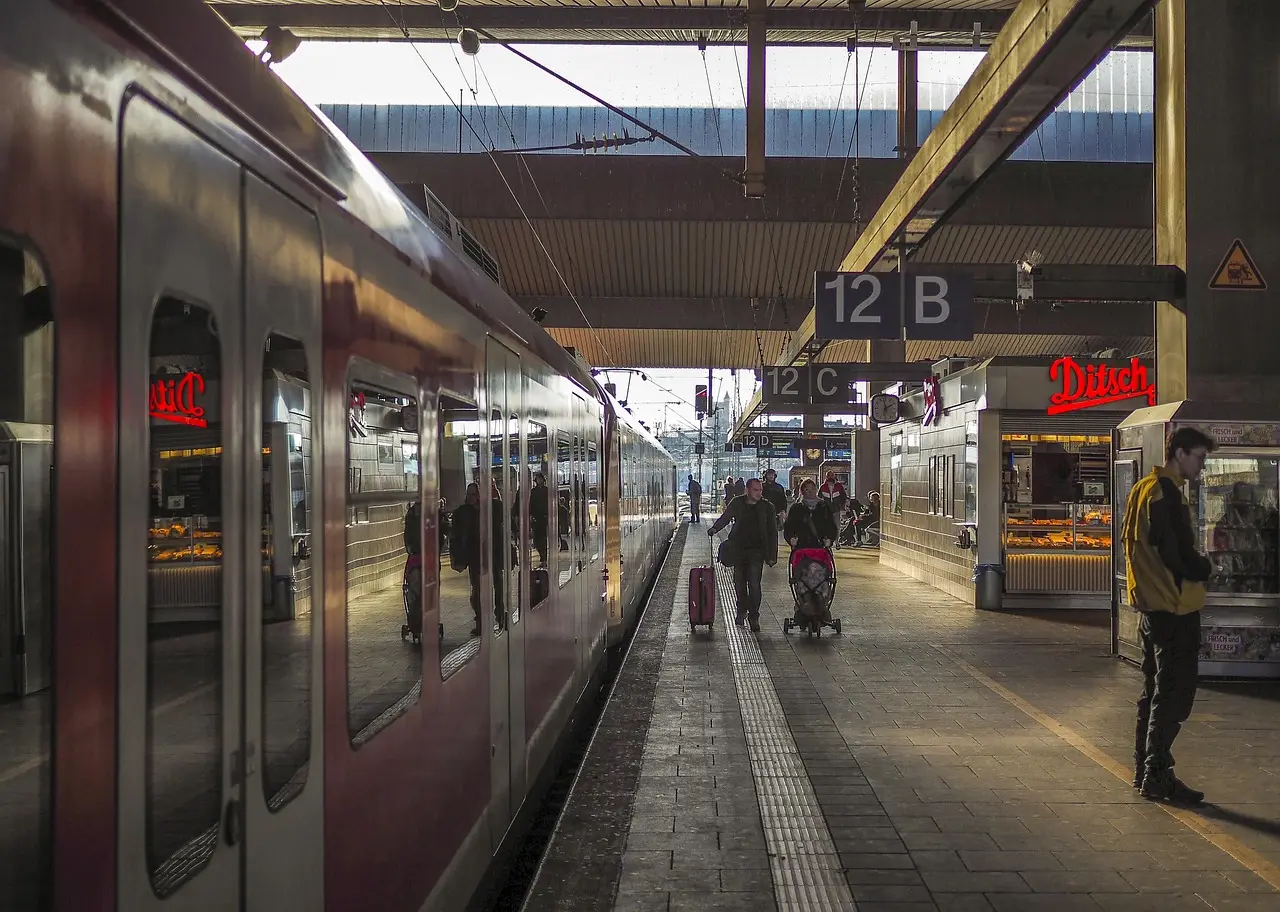
I’d use the metro and JR lines for almost everything in this osaka 3 days itinerary. From Osaka Station to Namba, the Midosuji Line takes about 8 minutes and costs around ¥180. From Shin-Osaka, it’s closer to 15 minutes and still cheap. Osaka Castle is usually about 15-20 minutes from Namba and around ¥240, while Umeda to Tenma is only a few minutes and about ¥150.
The main transport tip is simple: stay near a major station. That saved me more time than any single attraction. If you’re carrying luggage, arriving late, or planning to eat out every night, Namba and Umeda make the whole trip easier.
I pre-booked on Klook the night before — skipped the entire ticket line.
FAQ
Is three days enough for Osaka?
Yes, three days is enough for Osaka if you keep the trip focused on food, one or two major sights, and a few neighborhoods. I wouldn’t try to squeeze in everything, because that turns into train fatigue fast. If you want a slower pace with more museums, add a fourth day.
Should I stay in Osaka or just day trip from Kyoto?
I’d stay in Osaka if I want to eat late and move around without extra train hassle. Kyoto works better if the rest of your trip is already centered there, but Osaka at night is where the city feels easiest and most useful. For a 3-day Osaka plan, sleeping in Osaka makes the whole thing smoother.
Is Osaka Castle worth going inside?
No, I wouldn’t pay to go inside unless I really wanted the museum part. The grounds are the better reason to go, and they’re free or much cheaper than the interior ticket. I paid ¥600 once and thought the outside gave me more value than the exhibition floors.
What area should I stay in for a short Osaka trip?
I’d stay in Namba first and Umeda second. Namba is better if food and nightlife matter, while Umeda is better if I care more about transport connections. For three days, staying near a major station saves enough time to matter every single day.
Can I do Osaka in 3 days without using taxis?
Yes, I’d do the whole trip by train and walking. Osaka’s metro and JR lines are easy enough, and most of the places I’d include are only 10-20 minutes apart by transit. I’d only use a taxi if I was exhausted or traveling with luggage at a bad hour.
 Emma Hayes