
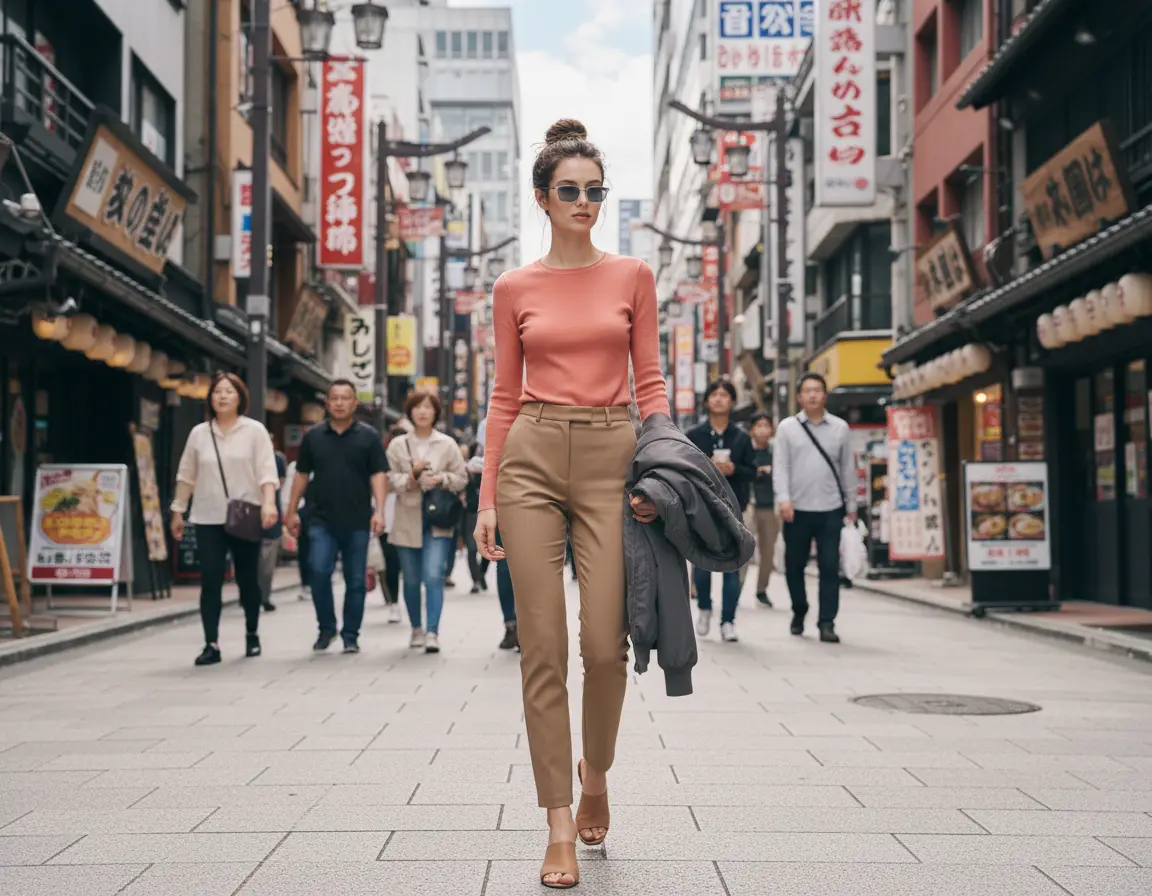
I almost wasted ¥3,000 and two hours on Osaka because I treated it like a city you can “figure out later.” I couldn’t. My first couple of days were a mess of bad station exits, overpriced snacks, and one very stupid line-waiting decision. Common Osaka tourist mistakes 2026 are still worth avoiding, because Osaka is still worth it, but only if you stop trying to do it like a Tokyo checklist.
I’d say Osaka fits travelers who like eating well, moving fast, and not pretending every famous spot deserves an hour of their life. It’s not for people who want polished sightseeing all day or who get cranky when a neighborhood is messy and loud. The biggest thing that matters here is simple: Osaka rewards local food, good transit decisions, and a little restraint.
Quick Answer: My biggest Osaka mistakes were going to Dotonbori at 11:30 a.m., paying about ¥1,800 for tourist-markup food, and losing time to the wrong station exits near Umeda. I’d keep Dotonbori short, eat two blocks away from the crowd, and book timed activities 48 hours ahead.
Main Tips
- I wasted time by chasing the obvious tourist stops at the wrong hour.
- I spent money on food that looked better than it tasted.
- I trusted walking distances that were not actually walkable with luggage or in the heat.
- I picked the wrong base for one of my days and paid for it in train fares and energy.
- I booked one activity too late and missed the easiest version of it.
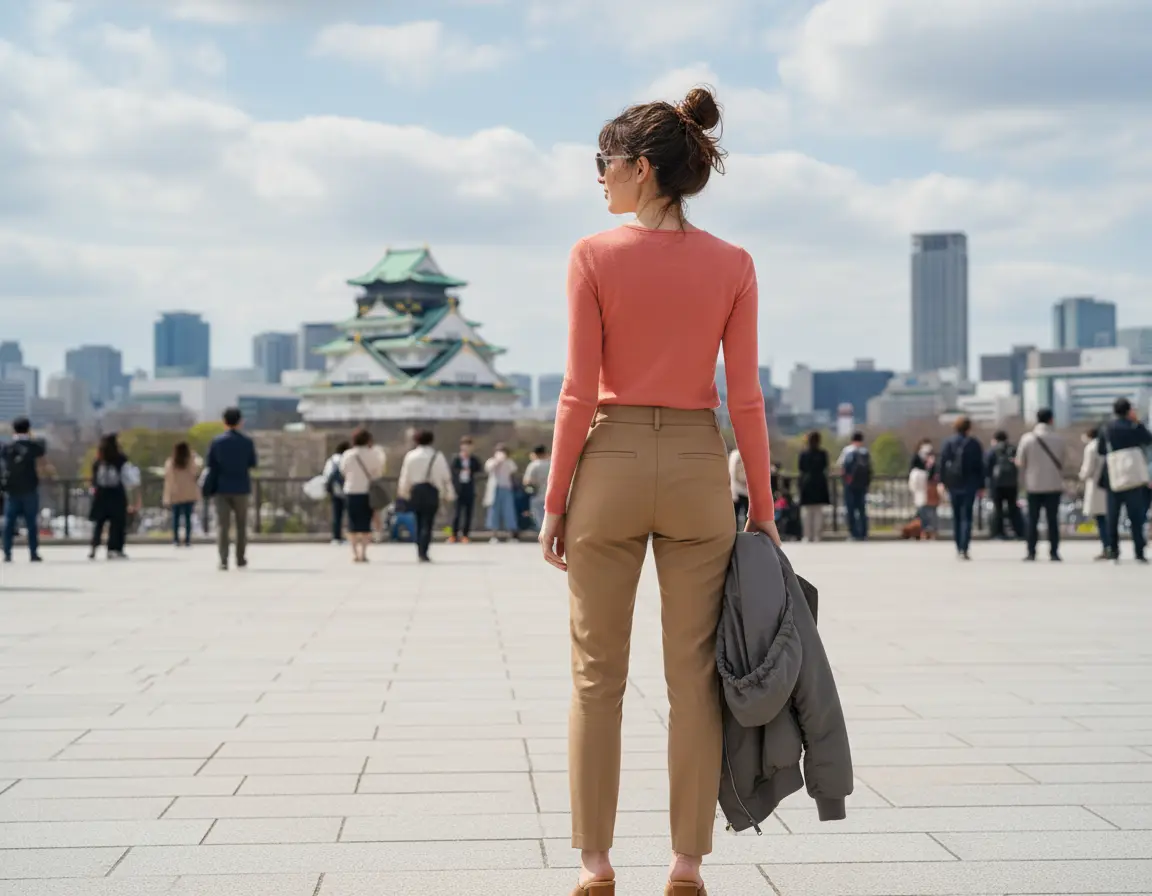
I went to Dotonbori when everyone else did
I figured Dotonbori would be the cleanest way to start Osaka. It’s the famous one, the neon canal, the giant crab sign, the whole thing. I thought if I got there in the late morning, I’d beat the worst of it and still get the classic Osaka feel without spending my whole day there.
The trigger was simple: I showed up around 11:30 a.m. and decided to stay because I was already there. That was the mistake. By early afternoon, I was moving with a slow crowd under the signs, stopping every few steps because people were taking the same photo from the same angle. I bought a takoyaki set for about ¥900
The consequence was a pretty annoying one: I lost about 90 minutes to a street that was mostly traffic management and souvenir energy. I also paid more than I wanted for food that was fine, not special. The whole area felt loud in a way that didn’t tell me anything new about the city. Useful once. Worth a short look. Not worth building a half day around.
In hindsight, I’d go early or late, and I’d keep my expectations low. Better yet, I’d treat Dotonbori like a 30-minute pass-through and then eat somewhere else nearby, not as a destination. If I wanted a more relaxed first impression, I’d head to a side street in Namba and spend my money there instead.
Best for: First-timers who want one quick Osaka photo and a snack.
Skip it if: You hate crowds or you only have one full day in the city.
My pick: I’d go after dinner, keep it short, and leave before I started resenting the place.
I paid for “Osaka-style” food that was just tourist markup
I made this mistake because my logic was sound in theory. Osaka is famous for food, so I assumed the busiest, brightest stalls would be the safest bet. I wanted to eat what the city is actually known for, and I didn’t want to waste lunch on a random chain café when I could get takoyaki, okonomiyaki, or kushikatsu right in the middle of the action.
I usually book Osaka tours on Klook — the best time slots go fast, especially in peak season.
The trigger was me grabbing lunch near the most obvious tourist stretch instead of walking five or ten minutes away. I paid about ¥1,800 for a small plate and a drink at a place that looked busy enough to be legitimate. It was not bad. That’s the annoying part. It was just the kind of meal that knows you’re on vacation and charges accordingly.
The consequence was modest but real: I spent roughly ¥700 more than I needed to, and I got a meal I could have had better and cheaper in a less obvious spot. Later that day, I ate near Kuromon Market and then in a tiny local noodle shop in Umeda, and both felt more useful. One was lunch. The other was a lesson. The big flashy places often sell convenience, not flavor.
My hindsight is pretty simple. I’d eat where office workers are lining up, not where every sign is trying to photograph me. If a place has a menu with pictures in five languages and a host waving people in, I’m already suspicious. Worth it? Sometimes. Not often enough to justify making it my default.
Best for: Travelers who want the easiest possible lunch and don’t mind paying extra for location.
Skip it if: You care about cost per bite and don’t want to spend ¥1,500 on an average meal.
My pick: I’d walk two blocks away from the obvious crowd and eat where the lunch sets are under ¥1,000
I book activities through Klook when a ticketed spot tends to fill up fast. In Osaka, that matters more than I expected for a few time-slot style attractions, and I’d rather lock it in than stand around guessing.
I assumed the subway would be enough, then paid for my laziness
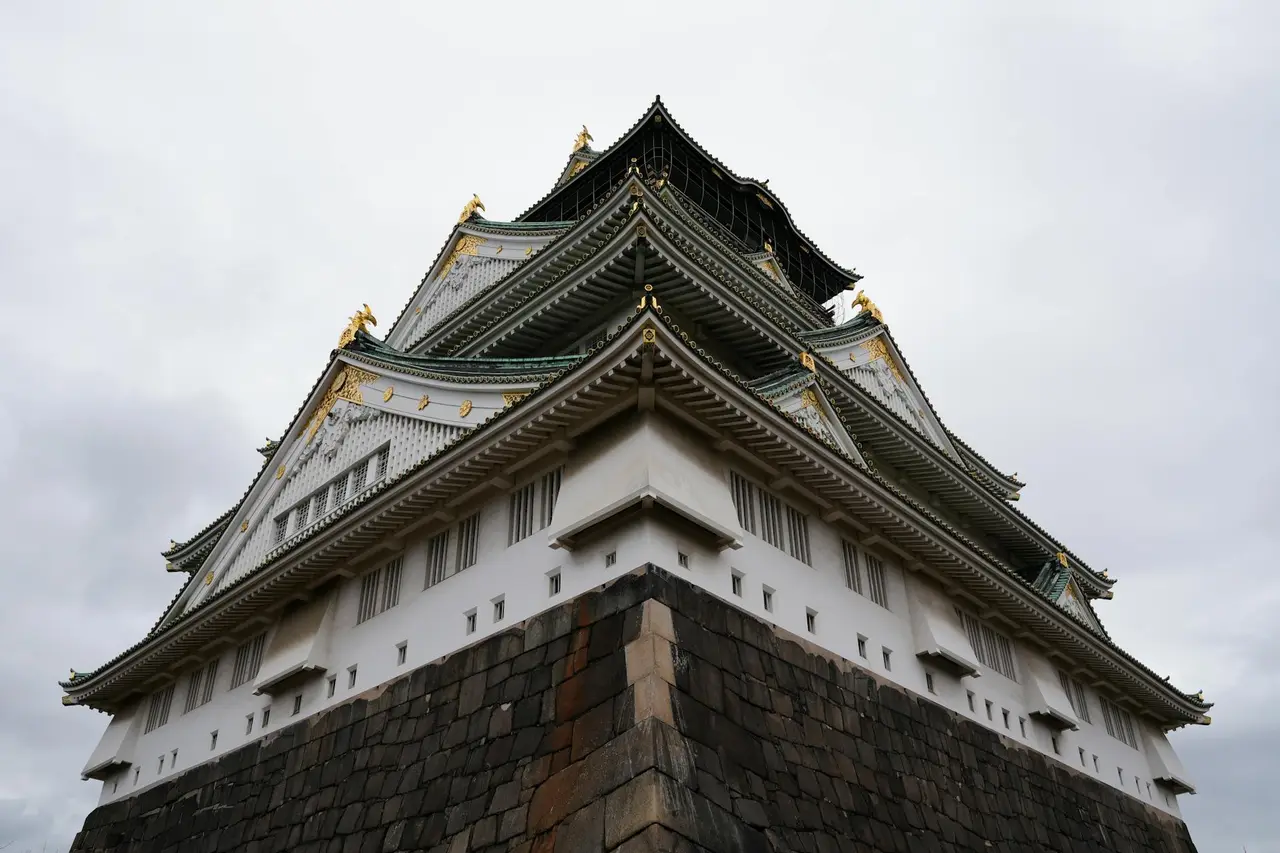
I figured Osaka’s transit would be easy enough that I could just wander and sort it out later. That logic worked in the city center for a while, which made me overconfident. I had my IC card, I could read station signs, and I thought the distances looked manageable on a map.
The trigger was me choosing a station exit that looked fine on Google Maps but dropped me on the wrong side of a huge block. I did this more than once, but the worst one was near Umeda. I walked about 18 minutes with a bag on my shoulder, got turned around in a station corridor, and then had to double back because I’d exited on the wrong side for where I actually wanted to go. Mild weather helped, but even with the 13–22°C range and a light jacket in hand, it was still a waste of energy.
The consequence was about 45 minutes gone on a day I thought I was “just moving around.” I also paid an extra ¥240 or so in transit because I ended up taking a different train line after giving up on the original plan. That sounds tiny, but it adds up when you do it repeatedly. More than the money, it broke my rhythm. Osaka is a city where momentum matters.
Hindsight: I’d stop treating Osaka like a place where every station exit is equal. It isn’t. I’d check the exact exit before I leave, especially around Umeda, Namba, and Shin-Osaka, and I’d use the subway for longer hops instead of trying to save one transfer and burning half an hour. Efficient transit here is worth more than stubborn walking.
Best for: People who don’t mind checking exits and using the subway properly.
Skip it if: You hate navigating big stations and want a tiny-city experience.
My pick: I’d spend the extra minute planning the exit and save the 20-minute detour.
I booked one day too late and lost the easy slot
I thought I could leave one activity open and still get the version I wanted. That seemed reasonable because Osaka doesn’t feel like a place where everything sells out instantly. I was wrong on the timing, not the idea. The idea was fine. The execution was sloppy.
The trigger was waiting until the day before to book a timed entry I wanted for the morning. By the time I checked, the first slot was gone and the remaining times were awkward enough that they would have broken my day. I had another option, but it would have meant reshuffling lunch and cutting a neighborhood I actually wanted to walk through.
The consequence was twofold: I lost the easiest time slot and ended up spending another 40 minutes adjusting the rest of the day around it. I also missed the calmer version of the experience, which was the whole point. That’s the part that stung. I didn’t miss the thing entirely. I missed the version that would have made it feel worth it.
My hindsight is to book the time-sensitive stuff 48 hours ahead if it matters to the day. Not everything needs that. But if the attraction is known for peak-hour crowds or limited slots, I’d rather lock it in and keep the rest of the day loose. That tradeoff actually works.
Best for: Anyone building a tight Osaka day around one specific timed stop.
Skip it if: You’re happy with whatever slot is left and don’t mind reshuffling meals.
My pick: I’d book early on Klook, then plan the rest of the day around the ticket instead of hoping it all fits.
I treated Shinsekai like it was going to save the trip

I expected Shinsekai to be the weird, old-school neighborhood that would balance out all the polished, over-photographed parts of Osaka. That was my expectation, anyway. I pictured a place with enough grit to feel real and enough character to justify the detour. I went in wanting to like it.
The trigger was me arriving around sunset and assuming the atmosphere would do the work for me. It didn’t quite land. I walked past a lot of empty-looking storefronts, a few nostalgic signs, and more souvenir energy than I was expecting. I ate a cheap snack and wandered for about 35 minutes. That was enough.
The consequence wasn’t a disaster. It just wasn’t the rich neighborhood experience I’d built up in my head. I spent maybe ¥500 on snacks and didn’t feel cheated, but I did feel like I’d overestimated how much time the area deserved. The payoff was lower than the hype. Fine, not great.
What I’d do differently is use Shinsekai as a short stop after something else, not as the main event. If you like slightly faded neighborhoods and don’t need every block to be exciting, it’s worth a quick look. If you’re short on time, skip it before you skip a better meal or a better station-area wander.
Best for: Travelers who like a little old-school edge and don’t need polished attractions.
Skip it if: You only have one night and want the strongest possible use of your time.
My pick: I’d give it 30 minutes max and move on.
I tried to “save time” by skipping a proper lunch break
This was one of those mistakes that sounds efficient until you’re halfway through the day and irritable for no good reason. I figured I could power through with a convenience store snack and keep moving. Osaka has so much food everywhere that I thought stopping for a real meal would slow me down more than it would help.
The trigger was me buying a 150-yen onigiri and a drink from a Lawson instead of sitting down anywhere. It was fast, cheap, and technically smart. Then I kept walking through Namba and Umeda without a real pause, and by mid-afternoon I was just hungry in a dull way that made everything feel less interesting.
The consequence was about ¥700 saved and probably two hours of low-grade annoyance. I ended up making a second snack stop anyway, which erased most of the savings. The city is better when I’m fed. That sounds obvious, but I still managed to ignore it. Osaka food is part of the point, and treating meals like a chore is a bad trade.
Hindsight: I’d build one proper lunch into the day and stop pretending a snack is the same thing. A cheap set meal around ¥900 to ¥1,200 is a better deal than stringing together convenience store food and bad moods. Worth it every time.
Best for: Travelers doing a heavy walking day who need one real reset.
Skip it if: You already know you get cranky when you don’t sit down and eat.
My pick: I’d take the lunch break and walk 20 minutes less.
I spent too much time trying to make Osaka feel like Tokyo
This was the biggest mental mistake, and it wasted more than one afternoon. I kept comparing neighborhoods in my head instead of just reading Osaka on its own terms. I wanted cleaner transitions, more obvious “sightseeing,” and a little more order. Osaka doesn’t really care what Tokyo does.
The trigger was me building a route that linked several famous stops because they looked close on the map. They were close enough to seem efficient, but not close enough to feel natural once I was on the ground. I ended up bouncing between stations, food stops, and sidewalks without ever settling into a real pace.
The consequence was at least 2 hours of mental friction and probably ¥1,000 in extra transit and random purchases I made because I was off rhythm. The day wasn’t ruined. It was just less good than it should have been. Osaka works better when I stop trying to make it behave like a cleaner, more curated city.
My hindsight is to plan by neighborhood, not by fantasy efficiency. Pick one area, eat there, walk there, and let the day stay a little messy. That’s the version that made sense once I finally stopped fighting it.
Best for: People who like food-first days and don’t need every block to have a postcard angle.
Skip it if: You need a city to feel orderly all day or you’ll get annoyed.
My pick: I’d keep the route smaller and spend more time eating than transferring.
I’d use Klook again for anything slot-based or high-demand in Osaka. The line I skipped once saved me from standing around while everyone else argued with the ticket machine.
FAQ
Is Dotonbori worth more than one quick visit?
No, I wouldn’t give it more than one short visit. The area is fun for a photo, a snack, and a little neon chaos, but it gets repetitive fast once you’re in the crowd. I’d budget 30 to 45 minutes and move on.
Do I need to book Osaka activities in advance?
Yes, for anything timed or popular, I’d book ahead. I lost a cleaner morning slot by waiting until the day before, and that made the rest of my day awkward. If the exact time matters, I’d lock it in 48 hours ahead.
Is Osaka easy to do on foot?
No, not if you’re trying to string together multiple neighborhoods in one day. I walked a lot, but I still burned time on station exits and longer-than-expected blocks. I’d use the subway for jumps between areas and save walking for one neighborhood at a time.
Was Shinsekai worth the detour?
Only if you already have extra time in Osaka. I went expecting more atmosphere than I actually found, and 35 minutes was enough for me. It’s fine as a short side stop, but I wouldn’t build a day around it.
What’s the biggest food mistake first-timers make in Osaka?
They eat too close to the famous tourist streets. I paid about ¥1,800 for a meal that was mostly paying for location, and better lunch sets were a short walk away. I’d look for places with office-worker lunch traffic instead of the brightest sign.
 Emma Hayes