

I thought Kyoto would be the easier win. It wasn’t. After three days bouncing between train stations, food streets, and one very overpriced “traditional” lunch in Kyoto, I kept coming back to Osaka for the simple reason that it gave me more useful trip per dollar. If you’re asking osaka vs kyoto which is better, my answer is Osaka.
I’d choose Osaka because it’s cheaper to stay in, easier to move around, and better if you want your evenings to do some work for you. Choose Kyoto only if your main goal is temples, old streets, and you’re fine paying more to sleep closer to the sights. The one thing that changes the decision most is how much you care about day-to-day friction. Osaka removes it. Kyoto adds it.
Quick answer: Osaka wins for value, nightlife, and practical convenience. I paid less, walked less, and ate better. Kyoto only wins if the trip is mostly about temples, shrines, and old neighborhoods. For a first trip, I’d base myself in Osaka and day-trip to Kyoto instead of doing the reverse.
Best for: travelers who want good food, easy transit, and a base that doesn’t waste time.
Skip if: you want quiet mornings in a traditional setting and don’t mind paying extra for that.
My pick: Osaka, by a pretty clear margin.
Why Osaka was my main pick

Osaka gave me better value without making me feel like I was “saving money” in a miserable way. That matters. I stayed near Namba and could get to Dotonbori on foot in about 10 minutes, which meant I wasn’t burning cash on taxis or wasting energy figuring out buses at night. Kyoto, by contrast, kept asking for more planning. Even when I knew where I wanted to go, I still had to think about which station, which line, and how far I’d be walking once I got there.
The food was the other tipping point. I had a decent bowl of ramen near Umeda for about ¥1,100, then grabbed takoyaki for around ¥700 when I was wandering around Dotonbori later. In Kyoto, I paid closer to ¥1,800 for a lunch that looked nicer than it tasted. Not awful, just not worth the gap. That’s the part people skip when they compare cities. They talk about atmosphere and forget that lunch adds up fast when you’re out all day.
I also liked how Osaka handled a normal travel day. I left my place around 9:30, wore a light long-sleeve top with a jacket in hand because the morning sat around 13–22°C and felt cool early on, then ditched the jacket by lunch. I could wander without building the day around a single famous sight. Osaka works better if you want to drift. Kyoto keeps trying to turn you into a scheduler.
Best for: travelers who want a base that makes the rest of the trip easier.
Worth it if: you care about eating well, staying central, and keeping transit simple.
My pick: Osaka, because the city gives back time instead of taking it.
Where Kyoto still beats Osaka

Kyoto isn’t the wrong choice. It just asks for a different kind of trip. If your whole plan is temples, gardens, and wandering old streets early in the morning, Kyoto makes sense. I went expecting Osaka to feel more “fun” and Kyoto to feel more “serious,” and that part was true. Kyoto has more of that slow, traditional rhythm people want from Japan. I just don’t think that’s enough on its own for most first trips.
I spent one morning in Kyoto around Higashiyama and Gion, and yes, it was nicer before the crowds built up. I got there early, which helped, but by the time I was leaving, the narrow streets were full of tour groups and people stopping every six feet for photos. That’s the part that gets old. The area is lovely, but I wouldn’t pay a premium hotel rate just to be nearby unless I planned to be out at sunrise.
Kyoto also has the stronger “special occasion” feel. If I were traveling with someone who wants a ryokan, a quieter pace, and a trip that feels more curated, I’d stop arguing and pick Kyoto. But I wouldn’t choose it for convenience. I wouldn’t even try to pretend it is. It’s more beautiful in a composed way, but less forgiving when you’re tired, hungry, or carrying a bag.
Best for: travelers who care more about temple mornings than meal variety.
Choose Kyoto only if: you’ll actually use the old-city setting, not just sleep there and commute out.
My pick: Kyoto is the better mood, but not the better base.
Cost, time, and convenience: the part that decides it
This is where Osaka pulled ahead for me. I checked hotel prices for both cities around the same travel window, and Osaka was usually the cheaper base by about $20 to $40 a night for a similar private room near a major station. In Kyoto, the cheaper places often came with a longer walk or a less useful location. That sounds minor until you’re dragging a bag after a late arrival. Then it’s annoying fast.
For food, Osaka was easier to do well on a budget. My average day looked like this: breakfast from a convenience store for about $4, lunch around $8 to $12, dinner in the $12 to $18 range, and an occasional snack stop that didn’t wreck the day. In Kyoto, I found myself paying more for meals that were fine but not better enough to justify the price. I’m not talking about one fancy dinner. I’m talking about the everyday stuff. That’s the real bill.
Transit is the other big gap. Osaka’s subway is straightforward and fast, and the main sight clusters are close enough that I could string them together without losing the day. Kyoto is more spread out. A simple temple-to-temple day can turn into 40 minutes on a bus, then another walk, then another wait. I did one route in Kyoto that took almost an hour door to door for what looked like a short distance on the map. That math never works out when you only have a few days.
Budget-wise: I spent less in Osaka on both sleeping and eating, and I felt it every day.
Time-wise: Osaka saved me about 30 to 60 minutes a day versus Kyoto just by being easier to move through.
Convenience verdict: Osaka wins, and it’s not close.
If you’re looking at hotels right now, that difference shows up fast in the rates. Osaka stays near the station were usually the cheaper option, and that price gap is one of the first things that makes the decision obvious. See all Osaka hotels on Agoda.
The vibe difference is bigger than the map makes it look

Osaka feels loose. Kyoto feels composed. That’s the cleanest way I can put it. In Osaka, I could leave my place, grab food, wander into a shopping street, and keep adjusting based on hunger or weather or whatever looked interesting. In Kyoto, the day felt more directional. People go there with a plan, and the city kind of expects that from you.
I liked Osaka’s messier energy more than I expected. I figured it might feel too commercial, especially around Dotonbori, but it was still useful commercial. I’m not saying it’s charming in a soft, romantic way. It isn’t. But I ate well, moved easily, and never felt like I was paying extra just to be nearby. Kyoto had more moments that looked beautiful, but also more moments where I was standing around thinking, “Okay, now what?”
The crowd situation mattered too. Osaka can be busy, sure, but it spreads people out better because there’s more going on at street level. Kyoto concentrates everyone in the same places at the same times. I got to one famous Kyoto street around late morning and the line for a snack shop was already past 30 minutes. I skipped it. I skip anything that makes me stand there with no payoff. Osaka had queues too, but I found more back-up options five minutes away.
Best for: travelers who like a city that keeps moving without much planning.
Skip if: you want calm mornings and don’t mind a slower, more deliberate day.
My pick: Osaka feels better for a real trip day, not just a photo stop.
The mistake I made in Kyoto
I made one dumb call in Kyoto. I thought I’d save money by booking a cheaper place a bit outside the main area, because the listing looked fine and the room itself was clean. The trigger was a rainy-looking afternoon and a late arrival from Osaka, so I told myself the extra walking wouldn’t matter. It did. I ended up hauling my bag for almost 20 minutes from the station, then another 12 minutes after I missed the first turn the map app gave me. By the time I got there, I’d already spent more than I saved.
The consequence wasn’t just annoyance. I lost the easy evening I’d planned, skipped a dinner spot I wanted, and paid about ¥1,400 more in local transit and convenience-store food than I expected because I was too tired to go back out. Hindsight is simple here: in Kyoto, pay for location or stay near a station that actually helps you. I’d rather spend the extra money once than keep paying with my legs all day.
Best for: anyone booking Kyoto on a budget but still wanting to see the city properly.
Skip if: you think a “reasonable” walk from the station is always fine with luggage. It isn’t.
My pick: Osaka avoided that whole problem by making my base easier from the start.
What I’d do with 2 days, 4 days, or a week
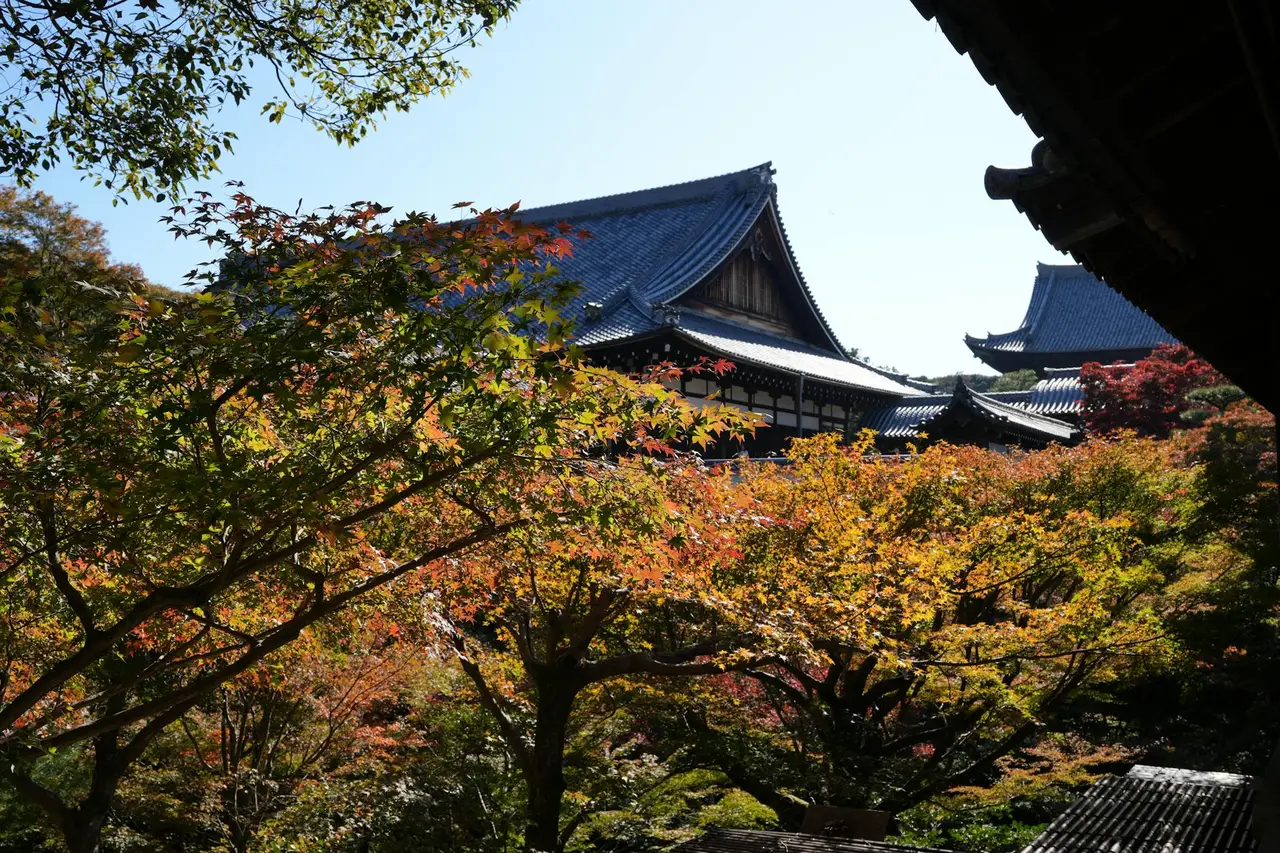
If I only had 2 days, I’d stay in Osaka and do one Kyoto day trip. That gives me the food, the efficient base, and one concentrated temple day without moving hotels. If I had 4 days, I’d still keep Osaka as the base unless Kyoto was the main reason for the trip. Once you start switching hotels, you lose time packing, checking in, and resetting your day. That’s the hidden cost people forget.
For a week, I’d split it only if I really wanted slower mornings in Kyoto. Otherwise, I’d still lean Osaka and take the train over when I wanted old streets or a shrine-heavy day. The ride between the two is short enough that it’s tempting to treat them like one combined trip, but they don’t function the same way. Osaka is the base that supports movement. Kyoto is the city you schedule around.
I tested that difference in real life. One morning I left Osaka, took the JR line into Kyoto, and was at a temple area before the worst of the crowds. Coming back, I was glad I wasn’t sleeping there. I could eat dinner near Namba for less and walk back to my room instead of figuring out a second transit leg at night. That part alone made Osaka feel smarter.
Worth it if: you want to see both cities without turning the trip into a logistics project.
Better if: you value flexibility and want to change plans late in the day.
My pick: Osaka for short trips, Osaka again for most medium trips.
What I’d do differently next time
I’d skip the “cheap” Kyoto hotel experiment and just pay for a better location if I stayed there at all. I’d also stop trying to force Kyoto into a long, wander-heavy day. It works better in smaller doses. And I’d spend more time in Osaka’s neighborhoods outside the obvious tourist strip, because that’s where the city actually makes sense.
I’d probably eat one nicer Kyoto meal and then leave the rest to Osaka. That balance feels right. Kyoto for the specific mood, Osaka for everything else.
Rough daily estimates from my own trip. Prices shift by season.
See current Osaka hotel prices on Agoda →
I usually book Osaka tours on Klook — the best time slots go fast, especially in peak season.
FAQ
Can I see Kyoto from Osaka in one day?
Yes, I’d do it as a day trip and not as an overnight stay. The train is fast enough that you can get a solid Kyoto day without moving hotels, and that keeps the trip simpler. I’d leave early and avoid trying to cram in too many separate neighborhoods.
Is Osaka cheaper than Kyoto for hotels?
Yes, Osaka was cheaper for me by about $20 to $40 a night for similar midrange stays near major stations. Kyoto had more listings that looked okay on paper but came with a worse walk or a higher rate. I’d book Osaka first if budget matters at all.
Which city is easier for getting around without a car?
Osaka is easier, hands down. The subway and central neighborhoods make it simple to string together meals, shopping, and a few sights without wasting time. Kyoto’s buses and spread-out layout can eat a surprising chunk of the day.
Is Kyoto still worth staying in for one night?
Yes, but only if you want an early start in the old districts or a ryokan-style night. I’d pay for that once, not use Kyoto as my default base. If you’re just sleeping there and leaving early, Osaka is the better value.
If I only have two days, which one should I pick?
I’d pick Osaka and use one of those days for Kyoto. That gives you better food, easier evenings, and less moving around with luggage. Kyoto alone feels too narrow for a two-day trip unless temples are the reason you came.
 Emma Hayes