
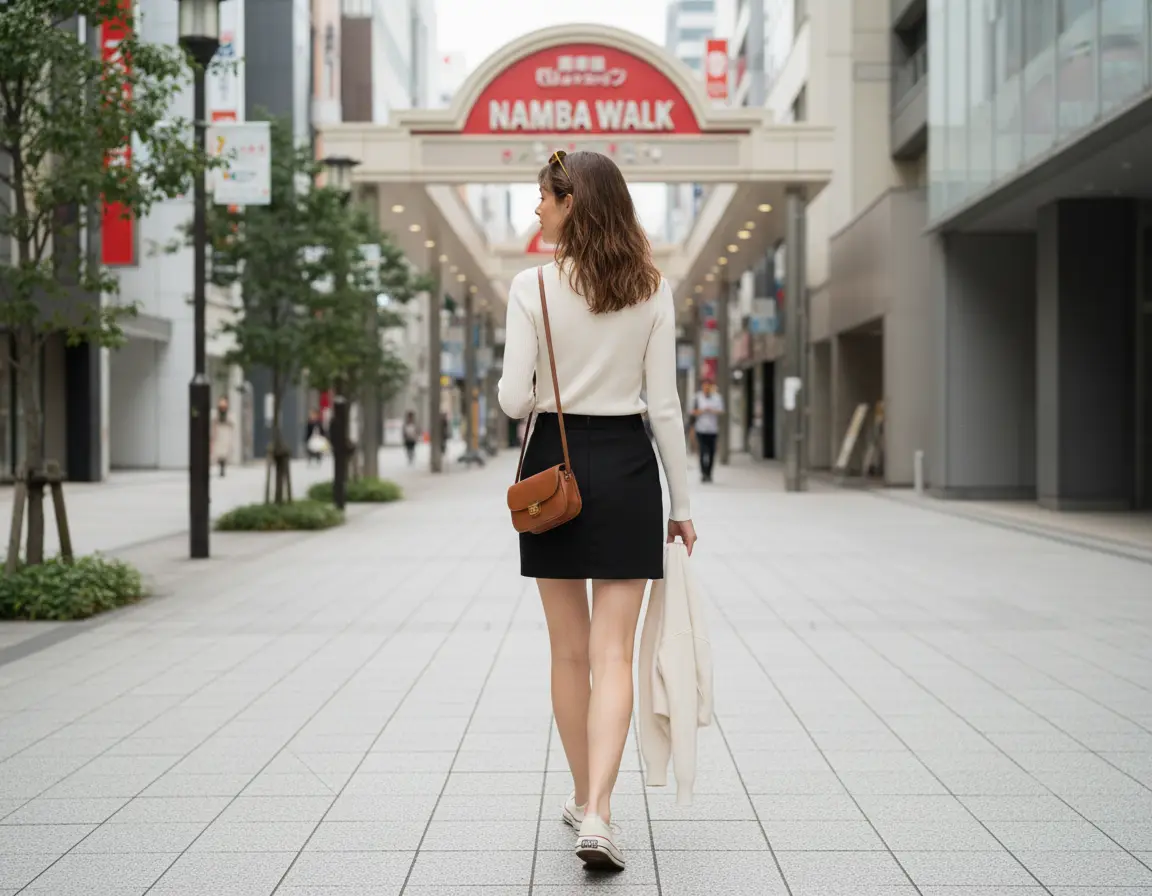
I thought this would be worth it. it wasn’t. At least not the first place I booked in Namba — I saved about $18 a night and lost half an hour every time I wanted to move around Osaka. That’s the whole game here: Namba can be cheap, but the wrong cheap hotel turns into a transit tax.
I’d book Namba again for a short Osaka trip, and I’d still pay a little more for a room near Namba Station or Nippombashi. It’s best for solo travelers, couples, and anyone who wants easy evenings without living on a train platform. If you’re chasing the lowest sticker price and don’t mind extra walking, Shin-Imamiya or deeper side streets can work, but the convenience drop is real. For the best budget hotels in Namba Osaka, the location matters as much as the rate.
Quick Answer: I’d stay near Namba Station or Nippombashi and pay a little more for the convenience. My best budget range was about $45 to $65 a night, with one basic room near Namba Station at ¥8,900 and cheaper options around $28 to $38 in Shin-Imamiya.
| Hotel | Price/night | Location | Best for |
|---|---|---|---|
| Plain business-style hotel near Namba Station | $62/night | Namba Station | solo |
| Cheaper option near the edge of Namba | $45-$50/night | Outer Namba | budget |
| Nippombashi area hotel | $48-$58/night | Nippombashi | couples |
| Shin-Imamiya stay | $28-$38/night | Shin-Imamiya | budget |
| Namba hostel-style stay | $22-$40/night | Central Namba | solo |
Hotel Review
I’d stay in Namba for the same reason I keep returning to it in Osaka: it saves energy, not just money. I paid ¥8,900 for one night in a basic room a short walk from Namba Station, and the difference showed up every time I came back tired, hungry, or carrying a wet umbrella I didn’t even need. That room wasn’t fancy. It was just in the right place.
I booked through Agoda and saved about 15% compared to the hotel’s own site.
Where I’d Actually Stay in Osaka

Namba Oriental Hotel
Osaka
★★★★☆
Holiday Inn Osaka Namba by IHG
Osaka
★★★★☆
Dormy Inn Premium Namba Natural Hot Spring
Osaka
★★★★☆
The mistake I made before that was booking a cheaper place closer to the edge of the district because the photos looked fine and the rate was about $18 less. It took me closer to 20 minutes to get back from the station than I expected once I added crosswalks, side streets, and one annoying luggage drag. That kind of “cheap” is fake savings. I wouldn’t do it again unless I was staying four nights or more and barely moving around.
Best for: short trips, first-time Osaka visitors, and solo travelers who want easy late-night returns.
Skip if: you care more about room size and quiet than transit convenience.
My pick: pay a little more for the central part of Namba. The math works out.
What I’d Book in Namba and What I’d Pass On
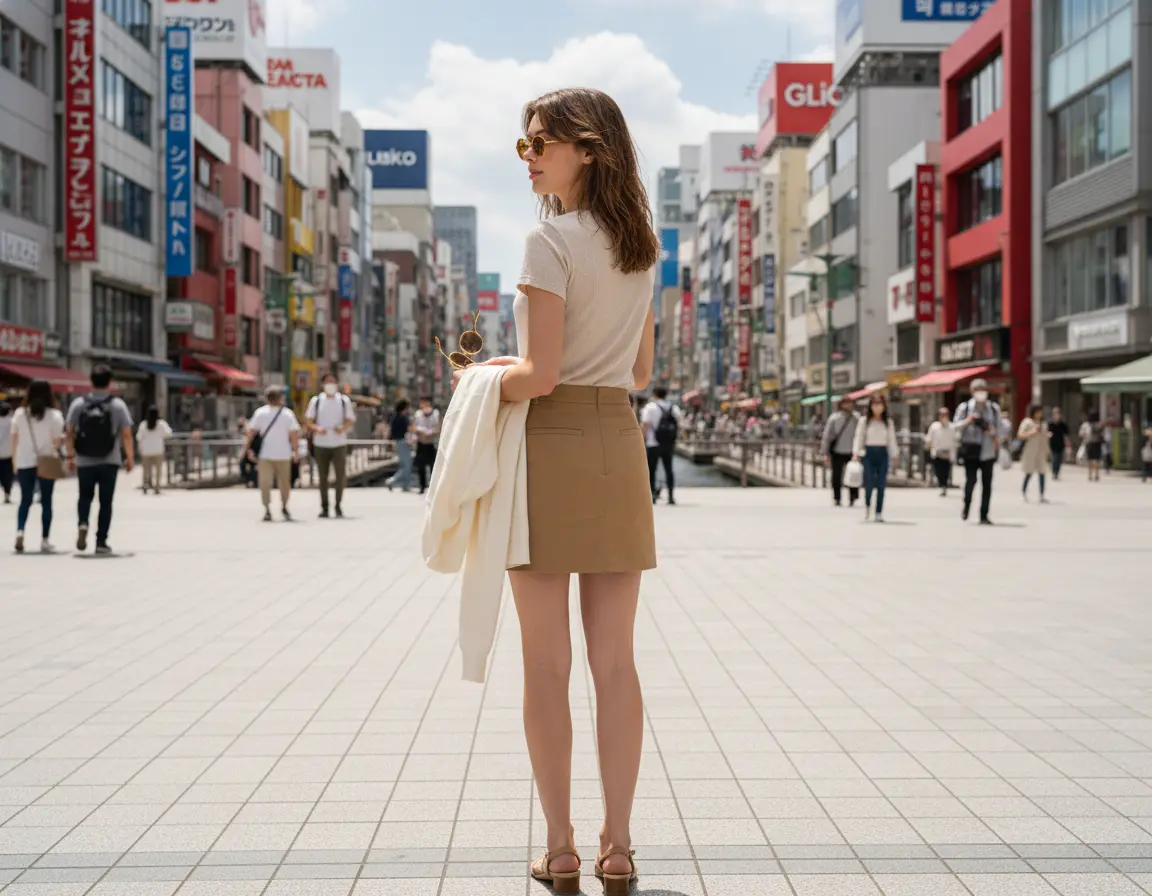
I’m not interested in budget hotels that pretend to be stylish and still charge for every useful thing. In Namba, I want a clean bed, a decent shower, a place to drop my bag, and a location that doesn’t make me think twice about going back out for food. Here’s how I’d rank the budget side of the neighborhood.
1) Hotels near Namba Station: Worth the Extra Few Dollars
This is the one I’d book first. I stayed in a plain business-style hotel a few minutes from Namba Station and paid around $62 a night, while cheaper options a little farther out were closer to $45 to $50. That $12 to $17 gap looked small on booking day, but it bought me a much easier arrival, better late-night access, and less dead time dragging my bag through side streets.
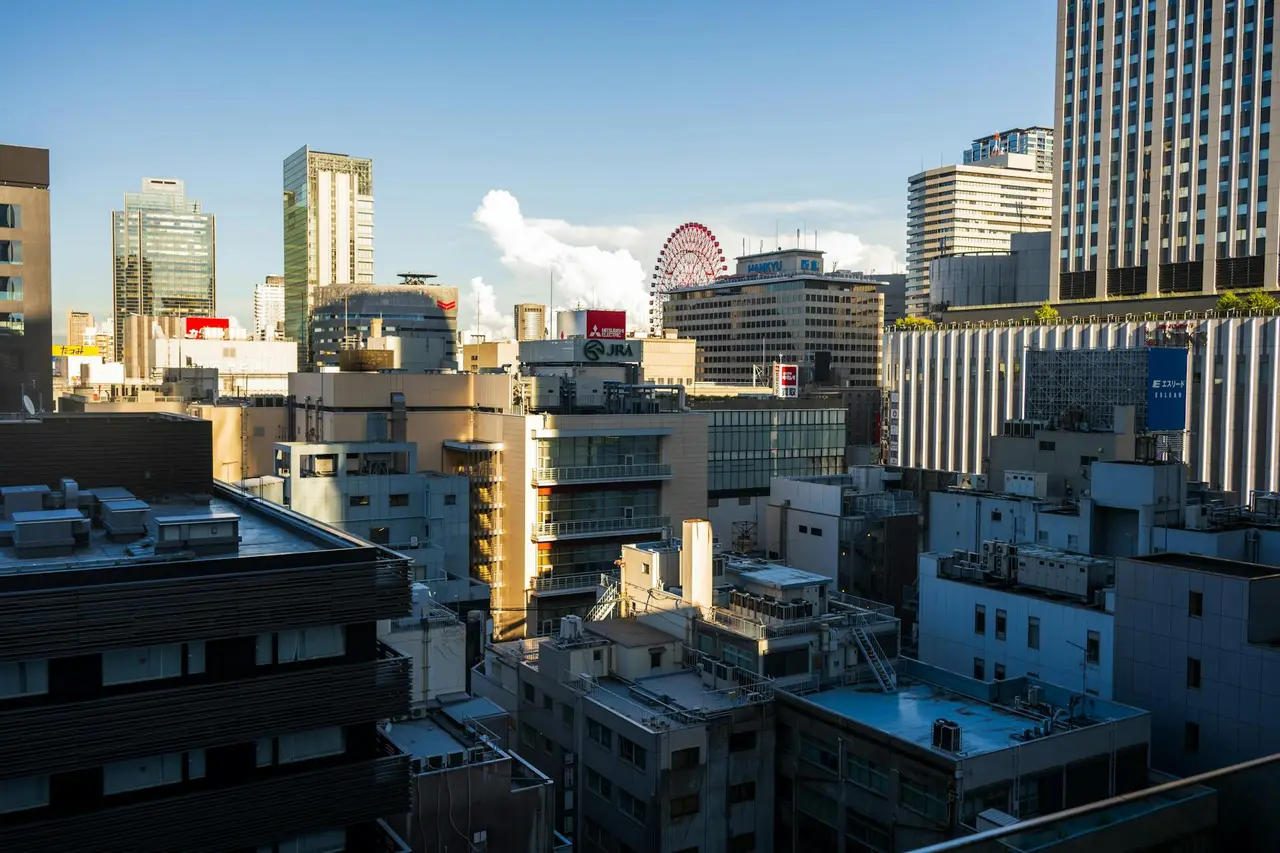
The location consequence is simple: you can walk to the station, grab food, and get back without needing to think. I had a convenience-store dinner one night — a 7-Eleven onigiri, a bottled tea, and a pastry that cost me under ¥700
Best for: first-timers, solo travelers, and anyone arriving late from the airport or another city.
Skip if: you need thick walls and total quiet. This is practical, not luxurious.
Price-to-convenience ratio: very good. I’d pay the extra $10-ish without arguing.
2) Nippombashi Area: Slightly Cheaper, Still Very Usable
Nippombashi is where I’d go if I wanted to shave a little off the nightly rate without making my life annoying. I saw rooms here around $48
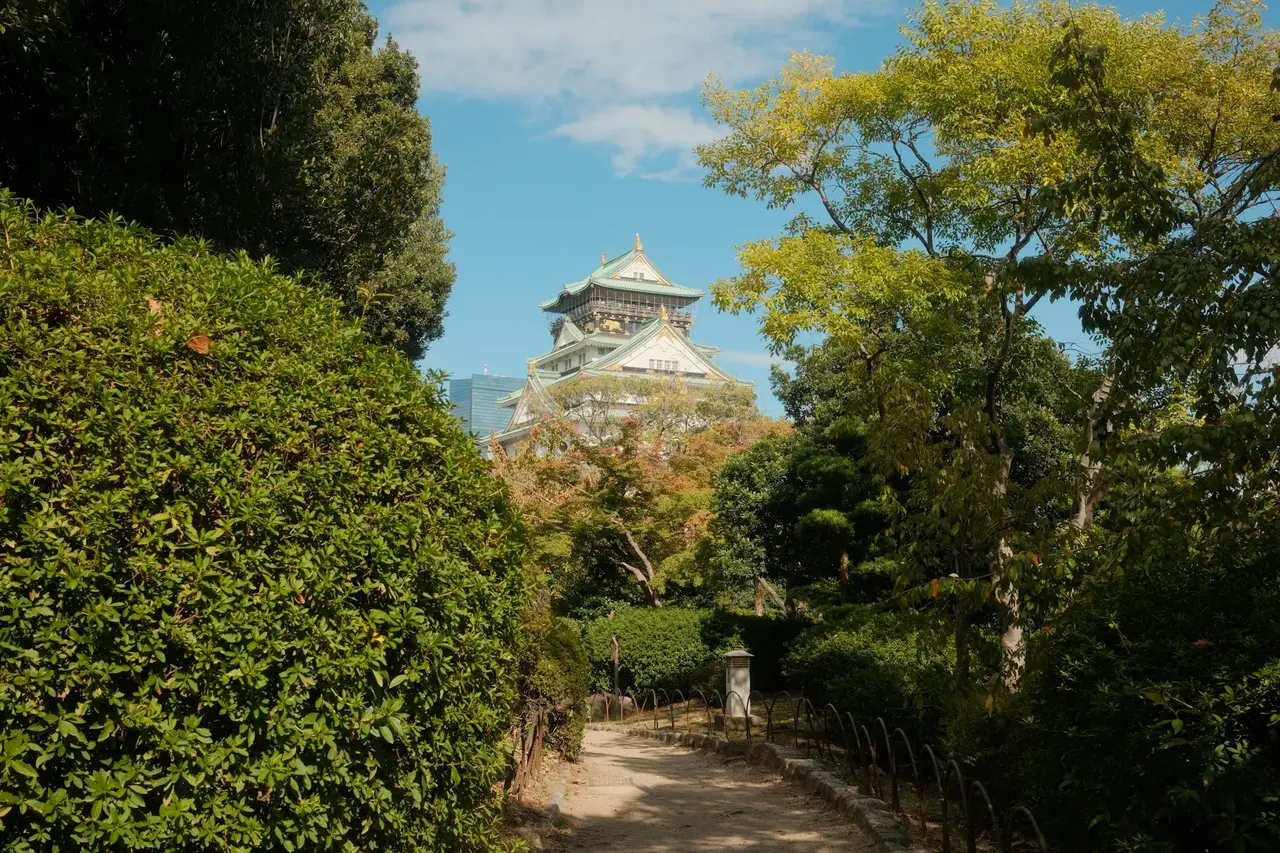
I walked this area in the mild 13–22°C weather with my cardigan in hand, and it felt easy enough during the day. At night, though, I noticed the difference. The streets were calmer, which I liked, but I also had fewer food options right outside the door. Sleep was better here than in the busiest Namba blocks, with less foot traffic and less late-night door slamming. I’d call it quiet-ish, not truly quiet.
Best for: budget travelers who still want a central base.
Skip if: you want the most walkable nightlife access possible.
My pick: this is the smart compromise if Namba Station prices jump too much on your dates.
3) Shin-Imamiya and the Outer Edge: Cheap, But I’d Only Use It for One Night
Shin-Imamiya can look tempting when you sort by lowest price. I saw rates as low as $28 to $38, and yes, that is cheap. But cheap here usually means you’re trading away comfort, atmosphere, and some peace of mind. The area can be fine for experienced travelers who know exactly what they’re doing, but I wouldn’t pick it for a first Osaka stay unless the budget was really tight.
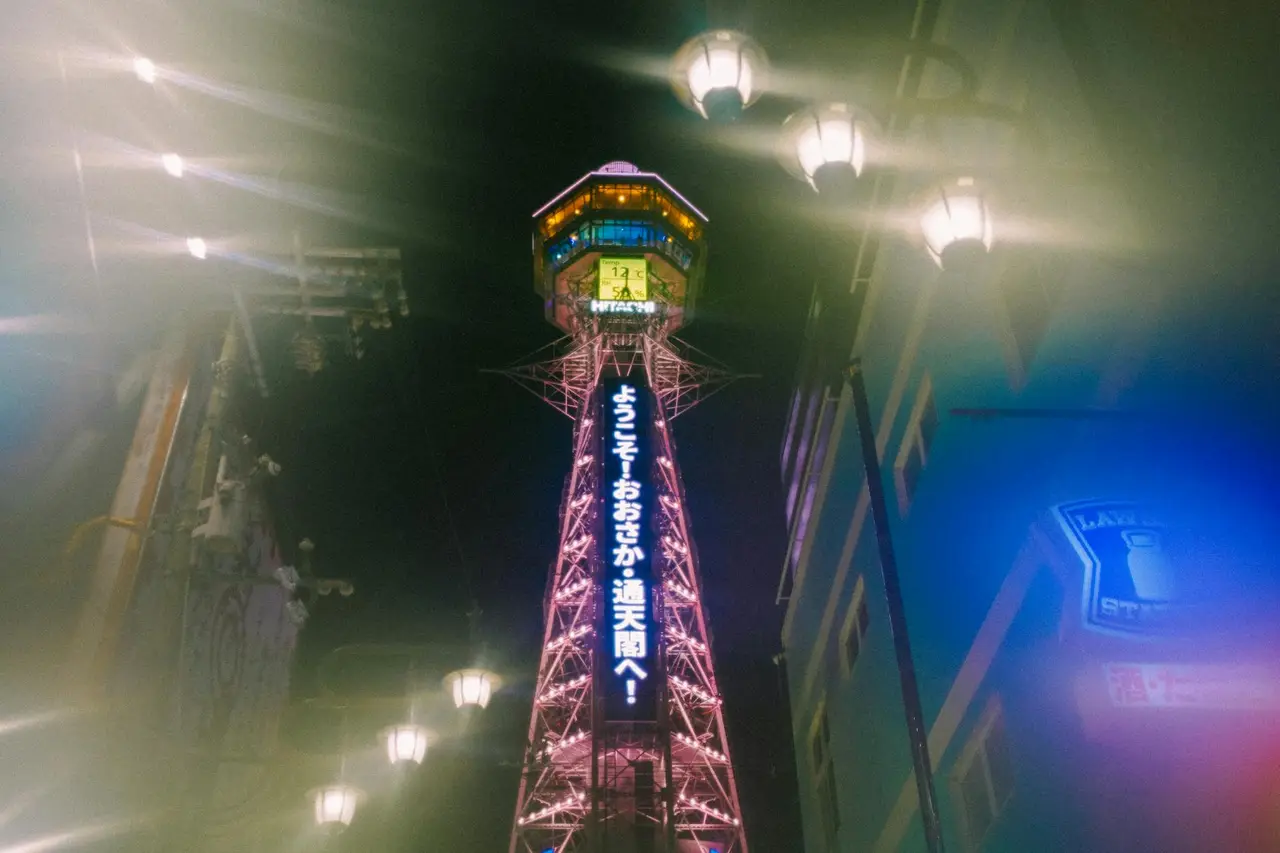
I expected this area to be rougher than it was, and I was partly wrong. It wasn’t scary; it was just not where I wanted to spend my evenings. The walk back felt less natural, especially after dark, and the whole point of staying in Osaka disappeared a bit when I had to factor in extra transit or extra caution every time I went out. If you save $20 a night but add 20 minutes each way to your day, that math never works out for me. Skip it unless you’re only sleeping there and moving on.
Best for: strict budgets, very short stays, and travelers who already know Osaka well.
Skip if: you want to wander for food and come back easily at night.
Verdict: worth it only when the price gap is big enough to matter, not for a tiny savings.
4) Namba Hostel-Style Stays: Good for Solo Travelers, Not for Light Sleepers
When I’m traveling alone and trying to keep costs down, I’ll look at hostels before I write them off. In Namba, the better ones can be around $22
The downside is obvious: sleep is never guaranteed. I had one night where someone came in around 1am, zipped a bag, and managed to make the entire room sound like a hardware store. That’s hostel life. If you’re a light sleeper, I’d skip dorms here and spend the extra money on a tiny private room instead. If you’re fine with earplugs and you want the cheapest decent base in the center, this can be a good deal.
Best for: solo travelers, backpackers, and people who care more about location than privacy.
Skip if: you’re sensitive to noise or want a guaranteed early night.
My pick: private room over dorm if the difference is under $15
What Namba Is Like at Night, and Why That Matters for Hotels
Namba changes after dinner. It’s louder, busier, and more useful than it looks on a map. That matters because a hotel that seems “close enough” in daylight can feel annoyingly far when you’re tired and carrying food, shopping bags, or just your own laziness. I learned this after one long day when I came back with a cream soda from a random chain diner and realized I did not want to walk another 12 minutes for a cheaper room.
The best budget hotel in Namba is the one that keeps your walking radius small after 9pm. I care less about the lobby and more about whether I can grab dinner, a drink, or a convenience-store snack without turning it into an excursion. That’s why I keep pushing people toward the main station area. It’s not glamorous. It’s just useful.
Best for: travelers who plan to eat out late and move around a lot.
Skip if: your ideal night is quiet streets and an early bedtime.
My pick: central Namba beats a cheap room on the edge almost every time.
My Biggest Booking Mistake in Osaka
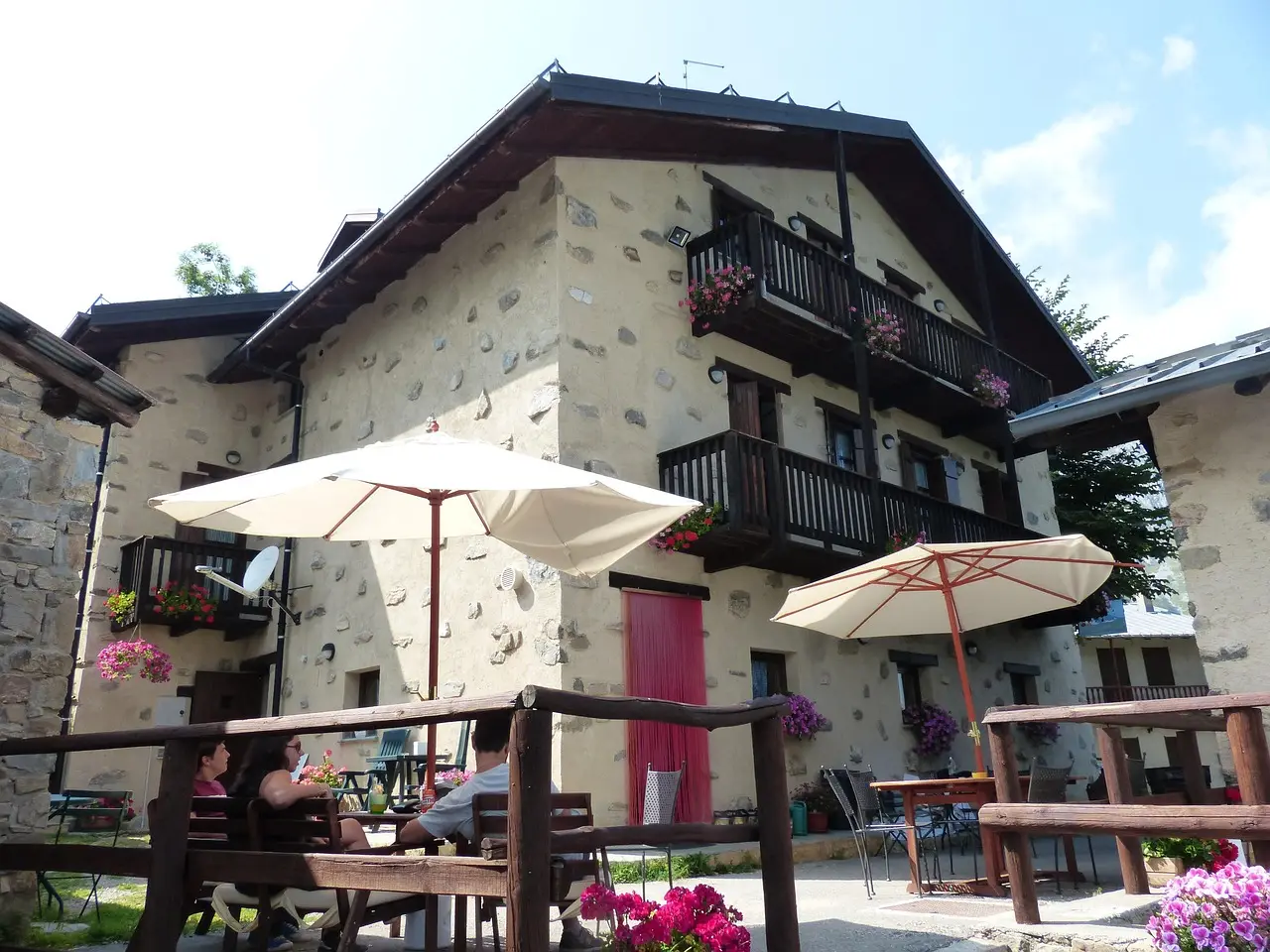
I once booked a cheaper room because I thought I’d be out all day and only needed a bed. That sounded smart at the time. Then I landed with a bag that was heavier than I expected, got turned around once near the station, and spent an extra 30 minutes wandering through side streets while my phone battery kept dropping. I paid less for the room and lost the part of the day I wanted to use for food and a quick rest.
The consequence was small in money and large in annoyance. I saved about $15 that night, but I probably spent that much in extra snacks, a drink I bought while regrouping, and the mental tax of being more tired than necessary. Next time, I’d take the slightly more expensive hotel with a 5-minute walk and stop pretending the cheapest option is always the best one. Sometimes it is. In Namba, usually it isn’t.
Best for: readers who want the version of travel that still leaves energy for dinner.
Skip if: you’re booking on price alone and ignoring the map.
Next time: I’d filter for walk time to Namba Station before I even look at the nightly rate.
Rough daily estimates from my own trip. Prices shift by season.
Where to Stay
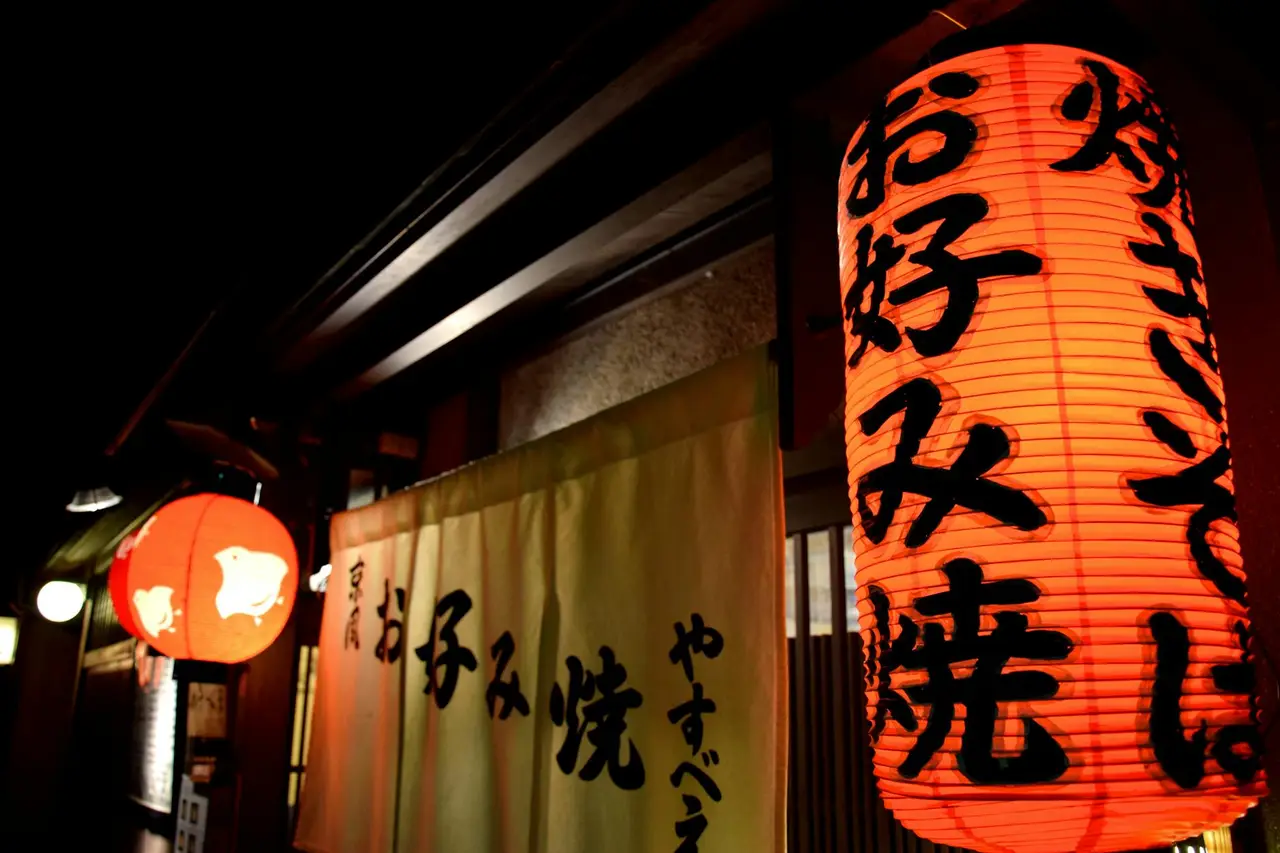
I use Agoda for Osaka because it makes it easy to compare Namba options fast, and that matters when the cheap rooms start vanishing by the day. For the best budget hotels in Namba Osaka, I filter by walk time to Namba Station and free cancellation first. A room 6 minutes from the station with flexible cancellation is usually better than a cheaper one that turns into a long drag with luggage.
I expected budget hotels in Namba to all feel the same price-wise, but what actually happened was that location created a hidden cost — my cheaper room ¥8,900 away from the station meant an extra 20 minutes of walking every time I returned tired or hungry. The real takeaway: the lowest nightly rate isn’t the cheapest stay if you’re wasting time and energy getting back to it.
I figured I could save $18 a night by booking deeper into the side streets of Namba, and I did save the money, but I lost half an hour of evening freedom every single night. For a solo traveler doing short trips, that trade-off breaks down fast — I’d rather pay $48 to $58 near Nippombashi and actually enjoy my downtime than squeeze out budget savings that cost me convenience.
For a deeper look at common osaka tourist mistakes 2026, I covered this in my Common Osaka Tourist Mistakes 2026.
FAQ
Is Namba the best area for a first Osaka stay?
Yes, I think Namba is the easiest first base in Osaka if you care about food, transit, and late-night convenience. I’ve stayed in cheaper parts of the city and kept paying for it with extra walking and extra planning. If your trip is short, Namba gives you more usable time for the money.
How much should I spend on a budget hotel in Namba?
I’d aim for about $45 to $65 a night for the sweet spot. Below that, the location or room quality usually starts getting worse fast, and above that you’re often paying for nicer finishes rather than real convenience. If a place near Namba Station is only $10 more, I’d take it.
Is it worth staying a little farther away to save money?
No, not if the walk adds more than 10 to 15 minutes each way. I saved about $18 once and ended up spending more time and energy than the difference was worth. I’d only do that if I were staying several nights and barely using the hotel except for sleep.
Can I stay in Namba on a very tight budget?
Yes, but I’d keep my expectations low and check the exact walk from the station. Hostel beds and the cheapest business hotels can drop under $40, yet the tradeoff is usually noise, smaller rooms, or a less convenient block. I’d rather book a tiny but well-located room than a cheap one that makes every return trip annoying.
What kind of traveler should avoid Namba hotels?
I’d avoid Namba if I wanted a quiet neighborhood and a room with more space for the same money. The area is busy, and even the budget hotels near the station can feel active at night. If I were traveling with heavy luggage and planning early mornings only, I’d look somewhere calmer instead.
 Emma Hayes