
This post contains affiliate links. If you purchase through these links, I earn a small commission at no extra cost to you. I only recommend products I actually use and have tested across multiple trips.
I used to pack like I was trying to outrun my own bad decisions. I’d bring cheap earbuds, tell myself I didn’t care about sound quality, then spend 11 hours on a flight getting annoyed by engine noise, crying babies, and the guy behind me treating the seatback like a drum. The shift happened on a red-eye from San Francisco to New York: my old $15 wired earbuds died halfway through, the noise leak was bad enough that I could still hear the cabin hum, and I landed with that stiff, half-asleep headache that makes the first day of a trip feel wasted.
After that, I stopped buying travel audio based on hype and started buying for one thing: how well it handles real transit. Not podcast-listening-at-home fantasy. I mean plane hum, bus engines, sweaty ears, carry-on-only packing, and the kind of long travel day where you want one device to do enough without costing a fortune. That’s how I ended up with the RUNOLIM Hybrid Active Noise Cancelling Headphones, which I used for 8 months across 6 countries, including that San Francisco-to-New York red-eye and a noisy overnight bus in Peru. They’re not premium. They are, though, one of the few cheap options I’d actually pack again for long flights.
The Short Answer
If you want the fast version: the RUNOLIM Hybrid Active Noise Cancelling Headphones are worth it for long flights if you want cheap over-ear noise canceling that knocks down plane hum and bus engines. I paid around $30-50 when I bought them, and for that money they do the job better than the bargain-bin wired earbuds I used before. They are not for people who care a lot about music detail, and the ear cups get warm after a few hours. For a carry-on-only trip, I’d still bring them before I’d bring another flimsy pair that dies mid-flight.
My verdict: worth it if your main goal is sleeping through transit, not audiophile listening. If you want premium sound, skip them. If you want a cheap pair that makes a 10-hour flight less annoying, these are one of the few budget buys I’d defend.
What I Actually Pack for Long Flights

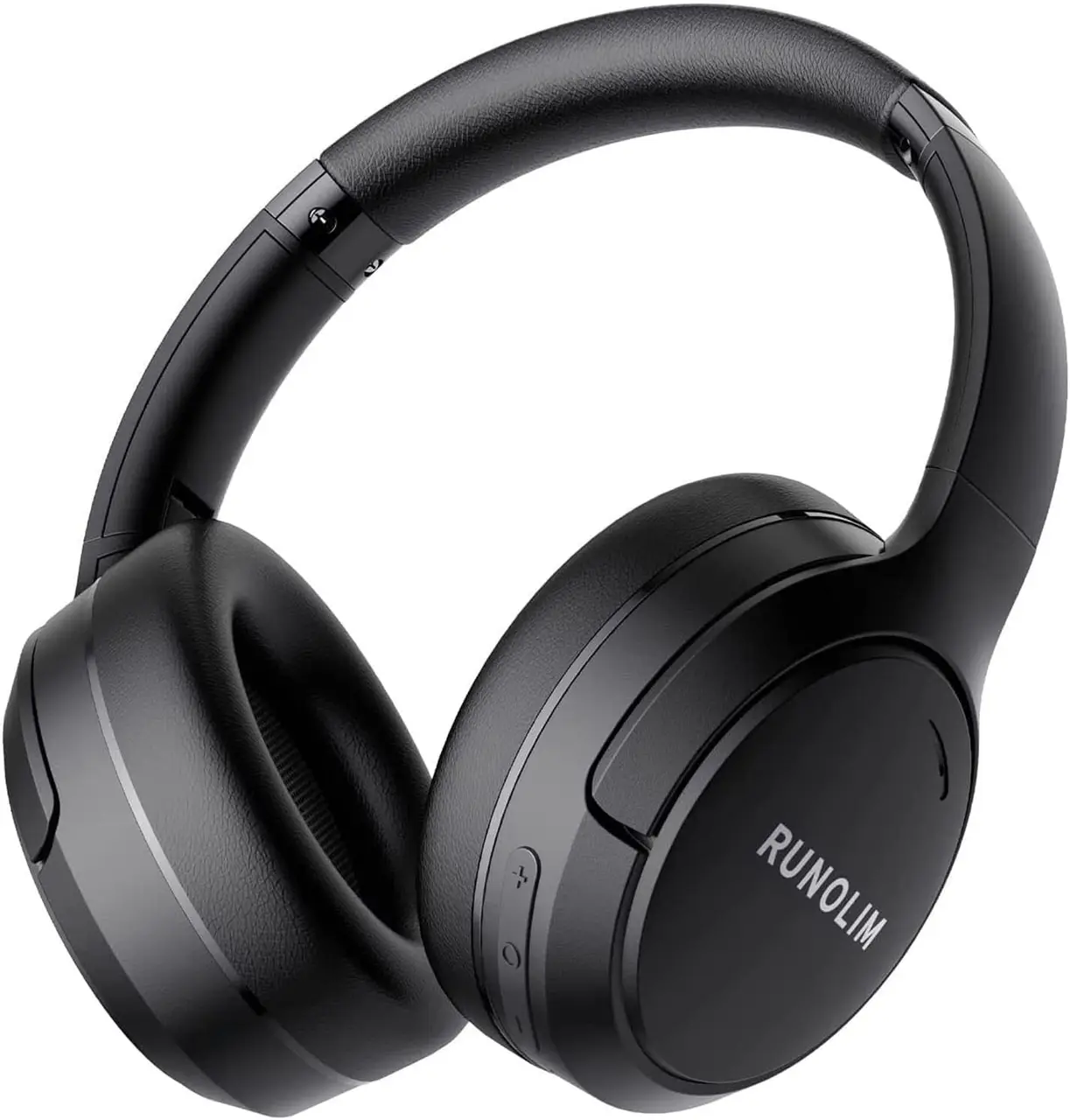
RUNOLIM Hybrid Active Noise Cancelling Headphones
RUNOLIM · $30-50 when I bought it
These are decent if you want cheap over-ear headphones for flights and hotel rooms, but they do not sound premium. The noise canceling helps with plane hum and bus engines, though I would not buy them expecting the same polish as pricier brands.
- Worth knowing:
- The ear cups get warm after a few hours, which is annoying on long flights.
- The sound is okay for podcasts and travel playlists, but it lacks detail for music if you care about audio quality.
Check current price on Amazon (affiliate link)
RUNOLIM Hybrid Active Noise Cancelling Headphones — Before these, I used a pair of $15 wired earbuds and later a cheap Amazon dupe that looked fine in photos but leaked sound and hurt after about 2 hours. On the red-eye from San Francisco to New York, I switched to the RUNOLIMs because I wanted to sleep without hearing every overhead-bin slam and every seat recline. The one thing they did that the cheaper stuff didn’t was cut enough of the low plane hum that I could hear my podcast at a lower volume and actually relax. After that flight, I stopped arriving with that buzzing, overexposed feeling in my head. I also used them on an overnight bus in Peru, where the engine drone and late-night conversation used to keep me half-awake; with these on, I got a few solid hours of sleep instead of staring at the seatback.
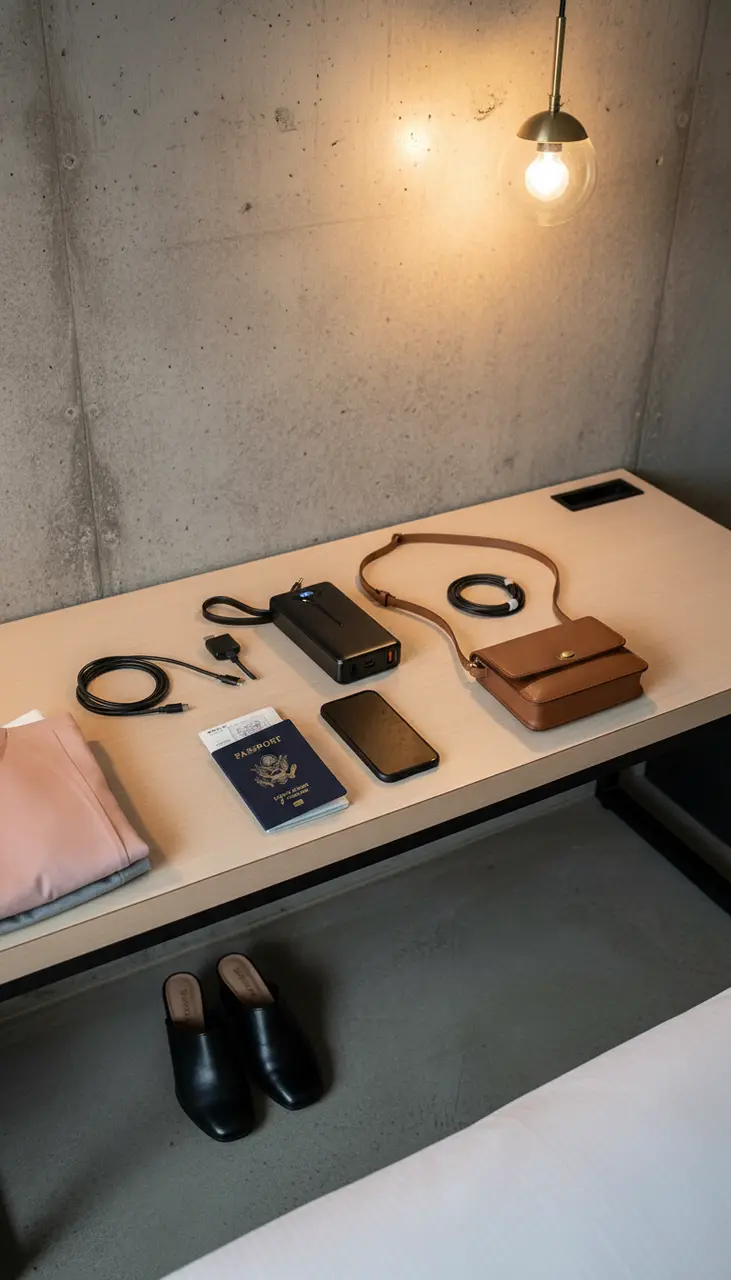
Field test detail: they fit my phone, a Kindle, a passport pouch, a charger, and the headphones in my personal item without turning the bag into a brick. On flights, I could leave them on for a couple hours and still get the job done, but the ear cups do warm up, especially in humid weather. I noticed that in a sticky summer stretch, my ears felt sweaty faster than they did in colder airports. The sound is fine for podcasts and travel playlists, but if you’re listening to music with layered detail, you’ll notice the limits fast. The ear cups also have that slightly plasticky feel you expect at this price; after 8 months, they looked used but not abused. Worth it, but only if you care more about sleep and noise reduction than rich sound. If you want something for sweaty tropical travel or you get annoyed by warm ears, these won’t be your favorite.
Before: I kept wasting money on cheap earbuds that either died, leaked sound, or made my ears sore halfway through the flight. After: I had one pair that got me through a red-eye and a Peru bus ride without needing to crank the volume. That’s the difference if your problem is transit noise, not music quality.
What it won’t do: it won’t sound premium, and it won’t stay cool on long, humid flights. If you want crisp audio for music, or you hate over-ear pressure in warm cabins, I’d skip it.
What Didn’t Make the Cut
The $15 wired earbuds from a drugstore were the first thing I tried, and they failed on a red-eye because the cord snagged every time I shifted in my seat and one side started cutting out after about 4 months. I spent $15 and still ended up hearing too much cabin noise. They were fine for a bus ride to the airport, but on a long flight they were basically a cheap inconvenience.
A popular cheap Amazon dupe that looked almost identical to better-known over-ears was my next mistake. I used them on one overnight bus in Peru, and by hour 3 the clamp pressure gave me a sore spot around my jaw and the noise canceling barely touched the engine rumble. That cost me about $35 and one very annoying night of half-sleep. I’d skip them unless you only need audio for short hops.
Apple EarPods were another miss for me on long flights. I used them for a few trips because they were easy to toss in a pocket, but on a winter flight with dry cabin air and a loud engine, they didn’t block enough sound to matter. I spent $19 and still had to blast podcasts louder than I wanted. They’re fine for casual use, but for long-haul travel they’re not enough on their own.
How It All Fits Together
For carry-on-only travel, I treat the RUNOLIM headphones as the one bulky item I’ll make room for because they save me from buying comfort in a worse form later. I keep them with a charger, Kindle, passport pouch, and a small toiletry bag, and that setup covers almost every flight day I’ve had in the last 8 months. They’re especially useful when I’m moving between climates: humid summers make them feel warmer, while cold winter flights make the over-ear design more tolerable. That matters because I’ve learned the hard way that tiny earbuds are not always the answer just because they pack smaller.
My rule is simple: if I’m flying under 3 hours, I can tolerate almost anything. If I’m on a long-haul or overnight route, I want something that lowers the mental noise fast. These headphones do that better than the cheap stuff I used before, and that’s why they stay in my bag. Worth it for people who travel a lot and want a low-cost fix that actually changes the flight experience.
I expected noise-cancelling earbuds to be some luxury thing I couldn’t afford on a solo traveler’s budget, but after spending $15 on a pair that died 6 hours into a flight to Osaka, I realized cheap didn’t mean smart—it meant wasting money twice. The flip: I ended up grabbing the RUNOLIM hybrid headphones for around $40, and they actually kept the cabin hum down for the full 14-hour journey, letting me sleep instead of arriving wrecked. The honest takeaway is that mid-range noise cancelling beats zero cancelling every single time, even if it’s not some $300 brand-name thing.
FAQ
Are these actually good for long flights?
Yes, I think they’re good for long flights if your main goal is blocking cabin hum and sleeping better. I used them on a red-eye from San Francisco to New York and got noticeably less annoyed by the engine noise than I did with cheap earbuds. They’re not luxury-sounding, but they do make a long flight easier to get through.
Do they work better than regular earbuds on planes?
Yes, they do, and that’s the whole reason I’d pack them. Regular earbuds can play audio, but they don’t do much against the low drone that wears you down over 8 to 12 hours. If plane noise is what ruins your flights, over-ear noise canceling is the better call.
Are they worth it if I only travel a few times a year?
Only if you hate flying enough to pay for comfort. I bought mine for around $30-50, and for me that made sense because I use them across multiple trips and long transit days. If you only take one short flight a year, I’d spend the money elsewhere.
Will they be too hot in summer?
Yes, they can get warm, and I noticed it most in humid weather and after a few hours straight. That’s the tradeoff for over-ear comfort and better noise blocking. If you run hot or fly in sticky climates a lot, that’s the one thing that might bug you.
Would you bring these or tiny earbuds for a carry-on-only trip?
I’d bring these if the trip includes a long flight, overnight bus, or any travel day where sleep matters. Tiny earbuds win on space, but they lose on noise reduction, and I’ve paid for that mistake with worse rest and more fatigue. For me, the headphones earn their spot in the bag.
 Emma Hayes
What I’d Rebuy Immediately
The RUNOLIM Hybrid Active Noise Cancelling Headphones are the one thing here I’d buy again without thinking too hard. They’re not fancy, and they’re not pretending to be. But for around $30-50, they cut enough noise on flights and buses that I stop noticing the travel day so much, which is the whole point.
I’d also keep them over cheaper wired earbuds, the flimsy Amazon dupe, and basically anything that claims to be travel-friendly but falls apart the second I’m stuck in a middle seat for 9 hours. If your question is the best noise cancelling earbuds for long flights, my honest answer is that I’d actually choose these over a lot of tiny earbuds because they do the one job that matters: making long transit less miserable.