
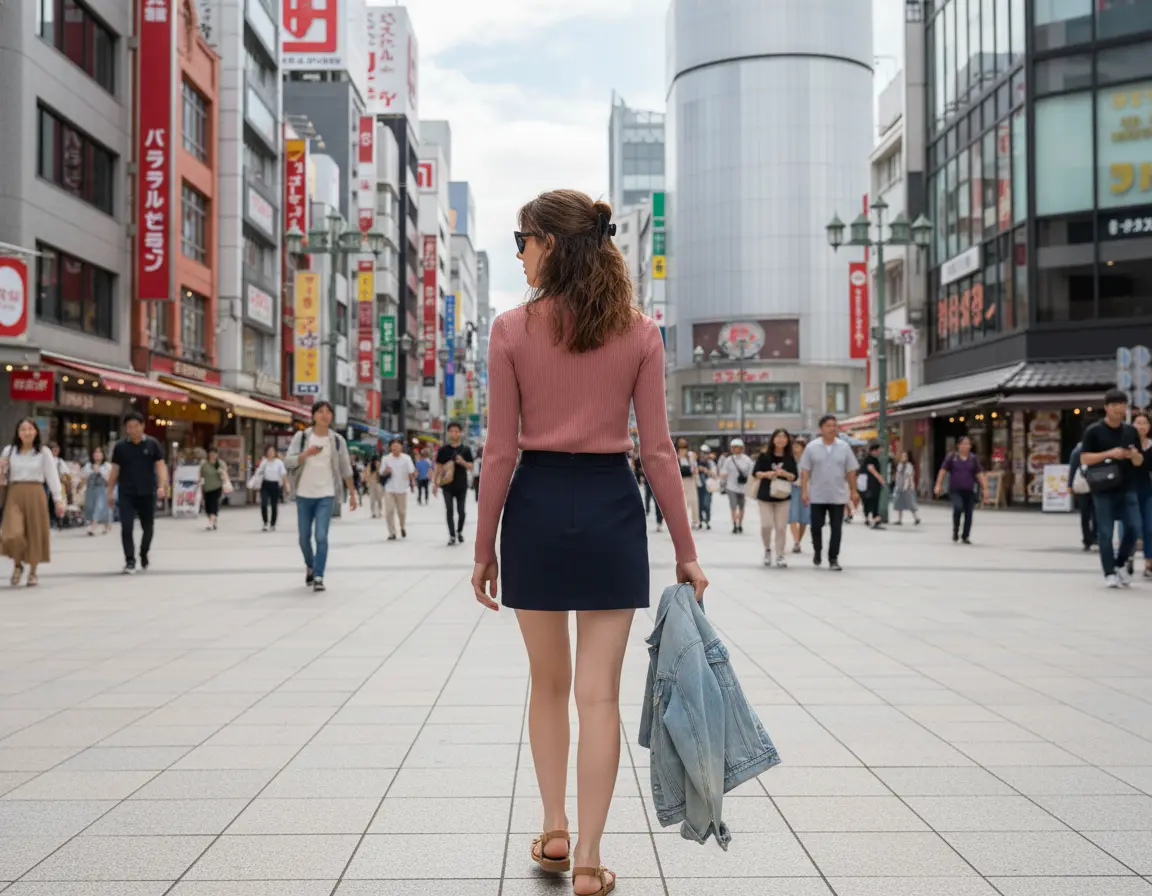
13°C in the morning, 23°C by afternoon: that was my Osaka weather swing, and I kept taking my jacket on and off like an indecisive person. I also paid ¥550 for a train ride I could’ve planned better, which is basically the city teaching you to be organized. My answer is simple: Osaka is worth a first trip if you want easy food, fast transit, and a city that doesn’t make every errand feel like a project. These Osaka travel tips first time are mostly about making that first visit smoother.
I’d pick Osaka for first-timers who care more about good meals, walkable neighborhoods, and getting around without friction than about postcard scenery. I would not pick it if you want quiet streets, lots of old-world charm, or a trip where you can wander aimlessly and still stumble into something elegant. The main decision is not “Is Osaka fun?” It’s “Do I want a practical city with a lot of payoff and a little chaos?”
Quick answer: Stay in Namba if you want the easiest first-trip base, use the Osaka Metro instead of taxis, and keep Dotonbori to one short visit. I paid around $85 a night for a simple hotel near Namba, used a ¥820 24-hour Metro pass, and found that Osaka works best when you plan lightly and eat well.
Where I’d stay: Namba beats everything if you want easy first-trip logistics
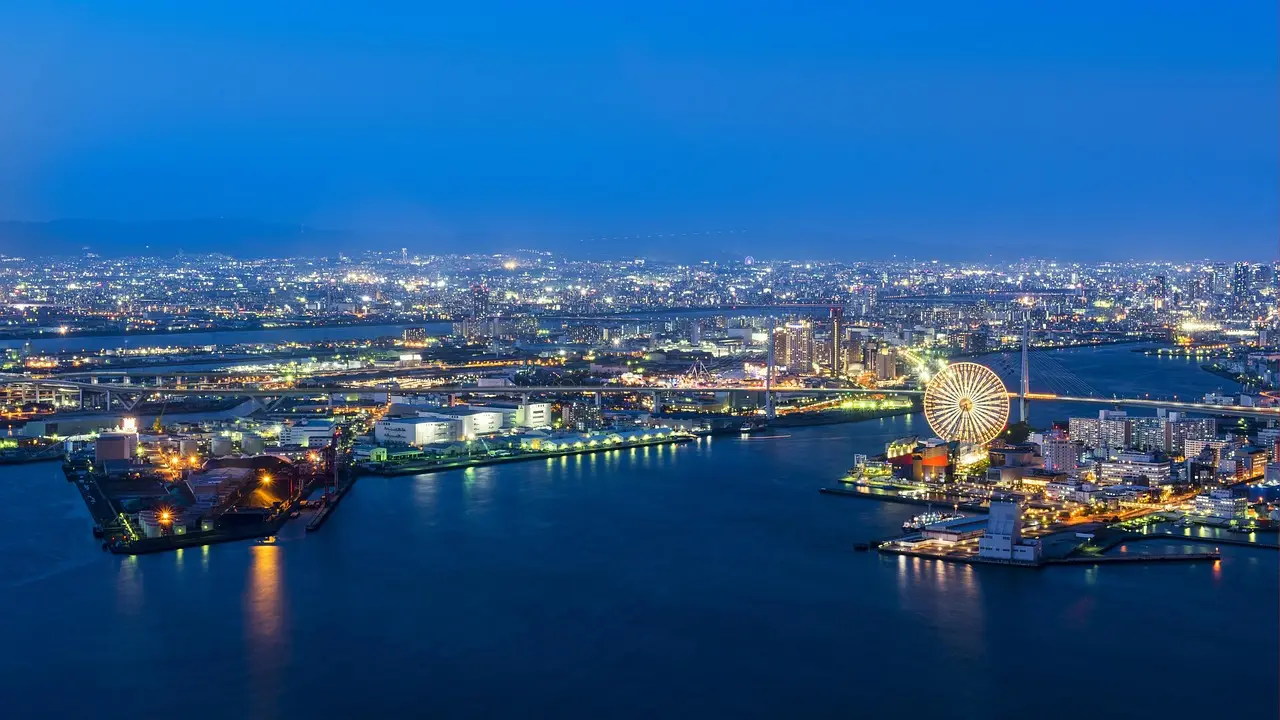
I stayed in Namba first because I wanted to be able to drop my bag, eat, and get moving without studying a transit map for 20 minutes. That choice was worth it. I paid around $85 a night for a simple business hotel room near the station, and the difference between “near Namba” and “a 15-minute walk from Namba” was real once I was dragging a suitcase through sidewalks packed with people and delivery bikes.
See current Osaka hotel prices on Agoda →
I had Namba and Umeda in front of me. I went with Namba because it put me closer to Dotonbori, the Midosuji Line, and the easiest late-night food options. Umeda would’ve worked if I were doing more day trips, but I knew I’d be out late eating and didn’t want to trade that for a slightly slicker business district.
Best for: first-time visitors who want the least annoying base for food, shopping, and transit.
Skip if: you want a quieter neighborhood and plan to be in bed early every night.
My pick: Namba, then Umeda if you care more about rail connections than nightlife.
What I used: a midrange hotel booked through Agoda at roughly $80–$110/night depending on dates. I also checked Google Maps walking times before booking, because “close to the station” can mean anything from 3 minutes to 14 minutes, and that gap matters after a long flight.
See all Osaka hotels on Agoda.
Getting around: the subway is the whole point, and taxis are the trap
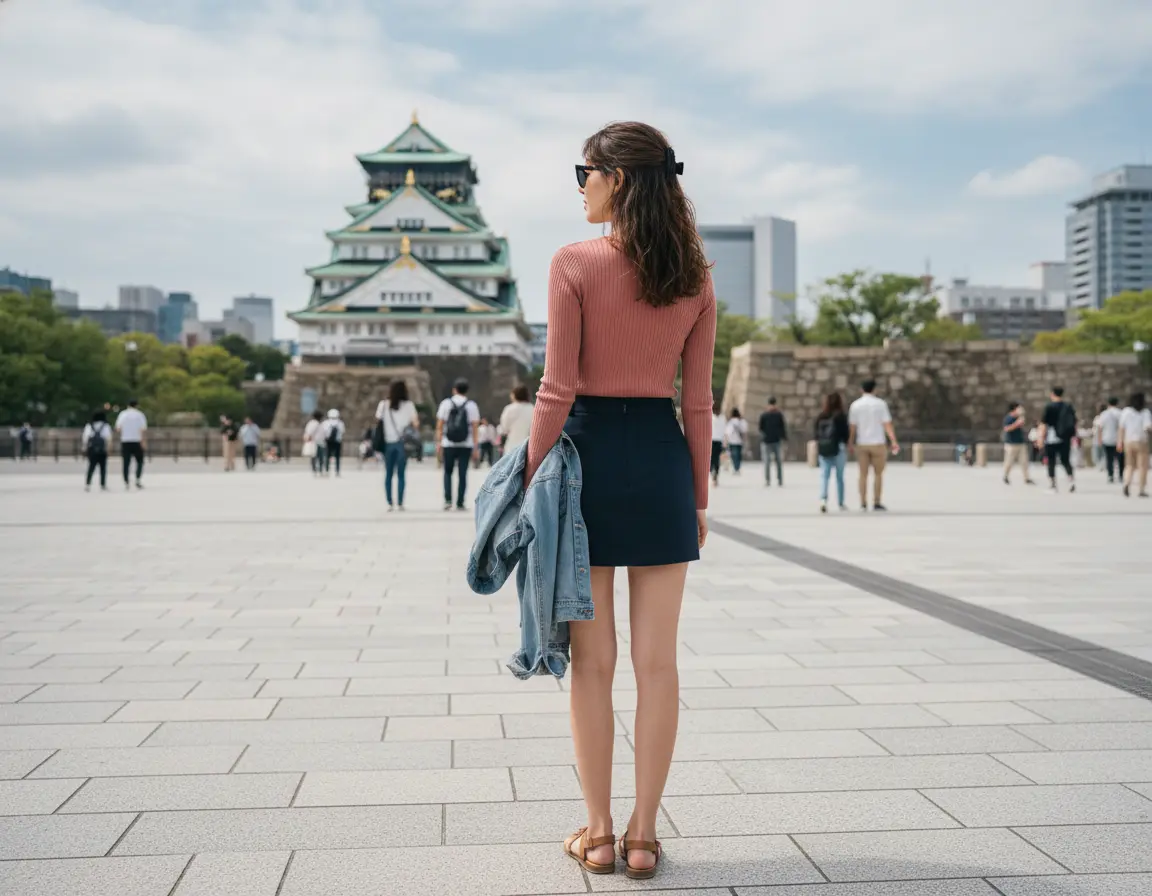
Osaka is one of those cities where public transit does the job so well that taking a taxi starts to feel lazy and expensive. I bought a 24-hour Osaka Metro pass for ¥820 one day, and it paid for itself quickly because I made four short hops instead of one long walk in the wrong direction. The system isn’t complicated, but it does reward paying attention. I missed one exit near Namba and ended up walking an extra 12 minutes through a shopping arcade because I was looking at the wrong station sign. Annoying. Not fatal.
The Osaka Metro and JR lines cover most of what a first-timer actually wants. I’d use the Osaka Metro for city movement and only switch to JR when it genuinely saves time. If you’re staying less than 5 days, don’t overthink rail passes before arrival. In Osaka itself, a pass rarely beats just tapping in and out unless you’re moving around a lot.
Worth it: the Osaka Metro 1-Day or 2-Day pass if you’re doing several separate neighborhoods in one day.
Skip if: you’re mostly staying in one area and walking between meals.
My pick: pay as you go unless you know you’ll be crisscrossing the city.
I also tried the JR Loop Line once when I thought it would be faster than the metro. It wasn’t, at least for where I was going. I saved maybe 6 minutes and spent more time figuring out platform changes. That math never works out for me unless I’m making a longer transfer.
Food planning: don’t book your meals like you’re booking a wedding
Osaka is the city where I’d plan loosely and eat aggressively. The best meals I had were not the ones with the prettiest storefronts. They were the places where I paid ¥800 for a bowl of ramen, ate standing up, and left full instead of impressed. I had takoyaki in Dotonbori for about ¥600 a tray, and yes, it was fine. The line was the problem. I waited 25 minutes for something I could’ve liked just as much two streets away without the crowd pressure.
I expected the famous food streets to be the highlight. They weren’t. They were useful for quick bites, but the real value came from smaller places around Namba and Umeda where I could walk in, eat, and leave in under 30 minutes. I’d rather spend ¥1,000 on a proper lunch than ¥1,800 on a snack with a queue and a neon sign.
Worth it: casual noodles, curry rice, kaiten sushi, and convenience-store breakfasts if you’re leaving early.
Skip if: anything that looks like it exists mainly for tourists and has a host waving people in from the sidewalk.
My pick: eat where office workers are eating, not where every menu has five languages and a mascot.
One good stop for me was a tiny curry shop near Shinsaibashi where lunch ran about ¥950. I was hungry, it was raining lightly by then, and I needed something fast before heading back out. That kind of place is Osaka at its best: efficient, cheap enough, and not trying too hard.
Dotonbori and the famous stuff: I went, I saw it, I left on time

I figured Dotonbori would feel more fun than it did. It’s loud, bright, and useful if you want a first-look Osaka moment, but it also leans hard into tourist behavior. I walked through around dusk, took the standard bridge photo, and got what I needed in about 40 minutes. That was enough. I would not build a whole evening around it unless you love crowds, snack hunting, and shoulder-to-shoulder sidewalks.
The famous sign area is free, so I’m not complaining about the price. I’m complaining about the ratio. If you’re in Osaka for less than 5 days, one quick visit is enough. After that, it starts to feel like a place you pass through rather than a place you stay.
Worth it: one short evening walk, especially if it’s your first time in the city.
Skip if: you hate slow-moving crowds and don’t care about photos.
My pick: go once, preferably on a weekday, then eat somewhere quieter.
I expected to linger longer because everyone makes it sound like the center of the city’s personality. It isn’t. It’s the city’s most obvious face, not its best one. That matters if you’re deciding where to spend your limited energy.
Universal Studios Osaka: book ahead or don’t bother pretending you’re spontaneous
I skipped Universal Studios Japan on this trip because I’d already lost one morning to a train delay, and I wasn’t interested in turning the rest of the day into a queue. I walked past the entrance anyway. It was already busy by late morning, with families clustering under the signs and a couple near me comparing ticket prices out loud like they were doing the math on a small car. I saw the dated admission starting around ¥8,600, and the Express Pass prices made the whole thing feel like a decision, not an impulse.
Best for: travelers who specifically want theme-park time and are willing to pay for it.
Skip if: you’re trying to keep Osaka low-cost or you only have 2–3 days total.
My pick: if you go, buy the dated ticket early and decide on the Express Pass only after checking crowd forecasts.
I’d only book this in advance if it’s a top priority. If it’s a maybe, leave it out. Osaka has too much good food and too many easier wins to spend half your trip thinking about one park entry line.
For tickets and time-sensitive add-ons, I’d check Klook only when I know I want a dated activity. Popular slots disappear faster than I expect, and I’ve learned not to be cute about that.
I book timed tickets through Klook when an activity is likely to sell out.
The mistake I made: I underpriced my own energy
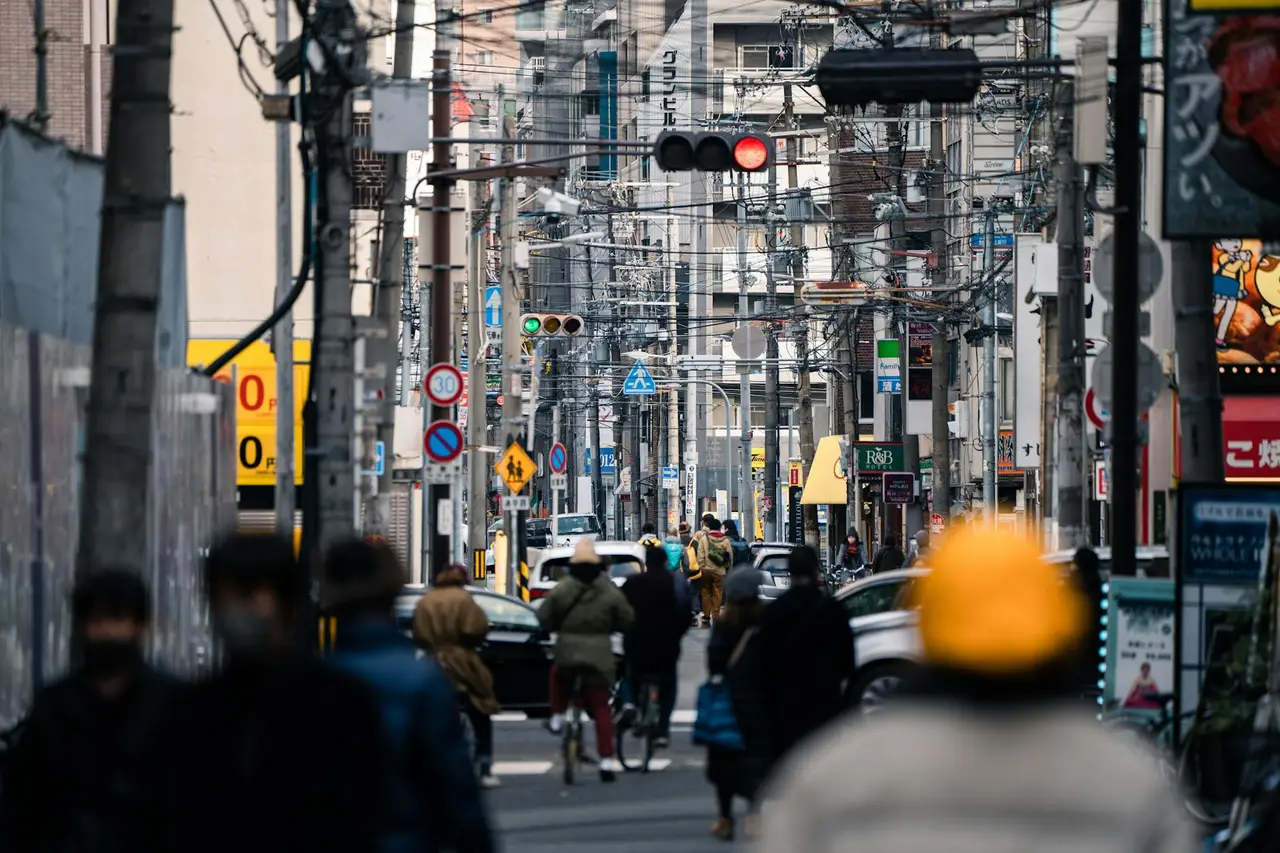
I thought I could stay a little farther out and save money. That sounded smart on paper. The trigger was a hotel rate that was about $18 cheaper per night than the one I actually booked, and I almost took it because the reviews looked fine. Then I checked the map and saw it would add about 35 minutes each time I wanted to go back for a rest or change clothes. I paid more for the central room, and I’m glad I did.
The consequence was easy math. If I had chosen the cheaper place for three nights, I’d have saved around $54 and spent the trip doing extra station changes and dragging myself around when I was tired. That’s not a real saving. That’s just paying in time and annoyance instead of cash.
Lesson: in Osaka, location is worth paying for if you plan to eat late, shop, or make multiple short outings.
Skip this mistake: booking a bargain hotel that looks “close enough” when it’s really a transfer away from the places you’ll use daily.
My pick: spend the extra $15–$25 a night on better placement, especially for a first visit.
What I’d pack and what I wouldn’t bother buying
My packing list for Osaka was plain: light jacket, comfortable walking shoes, charger, and a small day bag that I didn’t mind squeezing through crowded train doors. The weather shifted enough that I was happy to have a cardigan in the morning and sunglasses by lunch. I carried the jacket in my hand more than I wore it, which is exactly the kind of annoying-but-useful travel detail that shapes the day.
I would not buy a bunch of Japan-specific gadgets before arriving. A SIM or eSIM is useful, yes. A pocket Wi-Fi device is only worth it if you’re traveling with other people and splitting the cost. I’ve paid around $18–$25 for a week of eSIM data in Japan, and that’s the cleaner option for solo travel. I also don’t bother with fancy travel umbrellas in advance unless the forecast looks rough. Convenience stores sell them when needed, and I’ve bought one for about ¥700 before. Fine, not great, but it works.
Worth it: eSIM, Suica/ICOCA-style transit payment, good shoes, and a small crossbody bag.
Skip if: heavy luggage for a short Osaka stay. It turns station stairs into a small grudge.
My pick: pack light and buy anything minor on arrival.
I’d also keep hotel breakfast off my list. I almost booked a room with breakfast included, then remembered I’d rather spend that money on a hot meal from a local place than a buffet I’d barely use.
Rough daily estimates from my own trip. Prices shift by season.
What I’d do differently next time
I’d skip one of the obvious Osaka evenings and spend more time in quieter food neighborhoods instead. I’d also book my hotel even closer to the station entrance, not just the station area. And I’d decide earlier whether Universal Studios Japan is actually part of the trip instead of leaving it as a maybe until the last minute.
Worth changing: hotel location, one less Dotonbori night, and earlier activity decisions.
I usually book Osaka tours on Klook — the best time slots go fast, especially in peak season.
FAQ
Is Osaka a good first city in Japan?
Yes, I think Osaka is a great first city if you want easy transit and low-friction food options. I’d pick it over somewhere more delicate or sprawling because I don’t have to babysit every move there. If you’re nervous about Japan logistics, Osaka is a friendly place to start.
How many days do I need in Osaka?
Three full days is the sweet spot for me. I can cover food, one famous area, and a couple of neighborhoods without rushing, and anything less starts to feel thin. If you only have 1–2 days, cut the theme park idea and keep it simple.
Should I stay in Namba or Umeda?
I’d choose Namba for a first trip. It’s closer to the late-night food and the parts of the city most first-timers actually use, while Umeda is better if train connections matter more to you. If you’re arriving late and leaving early, Umeda can be the cleaner logistics choice.
Is Dotonbori worth going to at night?
Yes, but only once. I walked through, took the photo, ate, and was ready to leave after about 40 minutes because the crowd energy gets old fast. It’s a quick Osaka checkbox, not a place I’d build my whole evening around.
Do I need to book anything before I land?
Only the things with real demand: your hotel, Universal Studios Japan if you care about it, and maybe a timed activity if you’re doing one. I’d buy the rest on arrival because Osaka is easy to handle once you’re there. That saved me from overplanning and kept the trip cheaper.
 Emma Hayes