

I almost wasted ¥2,400 and half a day on Nagoya because I treated it like a quick “see the big sights” city instead of a place where the boring logistics matter more than the postcard stops. I also walked into one classic tourist trap that looked efficient online and turned into a time sink in real life. Common tourist mistakes Nagoya avoid starts with slowing down and planning around food and trains, not hype.
My judgment: Nagoya is worth it if you care about food, train-based day planning, and a city that works well when you stop chasing hype. It’s not for people who want constant atmosphere or a packed list of famous sights. The main thing that matters here is choosing a few solid stops and moving efficiently. If you try to do everything, Nagoya will chew up your time.
Quick Answer: The biggest mistakes in Nagoya are trying to cover too much in one day, waiting too long for famous eel lunch, and assuming Nagoya Station makes everything simple. I lost 2 hours to transit, waited 45 minutes for hitsumabushi, and burned ¥1,800 on short taxi hops.
Main Tips
I’d skip the “do everything in one day” plan. It wasted me 2 hours and left me rushing lunch.
I’d avoid the most famous eel lunch at peak time unless I had a reservation. I waited 45 minutes and paid more than I needed to.
I’d stop treating Nagoya Station like a simple base if I planned to walk everywhere. It sounds convenient, but the station area is a maze.
I’d use the city’s train network instead of assuming taxis would save time. They didn’t, and I burned ¥1,800 on short hops.
I’d only do the big-ticket attractions if they fit the kind of trip I actually had. A lot of the city is better for slower, food-first travel.
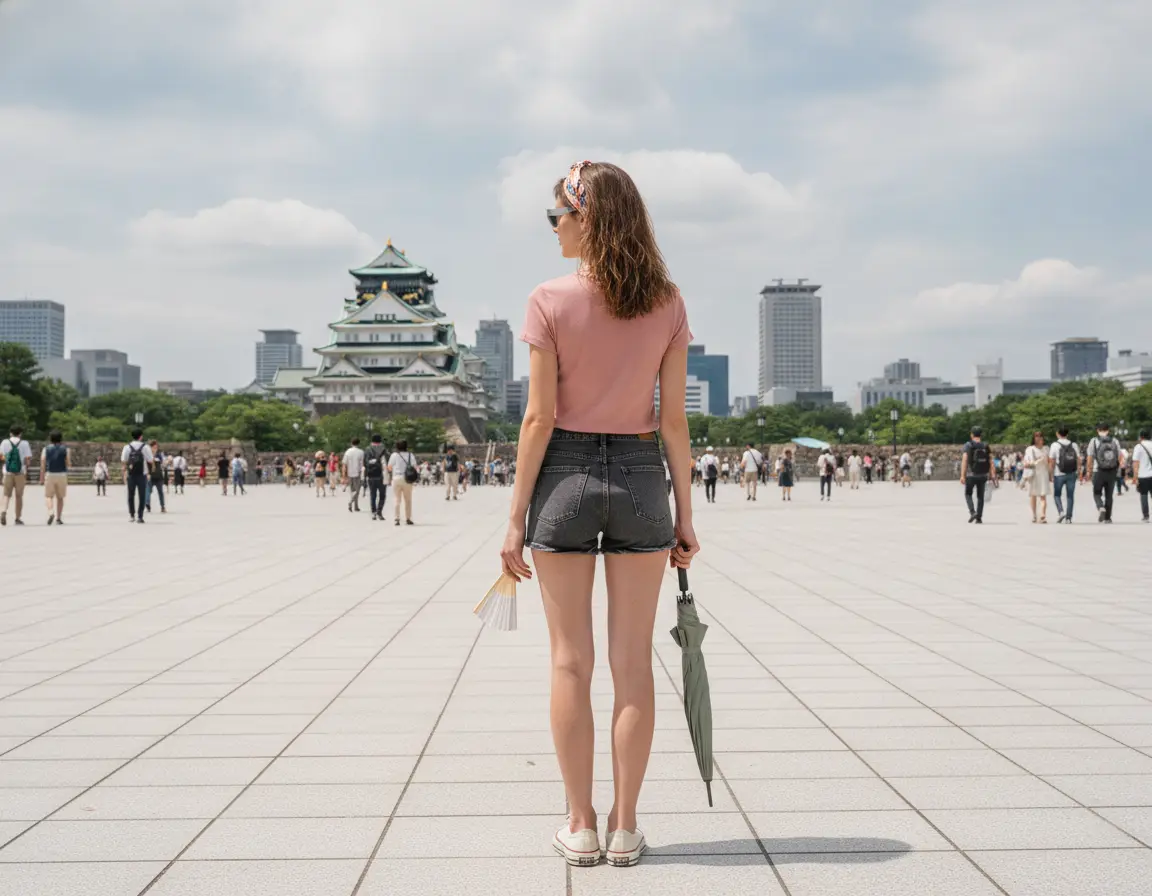
Trying to “cover” Nagoya in one day
I figured Nagoya would be one of those cities you can knock out fast. That logic felt sound. I had one free day, the weather was hot — around 23–30°C with patches of cloud after recent rain — and I thought I could string together the main sights, grab lunch, and still make my train without stress.
The trigger was my own overplanning. I tried to fit Nagoya Castle, Osu, Atsuta, and a proper meal into the same day, with no real buffer between them. I kept checking the clock instead of the city.
The consequence was ugly in a quiet way: I lost about 2 hours to transit, backtracking, and one bad route choice near Nagoya Station, then another 40 minutes just deciding where to eat because I’d already squeezed the day too tight. I ended up skipping Atsuta entirely and eating a rushed ¥900 lunch I barely remember. That’s a bad trade.
Hindsight: I’d cut the list to two anchors max — one food stop and one neighborhood or museum — then leave the rest open. Nagoya works better when I stop treating it like a checklist city.
Best for: travelers who like one or two solid stops and a slow meal.
Skip if: you want a packed sightseeing day with no dead time.
My pick: do less, move less, and give yourself one long lunch.
Eating unagi without checking the line first
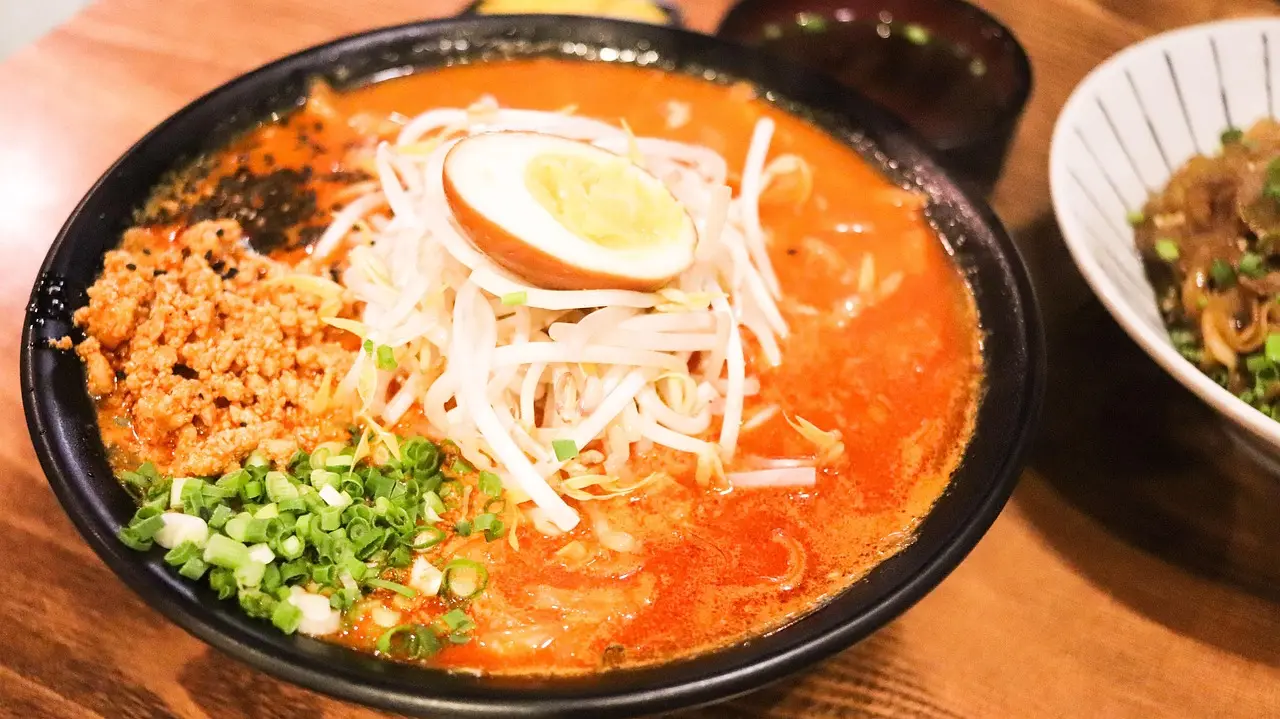
I wanted hitsumabushi at a place people kept naming online, so I went in assuming the line would move fast. That seemed reasonable because the restaurant was big and the turnover looked steady from outside. I was wrong in the annoying, predictable way.
The trigger was showing up around lunch without a reservation and deciding the queue didn’t look that bad. It looked fine for about 10 minutes. Then it stretched, and the wait got sticky because everyone wanted the same thing at the same hour.
The consequence: I waited 45 minutes, paid about ¥3,800 for the meal, and still felt rushed because I was watching the clock the whole time. The food was good. I’m not pretending it wasn’t. But the value dropped fast once I factored in the wait, and I lost the easy lunch window I’d planned around.
Hindsight: I’d either reserve ahead or go very early, before 11:30 a.m., when the lunch crush starts building. If I can’t do that, I’d pick a less famous unagi spot and accept that the bowl may cost a few hundred yen less with zero line.
Best for: people willing to plan lunch around a reservation.
Skip if: you hate waiting more than 20 minutes for food.
My pick: book the slot or eat early, because the line is the whole game here.
I pre-booked on Klook for a couple of timed entries later in the trip, and it saved me from standing around in heat with a dead phone battery. For anything in Nagoya that sells time slots or gets crowded at lunch, I’d rather lock it in than gamble on walk-in luck.
Assuming Nagoya Station is easy because it looks central

I thought staying around Nagoya Station would make everything simple. The logic was decent: big station, lots of trains, easy transfers. I’ve used that trick in other cities and it usually works.
The trigger was assuming “central” meant “simple to move through.” Nagoya Station is not hard because of distance. It’s hard because of scale. I took one wrong exit and spent what felt like forever circling underground, then surfaced on the wrong side for my next train connection.
The consequence was 30 extra minutes of walking and confusion, plus ¥520 in local transit I could’ve avoided if I’d planned the route better. I also arrived at my next stop hot, annoyed, and already behind. That mood matters more than people admit. Once your day starts like that, everything feels slightly more expensive.
Hindsight: I’d use the station area for train access, but I wouldn’t assume it makes walking easier. If I had luggage or a tight schedule, I’d map the exact exit before leaving the platform and write it down, not just rely on “near the station.”
Best for: train-heavy trips with a lot of in-and-out movement.
Skip if: you want a calm, walkable neighborhood base with obvious streets.
My pick: use the station for transit, not for simplicity.
Paying for taxis when the subway would’ve been cleaner
I had one of those days where the sky looked gray enough that I thought walking between stops would be miserable. It had rained recently, the sidewalks were a little slick, and I was carrying a fan, sunglasses, and an umbrella like I had my life together. So I grabbed taxis for a couple of short hops.
The trigger was pure laziness mixed with bad weather logic. I kept telling myself the taxis would save time because I was already tired and the city felt spread out. That sounded smart in the moment.
The consequence was ¥1,800 gone on rides that each saved me maybe 10 minutes, if that. One of them actually took longer because of traffic near a busy corridor. I could’ve taken the subway for a fraction of the price and arrived with less friction.
Hindsight: I’d use taxis only when I’m crossing the city with luggage or I’m ending late at night, not for mid-day convenience. Nagoya’s train system is good enough that short taxi rides usually don’t make sense unless the weather is truly awful or I’m already running late. Best for: travelers who value time more than cash and are moving with bags. Skip if: you’re taking short daytime hops. My pick: subway first, taxi only when the math is actually there.
Going to Osu expecting a polished shopping district
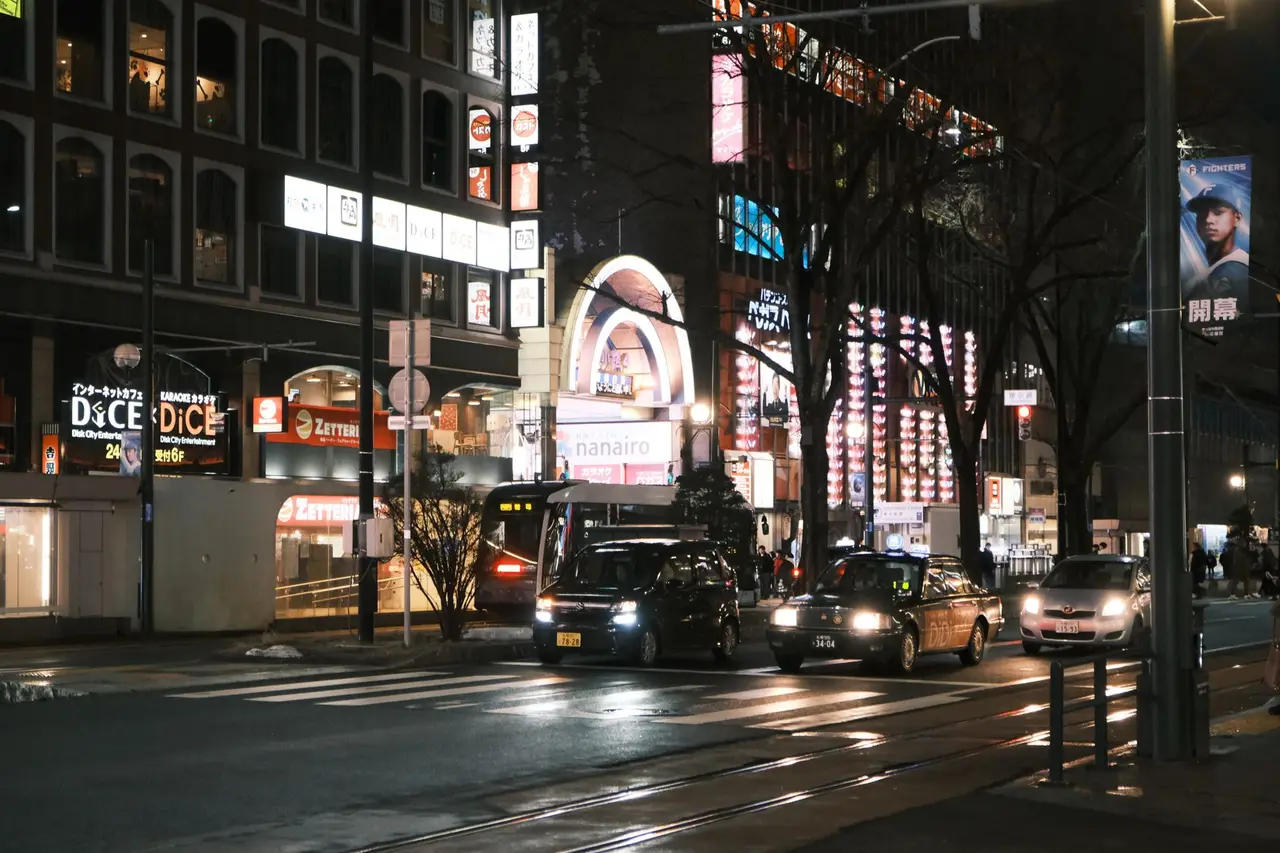
I expected Osu to feel cleaner and more curated than it did. I had seen enough photos of arcades and snack stalls to assume it would be a neat, easy browse. Instead, it felt messy in a way that was more useful than pretty.
The trigger was my own expectation mismatch. I walked in looking for a “nice” neighborhood and treated the clutter like a flaw instead of the point. That’s on me. Osu is better when you’re hungry, curious, and not trying to force it into an Instagram template.
The consequence was small but real: I spent about 20 minutes being irritated before I settled down and found the good stuff — a cheap snack, a used-game shop, and a couple of food stalls that were actually worth my money. I bought a ¥500 snack and a drink, then stayed longer than planned. The area wasn’t what I expected, but my expectation was the problem.
Hindsight: I’d go in with no “polished neighborhood” idea at all. Osu is worth it if you want browsing, snacking, and a bit of chaos. It’s not the place for a pristine stroll.
Best for: people who like street food, secondhand shops, and a little noise.
Skip if: you want tidy streets and a curated feel.
My pick: go hungry and stop expecting it to look nice on purpose.
Focusing on the castle and missing the better parts of the day
I went to Nagoya Castle because, well, that’s what people do. It seemed like the safe cultural stop, and I figured I should check the box before moving on. I’m not against castles. I just don’t like wasting prime daylight on something that’s more about the outside than the actual experience.
The trigger was buying into the idea that the castle itself would carry the day. I paid the entry fee, walked the grounds, and realized pretty quickly that the most interesting part was the broader area, not the interior experience I’d mentally built up.
The consequence was about 90 minutes and roughly ¥500 that didn’t give me much return. I left feeling like I’d done the thing I was supposed to do instead of the thing I actually wanted. That’s a different kind of waste. It doesn’t sound dramatic, but it drains the day.
Hindsight: I’d only go if I had extra time or if I was already nearby for another reason. Otherwise, I’d spend that slot on a better meal or another neighborhood stop. Best for: first-time visitors who want the classic landmark and don’t mind a short visit. Skip if: you only have one full day and care more about food than monuments. My pick: see the outside if you’re passing through, but don’t build your whole day around it.
What I’d do differently next time
I’d plan Nagoya around food and transit, not around “major sights.” That’s the shift that would’ve saved me the most time. I tried to make the city behave like Kyoto or Tokyo in my head, and it just isn’t that.
I’d also keep one blank block in the middle of the day. The city got better once I stopped rushing, but I only figured that out after burning time on pointless detours. Next time I’d arrive with fewer expectations and more room for one good lunch.
Best for: travelers who want a practical city with strong food and easy train movement.
Skip if: you need constant visual drama or a packed list of landmarks.
Next time: I’d book one time-sensitive meal, choose one neighborhood, and leave the rest open.
I usually book Nagoya tours on Klook — the best time slots go fast, especially in peak season.
FAQ
Is Nagoya worth more than one day?
Yes, but only if I’m using it as a food-and-transit city instead of trying to tick off landmarks. One day is enough for a meal, one neighborhood, and maybe one major sight; two days lets the city relax a bit. If I only had one day, I’d keep it tight and stop pretending I could see everything.
Should I stay near Nagoya Station or somewhere else?
Yes, staying near Nagoya Station is practical if I’m arriving late or leaving early by train. It’s not the easiest area for a relaxed walk, though, because the station complex is huge and a bit disorienting the first time through. I’d pick it for transport, not for charm.
Is the famous eel lunch really worth the wait?
No, not if the line is over 30 minutes and I’m already hungry. I paid about ¥3,800 and waited 45 minutes, which made the meal feel more expensive than it was. I’d go early or reserve a time slot, otherwise I’d pick a less famous spot.
Can I get around Nagoya without a taxi?
Yes, and I think that’s the better move most of the time. Short taxi rides cost me ¥1,800 total and saved less time than I expected, while the train would’ve been cheaper and cleaner. I’d only take a cab with luggage, late at night, or when rain is actually messing up the day.
What should I skip if I only have a short stop in Nagoya?
I’d skip the castle interior before I’d skip a good meal or a neighborhood like Osu. The castle cost me about 90 minutes and ¥500, and it wasn’t the part of the trip that stuck with me. If time is short, Nagoya is better when I eat well and move on.
 Emma Hayes