
“`html
28°C: that was the hottest afternoon I had in Hiroshima, and I still ended up drinking cold tea in the shade because the humidity was doing the most. November is usually a much easier month than that, which is why I think it’s one of the better times to go if you want to see the city without sweating through your shirt. Hiroshima in November is worth planning around if you want the city to feel manageable.
My short answer: yes, Hiroshima in November is worth planning around. I’d pick it for first-timers, food-focused trips, and anyone who wants the Peace Memorial area, Miyajima, and the city center to feel manageable. I’d skip it only if you’re expecting autumn colors at their peak or you want a beachy, warm-weather Japan trip — November can be mild, but it can also turn brisk fast.
Best for: Travelers who want walkable sightseeing, lighter crowds, and a city that doesn’t feel exhausting.
Skip if: You’re chasing peak foliage dates or you hate packing a light jacket for one day and sunscreen for the next.
My pick: Go in early to mid-November if you can. That’s the sweet spot before the late-month chill starts feeling more real.
What November actually feels like in Hiroshima
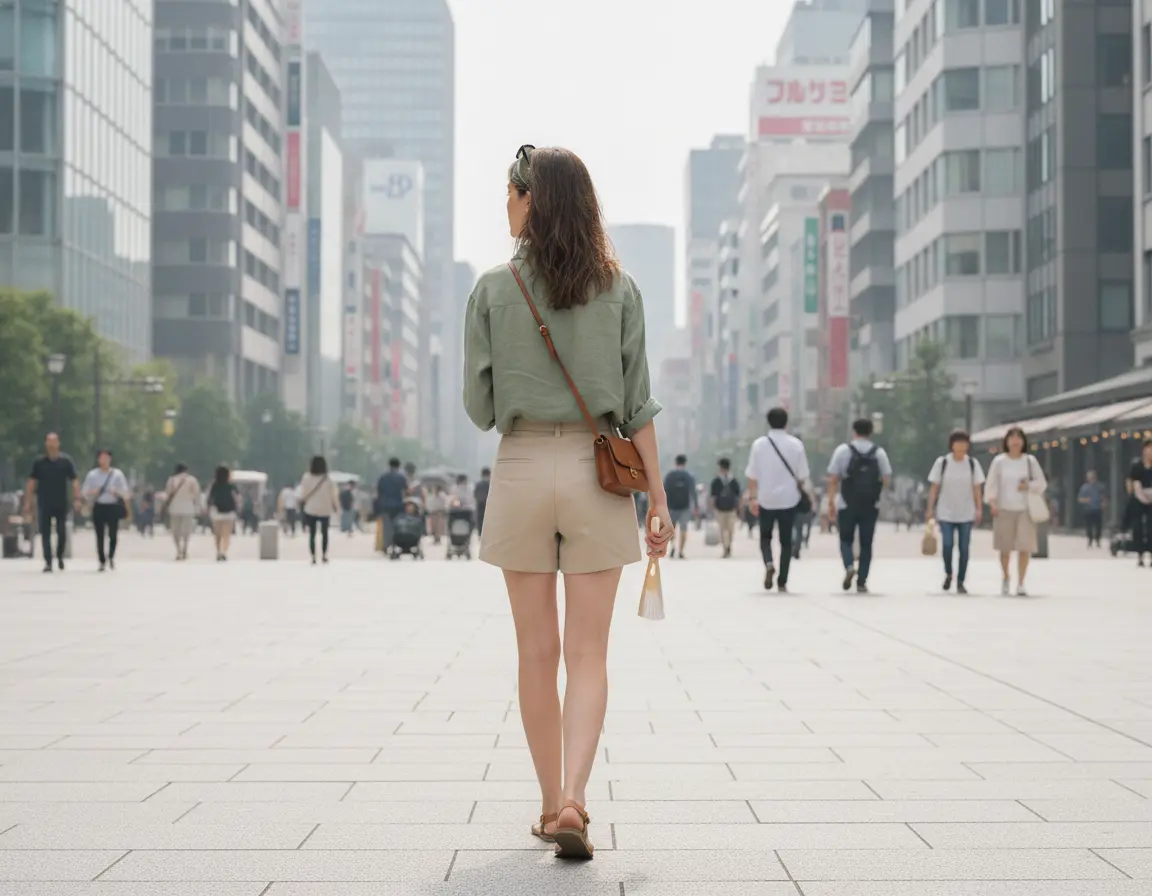
I went expecting “pleasant fall weather” and got something a little more mixed. Some mornings felt crisp enough for a light cotton shirt, and by midday I was back in short sleeves. The city sits in that annoying in-between zone where you can’t fully pack for cold, but you also don’t want to pretend it’s still summer.
For planning, I’d treat November as a layering month. I wore shorts one day, then switched to light trousers the next because I was tired of sun on my legs while walking between tram stops and the Peace Memorial Park. That’s the real answer here: November is comfortable, but not lazy-comfortable. You still need to think a little.
Worth it if: You want sightseeing weather that doesn’t punish you for walking 10,000 steps.
Skip if: You only want one outfit for the whole trip. November won’t cooperate that neatly.
The good part is that you can actually walk around without feeling sticky and gross for most of the day. The bad part is that mornings and evenings can feel cooler than expected, especially if you’re near the river or waiting for a tram. I had a small umbrella in my bag mostly out of habit, but I used it more for sun than rain. That’s the kind of month it is.
What I’d pack, and what I wouldn’t bother with
I packed a breathable linen shirt, a lightIf you need to buy anything on arrival, Hiroshima Station is the easiest place to fix your mistakes. The station area has the usual convenience stores and chain shops, and I’ve paid around ¥1,500 to ¥3,000 for basic layers in Japan when I’ve been underpacked. That’s not cute, but it’s cheaper than dragging the wrong clothes across the city for three days.
Worth it if: You’re packing light and want to keep the trip simple.
Only if: You forgot a layer and don’t want to lose half a day shopping around.
Getting around without wasting time
Hiroshima is one of those cities where transit is easy enough that I wouldn’t pay extra to stay somewhere complicated. The tram network is useful, the city center is straightforward, and the main sightseeing areas are not spread out in a way that makes me groan. I used the tram and my own feet most of the time, which is exactly how I want a city trip to work.
For most visitors, the Hiroshima Electric Railway trams are the main move. A single ride is usually around ¥240, and you can pay as you go, which is nice when you’re only making a couple of hops. I didn’t bother with anything fancy. I just tapped in, got off, and kept moving.
Best for: People staying near Hiroshima Station, Hatchobori, or the Peace Memorial area.
Skip if: You’re planning to spend every day on the outskirts. Then the convenience starts dropping fast.
I had two options in front of me for getting around: the tram or a lot of taxi rides. I went with the tram because the math was too obvious. A taxi from the station to a central area can easily run several times the tram fare, and I wasn’t trying to spend extra just to avoid a five- or ten-minute walk. Taxis make sense late at night or if you’re carrying luggage, but for normal sightseeing, they’re not the move.
One mistake I made in Hiroshima was assuming I’d want to stay up late and wander after dinner every night. I didn’t. The city is calm in a way that makes long evening loops feel less necessary, and I ended up back at my room earlier than I expected. That cost me nothing except a bit of overplanning, but it did remind me not to build a trip around the version of myself who always has energy at 10pm.
My pick: Use trams for the main hops and walk the last stretch.
Only if: You’re dragging a suitcase or it’s raining hard should you start leaning on taxis.
Where I’d base myself in November
If I were booking Hiroshima again, I’d stay near Hiroshima Station or in the Hatchobori area. Station-adjacent is the simplest choice if you’re arriving by train and want painless day trips. Hatchobori is better if you want more food, more shops, and less of that “I’m sleeping next to a transport hub” feeling.
I stayed close enough to walk to convenience stores and a tram stop, and that saved me more than once. I bought a 180-yen onigiri from a nearby Lawson when I got back too late for a proper lunch break, and that kind of small convenience matters more than a fancy lobby ever does. I don’t care much about hotel breakfasts, so I’d rather pay for location than a buffet I’m too lazy to use.
Best for: Short stays and first visits.
Skip if: You think being “more local” means staying far from the station. That’s usually just code for wasting time.
I checked a few places in the ¥7,000 to ¥14,000 range for a basic double or clean business hotel-style room. Prices move around, but that was the band I kept seeing when I looked near the station and central tram lines. I’d rather pay that than save ¥1,500 and add 20 minutes of transit every day. That math never works out for me.
See all Hiroshima hotels on Agoda if you want to compare station-area rates before they creep up.
Worth it if: You’re only in town for two or three nights.
Only if: You’re staying a full week and don’t mind a slower base should you move farther out.
What to book ahead, and what to buy when you land
I’d book your hotel ahead. That’s the one thing I wouldn’t leave to chance in November, especially if your dates overlap with a weekend or a holiday period. Even when Hiroshima doesn’t feel packed, the better-value rooms disappear first. I’ve learned that the hard way in Japan enough times to stop pretending otherwise.
Miyajima is the other thing I’d plan a little. Not because you need a giant tour package, but because ferry timing and your own energy matter more than people think. I’d keep it flexible, yet not improvised to the point of stupidity. If you want a specific experience on the island, book that part ahead. If you just want to go across, buy the ferry ticket on the day and keep moving.
Book ahead: Your room, and any specific timed activity you care about.
Buy on arrival: Transit cards, snacks, umbrellas, and basic layers if you underpacked.
I did not book a guided bus tour, and I’m glad I didn’t. Hiroshima is not a city that needs someone talking at you from a microphone while you sit in a seat you didn’t want. The tram, the ferry, and your own feet are enough for most of the trip. If you like structure, fine, but I’d only pay for a guided experience if it saves real time or gets me into something limited.
Skip it: Full-day coach tours that bundle too much and still make you line up.
Worth it if: The tour gets you early access or solves a real logistics problem.
What’s worth doing in November, and what I’d skip

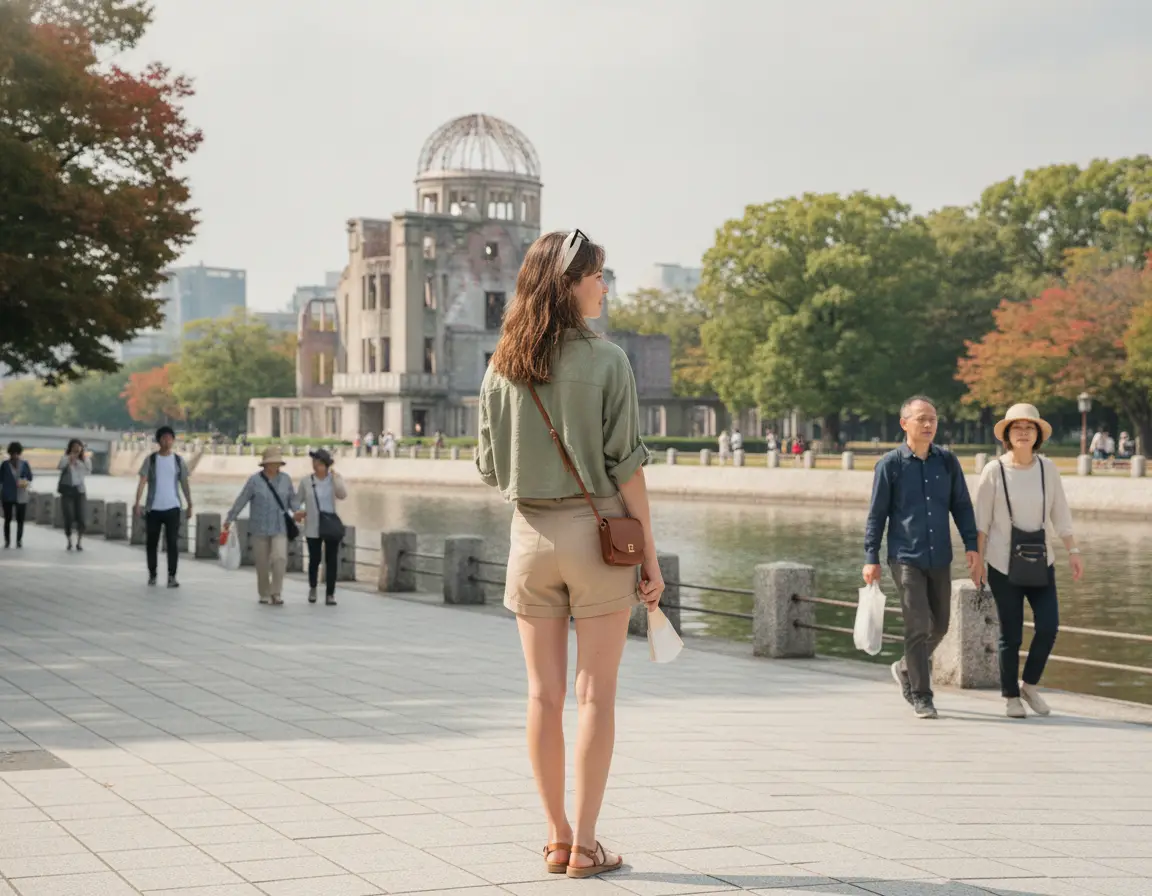
The Peace Memorial Park and Museum are the obvious anchors, and they should be. I expected the museum to feel more overwhelming than it did, but it was calmer and more focused than I imagined. That surprised me in a good way. I still left with a heavy head, but not the drained, foggy feeling I expected from a place that carries that much history.
I usually book Hiroshima tours on Klook — the best time slots go fast, especially in peak season.
Worth it: Yes, without question.
Skip if: You only want light sightseeing and don’t want to give the city any emotional space. This part of Hiroshima is the point.
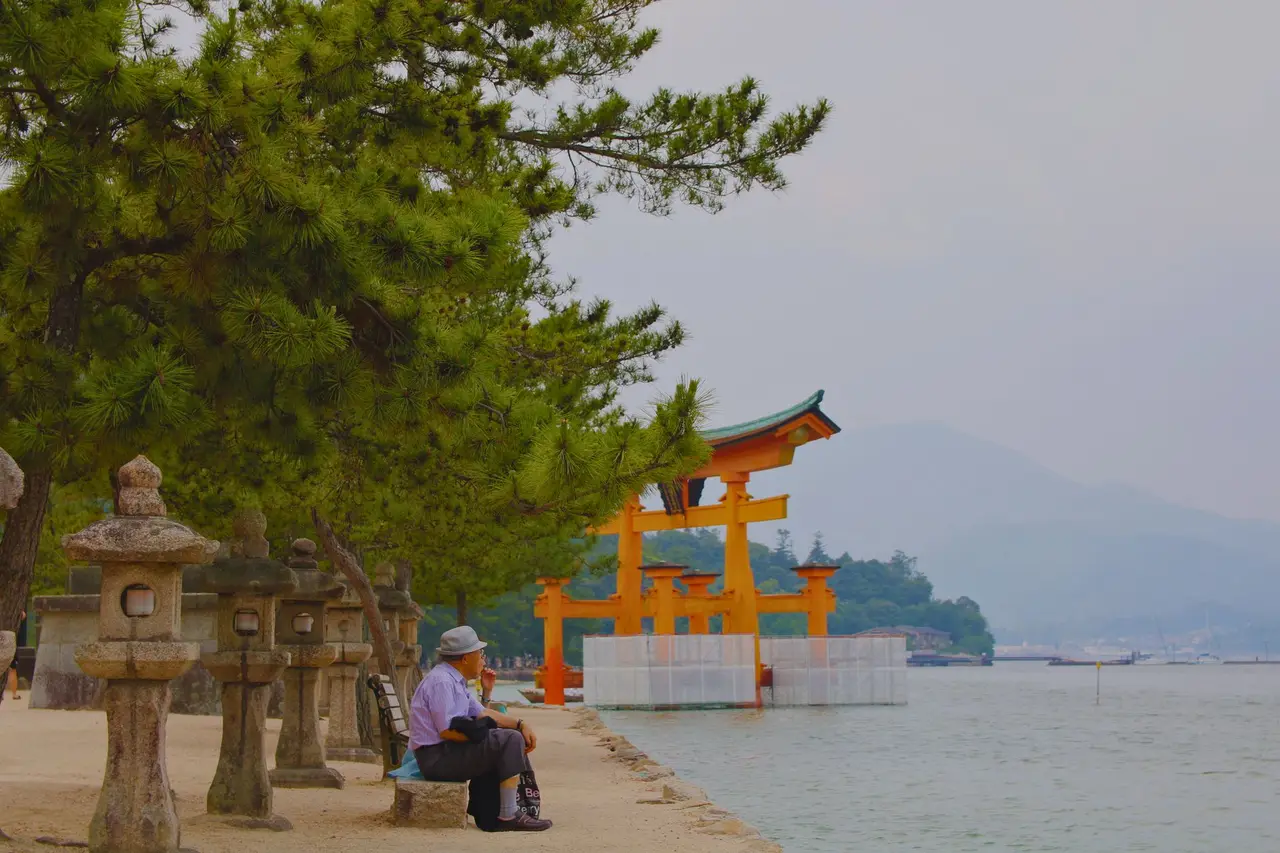
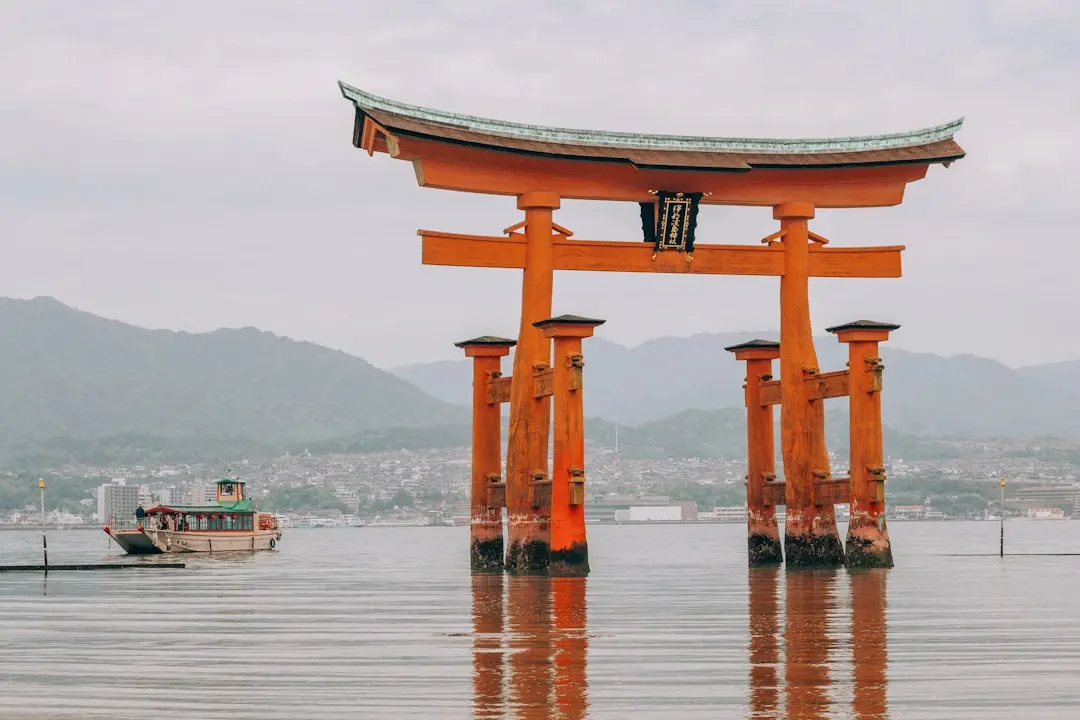
I’d also put Miyajima on the list, but I wouldn’t sell it as a full-day obsession unless that’s really your thing. The ferry plus island time can be lovely, and November usually makes walking easier than the sticky summer months. Still, I’d go early, keep my expectations in check, and avoid pretending the island is some magical secret. It’s popular for a reason, and it gets crowded for the same reason.
If you’re deciding between spending more time in central Hiroshima or stretching to Miyajima, I’d keep the city if you only have one full day. If you have two or more, the island earns its place. Less than five days total? Don’t cram in too much. Hiroshima works better when you leave some blank space.
My pick: Peace Memorial area first, Miyajima second.
Skip if: You’re trying to do Hiroshima as a rushed box-checking stop.
Food is where November trips get easier for me. I can walk around longer without feeling like I need to sit down every 15 minutes, which means more time for okonomiyaki, coffee, and random convenience-store fixes. I paid about ¥1,300 for a solid Hiroshima-style okonomiyaki near the station area, and that felt fair. Not cheap-cheap, but fair for a proper meal that actually filled me up.
Worth it if: You like simple local food and don’t need a reservation to enjoy lunch.
Skip it: Any overpriced “local experience” place with a polished menu and bad reviews. I’d rather eat at the no-frills spot with a line of regulars than pay extra for a fake story.
The mistake I made with my first afternoon
I thought I could land, drop my bag, and go straight into a long sightseeing loop without slowing down. That was the obvious move on paper. In reality, I hit the city during a hot, humid stretch, and by the time I got to my first stop I was already annoyed, thirsty, and slightly underprepared.
The trigger was simple: I’d packed for “November” and not for “November in Hiroshima, where the afternoon can still feel weirdly warm.” I left my hat in the room, skipped a proper water stop, and tried to push through the middle of the day like I was being efficient. Instead I spent money I didn’t need to spend — about ¥480 on a drink and another ¥300 on a cold snack — just to recover from my own bad planning.
Failure lesson: Don’t schedule your hardest walk for the hottest part of the day.
Next time: I’d do the museum or a slower indoor stop first, then save the walking for later.
That’s the kind of mistake Hiroshima makes obvious fast. The city is easy, but not so easy that you can ignore the weather and your own energy. I don’t love learning that lesson repeatedly, but apparently I still do.
What I’d do differently next time
First, I’d book a room that puts me even closer to a tram line, not just “near” one. I saved maybe ¥1,000 by being slightly less central, and I don’t think it was worth the tiny savings. Second, I’d keep a better evening layer in my day bag. I got caught out once and ended up buying an overpriced coffee just to sit somewhere cool for 20 minutes.
Third, I’d cut one extra stop from the itinerary. Hiroshima doesn’t reward overstuffing. The city feels better when you leave room for lunch, a slow walk, and one unplanned pause. That’s the version I’d repeat.
Rough daily estimates from my own trip. Prices shift by season.
See current Hiroshima hotel prices on Agoda →
FAQ
Is Hiroshima cold in November?
Not cold-cold, but I wouldn’t go without a light layer. Mornings and evenings can feel brisk, while midday can still surprise you with warmth, especially if you’re walking a lot. I’d pack one thin jacket or cardigan and call it done.
Is November a good time for Miyajima?
Yes, I think it’s a good time because the walking is easier and the heat is less annoying. The island can still get busy, so I’d go early and not waste the whole day there. If you only have one full day in Hiroshima, I’d still put the city first.
Do I need to book Hiroshima hotels early for November?
Yes, I would book ahead, especially for weekends and the first half of the month. The best-value rooms near Hiroshima Station and the central tram lines go first, and I’ve seen prices jump once the easier options disappear. I’d lock in a base before fine-tuning the rest of the trip.
Is Hiroshima walkable enough without a car?
Yes, and that’s one of the reasons I like it. The tram system fills most of the gaps, and the main sightseeing areas are close enough to connect without much stress. I’d only get a car if I were adding rural stops outside the city.
How many days do I actually need there?
Two full days is the minimum I’d recommend, and three is better if you want to slow down. One day works only if you’re focused and don’t mind cutting corners. I’d skip trying to do Hiroshima as a rushed day trip unless it’s the only thing you can fit.
 Emma Hayes